Croatia’s Coastal Allure and Due‑Diligence Realities
Fall in love with Croatia’s coast and towns — then pair that feeling with specific due‑diligence: cadastral checks, permit review, and local stewardship for sustainable ownership.
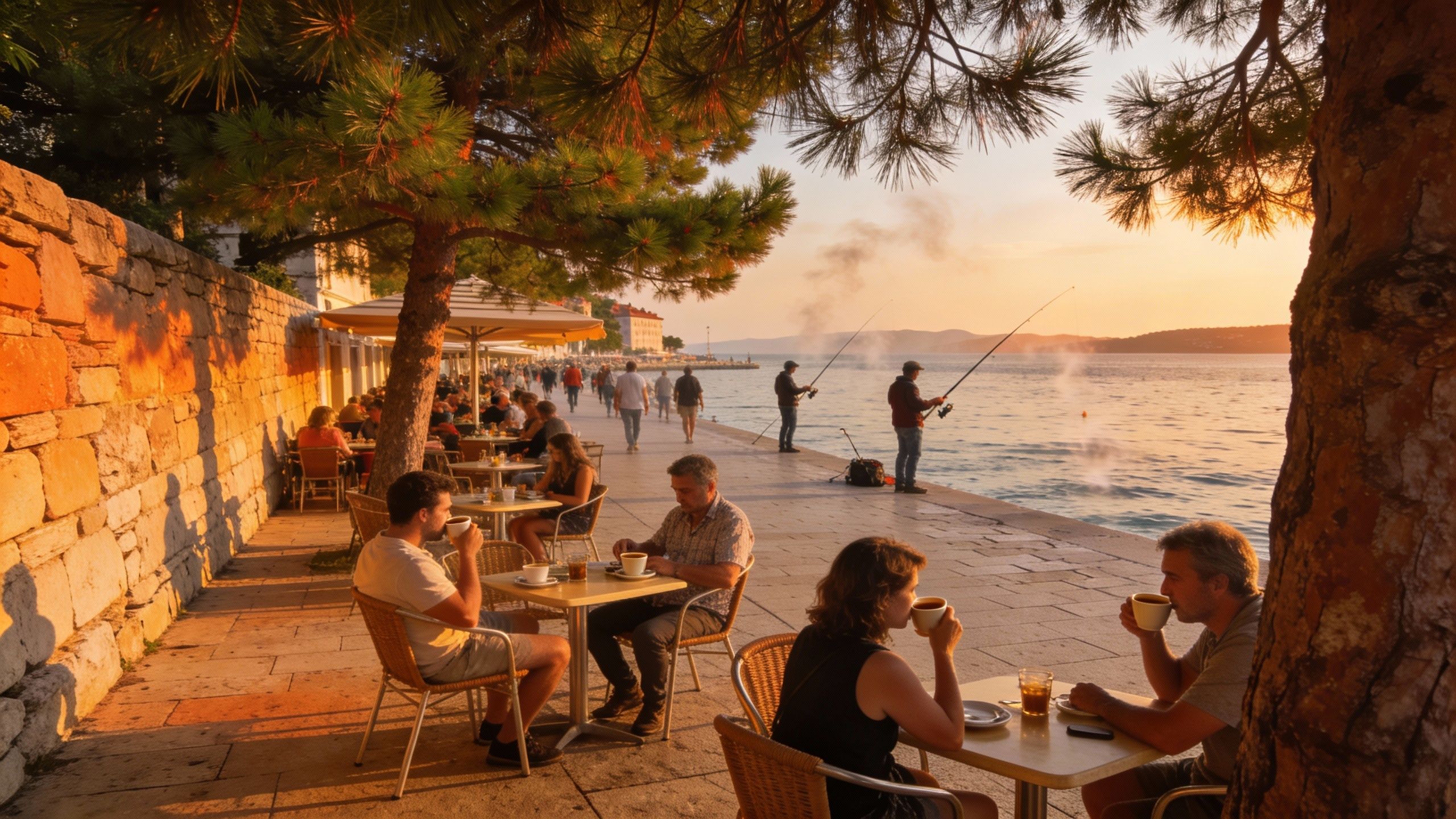
Imagine waking to the scent of pine and salt — a morning espresso at Split’s Riva as fishermen mend nets, or a slow Sunday in Rovinj where laundry flutters from stone balconies. Croatia’s coast offers that cinematic rhythm, but the reality of buying here is a weave of lifestyle enchantment and specific legal threads you must respect. Recent market analysis shows coastal and urban prices diverging and foreign buyers still active, so falling in love with place needs to pair with deliberate due diligence. This guide blends the sensory — markets, neighborhoods and seasonal life — with concrete steps on permits, ownership rules and practical red flags for international buyers.
Living the Croatia lifestyle: daily rhythms and places
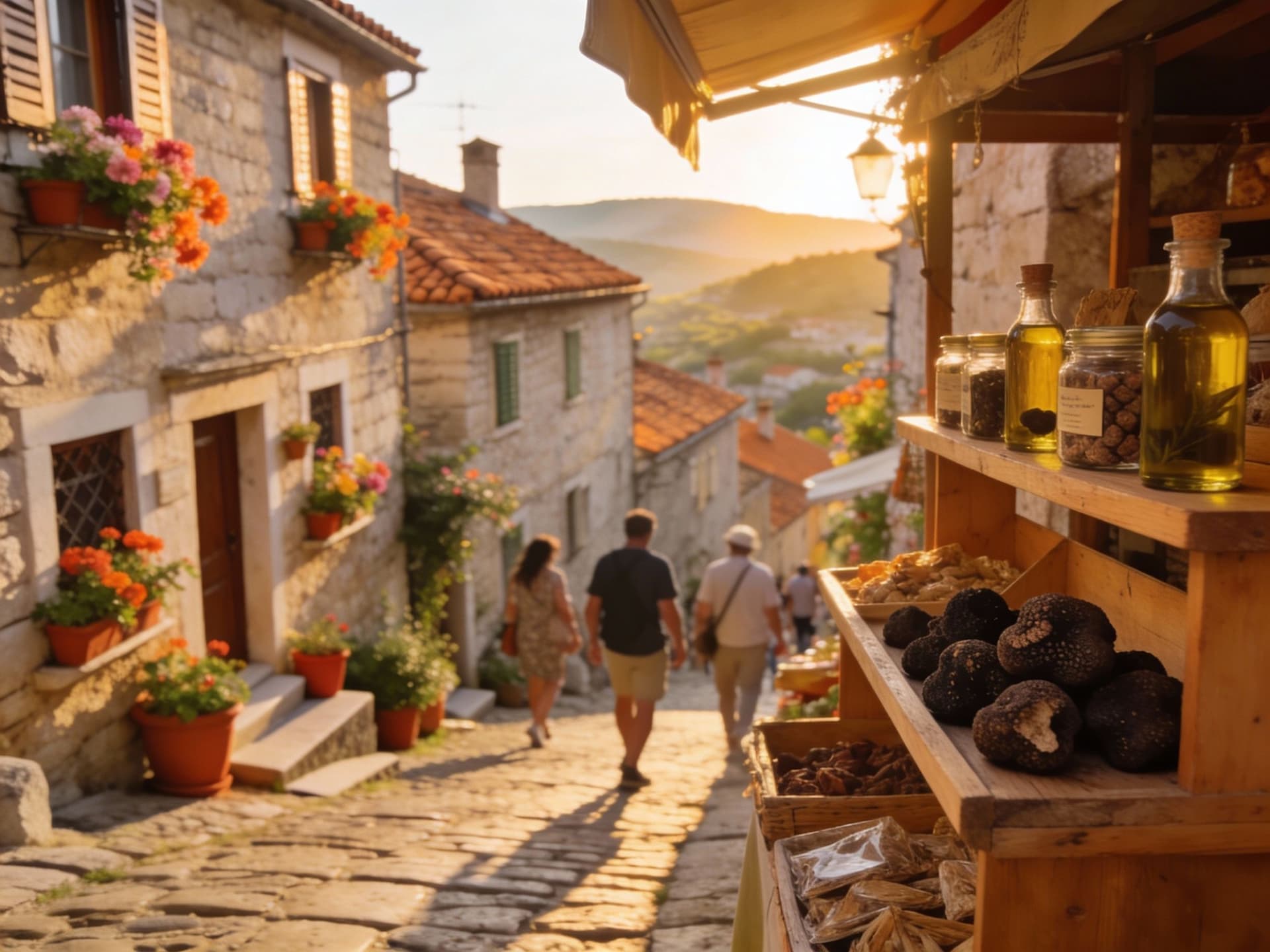
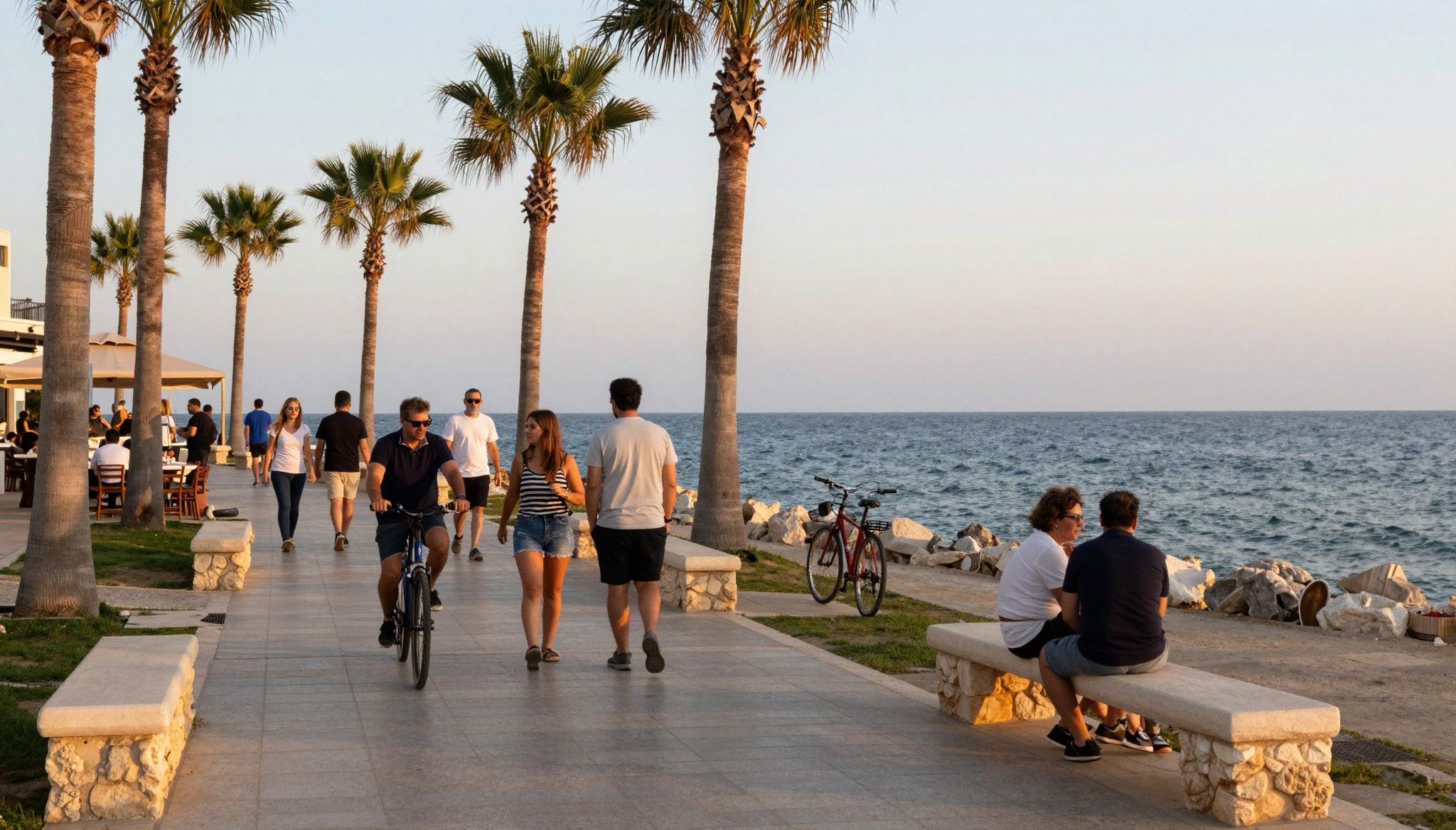
Croatia is not one mood but many: the Dalmatian coast pulses with café terraces, late‑night promenades and summer festivals; Istria hums a truffle-and-wine song among hilltop villages; Zagreb breathes with markets, galleries and a year‑round rhythm. Life here is seasonal — streets empty gently in November, only to refill at Carnival and tourist summers — and that cadence shapes how you’ll use a home. For buyers, the choice of neighborhood determines not only daily pleasures but permit types, rental potential and maintenance realities tied to climate and tourism patterns.
Coastal pockets: Split, Dubrovnik, Zadar and hidden coves
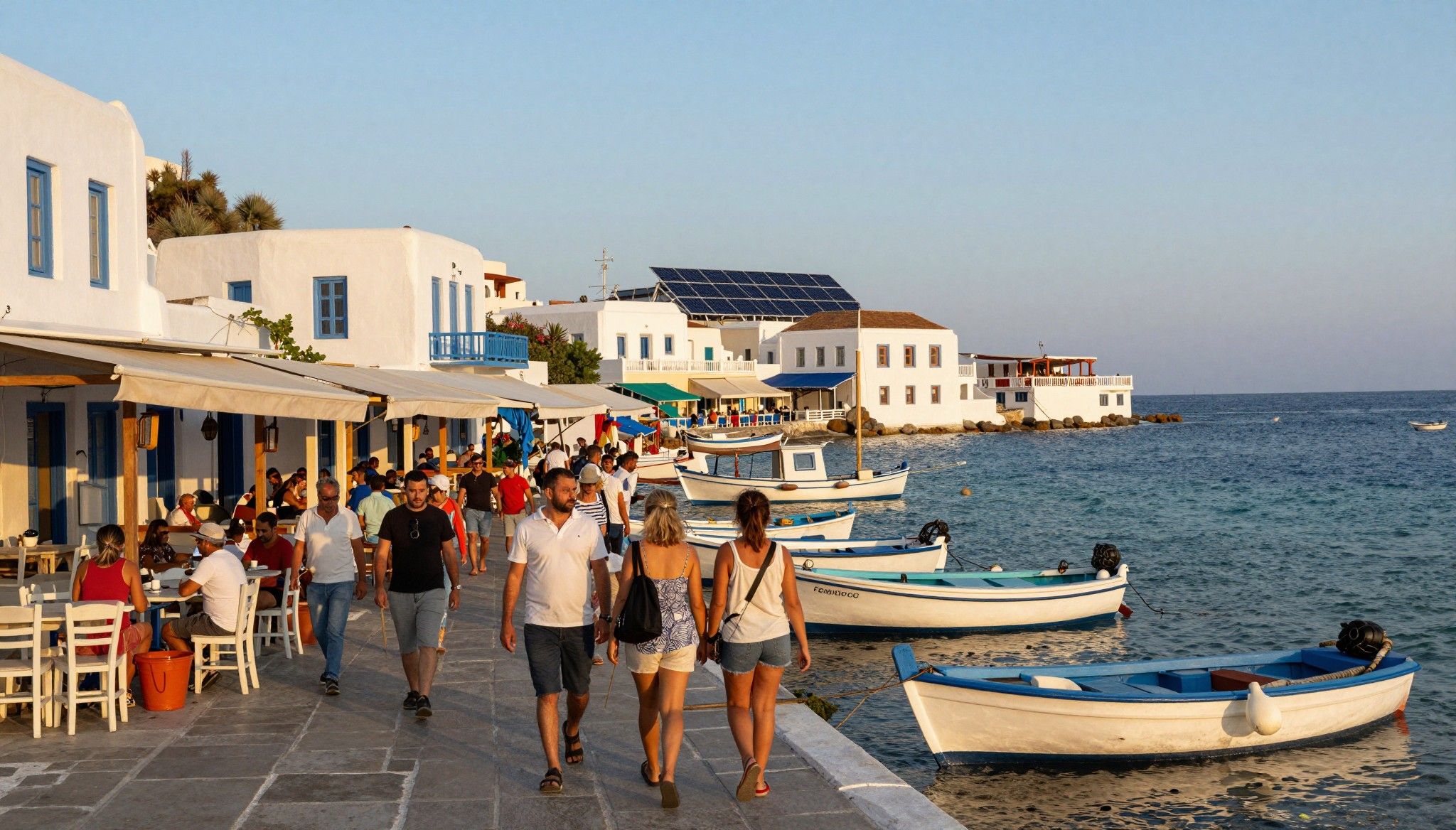
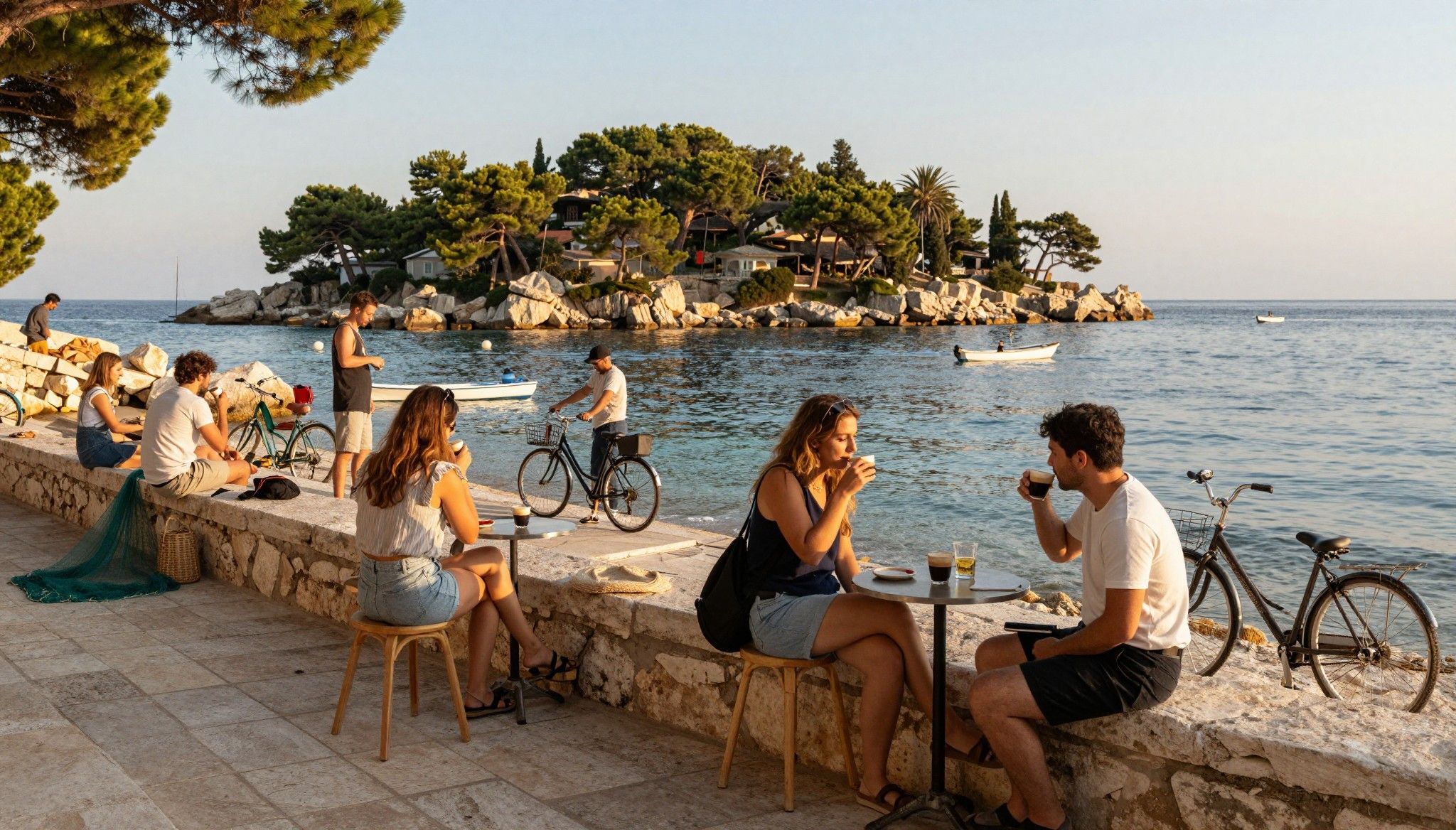
Picture Split’s Veli Varos lanes spilling into seaside cafés, Dubrovnik’s Old Town stone steps alive with history, and Zadar’s sunset-watching crowd at the Sea Organ. Yet beyond the postcards, quieter anchorages — islands like Brač’s Supetar or Šolta’s Stomorska — offer lower price-per-m² and a different permit environment for renovation and short‑term rental use. Locals value shade trees, cisterns and stone walls that keep houses cool; these traditional features also reduce energy needs and affect renovation permits.
Inland and urban life: Zagreb, Istrian hill towns, Slavonia
Zagreb’s leafy neighbourhoods — Šalata, Gornji Grad, Maksimir — offer a year‑round community life with markets such as Dolac and nearby parks ideal for families. In Istria, Motovun or Grožnjan trade coastal bustle for vine-lined lanes and artisanal food culture; Slavonia gives vast land, lower prices and agricultural permits that favor owners wanting orchards or olive groves. Each setting carries a different administrative profile: coastal zones attract tourism-focused restrictions while inland properties may have agricultural classification that affects conversion and construction permissions.
- Morning markets, sea swims, and small rituals that define neighbourhood life
- Coffee on the Riva in Split; visit Kavana Paradiso in Zadar for a sunset espresso
- Weekend truffle hunts and winery visits around Buje in Istria
- Dolac market mornings and gallery nights in Zagreb’s Upper Town
Making the move: practical due‑diligence that preserves the lifestyle
Turning daydreams into keys requires checking legal ownership, land classification and permit history — and understanding how seasonal tourism affects local rules. Croatia’s market has seen a cooling in transactions through 2025 but foreign buyers remain a significant share of sales, so local authorities and Upis (land registry) records are essential early checks. Relying on an agent who knows the municipal planning office and cadastre can save months of surprises and keep your sustainability goals intact — for example, locating properties suited to solar panels or rainwater capture without facing heritage‑block restrictions.
Property types & what they mean for living sustainably
Stone village houses often have thick walls, natural cooling and a charm that needs careful restoration; new builds may offer insulation, heat pumps and integrated PV but sit in denser developments. If your dream involves a garden and olive trees, check land use maps for agricultural status and permitted conversions. For coastal apartments, consider building-level waste systems, orientation for natural ventilation, and whether terraces allow photovoltaic or shutter installation.
Why the right local team matters: agents, lawyers and planners
A knowledgeable agent who knows Dalmatia’s permit culture and a lawyer who reads the land registry are non‑negotiable. Municipalities differ — Split vs. Brač vs. inland counties have separate rules for coastal setbacks, façade conservation and rental registration — so a local planner can flag whether your green retrofit is allowed. Use experts to check utilities, septic systems vs. sewer connection, and whether previous renovations were legalized, because undocumented work can block future permits and insurance.
- Six practical steps to pair lifestyle goals with legal safety
- 1) Pull a certified cadastral extract and ownership history before offer.
- 2) Verify land use and building permits with the municipal Upravni odjel (planning office).
- 3) Engage a lawyer to confirm encumbrances, rights of way and utility easements.
- 4) Check if property is subject to new property taxation rules or tourist‑rental registries.
- 5) Commission an ecological/site survey for water, drainage, and heritage protections if renovating.
- 6) Confirm availability of long‑term services: local maintenance, waste collection and community stewardship groups.
Insider knowledge: what expats wish they'd known (and local surprises)
Expats often tell a common story: enchanted by a village or a sea view, they discover planning restrictions, seasonal infrastructure limits and a slower administrative pace than they expected. Transaction volumes fell in H1 2025, reflecting shifting borrowing costs and caution — a reminder that timing matters; a dreamy summer visit may not reflect year‑round community life. Understanding these rhythms helps you pick a home that breathes with the seasons rather than one that becomes a costly, underused asset.
Cultural cues, language and community integration
Croatians are welcoming but procedural: official processes run in Croatian and many municipal forms require a local fiscal number (OIB). Learning a few phrases opens doors at markets and with craftsmen; partnering with neighbours for garden work or communal repairs is common. Respect for heritage façades and public spaces is real — noisy renovations without permits draw local scrutiny — so start conversations early and bring plans to community meetings where appropriate.
Long‑term stewardship: from olive trees to rental rules
Policy changes matter: reforms to property taxes and incentives for long‑term rentals aim to discourage speculative short‑term lets and encourage year‑round occupancy. For buyers seeking regenerative gardens or solar independence, confirm whether local conservation zones restrict tree removal or roofline changes. Stewardship-minded owners in Croatia often work with local nurseries, stone masons and community co‑ops to maintain biodiversity and reduce ongoing costs — a quieter, often more rewarding investment than chasing capital gains.
- Red flags and permit pitfalls to watch for
- Undocumented renovations that lack a pravomoćna građevinska dozvola (finalized permit).
- Discrepancies between land registry (katastar) and the building register (gruntovna knjiga).
- Properties classified as agricultural land with restricted conversion rights.
- Heritage protection zones that limit energy retrofits or façade changes.
Conclusion: live the place, respect the process
Croatia rewards patient buyers who pair affection for place with careful homework: confirm land records, check municipal rules, and build a local team that values sustainability as much as you do. Start with a short exploratory visit in a shoulder season — taste local markets, meet neighbours and ask to see municipal plans — then commission legal and ecological surveys before you sign. When done well, owning in Croatia becomes a daily practice of stewardship: olive trees to tend, sea air to breathe, and a neighbourhood that accepts you not as an investor but as someone who helps keep the place alive.
Danish relocation specialist who moved from Copenhagen to the Algarve; supports families with seamless transitions, local partnerships, and mindful purchases.