Buy Beyond the Riviera: Permits, Reciprocity & Seasonal Value
Fall for Croatia’s seaside life — but pair romance with concrete due‑diligence: permits, reciprocity rules and seasonal realities backed by official data.
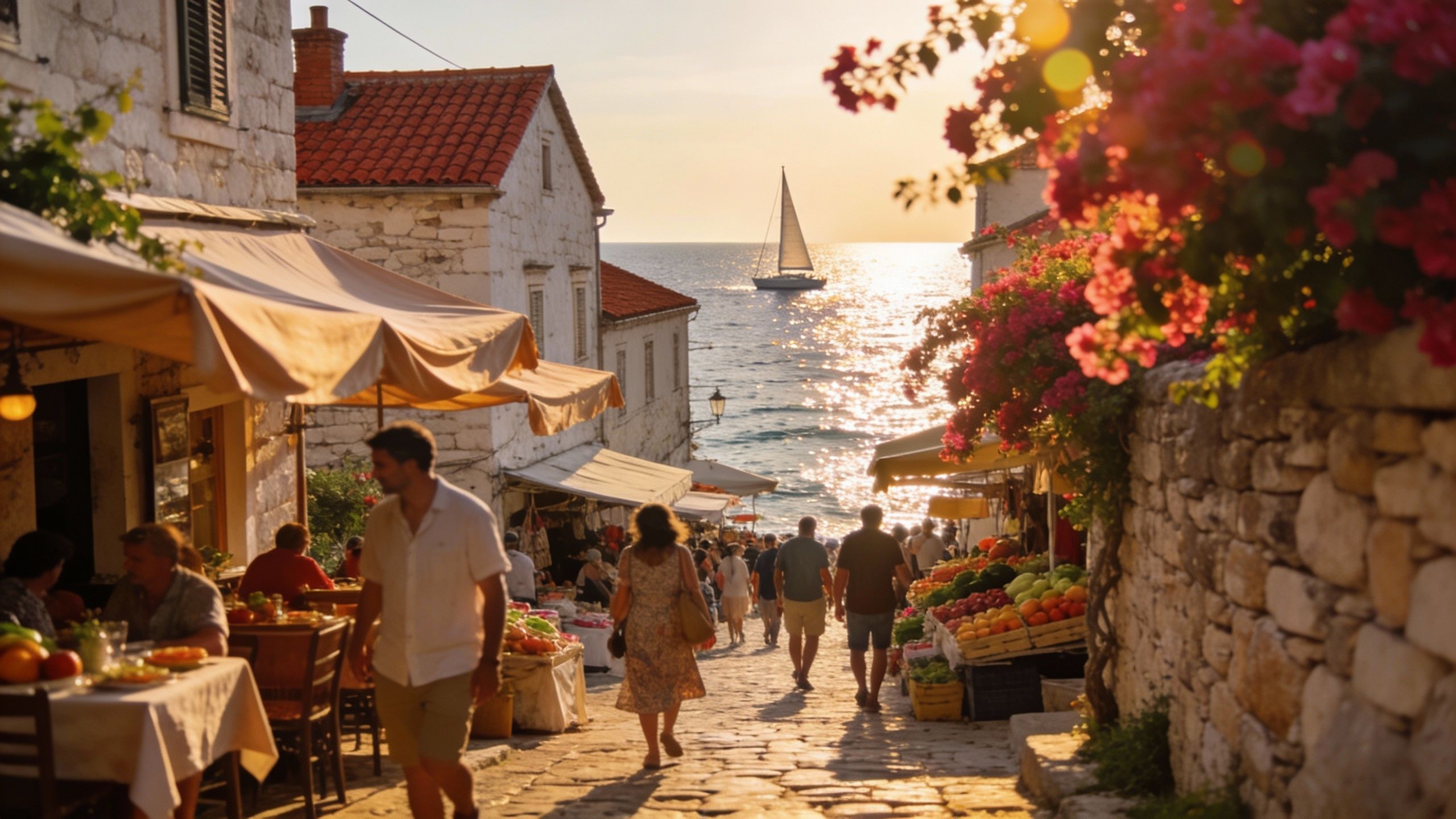
Imagine waking to a sea-salted breeze in a stone‑walled courtyard of Split, then crossing a sunlit market on your way to espresso at Kavana Tinel. Croatia feels like slow afternoons on pebble beaches, late dinners of grilled fish, and villages where terraces bloom with figs and rosemary. Yet behind that effortless charm is a market with real rules, permits and seasonal rhythms that shape what and where you can buy.
Living the Croatian lifestyle — sun, stone and local rituals
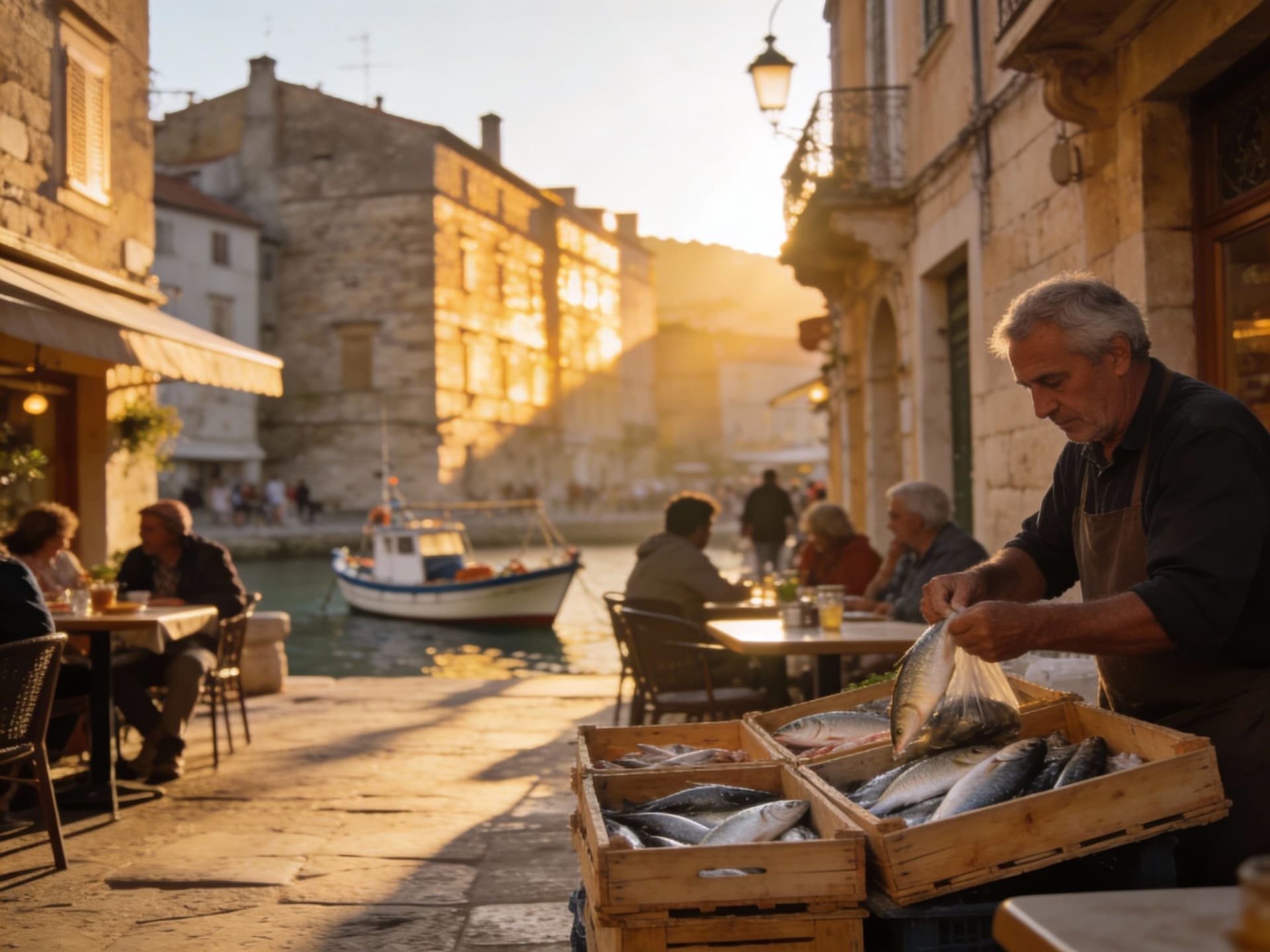
Croatia’s daily rhythm is tactile: morning markets in Dolac (Zagreb) or Pazar (Split), fishermen returning to Riva with crates of sardines, and neighbourhood bakeries where the scent of roasted coffee and fresh burek lingers. On the coast, life orients around the sea; inland, it’s olive groves, vineyards and long table dinners. For buyers, that texture of life should guide choices more than the glossy sea‑view postcard.
Neighborhood spotlight: Diocletian’s shadow to the modern cafe
Walkable, historic cores like Split’s Old Town or Dubrovnik’s less‑touristy streets reward buyers seeking daily life: small grocers, neighbours who know your name, and houses that breathe with stone walls and shutters. In Zagreb, the streets around Tkalčićeva and Britanski trg hum year‑round with cafés and culture, excellent for those wanting urban life with green pockets.
Food, markets and seasonal life that shapes property value
From autumn truffle festivals in Istria to summer regattas in Hvar, seasons change how neighbourhoods feel — and how attractive they are to buyers. Coastal towns swell with seasonal income but quiet dramatically off‑season; inland markets offer steadier local life. These rhythms affect rental potential, running costs, and how you’ll actually use a second home.
- Morning market visits (Dolac, Split Pazar) — fresh produce and community ties
- Pebble beaches and small coves (Brač, Vis) — perfect for quiet summers
- Village fêtes and wine harvests in Istria — seasonal community glue
Making the move: practical considerations that respect place
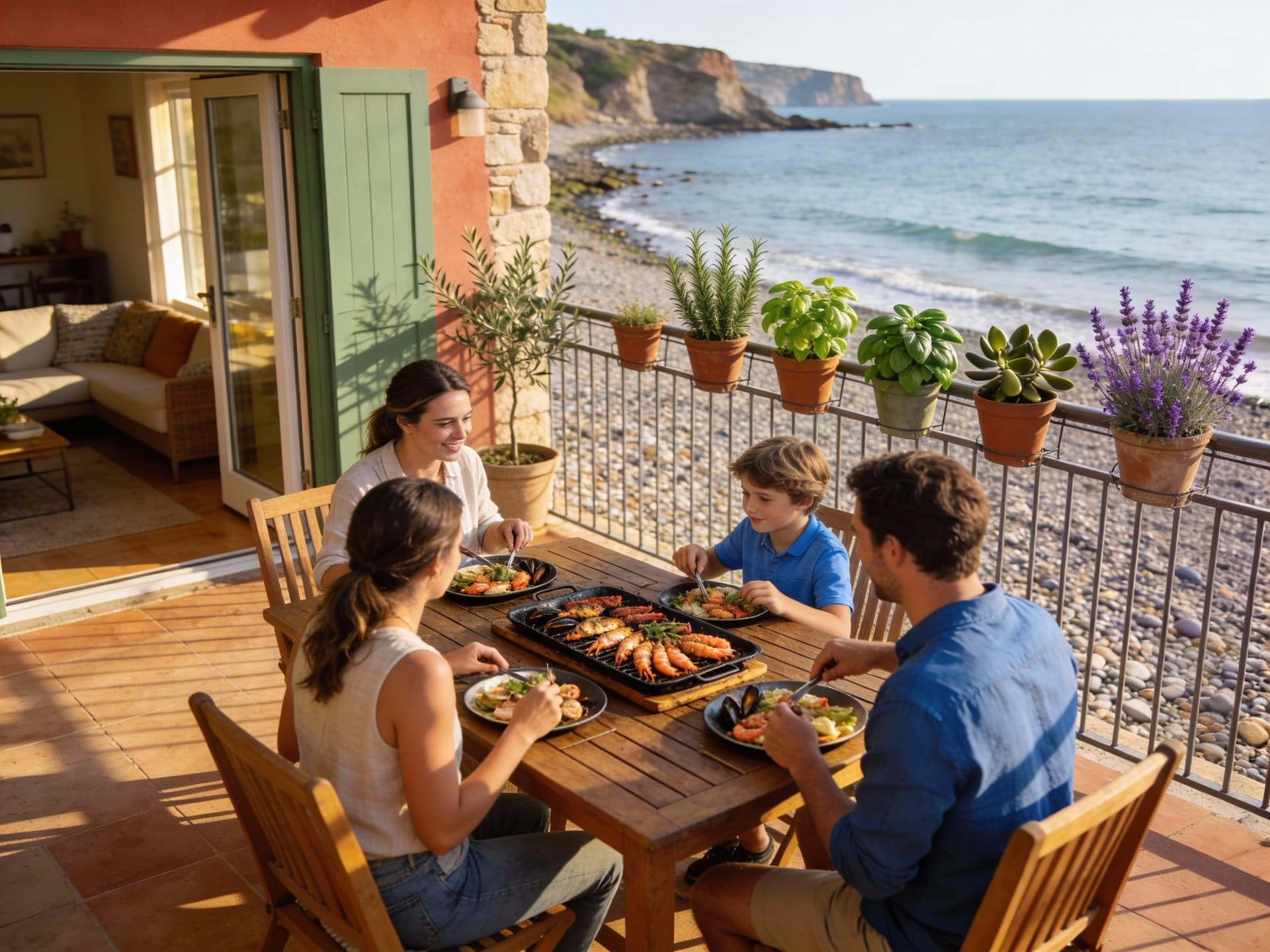
The dream of coastal sun meets regulation and data. Croatia’s House Price Index rose notably in recent quarters, reminding buyers that desirable areas command premiums. Use official statistics to temper romance — prices differ sharply between Zagreb, the Adriatic, and inland counties, and recent inflation and policy shifts have influenced demand and taxation.
Property styles and how they shape daily life
Stone townhouses offer thick walls and cool summers but demand sympathetic renovation and attention to insulation and moisture control. New builds bring energy efficiency, heat pumps and PV readiness — essential for long‑term comfort and running costs. Choose according to how you’ll live: weekend escape (simple, low‑maintenance) or year‑round residence (insulated, modern systems).
Working with local experts who align lifestyle and compliance
A local lawyer and an agency comfortable with municipal permits, coastal zone rules and the reciprocity process for non‑EU buyers will save weeks of uncertainty. EU citizens enjoy the broadest access; non‑EU citizens may need ministerial consent and reciprocity checks. Sustainable features (solar, rainwater harvesting) often require additional permits — factor that into timelines.
- Gather proof of identity and residency status relevant to reciprocity checks
- Commission an initial land registry (ZK) extract and a cadastral plan to confirm boundaries and burdens
- Ask about protected zones (coastal, forest, national parks) before making an offer
- Request documentation on energy systems, sewage connections and declared tourist use (if short‑lets are part of your plan)
Insider knowledge: expat lessons, red flags and seasonal timing
Expats often tell the same two surprises: summer charisma hides winter quiet, and a sea‑view doesn’t always equal year‑round happiness. Housing data show coastal price appreciation but also more volatility. Before you sign, test the place in the season you intend to live; sellers often show homes at their sunniest moment.
Cultural integration and the small courtesies that matter
Learning 30 phrases of Croatian goes a long way. Local markets, kafanas and volunteer events are where neighbours become friends. Respect for communal spaces — stairwell cleaning rotas, quiet hours, municipal waste sorting — affects how you fit in and how quickly you’ll feel at home.
Long‑term stewardship: making a home that respects the Adriatic
Choose materials and systems suited to salt air and seasonality: lime‑based plasters, ventilated facades, stainless‑steel fixings, and PV plus battery options to cut running costs. Local craftsmen skilled in traditional stonework are an investment in authenticity and longevity — and they help properties age gracefully in the Croatian climate.
- Red flags to spot during due diligence
- Missing building permits for later additions (terraces, pools)
- Unclear access rights and private road maintenance obligations
- Properties inside protected coastal or park zones with special restrictions
- Undeclared tourist use that could trigger fines or retroactive taxes
Conclusion: fall in love with the life, then plan the paperwork. Croatia offers a rare blend of sea, stone and community; the trick is to pair that romantic appeal with a solid local team, season‑aware visits, and careful checks on permits, reciprocity and energy readiness. Start with a local agency that knows where local life hums — and the municipal rules that keep it that way.
British expat who traded Manchester for Mallorca in 2017. Specializes in guiding UK buyers to luxury Spanish estates with clear navigation of visas and tax.