When Greece’s Summer Myth Costs You: Timing & Stewardship
Fall in love with Greece’s light, then close with care: timing, negotiation and stewardship tips — backed by market data and local policy updates.
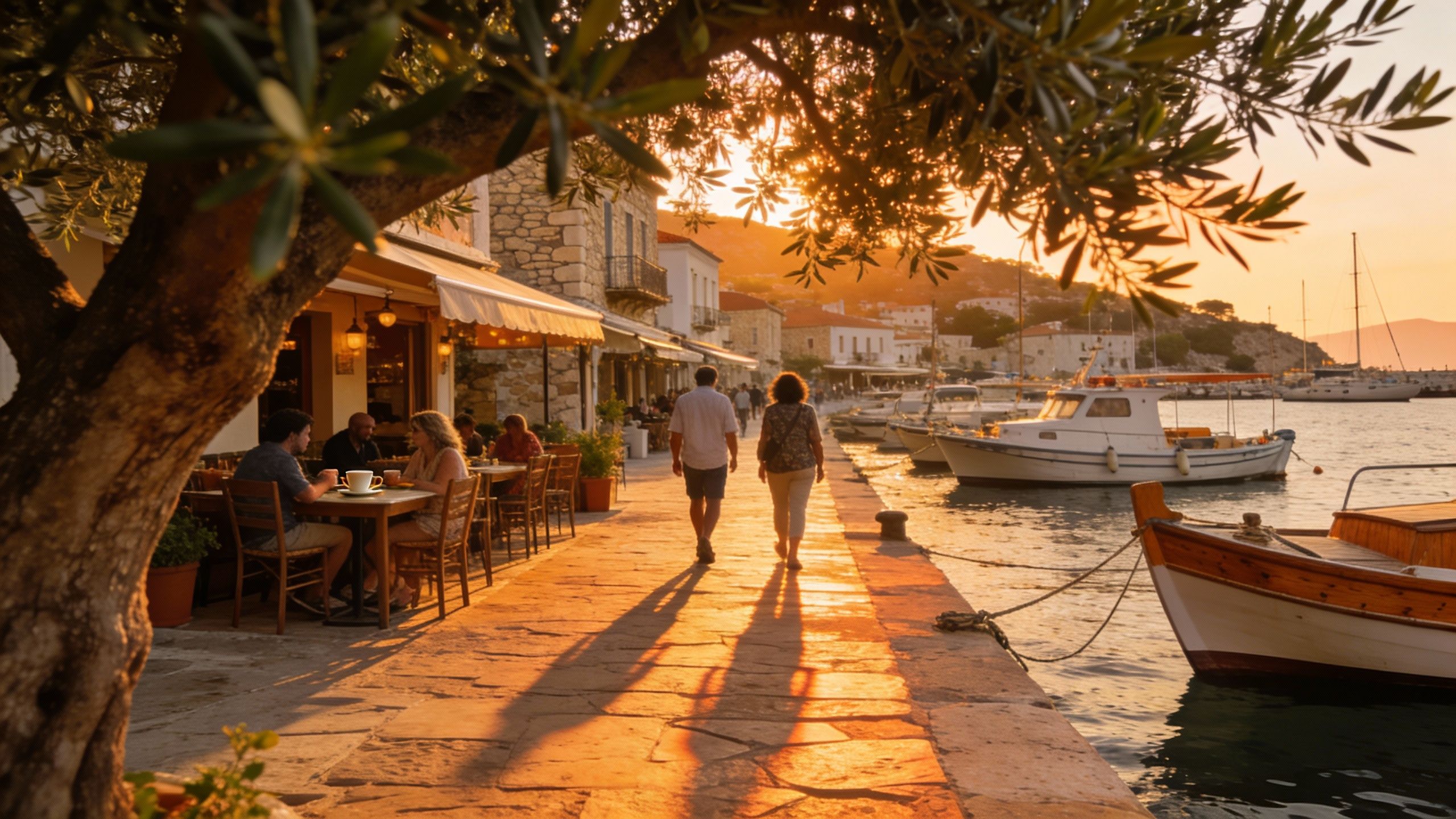
Imagine waking before dawn to the smell of strong coffee, the clack of shutters on a stone street in Plaka, and a fisherman returning with the day's catch on Piraeus docks — that is the daily rhythm Greece offers. For international buyers, that sensory life is the reason you consider a move here, yet the route from longing to keys-in-hand requires care: negotiation rhythms shaped by local customs, closing steps that hinge on neighborhood specifics, and stewardship choices that will determine whether your home ages gracefully in its landscape. This guide marries the irresistible day-to-day of Greek life with the practical closing and long‑term stewardship moves that protect both your investment and the environment it sits within.
Living the Greece lifestyle
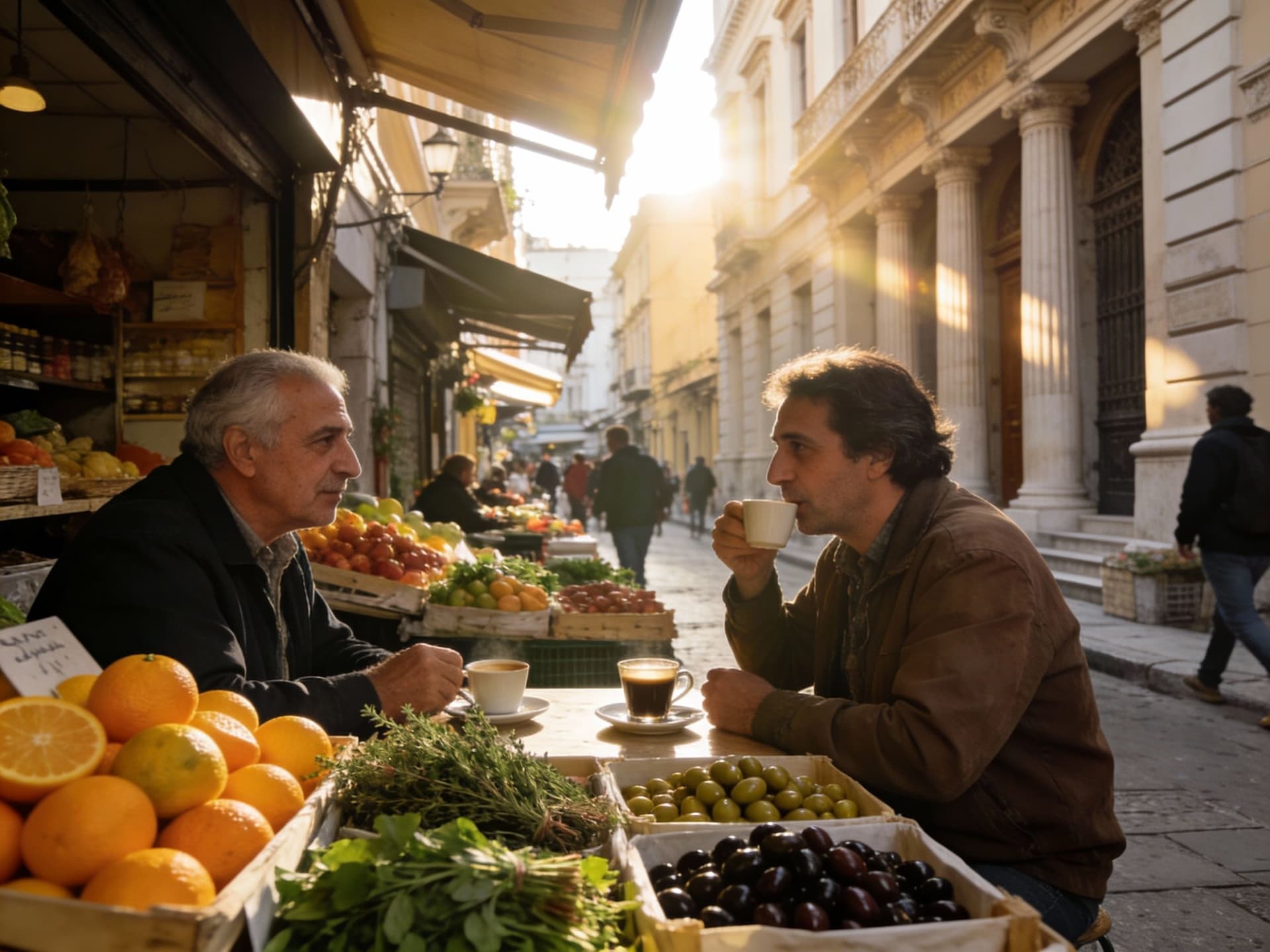
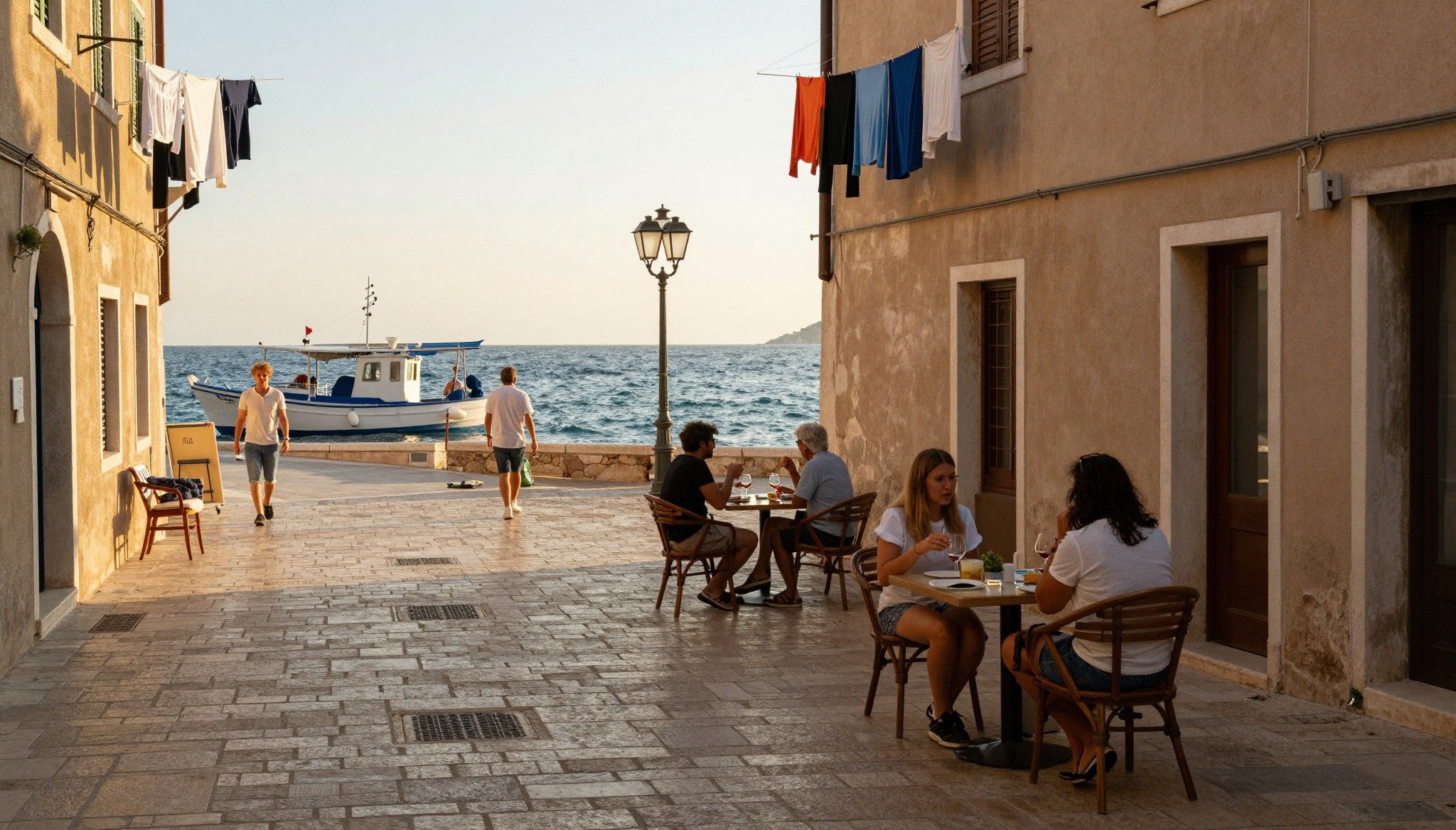
Greece is a mosaic: Athens neighborhoods pulse with cafes and late‑night plateia culture, while the islands trade in slow mornings, sea-salt air and afternoons that revolve around the harbour. You’ll find olive groves stitched into village lanes, Byzantine churches tucked behind courtyards, and narrow streets where a baker still slides bread from a wood-fired oven. Choosing where to close depends on how you want to spend weekdays and weekends — whether it’s espresso and art openings in Kerameikos, yoga at dawn in Glyfada, or glass‑calm swims off Koutalas beach in Milos — each place demands a different property type and a different closing checklist.
Athens: city pulse, courtyard life
Walk from Kolonaki’s boutiques to the green slope of Filopappou and you feel both modern Greek life and ancient calm. Apartments here favor internal courtyards, rooftop terraces and compact kitchens built for late dinners and friends. In closing, ask about municipal renovation rules (police permits for noise, heritage restrictions) and check if the building has solar-ready roofs — a small sustainability feature that will matter for future energy costs and for resale to eco-minded buyers.
Islands & coast: slow seasons, big differences
On Mykonos, Santorini and sought-after Ionian coves you buy a lifestyle measured in light, sea-breezes and a town that empties in winter. Remember that policy shifts — like the 2024 changes to residence-by-investment thresholds — reshape demand on islands and in Attica, so timing and negotiating price must account for regulatory moves as much as seasonality.
- Morning espresso at Little Kook (Athens), sea-swim at Agios Prokopios (Naxos), Sunday market at Varvakios (Athens), olive-press visits in Messinia, a twilight stroll on Mykonos’ Matogianni, artisanal cheese tasting in Lefkada.
Making the move: practical considerations that keep the dream whole
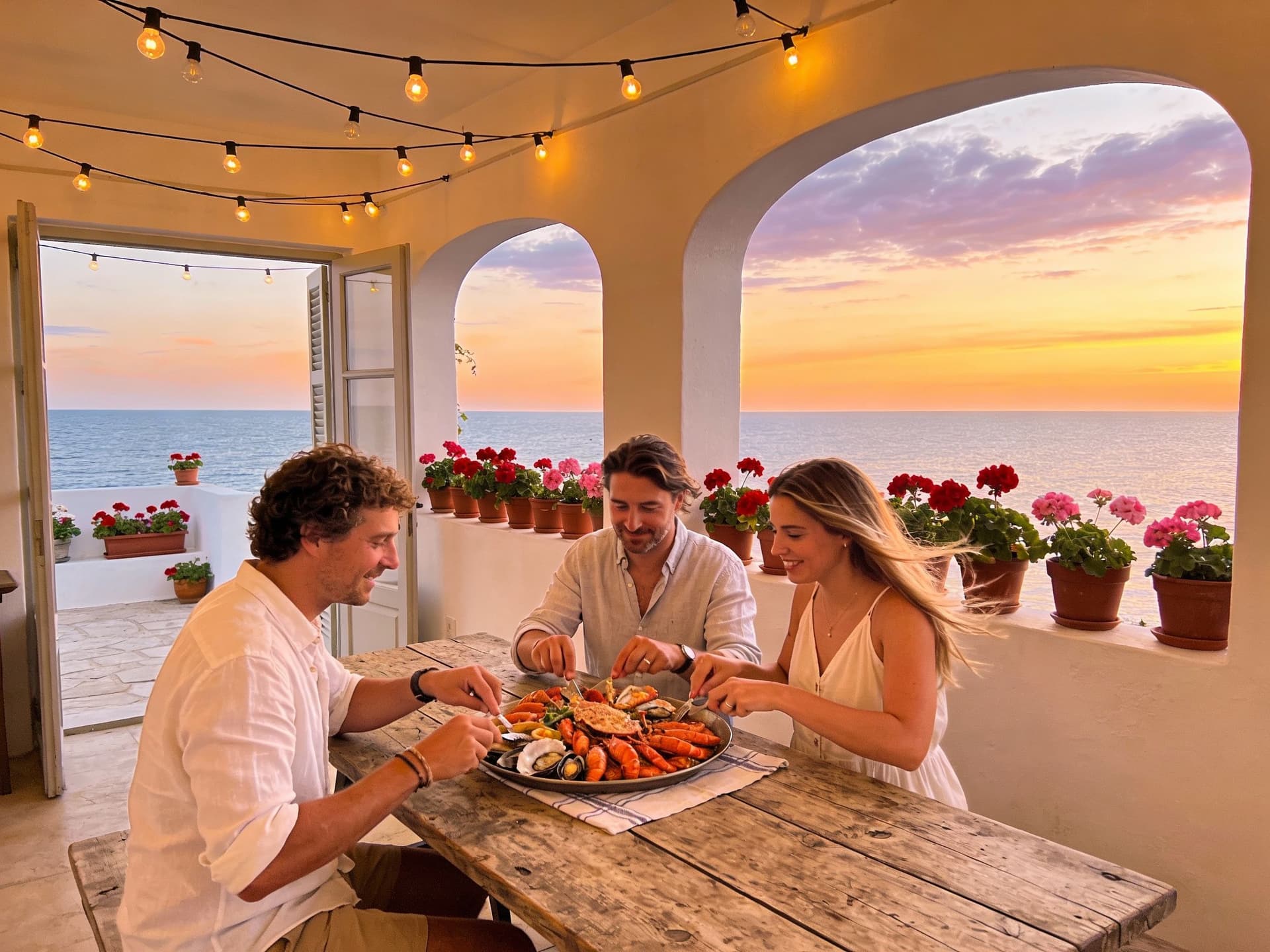
Greece’s market has been climbing steadily — recent house price indices show national gains year-on-year — but regional variance is large. That means negotiation power feels very different between a Cycladic cave-house and a neoclassical flat in central Thessaloniki. As you prepare to close, pair neighbourhood visits with up-to-date price indices and ask your lawyer to model transaction costs against realistic seasonal yields for rentals if you plan to let the place.
Property styles and what they mean for life (and closing)
Stone cottages in Mani bring thick walls and passive cooling but often need seismic retrofits and careful waterproofing; island cave houses reward you with cool summers but can pose ventilation and insulation challenges for winter. Modern builds offer photovoltaic-ready roofs and contemporary insulation, which shorten the stewardship list after purchase. During negotiation, quantify retrofit needs into your offer — a transparent line-item for a new septic system, insulation, or PV installation turns emotion into a defensible price adjustment.
Working with local experts who know the lifestyle
A trusted local agent, an English‑speaking notary or lawyer, and an architect familiar with regional craft can save weeks and thousands of euros. They translate more than language: they interpret local negotiation cues, neighborhood unwritten rules, and how municipal restrictions (including recent short‑term rental reforms) might affect your closing and future income. Ask agencies for references from buyers who used them for eco-retrofits or energy upgrades — it’s a reliable proxy for stewardship expertise.
- 1. Confirm zoning and building permits before your final offer; 2. Include a clause for energy and structural checks within 30 days of signing; 3. Negotiate seller contribution for mandatory fixes (plumbing, wiring, legal regularisation); 4. Agree a clear handover date tied to utility transfers and municipal certificates; 5. Retain a local property manager for the first 12 months to steward seasonal upkeep.
Insider knowledge: expat confessions and stewardship truths
Expats often tell a similar story: they fell for the light and the market's romance, then learned that long-term contentment depends on small, steady stewarding acts. Simple habits — a winter windbreak on a terrace, a rain-harvesting barrel behind a house, seasonal sealing of shutters — keep a property feeling loved and reduce repair bills over a decade. Good stewardship in Greece is about respecting materials and cycles: olive trees need pruning, lime-washed walls need annual touch-ups, and stone courtyards respond to gentle, locally-informed repair.
Cultural integration, language and social rhythms
Learning a few phrases — “kalimera,” “efcharisto,” “mporeite?” — opens doors more quickly than expensive linens. Neighborhood life in Greece is conversational and reciprocal: invite your next‑door neighbor for coffee, and they'll keep an eye on the property when you’re away. For closing, this matters: local references smooth municipal interactions, and relationships with neighbors often reveal practical details about water supply patterns, local microclimates, and community expectations for maintenance.
Long-term lifestyle and property stewardship
Think in decades, not months: modest investments in solar panels, rain capture, native landscaping and breathable insulation pay dividends in comfort and resale desirability — and Greece’s steady price rises suggest the market increasingly values sustainably refurbished homes. Stewardship also means paperwork: register any upgrades with municipal authorities to ensure future buyers inherit a properly documented, permitted home.
- Prioritise: 1) Roof and water-proofing checks; 2) Solar readiness and meter access; 3) Native plantings to reduce irrigation; 4) Regular masonry and lime-wash maintenance; 5) Clear documentation of any retrofits and certificates.
When you close in Greece well, you’re not only buying stone and light — you’re buying into seasonal rituals, a neighborhood’s pulse, and a stewardship relationship with place. Start with lifestyle clarity: name the mornings you want (market or beach), then match that to property style and a closing checklist that codifies repairs, permits and energy upgrades. If you’d like, we can connect you with local Moss & Hearth partners who specialise in eco-retrofits and island stewardship — people who help make the romantic practical, and the practical wonderfully alive.
Danish relocation specialist who moved from Copenhagen to the Algarve; supports families with seamless transitions, local partnerships, and mindful purchases.