Seasonal Traps and Stewardship: Closing in France
Seasonal rhythms alter value in France: use local market data, certified DPEs and stewardship clauses to negotiate fair closings and protect long‑term lifestyle value.
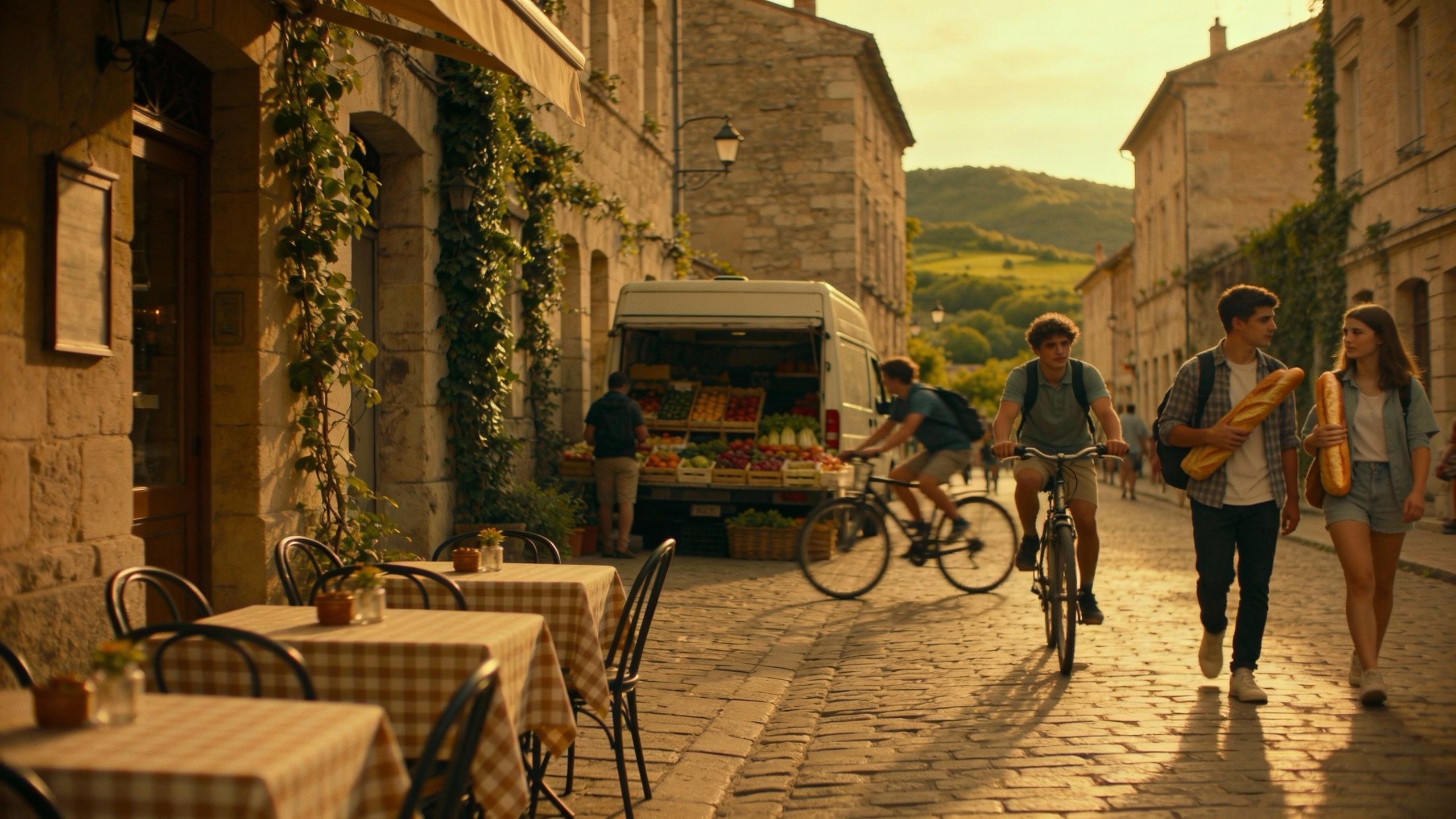
Imagine an autumn morning in Aix‑en‑Provence: the market stalls are a patchwork of chestnuts, figs and wild rosemary, the church bells mark time, and behind a shuttered stone façade a renovated maison with thick lime plaster keeps the day cool. In France the sensory rhythm—cobblestones warmed by sun, the salt air on the Riviera, or the hush of Alpine pines—shapes not just how you live but how you should buy, close, and steward a home so it ages gracefully with the landscape.
Living the French life: place, pace and property
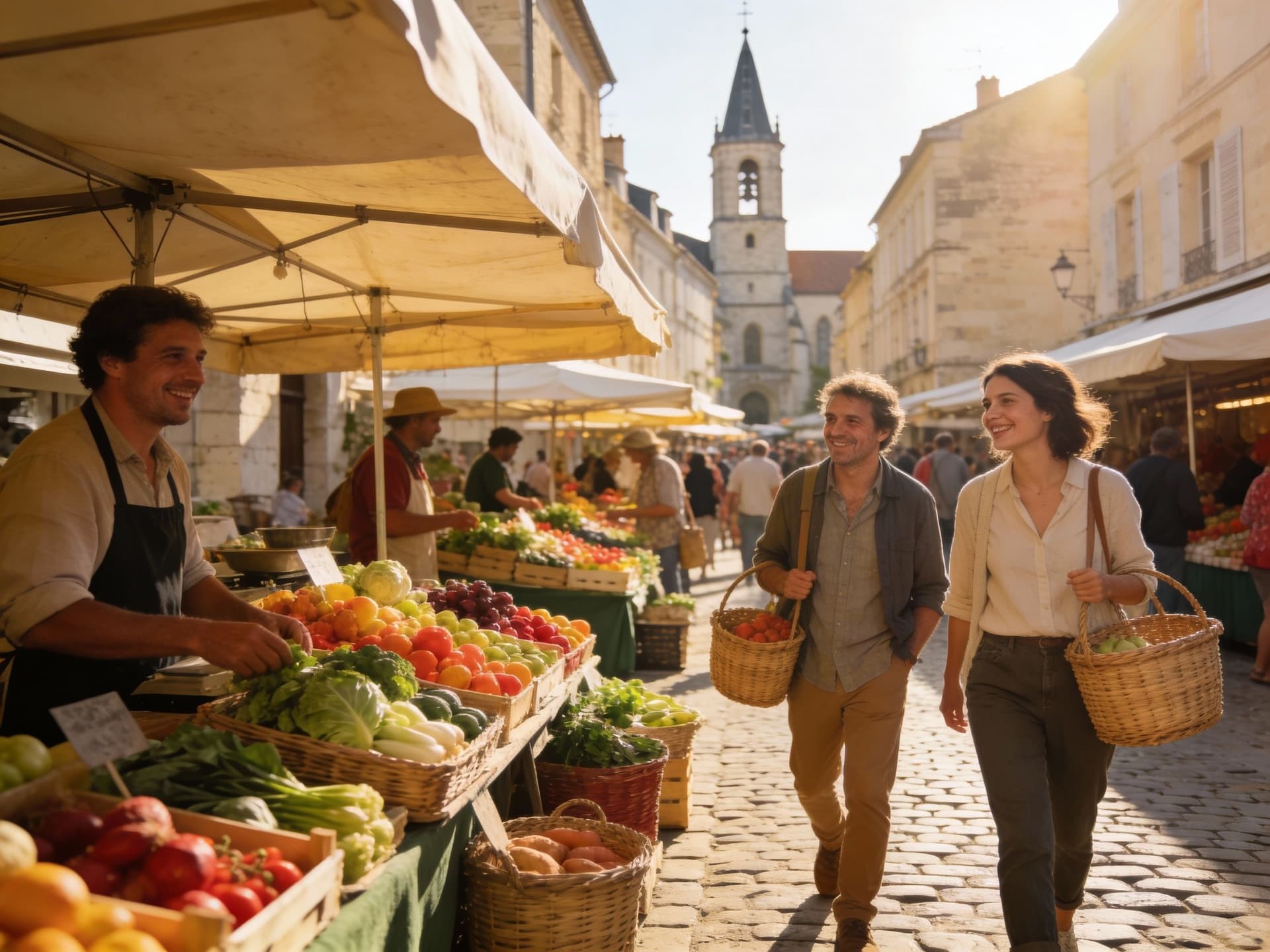
France is many lives in one country: the intimate café corners of Paris’s 11th and 12th arrondissements, the salt-scrubbed lanes of Île de Ré, the timbered lanes of Alsace, and the slow, vineyard-steeped afternoons in Bordeaux’s outskirts. Each region gifts a different daily tempo—market rhythms on Saturday mornings in Lyon, evening promenades along Nice’s Promenade des Anglais, or the alpine commute by cable car—and these rhythms should guide what you buy and how you negotiate.
A neighbourhood snapshot: Marais and Médiéval lanes
Picture the Marais at dusk—lamps gilding timber and stone, small bistrot tables pushed to the pavement. Here, apartments are compact, historic and highly regulated: thin walls, strict co‑ownership rules and a conservation mindset. Contrast that with rural Dordogne where a stone longère sits in a walled garden and the closest bakery is 12 minutes by car. Knowing the neighbourhood rhythm—foot traffic, market days, school schedules—lets you choose a property that becomes home rather than an icon you must merely maintain.
Food, festivals and the calendar that changes property value
Festival seasons—truffle auctions in Périgord, summer jazz in Nice, harvest fêtes in Burgundy—reshape short‑term rental demand and the feel of a neighbourhood. In many mountain and coastal towns, developers and owners price around peak‑season income potential. But the lived reality off‑season can be quieter, less serviced, and sometimes lonelier. Weigh festival-driven returns against year‑round community life when you imagine living there.
- Lifestyle highlights to map into your search: Marché Bastille (Paris), Plage de la Salis (Antibes), Place du Marché (Sarlat), Rue des Rosiers (Le Marais), Saturday market at Cours Saleya (Nice).
Making the move: how season, negotiation and closing intersect

Dreams meet paperwork at the offer. In France, the rhythm of closing often follows local seasons and tax calendars—sellers may be more flexible off‑peak, while buyers chasing rental income might pay a season premium. Market signals since late 2024 show the French market stabilising and edging back into growth, so timing and negotiation posture now require local data, patience, and a stewardship mindset that anticipates maintenance and energy upgrades.
Property styles and what they mean for life
A Haussmann apartment asks for a life of strolls, boulangeries and compact, vertical living; a Provençal farmhouse invites gardening, rainwater capture and solar‑ready roofs. Your negotiation should include stewardship clauses—agreements for preserving mature trees, plans for insulating a century‑old roof, or commitments to shift to low‑carbon heating. These are not luxury extras: they protect value and the local ecology.
Working with the right local experts
- 1) Hire a notaire and a local agent who respect seasonal context; 2) Insist on a certified DPE and recent technical diagnostics; 3) Negotiate stewardship items (garden management, approved renovation scope); 4) Factor in realistic off‑season running costs and local service levels.
Insider knowledge: what expats wish they'd known
Real talk from buyers: seasonal listing photos can flatter (sunny terraces in August), energy labels can be inconsistent, and festival weeks can mask long stretches when services slow. National data shows activity rising again through 2025, but the rebound is patchy—Paris behaves differently from coastal or alpine markets—so local nuance matters more than headlines.
Cultural integration and daily realities
Language matters: a few phrases open neighbourhood doors. Attend local markets, volunteer at a harvest fête, join the mairie’s bulletin board. Small acts—saying hello to the baker, learning bin day—anchor you and often ease negotiation and stewardship conversations with neighbours and co‑owners.
Long‑term stewardship: how life and value evolve
Stewardship means planning for energy upgrades, biodiversity in the garden, and practical maintenance calendars timed to season. When you close, ask for recent roof, drain and insulation reports; factor retrofit windows or heat pumps into your offer. These commitments save money and keep the home aligned with France’s tightening energy rules and community expectations.
- Practical red flags and checks before signing: recent DPE without ADEME reference number; inconsistent land registry (cadastre) descriptions; missing co‑ownership minutes (procès‑verbaux) for apartments; unexplained short‑term rental conversions in your building; and drainage or subsidence notes in rural properties.
- 1) Request full DDT and verify DPE via ADEME; 2) Commission a local technical survey timed for season (roof checks after winter storms); 3) Add stewardship clauses to the compromis de vente; 4) Agree a carrying‑cost buffer for the first 12 months to manage energy and local service changes.
If you love the life—market mornings, sea air, or mountain silence—buying in France is a stewardship choice as much as a real‑estate one. Start with neighbourhood rhythms, insist on robust, certified diagnostics, and close with clear maintenance and sustainability commitments. Local experts who care about place will protect more than your transaction: they’ll protect the life you imagined.
Swedish advisor who left Stockholm for the Costa Brava in 2019. Specializes in sustainable, sea‑view homes for Scandinavian buyers and green finance insights.