Off‑Season Buying in Croatia: Save Money, Live Greener
Buy off‑season in Croatia: official data shows price growth with seasonal slowdowns—visit in shoulder months to negotiate greener deals and stewardship clauses.
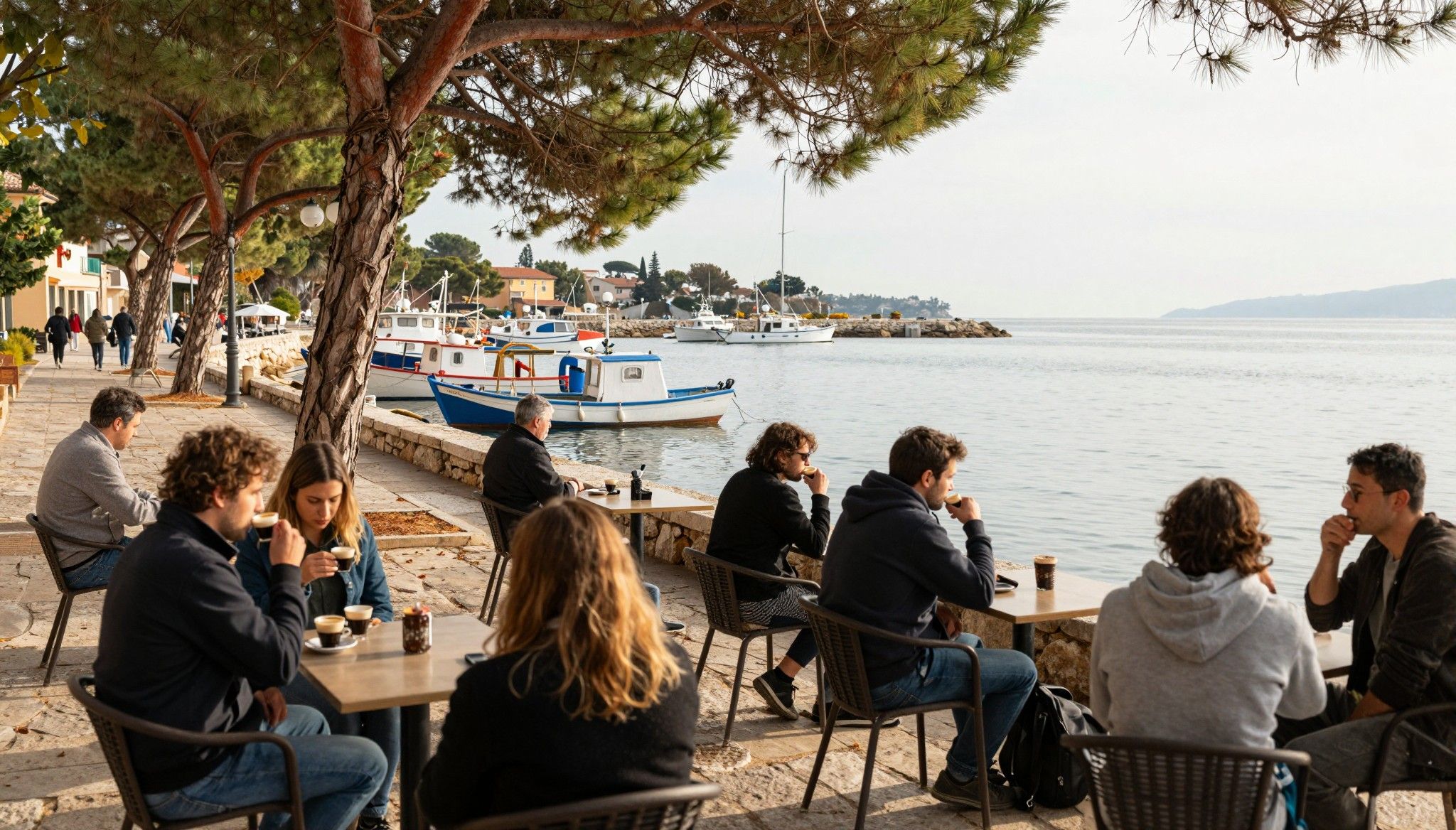
Imagine waking before dawn to a mist over the Adriatic, walking down a quiet Riva as shop owners sweep the stone, then signing papers in a local notary while the town still smells of espresso and Bureaucracy. In Croatia the lived experience shifts with seasons—coastal towns empty into calm clarity in winter, inland markets hum with harvest in autumn, and Zagreb’s terraces pulse with student life in spring. Those rhythms shape not only how you’ll live, but when you should buy, negotiate, and steward a home that sits within an ecosystem, not above it. Recent official data shows price movement and seasonal cooling that savvy buyers can use to their advantage.
Living the Croatia lifestyle
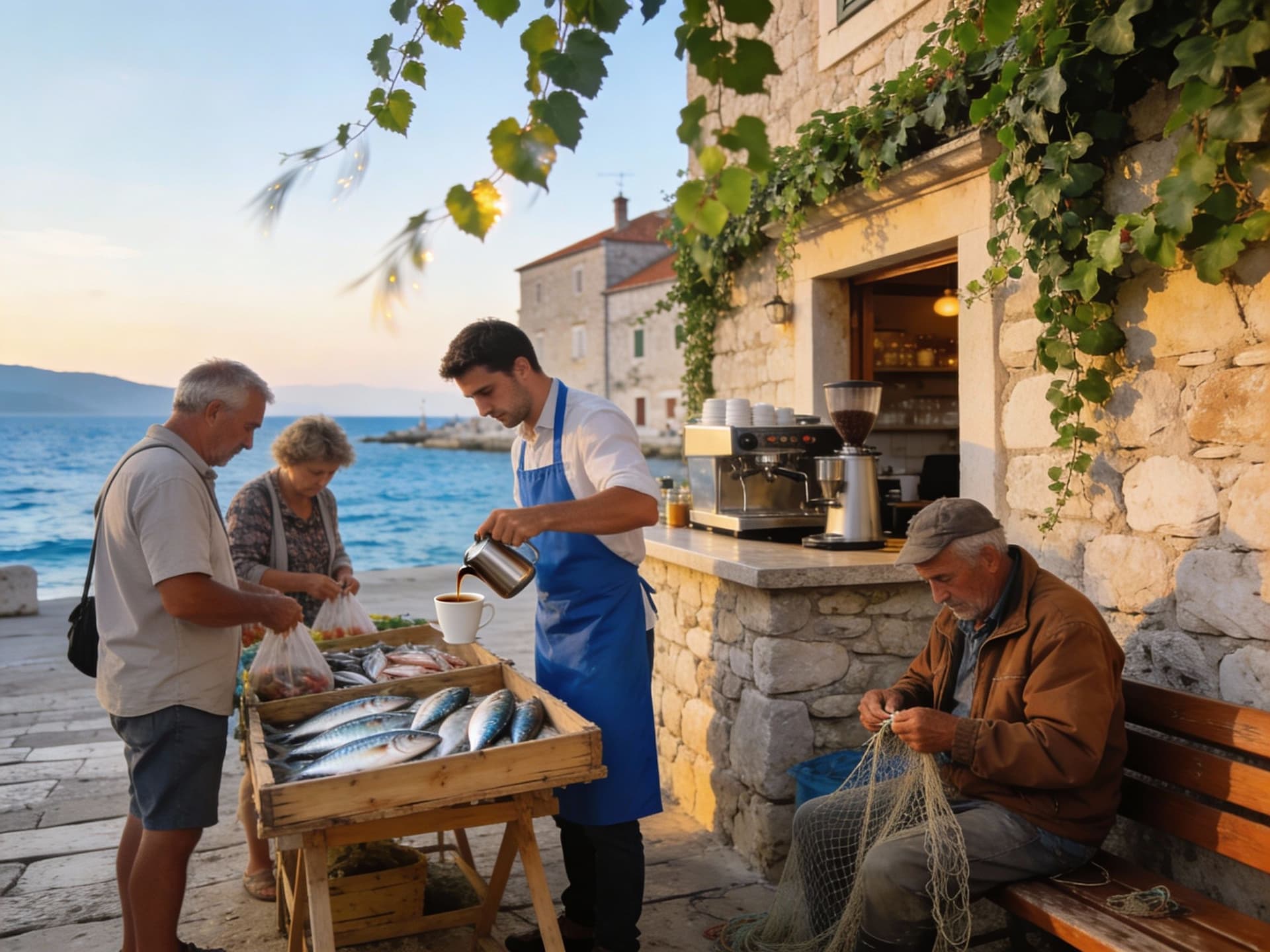
Croatia feels like two countries in one: Adriatic coastal towns where stone, salt and cicadas set the tempo, and inland plateaus where forests, vineyards and family markets set another. Picture morning espresso at Cafe Uljanik in Rovinj, an afternoon walk along Split’s Marjan, or Saturday fish markets in Zadar—each place has distinct sensory notes. This is low‑pressure living that rewards slow stewardship: terraced gardens, rainwater collection opportunities, and homes built of stone and timber that age gracefully when cared for.
Coast: stone alleys, small harbours, seasonal life
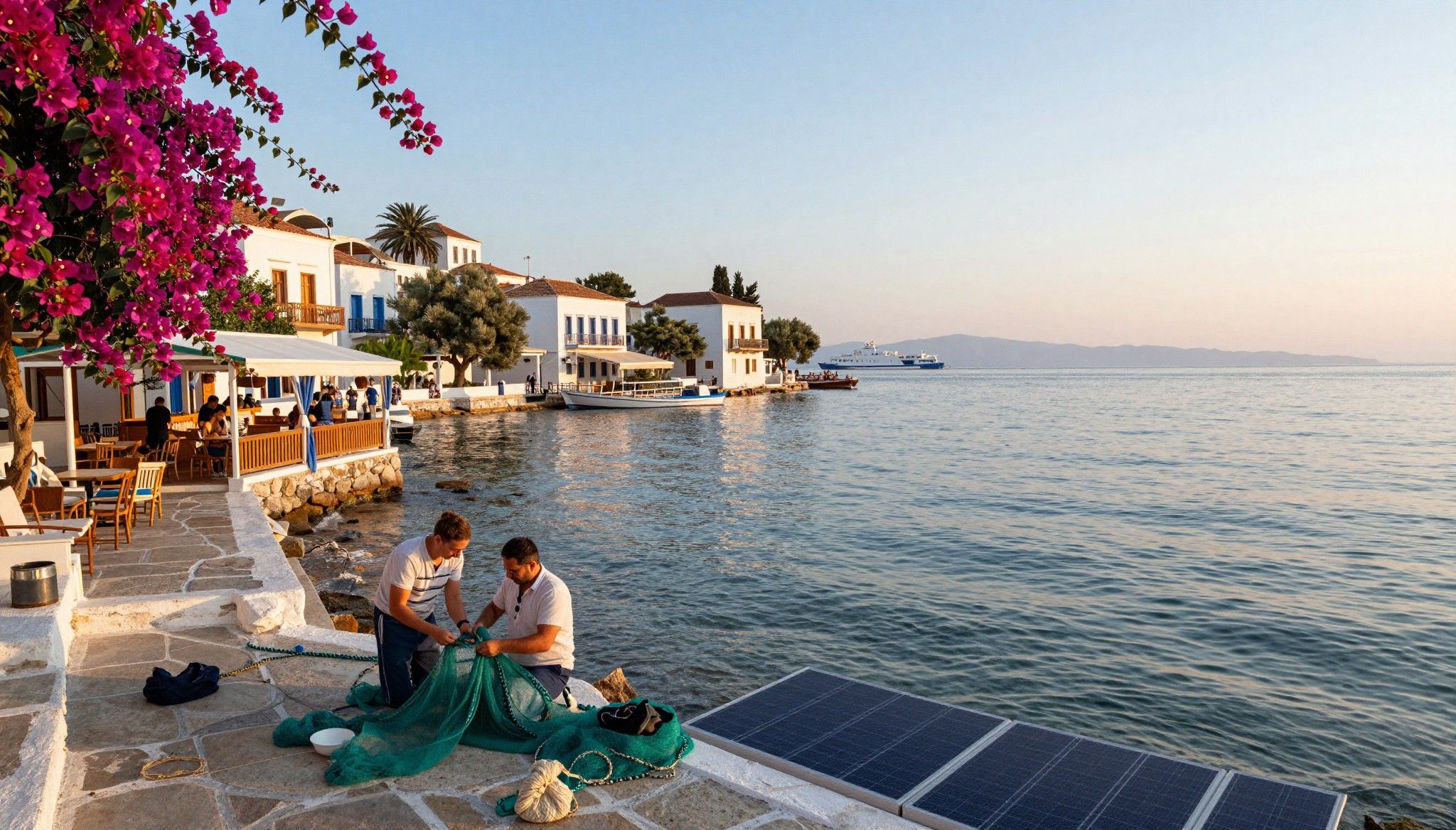
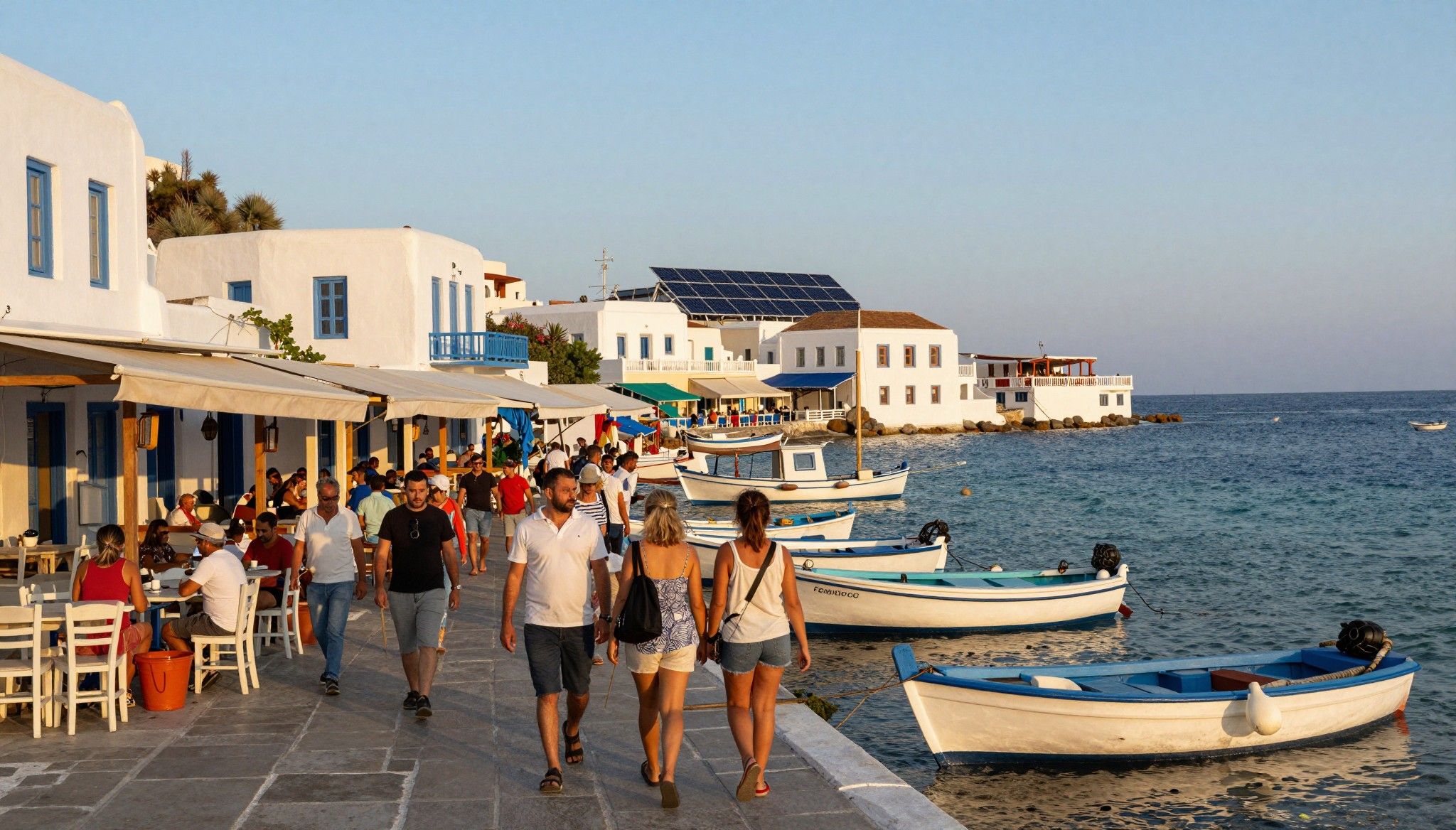
Walk the Stradun in Dubrovnik before tourists arrive and you’ll hear bell towers, not buses. In Istrian towns such as Rovinj and Poreč, narrow streets open into piazzas where fishermen sell off the morning catch; in quieter coves of Vis and Lastovo, you’ll find solar‑ready cottages and community gardens. Property here often means a stone house with thick walls—perfect for passive cooling and easy retrofits like rooftop photovoltaics and greywater systems.
Inland & cities: markets, craft, and year‑round life
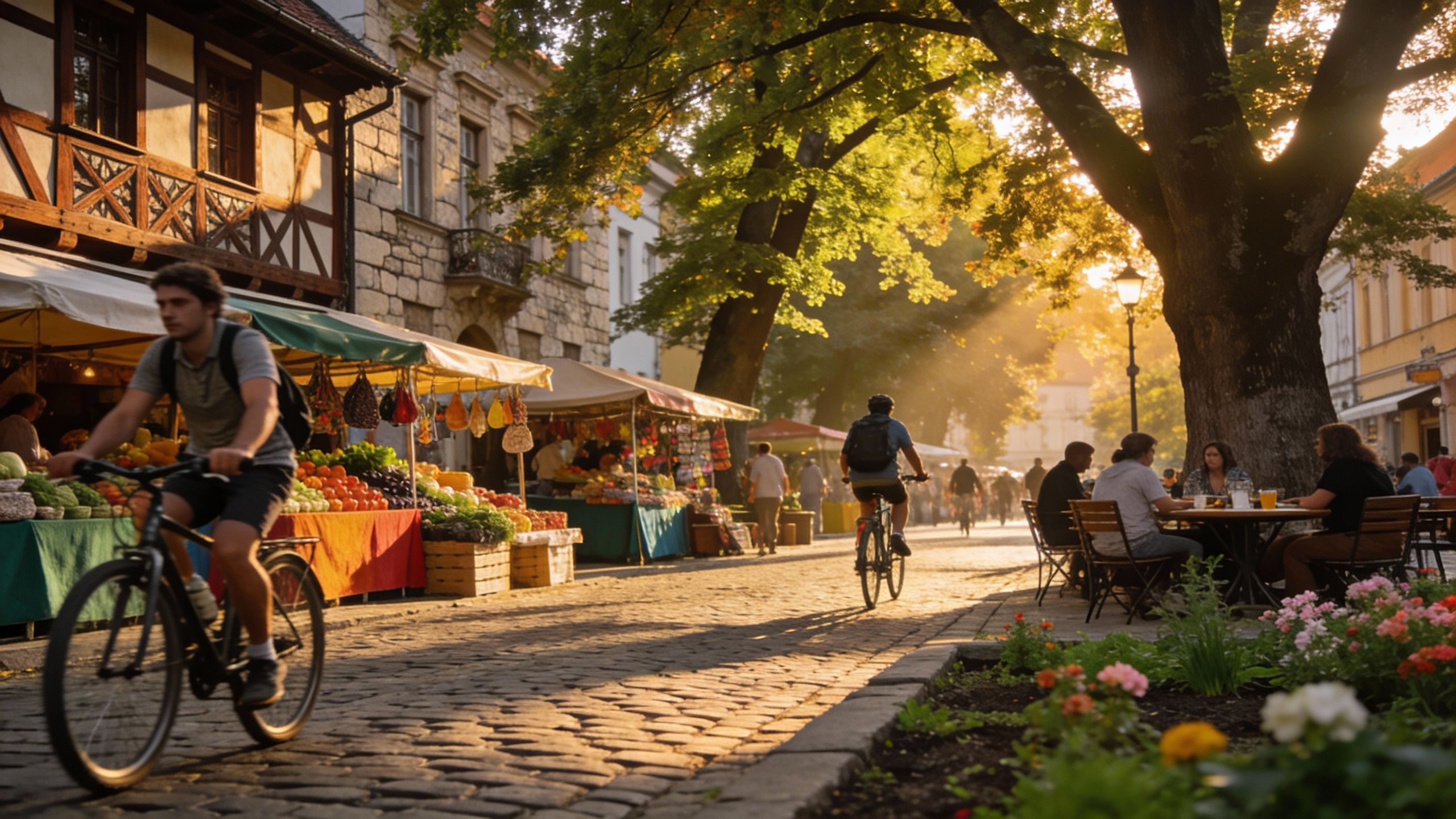
Zagreb’s neighborhoods—Maksimir’s tree‑lined avenues or Kvatrić’s lively cafés—offer a different pulse: year‑round services, cultural venues and accessible healthcare. In Slavonia and Lika you find farmhouse restorations set in orchards and truffle country; here, buying often means embracing land stewardship and small‑scale food production as part of daily life.
- Lifestyle highlights to look for when visiting: morning markets (Dolac, Zagreb), cafes along Split’s Riva, Rovinj’s Balbi Arch, St. Donatus in Zadar, wine tastings in Istria, island hopping from Šolta, community olive‑press days, and local konobas serving braised lamb.
Making the move: practical considerations
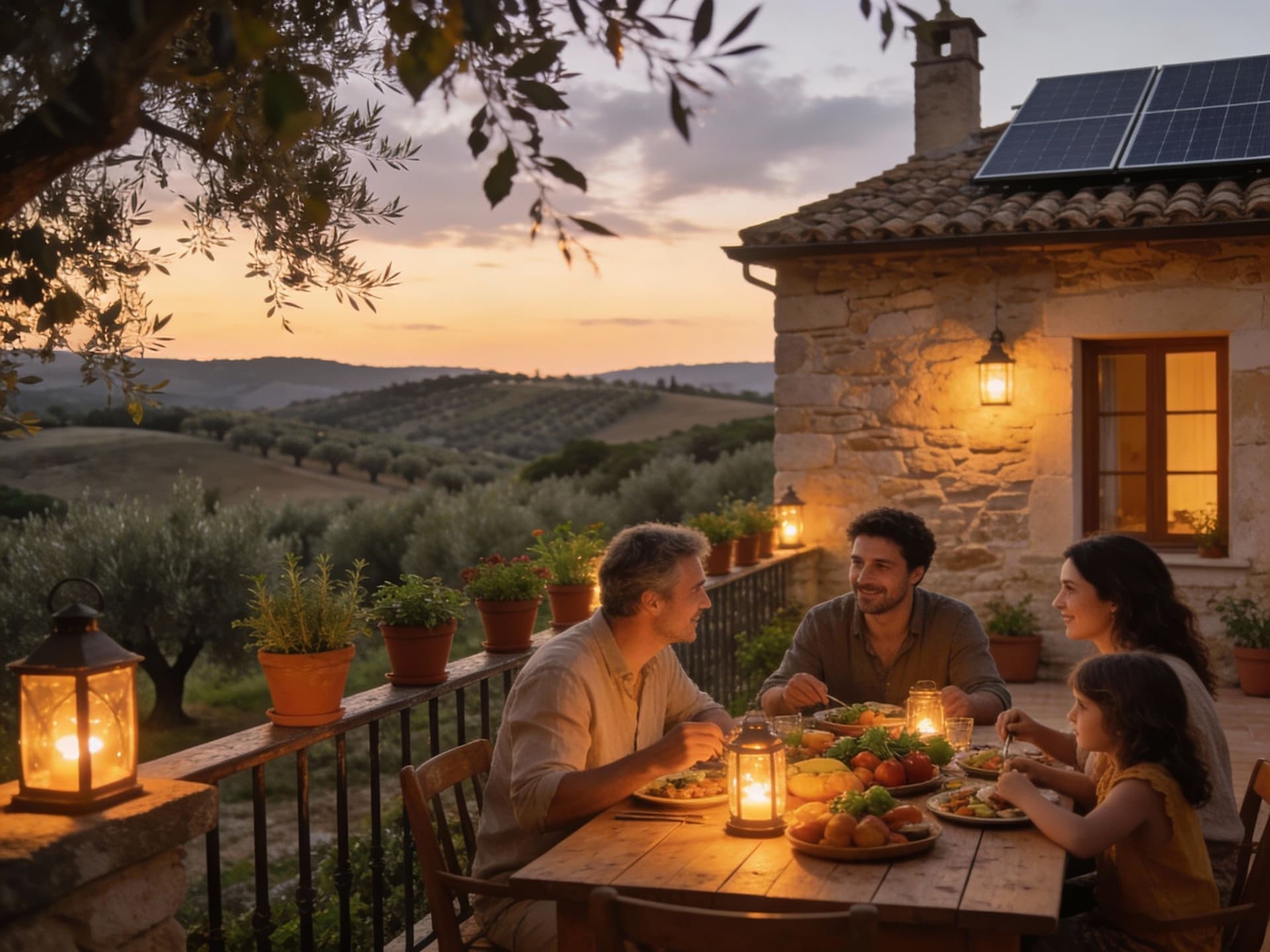
Dreams must meet data. The Croatian Bureau of Statistics reports average prices per m² rising in recent periods, with coastal and city areas showing stronger growth. At the same time, transaction volumes and seasonal activity ebb and flow—meaning timing, local intelligence and an agency that understands stewardship‑minded buyers are vital. Use official price indices to set realistic offers and lean on local agents for off‑season opportunities.
Property styles and how they shape daily life
Stone houses and historic townhomes keep interiors cool and are ideal for passive design retrofits; new builds often offer better insulation and integrated solar. If you want a life of terraces and gardens, prioritize plots with southerly exposure and mature trees for shade. For remote work, seek reliable fibre connections in places like Zagreb, Rijeka or larger Dalmatian towns, or properties already set up with hybrid workspaces.
Working with local experts who understand stewardship
- 1. Ask agents about energy features: recent insulation, PV readiness, rainwater systems and whether the seller has MEP (mechanical/electrical/plumbing) records. 2. Insist on a notary‑led closing and a local lawyer who checks land registry ( zemljišna knjiga ) and restrictive covenants. 3. Seek properties with community ties—neighbourhood olive cooperatives or municipal compost programmes—these enhance long‑term sustainability. 4. Request seasonal occupancy data from sellers in coastal towns to understand rental vs personal‑use cycles. 5. Negotiate stewardship clauses: agree to maintain local stone walls, olive trees or public greenways as part of sale terms to protect neighborhood character.
Insider knowledge: what expats wish they'd known
Many expats arrive enchanted by summer postcards; what changes that enchantment is the quieter, real Croatia. Recent analyses point to cooling sales volumes after 2024’s peaks—this softening creates room to negotiate, especially off‑season. Expat buyers who embraced winter viewings often secured lower offers and found sellers more open to sustainability‑minded conditions: permission to plant orchards, allow solar panels, or restore traditional drystone terraces.
Cultural integration, language and neighbourhood rhythms
Learning a few Croatian phrases at the market, joining local volunteer clean‑ups, or attending a town council meeting can be more valuable than a months‑long property search. Locals reward effort and care; small rituals—bringing olive oil at harvest, respecting Sunday quiet—unlock trust. That trust often eases negotiations and opens access to genuinely off‑market opportunities.
Long‑term stewardship: how your ownership shapes place
- Practical stewardship actions that raise value and biodiversity: • Retrofit thick stone walls with breathable lime plaster and sheep‑wool insulation. • Install modest rooftop PV and a battery to reduce grid demand and earn rental appeal. • Rewild a neglected plot with native Mediterranean shrubs to support pollinators. • Convert flat roofs to rainwater gardens or cisterns for irrigation during dry summers.
When to act: plan visits in shoulder seasons. Autumn harvest and late winter/early spring viewings reveal how a place breathes beyond tourist gloss. Use official price indices and transaction reports to set bids—older government and market reports show the coastal premium, but also that volumes fall in off‑months, yielding negotiating power. Bring a local notary and lawyer, ask for documented energy upgrades, and propose stewardship conditions in the contract. The result: a purchase that costs less up front and rewards your values over time.
Want to move from dreaming to doing? Start with a seasonal visit, meet an agent who knows community projects, and ask sellers about occupancy patterns. A careful closing—grounded in local law and stewardship-minded clauses—turns a Croatian house into a home that belongs to the landscape, its neighbours and your future self.
Norwegian market analyst who relocated from Oslo to Provence; guides investors with rigorous portfolio strategy and regional ecological value.