The Off‑Market Olive Grove: Close Quietly in Cyprus
Look beyond listings: how off‑market opportunities, shoulder‑season timing and stewardship clauses help international buyers close wisely in Cyprus.
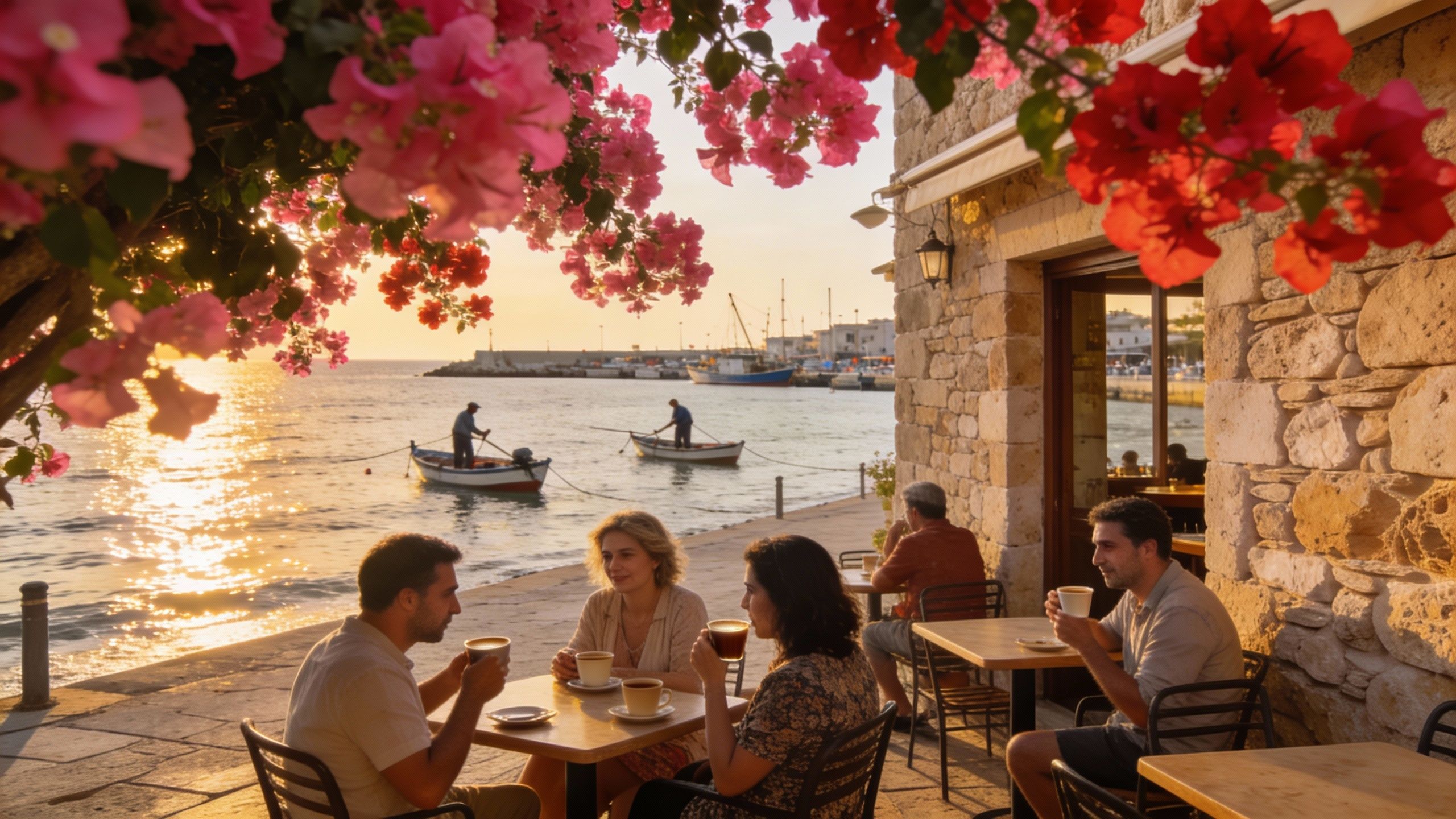
Imagine waking to the scent of citrus and sea salt, walking past a small bakery on Archbishop Makarios III Avenue with a paper in hand and a plan for a quiet negotiation at a stone house outside Paphos. Cyprus moves at a thoughtful, seasonal pace: mornings are for markets and coffee, afternoons for beaches or terraces, and evenings for long shared meals under bougainvillea. For international buyers wanting ecological connection and long-term stewardship, the closing table here is as much about relationship and local knowledge as it is about paperwork. This guide shows how to find off-market chances and steward a property—quietly, ethically, and with sustainability in mind—so your arrival feels like home, not a takeover.
Living the Cyprus Life
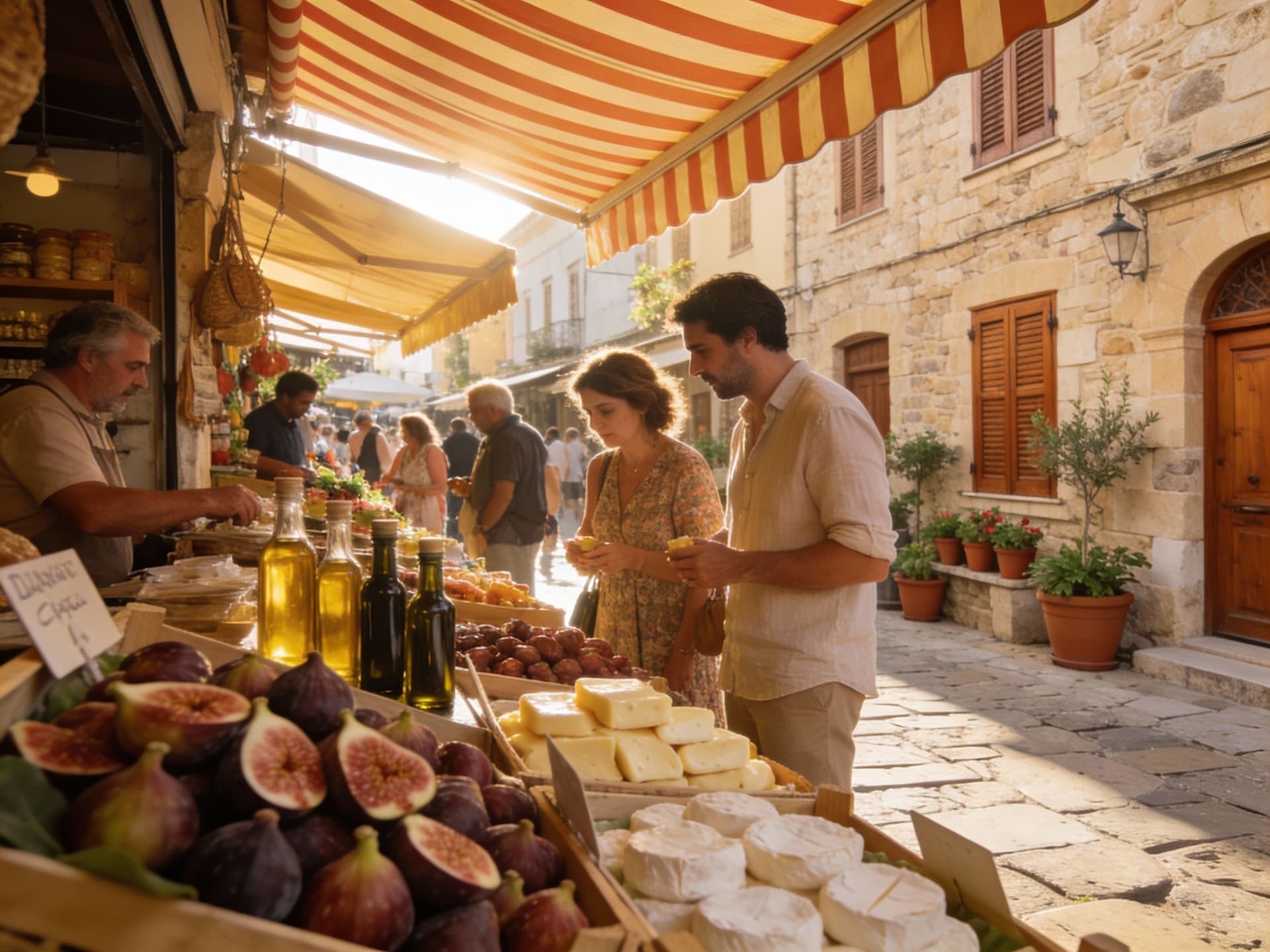
Cyprus is often painted as sun-and-sea, but its rhythm is stitched from village mornings, seaside esplanades and mountain trails. In Limassol you’ll find a cosmopolitan coffee culture and smart marinas; in Paphos little harbours and olive groves shape the day; Nicosia’s shaded kafeneions host slow debates; and the Troodos foothills offer stone cottages where winters bring a hush and a wood fire. Living here means choosing seasons—lively summers by the coast, restorative autumn harvests, and quieter winters that reveal local life beyond tourism. Those seasonal changes affect both lifestyle and market dynamics: off-season viewings often reveal maintenance issues and genuine seller intent that summer glosses over.
Neighborhoods with Character
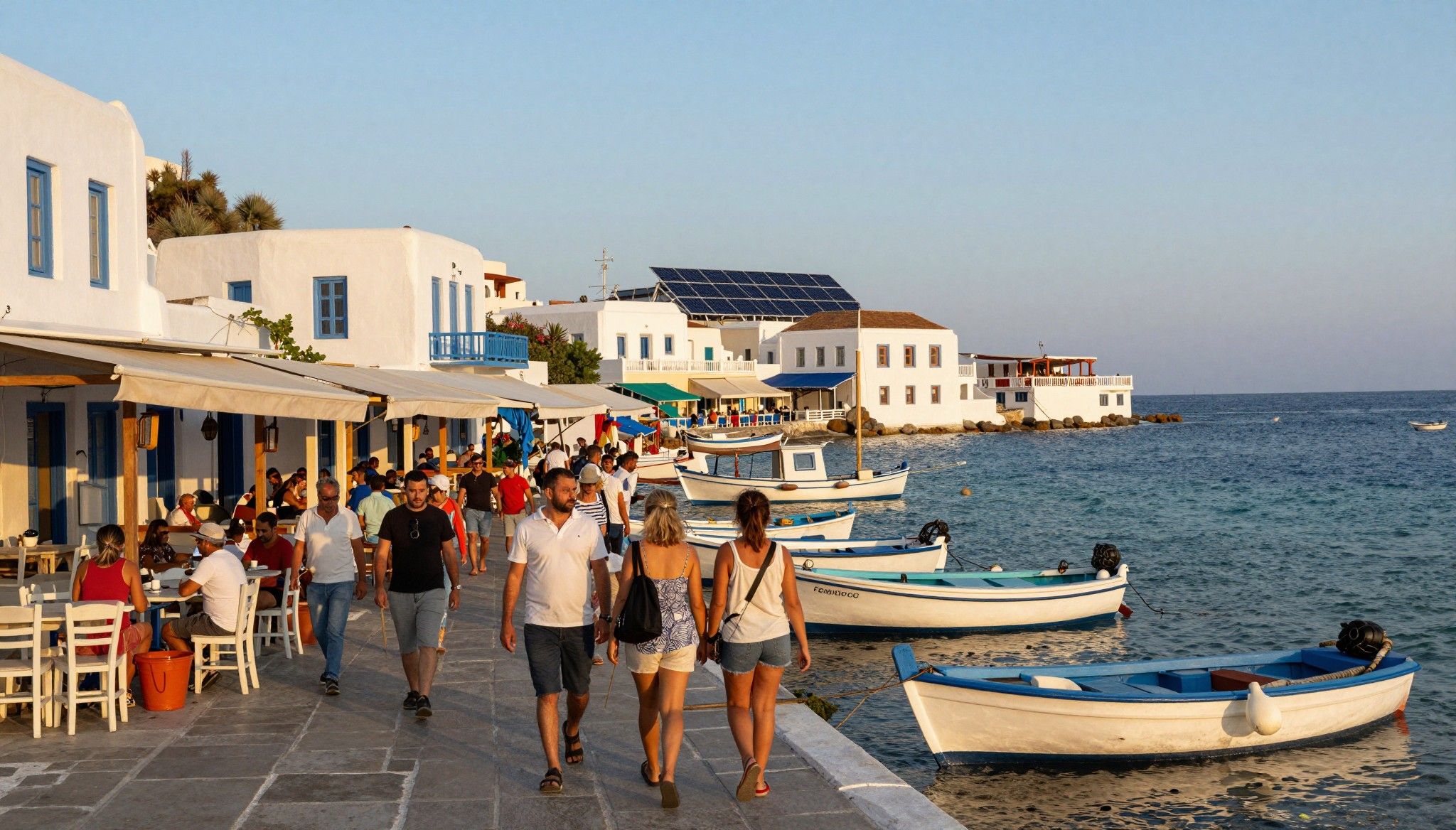
Choose your vibe and you choose the daily ritual. In Limassol’s Old Town, narrow lanes and tavernas mean evenings are foot-traffic rich; Aya Napa’s coastline is buoyant and tourist-driven with neon nights; Larnaca offers a quieter shoreline and a long promenade for morning joggers and dog walkers; while villages such as Omodos and Kakopetria reward those seeking stone architecture and community festivals. For sustainability-minded buyers, look for neighborhoods with community gardens, local markets, and municipality support for renewable projects—these social infrastructures matter as much as solar panels.
Food, Market Life and the Senses
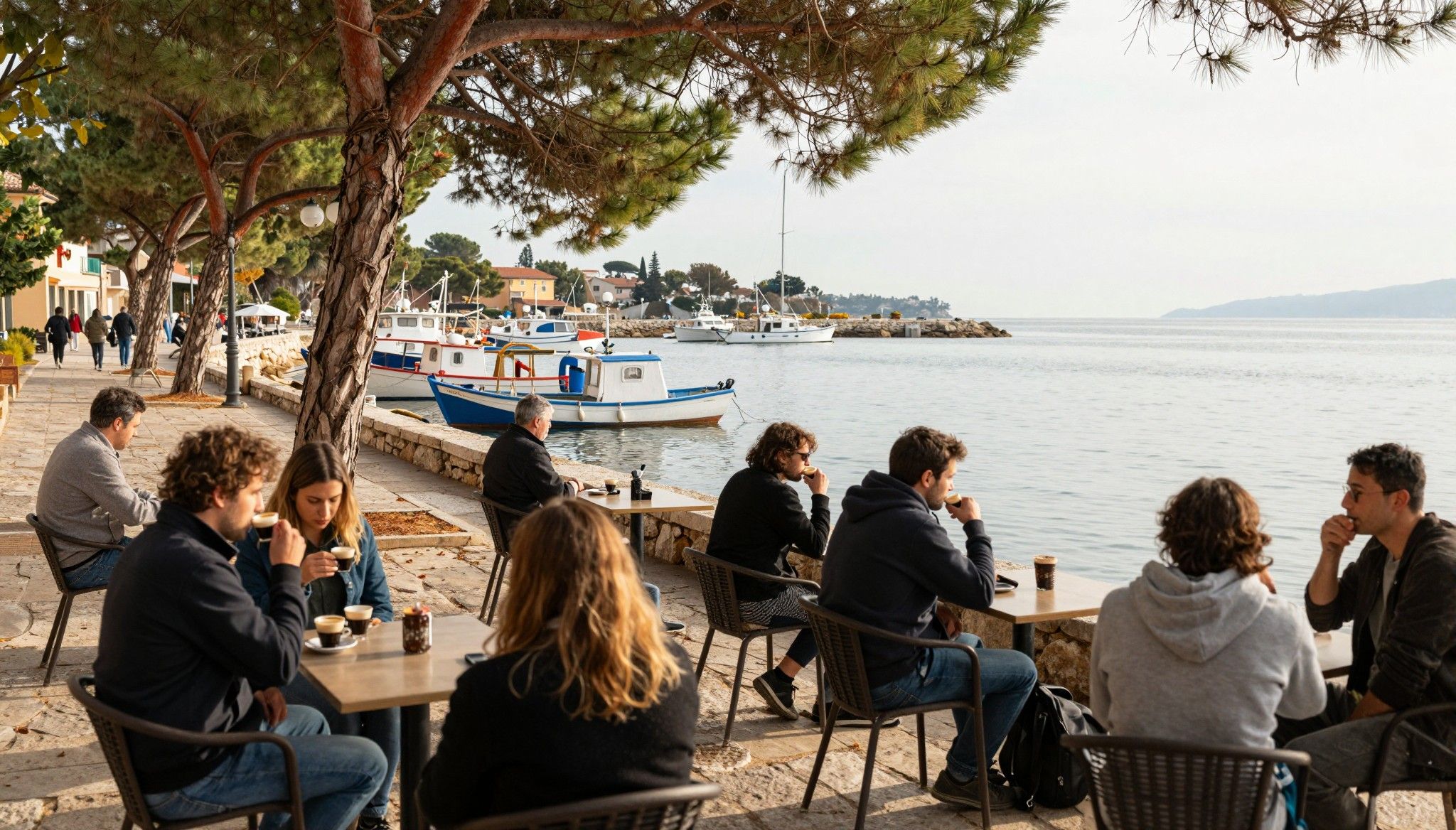
Mornings in Cyprus begin with strong filter coffee and halloumi sizzling on a griddle at the weekly market. Farmers bring figs, halloumi, and wild greens; fishmongers set up by the harbour; and small bakeries time their loaves for the rush. These are not only charming routines—markets are where local stewardship shows: traceable produce, seasonal eating, and a culture of repair and reuse. Practically, proximity to markets and cooperative food initiatives can signal a neighborhood’s long-term resilience and lower living costs for a stewarded household.
- Markets, places and hidden gems to note: - Paphos Harbour fish market mornings - Limassol Old Port cafés on Alekou Dimitriou - Larnaca Finikoudes promenade for long walks - Omodos Saturday market and monastery square - Troodos hiking trails and village communal ovens
Making the Move: Practical Considerations
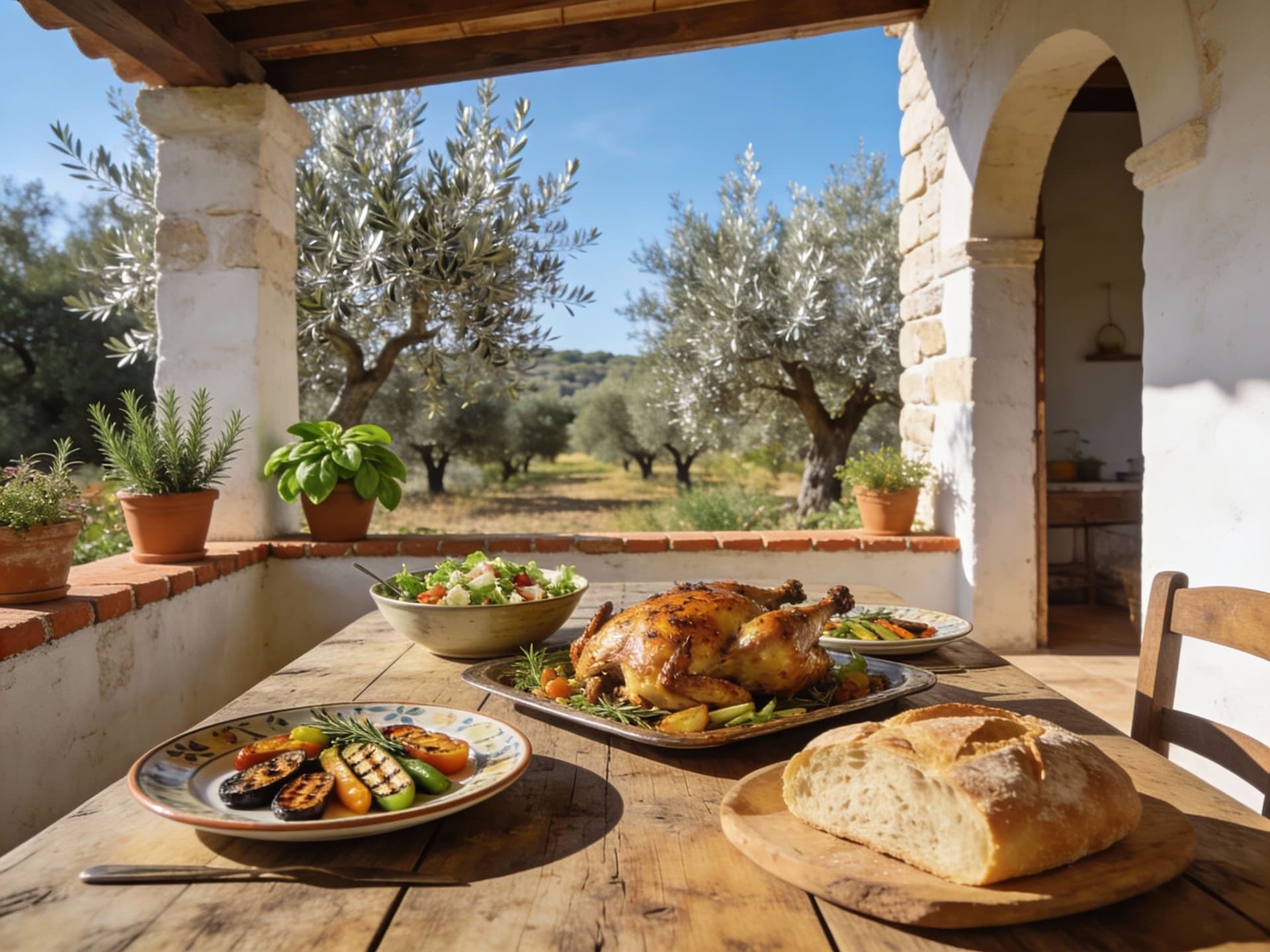
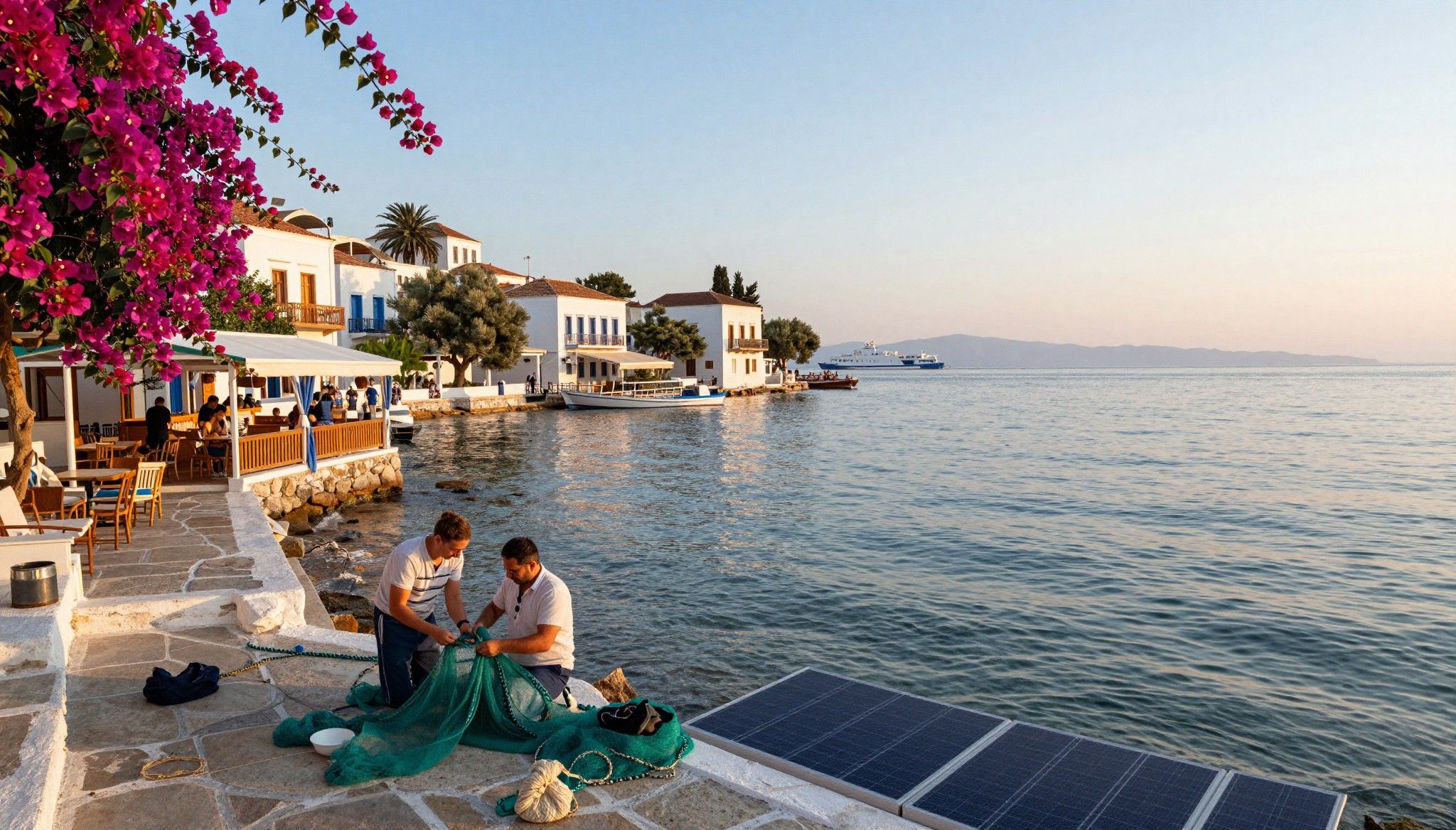
A lifestyle-first search is liberating, but closing in Cyprus benefits from local timing and market awareness. Recent Central Bank releases and industry indices show steady regional price growth, with coastal districts often outpacing inland villages. That means bargains frequently sit off-market or appear in shoulder seasons when local sellers are more realistic. For stewardship-minded buyers, the goal is a property that works ecologically—stone walls with good thermal mass, south-facing terraces for passive solar gain, and space for native planting—so your purchase both enriches and fits the landscape.
Property styles and how they'll shape life
Traditional stone village houses offer thick walls and cool summers but may need rewiring, insulation upgrades or careful retrofits to bring them to modern eco-standards. Modern coastal developments often include PV-ready roofs and efficient glazing but can lack integration with local ecosystems. Hybrid options—sympathetic renovations of stone homes with added solar, greywater systems, and native gardens—are the sweet spot for buyers who want authenticity plus low-impact living. When viewing, ask to see current energy bills, water usage, and any planning permissions for extensions or solar installations.
Working with local experts who know the terrain
A good local agent is part ethnographer, part translator and part steward: they read neighbourhood rhythms, explain customary negotiation gestures, and connect you to reliable contractors for green upgrades. Insist your agent has real local references and experience with off-market deals; ask for past examples of negotiated closings in the same village or parish. Legal counsel (a Cypriot lawyer fluent in English) and a local architect or builder with retrofit experience will save time and help you design stewardship clauses into contracts—think native-planting covenants or limits on hardscaping.
- Practical steps bridging dream and deed: 1. Visit in a shoulder season (autumn or spring) to see real life beyond tourists. 2. Work with an agent who has documented off-market networks. 3. Commission a local survey and eco-assessment before offer. 4. Draft stewardship clauses (landscaping, water use, solar plans) into the sale. 5. Use a local lawyer to check titles, building permits, and residency implications.
Insider Knowledge: What Expats Wish They'd Known
Expats often arrive enchanted and then discover transactional quirks: negotiation here is personal, council practices vary by municipality, and the true cost of stewardship shows up in maintenance and community fees. Recent RPPI data underlines steady price movement across districts, but the lived experience—neighbour goodwill, local volunteer repair groups, and access to small-scale contractors—determines whether a house truly becomes a sustainable home. Listening to neighbours, attending a parish feast, and trying the local markets reveal more about a property’s future than a glossy brochure.
Cultural integration and everyday belonging
Learning a few Greek phrases, joining a local producers’ group, or volunteering at a community garden accelerates acceptance and practical support. Cyprus’s social fabric values reciprocity—help a neighbour prune their olive tree and you’ll have a friend when the next permit hiccup appears. Many buyers who settled fastest did so by focusing on contribution rather than consumption: hosting meals, sharing tools, and caring for shared paths or springs. These small acts also protect your investment by embedding stewardship into community norms.
Long-term stewardship: making the house part of the landscape
Think in decades not months: plan gardens for biodiversity, install solar sized for future electric vehicles, and favour permeable drives to protect water infiltration. The non-domicile regime and favourable tax context can support long-term residency and investment, but stewardship is what preserves value: good soil, native trees, and well-sited terraces weather climate shifts better than cosmetic upgrades. When closing, include clear post-purchase commitments—timelines for green retrofits, a named local contractor for maintenance, or community-access agreements for shared resources.
- Red flags to catch before you sign: - No clear title history or missing municipality approvals - Promises of future permits without written proof - Roofs and drainage systems with patchwork repairs - Sellers unwilling to allow an independent eco-assessment - Absence of local contacts or neighbours who can verify daily life
Closing quietly in Cyprus can be an act of stewardship: buy where you can listen, commit where you can give back, and close with clear clauses that protect local ecology and social fabric. Start by visiting in a shoulder season, hire experts who can read both titles and terraces, and write stewardship into the contract so your home supports biodiversity as it grows in value. When you do this—respecting local customs, investing in native planting, and choosing long-lived materials—you arrive not as a buyer but as a neighbour, and the property becomes part of a landscape you help sustain.
Dutch property strategist who helped 200+ families find sustainable homes in southern Europe; expert in legal pathways and long-term stewardship.