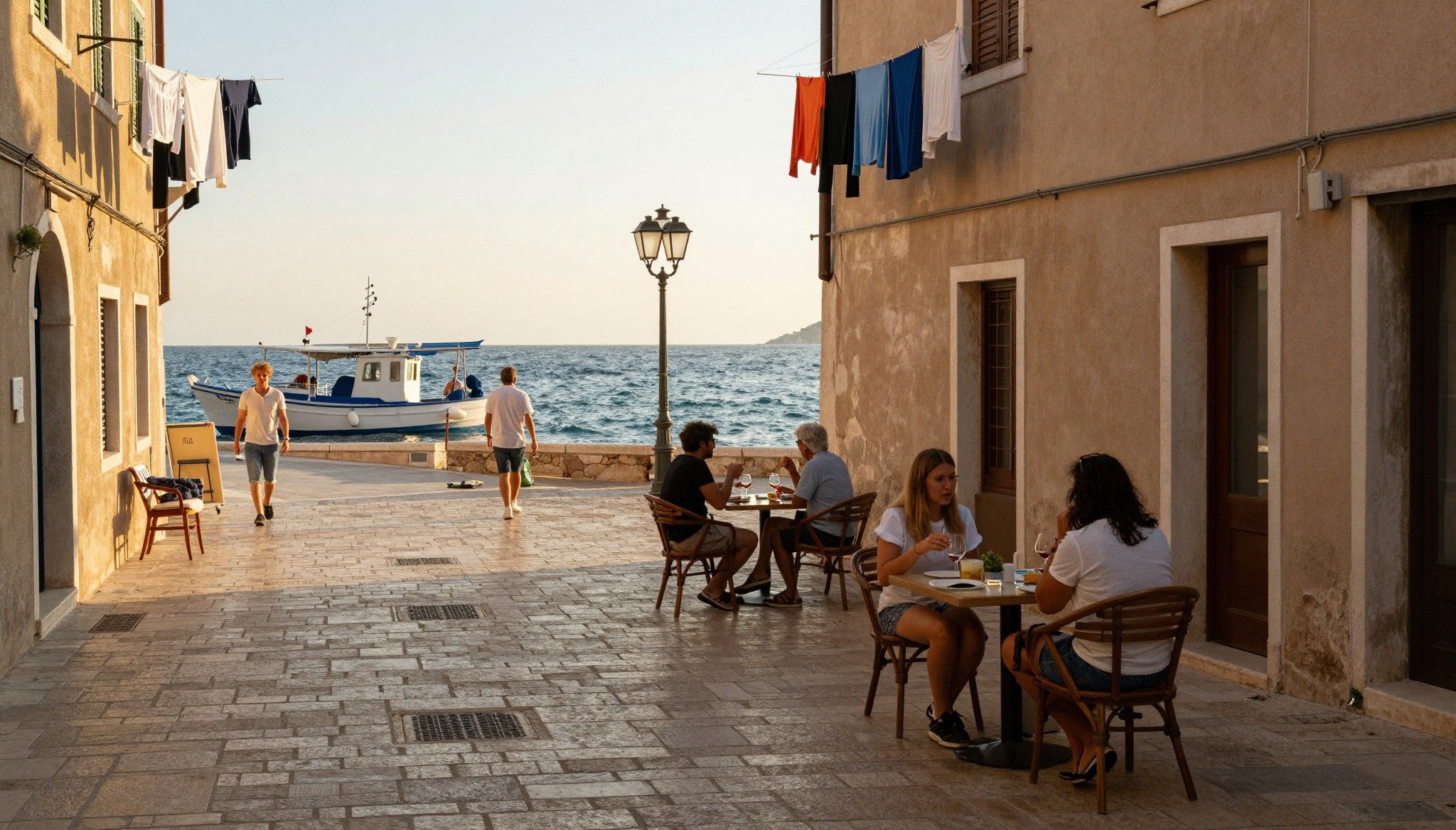
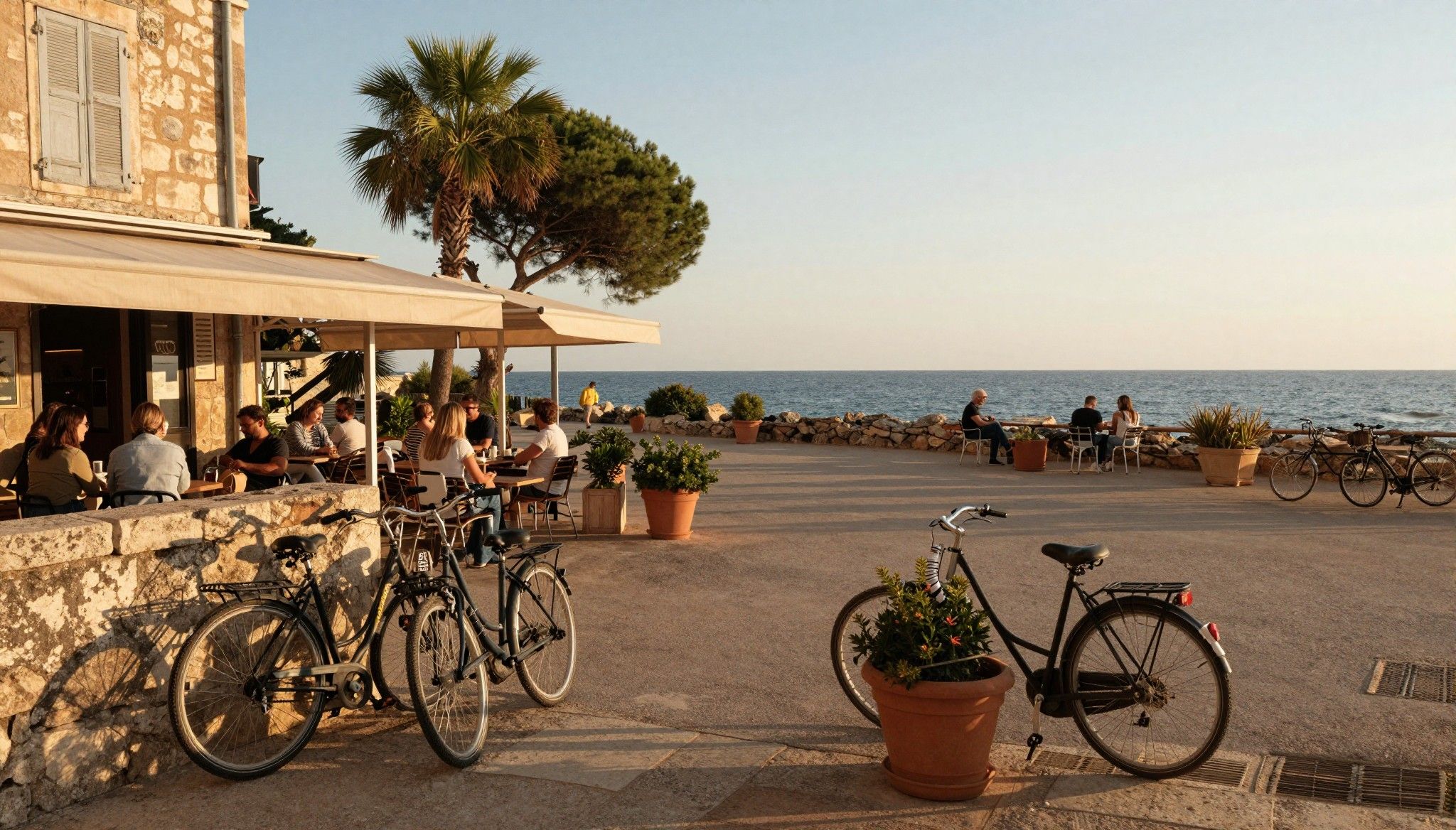
Imagine waking to the smell of freshly baked koulouri on a quiet Limassol side street, then cycling to a tavernas‑lined cove for an afternoon swim. Cyprus is that rare place where rugged hills, ancient villages and sunlit beaches fold into a single daily rhythm — and where a purchase is as much about stewardship of land and light as it is about contracts and keys. This guide blends the small, lived sensations of Cypriot life with clear steps for closing and caring for a home here.
Living Cyprus: the rhythms, tastes and places
Days in Cyprus move between bright, social mornings and slow, golden evenings. Mornings mean espresso at neighbourhood cafes in Strovolos or the old town of Nicosia; afternoons slip into shaded courtyards in Omodos or along Limassol’s Molos promenade; evenings are for meze, local wine and the chorus of cicadas. For buyers, these rhythms explain why outdoor space, cross‑ventilation and sun‑facing terraces often matter more than extra square metres.
Seaside districts from Agios Tychonas to Germasogeia feel cosmopolitan yet rooted: narrow streets give way to citrus trees and family‑run fish tavernas. Here you’ll exchange morning market runs for sea swims; properties often mix modern finishes with stone detailing and small, private gardens — ideal for people who want beach life without the tourist hustle.
Inland, mountain villages like Omodos and Prodromos offer cooler summers, stone houses and a slower social calendar. These places reward buyers who want seasonal variety: spring wildflowers, grape harvest festivals in autumn and wooden‑beam architecture that invites low‑impact retrofits like thermal insulation and passive cooling.
Food, markets and small pleasures
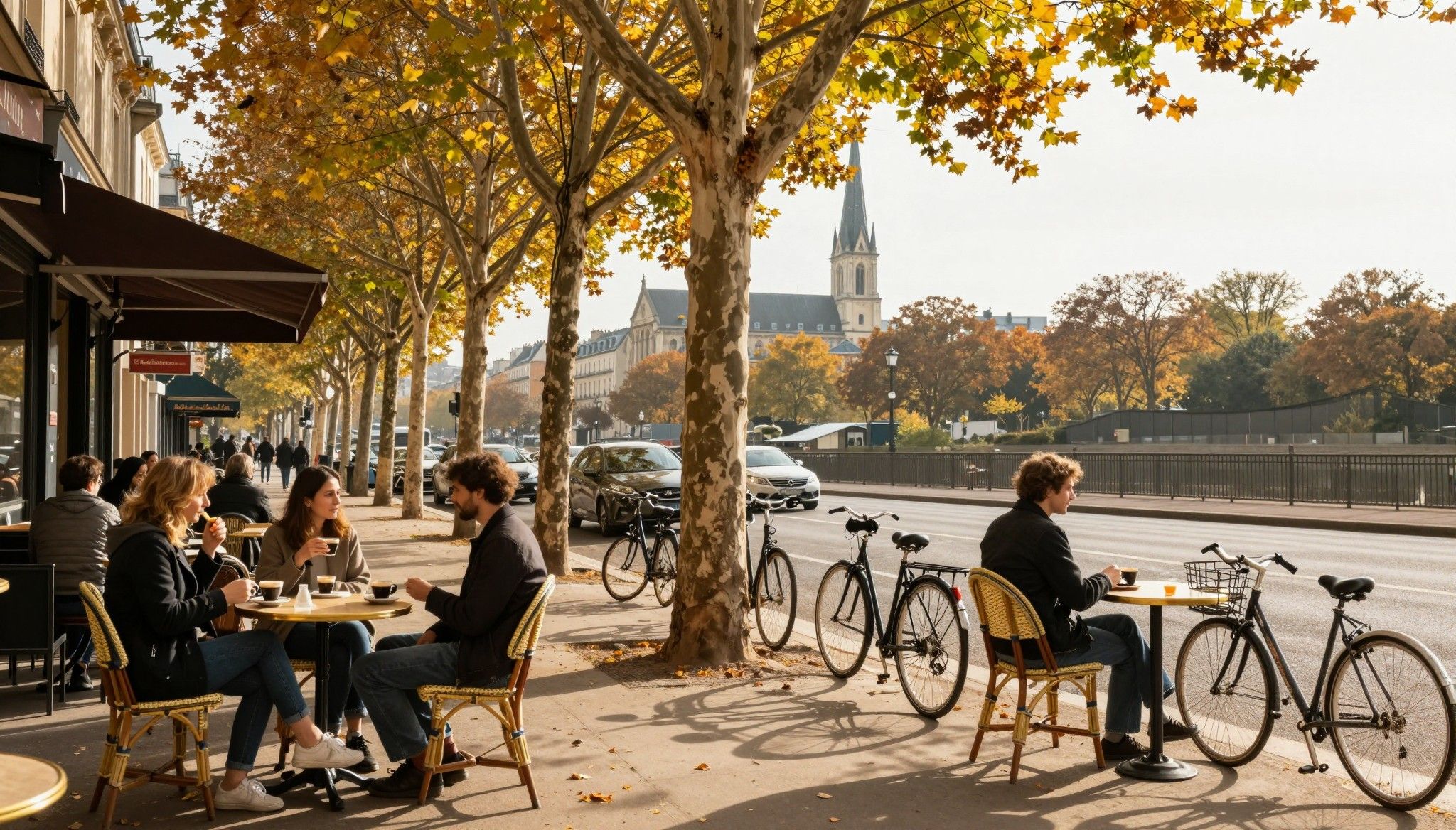
Picture this: Saturday morning at Paphos or Larnaca market, crates of halloumi, carob and sun‑ripened figs; an afternoon espresso beneath plane trees; an evening at a harbour taverna tasting zivania‑flamed saganaki. These tastes shape what buyers value — outdoor kitchens, storage for local produce, and proximity to markets and seasonal festivals.
- Limassol Molos promenade, early morning swim and café culture
- Old Nicosia lanes — secondhand bookshops and intimate meze bars
- Omodos wine festival and village life — cool summers, stone houses
Making the move: practical steps that respect place
Turning a lifestyle vision into legal ownership in Cyprus is straightforward if you plan for local fees, permit timelines and a stewardship mindset. Start by aligning the property type with how you’ll live (coastal apartment for social summers, village house for seasonal retreat) and build a closing checklist that includes cultural and environmental due diligence.
Property styles and what they mean for daily life
Apartments along the coast offer easy maintenance and community amenities, but often have less private green space. Traditional stone houses in Troodos or Paphos bring thick walls, timber beams and opportunities for insulation upgrades and rainwater capture. New builds can be energy‑efficient from day one, but check whether renewables, water‑saving fittings and native landscaping are included.
Working with local experts who share stewardship values
Choose agents and lawyers who understand both Cyprus bureaucracy and low‑impact design. A good local agent will know which neighbourhoods host year‑round communities (Paphos’ Kato Paphos for active expat life, Limassol’s western suburbs for quieter gardens), and which planners favour sustainable retrofits. Ask for examples of properties where solar, greywater systems or native landscaping were part of the negotiation.
- Inspect the energy and water baseline: check meter access, orientation and plumbing before offer
- Include a clause for remediation or renovation credits if the property lacks basic green features
- Budget for transfer fees or VAT and legal costs early — new builds often carry 19% VAT while resales use negotiated transfer fees
- Ask sellers for recent energy bills and a survey of the building fabric to avoid surprises in winter or peak summer use
Insider knowledge: local realities expats often overlook
Market data shows steady price growth — the Central Bank of Cyprus recorded a 4.8% annual increase in the RPPI in Q1 2025 — but the lived reality varies: coastal apartments are popular with short‑term renters while inland villages attract buyers seeking community and seasonal calm. Know which market you’re entering before you negotiate.
Cultural cues and neighbourhood social life
Cypriots prize hospitality and slow social rhythms. Expect invitations to community barbecues, and be prepared for decision‑making that values relationships as much as contracts. Learning a few basic Greek phrases and attending local festivals — the grape harvest in Omodos or Limassol Carnival events — helps you integrate and steward a property with respect.
Long‑term stewardship: how life changes after closing
Owning in Cyprus often becomes a hands‑on, seasonal practice: pruning olive trees, scheduling gutter checks before winter rains, and tending small vegetable plots. Plan for local maintenance — a neighbourly network of tradespeople and gardeners will protect both value and the living ecology around your home.
- Find a local builder experienced with lime mortar and stone repairs
- Install simple passive cooling (awnings, shutters) before costly AC upgrades
- Plant native drought‑tolerant species to cut irrigation and increase biodiversity
Before you sign: three immediate steps. 1) Confirm statutory fees and whether VAT applies (new builds) or transfer fees (resales). 2) Commission a local structural and energy survey. 3) Agree on a post‑closing stewardship plan — who will maintain the gardens, monitor solar panels, manage rentals — and include responsibilities in the contract.
Conclusion — a house that feels like belonging: Cyprus rewards buyers who blend reverence for place with careful closing practices. Fall for the small things — morning light on limestone walls, evening meze with neighbours — then close with clauses that protect both your finances and the land itself. When you buy this way, your home becomes part of a living, seasonal island story.