Close Carefully, Live Lightly: Croatia's Stewardship Approach
Love Croatia’s light — then plan for its seasons. Rising prices and local rules make stewardship and ministerial consent essential for lasting, sustainable ownership.
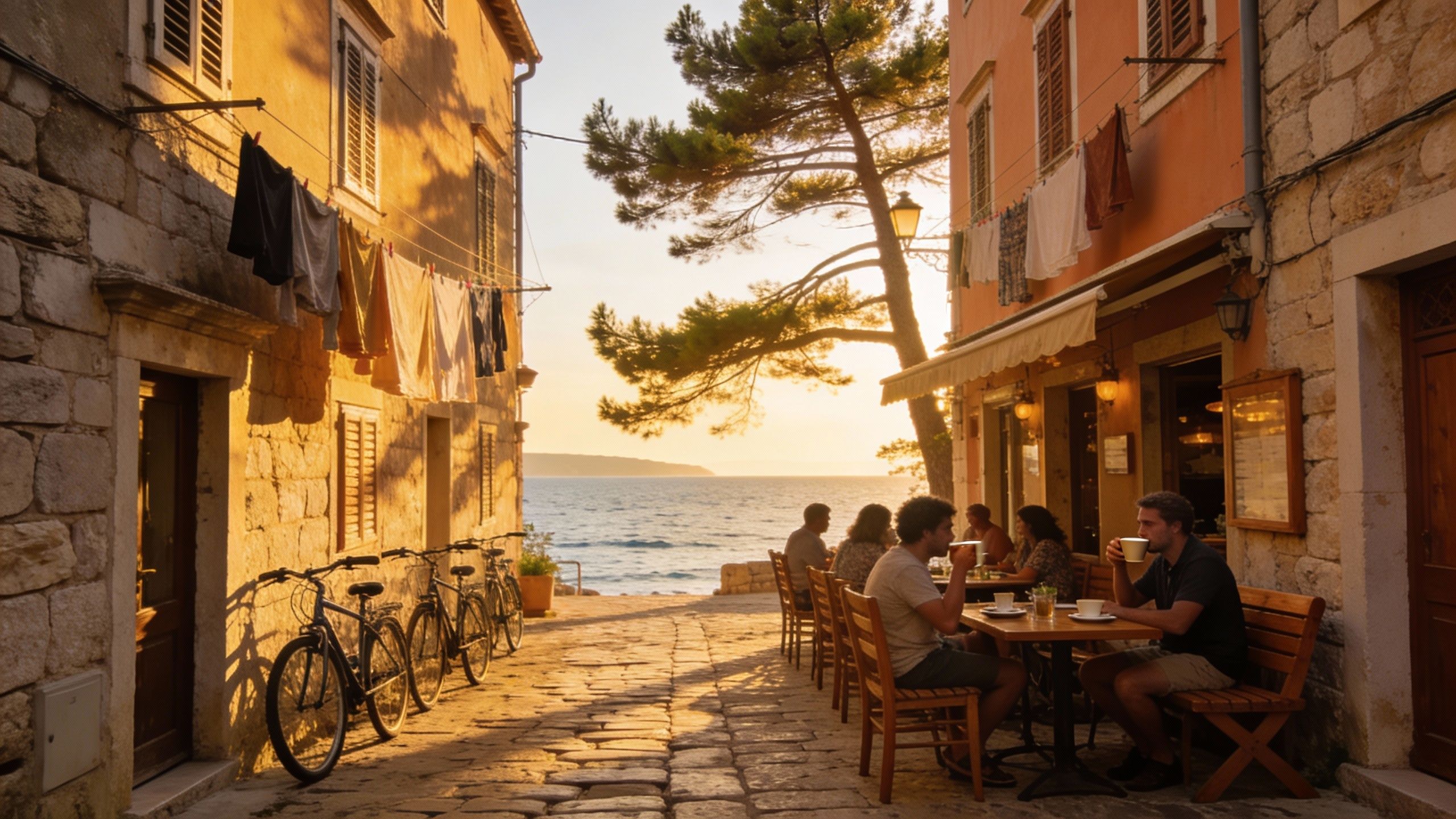
Imagine waking to the smell of roasting espresso on Split's Riva, then cycling through olive groves under low limestone hills — that leisurely rhythm is Croatia. But love at first sight doesn't replace clear-headed stewardship: rising prices, seasonal rhythms and local rules change how a dream becomes a durable home. According to the Croatian Bureau of Statistics, prices for new dwellings climbed notably in early 2025, a reality every buyer must read alongside the lifestyle you crave.
Living Croatia: rhythm, flavor and place
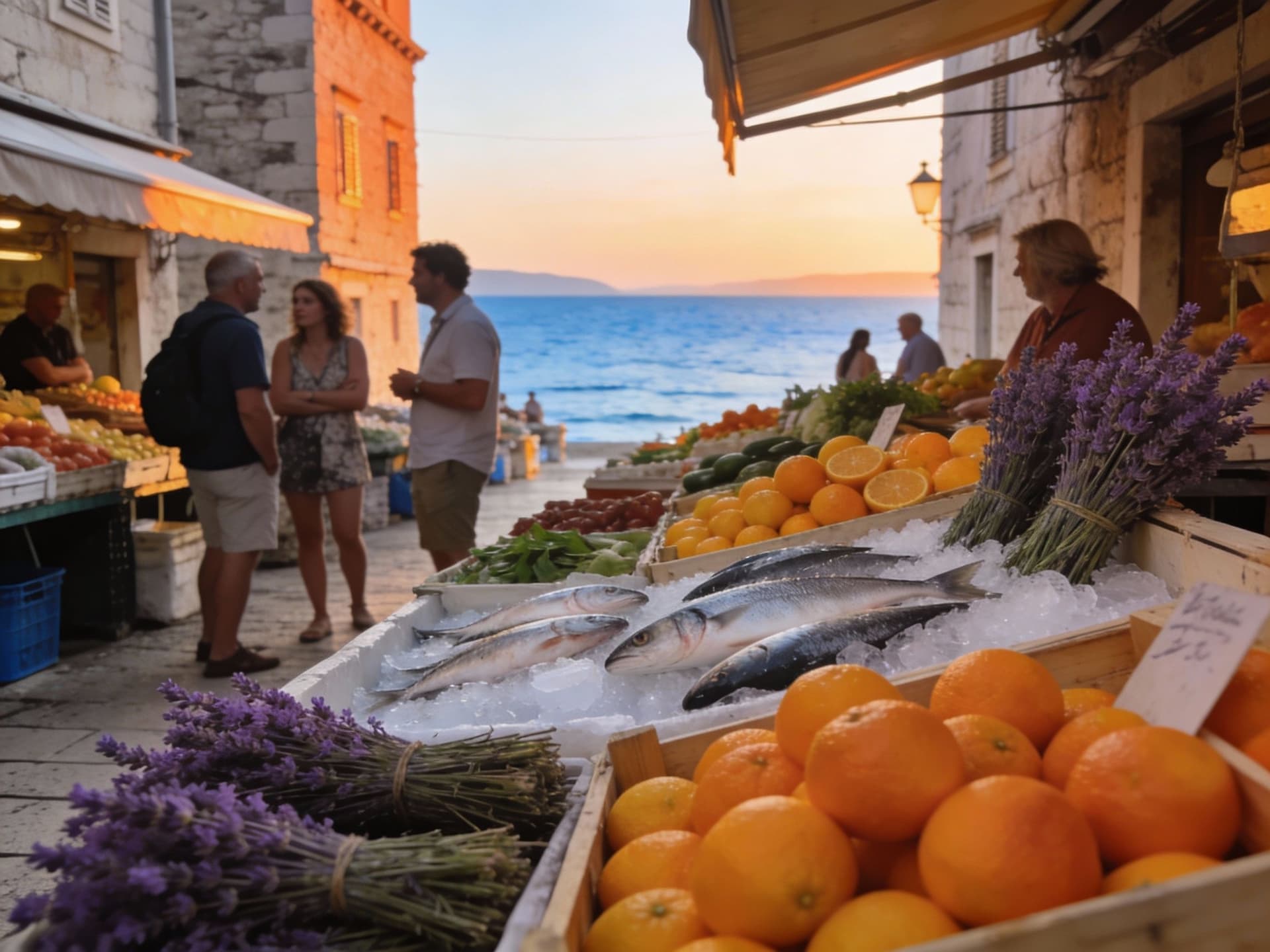
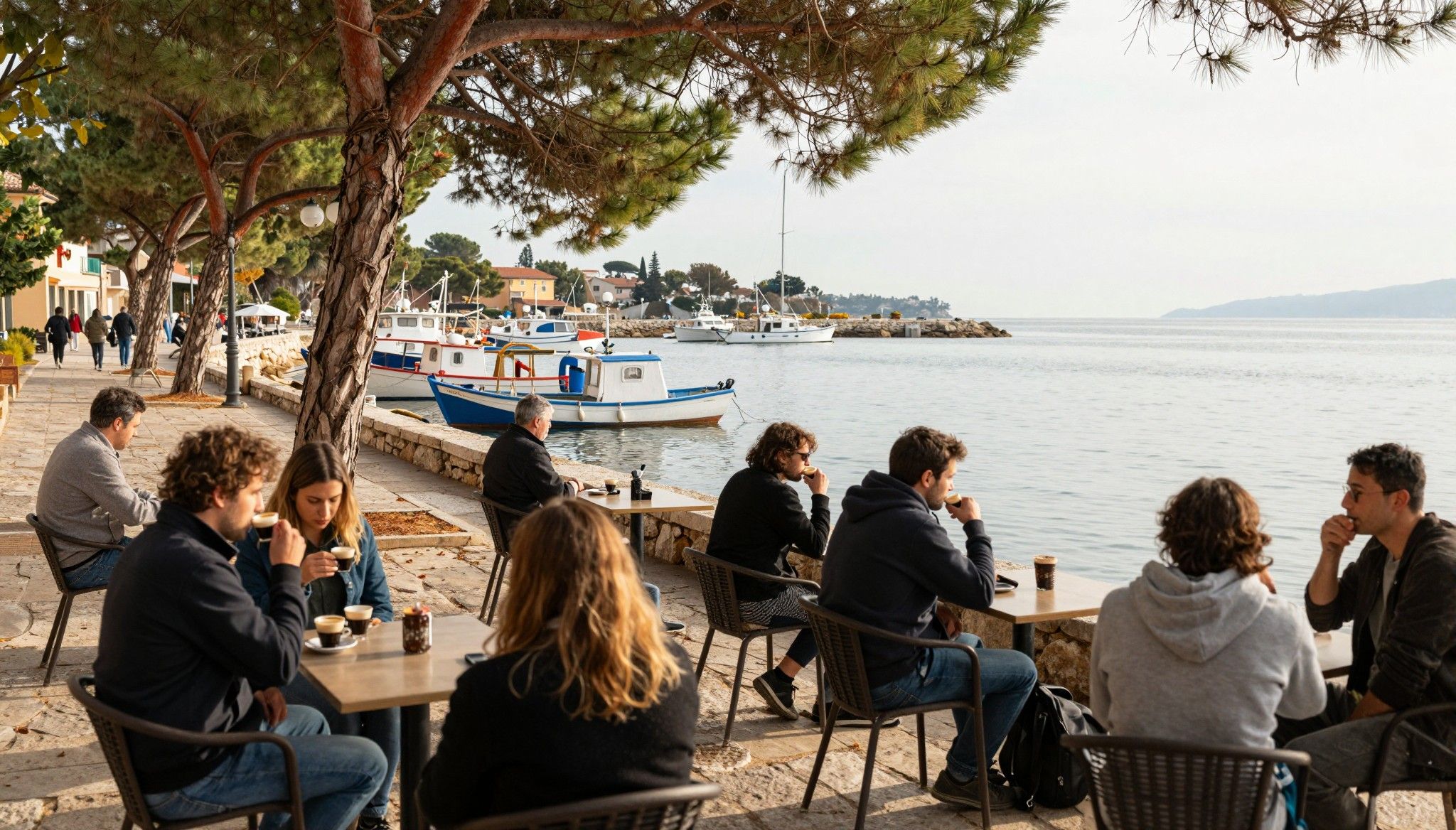
Croatia feels like stitched-together pace: mornings are for coffee and markets, afternoons for sea-swimming or forest walks, evenings for long plates of grilled fish and ćevapi under lanterns. Cities hum with layered history — Zagreb's stone streets and Zagreb’s Tkalčićeva sipping culture, Split's ancient palace walls blending with yacht moorings, and Istria's hilltop villages where truffle season reshapes the calendar. Each place offers a different daily life, and each demands different stewardship of your property and expectations for value.
Coastal heartbeat: Dubrovnik, Split, Hvar
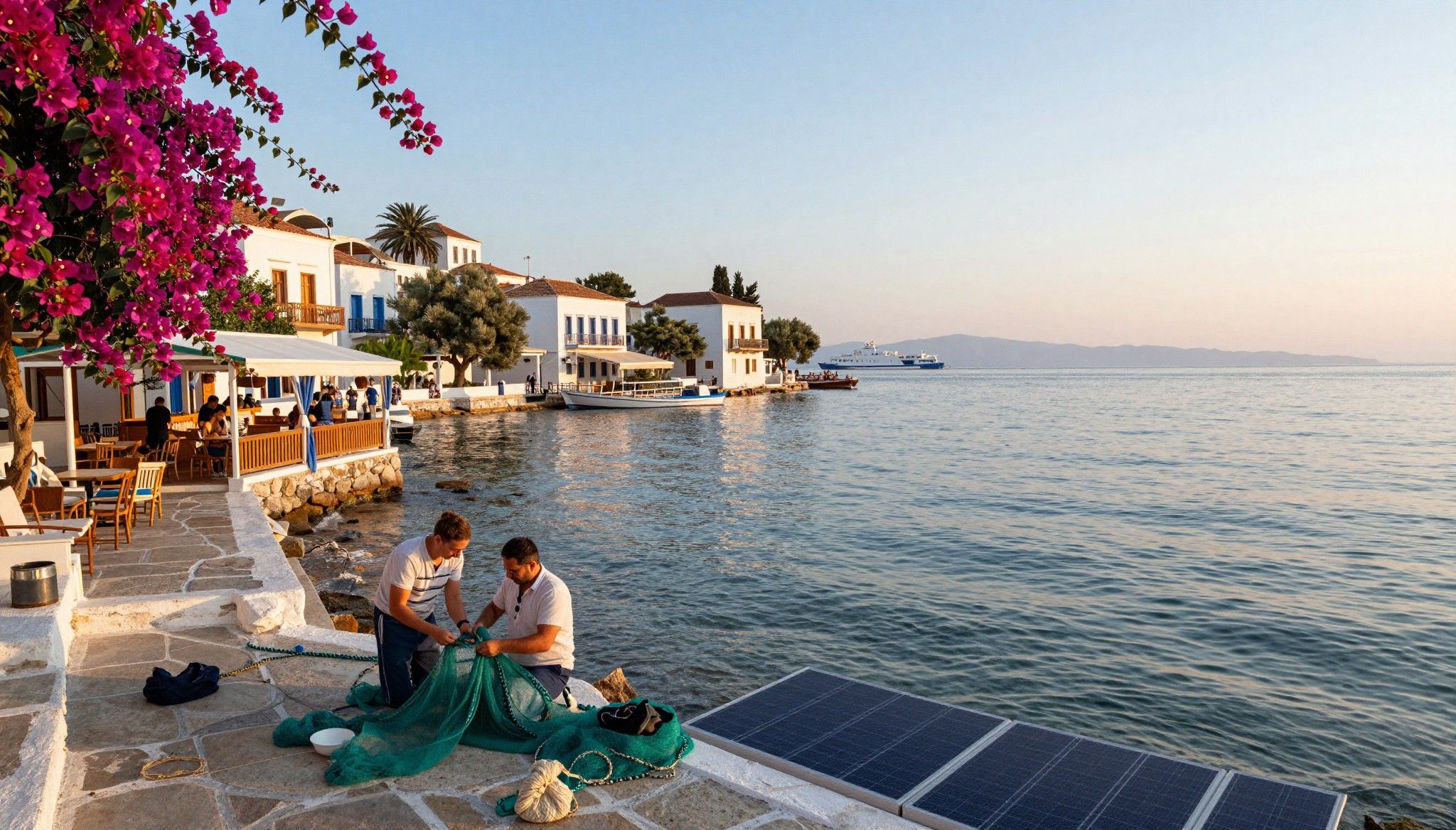
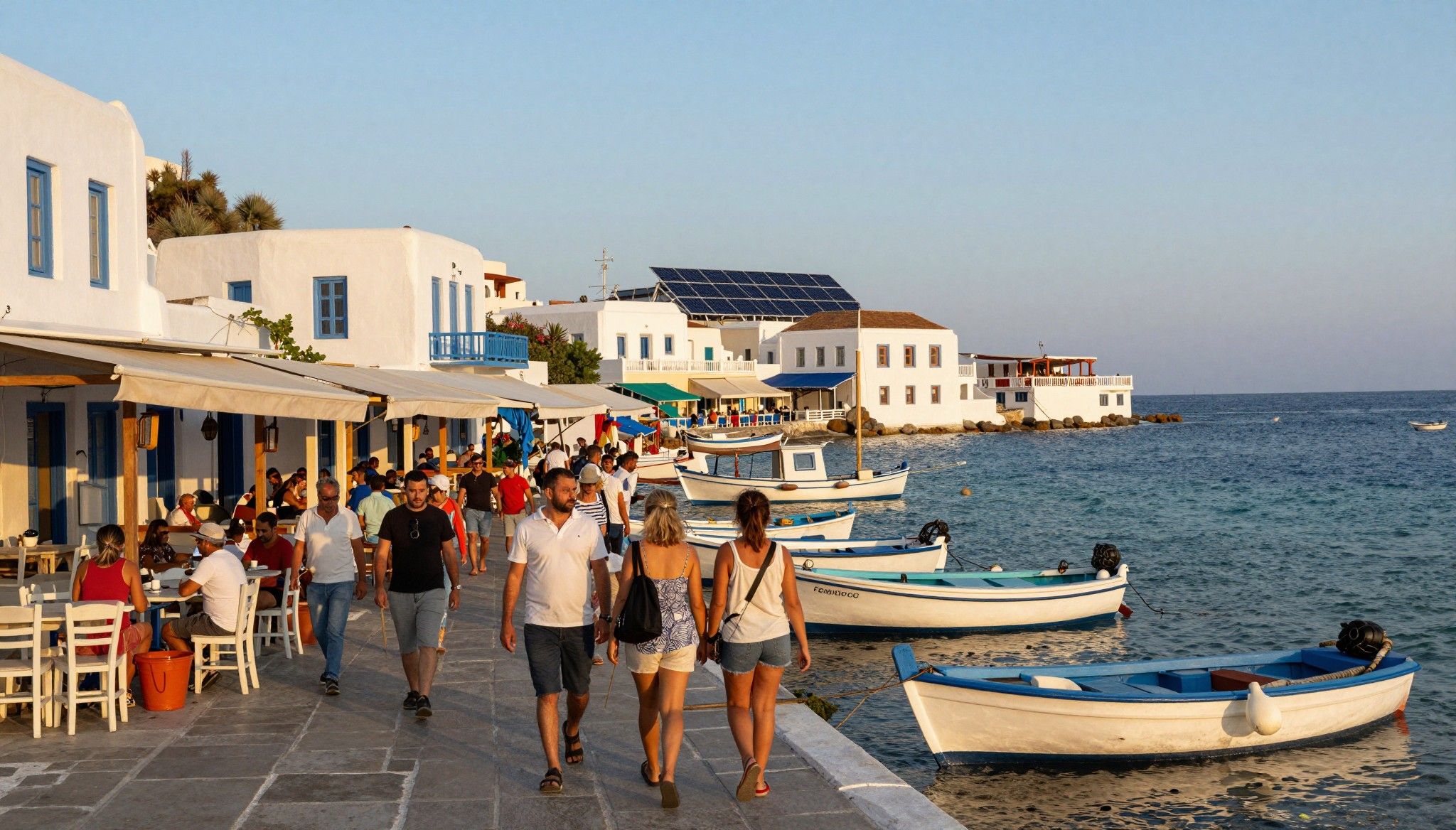
On the Adriatic, mornings smell of salt and citrus. In Split, walk past Diocletian’s Palace to Bačvice beach and you’ll find cafés with locals playing cards and families sweeping terraces. Hvar’s lavender-scented evenings feel theatrical but quieter streets inland reveal olive farms and stone houses that sleep cool in summer. Those coastal rhythms mean higher seasonal visitor demand — great for holiday income, but it pushes management and stewardship obligations: short-term rental rules, regular maintenance against salt corrosion, and thoughtful landscaping that respects native maquis.
Inland character: Istria, Zagorje, Slavonia
Istria’s hilltop towns like Rovinj and Motovun trade seascapes for truffle woods, family-run olive presses and a quieter year-round life; here, stewardship leans into landcare — terraced gardens, drought-resilient planting and protecting truffle habitat. Inland counties such as Slavonia offer space and value but need longer-term stewardship plans and patience as infrastructure and resale demand evolve. National policy shifts — including recent proposals to adjust property taxation — also alter the ownership calculus, especially for second-home portfolios.
- Market-reshaping lifestyle highlights:
- Morning espresso on Split’s Riva and late-night fish at Matejuška — everyday coastal pleasures that affect where you’ll buy.
- Istrian truffle season (Sept–Dec): a time when countryside rhythms, tourism and local economy align — perfect for buyers wanting agrarian connection.
- Zagreb neighborhood life around Tkalčićeva: a café-and-culture pulse for year-round living and stable rental demand.
Making the move: practical considerations that preserve value
Love of place meets paperwork. EU citizens benefit from almost-equal purchase rights, while non-EU buyers will need ministerial consent in many cases — an administrative step that shapes timing and negotiation strategy. Prices have been rising: national statistics show meaningful gains in 2025 for new dwellings, so closing terms and stewardship plans should account for both near-term market movement and long-term maintenance costs tied to salt, sun and seasonal occupancy.
Property styles and what they mean for life
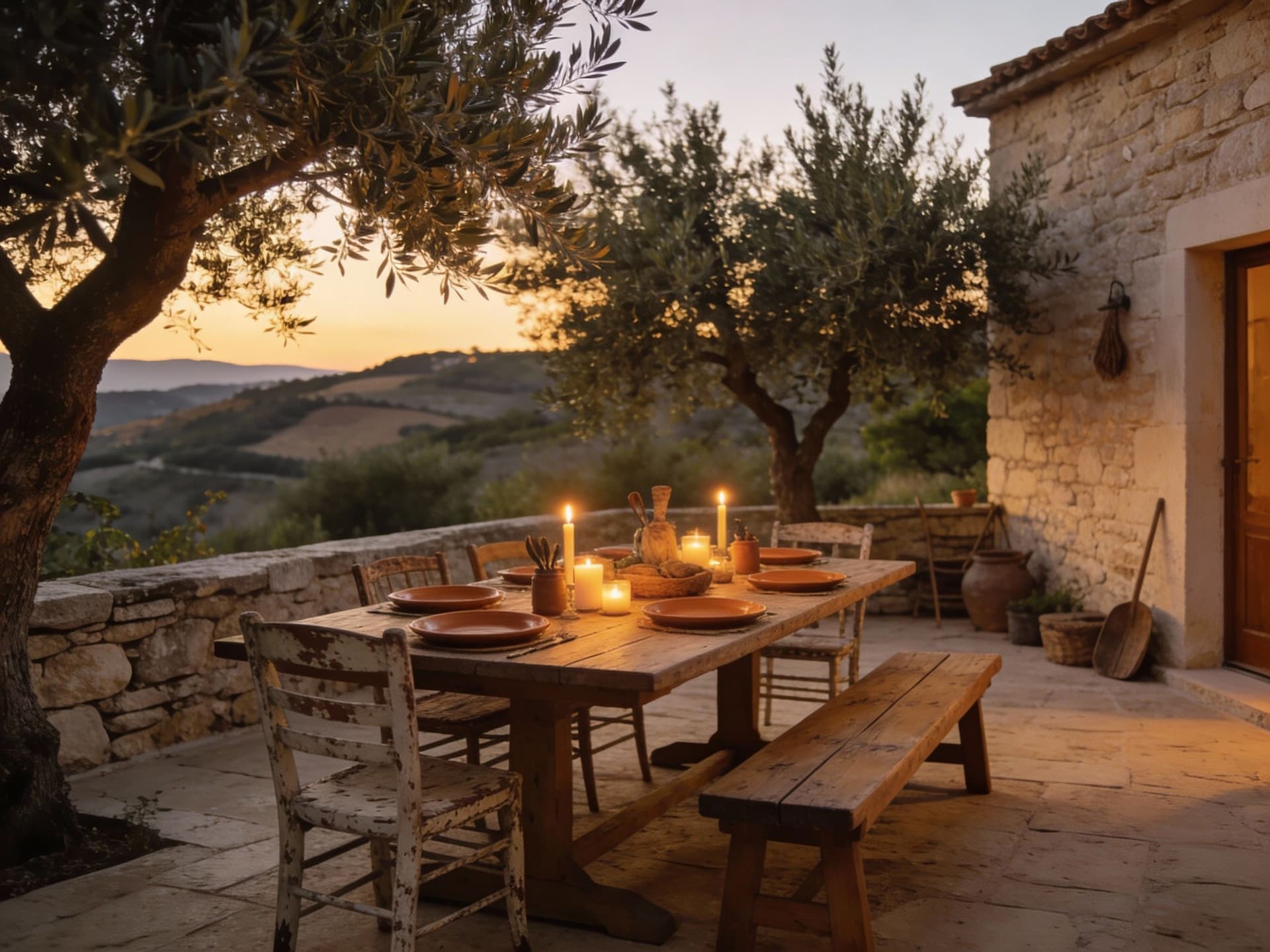
Stone village houses in Istria promise cool summers and tactile charm but often need insulation upgrades and modern heating for winter comfort. Seafront apartments in Dalmatia offer views and rental appeal but require coastal materials, anti-corrosion fittings and an active maintenance schedule. New-builds in Zagreb give energy-efficiency advantages but may lack the character many buyers seek; they often come with warranties and easier conversion to green systems. Match property type to the life you want — low-maintenance year-round living or a seasonal retreat that you steward carefully.
Working with local experts who know the place
An agent who speaks the language of both lifestyle and law saves time and heartache. Seek agents who can show examples of sustainable upgrades — solar, rainwater capture, native-plant landscaping — and who have handled ministerial consent when needed. A local notary, geometer (vlasnički izvadak/katastar specialist) and sustainability-minded builder form the core team to close well and steward responsibly over years.
- Closing checklist that blends lifestyle and stewardship:
- Confirm ownership and cadastral records (potvrda o nekretnini), check servitudes and public easements that affect access to coastlines or fields.
- Factor in seasonal maintenance costs (salt spray, stonework, septic vs sewer), and budget for eco-upgrades that reduce long-term costs — insulation, PV and water capture.
- If non-EU, start ministerial consent early; if coastal, confirm any local short-term rental rules or new property tax changes that may target vacation lets.
Insider knowledge: what expats wish they'd known
Expat buyers often romanticize the summer — but living here year-round reveals needs few tourists see: winter heating, reliable grocery access in smaller towns, and community integration beyond the high season. Many wish they'd planned for local bureaucracy rhythms, built relationships with nearby craftsmen, and chosen native plant gardens that cut watering needs in summer. Those small stewardship choices compound into less worry and a more authentic, lower-impact life.
Cultural nuances that shape neighbourhood life
Croatians prize reciprocity: gifts of seasonal produce, joining local festivities and day-to-day politeness open doors faster than flashy renovations. Language helps — even a few phrases smooth transactions and community bonds — but practical patience goes further: municipal offices operate on local schedules and small restorations rely on trusted local tradespeople.
Long-term stewardship: making your property a good neighbour
Treat stewardship as communal investment: landscape for biodiversity, avoid invasive ornamentals, prefer heat pumps and PV over diesel generators, and register long-term rental commitments where possible to align with local tax incentives. Policy moves to tax underused holiday stock mean owners who commit to longer rentals or ecological farming practices may find lower fiscal friction and stronger community ties.
- Practical stewardship tips:
- Use local stone and lime-based renders for coastal properties to harmonize appearance and reduce chemical maintenance.
- Plant native maquis e.g., rosemary, olive, holm oak — less watering and better truffle/soil health in Istria.
- Install PV and battery-ready inverters during renovation — it’s often simpler than retrofitting later and supports off-season energy independence.
- Steps to close with confidence:
- 1) Commission cadastral and building permit checks; 2) Request a local-condition survey; 3) Agree a phased payment tied to clear milestones and stewardship commitments.
Croatia is easy to fall in love with and — with the right local partners and a stewardship mindset — easy to own well. Start by visiting the rhythms you imagine living: linger in a market morning, test-wake to an Adriatic dawn, and ask local agents about maintenance realities for that exact street. Then formalise plans: ministerial consent if you need it, a maintenance reserve in your closing budget, and a local team you trust.
Ready to pair lifestyle with stewardship? Start with a daylight visit, a short list of must-have sustainable features, and a Croatian agent who can show both the market facts and the quiet life you’re buying into. With local knowledge and intentional care, your Croatian home can be an everyday sanctuary and a resilient investment.
Danish relocation specialist who moved from Copenhagen to the Algarve; supports families with seamless transitions, local partnerships, and mindful purchases.