Close with Care: Croatia’s Stewardship Clauses & Local Lore
Fall in love with Croatian life—markets, sea and stone—while closing with stewardship clauses, conservation checks and negotiation moves that protect value and place.
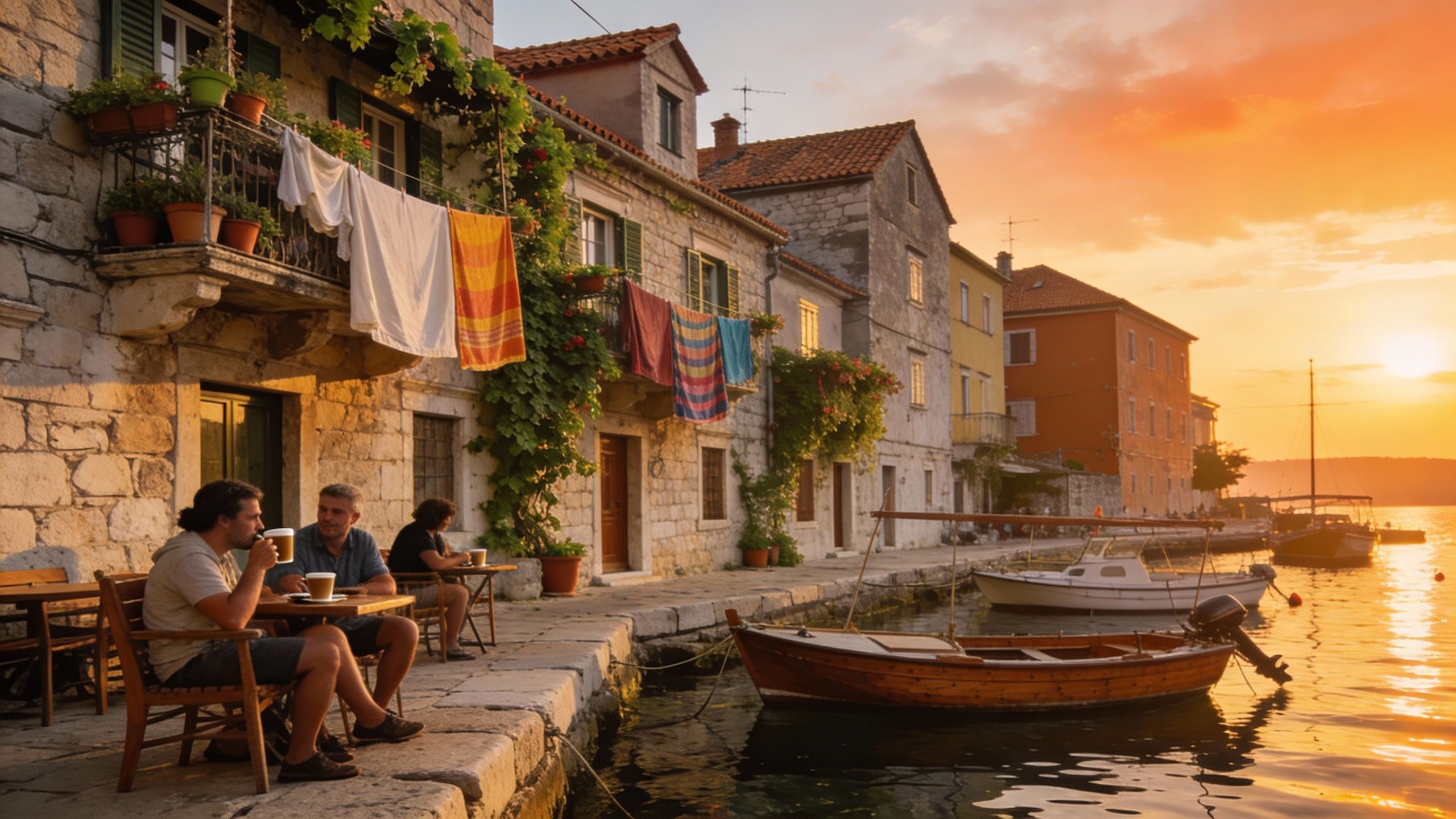
Imagine waking to the smell of espresso and pine on a stone street in Split, wandering to the morning market in Dolac for figs and fresh sardines, then watching a pastel sunset over a quiet cove on Hvar. Croatia moves at a gentle Mediterranean rhythm—sea, stone and community—yet beneath that slow beauty the property market hums with momentum and change. If you’re dreaming of a coastal home that feels part of the landscape, it helps to pair that feeling with practical care at negotiation, closing and the years that follow. This guide blends the lived‑in pleasures of Croatian life with the stewardship steps that keep a home—and local ecosystems—healthy for decades.
Living Croatia: Days, Flavors and Neighborhood Rhythms
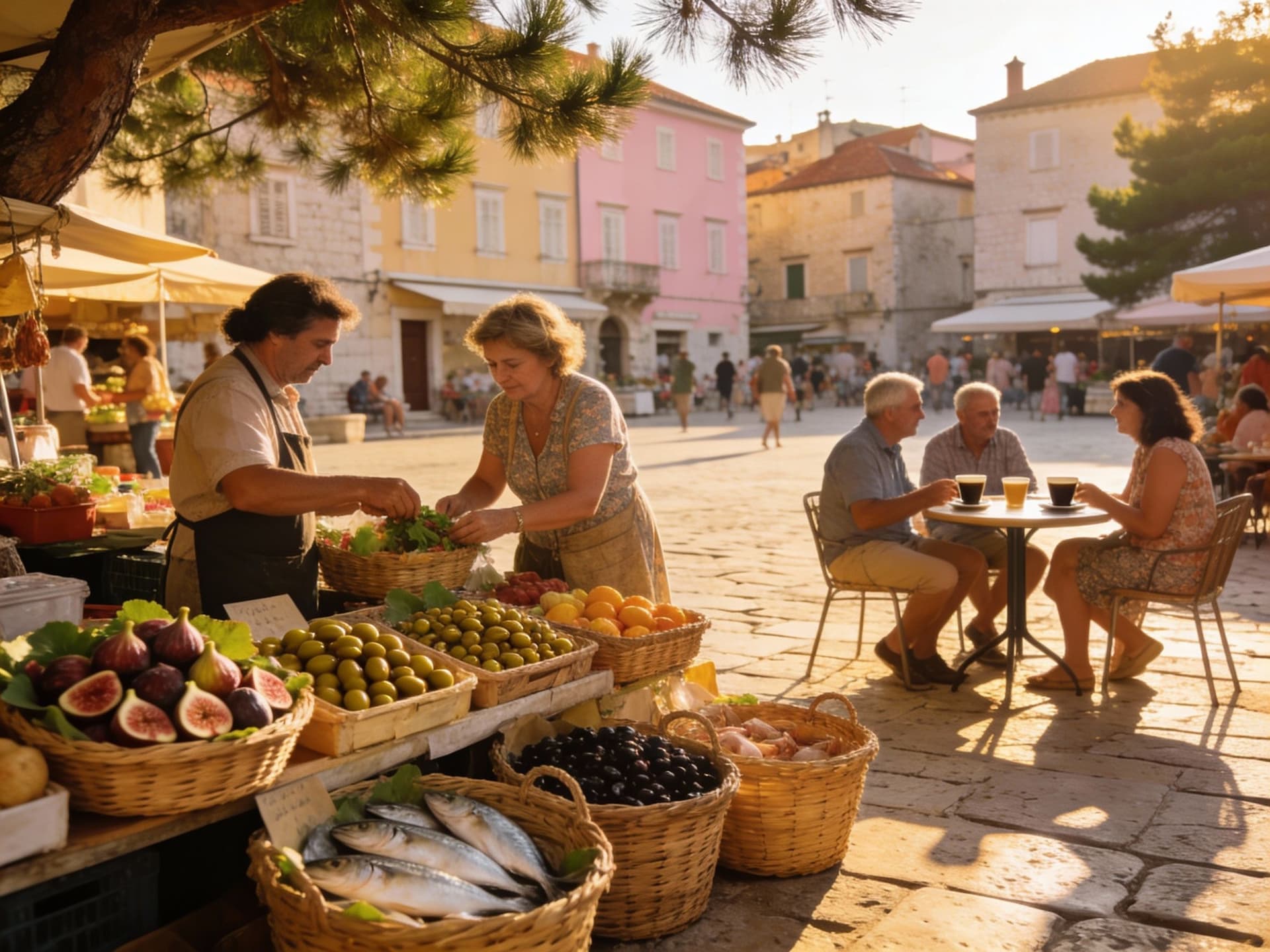
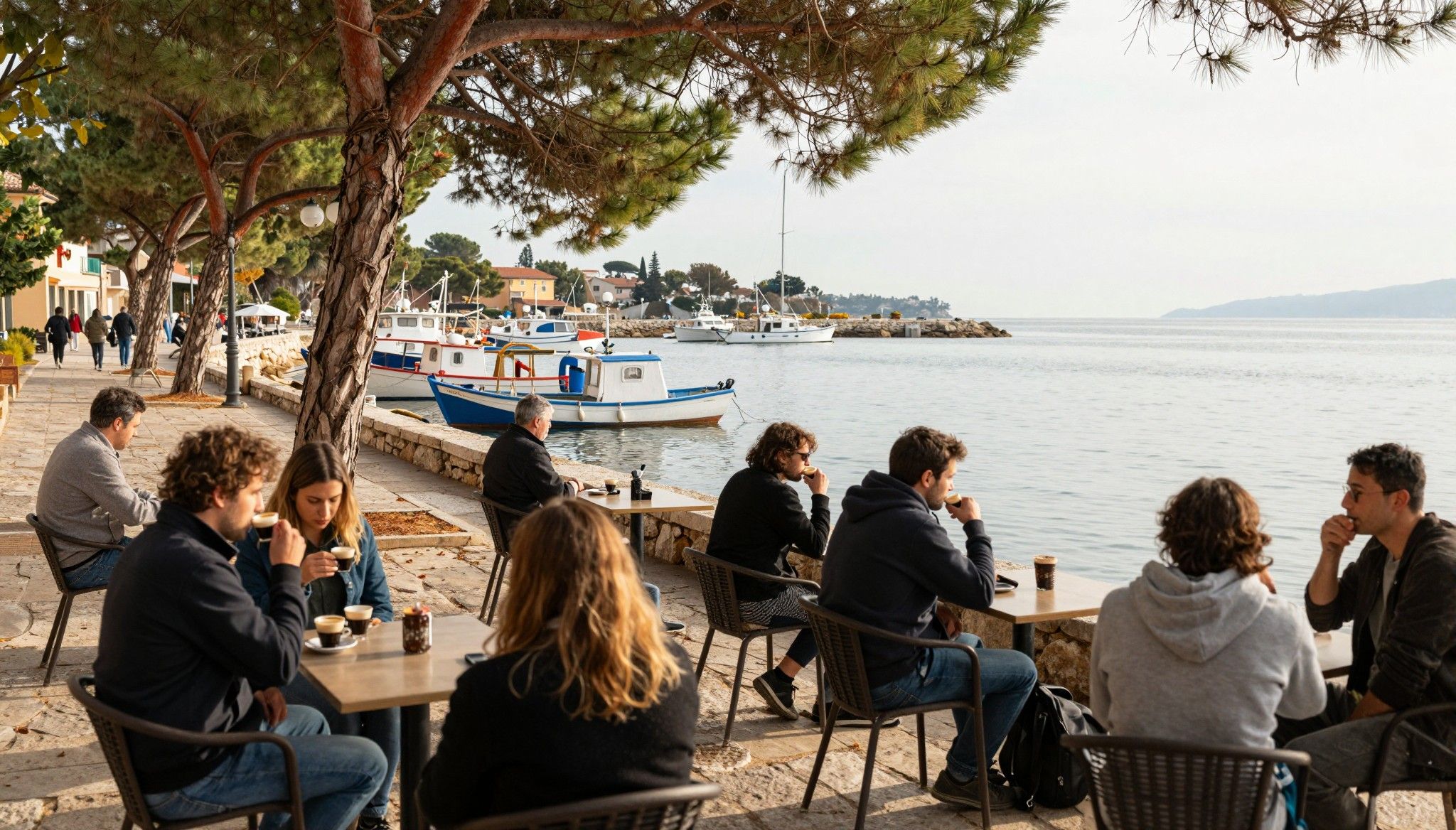
Morning routines in Croatia feel tactile: fresh bread from a local pekara, markets stacked with figs and olives, and late‑afternoon coffee at a kafic where older locals discuss football. Coastal towns—Trogir, Šibenik, Korčula—have an easy outdoor life; inland, Varaždin and Istrian hill towns favour stone courtyards and wood fires. Those textures matter when you buy: cobbled streets influence logistics and restorations, and market culture can shape how you use a kitchen or terrace. Buying here is not just a financial decision; it’s choosing a daily soundtrack and a rhythm of seasons.
Coastal towns where mornings are salt‑soft
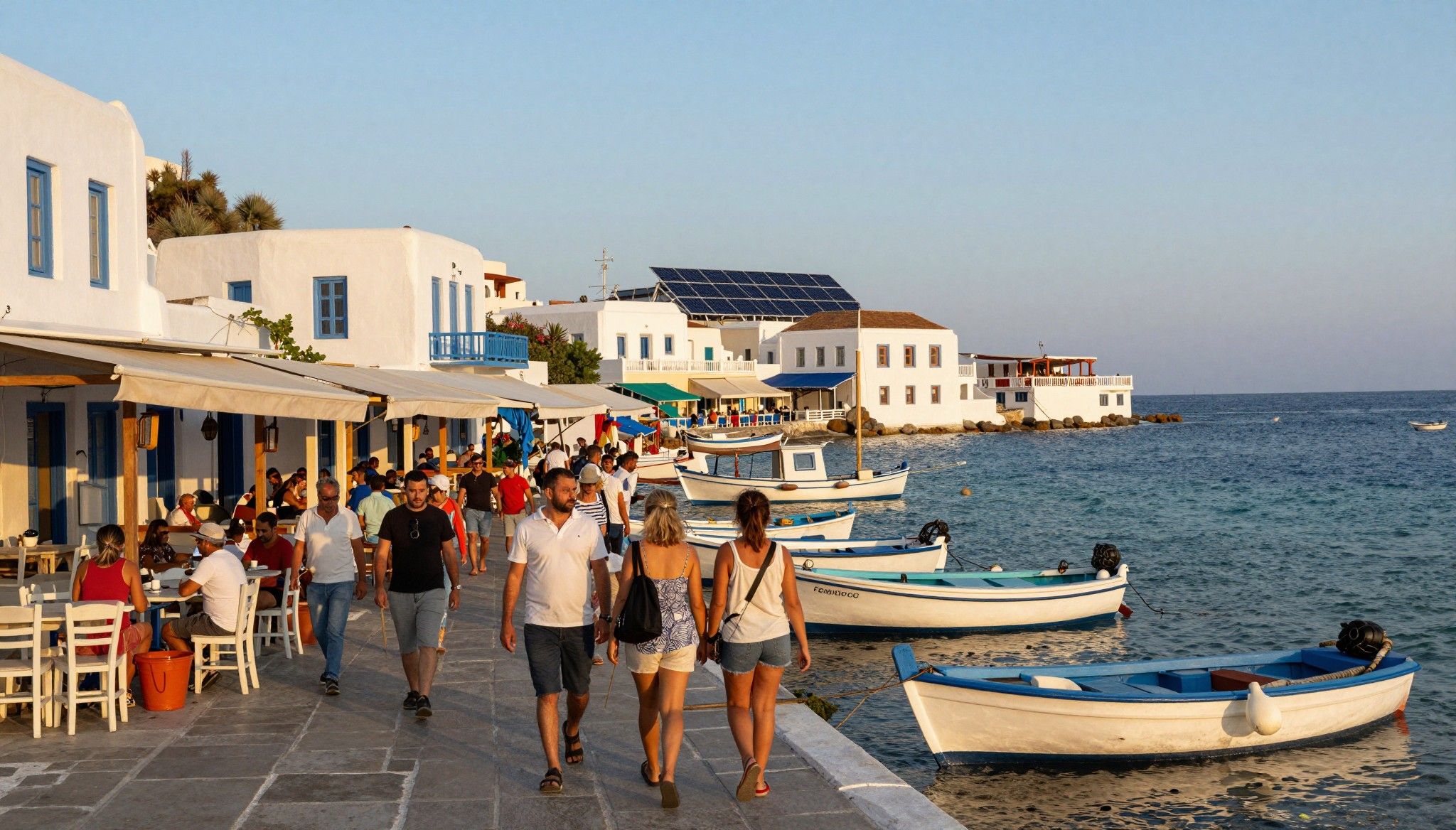
Picture walking from a stone lane in Rovinj to the harbour for a cappuccino, or cycling the promenade in Opatija before the day warms. Coastal neighbourhoods often cluster around a piazza, a church and a small market; look for areas like Lapad in Dubrovnik or Bačvice in Split where locals still buy fish at dawn. These are the places where outdoor living, sea breezes and pedestrian life will shape how you actually live, and where features like natural ventilation and shaded terraces earn real value.
Food, festivals and the seasonal heartbeat
Croatia’s calendar is full of sensory anchors: truffle hunts in Istria, summer film nights in Split, and olive‑pressing in autumn. Festival seasons bring vibrancy but also market distortions—high seasonal demand pushes up short‑term rental pressure in historic centres. If you want a place that breathes community year‑round, prioritise neighbourhoods with local life beyond tourism and consider stewardship strategies that favour long‑term rental or owner‑occupation over short‑term spikes.
- Lifestyle highlights to scout on visits: morning market stalls (e.g., Dolac, Split), a harbour walk with local kafic (Rovinj), a neighbourhood bakery with early queues (Zagreb’s Maksimir), an inland wine cooperative (Istria’s Motovun), a hidden pebble cove reached by stone steps (Vis).
Making the Move: Practical Considerations That Respect Place
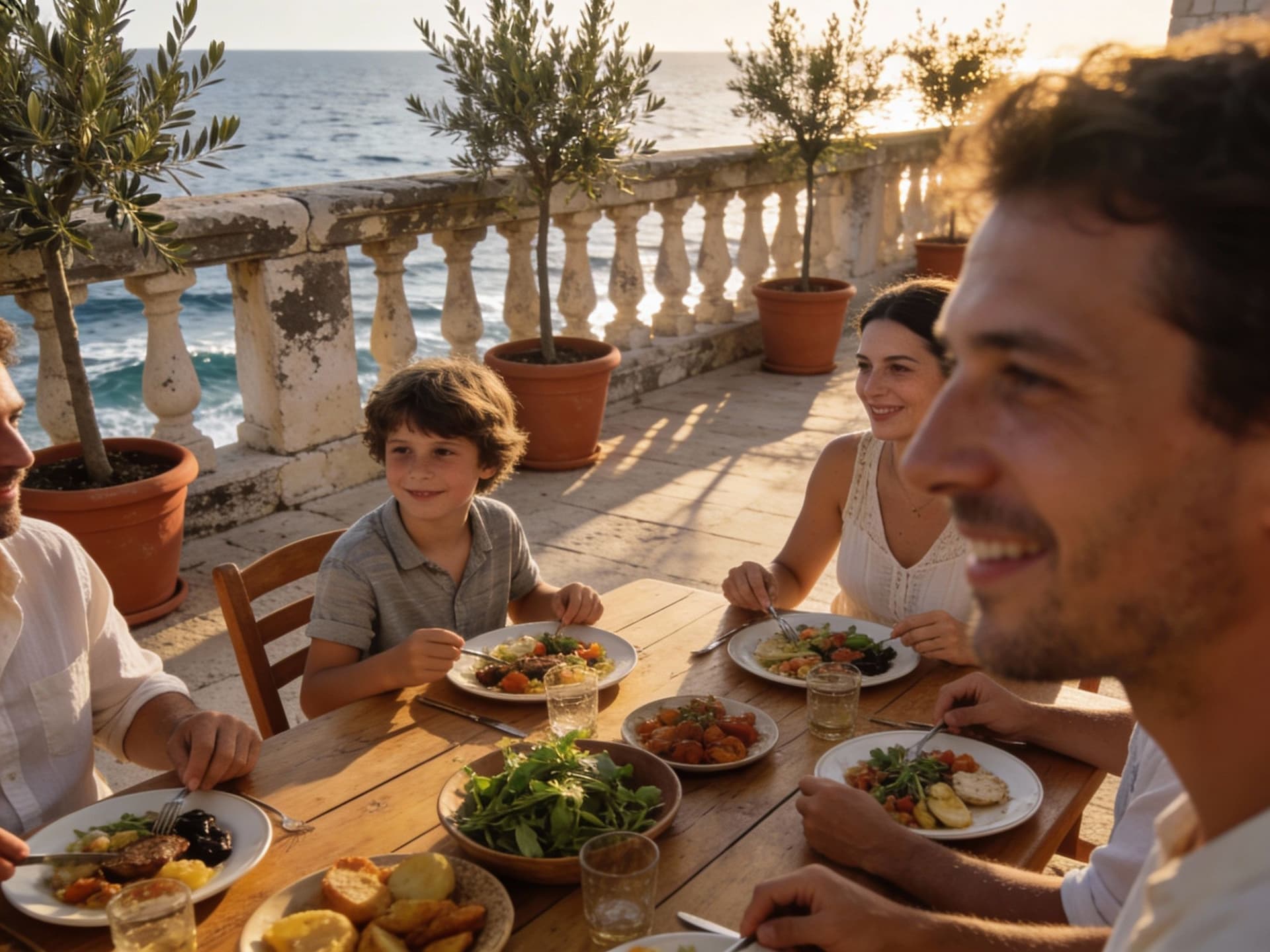
The dream must sit beside data. Croatia’s house price indices have risen notably in recent years—DZS reported double‑digit annual increases in parts of 2024–2025—so timing and negotiation matter. That means entering talks with clear comparables, an understanding of seasonality, and openness to stewardship investments (solar, insulation, garden restoration) that lower running costs and increase long‑term value. Here’s how property type and agent expertise translate into everyday life and lasting stewardship.
Property styles and what they mean for living lightly
Stone townhouses demand careful renovation know‑how; their thick walls keep summers cool but hidden damp can be an issue if restorations aren’t sympathetic. New builds often promise better insulation and PV readiness, but choose projects that integrate native stone, green roofs, rainwater capture and local materials to keep the home grounded in place. Whether you prefer a restored dalmatian konoba or a timber‑rich inland house, factor in lifecycle costs—heating, waterproofing, ecological landscaping—during negotiation, not after.
Working with local experts who care about place
A local agent who knows which streets flood in heavy autumn storms, which cadastral records are clean, and which neighbours guard community life is worth their weight in local olive oil. Seek agents who can introduce you to craftsmen, municipal planning officers and conservation experts—people who will protect both your investment and landscape. Good local counsel also helps you navigate changes like Croatia’s recent moves on short‑term rental regulation and property tax shifts that affect stewardship choices for second homes.
- Steps to blend lifestyle and practical checks when making an offer: 1. Visit the property in two seasons to test light, wind and access. 2. Commission a local conservation‑minded surveyor to inspect damp, foundations and heritage constraints. 3. Request energy and utilities history and estimate costs for solar or insulation upgrades. 4. Include clear conditional clauses in the contract for title, permits and a reasonable closing timeline. 5. Agree on a stewardship plan (e.g., long‑term lease limits, sustainable maintenance schedule) to present to sellers as part of your offer.
Insider Knowledge: Real‑Talk from Expats, Regulators and the Market
Expats often tell the same truth: the romance of a Dalmatian terrace is real, but so are management headaches when you live abroad and the property is a magnet for tourists. Recent government measures aim to cool speculative short‑term letting and introduce property‑tax reforms; these shifts can change net yields and community dynamics overnight. Smart buyers factor regulation into their offers, insist on transparent lease histories, and prioritise stewardship that supports year‑round neighbourhood life rather than seasonal extraction.
Cultural integration and day‑to‑day social life
Croatians value connection to place: festival participation, market barter, and respect for shared coastal access. Learning a little Croatian, frequenting the same kafic, and supporting local producers will speed friendships and protect your house from becoming an island. Consider homes near community anchors—churches that host concerts, cooperatives, or local markets—because these anchors sustain year‑round life and make stewardship both easier and more rewarding.
Long‑term stewardship: how to make a property give back
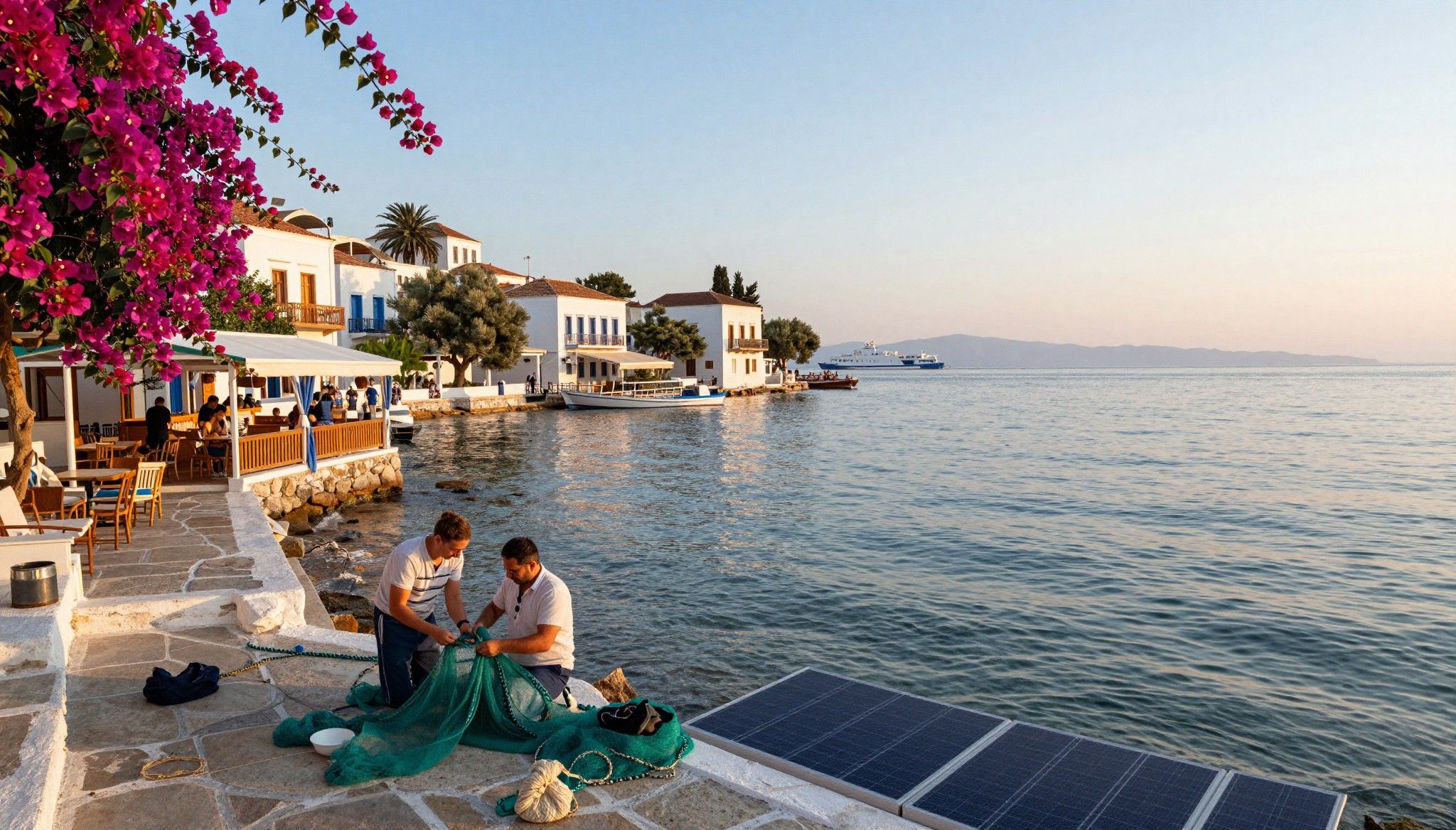
Think of stewardship as an investment that reduces risk and deepens local ties: install solar with a plan for local installers, restore terraces with dry‑stone retaining walls to prevent erosion, and favour native plantings to support pollinators. These choices can lower ongoing costs, protect against regulation that targets unsustainable holiday rentals, and make your property beloved by neighbours. When negotiating, propose maintenance covenants or shared garden plans—these signals often win sellers who care about legacy.
- Red flags and stewardship checkpoints to raise in closing: - Missing or unclear cadastral entries or historic easements. - Proven short‑term letting history without permits or tax records. - Signs of unmanaged hillside erosion or invasive landscaping. - No evidence of energy or water efficiency upgrades where climate exposure is high. - Unclear neighbour agreements on shared access ways or wells.
When an issue surfaces, a practical, calm recovery plan matters more than blame. We’ve seen buyers negotiate price reductions tied to concrete remediation milestones, or secure credits to hire local craftsmen to redo terraces and insulation. Framing repairs as stewardship—improvements that raise biodiversity, reduce costs and respect local character—often eases negotiations and creates goodwill with sellers and neighbours alike.
Quick checklist to close with stewardship in mind
- 1. Verify title and cadastre and get certified translations if needed. 2. Include a clause for confirmed utility/service access and responsibility for outstanding debts. 3. Agree an environmental and maintenance covenant with clear timelines. 4. Fund a small escrow for immediate repairs (drainage, damp proofing, native planting). 5. Register with local tax authorities and review the short‑term rental rules that apply to the property.
You don’t have to be an expert to steward well—start with curiosity, local partnerships, and a willingness to slow down. The most content owners we meet are those who treat their Croatian home as part of a living place: tending gardens, joining market mornings and learning municipal rhythms. That posture protects value, deepens belonging and keeps the coast, countryside and communities healthy.
Ready to visit? Begin with neighbourhoods that match your season of life—Zagreb for year‑round city life, Istria for truffle and wine seasons, Dalmatia for barefoot summers—and bring a shortlist of stewardship questions. Ask agents about past remediation, seasonal running costs, local craftspeople and municipal plans. With senses tuned to place and contracts that protect both your investment and the environment, a Croatian home can be a sanctuary and a small act of care for the landscape you now call home.
Danish relocation specialist who moved from Copenhagen to the Algarve; supports families with seamless transitions, local partnerships, and mindful purchases.