When Italy’s Renewables Change Where You Buy
Italy’s growing renewable backbone is reshaping neighbourhood life — choose properties with documented green upgrades to secure comfort, savings and community.
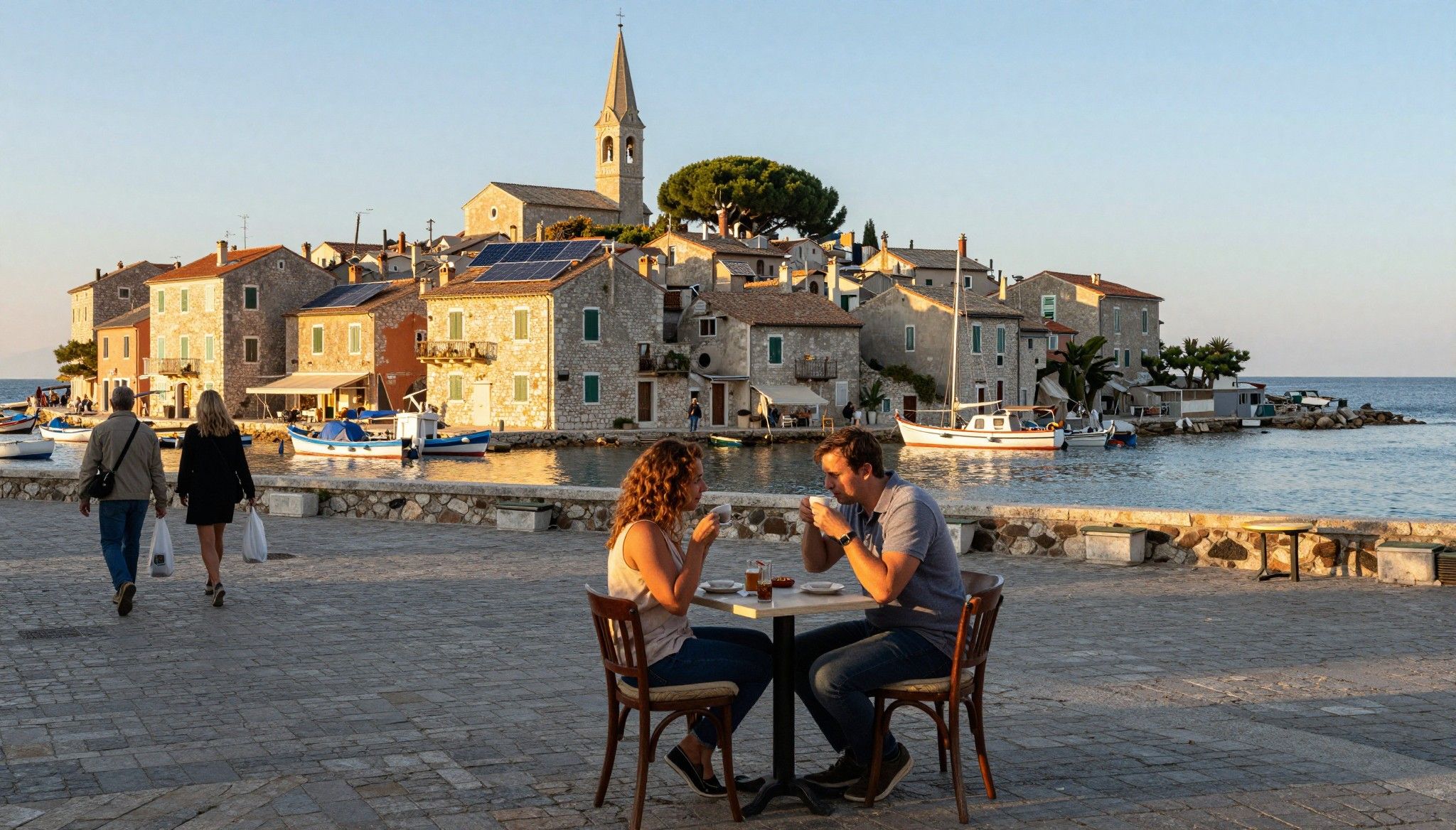
Imagine waking to a slow golden light that warms stone terraces, then stepping out for an espresso beneath espaliered vines—while the home behind you hums on battery power fed by the sun above. That is a modern Italian morning in places where green infrastructure is no longer niche but becoming the background rhythm of daily life. For international buyers drawn to Italy's mosaics of coast, hill and city, there’s an emergent practical benefit: widespread growth in renewables and local energy projects can lower bills, increase self-sufficiency and change what a neighbourhood truly feels like.
Living the Italy lifestyle — where nature meets neighborhood
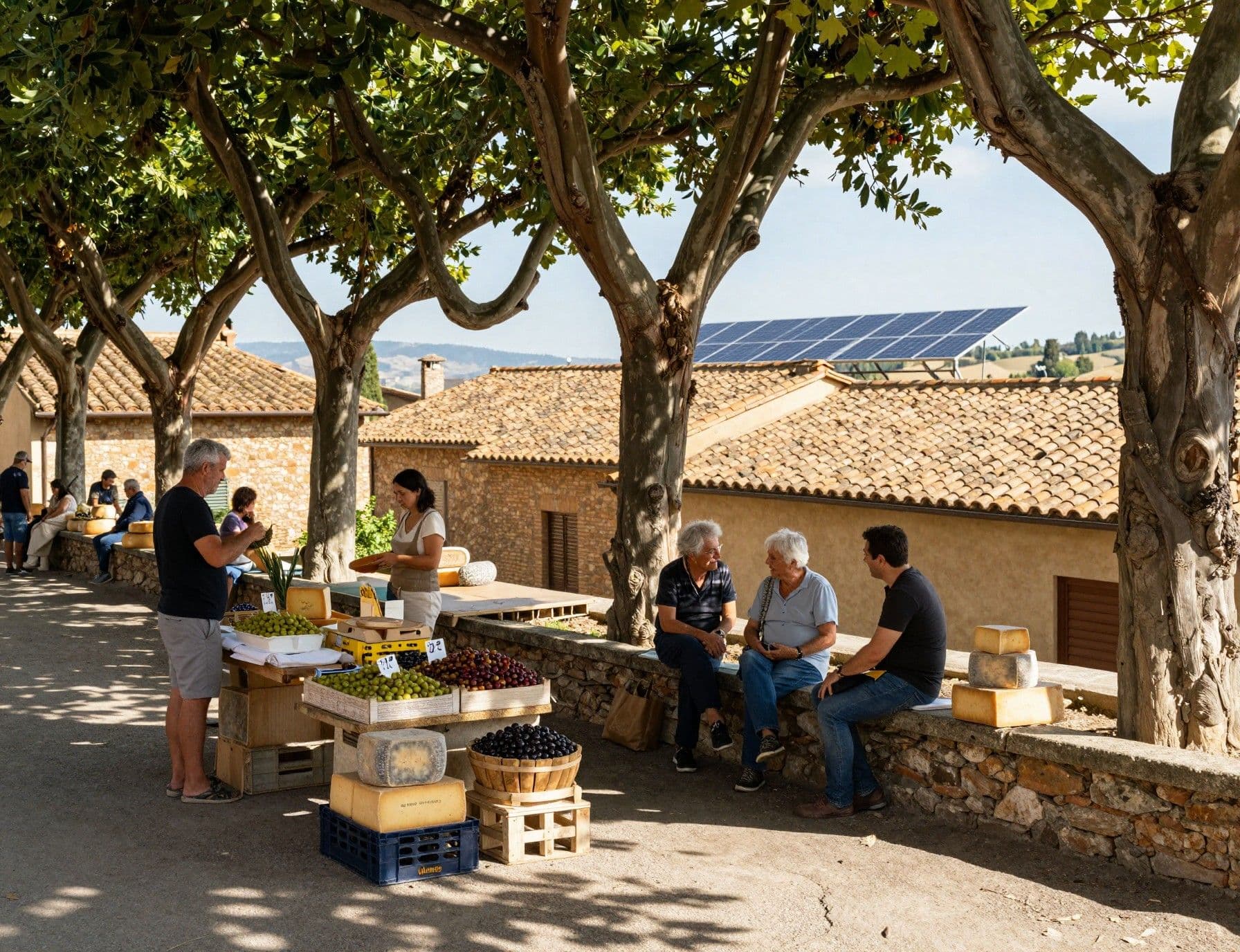
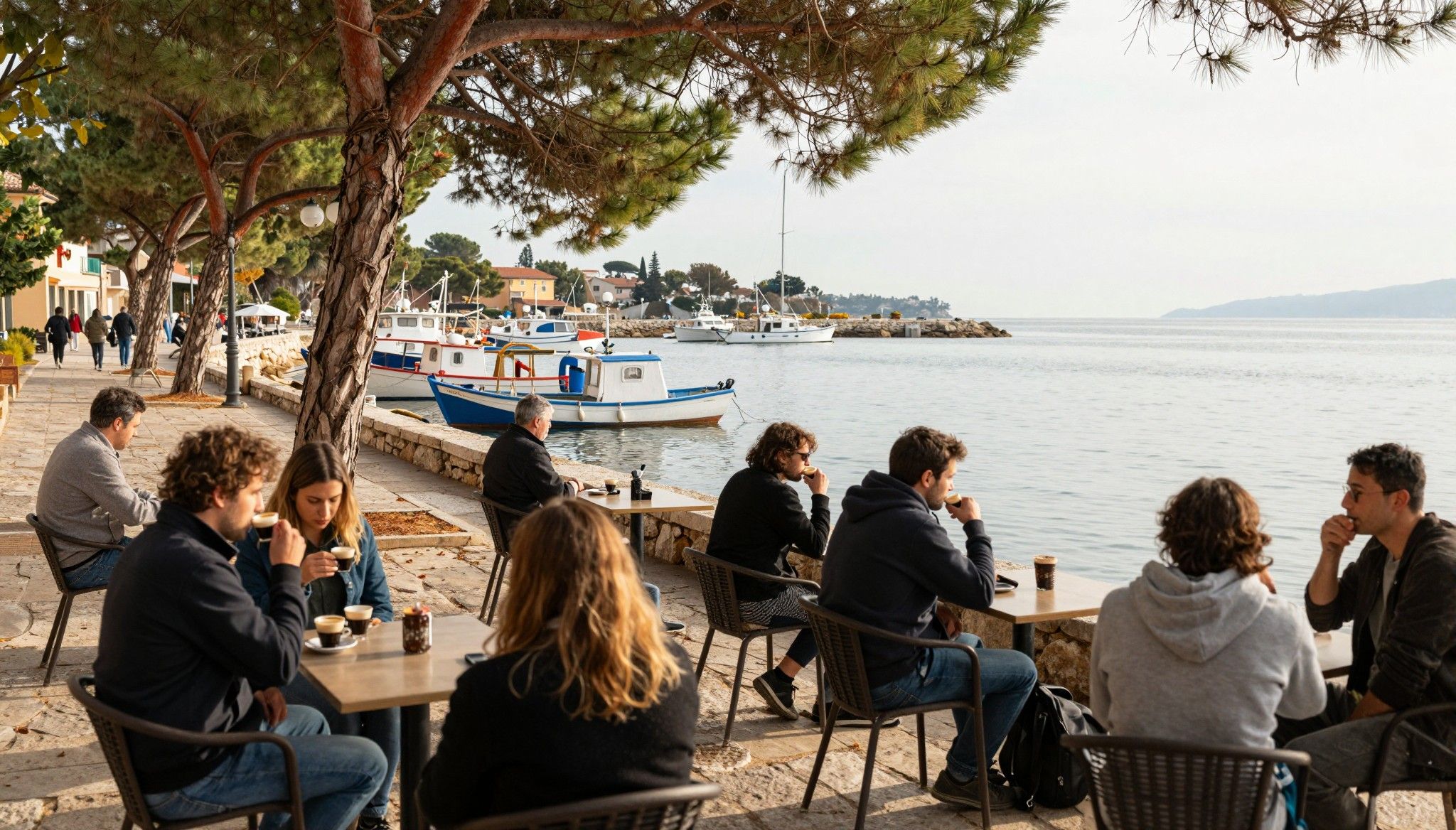
Italy is lived in chapters: market mornings in Palermo, mid‑day passeggiata in Lucca, late‑evening aperitivo along Naples’ Lungomare. Streets are measured in cafés, not square metres; seasons write the calendar — truffle hunts in Piedmont, olive harvests in Puglia, late‑summer swims on Sardinia’s Cala Brandinchi. When green infrastructure arrives — rooftop PV on a medieval palazzo or a community solar garden behind a seaside lane — it alters routine in small, tangible ways: more predictable electricity for fridges full of market produce, quieter generators, and a new social pride around shared sustainable projects.
Neighborhood spotlight: Tuscany’s hill towns and the quiet power shift
In towns like Pienza or the hills above Siena you still hear church bells and tractors, but you’re increasingly likely to see olive groves paired with discreet solar arrays and restored stone houses with high‑performance insulation. Locals gather at bars on Via Matteotti or Corso where talk turns from wine to the local cooperativa that installed a microgrid for the neighbouring villages. For buyers, that means lifestyle continuity — slow food, community rhythms — plus a measurable reduction in running costs when properties are retrofitted thoughtfully.
Coastal counterpoint: Puglia and Sicily’s sun-as-asset neighbourhoods
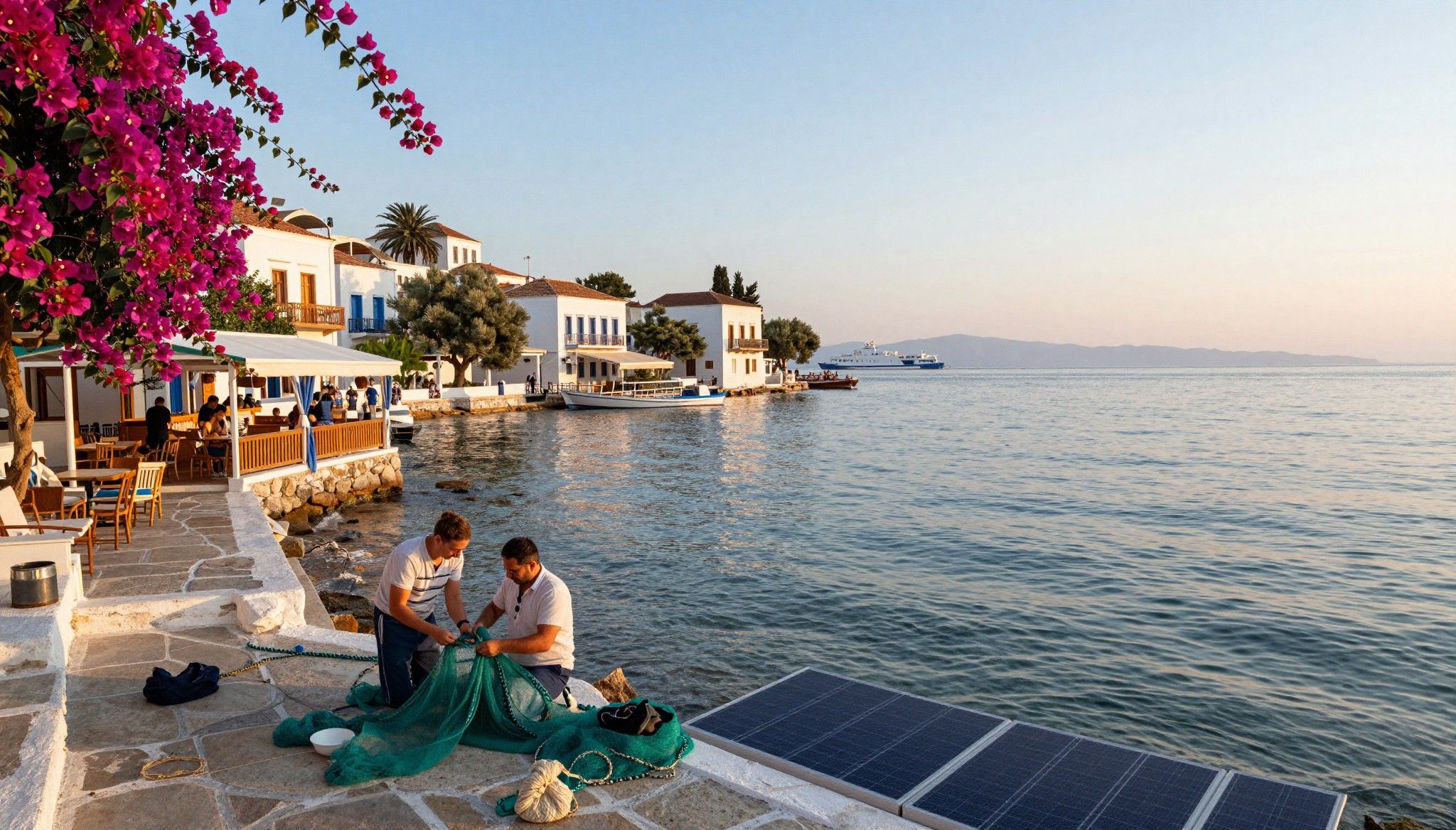
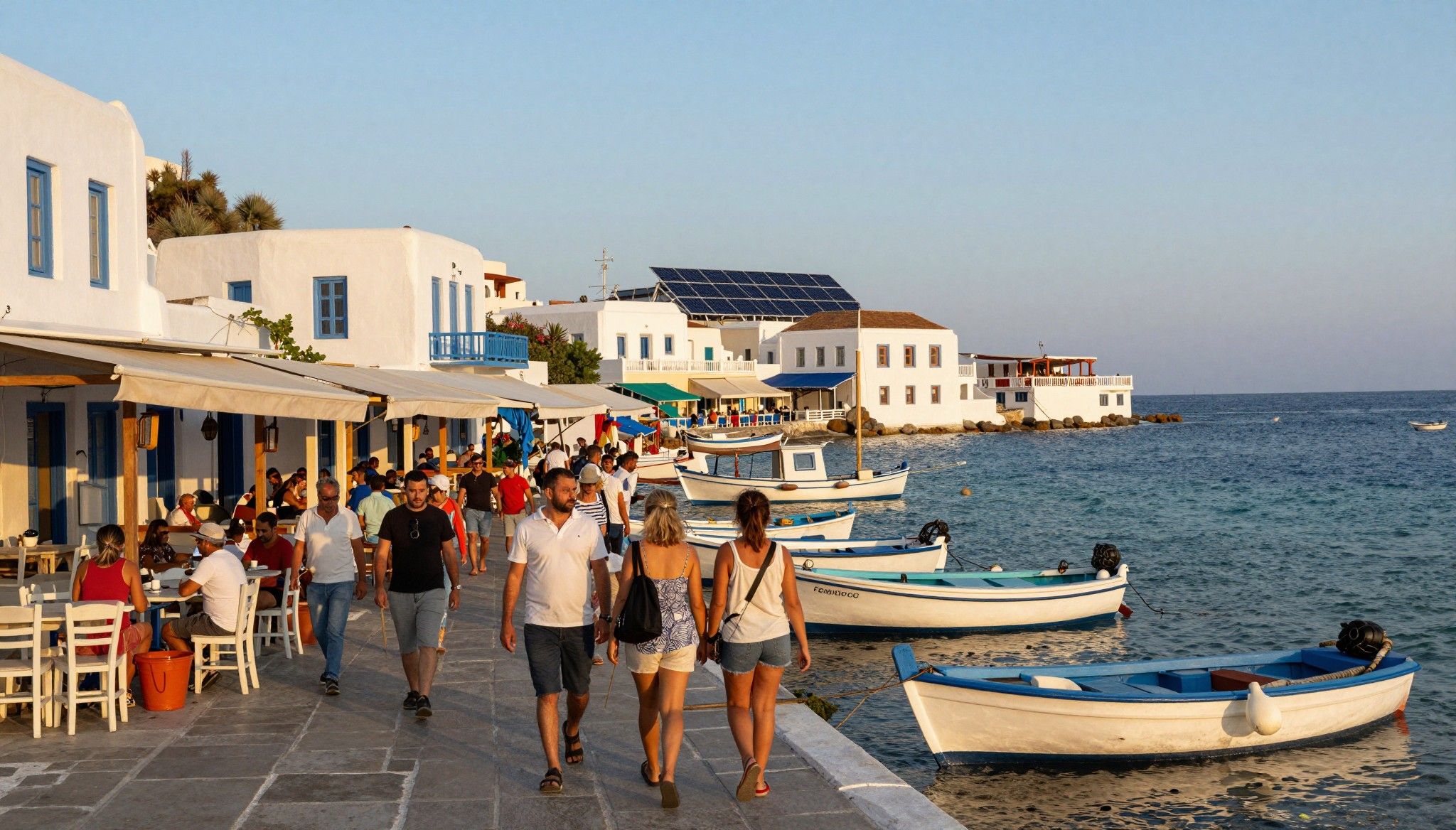
Southern coastal towns — from Monopoli’s whitewashed lanes to Sicily’s Etna valley villages — are marrying tourism charm with big solar growth and local green jobs. Large energy players and local consortia have scaled PV manufacturing and installations, bringing both infrastructure and new caretaking rhythms to these places. The result is a lived landscape where terraces, markets and small farms coexist with panels and battery storage that quietly support everyday life.
- Lifestyle highlights to shop for: morning markets at Mercato di Porta Palazzo (Turin), evening sea swims off Positano, olive‑press festivals in Umbria, a cooperative solar array visible from your garden, neighborhood cafés with charging points for e‑bikes.
Making the move: practical considerations that keep the dream green
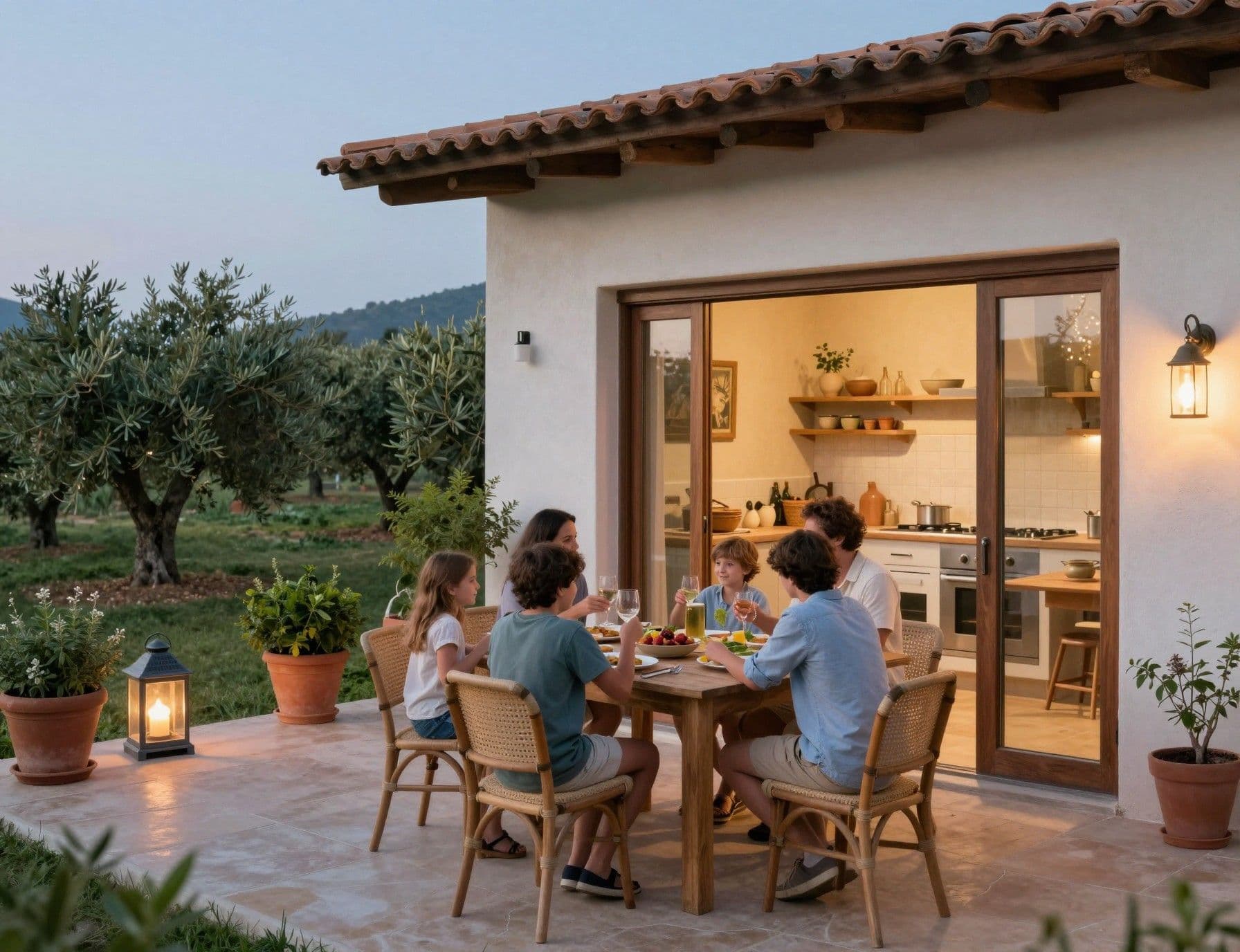
The dream of a sunlit terrace must meet paperwork, market rhythms and local realities. Italy’s housing market has shown modest, steady growth with rising transaction volumes in recent quarters — useful context when timing offers and negotiating. But in areas where green upgrades are abundant, value can shift beyond simple square‑metre metrics: a well‑sited property with legal PV and good insulation often performs better for livability and long‑term running costs.
Property styles and how they shape daily life
A stone farmhouse (casa colonica) asks for landscape time — gardens, harvests, wood stoves — and rewards careful retrofit with great comfort and character. Urban apartments in Milan or Bologna offer proximity and services; look for buildings with recent façade and roof works, communal PV or energy performance certificates. Newer eco‑renovations blend modern thermal comfort with traditional materials; they cost more upfront but often feel like a present‑tense solution to living well year‑round.
Working with local experts who translate lifestyle into specs
Choose agents and architects who can point to completed green projects, not just promise them. Local engineers familiar with Italy’s incentive schemes (ecobonus, sismabonus and PV incentives) can turn a wish list into a staged plan that’s permitted and fundable. A good agent will also map neighborhood micro‑differences — which lanes flood in heavy rains, which piazzas host markets year‑round, and where microgrids or co‑ops already exist.
- Steps to marry lifestyle and logistics when buying in Italy: 1) Visit in two seasons to feel annual rhythms. 2) Ask for energy performance certificates and documented PV/insulation work. 3) Confirm grid connection quality and local solar generation projects. 4) Budget for staged retrofits that preserve character while cutting bills. 5) Secure a local notary and an architect experienced in historical fabric.
Insider knowledge: what expats wish they’d known before planting roots
Many expats tell the same story: you move for light and food, then fall in love with small civic rituals — the baker who knows your order, the neighbour who shares olive oil. What they often didn’t expect was how much the practicalities of energy and local services shape those rituals. In towns with active renewable projects there’s less noise from generators, more stable electricity during tourist season, and sometimes communal decision‑making about land and resources that newcomers are invited into.
Cultural integration, language and the rhythms of community
Learning a few phrases opens doors, but participation opens communities: attend the sagra, help prune, join a local cooperative meeting. Energy projects are often social by nature — shared panels, village funds for insulation, collective vegetable gardens — and they become an easy and meaningful route to belong. Expect patience: Italian bureaucracy and neighborhood customs reward steady attention and respectful curiosity more than fast fixes.
Long‑term lifestyle and stewardship — what to look for now
Italy added several gigawatts of renewables recently and now generates roughly 40% of its electricity from renewables, a trend that increases the prospects for local energy resilience. For green‑minded buyers, that means premiums are likely for authentic green upgrades and community energy initiatives. It also means being realistic about trade‑offs: in protected landscapes there are stricter planning rules, and in denser towns retrofits can be more complex but highly rewarding.
- Red flags and small wonky truths to watch for: • Missing or uncertified PV installations — verify paperwork. • Roofs that look fine but lack structural reports for solar loads. • Communal building decisions that block retrofits — check condominium minutes. • Properties in flood‑memory zones — ask about repeated exposures, not just single events.
Conclusion: The life you imagine in Italy — slow meals, wild workdays in olive groves, quiet evenings on a balcony — can be materially supported by the country’s expanding green infrastructure. Start with place first: taste the market mornings, listen to the neighborhood, then bring experts who can translate that affection into permitted, efficient, long‑lasting choices. If you want a property that feels like a stewardship project, look for visible, documented renewable work and neighbours who already treat energy as a shared resource — that’s where Italy’s future homes are quietly being made.
Dutch property strategist who helped 200+ families find sustainable homes in southern Europe; expert in legal pathways and long-term stewardship.