Greece: Where Green Energy Changes How You Live
Greece’s romantic streets now sit alongside a fast‑growing renewables system — buyers who pair lifestyle desire with grid‑savvy checks find durable, low‑impact homes.
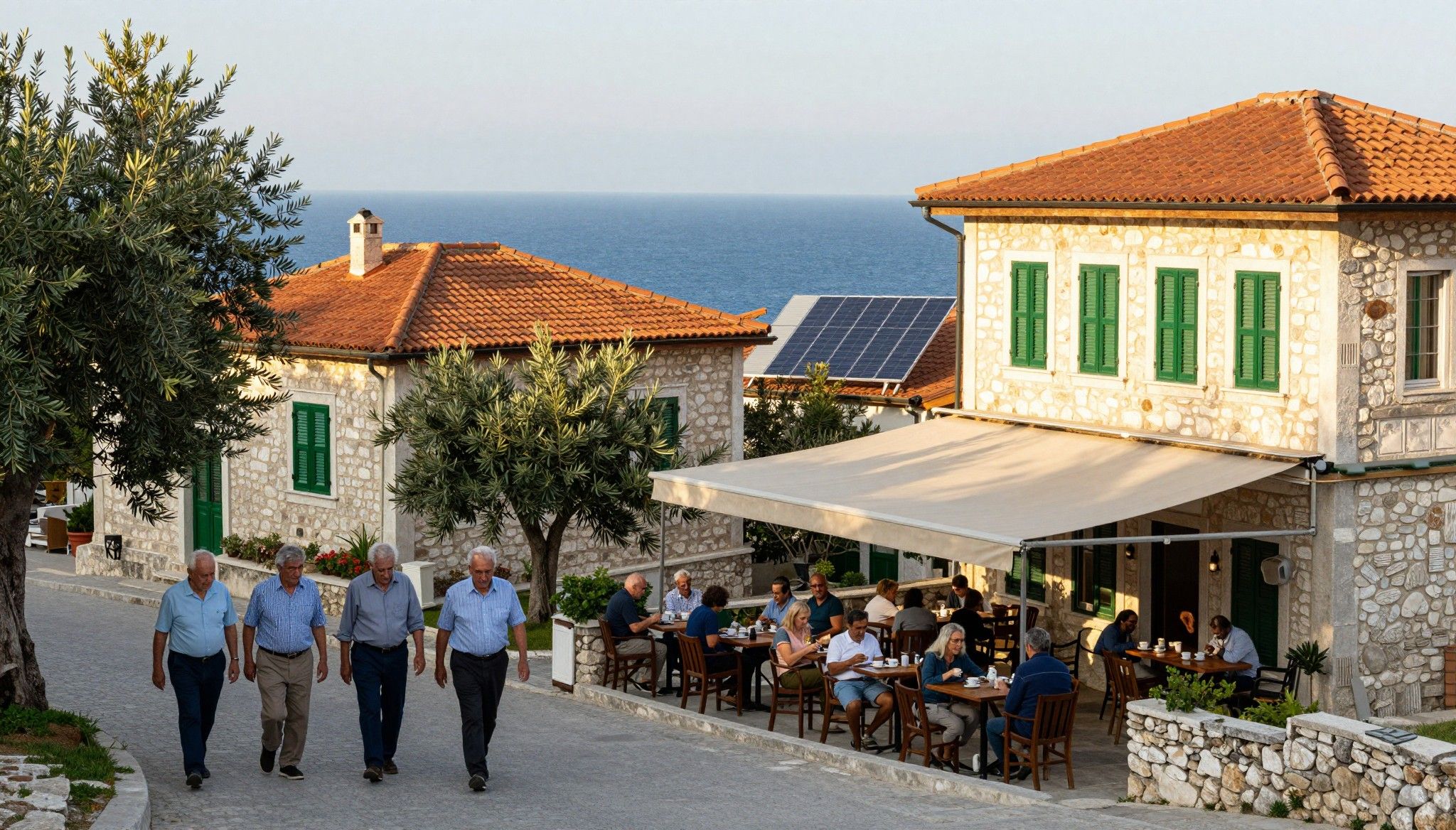
Imagine waking to the sound of church bells and distant sea wind, stepping into a courtyard planted with olive trees and a small rooftop PV array humming quietly. In Greece, that image sits beside something bigger: a rapid shift to wind, solar and smarter grids that is reshaping daily life and the value of homes. For international buyers who prize green infrastructure as much as cobbled streets and tavernas, Greece is no longer just a romantic backdrop — it’s a working landscape where energy, community and property converge. Recent market analysis shows fast solar growth and meaningful grid upgrades that change what 'off‑grid' or 'energy efficient' means in practice.
Living the Greek lifestyle — green and tactile
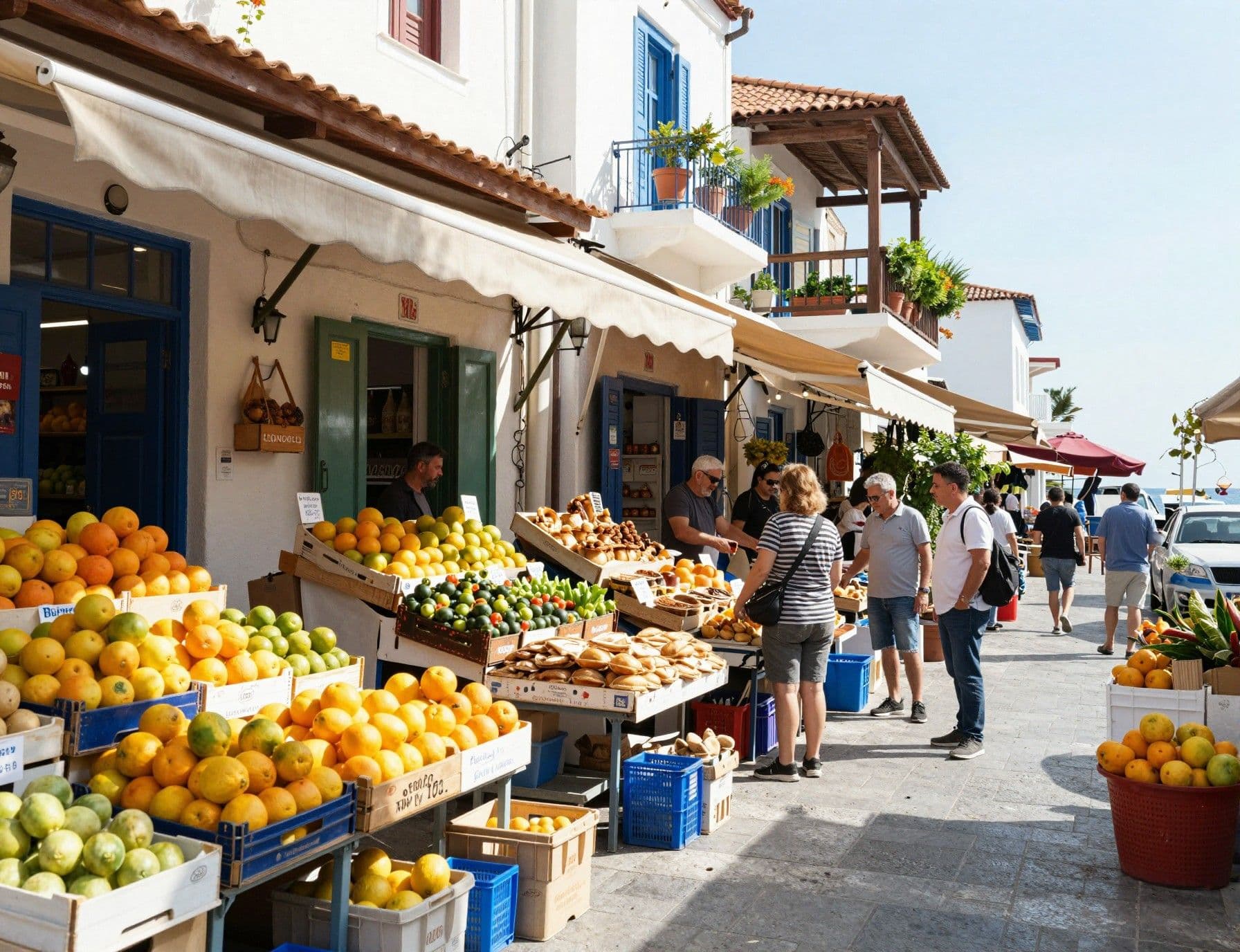
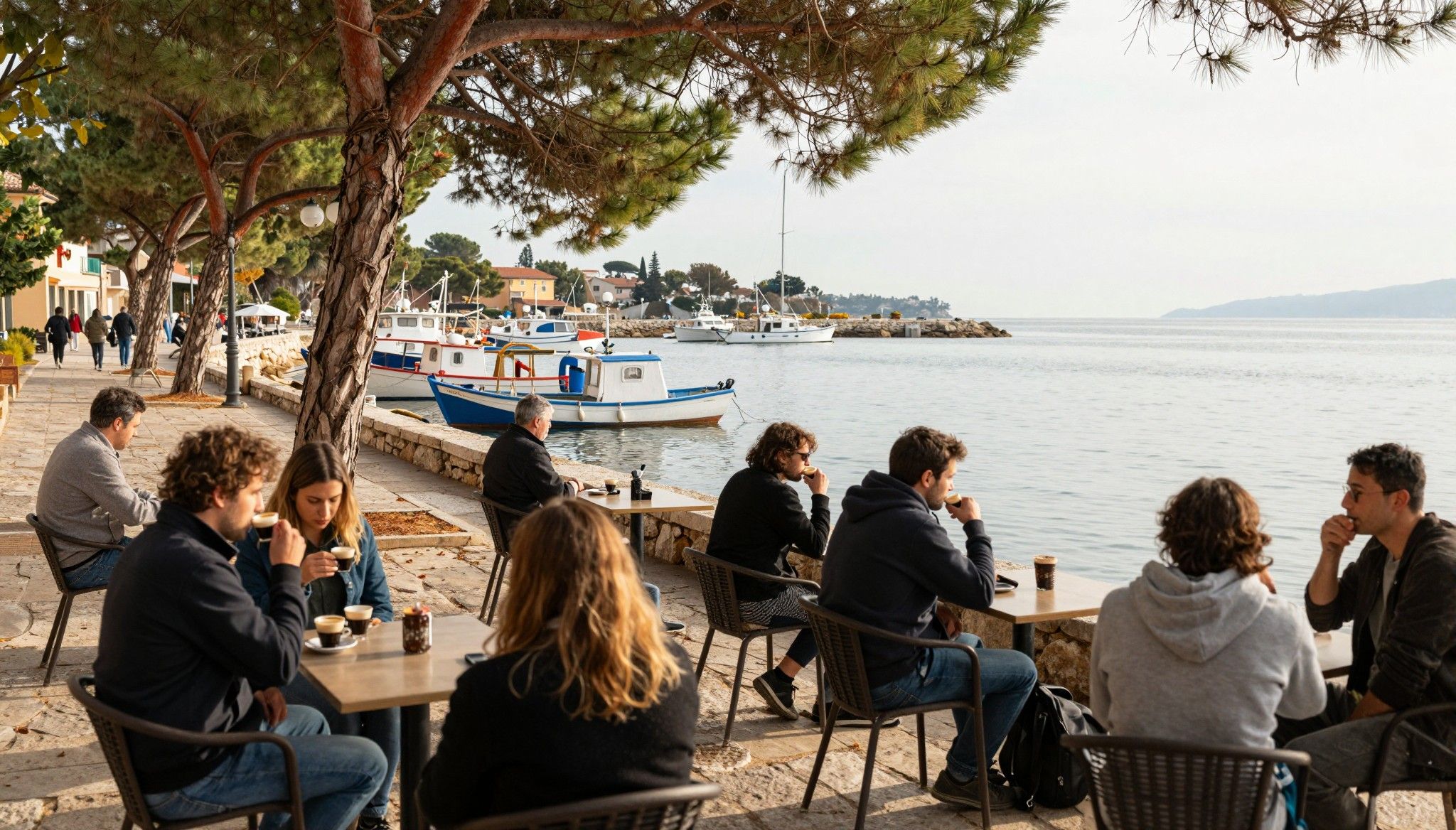
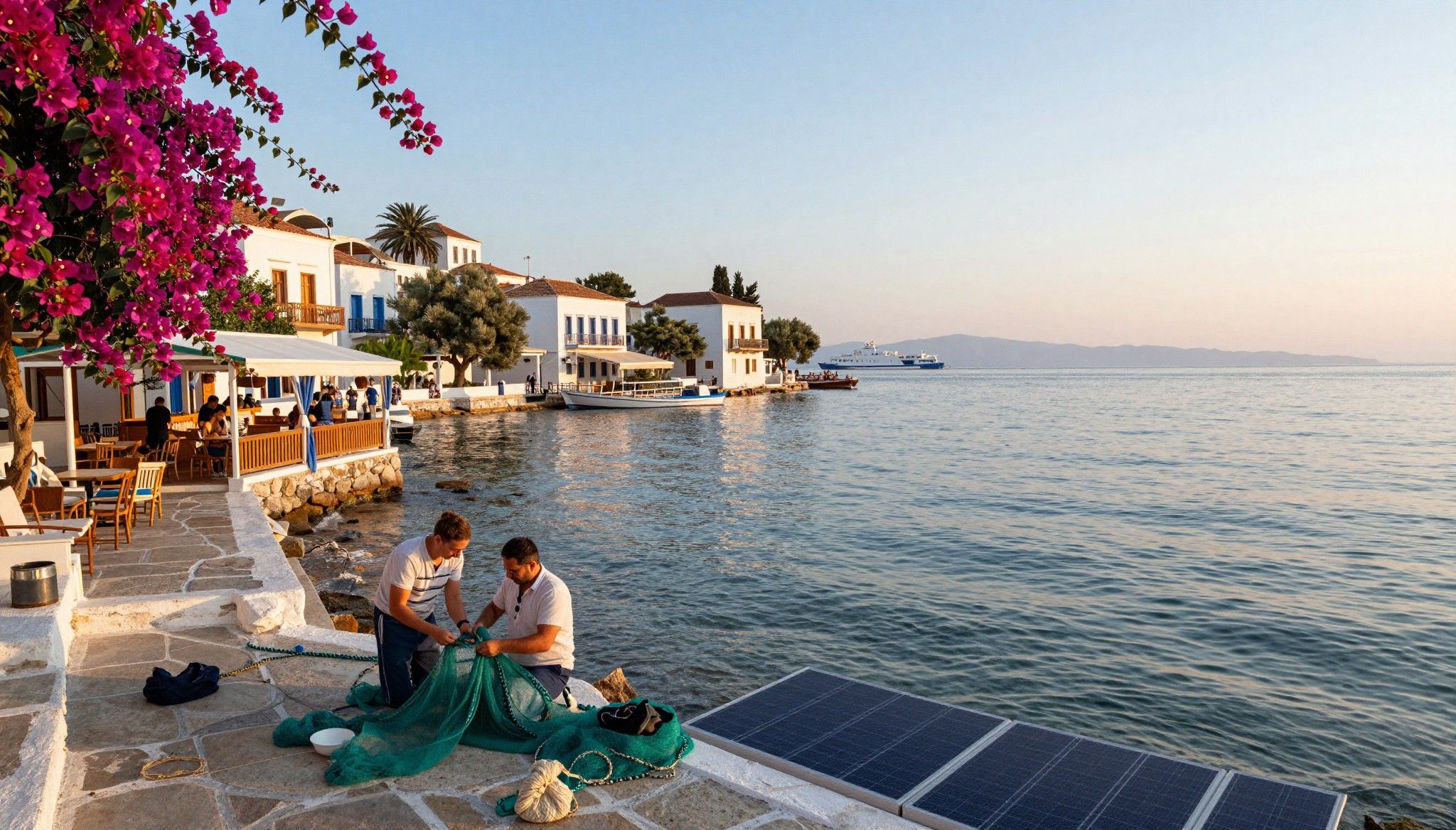
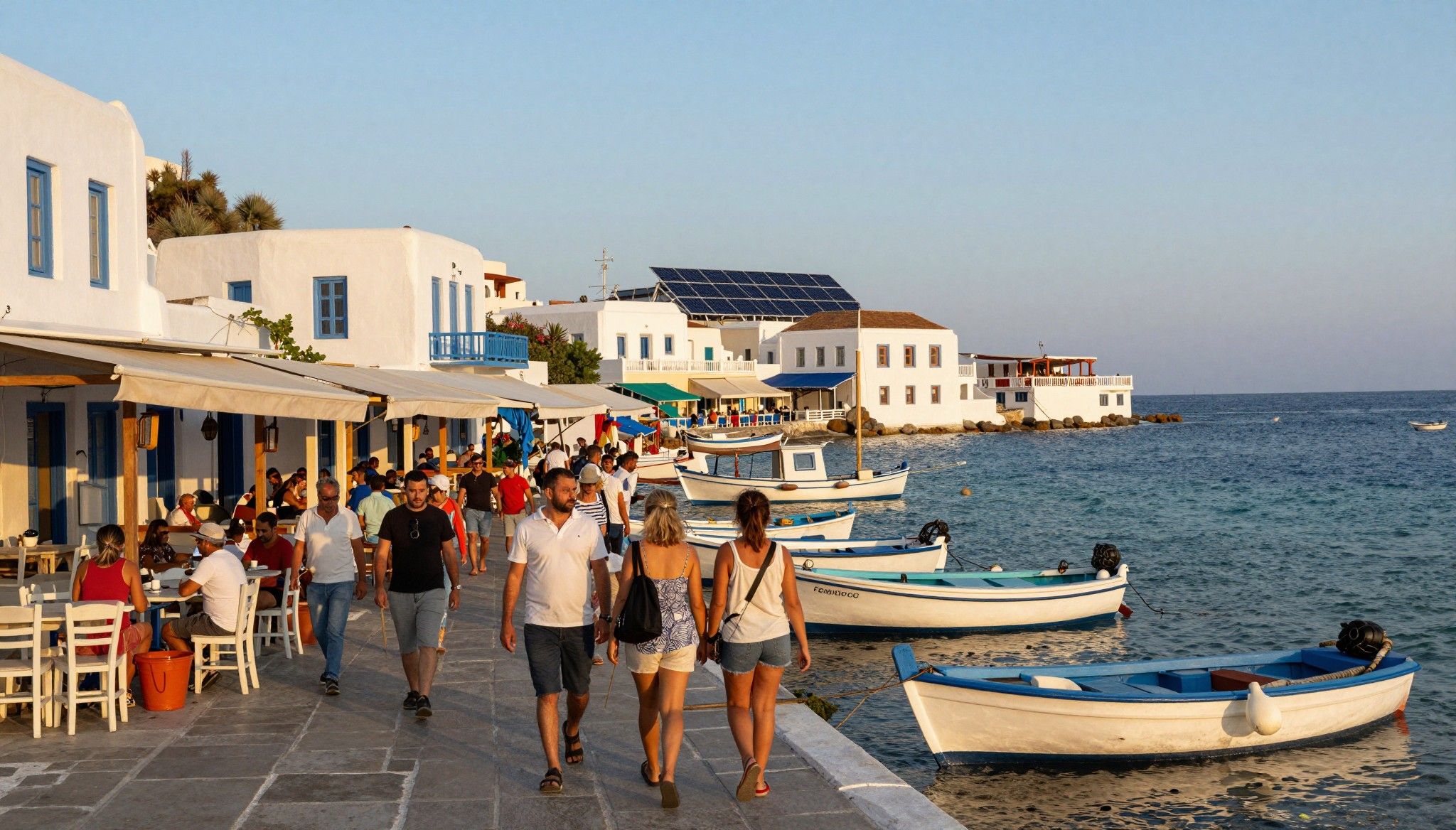
Stroll through Plaka in Athens at dawn and you’ll smell fresh koulouri, hear old men playing backgammon, and see a new generation of cafés with potted herbs and solar‑shaded terraces. Summer mornings on Naxos or Kefalonia begin with fishermen hauling nets and locals loading crates of figs into electric vans, while evenings on hydrangea‑lined streets in Chania are lit by warm LED bulbs fed from rooftop panels. This is daily life where old stone meets modern sustainability: houses with thick walls and shutters remain cool, while modest PV systems and heat‑pump water heaters quietly cut bills and carbon. If you care about low‑impact living as well as culture, Greece offers a texture of life that’s both timeless and increasingly renewable.
Neighborhood spotlight: Athens’ Koukaki and coastal towns like Aegina
Koukaki hums with terraces, small galleries and a surprising number of retrofit projects where developers kept stone facades and added insulation, green roofs and discreet solar arrays. Move an hour west and you find Aegina’s pine‑fringed lanes and fishing harbours where micro‑grid pilots and rooftop PV are becoming common on renovated island homes. These places show how conservation and green infrastructure can coexist: heritage aesthetics preserved, services modernised. For buyers, the lesson is simple — pick neighbourhoods where local councils and utilities are already accommodating renewables and energy upgrades.
Food, markets and the rhythm that shapes property life
Picture Saturday markets in Thessaloniki piled with citrus and handmade cheese, evening fish grills on the Peloponnese coast, and community olive‑pressing in autumn — social rituals that make a house feel like home. These seasonal cycles influence how properties are used: large kitchens for communal cooking, courtyards for late‑summer dining, and storage for preserves that reflect a slower, resource‑aware life. Environmentally aware buyers often choose properties with garden space for food growing, rainwater capture systems, and shaded outdoor rooms that extend living year‑round. The lifestyle payoff is tangible: more connection to place and lower running costs when green features are well integrated.
- Koukaki cafés with shaded terraces; Chania’s evening promenade; Naxos village markets; Aegina’s pine walks and microgrid pilots; Peloponnese olive‑press festivals; Thessaloniki bakeries and rooftop solar retrofits
Making the move: practical considerations where lifestyle meets infrastructure
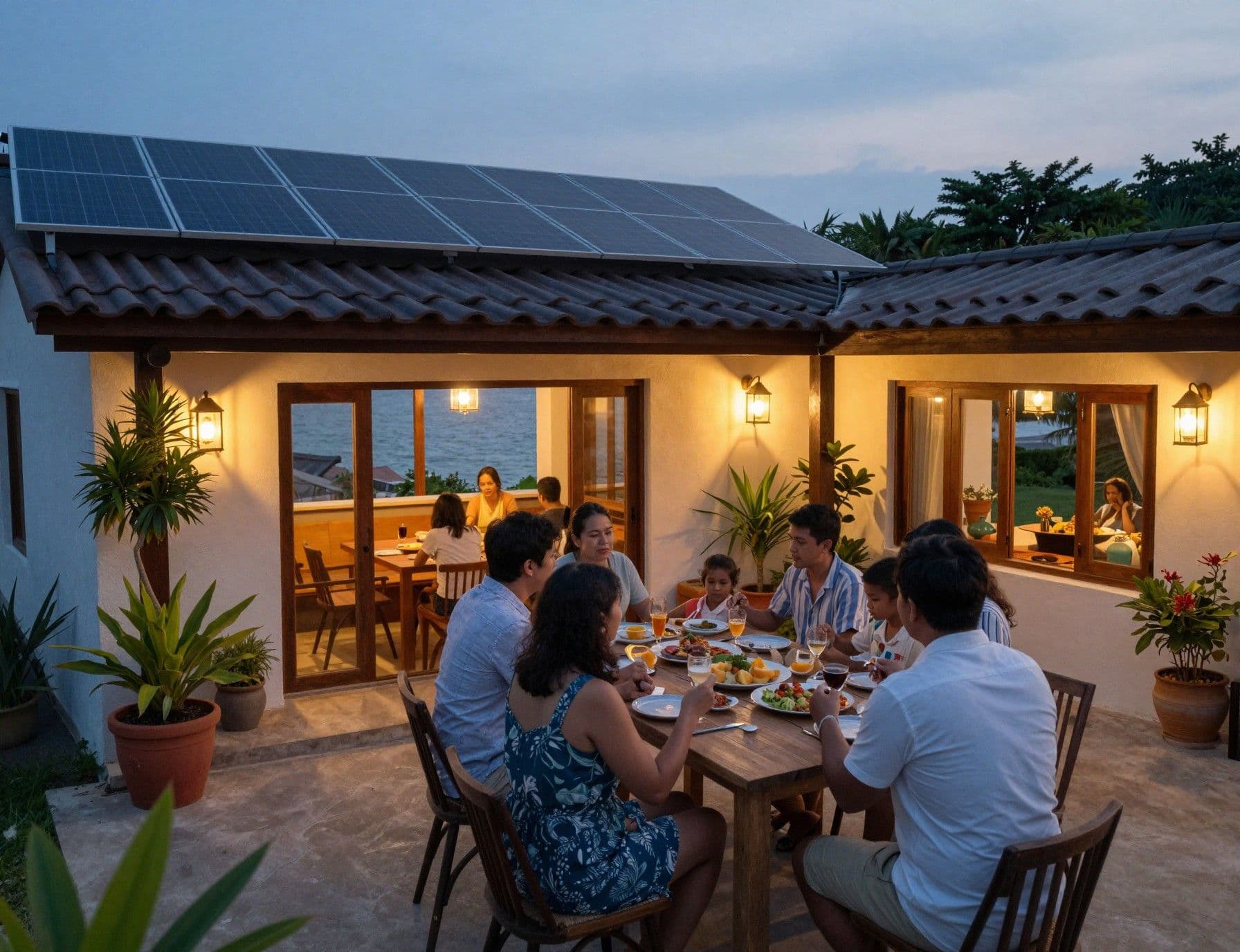
The honeymoon of lifestyle often bumps against infrastructure realities: grid capacity, curtailment episodes and permitting can affect whether your dream home truly runs on clean energy. Greece installed large volumes of solar in recent years and recorded strong renewable shares in electricity, but rapid deployment has also produced curtailment and grid bottlenecks. Practical buyers pair lifestyle scouting with inquiries about local grid plans, storage options and community energy schemes so that chosen homes can actually use — and sometimes export — renewable power. Good advisers check recent national and IEA reports to understand where networks are being strengthened and where storage tenders are planned.
Property styles and what they mean for green living
Stone village houses offer thermal mass to stay cool in summer but often need insulation and modern heating for winter comfort, while island villas frequently benefit from rooftop solar potential and simple battery setups. Newer coastal developments sometimes include district heating or planned PV communities, whereas repurposed convents and farmhouses require sensitive retrofits to add PV and insulation without losing character. When you view properties, look beyond finishes: ask for energy bills, recent upgrade receipts, and whether rooftop orientation, shade and permit status allow for PV or heat‑pump installations. Those practical checks turn aesthetic appeal into sustainable performance.
Working with local experts who understand both culture and grid
- A local agent who knows green infrastructure will do more than show pretty terraces; they’ll introduce you to installers, explain island grid limits, and point to district storage projects. Start with a shortlist of professionals who have demonstrable experience with PV, energy efficiency retrofits, and local permitting — ask for recent case studies or client references. Good advisors also help coordinate remote due diligence: energy modelling, structural surveys for panels, and conversations with the distribution system operator when needed. These steps reduce surprises and preserve the mindful lifestyle you paid for.
- Ask for energy bills and production data; check rooftop orientation and shading; confirm permit history for previous retrofits; review local grid upgrade plans; request installer contacts and warranties
Insider knowledge: expat truths, seasonal traps and the green tradeoffs
Expat friends often tell a funny, sharp truth: the house you fall in love with in August can feel very different in December. Seasonal tourism drives noise, rental demand and local services in summer, but winter reveals whether insulation, heating and year‑round community life are truly present. Another insider fact is that islands and rural areas sometimes face renewable curtailment when production peaks and networks are constrained — meaning investment in a battery or hybrid system often has outsized lifestyle benefits. Practical green buyers weigh summer romance against winter resilience and ask hard questions about storage and local grid plans before signing.
Cultural integration, language and neighborhood life
Learning a few Greek phrases opens doors in taverna tables and village councils, but you’ll find most municipal and utility staff in tourist regions comfortable in English. Joining a local cooperative olive press or community clean‑up is the fastest way to meet neighbours and learn informal rules about noise, communal repairs and shared wells. Many expats recommend spending a few weeks living like a local before buying — rent a house in your preferred village, learn market days, and observe how the community handles services and infrastructure. That trial period turns dreamy lists into lived priorities.
Long‑term lifestyle and stewardship
Buyers who view property as stewardship tend to choose homes that can evolve: space for additional panels, landscaped gardens prioritising native species, and rainwater capture to ease local demand. Greece’s NECP and national plans point to further renewables expansion and grid interconnections that will change regional energy costs and opportunities over the next decade. Thinking like a steward means planning for upgrades now — wiring for batteries, preserving orientation for future panels, and choosing materials that age gracefully with low maintenance. Over time, these choices multiply both lifestyle satisfaction and resilience.
- Steps to move from dreaming to owning sustainably in Greece: 1) Live locally first — rent in your target neighbourhood for a season to sense rhythms and infrastructure reliability. 2) Ask for energy production and consumption data from sellers; verify rooftop orientation and permit history. 3) Consult an agent experienced with PV, storage and island grid constraints; get installer referrals. 4) Include upgrade clauses in offers (wiring for batteries, approved panel mounts) and budget for a modest storage system where curtailment or outages are likely.
Conclusion: Greece is a place of texture — sun‑scarred stone, citrus scent, and a rising current of clean energy that alters how homes feel and perform. If you want life by the sea or a village porch among olives, combine sensory scouting with informed questions about local grids, storage and retrofit feasibility. Work with local agents who understand green infrastructure and can make the practical path as lovely as the lifestyle promise. When you balance romance with data, Greece becomes not only a place to dream but a place to steward for the long term.
Dutch property strategist who helped 200+ families find sustainable homes in southern Europe; expert in legal pathways and long-term stewardship.