Skip the Seafront: Where Cyprus Value and Sustainability Meet
Skip the seafront premium: discover Cyprus towns and village homes where sustainable features, community life and better value meet international buyers’ dreams.
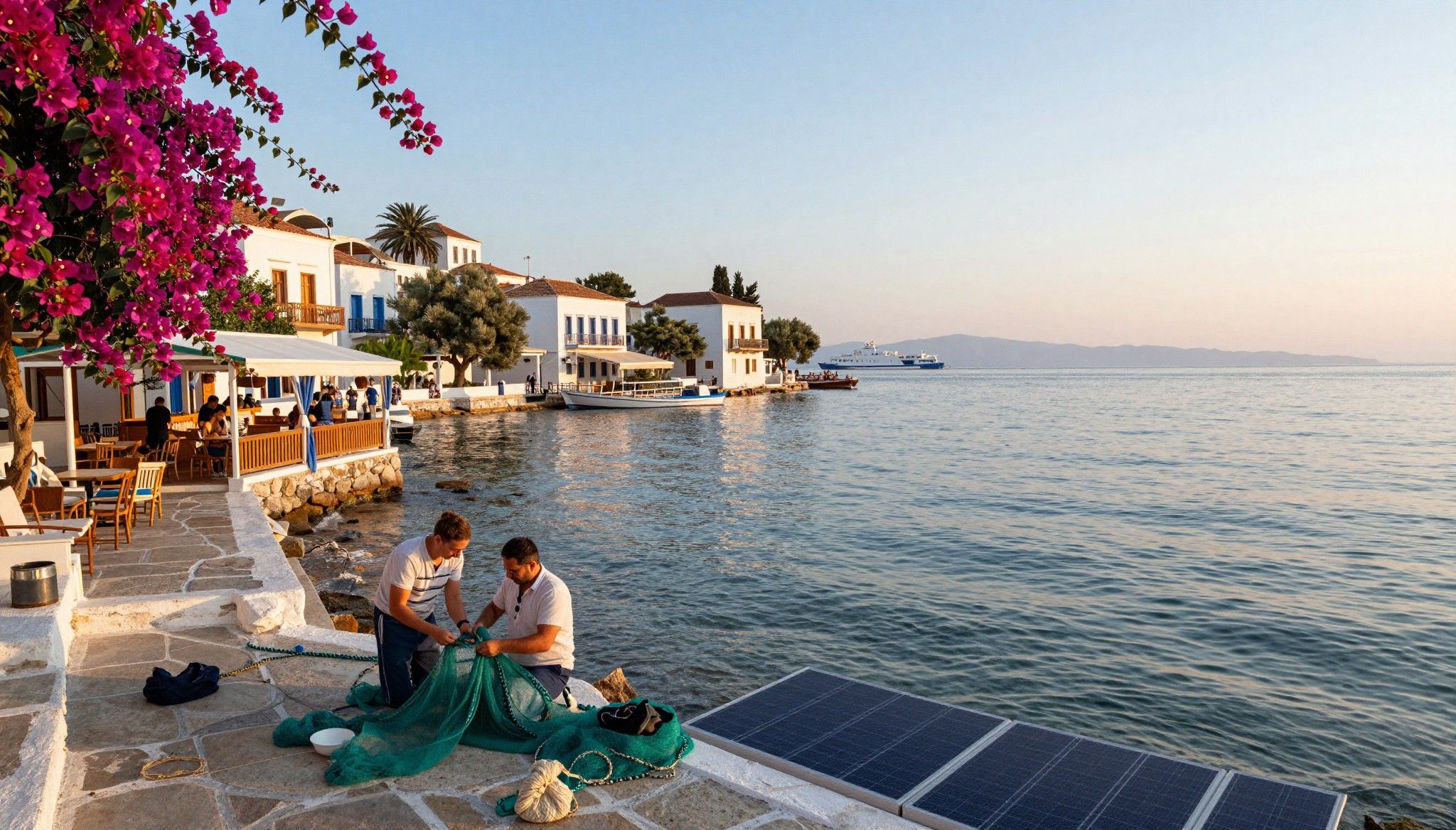
Imagine waking at dawn in a stone house above a small Cyprus bay, the scent of citrus and thyme on the breeze, a neighbour tending a rooftop solar heater while children dash toward the water. This island feels lived-in—sunlight, birdsong, and a daily rhythm that favours outdoor kitchens, slow lunches and markets overflowing with halloumi, fresh fish and carob syrup. For many international buyers that image is why Cyprus calls. But the smarter call is to pair that romantic pull with clear-eyed, sustainability-minded decisions: where the light gives you free hot water, where village life supports biodiversity, and where price and lifestyle align.
Living the Cyprus life
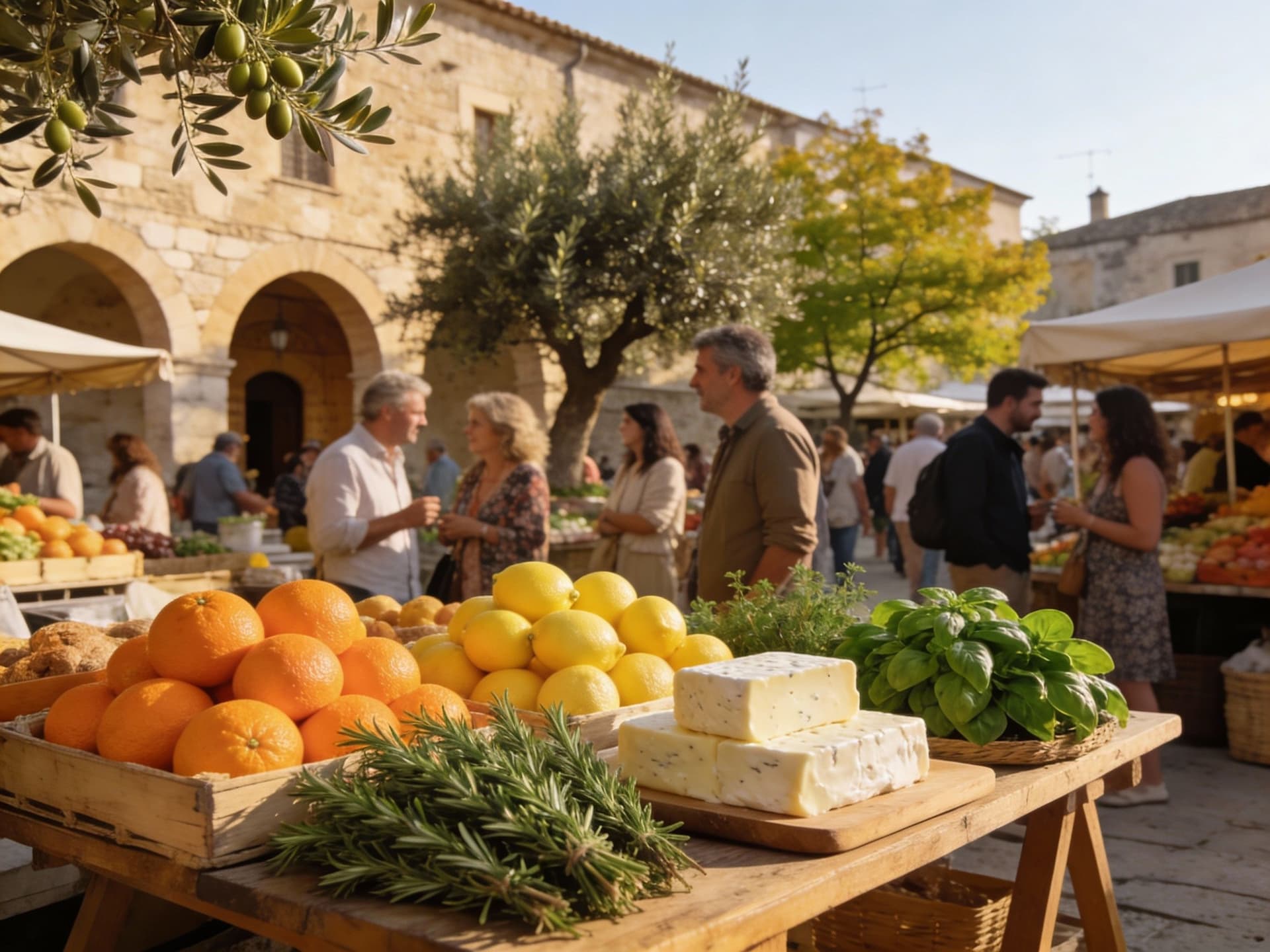
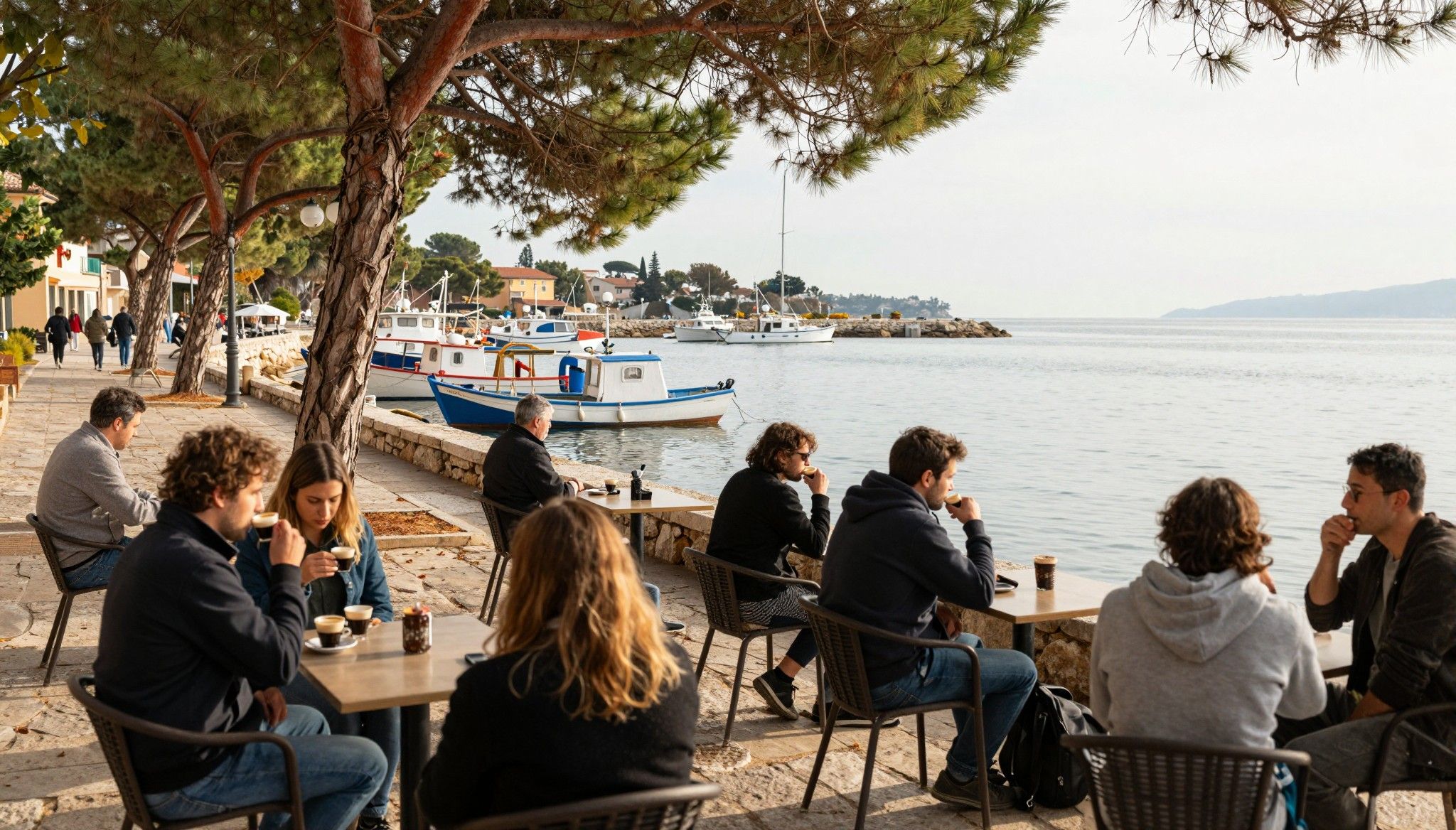
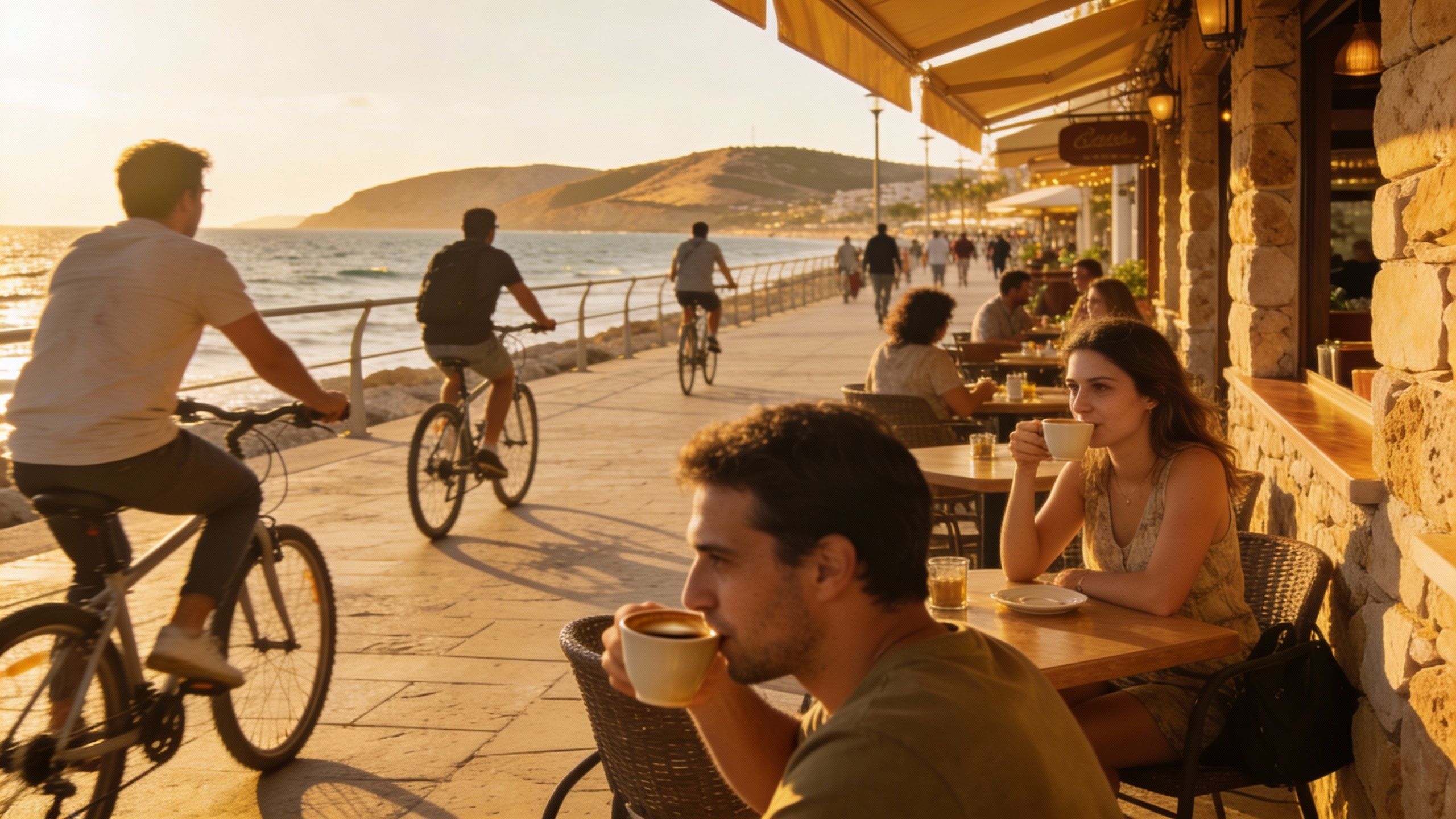
Cyprus is both Mediterranean coastline and stone-built interior villages; mornings can be espresso on Limassol’s Molos promenade and afternoons a slow siesta in a Troodos courtyard. The island’s cadence is seasonal—buzzing coastal summers, quiet olive-harvest autumns, and mild winters that keep gardens productive most of the year. That variety shapes how people live: outdoor dining, terraces used year-round, and a culture that prizes slow food, neighbourly markets and communal festivals.
Neighborhood moods: from Limassol to Paphos
Limassol hums with international professionals, boutique cafés on Gladstonos Street and a marina-side luxury feel. Paphos offers quieter coastal charm—harbourfront tavernas, the Old Town’s narrow lanes and a growing eco-conscience among restaurateurs. Larnaca’s Finikoudes strip is lively and practical; Nicosia is an inland pulse of cafés, artisans and a surprising number of sustainable renovation projects in its old neighborhoods. Each place delivers a different day-to-day: choose according to whether you want social intensity or gardened solitude.
Food, markets and seasons
Weekends are market days: watch women haggle over citrus at Nicosia’s Eleftheria stalls or pick up thyme and mountain honey in Paphos. Local eateries lean seasonal—photogenic mezzes in summer, slow-cooked lamb and stuffed vine leaves in winter. For buyers seeking low-impact living, these habits translate into practical choices: a kitchen oriented to seasonal produce, roof space for solar panels, and gardens designed for native, drought-tolerant plants.
- Moss & Hearth lifestyle highlights: actual places and moments
- Morning espresso on Gladstonos Street (Limassol) then a walk along Molos promenade
- Saturday market in Nicosia’s Eleftheria quarter — citrus, halloumi and wood-fired bread
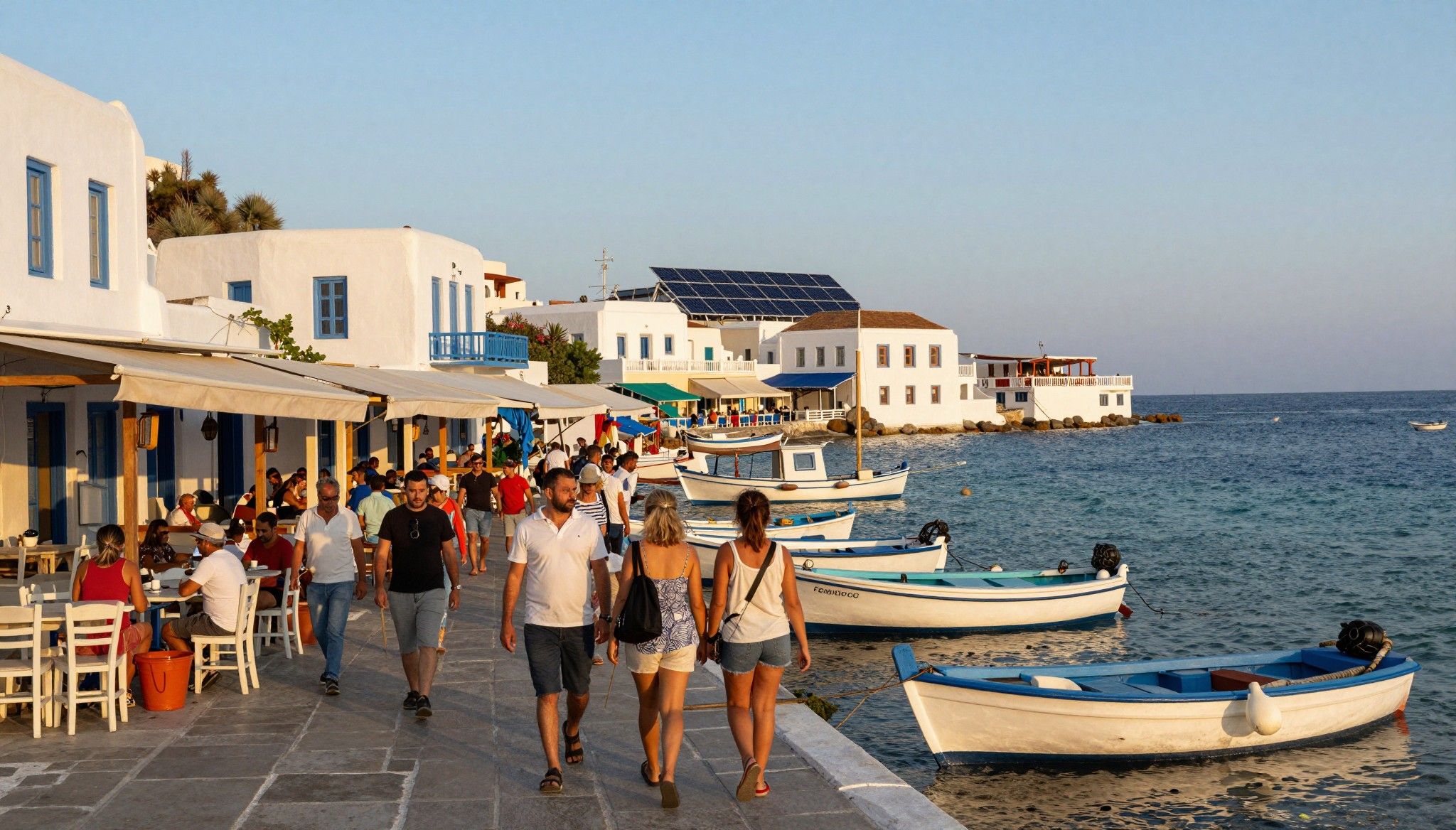
- Sunset mezze at Paphos harbour, followed by a stroll through the Old Town’s stone lanes
Making the move: practical, place-led decisions
Dreams meet market realities. Recent market analysis shows Cyprus recorded strong transaction values in 2024, led by Limassol but with rising activity in Larnaca and Paphos—yet the Central Bank’s indices point to a deceleration in price growth as supply expands and borrowing costs bite. For an international buyer this means opportunity: look beyond headline coastal premiums and towards villages and secondary towns where value and sustainable living features converge. Practical checks—title clarity, building permit histories and energy credentials—should be part of every visit.
Property types that match the Cyprus lifestyle
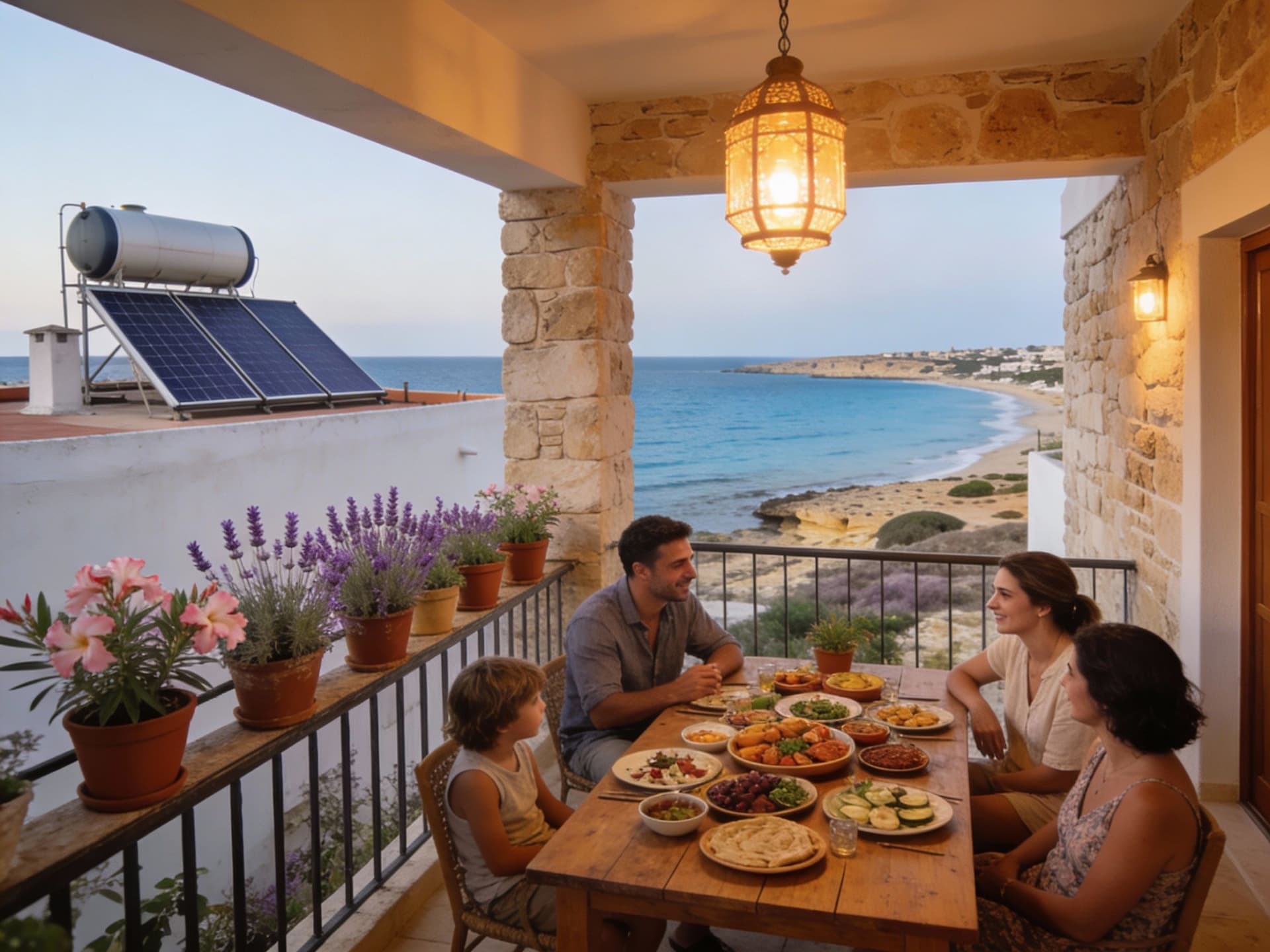
Stone village houses with vaulted rooms, modern seafront apartments with deep terraces, and energy-retrofit opportunities in urban townhouses: each offers a different relationship to the island. Note how solar water heaters—ubiquitous across Cyprus—mean lower running costs and an expectation that new builds include renewable measures. If sustainability is central, prioritise south-facing roofs, passive-cooling design (thick stone walls, shaded pergolas) and rainwater capture for gardens.
Working with local experts who think like neighbours
A local agent who understands seasons, permits and village life does more than show houses. Follow these steps when choosing one:
- Ask for examples of completed sustainability projects they’ve sold and visit them; ask for permit files and energy declarations; check references from recent international clients; insist on a written timeline for process and closing; confirm post-sale property management options that support low-impact upkeep.
Insider knowledge: what expats wish they’d known
Expats often arrive enchanted, then trip over small but important realities: the island’s pace means paperwork can be slower than expected; building styles vary wildly between districts; and seasonal life affects services—think quieter winter marinas and bus schedules. The good news: these are manageable with local relationships, patient timelines and an emphasis on properties that already show thoughtful environmental design.
Culture, language and community
English is widely spoken in business and hospitality, but learning basic Greek opens doors to neighbourhood life—invites to village festivals, market relationships and the small courtesies that make a community feel like home. Join a local volunteering day (olive harvest, beach clean-up) and you’ll meet the people who actually steward the landscape you love.
Long-term lifestyle and stewardship
Think of your purchase as joining an ecosystem. Prioritise properties that support biodiversity (native planting, pollinator gardens), reduce energy demand (insulation, shading) and integrate renewable systems. Over time these choices lower costs, deepen local ties and preserve the island’s character—so your home remains a place you cherish rather than a burden.
- Practical next steps to take on your first visit
- Spend morning in a neighbourhood market and afternoon touring nearby properties to sense lifestyle fit
- Request energy and permit documentation at the first viewing—look for solar or retrofit evidence
- Meet a local builder or architect to estimate retrofit costs for passive cooling or insulation
- Explore nearby services—healthcare, groceries and seasonal transport—to match daily life expectations
Cyprus can be the Mediterranean home that gives you more than sunshine: a practical, sustainable lifestyle woven into community rhythms. Start with a season-aware visit, seek agents who value stewardship, and favour properties designed to work with—not against—the island’s light, wind and local ecology. When lifestyle and sustainability align, the paperwork becomes part of a journey toward a life that feels like it has always belonged here.
Danish relocation specialist who moved from Copenhagen to the Algarve; supports families with seamless transitions, local partnerships, and mindful purchases.