Permits, Place and Practical Stewardship in Cyprus
Fall for Cyprus’s daily rhythms, then plan a smart purchase: know permit rules for non‑EU buyers, prioritise water‑wise homes and verify titles for a life that lasts.
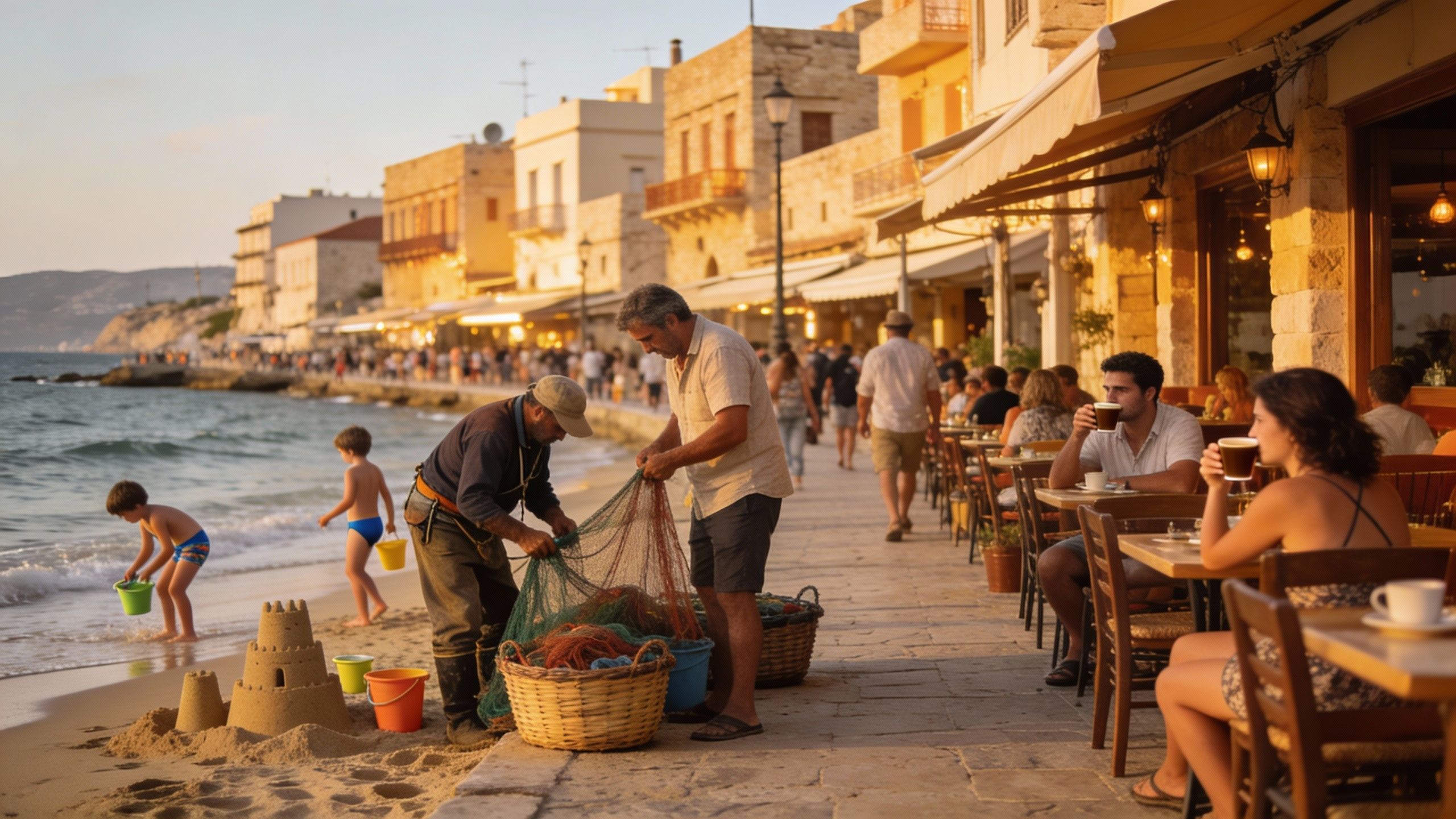
Imagine waking to the smell of strong coffee and citrus trees, stepping onto a sun-warmed terrace that looks toward an olive-scattered hillside and the sea beyond. In Cyprus the rhythms of day — market chatter in Larnaca, late‑afternoon siestas in small Paphos lanes, twilight meze in Limassol — shape how homes are used, lived in and valued. For international buyers this ease translates to specific due‑diligence questions: who grants permission to buy, which neighbourhoods hold year‑round life and which are seasonal, and how do sustainability choices like solar and water conservation affect living costs and approvals. Bring the sensory first, and then let the paperwork follow; both matter if you want a home that feels right and stays right.
Living the Cyprus lifestyle
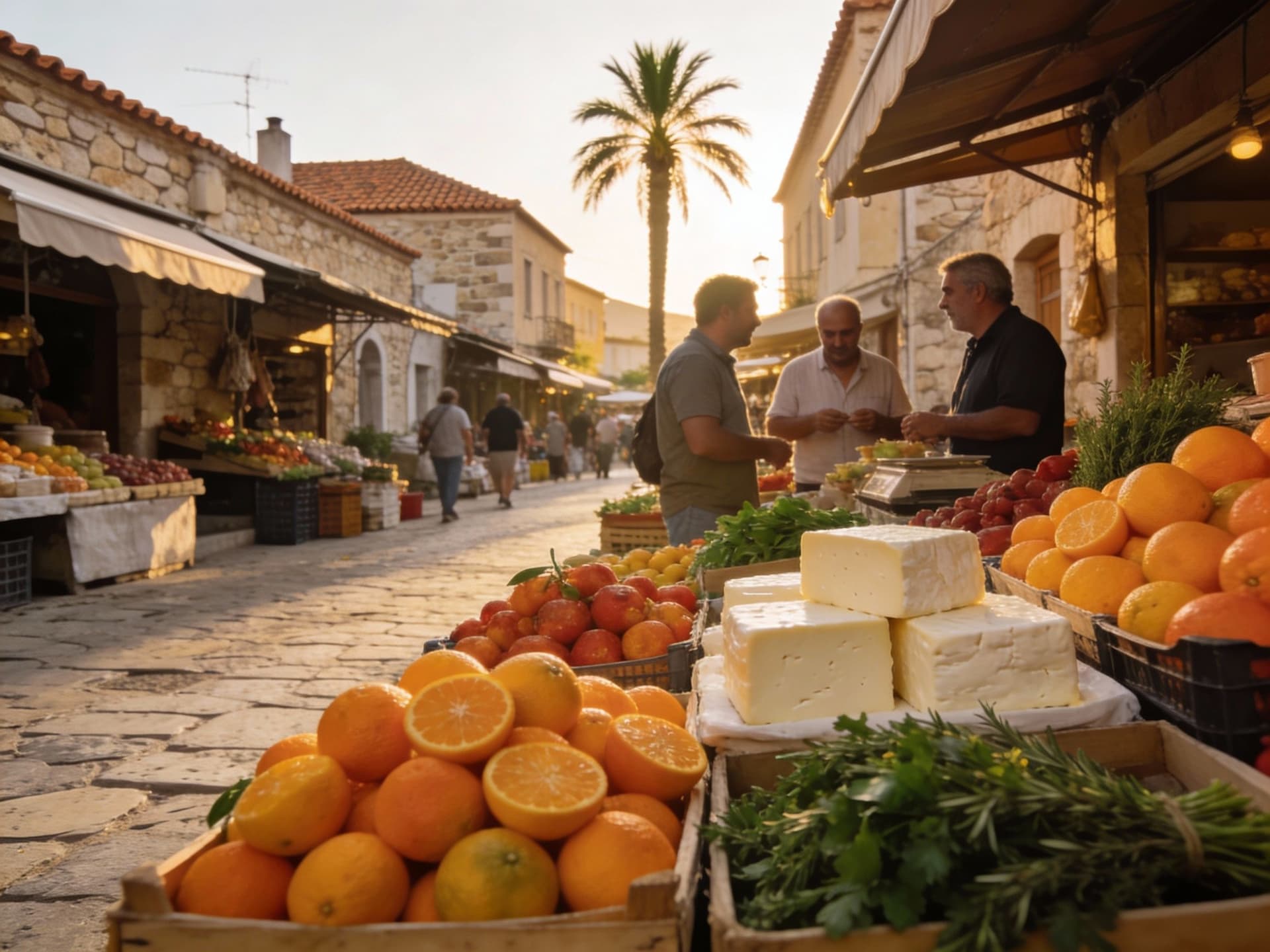
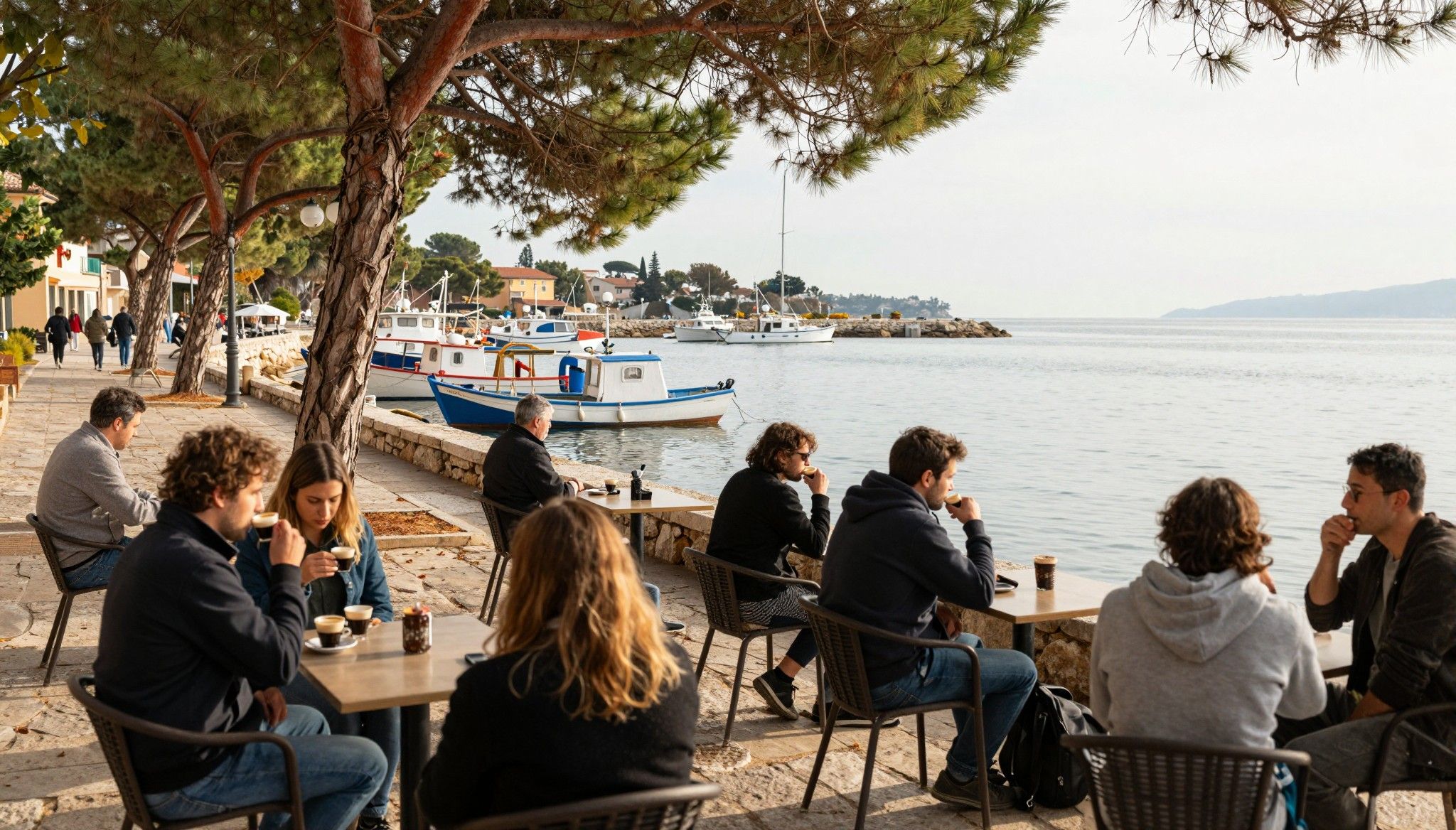
Cyprus lives at a relaxed, sunlit pace. Mornings are for small espresso cups at corner cafés in Nicosia’s old town or by the marina in Limassol; afternoons dissolve into swims, walks among carob and olive groves, or restorative time in a shaded courtyard. Evenings are communal: neighbours bring a plate, tavernas fill with seasonal wild greens and grilled fish, and streets hum with children and dogs. That daily, textured life is what you’re buying into — not just a view or a property title — and it should guide your search and the questions you ask your agent.
Neighbourhood textures: Limassol, Paphos, Larnaca and Nicosia
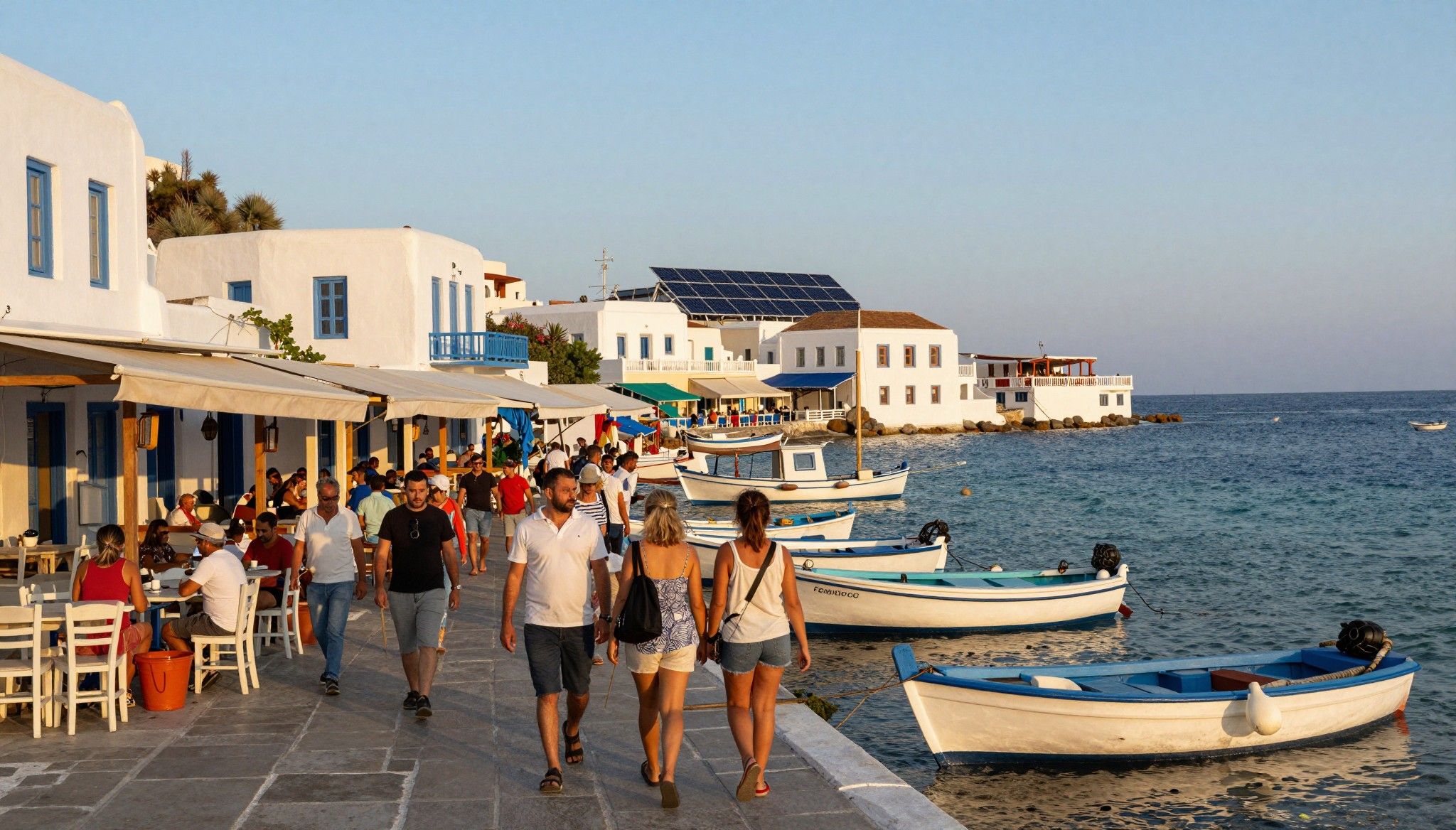
Limassol hums with cosmopolitan energy: yacht moorings, cafes on Amathus, and high‑end developments along the seafront. Paphos trades on coastal calm and layered history — stroll Kato Paphos and imagine weekend swims followed by fresh fish at Harbour Tavern. Larnaca is quietly pragmatic: a working seafront, expanding marina, and a warm neighbourhood life around Faneromeni. Nicosia is island‑centric: narrow Venetian lanes, late-night cultural events and a sturdier, year‑round rhythm that suits people who want more civic life than seaside tourism.
Food, markets and the seasons you’ll live inside
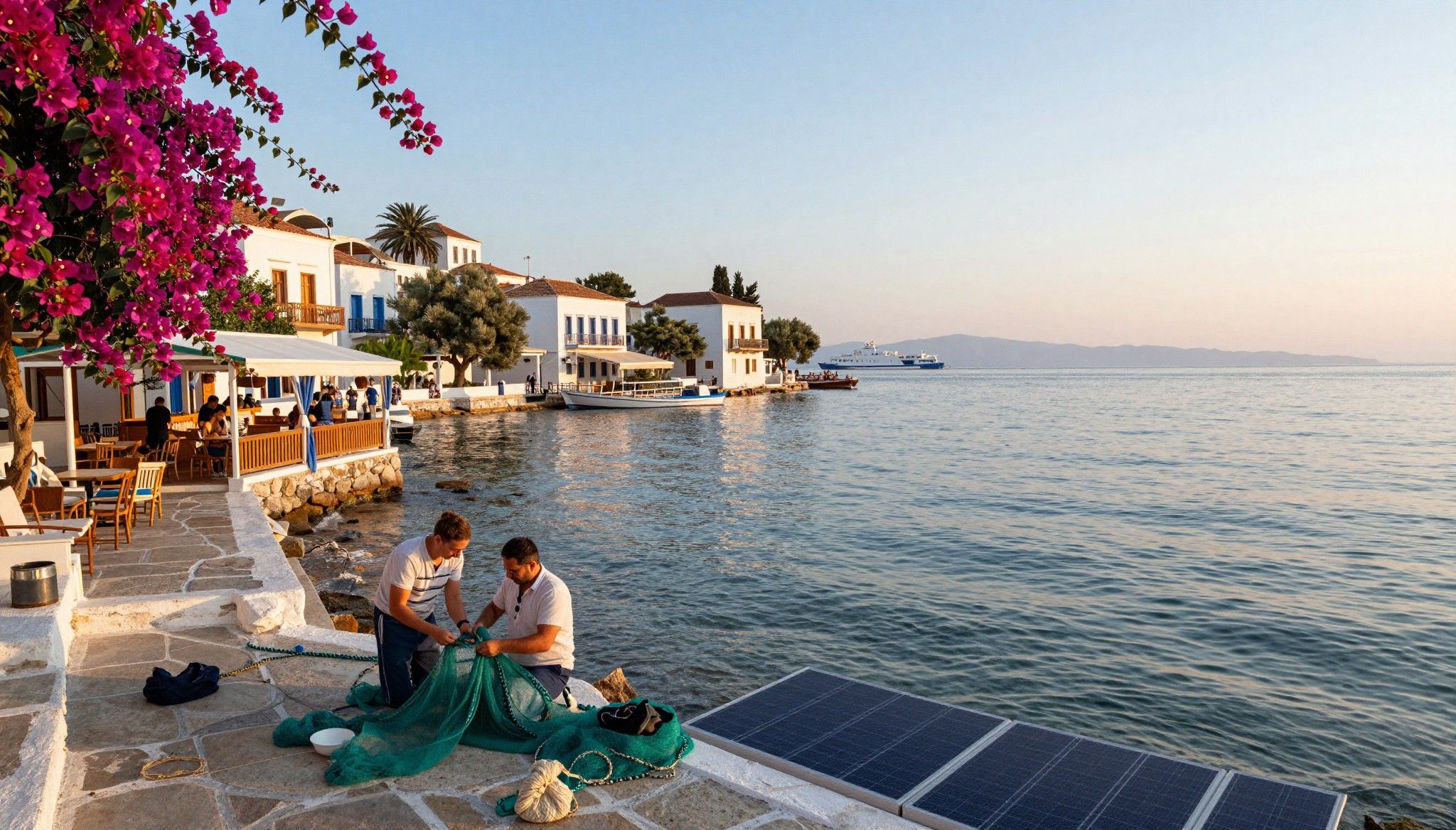
Seasonality is part of the island’s charm: spring wild greens at local markets, summer fish grills in small harbours, autumn citrus harvests and winter rains that refill cisterns and recharge aquifers. Visit the Nicosia municipal market in the morning for halloumi and thyme; head to the small fish market in Latchi for afternoon platters. These cycles shape property choices — a courtyard garden matters in spring, a well‑insulated kitchen is appreciated in winter, and water‑wise landscaping saves you money and energy across the year.
- Lifestyle highlights to try and neighbourhood anchors to note: • Morning espresso at Faneromeni Square (Nicosia) and a walk in the old city lanes • Sunset swims and tavernas at Coral Bay (Paphos) • Limassol Marina promenade cafés and seasonal art events • Larnaca’s palm-lined Finikoudes and the quieter Mackenzie beach scene • Weekly farmers’ markets: fresh halloumi, carob syrup and heritage vegetables • Olive‑grove hikes and mountain village meze in the Troodos foothills
Making the move: practical considerations that match the life
The paperwork in Cyprus is straightforward if you plan for local realities. EU/EEA citizens can buy with fewer formal steps; non‑EU nationals (often described in legal texts as “aliens”) must apply for permission under the Acquisition of Immovable Property (Aliens) Law through the District Officer, a process that is generally routine for bona fide purchasers but needs correctly prepared documentation and patience. Treat the permit as part of the timeline, not an afterthought — you may be entitled to occupy the property while the permit is processed, but registration only follows approval and the Central Bank will ask for proof that funds were transferred in foreign currency.
Property types and what they mean for daily life
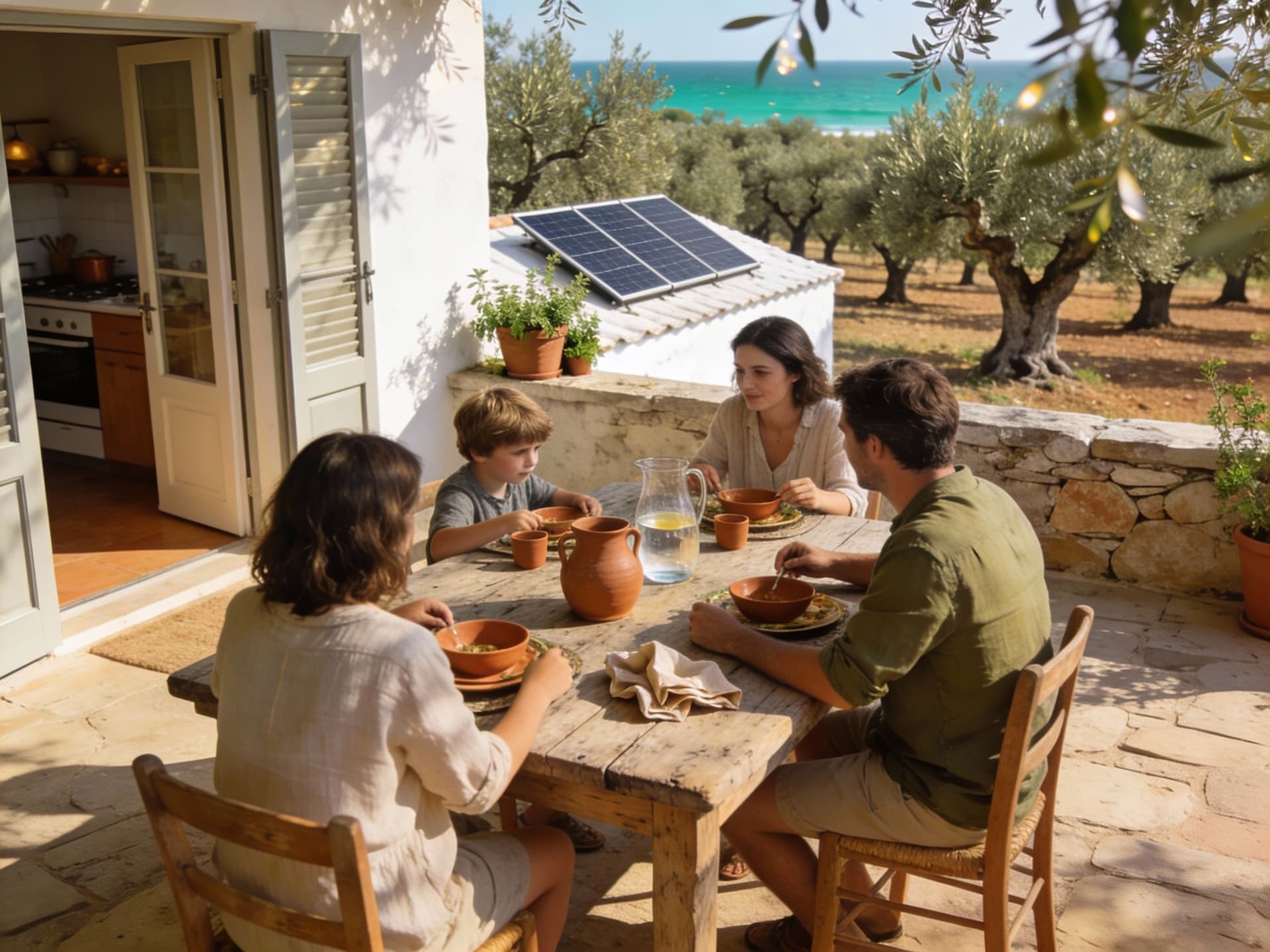
A converted stone maisonette in a village will give you a sense of rooted community and lower energy needs if designed well; a modern Limassol apartment gives easy access to cafés, co‑working and international services but may come with HOA rules and communal maintenance fees. Villas with pools promise private outdoor life, but check water and waste‑management arrangements — Cyprus rewards homes that design for scarcity with cisterns, greywater reuse, native planting and solar generation.
Work with local experts who understand lifestyle + rules
- Steps every international buyer should blend with lifestyle choices: 1. Engage a local lawyer to prepare the District Officer permit application immediately after signing the sales contract — delays are usually documentary, not political. (Pirilides guidance.) 2. Ask an agent to prioritise properties with clear title documents and recent building permits; lifestyle talk is great but ownership clarity protects the life you imagine. 3. Budget for local taxes and transfer fees and confirm whether the property has any outstanding municipal levies or works orders. 4. Prioritise homes with water‑wise design and solar readiness — they save money and give you guilt‑free outdoor living across seasons. 5. Verify connectivity: if you plan to work remotely, confirm broadband options and co‑working spots in the neighbourhood.
Insider knowledge: what expats wish they’d known
A common expat surprise is how much neighbourhood routines define happiness: proximity to a small bakery, a green grocer who knows your name, and a winter‑time neighbour who helps with olive‑pressing matter more than a glossy gym. Another reality is regulatory nuance: permissions for non‑EU buyers are rarely blocked but can require specific plot/area limits and a clear statement of personal use. Lastly, practical sustainability choices — rainwater harvesting, energy‑efficient glazing and native planting — often cost less than buyers expect and repay quickly in comfort and lower bills.
Cultural cues that shape where you’ll fit
Cypriots value hospitality and down‑to‑earth relationships. Learn a few Greek phrases, attend a church festival or village market, and people will welcome you quickly. Respect for seasonality — taking a slower pace in August or embracing winter community life — helps you pick a neighbourhood that matches your desired rhythm, whether that’s lively coastal evenings or quiet mountain mornings.
Longer‑term picture: stewardship and resale
Market data shows Cyprus’s districts move at different speeds — Limassol remains liquid for premium buyers while Paphos and Larnaca have strong growth potential in different segments. That means stewardship matters: invest in durable materials, maintain landscaped water systems and keep clear records of permits and upgrades to preserve resale value. Good stewardship makes your property both a personal sanctuary and an asset for future buyers who care about ecology and authenticity.
- Red flags and due‑diligence checks to avoid buyer regret: • Missing or unclear title deeds — insist on recent registry extracts • Properties with retrofitted solar or cisterns but no permits — verify installations and warranties • Unresolved municipal orders or unpaid levies — these can stall sales • Contracts that lack explicit terms about included fixtures, boundaries and shared spaces • Overly optimistic rental yield promises without occupancy data — ask for real, recent figures
- A short, realistic process timeline for non‑EU buyers: 1. Reserve and sign preliminary agreement (1–3 weeks to negotiate). 2. Lawyer prepares documents and submits District Officer permit application (2–12 weeks depending on completeness). 3. Exchange of contracts and payment, then registration at Land Registry after permit (4–8 weeks once permit issued). 4. Post‑purchase: register utilities, apply for tax registration and, if relevant, prepare for any permitted renovations (timelines vary with municipal approvals).
Conclusion — why Cyprus should feel like a life choice, not just an investment: you’re buying into a seasonal, sensory island life where neighbours, markets and the sea shape your days. Do the paperwork thoughtfully — secure the District Officer permit if you’re non‑EU, verify titles, and prioritise homes that already embrace low‑water landscaping and solar readiness — and you’ll anchor the quieter rituals that make Cyprus feel like home. When you’re ready, partner with an agent and a local lawyer who speak both your language and the island’s practical truths; they’ll help turn the imagined morning coffee and sea breeze into an everyday reality.
Danish relocation specialist who moved from Copenhagen to the Algarve; supports families with seamless transitions, local partnerships, and mindful purchases.