Seasonal Stewardship: Buying with Italy’s Lifestyle in Mind
Italy’s lifestyle-led property market rewards seasonal living and craft-led restoration; pair a love of place with data-backed steps—seasonal visits, energy surveys and local experts—to buy wisely.
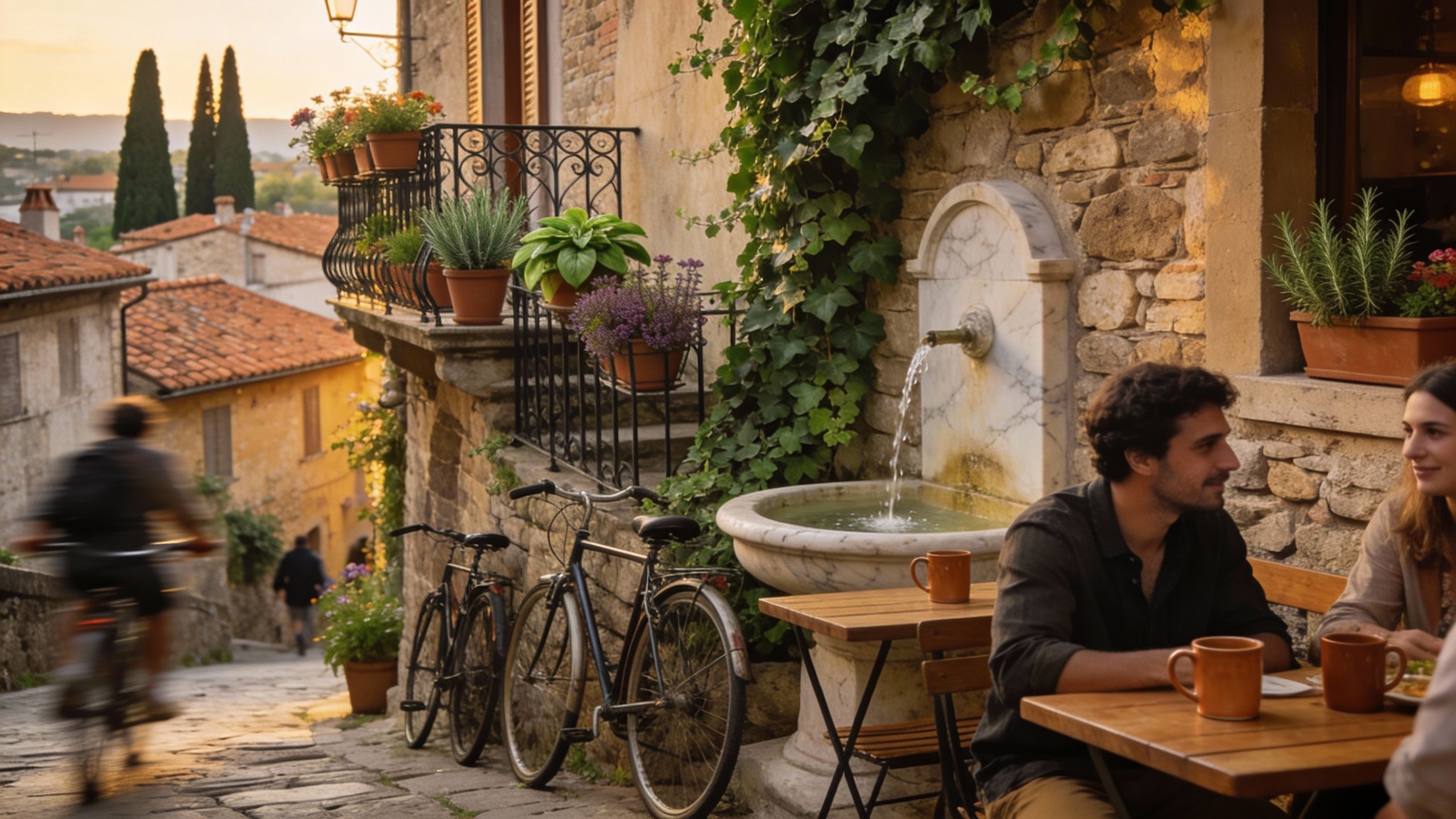
Imagine walking out of a sun-warmed apartment on Via Giulia in Rome at dawn, the smell of fresh espresso from a tiny bar mixing with citrus from a balcony garden. Children skate past old stone thresholds in Florence’s Oltrarno. In the afternoons you dip into a pebble cove on the Amalfi Coast and in autumn you follow truffle dogs inland to a village market. Italy is not one life but many—the coastal, the agrarian, the urban—each stitched to tradition, craft and the season. That sensory weaving is exactly why international buyers fall in love here, and why the right property decision is as much about the rhythms of place as it is about price and paperwork.
Living the Italy lifestyle
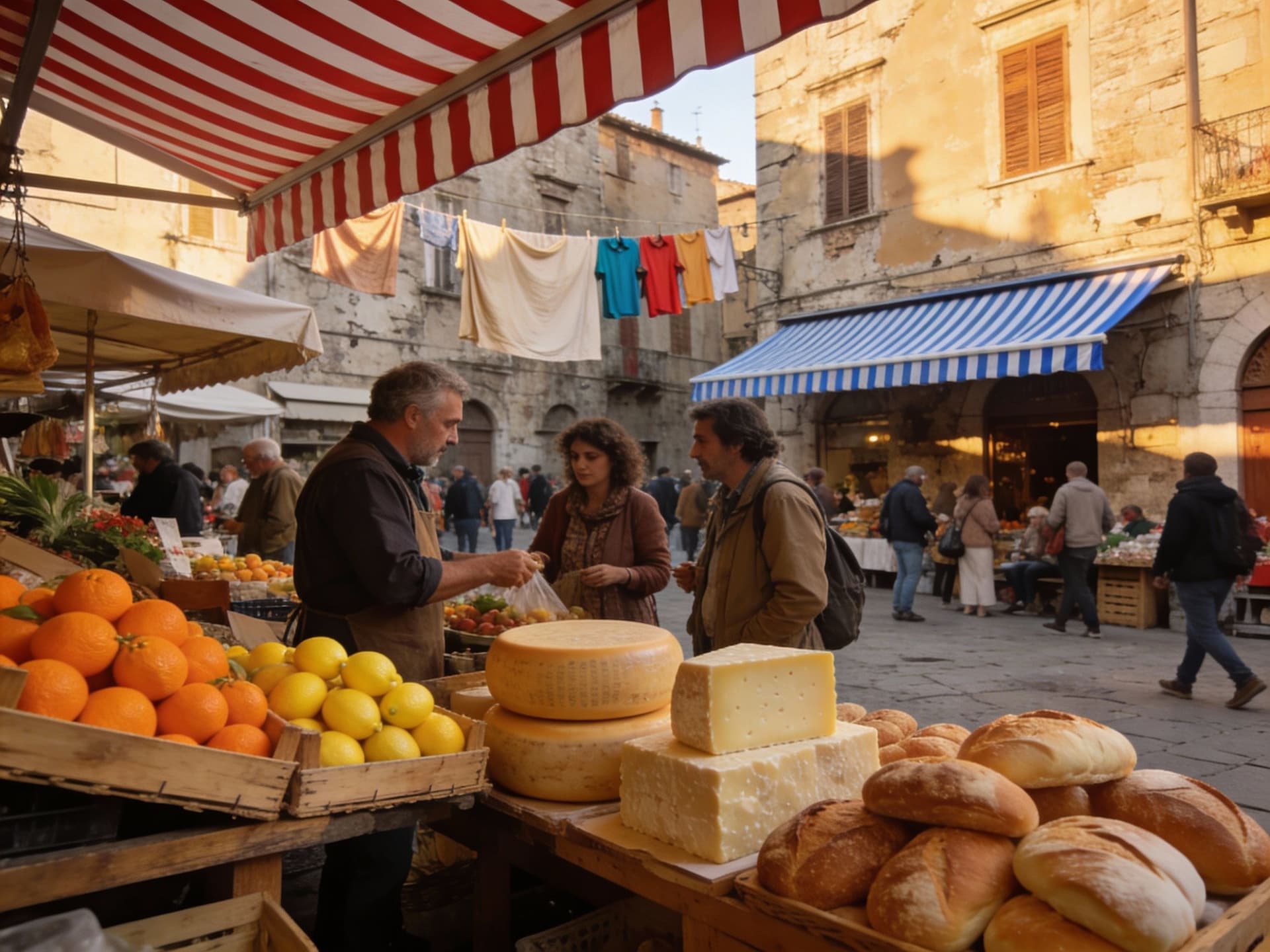
Life here moves by neighborhood rituals: espresso counters in the morning, markets at midweek squares, slow dinners that stretch. In cities like Milan and Rome you’ll meet designers and restaurateurs reviving craft workshops; in Tuscany and Le Marche there are olive groves that dictate time by harvest. Even market trends reflect lifestyle choices—data show rising interest in countryside and small-town living as remote work reshapes demand. The result is a market where ecological restoration, traditional craftsmanship and outdoor living often raise desirability as much as location itself.
Neighborhood spotlight: Rome’s Trastevere and Oltrarno, Florence
Trastevere’s narrow lanes and ivy-covered stone feel lived-in: trattorie, artisan bakers and tiny urban gardens. Cross the Arno to Oltrarno in Florence and you’ll find workshops where leather and ceramics are still hand-finished. These areas reward buyers who crave a community pulse—morning markets at Piazza San Cosimato, evening passeggiata along the river—and whose homes are places to both receive friends and quietly garden on a terrace.
Food, markets and seasonal life
Picture mornings at Mercato Centrale in Florence or Mercato di Testaccio in Rome, buying seasonal vegetables and porchetta, then walking home past restored façades. The rhythm of harvests—olive picking in October, grape stomping in late September—can shape how you use a property: a stone farmhouse becomes a storehouse for jars and preserves; a seaside apartment lives differently in August than in February. These seasonal rituals not only enrich daily life but also inform renovation choices: cellar insulation, solar orientation, and courtyard layouts matter more than glossy finishes.
- Lifestyle highlights to seek in an Italian purchase
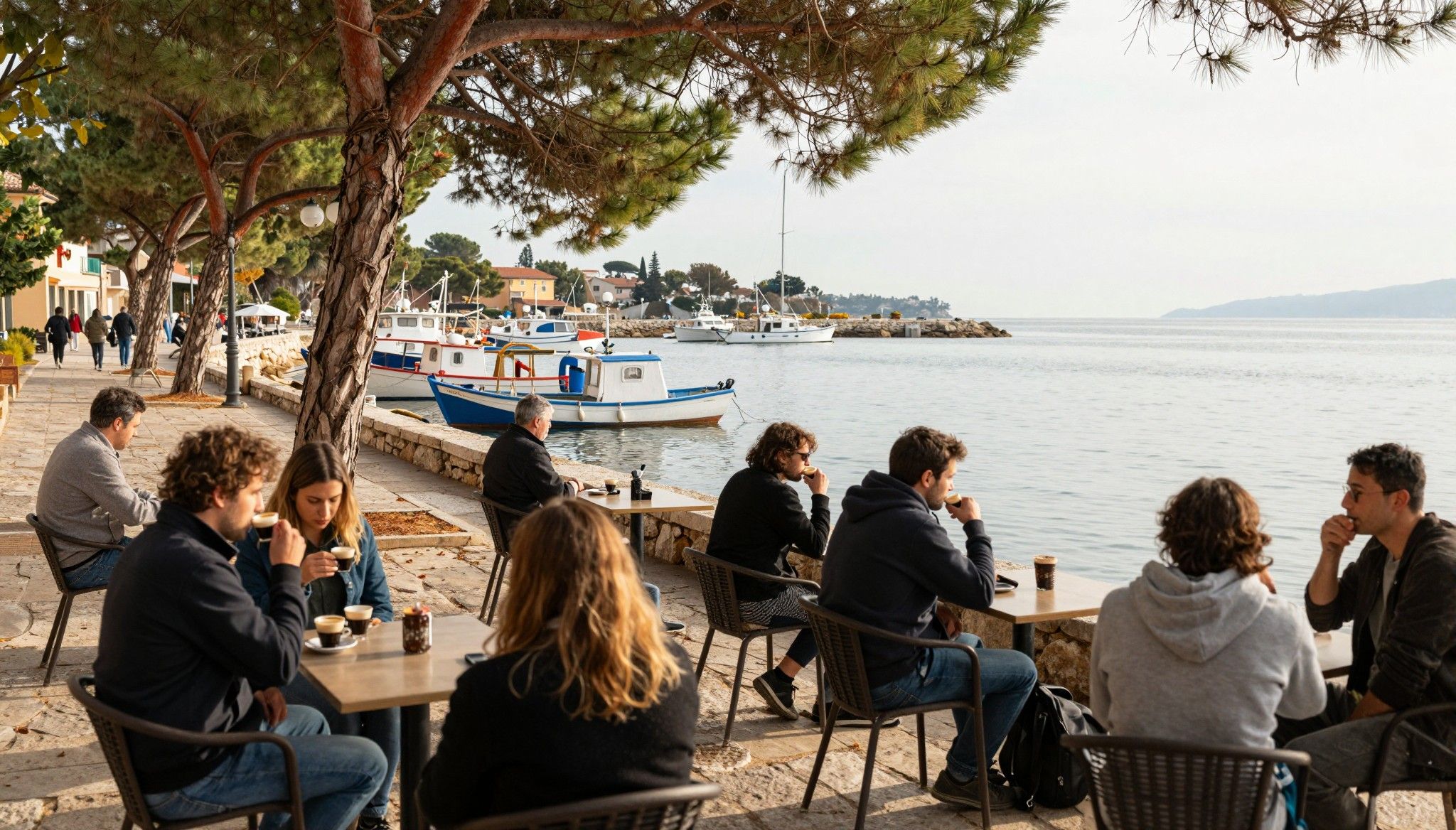
- Morning espresso at a corner bar — social life begins on the pavement.
- Weekly market stall for produce and local cheese — stores become social hubs.
- Access to a workshop or artisan district — supports restoration and local craft.
- Proximity to seasonal nature (olive groves, vineyards, coastline) — extends living outdoors.
Making the move: practical considerations
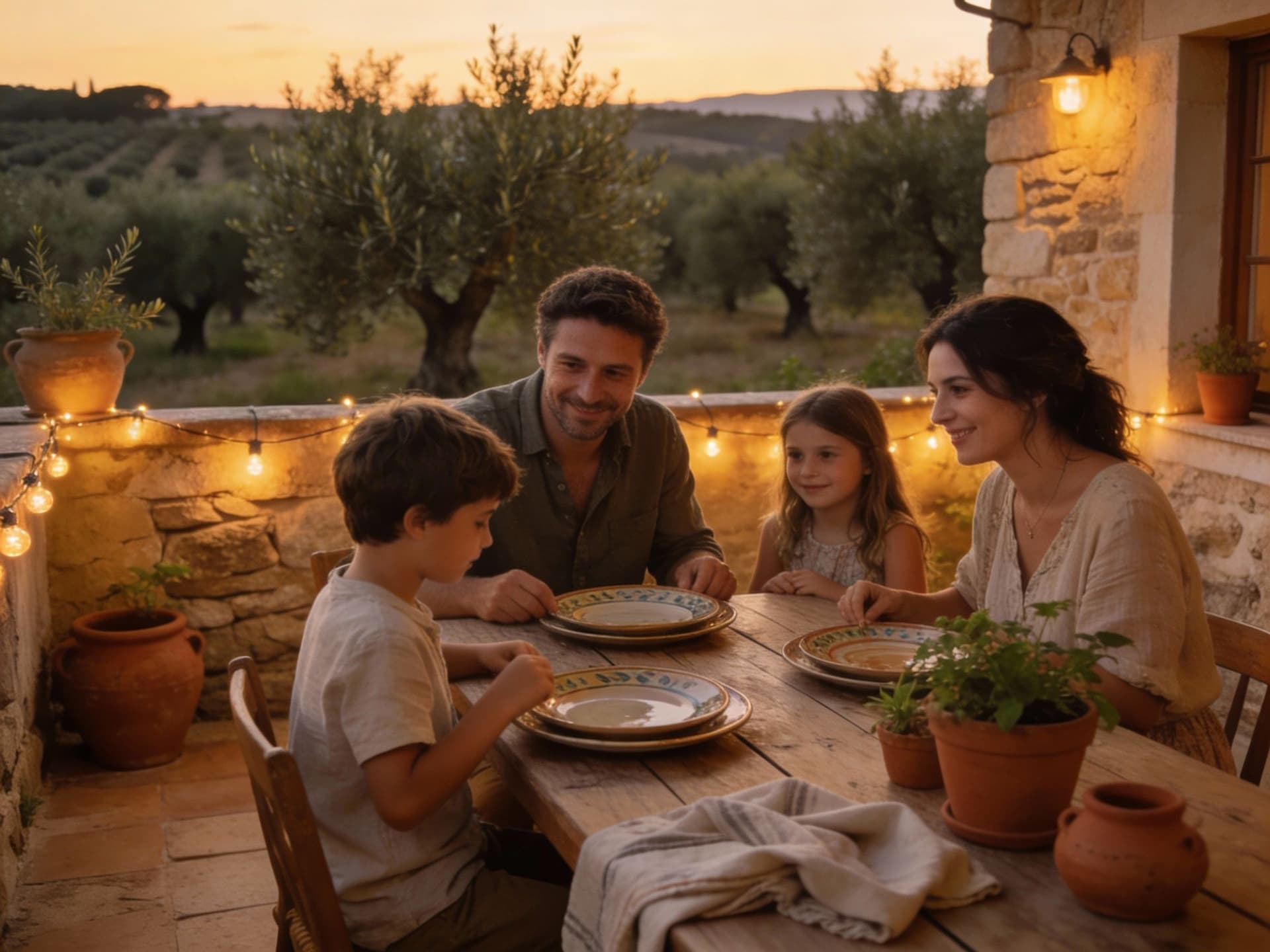
Turning that daydream into an address means matching lifestyle priorities with market realities. Italy’s market has been quietly resilient: national transaction volumes and mortgage activity have recovered after recent cycles, so timing and region matter. Work with agents who understand local planning rules, seasonal maintenance costs and the structural norms of historic buildings—stone roofs, lime plaster, and traditional heating systems are common and require know-how.
Property styles and how they shape daily life
A rustic farmhouse in Umbria invites garden-to-table living and long-term restoration plans; a converted palazzo apartment in Bologna gives cultural density and walking access to markets and theatres; a modern seafront casa in Puglia emphasizes breezy indoor-outdoor living and passive cooling. Consider how heating (radiators vs underfloor), roof insulation, and orientation affect comfort and bills year-round—features that matter especially to eco-conscious buyers.
Working with local experts who know the lifestyle
- Steps to blend lifestyle intent with practical buying (examples)
- Choose three neighbourhoods that match daily rituals (market proximity, walkability, artisan shops).
- Request energy and structural reports early to budget for restoration and seasonal upgrades.
- Hire an architect familiar with traditional materials (stone, lime, terracotta) for sympathetic upgrades.
- Pause to experience a full season—summer bustle and winter quiet reveal different lives.
Insider knowledge: what expats wish they'd known
Many buyers tell a similar story: they fell for a view and only later learned the cost of winter heating in a stone cottage, or the difficulty of sourcing a craftsman for a particular roof tile. Others underestimated how quickly a lively piazza becomes their living room. Market reports suggest cities like Milan and Rome lead in investment activity, but smaller towns offer lifestyle returns that don’t always show up in price indices. The trick is to translate romantic appeal into a plan—budget, timelines, and local partners who share your ecological values.
Cultural integration and the slow art of belonging
Learning a few phrases, joining a local coop for olive harvests, and frequenting the same bar will accelerate belonging more than any glossy renovation. Neighbourhood rituals—weekday markets, the afternoon riposo, local festivals—are invitations to participate. Expect bureaucracy to be patient and personal relationships to be pivotal; trusted local lawyers, notaries and agents smooth the path in ways a remote checklist cannot.
Long-term lifestyle and stewardship
Think of a home in Italy as part of a landscape you will steward: terraces to prevent erosion, native plant gardens that support pollinators, and solar panels discreetly sited to respect historic aesthetics. Market data shows steady transaction volumes in recent years, and smart buyers align purchases with conservation-minded upgrades that enhance comfort and long-term value.
Practical next steps: visit in two seasons, insist on energy and structural surveys, and select an agency that champions green restoration and local craft. An agent who knows where to find a tufa stone mason or an artisan sash-maker is more valuable than one who only lists properties. Start small—rent in your target neighbourhood for a month, meet neighbours, sample markets—and let the daily rituals tell you whether a place is truly home.
Italy offers a rare combination: living that is tactile, seasonal and craft-rich, paired with a property market that rewards stewardship. If you come curious about the culture and serious about sensible upgrades—insulation, passive cooling, water management—you can find a home that tastes like Italy and lives like it too. When you’re ready, choose partners who value place as much as you do; they’ll help make the transition from visitor to neighbour gentle and lasting.
Norwegian market analyst who relocated from Oslo to Provence; guides investors with rigorous portfolio strategy and regional ecological value.