Malta’s Green Paradox: Sunny Rooftops, Hidden Tradeoffs
Malta’s sun-drenched charm meets a pragmatic green reality: rooftop potential and tight markets demand local know-how. Here’s the lifestyle truth and checklist for international buyers.
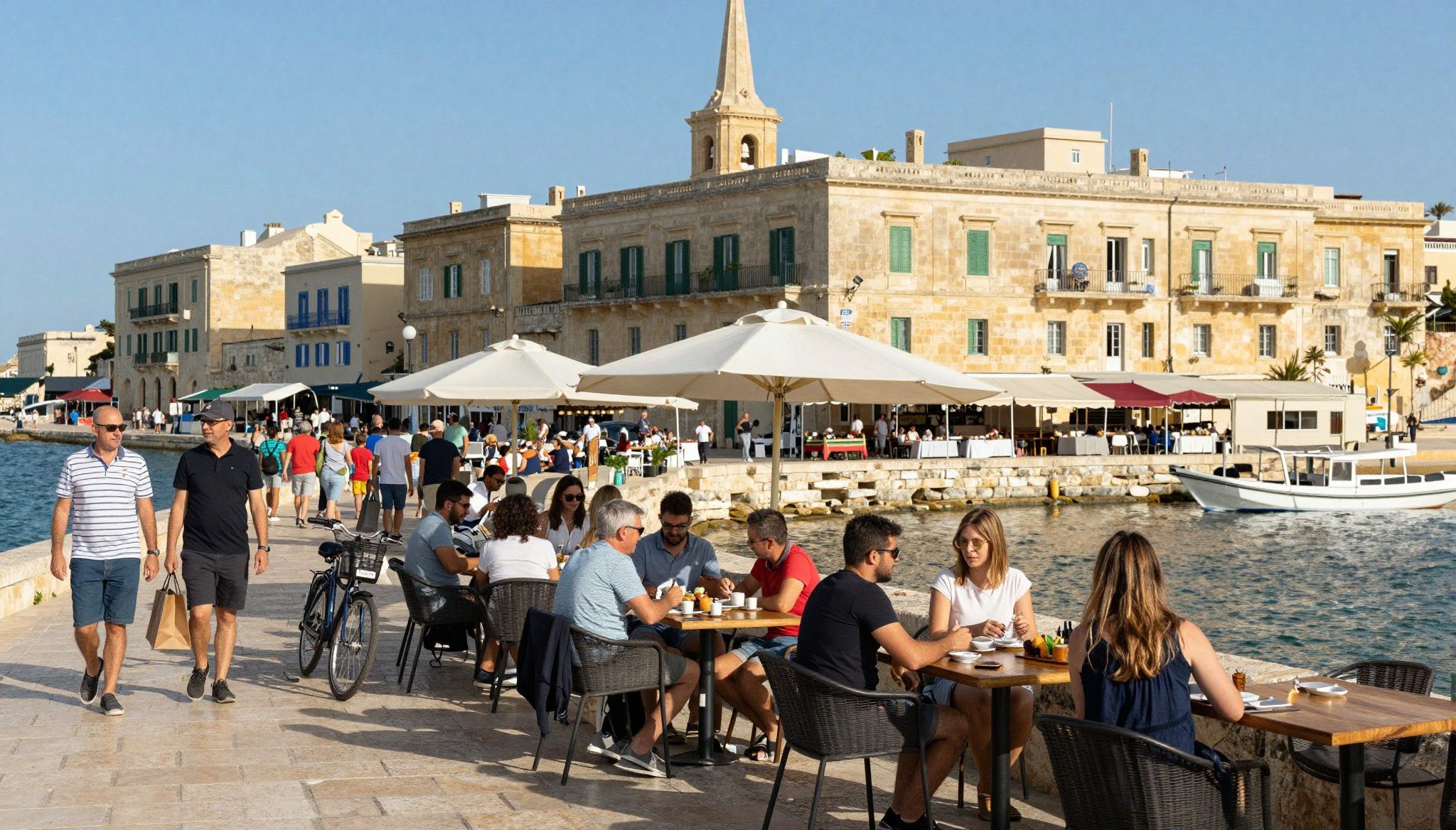
Imagine waking to the smell of sea salt and freshly baked pastizzi, then cycling through limestone lanes to a sun-warmed rooftop planted with herbs and a small solar array. That picture—gentle, compact, and stitched to the seasons—is Malta as many of us fall in love with it. But beneath the golden light are practical surprises: a market where demand is tightly clustered, energy systems tethered to the European grid, and a country racing to turn abundant sun into reliable green infrastructure. This piece blends the vivid, lived-in pleasures of Malta with the real trade-offs international buyers should know before committing to island life.
Living the Malta life: sun, streets and seasons
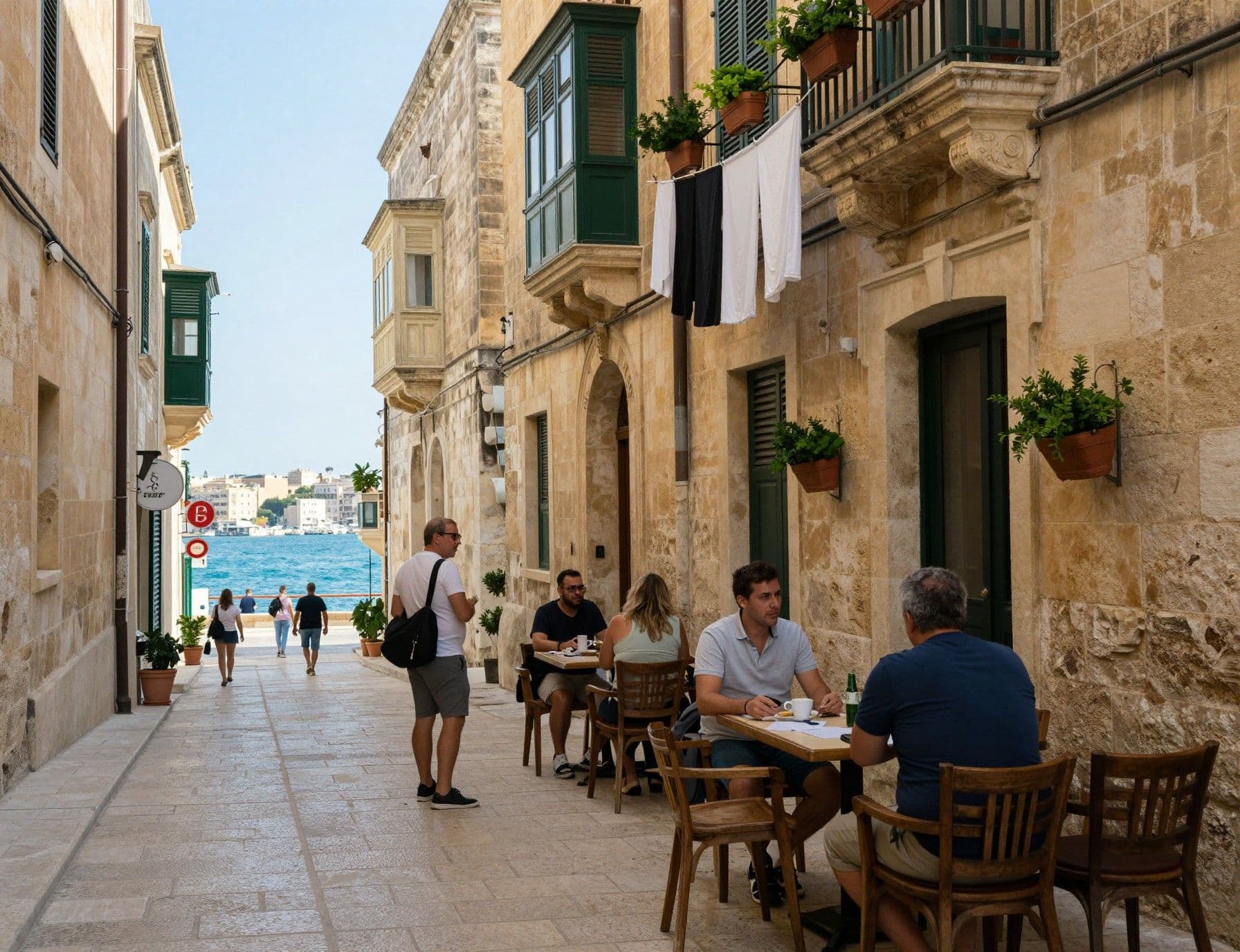
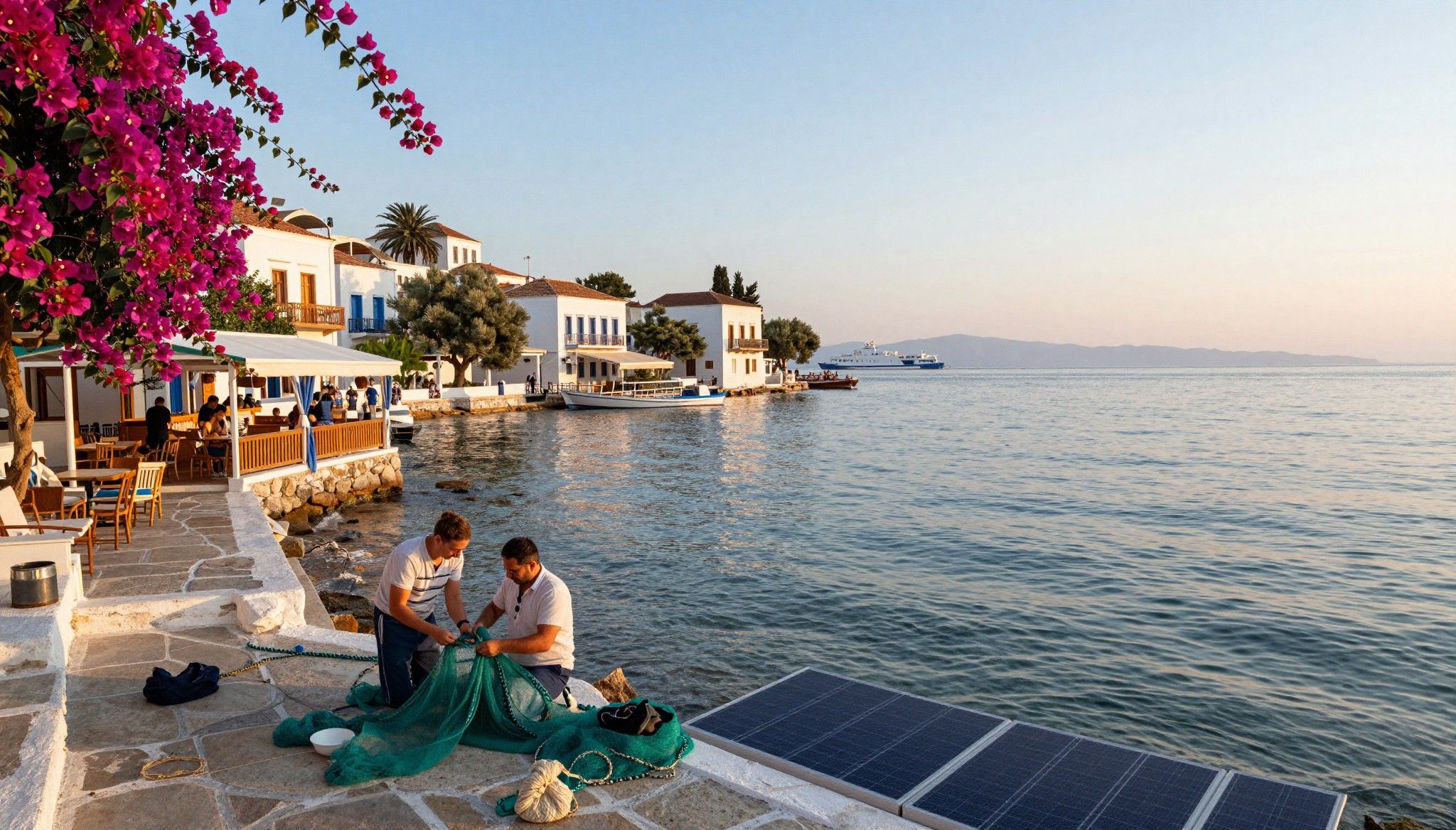
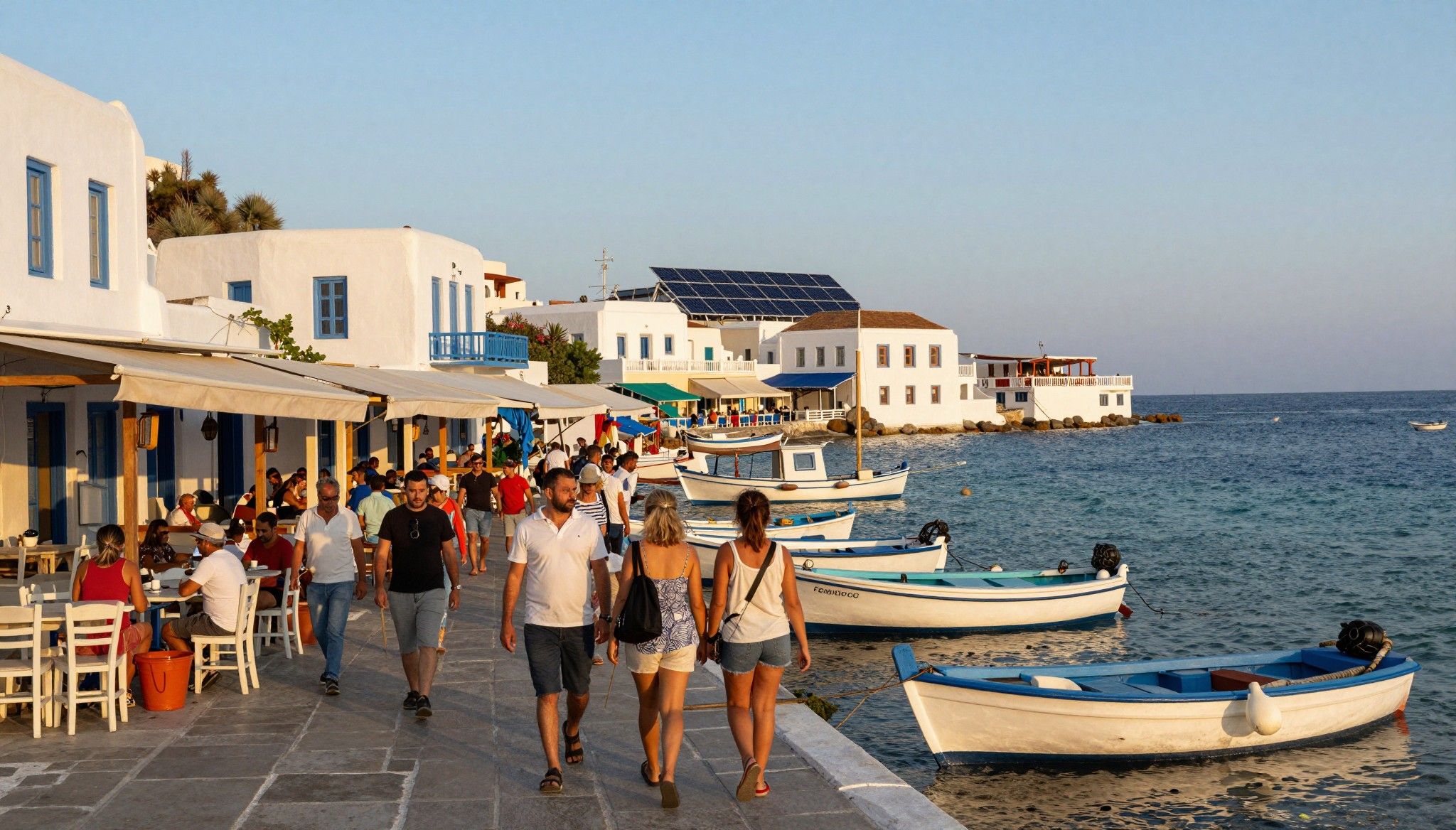
Malta is small enough that daily life feels immediate: espresso orders are shouted across alleys in Sliema, fishermen unload the morning catch at Marsaxlokk, and terraces gather at dusk in Mdina’s shadow. The island’s rhythm is Mediterranean—long, languid summers, a brisk, flower-strewn spring and short, mild winters—so outdoor living shapes how homes are used. Expect shuttered limestone facades, narrow streets that favour walking, and rooftops that are not just views but living spaces where vegetables, bees and solar panels coexist. For buyers seeking green living, that rooftop life is central: it’s where you garden, dry clothes on the line, and, increasingly, harvest daylight.
Neighborhood spotlight — Valletta, Sliema, and Gozo's quieter cadence
Valletta offers a baroque heartbeat—stone stairways, roof terraces with harbour views, and cafés that disappear into the evening. Sliema and St Julian’s are where modern apartments meet promenades, favoured by those who want services and international connections. Then there’s Gozo: a slower island centered on agriculture, wild bays and restored farmhouses where solar retrofits and water-wise gardens feel natural. Each place delivers a different green cadence—historic density that rewards clever retrofit in Valletta, seaside apartment living in Sliema, and regenerative, land-based projects in Gozo.
Food, markets and everyday rituals
Maltese food life is tactile: markets like Marsaxlokk’s Sunday fish market and Valletta’s Valletta Market (Is-Suq tal-Belt) anchor the week, while neighborhood bakeries and cafes choreograph mornings. Seasonal eating is simple—sun-ripened tomatoes, gbejniet (cheeselets) and lampuki in autumn—and that relationship to local produce encourages terraces and small garden plots rather than manicured lawns. For buyers who want low-footprint living, these rituals signal a meaningful way to reduce food miles: smaller kitchens, balcony herb gardens, and property choices that favour access to weekly markets over sprawling private grounds.
Making the move: how Malta’s property types match island life
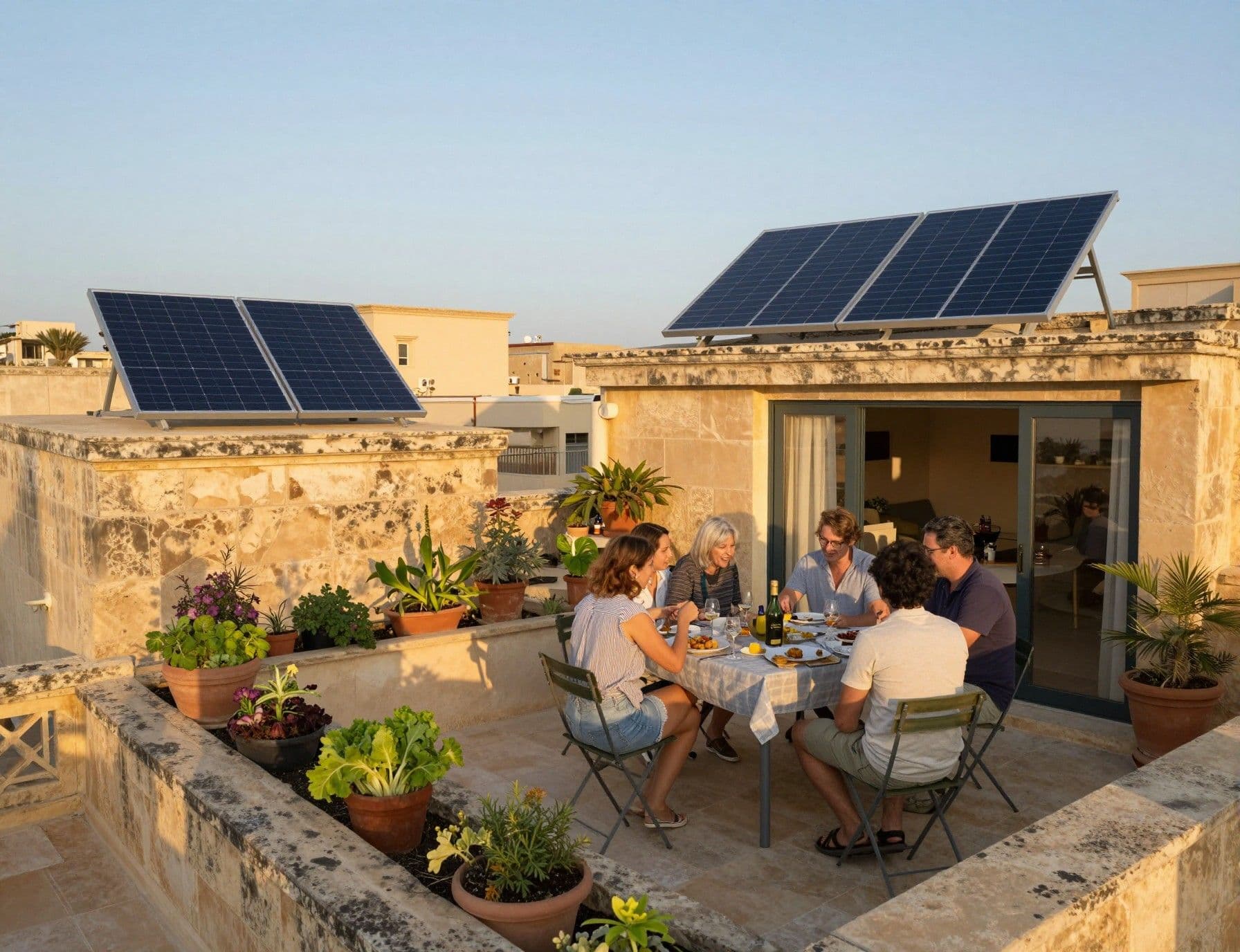
Malta’s compact market means most homes are apartments or maisonettes—about two thirds, according to recent NSO figures—so outdoor space is often vertical: balconies, roof terraces, and shared courtyards. That changes how you live: entertaining happens on terraces, not sprawling gardens; rainwater collection and greywater systems fit best on small plots and roofs. For international buyers intent on sustainability, this is an advantage: retrofitting an apartment with efficient glazing, PV panels (where allowed), and heat-pump water heaters can deliver outsized lifestyle benefits in a modest footprint.
Property styles and what they offer
Stone-built townhouses offer thermal mass that keeps interiors cool in summer and stable in winter, while newer blocks promise insulation and integrated services but can lack character. Rooftop solar is increasingly visible—government programmes and utility-scale investments are nudging wider adoption—but legal and logistical clarity matters: roof rights, condominium agreements and local council rules can limit what you can install. Before buying, ask an agent about roof ownership, recent building works, and whether neighbours have vested rights over shared spaces.
How local experts translate lifestyle into listings
Work with agencies that know neighbourhood microclimates, council approaches to rooftop PV, and the small but crucial paperwork around easements and party walls. A good local agent will surface properties with living terraces, show recent energy upgrades, and flag where shared building decisions could block green retrofits. They also help connect you to craftsmen who understand Maltese limestone repairs, traditional lime mortars, and passive cooling—skills that preserve character while improving efficiency.
Insider knowledge: the green paradox and what expats wish they'd known
Here’s the contrarian truth: Malta looks perfect for solar and local renewables, yet the island remains one of the EU members with a relatively low share of renewables—so you’ll find sunny rooftops but also a grid still tied to imports and interconnectors. Recent official data show meaningful year-on-year gains in renewable share, but transition pains persist—imported electricity mixes can include non-renewable sources, and community-level projects are still scaling. Expats who arrive thinking solar equals instant energy independence can be surprised; the reality is incremental progress that rewards patience and local knowledge.
Cultural cues: neighbourhood etiquette and social life
Maltese people are warm and direct; many communities revolve around band clubs, festas and church squares, so joining local events is the fastest route into neighbourhood life. English is an official language, which eases administrative steps, but small courtesies—greeting shopkeepers, understanding quiet hours, offering help with shared building tasks—make a big difference. For green-minded buyers, volunteering at local clean-ups or farmers’ markets is both socially rewarding and a practical way to learn where neighbours already collaborate on water-saving and rooftop projects.
Long-term practical checklist before you buy
1. Verify roof ownership and condominium rules—can you install PV or build a green terrace? 2. Ask for recent energy-consumption records and any upgraded insulation or glazing. 3. Check connection quality and typical power import sources for your area. 4. Confirm flood/drainage history for coastal plots and practical water-saving measures. 5. Request local contractor references for lime-mortar repairs and passive-cooling retrofits. 6. Discuss long-term community plans with council minutes or local NGOs to understand future infrastructure.
Lifestyle highlights to look for when viewing properties
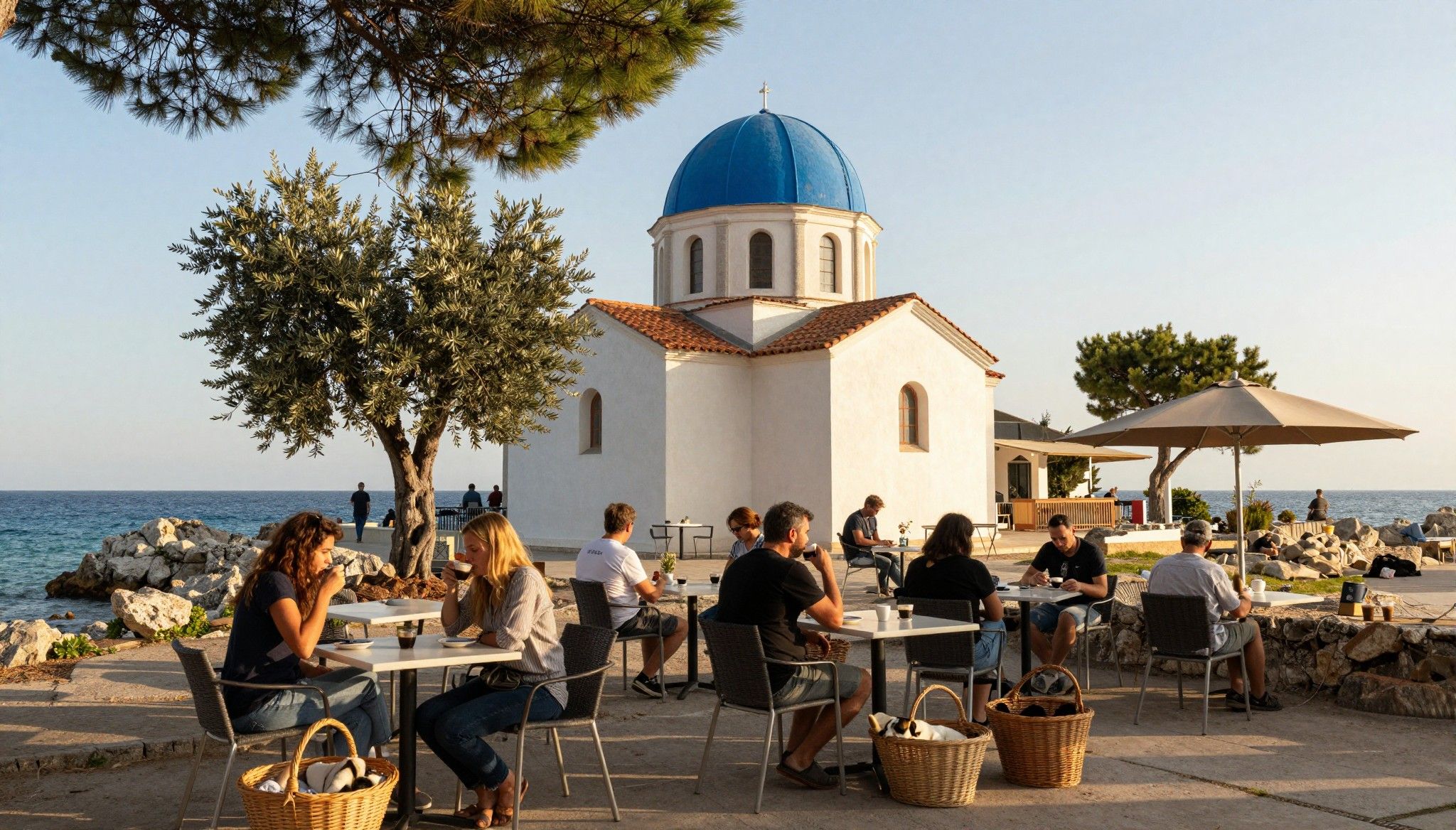
Sea views from a sheltered terrace; nearby weekly markets (Marsaxlokk, Valletta); roof or balcony orientation for full-day sun; proximity to small green pockets or community gardens; local cafés where neighbours gather—these are the signs of a life well-lived in Malta.
Buying in Malta is as much about a rhythm as it is about square metres. You buy into strollable mornings, terrace dinners, and the small economies of repair and craft that keep limestone houses warm and durable. To make that dream a practical reality, partner with agents who read buildings and neighbourhoods as living systems—those who can translate a terrace’s aspect into photovoltaic yield, or a local baker’s schedule into your morning routine. With the right local knowledge, Malta gives you sunlight, stone and a community that rewards low-impact living.
Dutch property strategist who helped 200+ families find sustainable homes in southern Europe; expert in legal pathways and long-term stewardship.