When Maltese Summers Mislead: Smart Off‑Peak Moves
Why Malta’s sunlit postcard life can mislead buyers — and how smart, season-aware, eco‑minded moves reveal green value and calmer neighbourhoods.
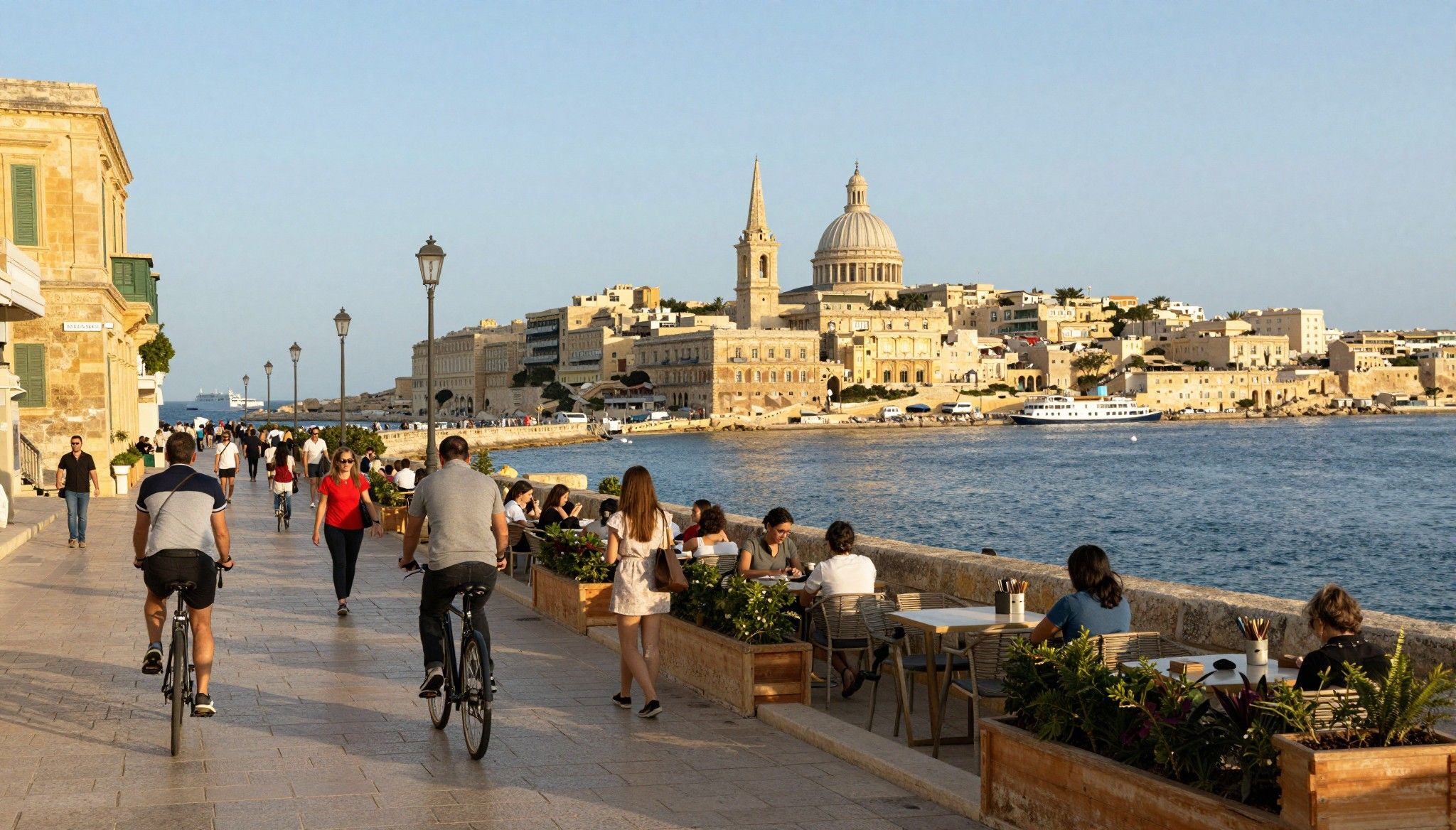
Imagine waking to a sea-breeze that smells of lemon trees and salt, walking down narrow limestone alleys to an espresso at Caffe Cordina, and spending evenings on a roof terrace watching the harbour lights of Valletta blink awake. Malta feels small and intimate — a stitched-together tapestry of cliffs, bays and terraced fields — and for many international buyers it reads like a year-round postcard. But beneath that postcard warmth lie seasonal rhythms and market quirks that change how, when and where the smartest green-minded buyers choose a home.
Living the Malta lifestyle: sun, stone and intimacy
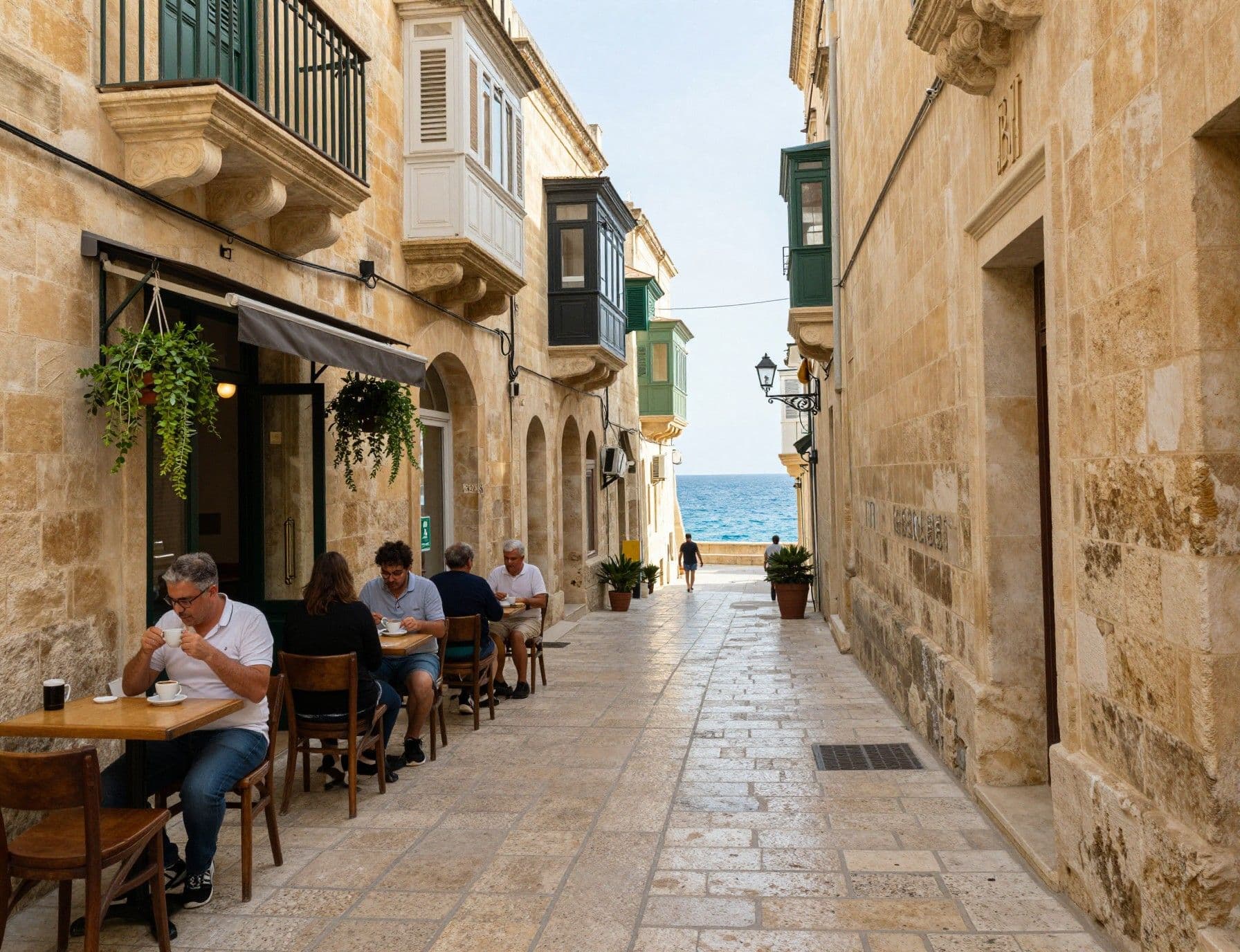
Malta is intensely walkable and richly textured: a morning in Sliema might mean a jog along the promenade and a market stop for fresh fish, while weekends in Mellieħa are for sand and shallow bays. The island's compactness makes neighbourhood character sharply defined — Valletta feels ceremonial and stone‑soft, Sliema and Gżira pulse with cafés and remade townhouses, St Julian's and Paceville swing between family life and nightlife, while Gozo offers slow afternoons and agricultural rhythms. For eco-aware buyers, this mix means you can prioritise coastal access, urban gardens or rural tranquillity without sacrificing connection to services.
Valletta & The Three Cities: ceremonial stonework and harbour life
Picture narrow streets under honeyed limestone, balconies strung with drying herbs and a morning coffee at Caffè Cordina before the city wakes. Valletta’s small apartments and restored townhouses shine for buyers who want history stitched into daily life, proximity to museums and a walkable social scene. Practical note: heritage properties often mean strict conservation rules — perfect for lovers of craft, but expect renovation conversations with planning authorities.
North coast towns: Sliema, Gżira and the promenade culture
Sliema and Gżira hum with cafés, co‑working corners and sea promenades where locals stroll at dusk. These areas are favoured by expats for international schools, ferry links to Valletta and a lively dining scene. Here you’ll find modern apartments with terraces and good resale liquidity — appealing if you want a low‑maintenance coastal home that still breathes green through container gardens, photovoltaic-ready roofs and nearby parks.
- Lifestyle highlights — places and small rituals
- Sunrise swim at St George’s Bay; late breakfasts at Valletta’s Republic Street cafés; Sunday markets in Marsaxlokk for sun‑dried fish and brass; cliff walks around Dingli for dramatic green-to-blue views; a ferry to Gozo for slow afternoons and local cheese shops; rooftop dinners under jasmine on narrow terraces.
Making the move: practical choices that preserve the lifestyle
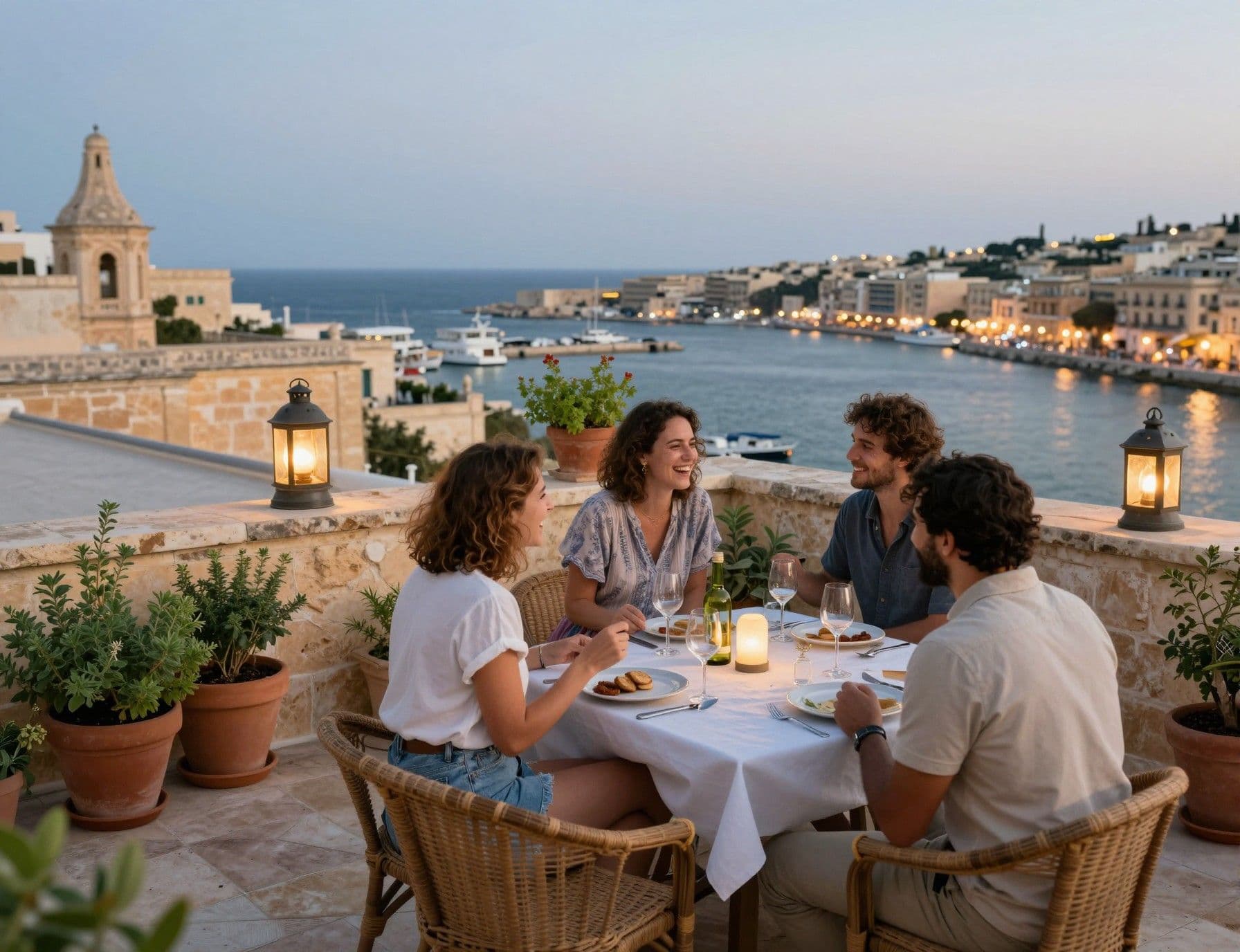
Lifestyle daydreams must meet market reality. Malta’s residential prices have risen notably in recent years — NSO data and local industry reports show steady growth driven by land scarcity, strong demand and a robust rental market. That creates two immediate takeaways for international, eco-minded buyers: pick locations that align with everyday rhythms (so the home actually gets used), and prioritise properties with inherent green advantages — good orientation, space for PV panels, and mature landscaping that supports biodiversity.
Property styles: maisonettes, penthouses and restored townhouses
Maisonettes and apartments dominate Malta’s housing stock; restored townhouses offer character and cooler interiors thanks to thick limestone walls. Penthouses win on light and terraces for herb gardens and solar access. If you want a low-impact home: favour properties with southern exposure for passive solar, flat roofs suitable for photovoltaic arrays, and original features—like stone vaults—that reduce cooling needs.
Work with local agents who think like neighbours
A local agency isn’t just a listing machine — it’s your translator for neighbourhood rhythm, permit nuance and sustainable retrofit potential. Choose agents who know which streets allow rooftop changes, which blocks have community gardens, and who can connect you with local architects versed in breathable limestone restorations.
- Steps to match lifestyle with purchase (practical + green‑minded)
- 1. Map daily life: visit at different times (market morning, after work, Sunday) to feel rhythms that photos hide.
- 2. Inspect roof orientation and structure for PV and water‑harvesting potential before making an offer.
- 3. Ask for recent energy bills and any prior retrofit permits; genuine sellers keep these records.
- 4. Reserve a local architect for a quick feasibility check on natural ventilation, insulation and reuse of materials.
Insider knowledge: expat truths and unexpected advantages
Expats often tell the same confession: they fell for Malta’s postcard days and underestimated traffic, summer crowds, or permit timelines. But they also reveal quieter truths: many avoided the busiest seafront and found better community life one street in; others discovered that buying off‑season yields negotiation room and clearer access to tradespeople for eco‑renovations.
Cultural rhythms: language, neighbours and daily etiquette
English is an official language and widely used in business, which eases many transitions. Still, local cadence matters: festivals, festas and siestas shape noise and street closures. Be neighbourly — conversations over shared bins or on-line community groups often unlock the best local trades and garden‑share tips.
Longer view: how your Malta life can evolve sustainably
Think beyond purchase: a well‑chosen Maltese home can age into a low‑impact sanctuary if you prioritise durable materials, passive cooling and micro‑greenery. Community initiatives — shared composting, rooftop gardens and co‑op tool libraries — are growing and offer immediate lifestyle gains as well as long-term value.
- Red flags and practical pitfalls to avoid
- Unclear roof ownership (limits PV), properties with undocumented past works, listings that promise "sea view" but mean a distant glimpse, and expecting bargain renovation timelines during high tourist season.
Conclusion — the quiet choice that rewards time and care: buy for how you want to live. Malta’s compressed geography rewards thoughtful selection: a stone townhouse used daily will give you as much joy as a sea-facing apartment bought for status. Visit in different seasons, work with agents who respect local ecology and craft, and plan for simple green interventions that make the home cooler, kinder to biodiversity and more truly Maltese.
Next steps: schedule walks in two contrasting neighbourhoods, ask sellers for energy and permit records, and bring a local architect on short notice — these three moves separate dreamy browsing from a purchase that genuinely fits the life you want.
Dutch property strategist who helped 200+ families find sustainable homes in southern Europe; expert in legal pathways and long-term stewardship.