Verdant Italy: Coast, Forest and the Buyer’s Reality
Italy’s green coasts and forests offer soulful living and steady market signals — use seasonal visits, local experts and sustainability checks to buy wisely.
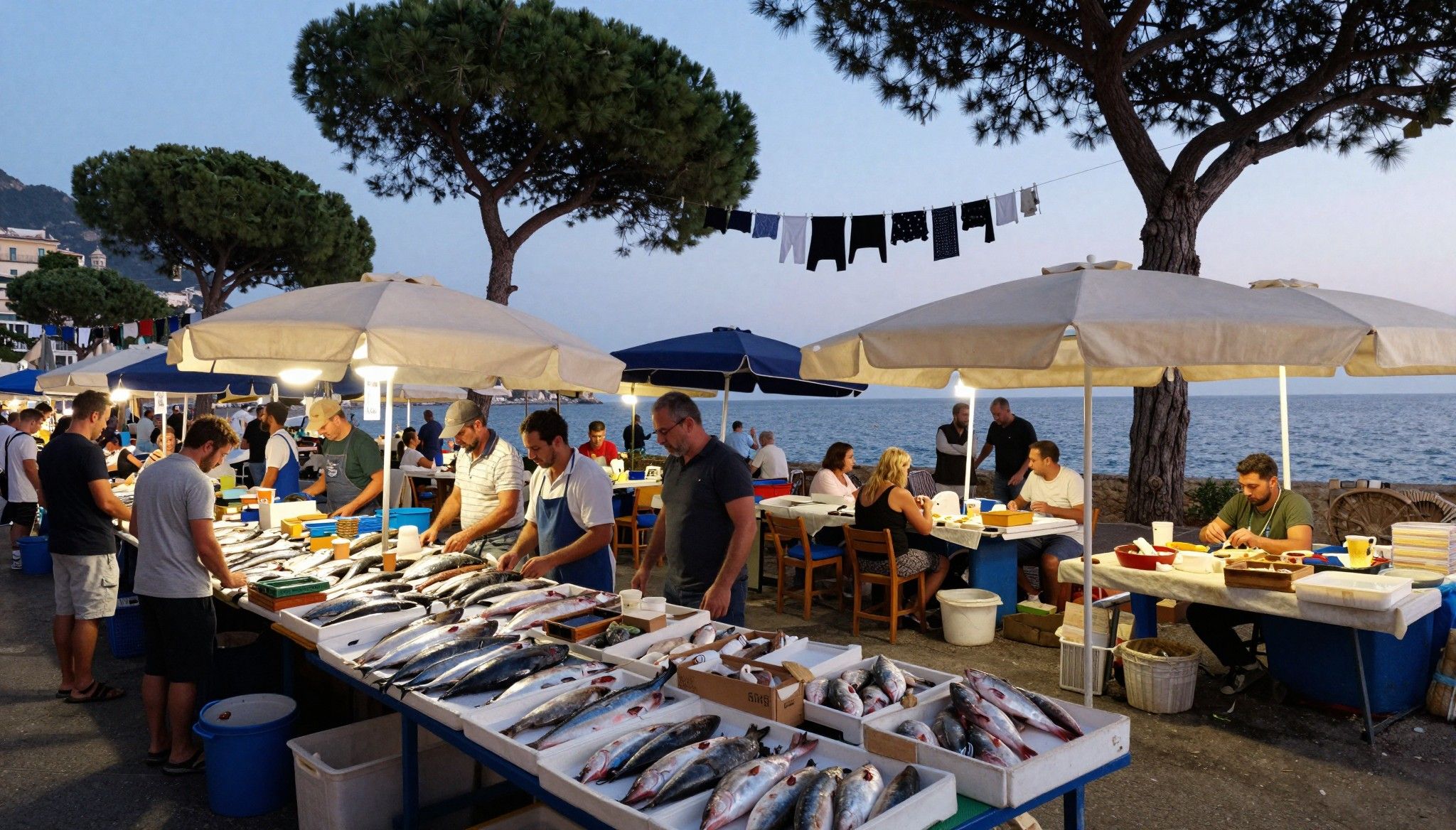
Imagine waking to the smell of sea salt and wood smoke, or the sound of a morning market perched between a cliff and a pinewood. In Italy those mornings are everywhere — from Liguria’s wind-buffed coves to the chestnut-shaded lanes of Tuscany — and they shape what people look for in a home. For international buyers drawn to rugged coastlines, evergreen forests and slow seasonal rhythms, Italy offers a rare combination: places that are both wildly beautiful and deeply lived-in. This piece blends that feeling with concrete market signals so you can fall in love responsibly.
Living Italy: coastlines, forests and everyday rituals
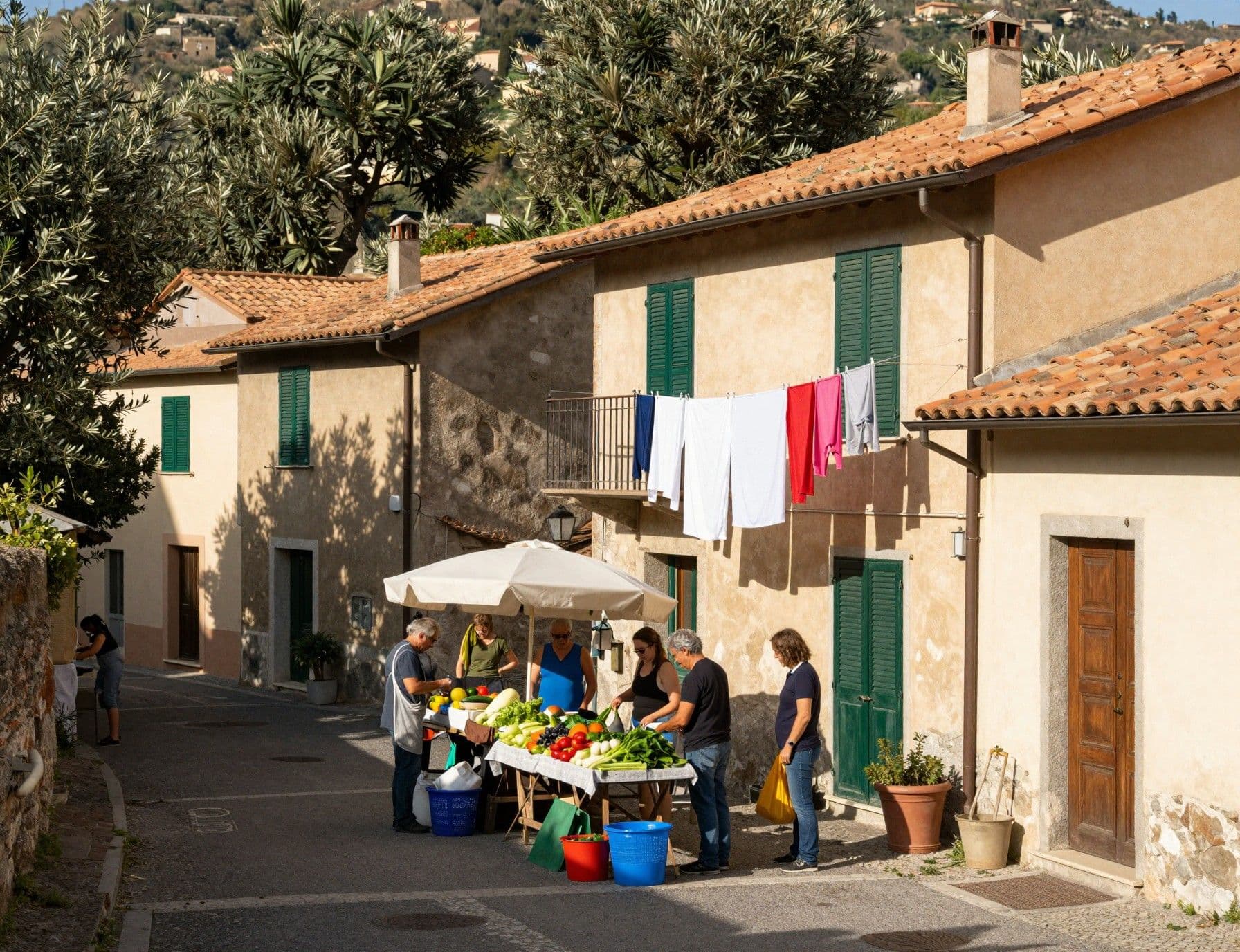
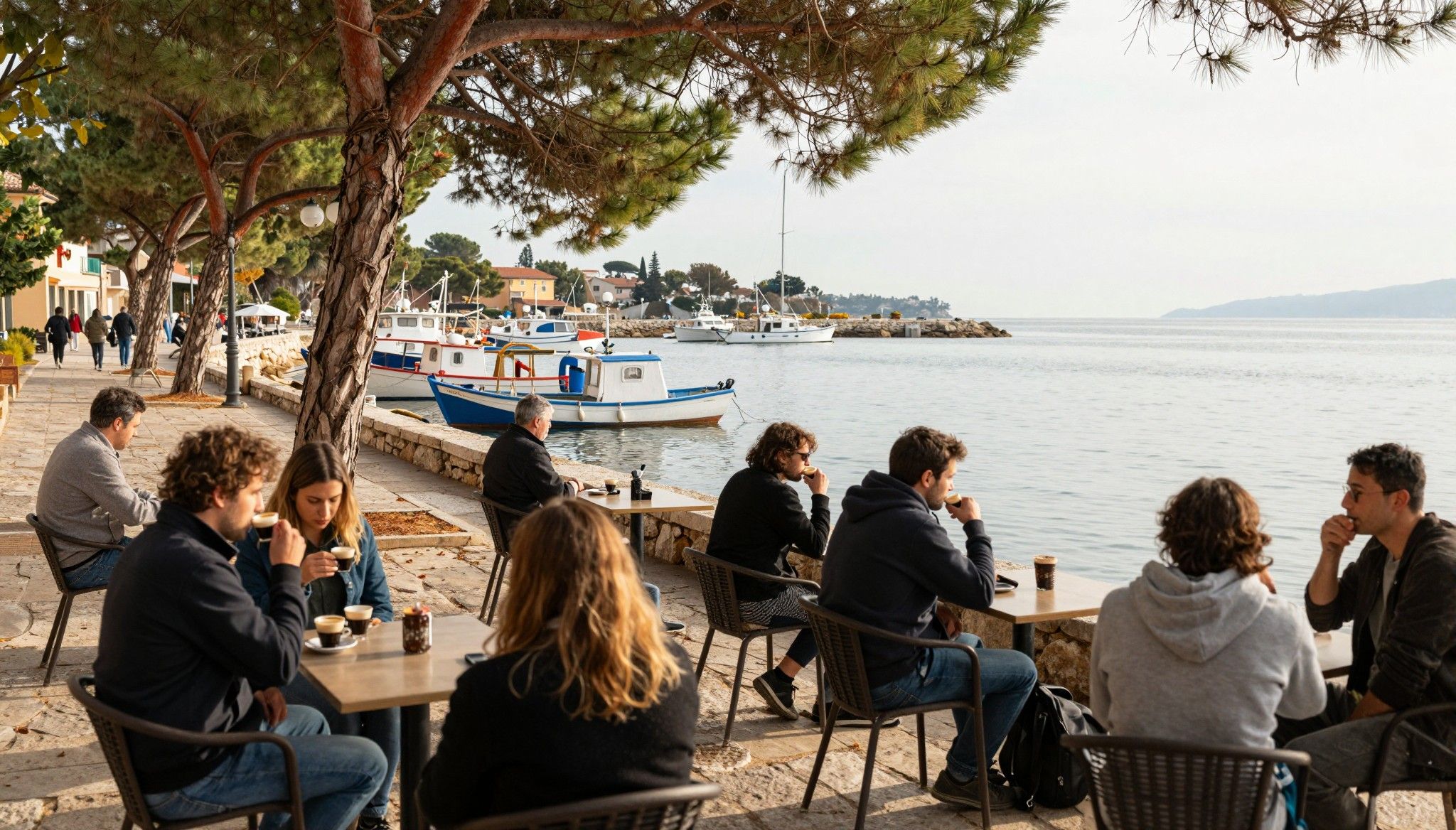
Picture an afternoon that begins with espressos at a sun-warmed bar in Amalfi, moves to a late-lunch of seafood and ends with a walk through umbrella pines into a silent cove. In Italy daily life oscillates between public ritual and private sanctuary: markets, piazzas, and cafés hold neighborhoods together while gardens, terraces and wood-fired ovens anchor the home. That interplay is especially vivid where the land is green and rugged — Liguria’s cliffs, Tuscany’s oak-dotted hills, Calabria’s wild headlands — and it changes how you use a house: outdoor kitchens are as important as insulation, olive groves are both landscape and income, and a small restorative garden can be the property’s heartbeat.
Liguria & Cinque Terre: small streets, big views
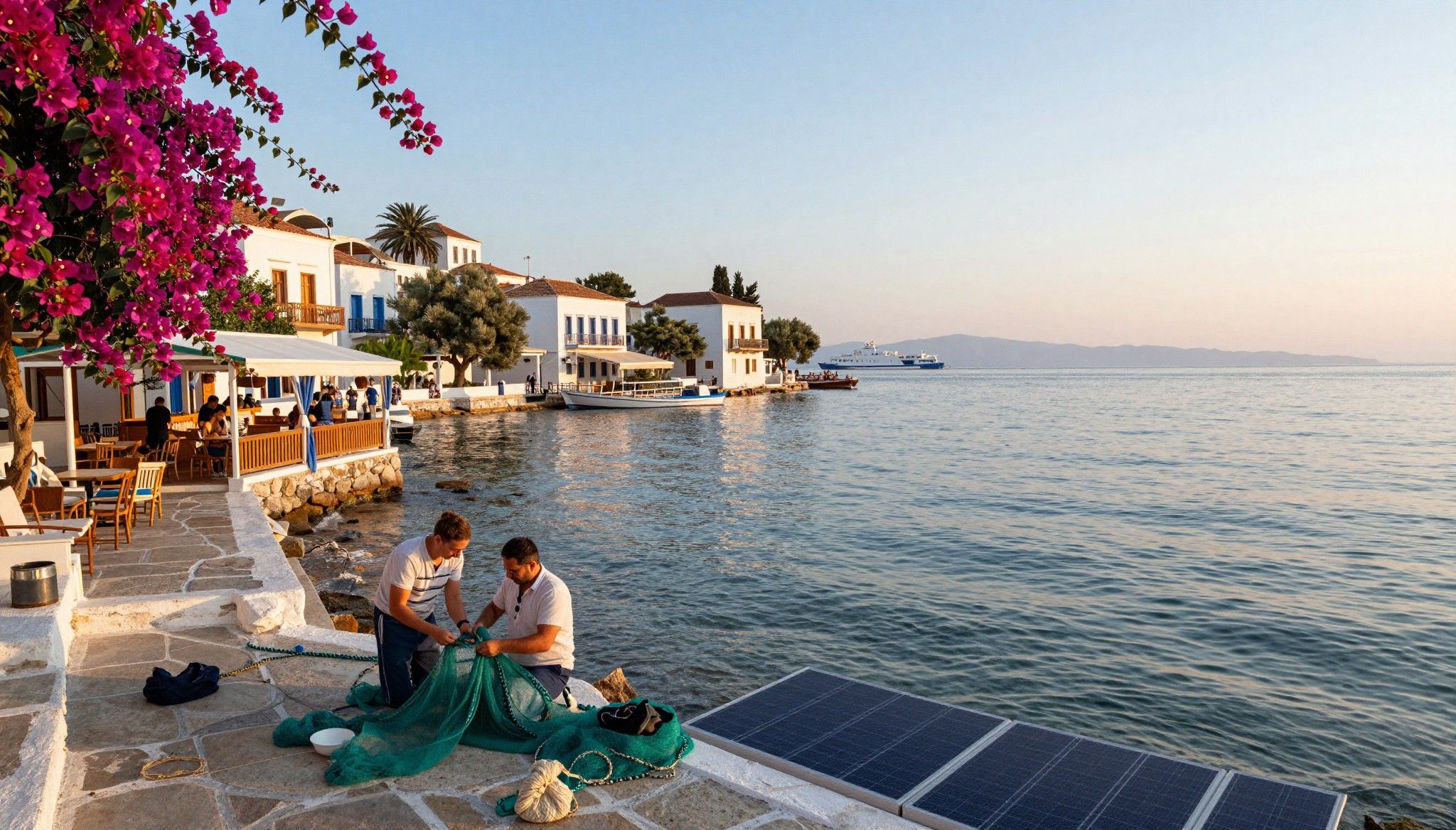
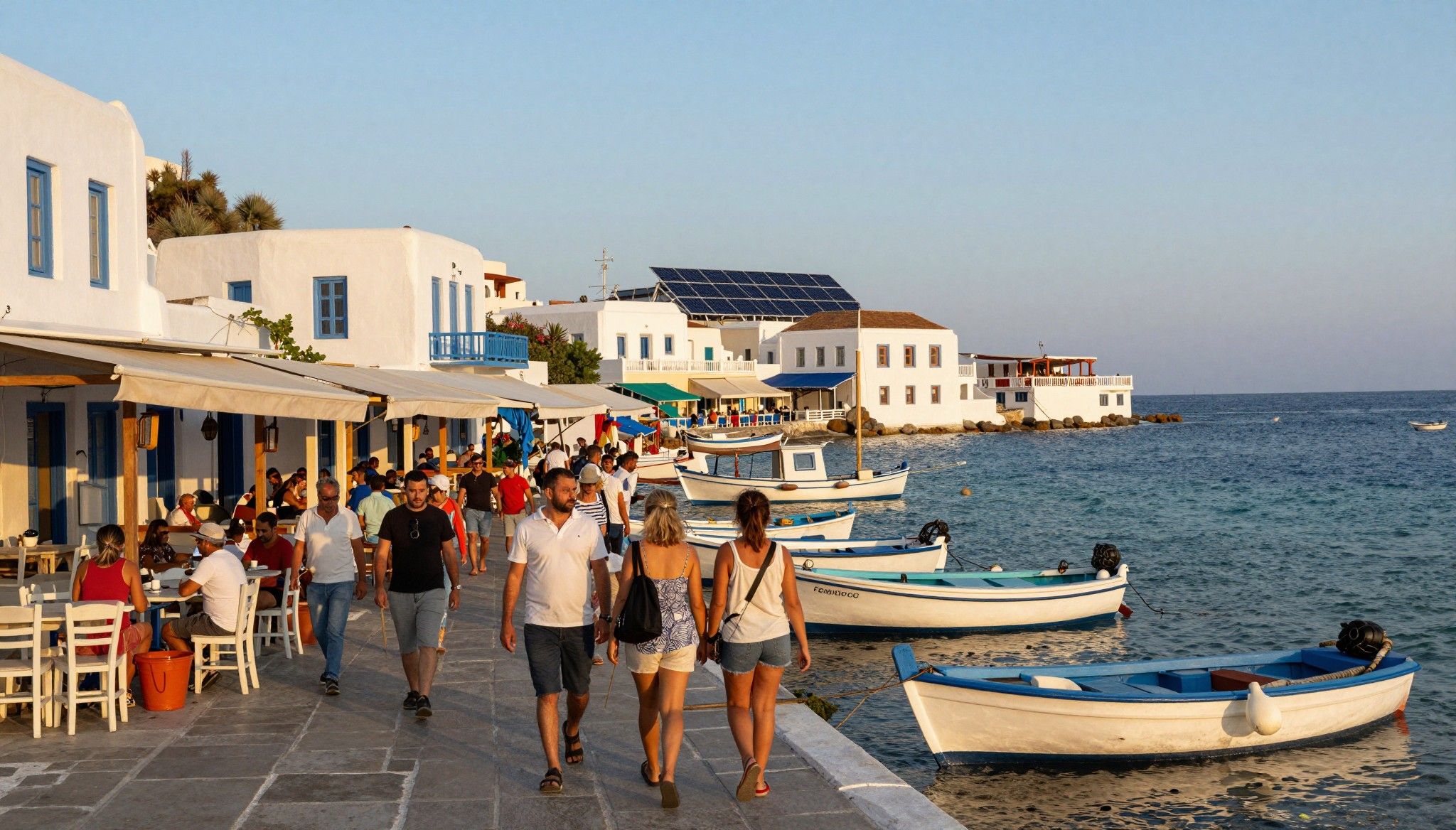
Walk the narrow lanes of Portofino or the overlooked villages west of the Cinque Terre and you’ll find the same small, stubborn rhythms: fishermen mending nets, terrazzo steps worn smooth, terraces stacked with herbs and lemons. Properties here are compact, often terraced into the rock, with breath-taking views that make small floorplates feel expansive. For buyers who prize outdoor life and proximity to sea trails, a centuries-old stone house with a tiny cultivated patch can be more valuable than a larger inland villa.
Tuscany & Maremma: oak groves and slow food days
In inland Tuscany mornings are for markets and afternoons for vineyards. Towns like Pienza, Cortona and lesser-known Maremma hamlets trade on pastoral scale: stone farmhouses, chestnut woods, and communal festivals where food is the connective tissue. Recent data show modest house price growth in many existing-dwelling segments, which for buyers means opportunity — you can still find properties with land for orchards or solar arrays that improve both living and long-term sustainability.
- Lifestyle highlights: morning markets in Mercato Centrale (Florence), trail runs in Cinque Terre, olive harvests in Maremma, seaside cafés in Levanto, chestnut festivals in Garfagnana, village aperitivos in Amalfi.
Making the move: lifestyle-minded practicalities
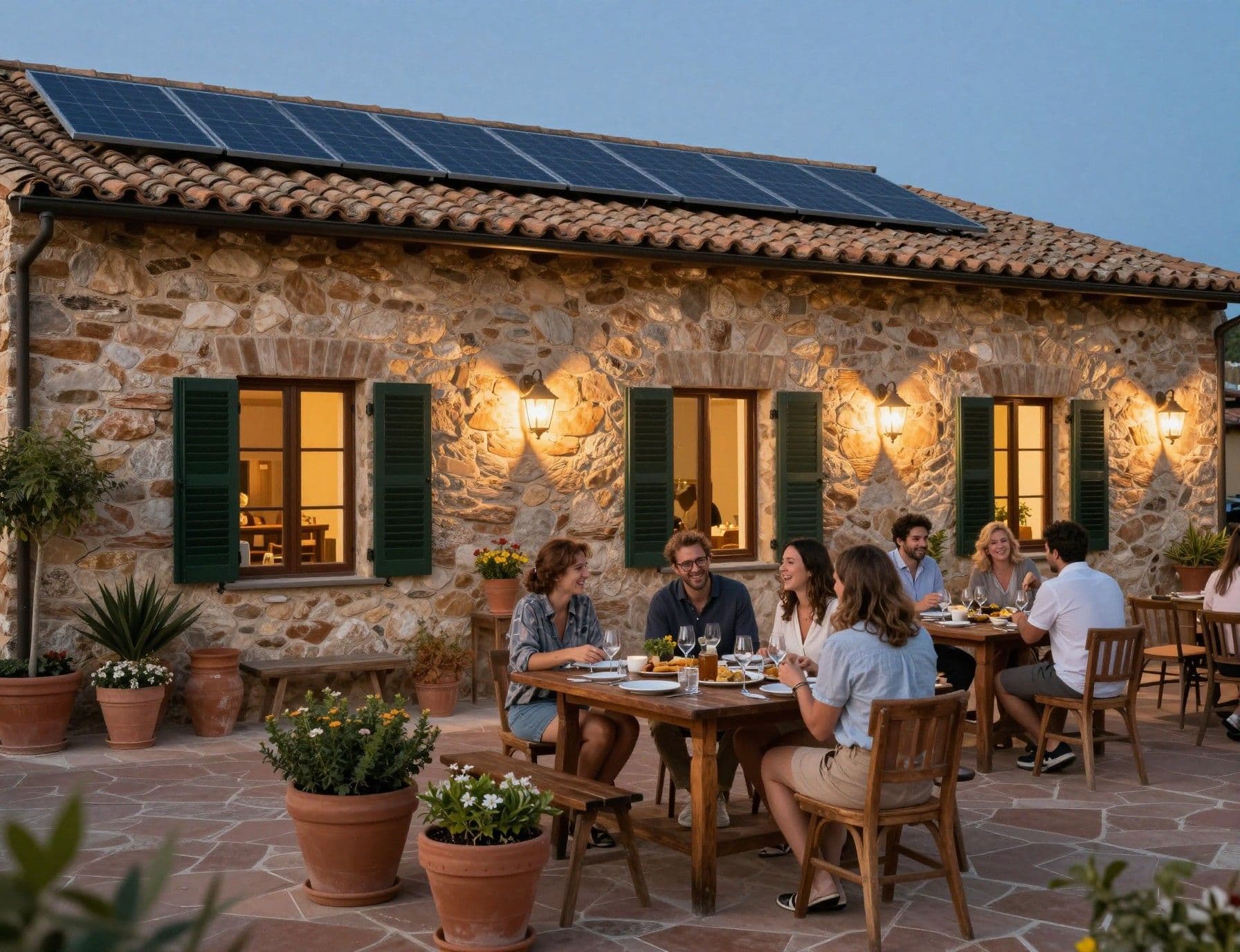
Dreams meet deeds at the notary’s desk. The good news: Italy’s property market is increasingly international, with foreign buyers accounting for a rising share of transactions — Idealista reports growth in 2025 — which means more agents, translators and services focused on overseas clients. The practical side asks you to align lifestyle wants with local realities: do you need coastal access or a forested buffer? Is outdoor cooking and water access critical? Once you answer those questions, you can work with local experts to find a property that supports a green life rather than one that merely looks romantic in photos.
Property types and what they mean for daily life
Stone terraced houses: minimal footprint, spectacular outlooks, often expensive to retrofit for modern energy systems. Converted farmhouses: generous land, easier to install PV and natural wastewater systems, ideal for regenerative living. Compact town apartments: walkable, lower maintenance, perfect in towns with strong community life. Choose by asking: will you cook outside most days? Do you want an orchard or a low-maintenance Mediterranean garden? Those answers determine whether you prioritize land, orientation, or insulation.
Working with local experts who match lifestyle and stewardship
- 1) Tour with an agent who specializes in verdant regions and asks about energy, water and soil. 2) Hire a local geometra or architect to assess renovation potential and passive-solar opportunities. 3) Check cadastral records and requests through the notary early to avoid surprises. 4) Prioritize agencies that can connect you with sustainable contractors, olive growers, and local co-ops for authentic stewardship.
Insider knowledge: myths, red flags and smarter trade-offs
Real talk: expensive-looking coastlines aren’t always the best value for a green lifestyle. A contrarian tip — head inland a handful of kilometers from the Ligurian or Amalfi coast and you’ll often find similar microclimates, more space, and better prices for land and solar orientation. Watch for red flags: properties with unclear terraces, missing building permits for outdoor works, or access roads that become impassable in winter. Use market data — ISTAT’s house-price indicators and region-level reports — to check whether a coastal premium is local hype or real scarcity.
Cultural integration: small customs that change everything
Learn a few local rituals and you’ll be welcomed: understand market hours, the ritual of the post-lunch riposo (siesta) in smaller towns, and the calendar of sagra (local festivals) that bind communities. Language matters but so does presence: join a volunteer olive harvest or a neighborhood gardening circle and you’ll quickly find your place. These social connections shape practical outcomes too — local goodwill often smooths permit conversations or neighborly access to shared wells and trails.
Long-term lifestyle considerations
Think five to ten years out: will growers in the valley maintain olive groves, will local schools attract younger families, does local infrastructure support remote work? Market indicators suggest steady interest from foreign buyers and modest price growth in existing dwellings, so properties that are designed to age well — with passive heating, durable local materials and space for solar — tend to out-perform in both value and everyday joy.
- Practical checklist before you bid: verify cadastral maps and usufruct rights; confirm road access year-round; survey water source and septic compliance; assess solar/roof orientation; get local renovation cost estimates.
If you’re ready to take the next step, do it with curiosity and community. Start by shortlisting two distinct lifestyle prototypes — a coastal walkable home and a woodland farmhouse, for example — then visit both in different seasons. Work with an agency that understands ecology as well as titles, and ask for local references: a builder who restores stone with lime, an olive press operator, a notary experienced with foreign buyers. Italy’s verdant regions ask for patience, but they repay living richly — morning markets, slow harvests, and the quiet satisfaction of stewardship.
Imagine standing on your terrace as the light shifts and the pines hush: that is what you’re buying in Italy, as much as stone and view. If stewardship, seasonal life and genuine community matter to you, Italy’s coast-forest landscapes can be a deeply sustainable place to land. When you’re ready, let Moss & Hearth connect you with local specialists who prize craft, biodiversity and long-term care as much as you do.
Norwegian market analyst who relocated from Oslo to Provence; guides investors with rigorous portfolio strategy and regional ecological value.