Verdant Italy: Coast, Forests and Buying with Sense
From Ligurian terraces to Tuscan beechwoods: how to buy a verdant Italian home that feels lived‑in, sustainable and realistic—backed by recent market research.
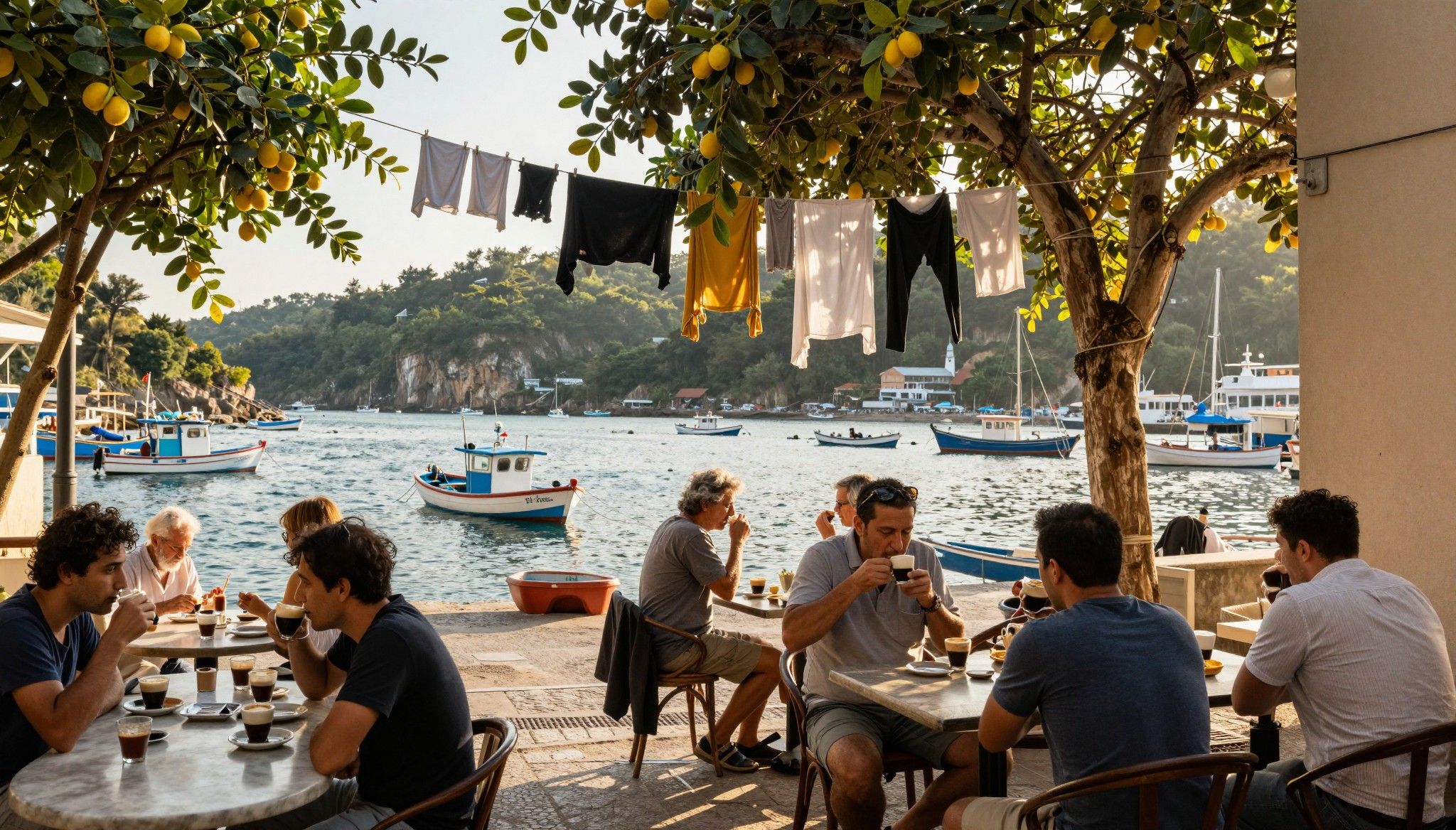
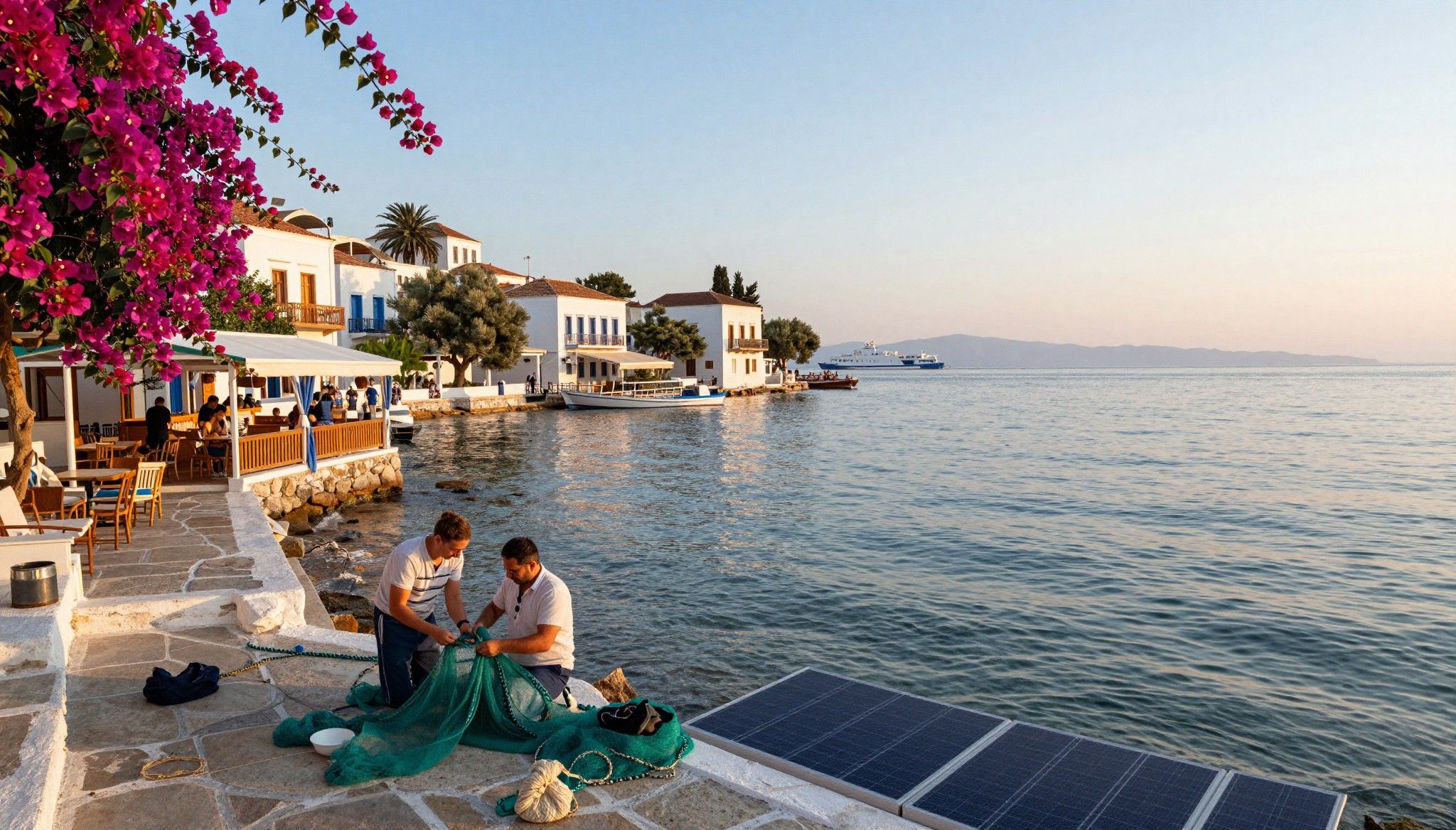
Imagine waking to the scent of damp stone and lemon trees, then walking down a narrow lane where a café pours crema into tiny cups and fishermen mend nets on a nearby quay. Italy’s green coasts and forested hills are not stage sets; they are working landscapes that shape daily rhythm—market mornings, late‑afternoon passeggiata, and winters that bring slow repair and wood fires. For international buyers drawn to nature, Italy offers the rare combination of rugged coastline, dense forests and centuries of vernacular building that can be restored responsibly. This piece is for curious buyers who want to fall in love first and make wise, place‑sensitive choices second.
Living Italy: Coastal Forests and Small‑Town Rhythms
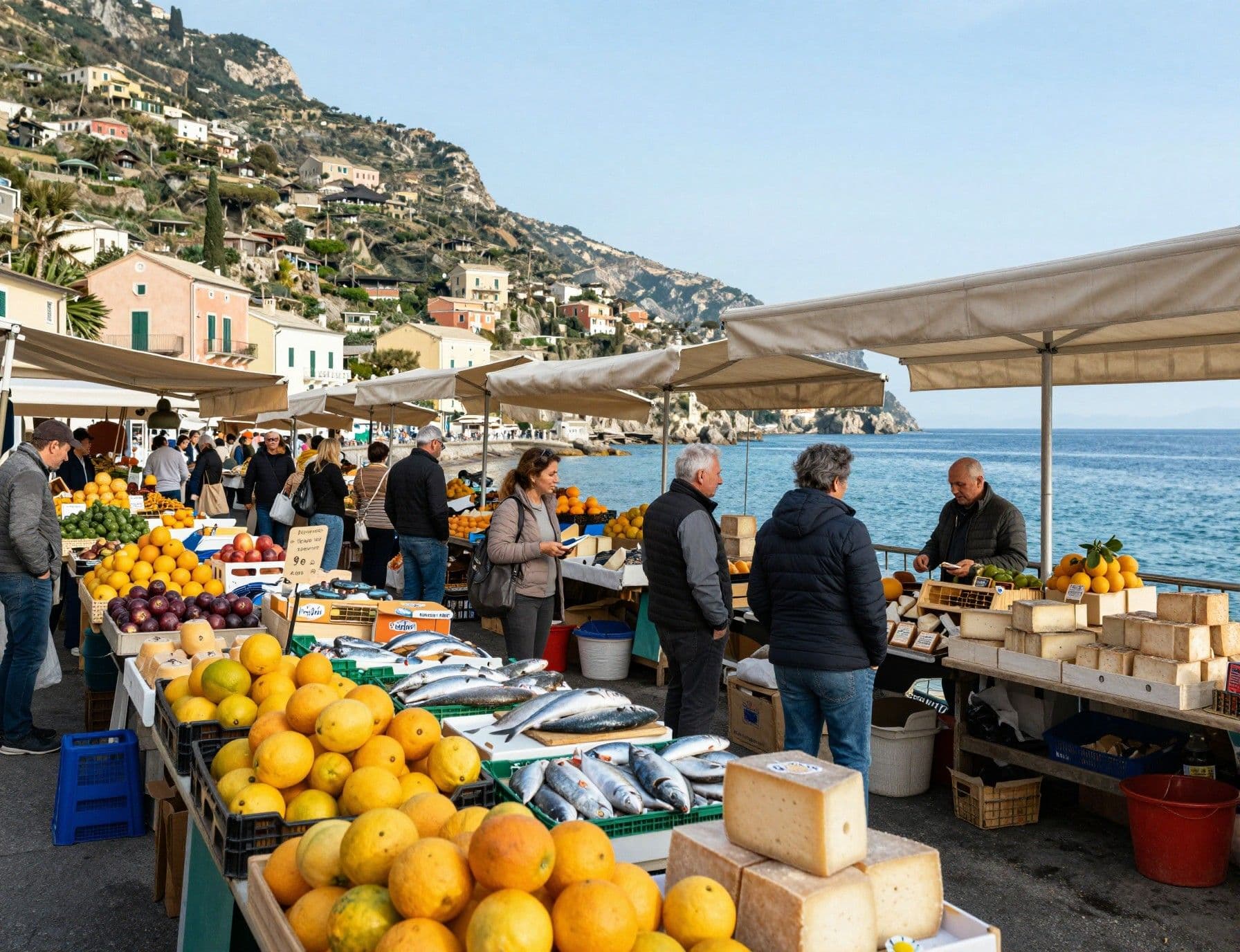
Start with a sensory map: Liguria’s terraces tumble into the sea and trail through chestnut woods; Sardinia’s northern coast trades cliffs for cedars and coastal maquis; Tuscany’s Apennines cradle beech and oak forests that spill toward medieval hill towns. In these places, windows open to both waves and pines; terraces collect morning light and rooftop cisterns collect winter rain. Living here means seasonal attention—you learn the sound of wind through umbrella pines, when the market brings porcini and when the fishermen bring small, sweet sardines. Such intimacy with landscape is exactly why many international buyers come for the life, not just the view.
Liguria & the Riviera: Steep lanes, terraces and small harbors
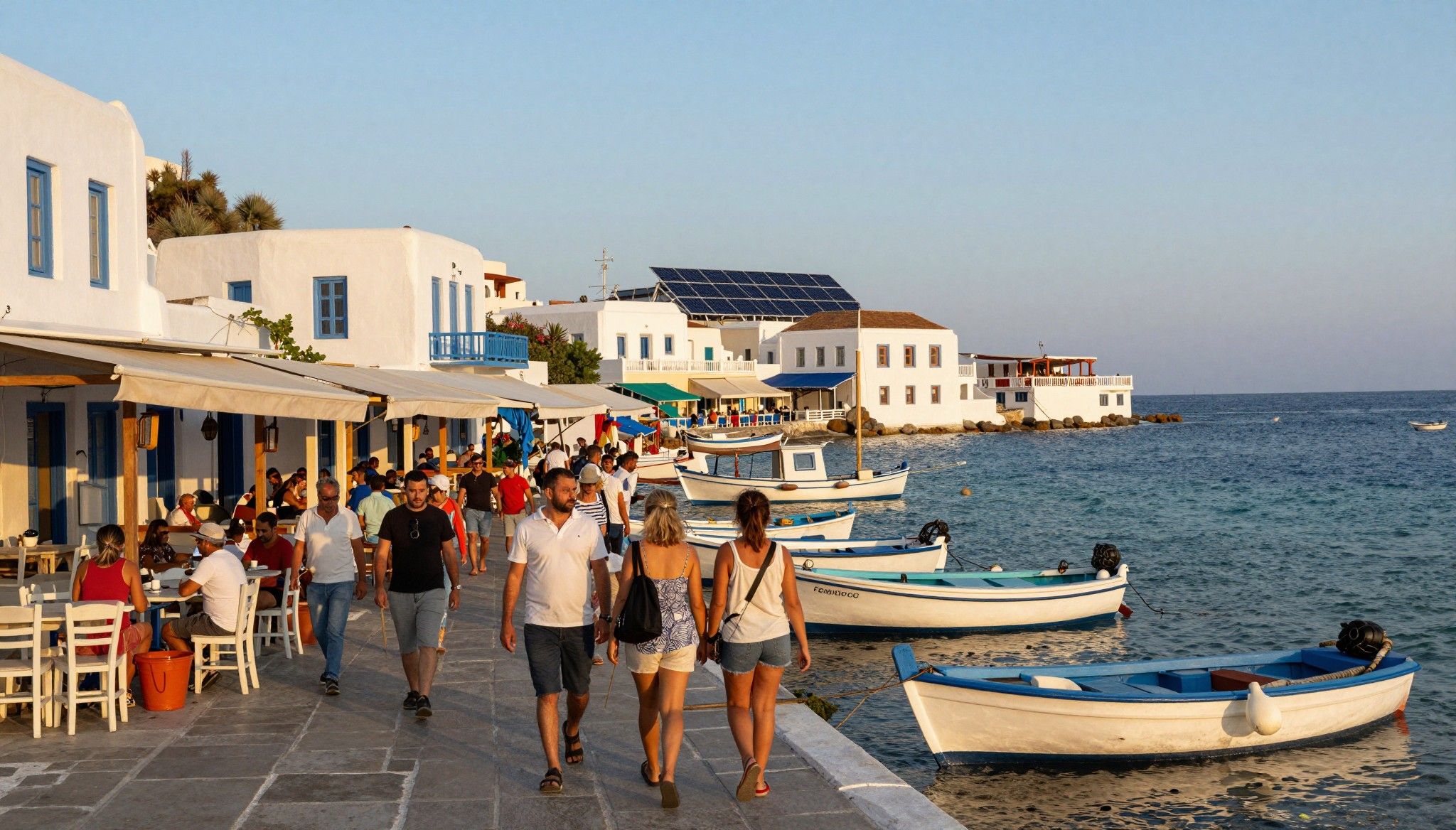
Walk the ancient mule tracks around Vernazza at dawn and the air smells of salt and rosemary; in towns like Levanto or Sestri Levante the pace is slower than Genoa but full of local life—bakeries with warm fougasse, markets stacked with basil and anchovies. Many houses sit on terraces carved long ago; narrow alleys mean cars give way to bicycles and scooters, and community life happens on tiny piazzas. For buyers, these micro‑topographies mean thinking vertically: gardens are terraced, deliveries require local helpers, and restoration often needs specialist masons familiar with dry‑stone walls.
Tuscany’s hill towns and forested ridges
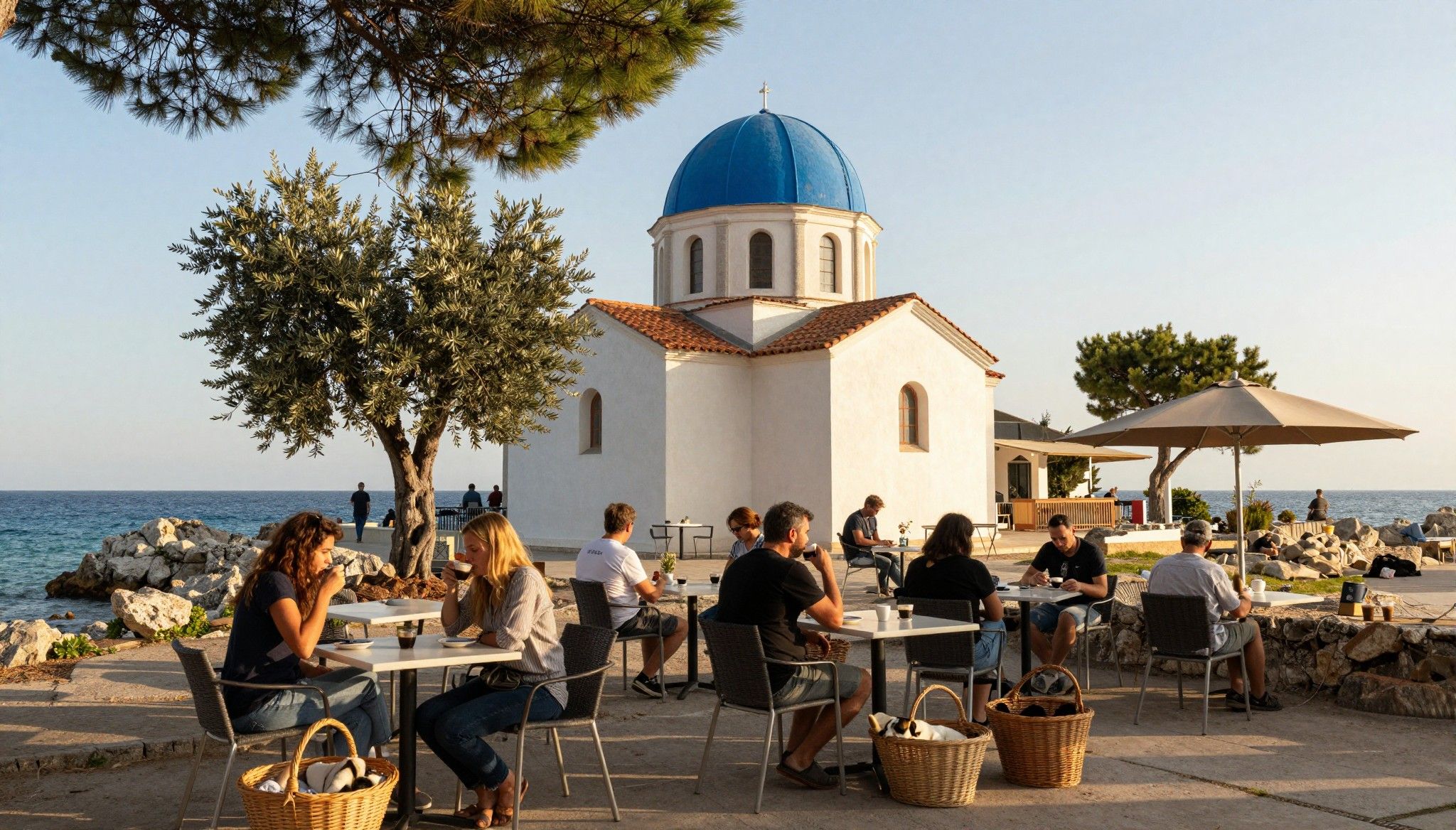
In inland Tuscany the language is hills and chestnut groves; life revolves around morning markets, agriturismo dinners, and afternoons spent pruning vines or hiking beech‑lined trails. Small towns like Arezzo’s hinterland or the Casentino valley favor stone farmhouses with deep eaves and thick walls—ideal for passive thermal comfort. If you want an integrated garden, you’ll find olive terraces and woodlots nearby; if you want coastal days you can reach the Tyrrhenian in under two hours. These dualities—sea and wood, market and silence—define the verdant dream.
Making the Move: Practical Realities and Market Signals
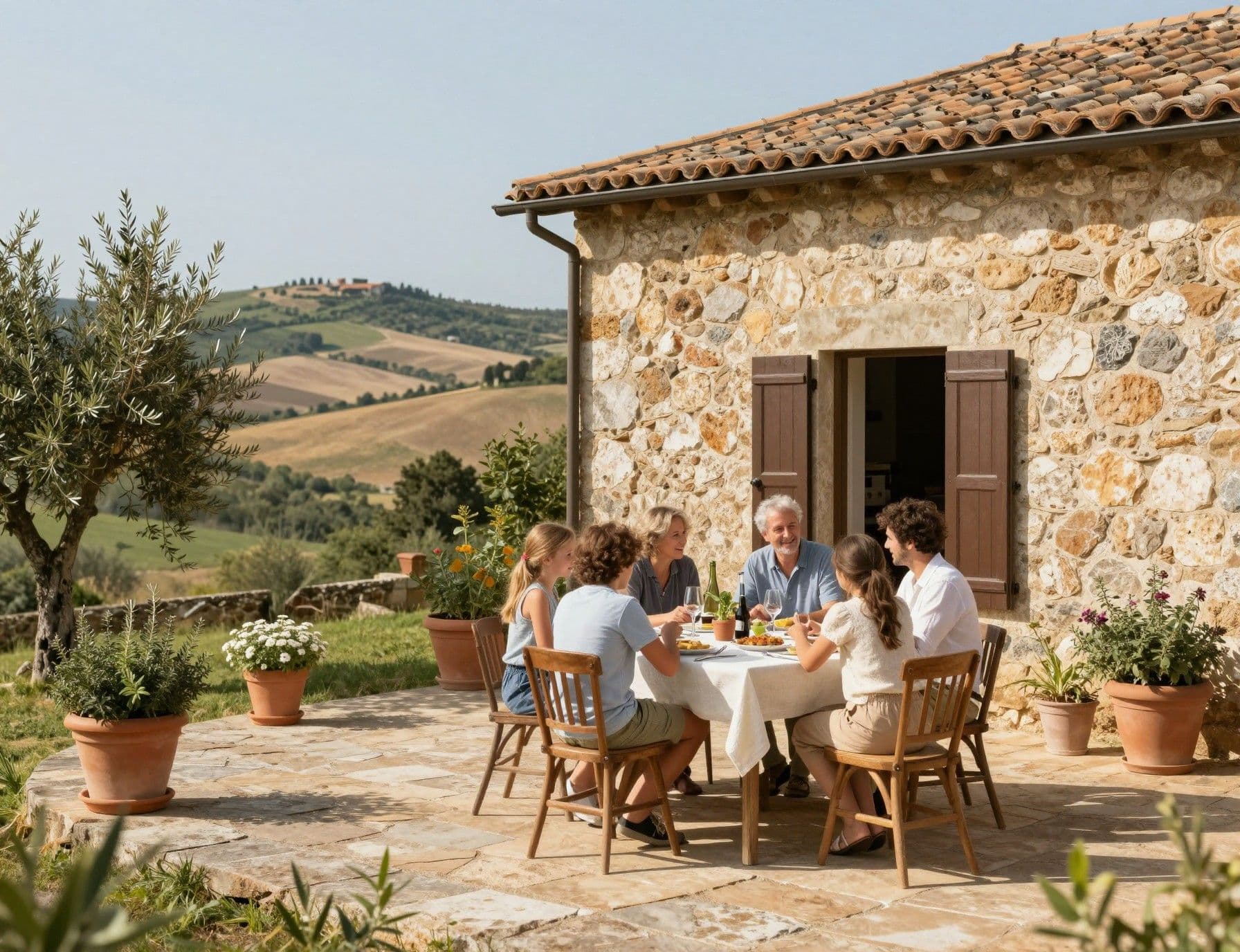
The romance matters—so does timing and local knowledge. Recent industry research shows steady interest from overseas buyers with moderate price growth in prime locations and stronger demand in undervalued coastal and inland towns. Savills and other market reports note resilience in prime segments while regional pockets offer real bargains for buyers willing to restore and steward older buildings. Practical buying in verdant Italy therefore blends lifestyle fit with a clear plan for renovation, access, and seasonal management.
Property types and how they shape daily life
Stone village houses, seaside casette and restored farmhouses each come with a lifestyle trade‑off. A hilltop casa colonica offers privacy, thick walls and room for a productive garden but may need new services; a coastal apartment gives access to beaches and community life but less land for a garden. Energy considerations matter: look for homes with passive design, south‑facing exposures, and room for solar and water capture. Practical comfort often means modest retrofit—insulation, efficient heating, and rainwater management—rather than wholesale replacement.
Working with local experts who know the land
Local agents, geometri (surveyors), and restorers are your lifeline. Choose teams who can read a building’s seasonal behaviour—the way rain runs down a roofline, where roots lift terraces, and which walls retain heat. An agent with experience in green retrofit, heritage permission and local supplier networks will save months and unexpected cost. When possible, work with an agency that understands both the village rhythms and the paperwork—this is especially important where coastal building restrictions or forest‑protection rules apply.
Practical steps to marry lifestyle and purchase
1. Spend several weeks living in the micro‑place—rent locally and test markets, transport and community life. 2. Commission a local geometra survey early to reveal structural quirks, water access and land limits. 3. Build a restoration budget that assumes surprises—plan for 15–30% contingency. 4. Check local planning for coastal, forest or protected‑land buffers before bidding. 5. Prioritise passive upgrades first (insulation, windows, roof repairs) before lux refits. These steps keep the romance intact while protecting your wallet and the landscape.
Insider Knowledge: What Expats Wish They’d Known
Expat stories repeat the same practical truths: the place is more than scenery—it is a set of seasons, neighbours, and small systems that must be learned. Many buyers underestimate the logistics of owning in steep coastal villages or forested valleys: drainage channels need regular clearing, generators or grid upgrades are occasionally necessary, and local schedules (shops closed mid‑day, limited winter ferries) shape how you live. Those who thrive buy relationships as much as property—local artisans, a reliable builder, and a neighbour who can water the garden when you’re away.
Cultural nuances and everyday integration
Language helps, but kindness goes further: a few phrases, punctuality for market bargains and an openness to community rituals (village festas, harvest help, church fairs) will open doors. Many expats join local cooperatives—olive oil pressing, community gardens or repair circles—as the quickest route to belonging. Schools, local health services and transport differ widely, so match your neighbourhood choice to life stage: active families often cluster near larger towns; retirees may prefer small coastal hamlets with seasonal services.
Red flags and green signals when you view a property
Missing drainage, persistent damp or mould in lower rooms (red flag). No documented water rights or ambiguous access routes to the plot (red flag). Evidence of sympathetic retrofit—solar panels unobtrusive, double glazing in timber frames (green signal). Local contacts for repairs and a history of small‑scale maintenance rather than large, rushed renovations (green signal). Nearby active cooperatives or community markets that keep the place alive year‑round (green signal).
Conclusion: Buy the life, then the house. Italy’s verdant coasts and forests reward stewardship: properties are living projects that repay patience with seasons of abundance, market mornings and neighborly dinners. Use local experts, budget for the unexpected, and prioritise interventions that keep the landscape healthy—water capture, native planting, thermal upgrades and sensitive materials. If you want help matching a verdant lifestyle to a realistic property plan, an agency that understands both ecology and local practice becomes the most valuable thing you bring to the table.
British expat who traded Manchester for Mallorca in 2017. Specializes in guiding UK buyers to luxury Spanish estates with clear navigation of visas and tax.