Verdant Greek Coast: Lifestyle First, Practical Next
Greece’s green coasts blend rugged beauty with shifting market rules — visit in different seasons, verify Golden Visa and short‑let limits, and prioritise resilient, low‑impact homes.
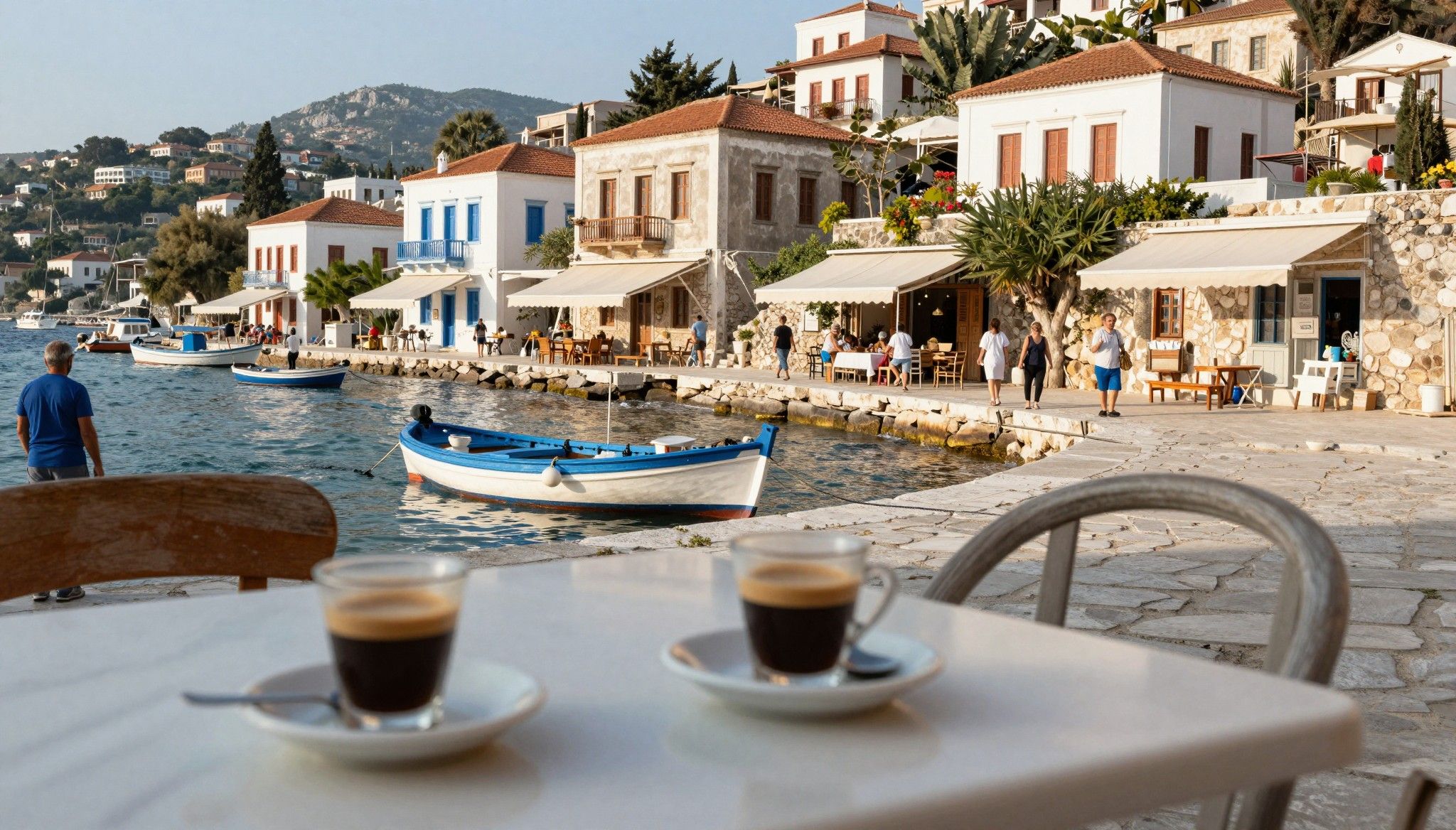
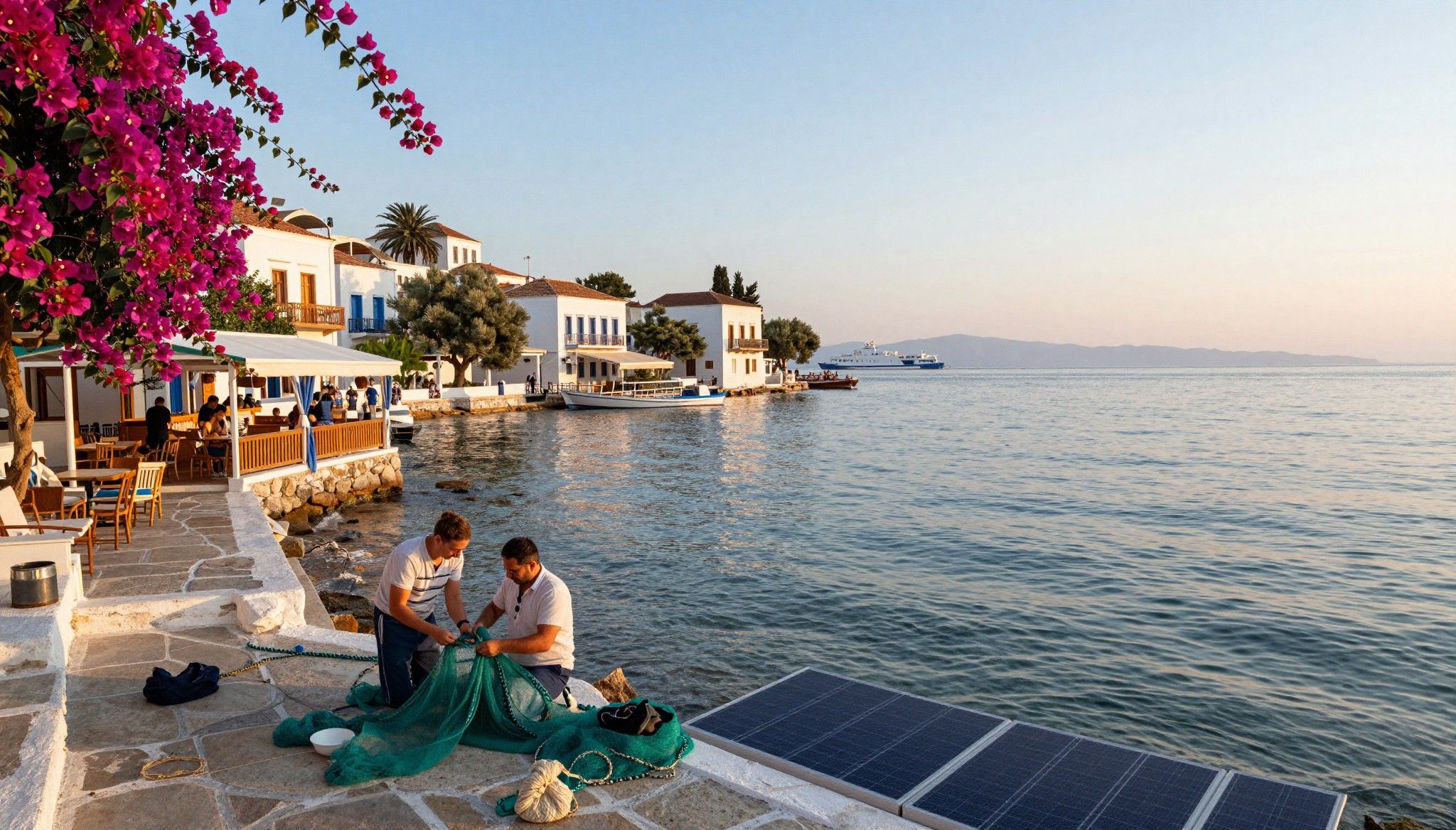
Imagine waking to the smell of warm bread and sea salt, walking past bougainvillea‑clad stone houses toward a cafe on a narrow lane that opens to the light. In Greece those moments are ordinary: mornings measured by espresso, afternoons by siesta‑quiet coves, and evenings by long dinners under fig trees. For buyers who prize green living — homes that breathe, gardens that feed, and a coast that feels untamed rather than manicured — Greece offers a rare blend of rugged coastline, verdant hills and villages that still keep seasonal rhythms. Yet the market has shifted: price growth, new residency rules and local incentives mean the dream must be matched with current facts and local know‑how.
Living the Greek Verdant Coastline Life
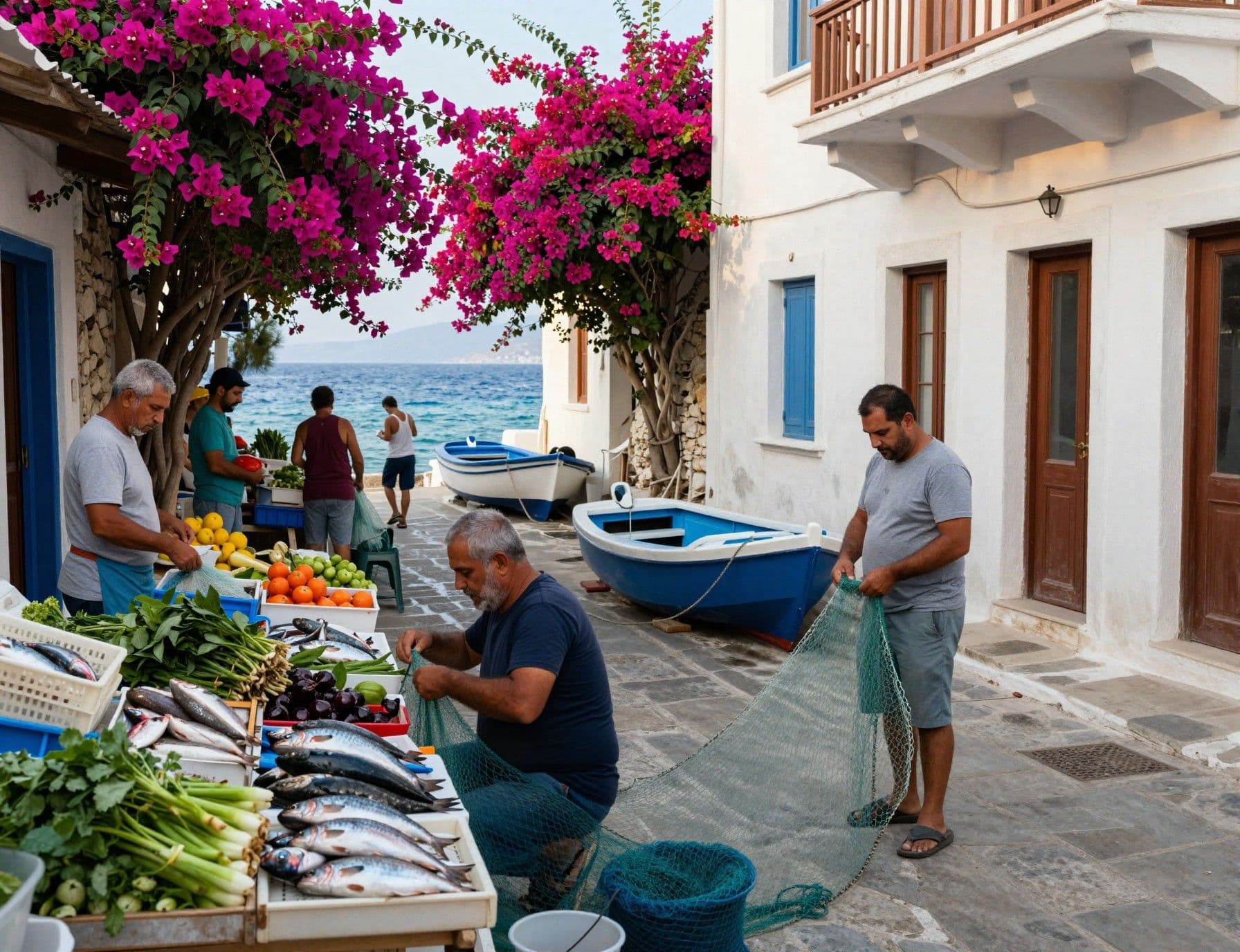
Days here are shaped by light and landscape — olive groves on limestone terraces, pine‑scented walks to hidden pebble beaches, and kitchens built for bringing market finds into simple, seasonal meals. Athens neighborhoods like Koukaki and Pangrati pulse with cafes and artisans, while island villages from Kefalonia to Chios keep centuries‑old craft traditions. Recent data show steady price growth across Greece, reflecting renewed interest from both domestic and international buyers; but that growth is uneven, concentrated in hotspots and tourist islands while inland villages can still offer surprising affordability. Local life rewards patience: you trade immediate convenience for time, space, and a deeper connection to place.
Neighborhoods that feel like home
Koukaki (Athens) is breakfast on marble steps and evening strolls past restored neoclassical facades; in Chania (Crete) mornings mean the old Venetian harbour while afternoons melt into taverna chatter; in Lefkada and the Ionian coast you find windswept villas with native gardens that attract sailors and nature lovers. Each place shapes daily rituals — the markets, the bakery on the corner, the beach you reach by dirt track — and those rituals should guide which property type you choose.
Food, markets and the seasonality of life
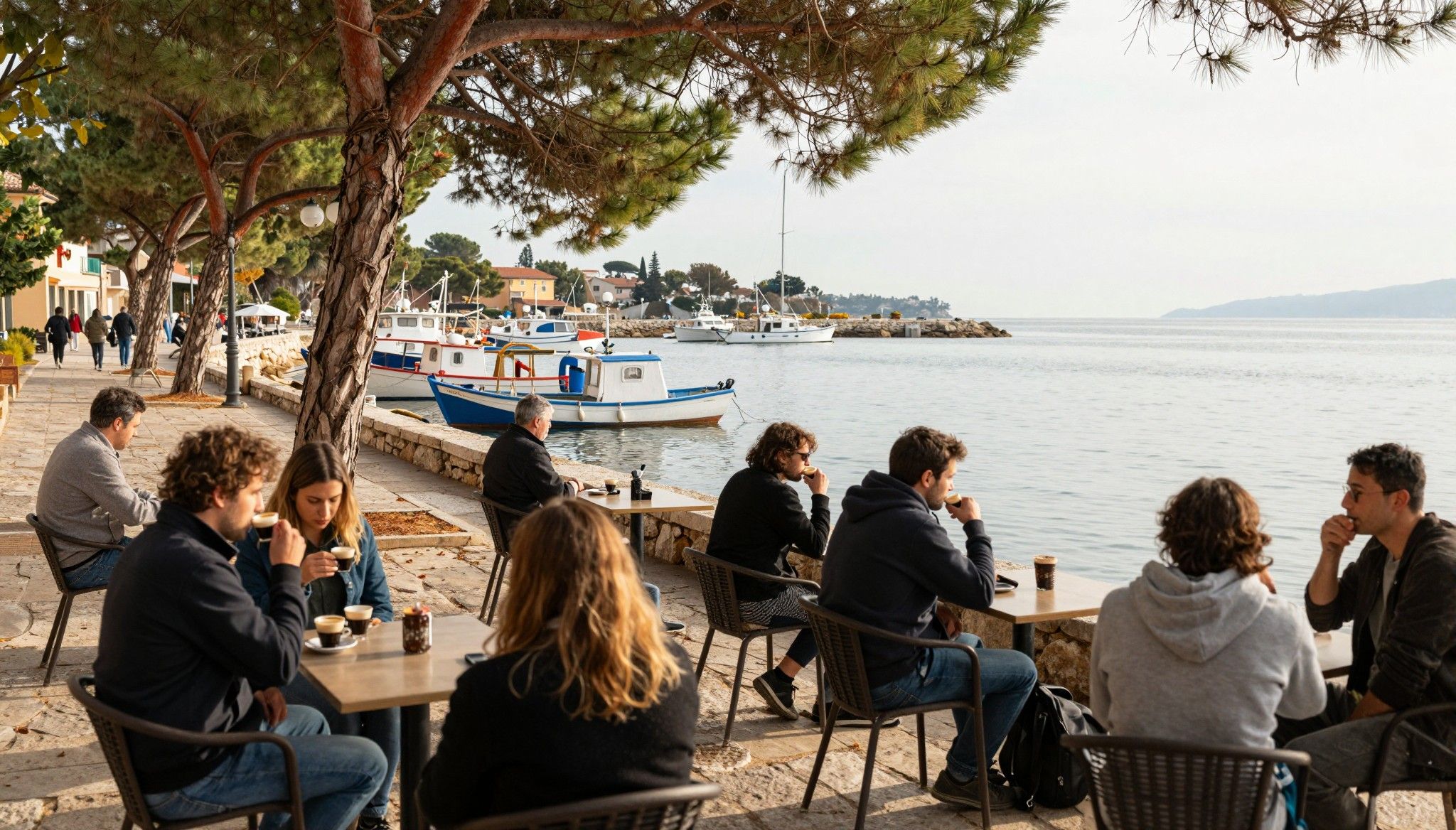
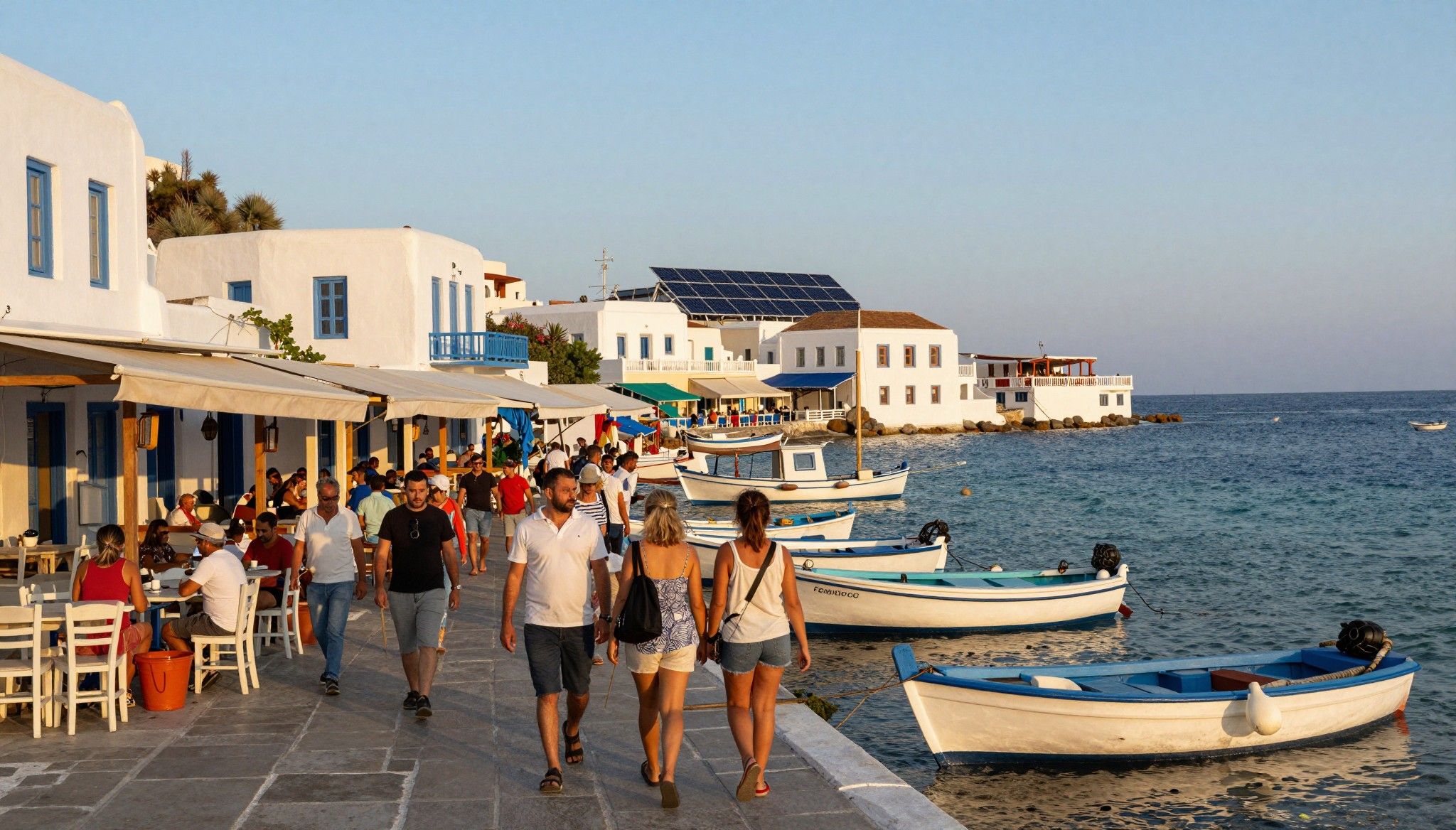
Mornings are for fish markets and farmer stalls where you’ll learn the seasonal calendar — wild greens in spring, figs in late summer, mandarins in winter. The local economy and property seasonality are tied: seaside towns hum in summer and quiet down to reveal a truer year‑round community in autumn and winter. That rhythm affects rental demand, renovation timelines and how you’ll actually use a property through the year.
Lifestyle highlights to seek in a verdant Greek property: - A south‑facing terrace with room for potted citrus and shade trees - Native‑plant gardens and terraced land that reduce irrigation needs - Stone or timber features that age gracefully and connect to local craft - Proximity to a weekly market (name the market when you visit) - Access to short hiking trails, local beaches, or coastal fishing coves - A flexible indoor/outdoor layout for long seasons of social life
Making the Move: Practical Considerations (With a Green Lens)
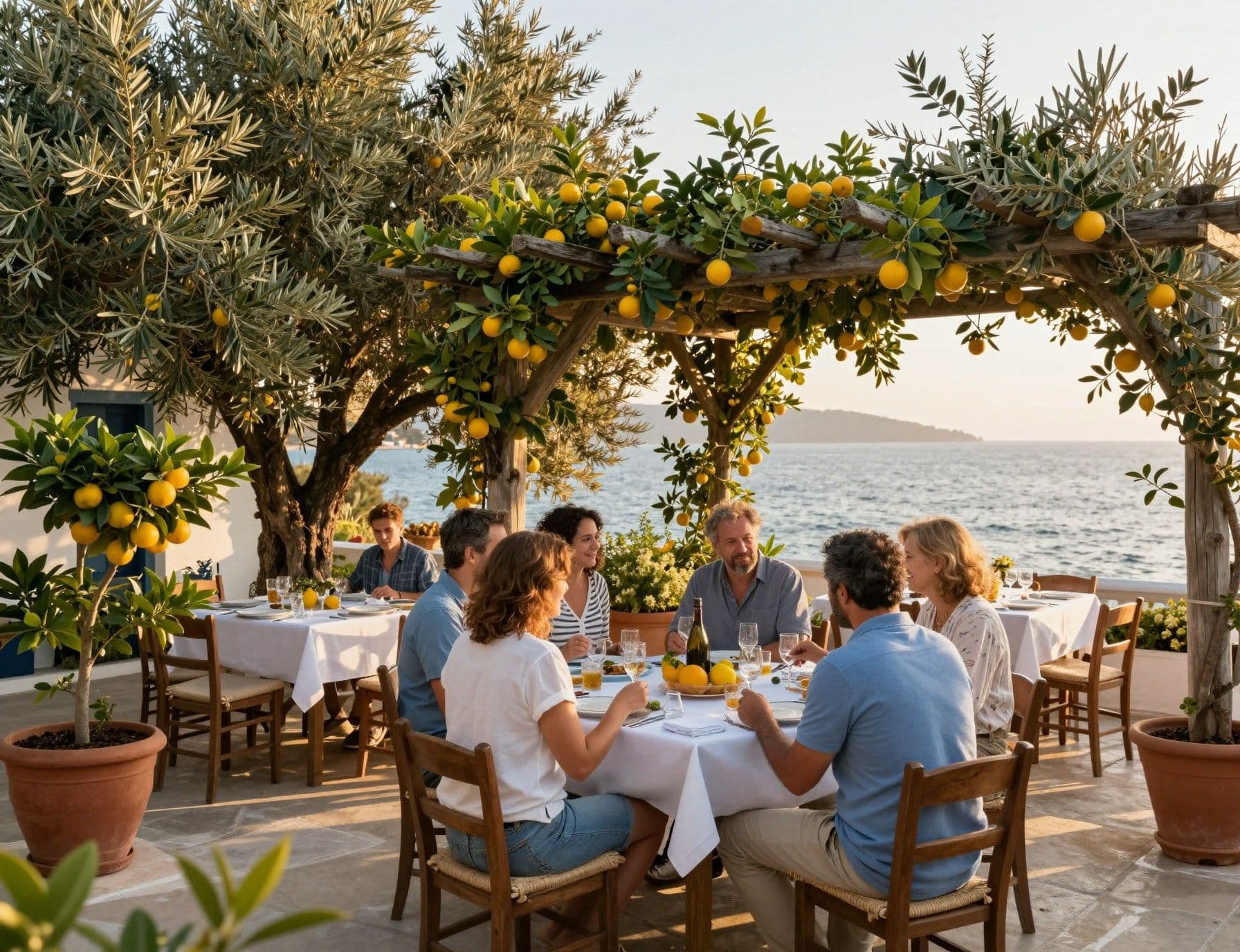
Once the romance of mornings and markets settles, you’ll need to align lifestyle choices with local realities: annual property taxes (ENFIA), building standards for seismic safety, and the practicalities of tying a home to the land — olive‑press proximity, water rights, and road access. Proper planning preserves both ecology and wallet: invest in a roof and insulation that reduce energy needs, and prioritise gardens that restore rather than demand heavy watering. The Greek state now offers specific tax and insurance incentives for resilience and disaster coverage, which can reduce the annual cost of stewardship if you plan ahead.
Property styles and how they fit daily life
Stone cottages with thick walls keep summers cool and are ideal for gardeners; renovated townhouses place you at the heart of social life but often need careful retrofitting for insulation and plumbing; new low‑impact builds can deliver solar readiness and greywater systems but may sit outside ancient village plots. Think beyond square metres: consider light, cross‑ventilation, and the possibility to add photovoltaic panels or a rainwater cistern without violating local conservation rules.
Working with local experts who understand place
Agents who know local microclimate, traditional building methods and recent regulatory shifts (including Golden Visa reforms) save time and cost. Since law changes in 2023–24 adjusted minimum investment thresholds and limited short‑term rental use in some areas, your advisor should map visa eligibility, renovation consent rules, and municipal conservation zones before you fall in love with a view. A team that combines an architect familiar with seismic retrofits, a local lawyer who speaks both your language and cadastral jargon, and an agent who lives in the community is priceless.
Steps to align lifestyle wants with buying practicality: 1. Visit across seasons — see the village in late autumn and mid‑summer to feel true rhythms. 2. Commission an environmental and structural survey before offering — ask about water, soil and wildfire risk. 3. Confirm local planning restrictions and Golden Visa eligibility before contract signing. 4. Budget for retrofits that add resilience: insulation, seismic reinforcement, and solar. 5. Meet neighbours and local producers — community integration often determines long‑term satisfaction.
Insider Knowledge: What Expats Wish They'd Known
Expat buyers we met said the biggest surprise was how much local time matters: seasons, municipal pace and neighborly norms shape daily life more than any glossy listing. Another truth — legislative changes around residency and short‑let rules have shifted demand, opening opportunities away from the usual islands. Where sellers once pushed short‑let returns as the headline benefit, many experienced buyers now prioritise long‑term stewardship and community fit.
Cultural integration and everyday rhythms
Learn a few phrases, join the market on Saturday, and always offer a small gift when you meet new neighbours — these gestures open doors faster than professional introductions. Local clubs, church festivals (panigyria), and olive harvest gatherings are where real belonging begins. Practically, being present during harvest or school terms gives you insight into noise, traffic and community life that photos can’t convey.
Long‑term lifestyle and stewardship considerations
Think of the purchase as joining an ecosystem: choose materials and systems that reduce resource strain, favour native planting, and plan for multi‑season use so your house serves you well in winter and summer. Market data suggests many foreign buyers use properties as second homes rather than speculative flips, which affects where long‑term value sits — in places with real community and ecological assets rather than just headline views.
Red flags and green redirections: - Listings that hide access: confirm road conditions and municipal maintenance. - Promises of short‑let returns where local rules now restrict them — verify ordinances. - Properties with degraded terraces or olive groves lacking legal irrigation — check water rights. - New builds with no thermal design or planning for solar — ask for energy modelling. - Sellers urging quick cash offers without documented permits — insist on full paperwork.
If you love the scent of pine and the sound of a small port at dusk, Greece can be a place that refills you. Start with visits outside high season, work with local experts who value stewardship, and plan renovations that honour local craft and ecological resilience. When lifestyle and practical planning meet, you don’t just buy a house — you become part of a living landscape.
Norwegian market analyst who relocated from Oslo to Provence; guides investors with rigorous portfolio strategy and regional ecological value.