Verdant Greece: Coast, Forests and Smart Buying
A sensory-led look at verdant Greece — where coastal pines, village markets and evolving market rules meet practical buying steps backed by recent reports.
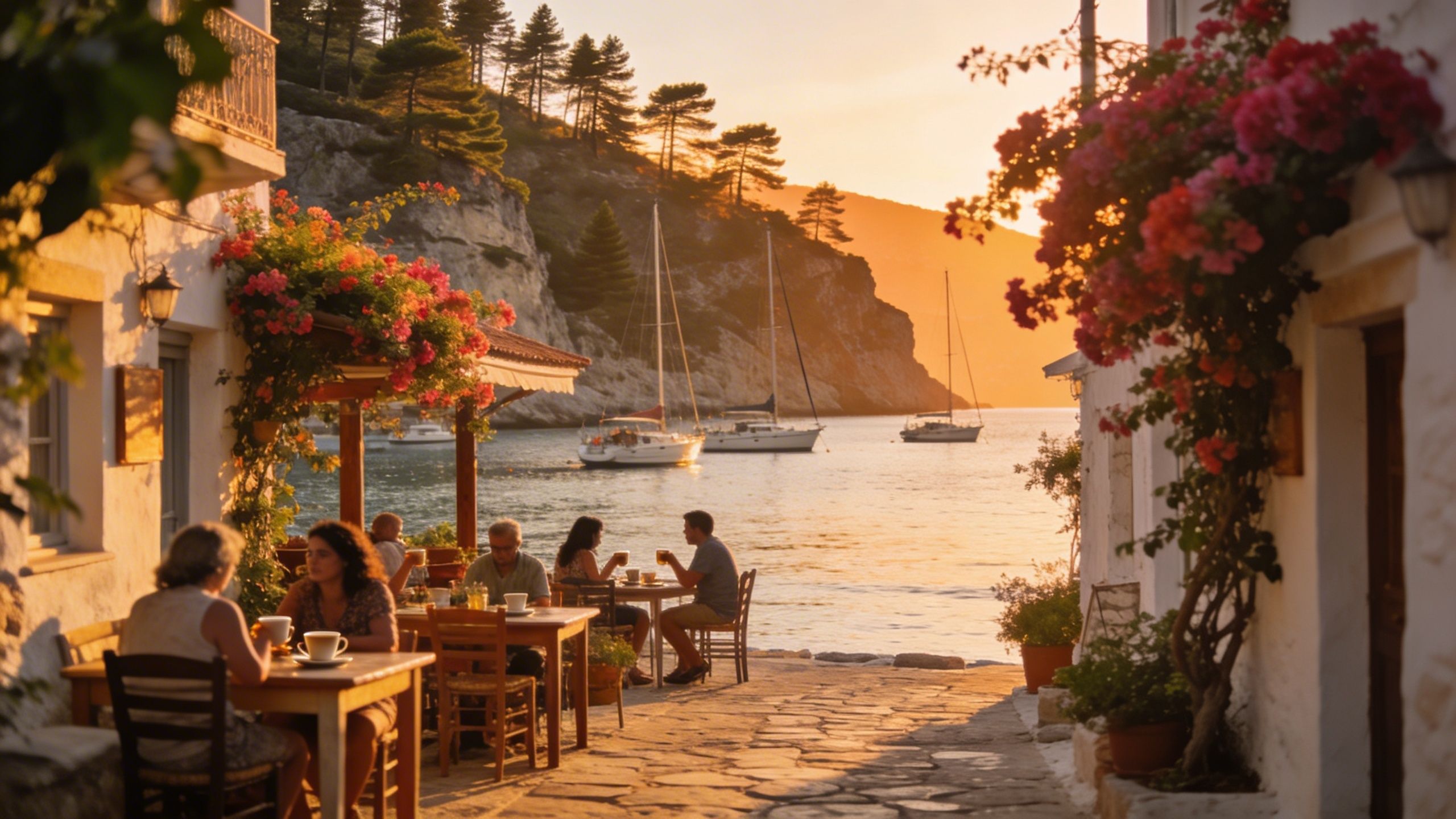
Imagine waking to the sound of waves and church bells, then walking through a sun-warmed market where olives, wild greens and ceramic jugs are stacked by family stalls — that first slow, sensory morning is what selling Greece to the heart feels like. For international buyers drawn to verdant coasts, pine‑fringed bays and centuries‑old stone houses, Greece is not a postcard but a lived rhythm: afternoon cafes, evening cookouts under grapevines, winters that coax inward repair and summers that pull life outside. Yet beneath the light and limestone lies a market shaped by policy shifts, short‑term rental pressure and rising city prices — facts worth knowing before you fall completely in love.
Living the Greece lifestyle: light, landscape, and rhythm
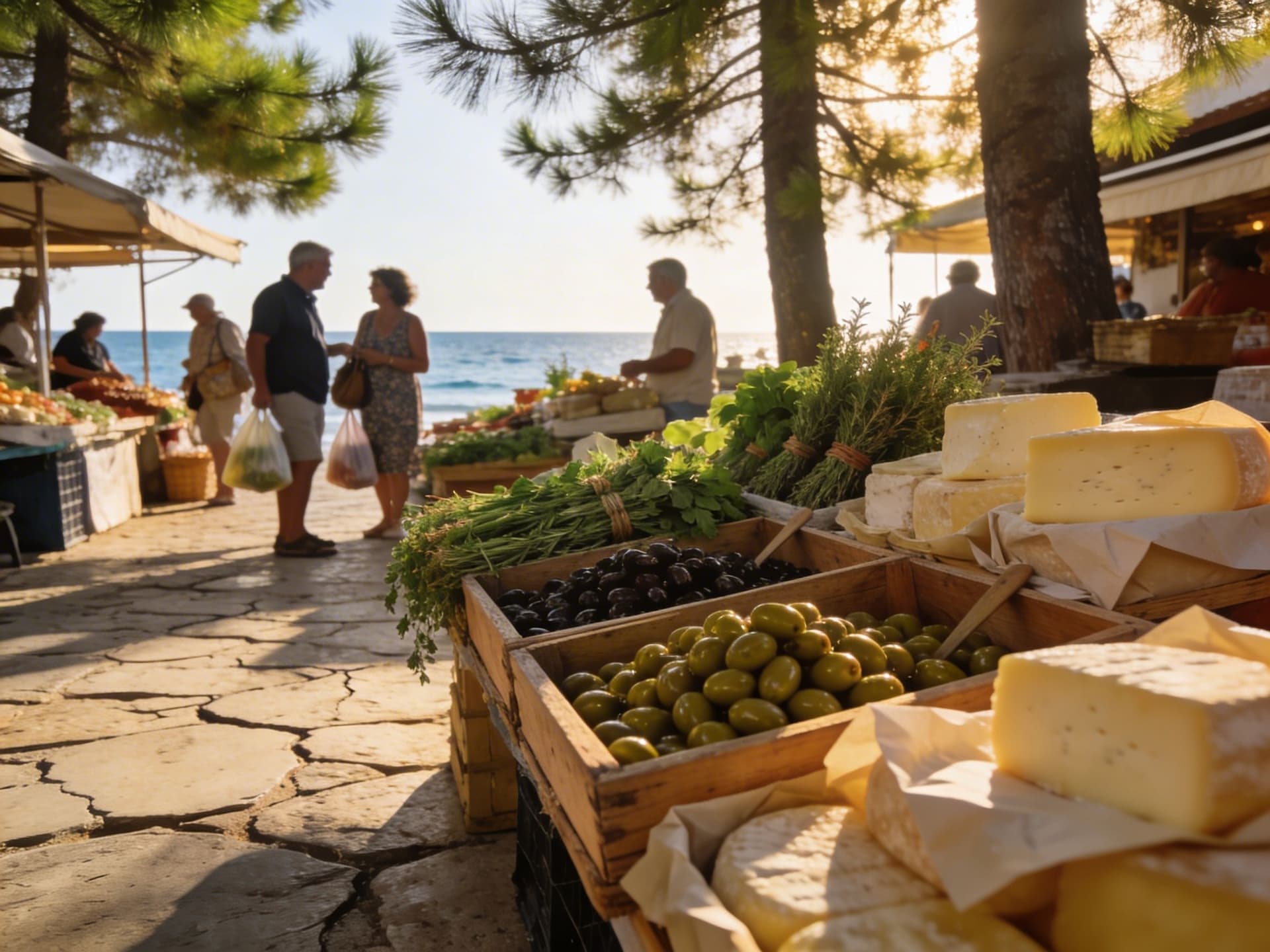
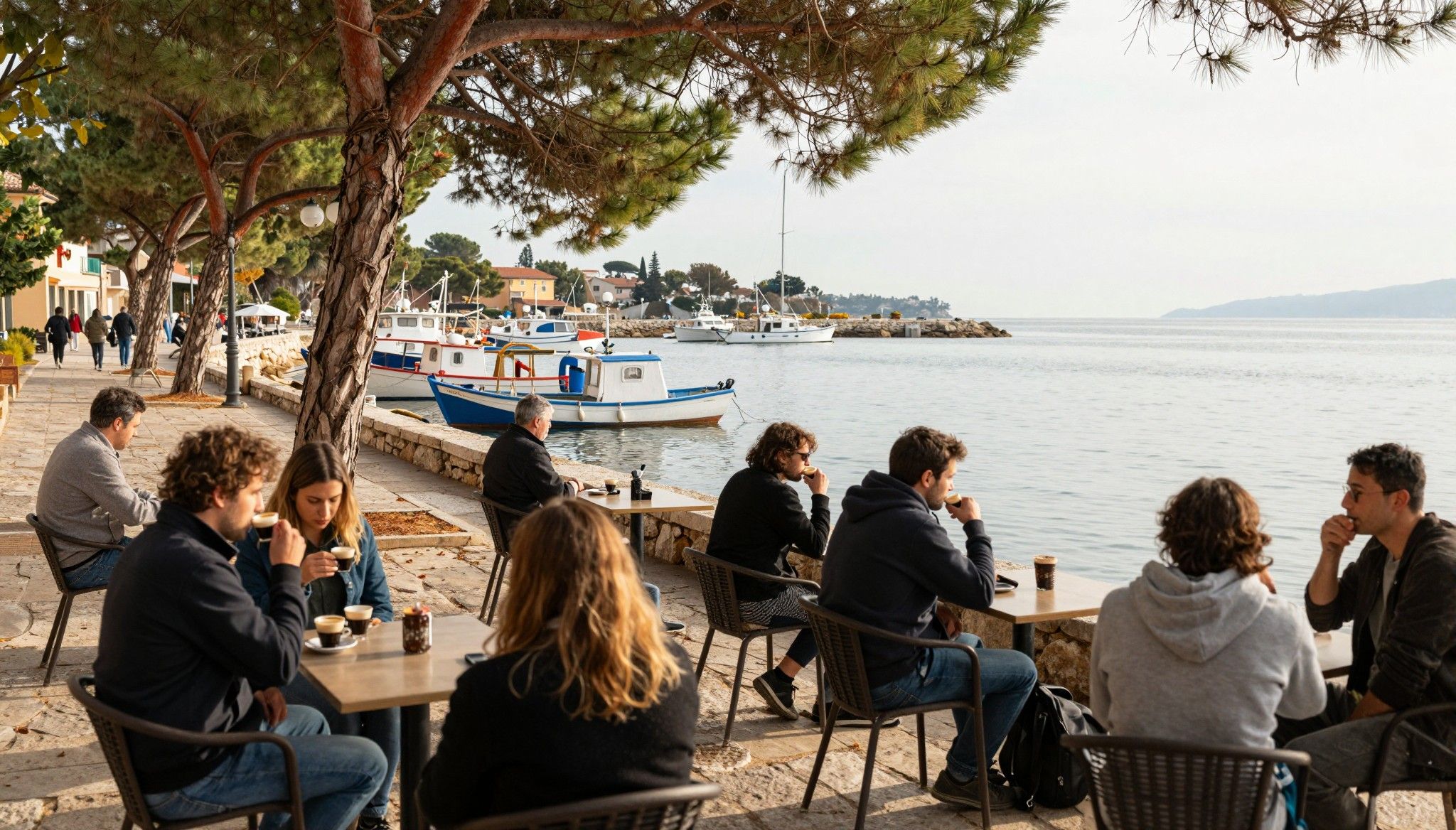
Daily life in Greece moves with seasons. Mornings are for cafes and markets (think Koukaki and Monastiraki in Athens), afternoons for siesta‑light walks along coastal promenades (Palaio Faliro, Chania’s Nea Chora), and evenings for tavernas where locals debate the day over roasted fish and wild greens. The climate invites open, indoor‑outdoor homes: terraces shaded by pergolas, courtyards with pomegranate trees, and kitchens built for slow, social cooking.
City pulse and coastal calm: neighborhood contrasts
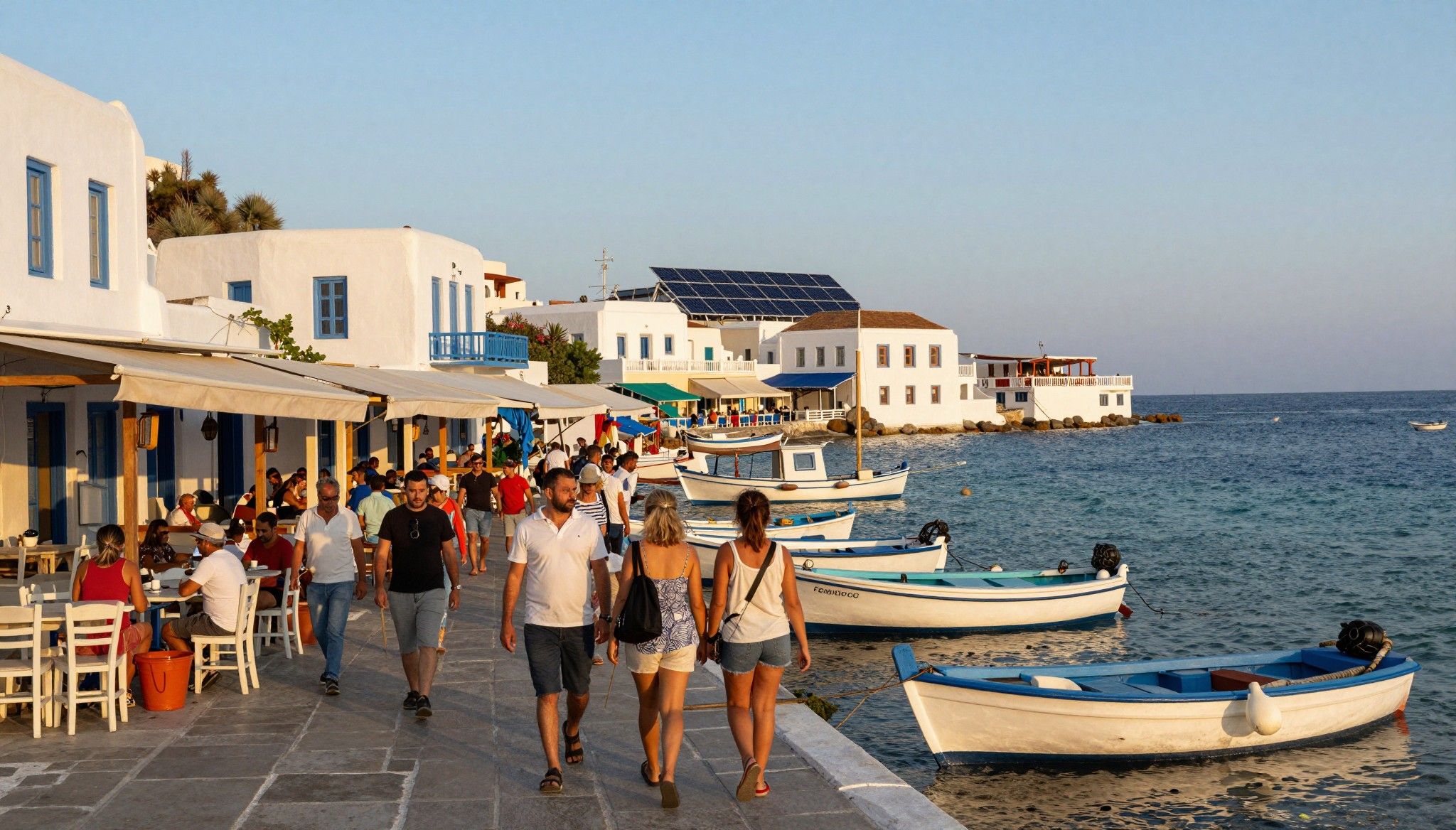
Athens offers neighborhoods that read like chapters: Plaka’s mosaic of tourist‑friendly lanes, Koukaki’s cafe culture and quieter narrow streets, and Glyfada’s coastal suburbia with yacht clubs and pine‑backed beaches. On the islands, Naxos and Kefalonia combine agricultural hinterlands with shoreline life, while Crete’s Rethymno and Chania feel like villages scaled up — markets, family bakeries, and old Venetian harbours stitched to olive groves.
Food, markets and small‑scale ritual
Greece’s food scene is neighborhood first: the morning fish stall at Varvakios Market, a mid‑week laiki (local market) with seasonal greens, a seaside taverna that knows your order after the third visit. Taste is a geography here — honey from Mount Parnassus, wild greens from Mani, and raki in Crete — and these tastes shape where people choose to live and renovate, preferring properties with working courtyards, productive terraces and room for an herb garden.
- Morning espresso in small cafes on Kydathineon Street (Plaka); late afternoon swims at Agios Nikolaos beach (Halkidiki); Tuesday laiki in Chania; barefoot dinners under jasmine in a Naxos courtyard; a Saturday hike in Vikos Gorge ending at a taverna; winter pruning of olive trees in Lesvos.
Making the move: lifestyle-led, data‑aware decisions
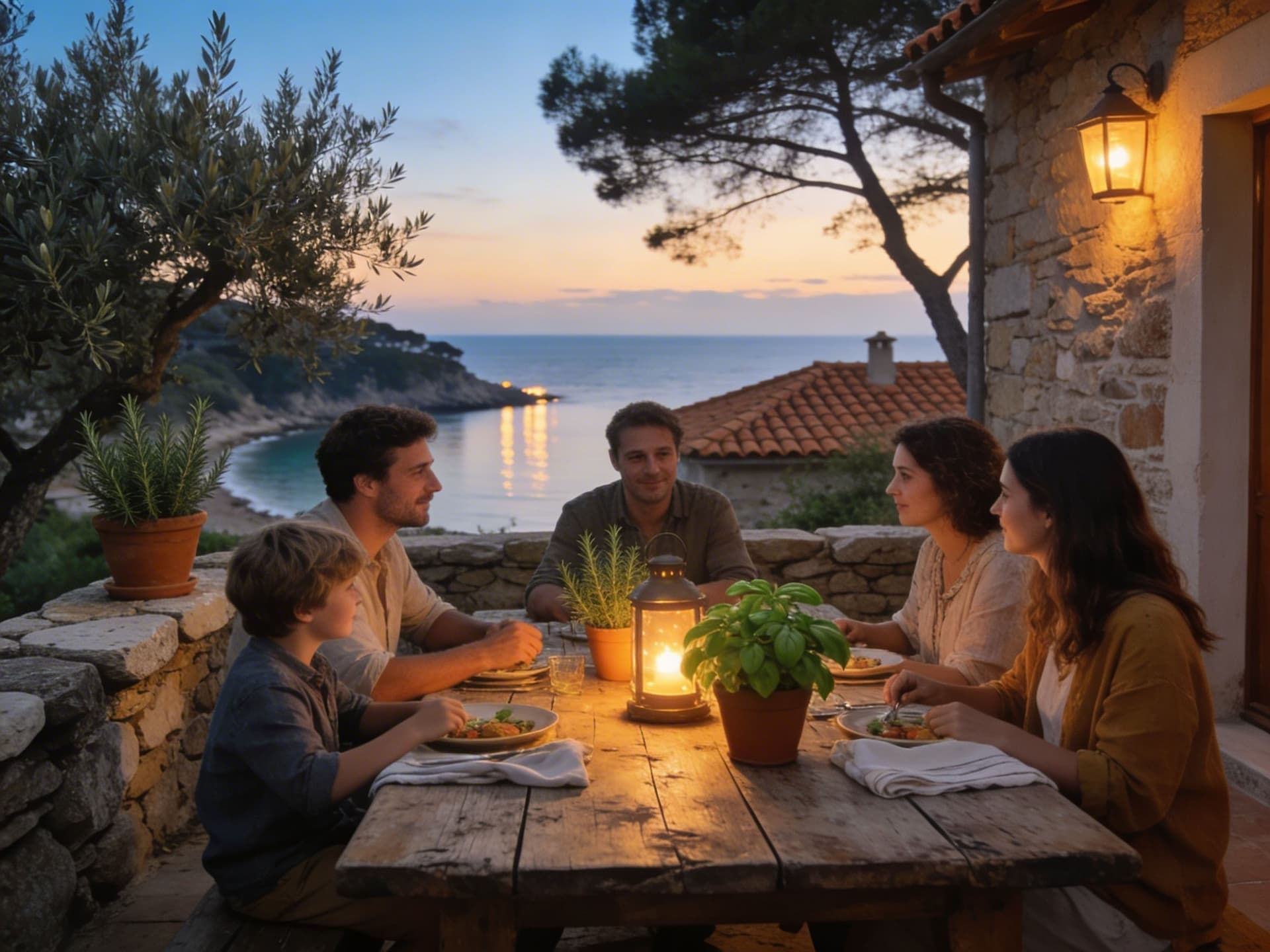
The romance of place needs the ballast of facts. Recent data show Greek residential prices rising in the last few years, pushed by limited supply, tourism returns and stronger domestic demand. According to national and industry reporting, prices grew materially across urban and island markets — a pattern that reshapes where value sits and how quickly desirable coastal or forested plots move off market. Use these trends to time visits, not to chase a rapid flip.
Property styles that suit verdant coastal living
Stone village houses, restored Venetian townhomes, mid‑century beachfront villas and contemporary eco‑retreats each offer a different relationship to the land. If your dream is edible gardens and shade, prioritise properties with courtyards, mature trees and rainwater capture potential. If you want sea proximity with privacy, seek terraces and natural screening rather than cleared plots that strip the native canopy.
Work with local experts who know where regulations and short‑term rental pressures matter. Recent government moves to tighten short‑term rental licensing in central Athens and changes to Golden Visa thresholds have shifted buyer demand; experienced agents can identify neighbourhoods where long‑term community life still thrives and where sensible rental rules protect year‑round residents.
- Hire a local agent specialising in green retrofit and local zoning; visit outside peak season to feel real neighbourhood rhythms; prioritise properties with mature vegetation and water‑saving potential; ask for a neighbourhood rental and residency history from the agent; budget for moderate renovation to integrate thermal comfort (shutters, insulation, passive cooling); plan for reliable local services (maintenance, gardening, waste).
Insider knowledge: what expats wish they’d known
Expat conversations quickly turn to a few repeating truths: summers are social and surface‑bright, winters reveal the real plumbing needs, and community acceptance matters as much as property condition. Many buyers underestimate the small daily frictions — timing of deliveries in narrow lanes, the cadence of municipal services, and how festivals rearrange public life — all of which shape whether a house becomes a home.
Language, local customs and community life
Basic Greek goes a long way. Learn simple phrases for greetings, market bargaining and thanks — neighbours respond to effort. Participate in local events (panigyria, olive harvests) and offer small help in community gardens; these gestures smooth bureaucracy and invite invitations to shared meals. Local friendships often open doors to trusted craftspeople and quieter listings.
Long‑term stewardship: making a property part of the ecosystem
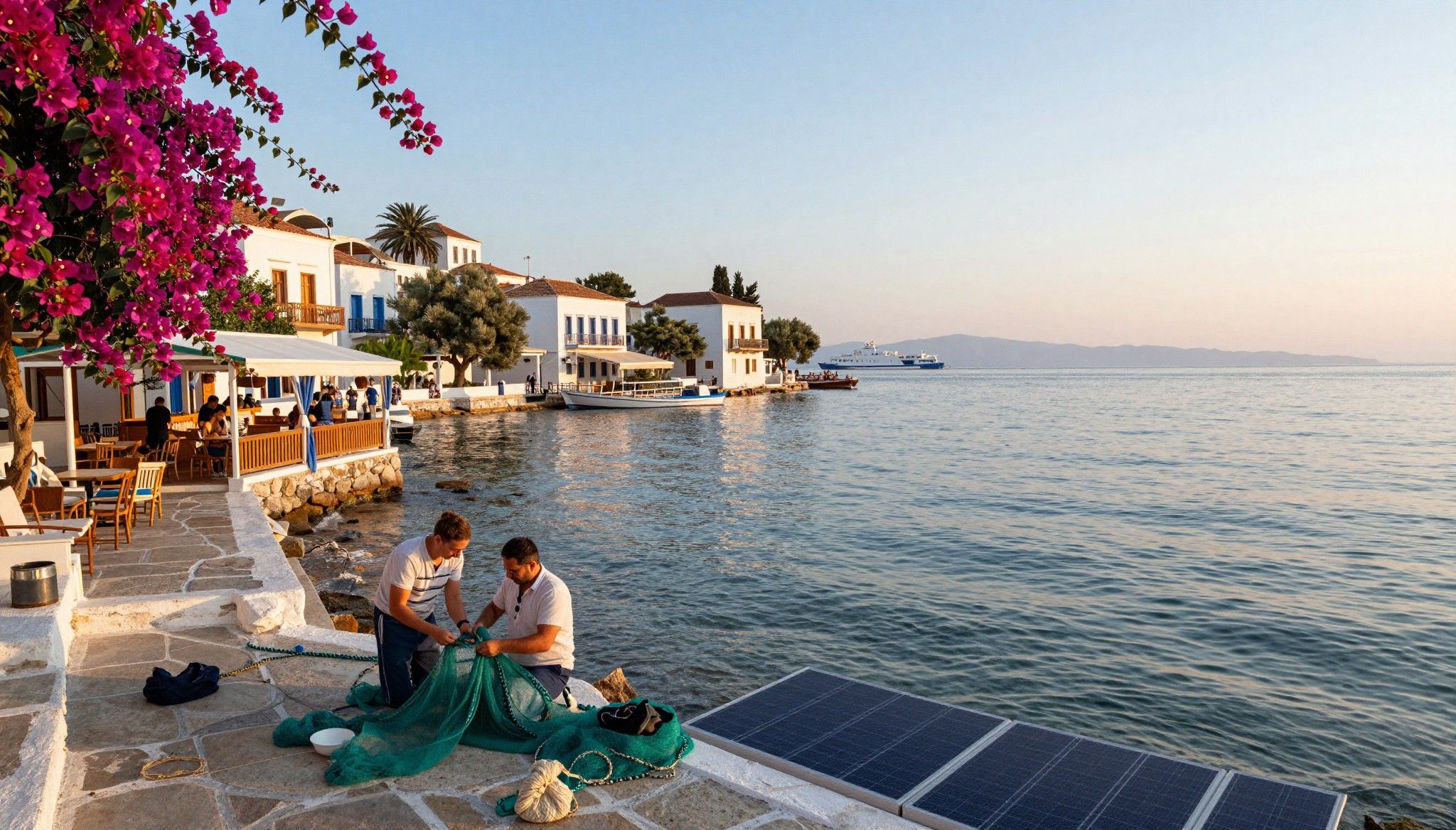
Think beyond purchase: plan for energy resilience (solar panels and batteries), water management (cisterns, greywater), and biodiversity (native plantings and pollinator gardens). These choices lower living costs, protect the landscape and make the home a regenerative presence. Insist on natural materials in renovation to retain breathability and local character.
- Ask sellers for recent energy bills and roof condition; check municipal short‑term rental moratoria; verify water access and rights; confirm olive tree ownership and agricultural classification; request multi‑year property tax history; prioritise agents with local green‑retrofit experience.
If you’re dreaming of Greece, imagine more than a view: picture the neighbour who shares figs at the gate, the market stall that knows your order, and the winter light that makes home projects slow and satisfying. Then pair that dream with up‑to‑date market data, a local agent who understands both permits and people, and a stewardship plan that keeps your home part of the landscape for decades.
Swedish advisor who left Stockholm for the Costa Brava in 2019. Specializes in sustainable, sea‑view homes for Scandinavian buyers and green finance insights.