Verdant Coasts of Italy: Eco Living & Smart Buying
Verdant, rugged coasts in Italy blend wild landscapes with accessible buying opportunities—pair seasonal visits, conservation-focused experts and phased eco-upgrades to secure a low-impact coastal home.
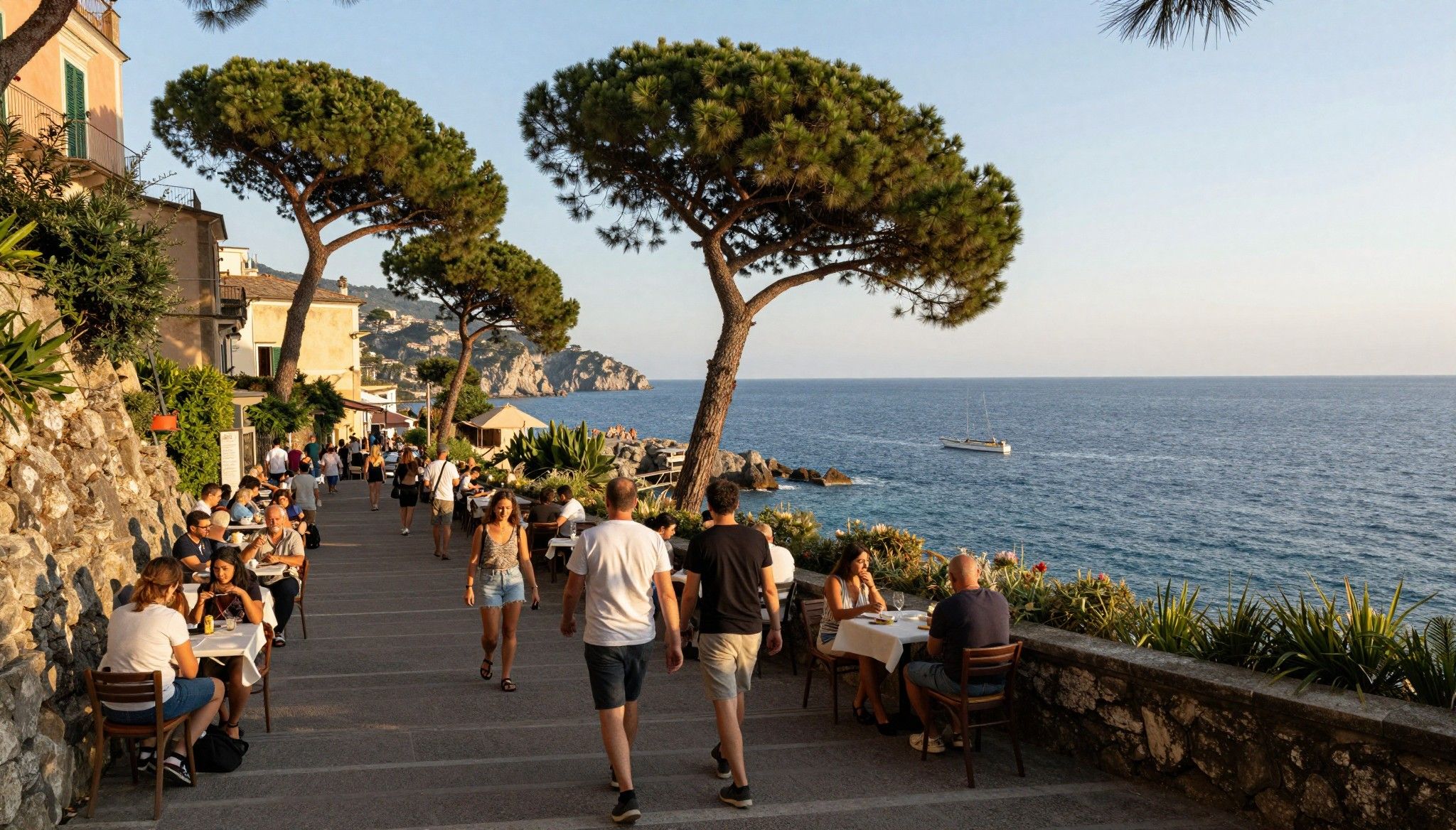
Imagine waking to the sea-salt scent of rosemary, walking past a café on Via Roma where the barista remembers your name, then slipping into a shaded trail that drops to a rocky cove. This is coastal Italy rewilded — places where cork oaks, olive terraces and wind-brushed pines meet dramatic cliffs. For international buyers drawn to verdant, rugged coasts and forested hills, Italy offers a life framed by seasons, markets and slow mornings — but the smart move is to pair that romance with on-the-ground data and local expertise.
Living the verdant Italian coast: what it actually feels like
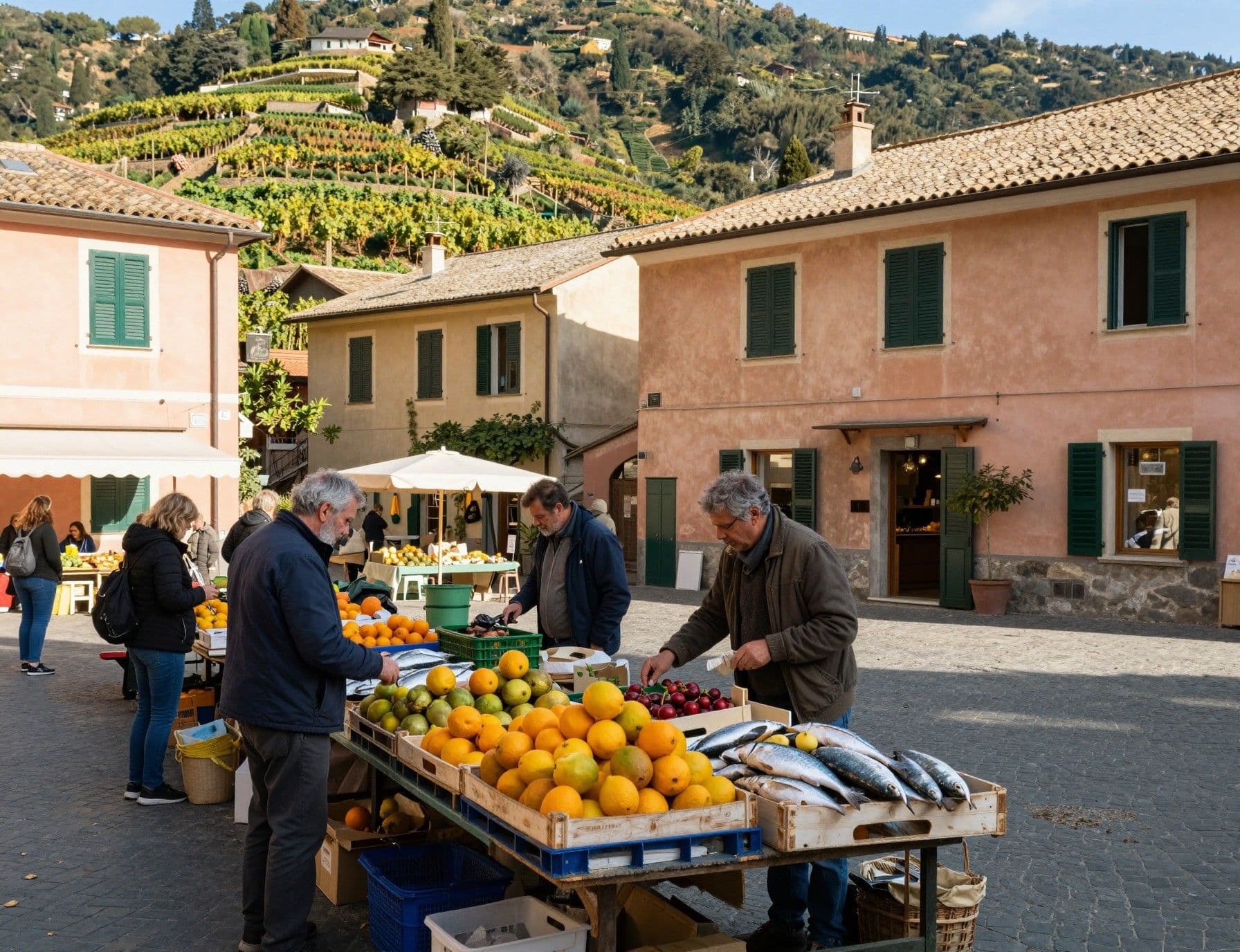
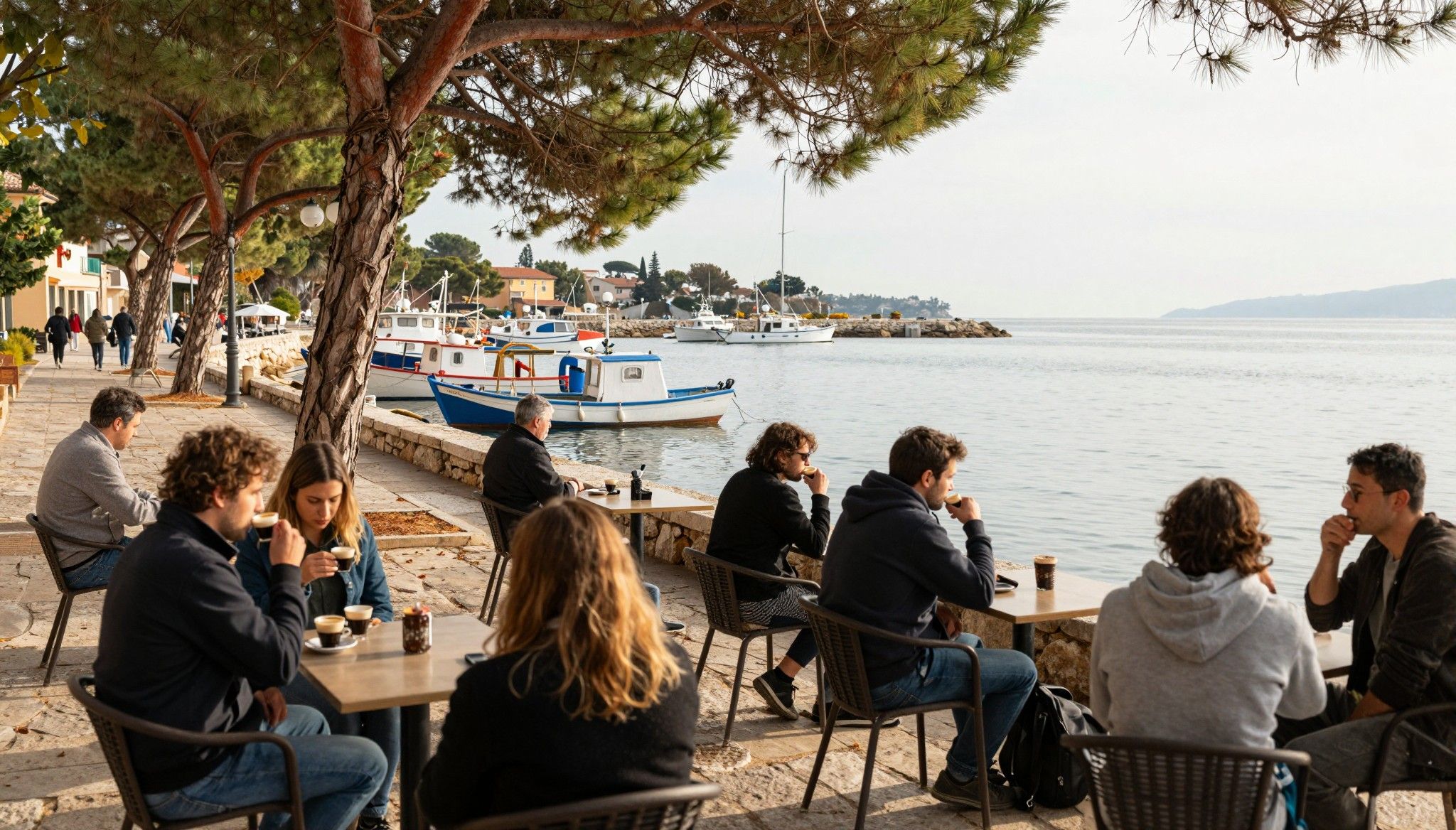
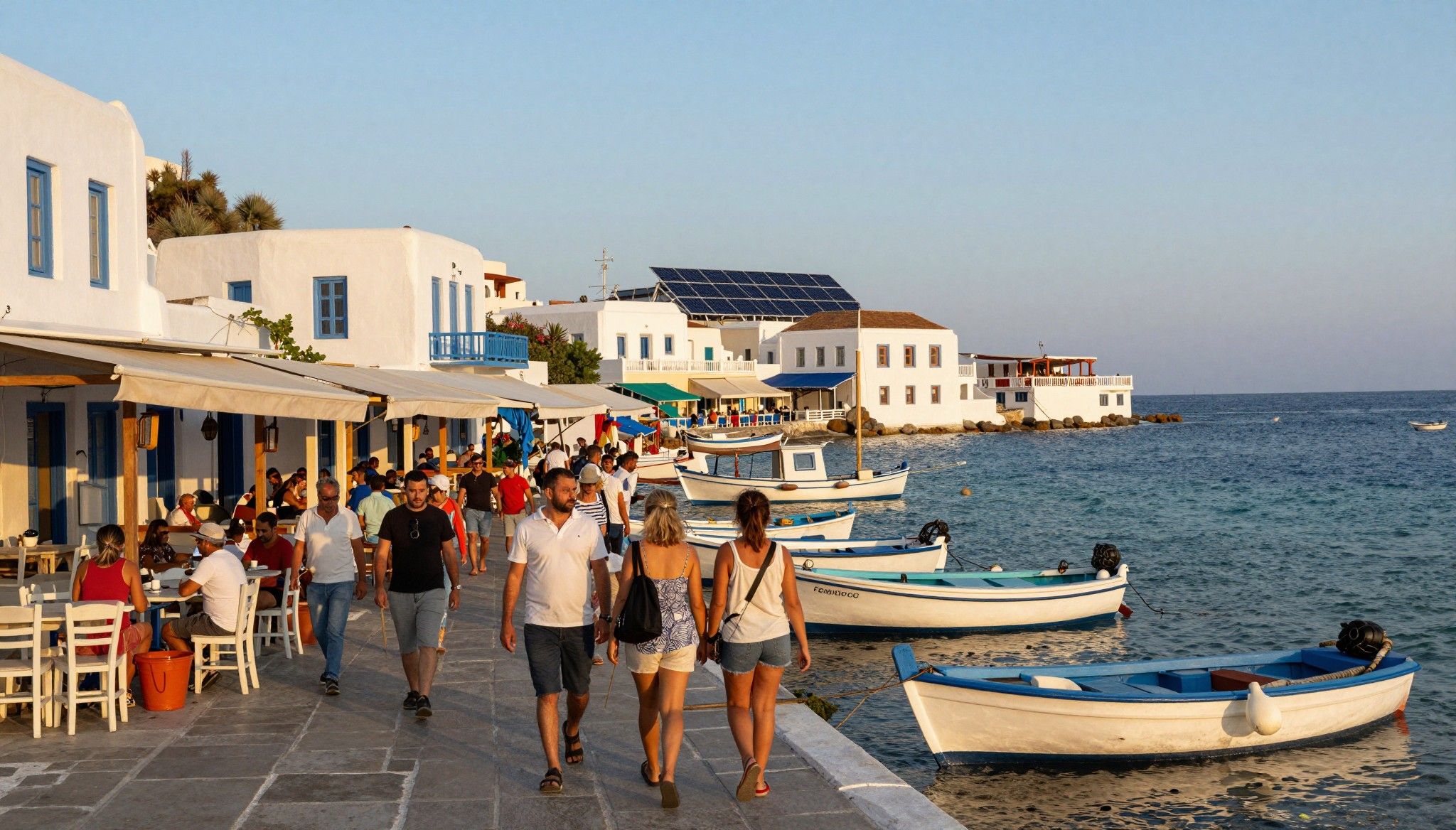
Daily life in Italy’s green coastline is a collage of small rituals: espresso at dawn, fish markets at midday, evening passeggiata under plane trees. The rhythm shifts by region — Liguria’s pastel harbours and terraced lemon groves feel more compact and coastal, while parts of Tuscany and Marche offer slow-rising hills, chestnut woods and secluded bays. Buyers who imagine postcard perfection should also imagine seasonal logistics: narrow lanes, terraced plots, and houses that were built for breathability and local materials rather than insulation-first living.
Liguria & Cinque Terre: intimate harbours and wild footpaths
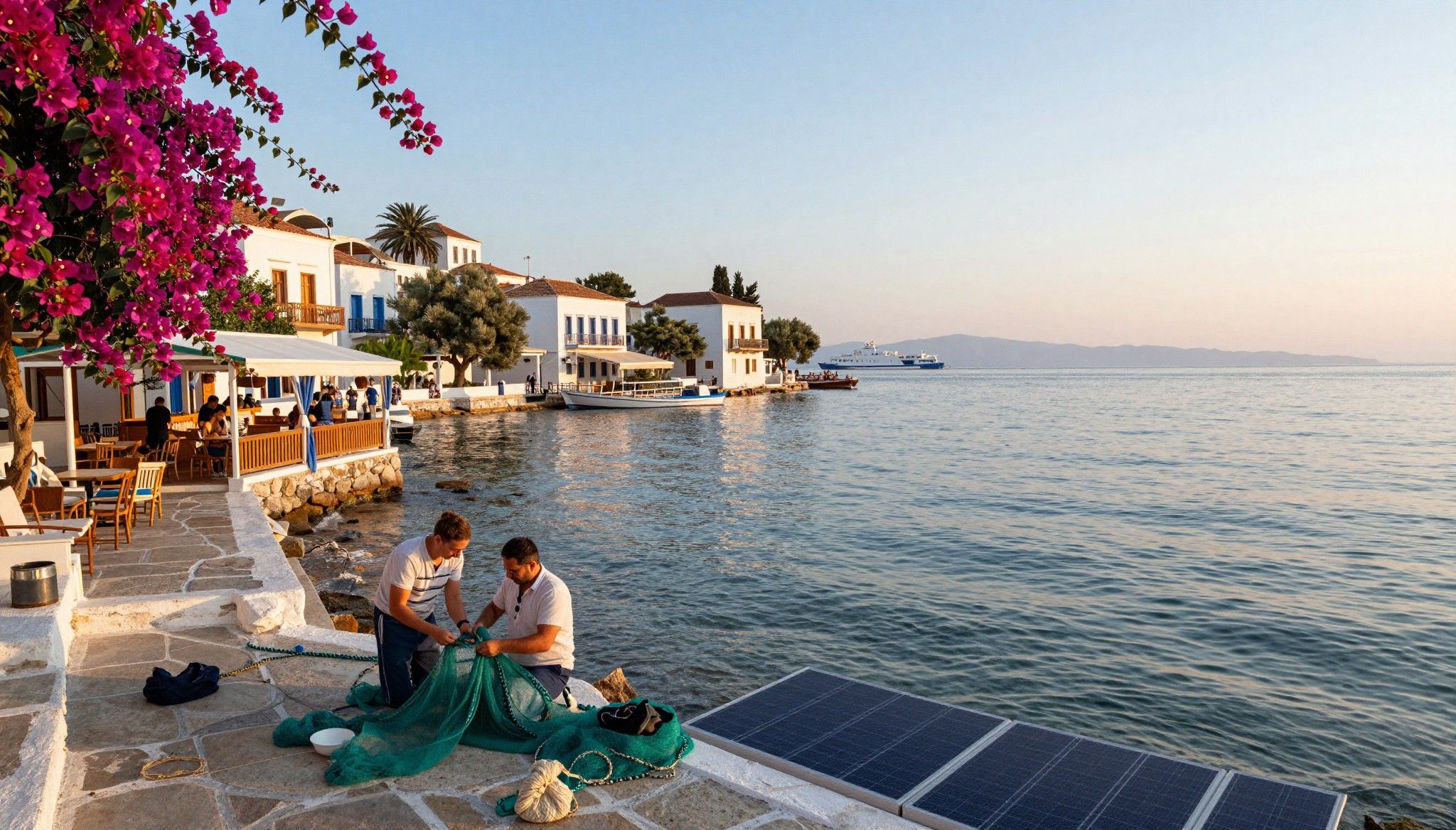
Picture Vernazza’s stepped lanes, fishing nets drying on sunlit walls and hiking paths that thread vineyards and Mediterranean scrub. Properties here are compact — stone houses, often with terraces squeezed above the sea — and the lifestyle is intensely outdoor: early morning hikes, late risottos by the harbour, and summers that brim with visitors. For eco-minded buyers, micro-renovations that restore traditional lime plaster, add solar-thermal hot water and prioritise native plantings make these homes both livable and respectful of fragile landscapes.
Tuscany’s coastal fringe & Maremma: olive groves and tidal estuaries
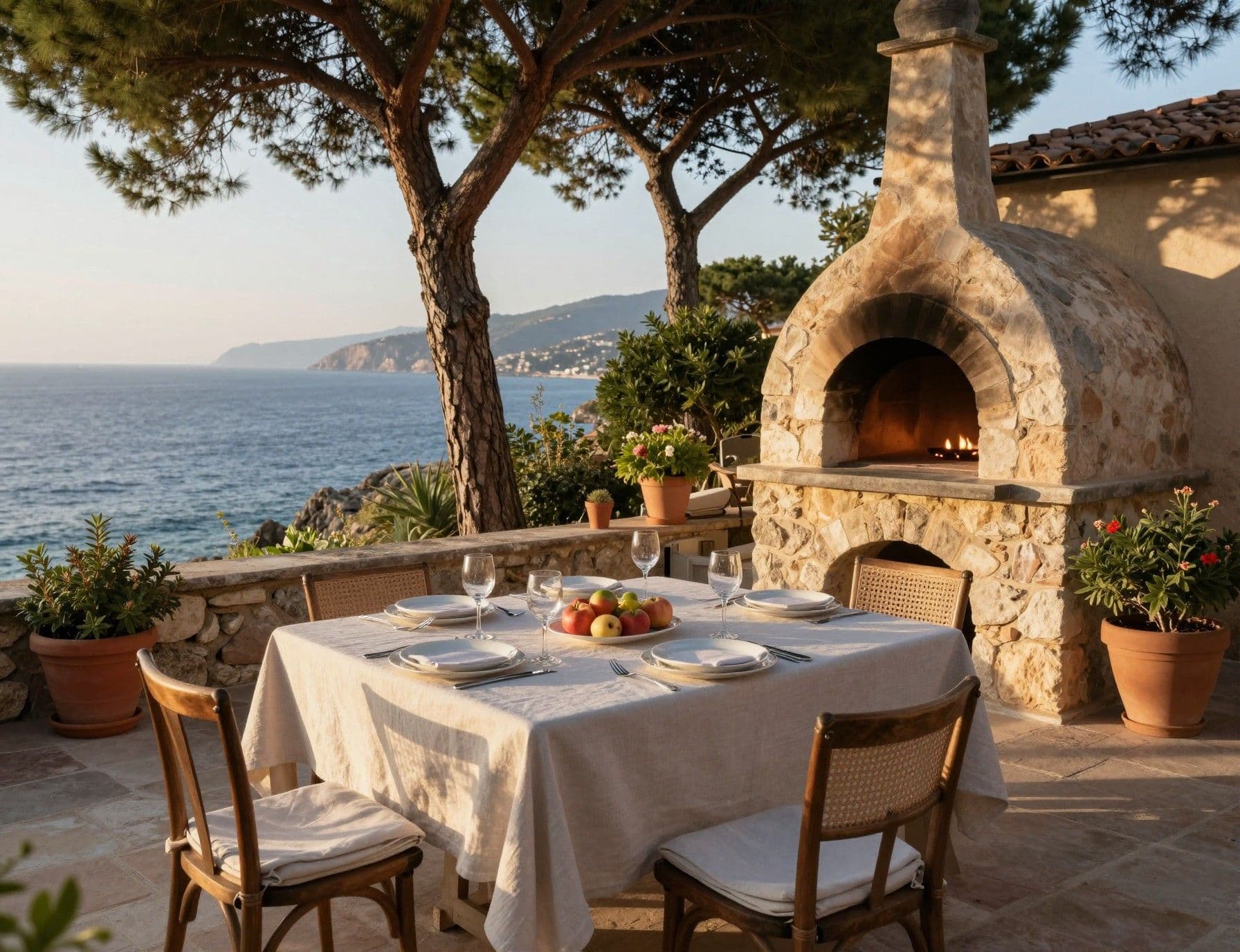
Along the Maremma and the Etruscan coast, you’ll find low-slung villas, reclaimed marshland reserves and wild beaches where pine forests meet sand. Life here is garden-forward: kitchen gardens, stone ovens, and open verandas for evening meals. Conservation areas and agriturismi mean neighbours often include conservationists and small-scale olive producers — a community that rewards buyers who care for soil, water and biodiversity as much as they do for sunsets.
- Lifestyle highlights: market mornings, hidden coves, forest trails
- Morning espresso at Bar Pasticceria on a piazza (real example: Piazza Matteotti in coastal towns), followed by the local market for citrus, fresh fish and wild greens
- Sunset swims at lesser-known beaches (think rocky coves outside main tourist towns) and weeknight dinners around a wood-fired table
- Forest walks in chestnut woods and coastal pine belts that double as birding corridors and foraging areas
Making the move: marrying lifestyle with real estate reality
The romance of a rain-smoothed terrace must meet three practical truths: local market conditions vary dramatically by province, building age often means careful restoration (and permits), and green infrastructure is advancing fast. National data show steady price recovery across Italy, but inland and southern provinces still offer more accessible entry points than elite coastal enclaves. That gap is an opportunity for buyers who value landscape and stewardship over zip-code prestige.
Property styles and what they mean for living sustainably
Stone cottages hug contours and keep cool naturally; mid‑century villas favor cross‑ventilation and terraces; newer eco-retrofits add insulation, heat pumps and discreet PV. If you want year‑round comfort on a verdant coast, factor in insulation upgrades, rainwater capture for gardens, and shading strategies for terraces. Traditional materials — terracotta, local stone, lime plaster — age gracefully and are often the best ecological choice when combined with modern systems.
Working with local experts who speak both culture and code
A local architect or geometra who knows heritage rules and a friendly notaio are indispensable. Agencies that specialise in verdant coasts pair market knowledge with relationships to artisans: lime plasterers, solar installers and permaculture landscapers. Choose advisers who can translate lifestyle desires into realistic retrofit budgets and phased work plans that preserve landscape health.
- A hybrid checklist for lifestyle-led buying
- Visit outside high season (step 1): feel the winter light, access and year-round services before committing.
- Map your water and energy (step 2): check for rainfall patterns, grid connection, and local planning around renewables.
- Budget for conservation (step 3): terraced lands and stone buildings need landscape stewardship and specialist trades.
Insider knowledge: myths, red flags and little wins
Myth: "Italy's green coasts are always unaffordable." Reality: while headline hotspots spike, many verdant coastal towns and forested hill communes still offer attractive prices and stronger potential for eco-retrofits. Recent national data show moderate price recovery — a sign buyers are returning — but they also highlight regional disparities that favour thoughtful buyers who look beyond touristic centres. At the same time, Italy’s electricity mix is rapidly greening, which reduces the lifetime carbon footprint of a renovated home and can lower operating costs when paired with rooftop solar and efficient heating.
Red flags to watch for
- Unresolved terracing rights or illegal terraces — these can be costly to regularise and harm landscapes
- Properties advertised as "sea view" but only reachable by steep, private tracks — check access and winter maintenance
- Over-optimistic rental yield promises in peak-season towns — lifestyle-first buyers should prioritise occupancy realism
Small wins that make a big difference
- Invest in passive upgrades first: insulation, shutters, and shading to extend comfortable months without heavy heating or cooling
- Prioritise water capture and native planting — lower maintenance and better habitat value
Longer term, Italy’s mix of rising renewables and pragmatic restoration culture means well-chosen homes can become low-impact sanctuaries. National reports point to a steady market recovery with modest price growth, yet the best opportunities for international buyers often appear where community stewardship, heritage practice and landscape policy align — think smaller communes along Liguria’s less-touristed stretches, parts of the Tuscan coast outside the Maremma hotspot, or wooded inland communes that grant quick access to the sea.
Cultural notes: how to belong (and why it matters for property)
Italians value localness: neighbourhood rituals, shared bread ovens, market stalls and village fêtes are gateways to deeper integration. Learning a few phrases, joining a market co-op, or volunteering with a local environmental association opens doors faster than any glossy listing. For buyers who want their property to be a living part of the landscape, social capital is as important as square metres.
- Steps to move from dream to deposit
- 1) Visit multiple seasons; 2) Commission an energy and landscape assessment; 3) Build relationships with a local architect and a conservation-minded agent; 4) Phase renovations to spread cost and impact.
Italy's coasts and coastal forests are not a single lifestyle — they are a constellation of micro‑climates, traditions and care practices. For the international buyer who values nature, the real advantage is the chance to steward a place: restore terraces, replant hedgerows, and reuse rainwater. Those actions create a deeper return than short‑term yield: a home that participates in seasonal life, supports biodiversity and rewards slow living.
Conclusion: if you crave a rugged, green Italian coast, treat the romance as a living project. Use local data (house price indices and regional reports), lean on agencies experienced in conservation-sensitive restorations, and plan for phased eco-upgrades. When you buy this way, the home becomes more than an address — it becomes an act of stewardship and a place where seasons, neighbours and nature compose your daily life.
British expat who traded Manchester for Mallorca in 2017. Specializes in guiding UK buyers to luxury Spanish estates with clear navigation of visas and tax.