Truffle Season: Italy’s Secret Window to House‑Hunting
Why autumn’s truffle season—October to January—can be Italy’s most revealing and practical window for house‑hunting in verdant coastal and hill regions.
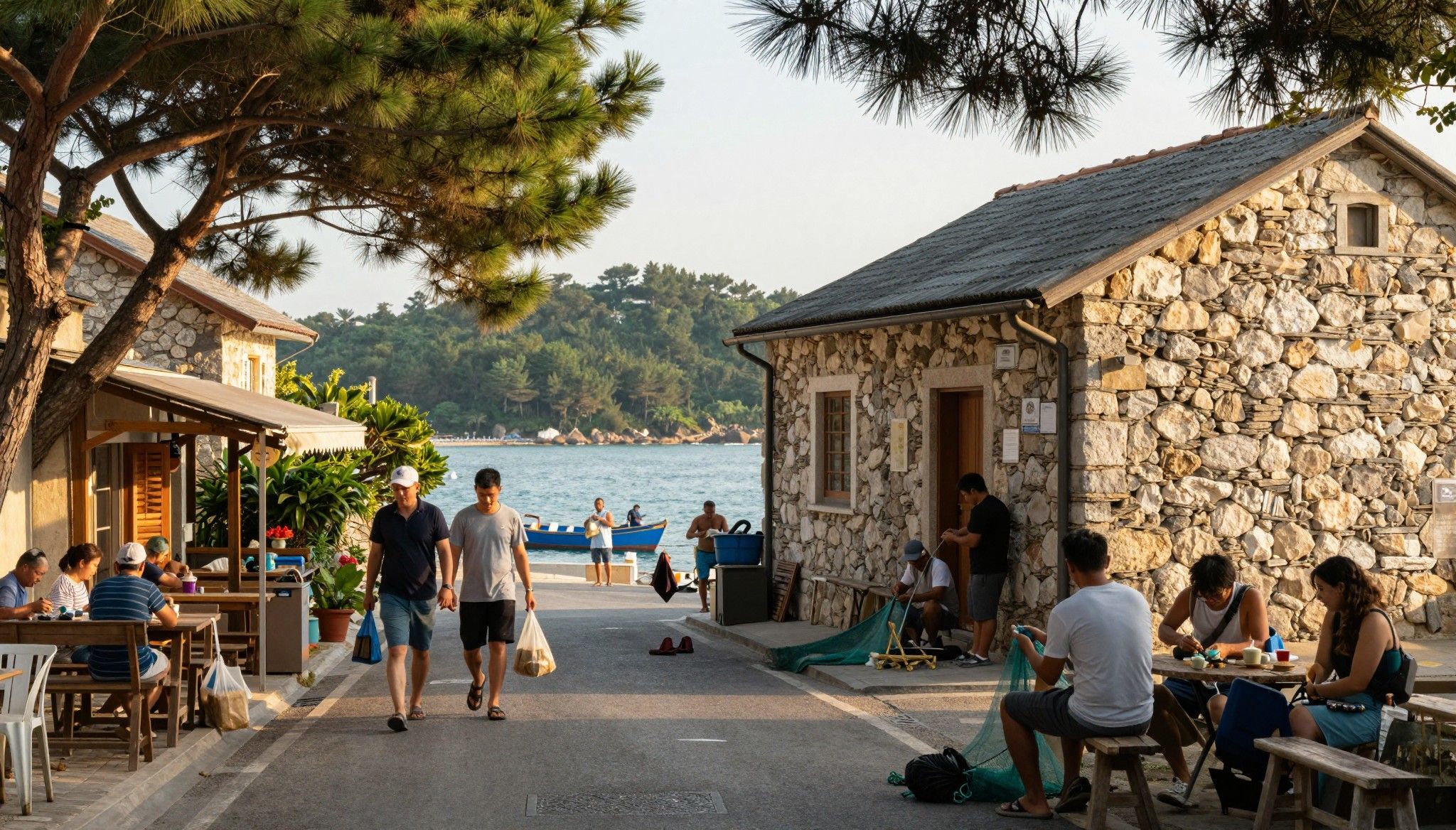
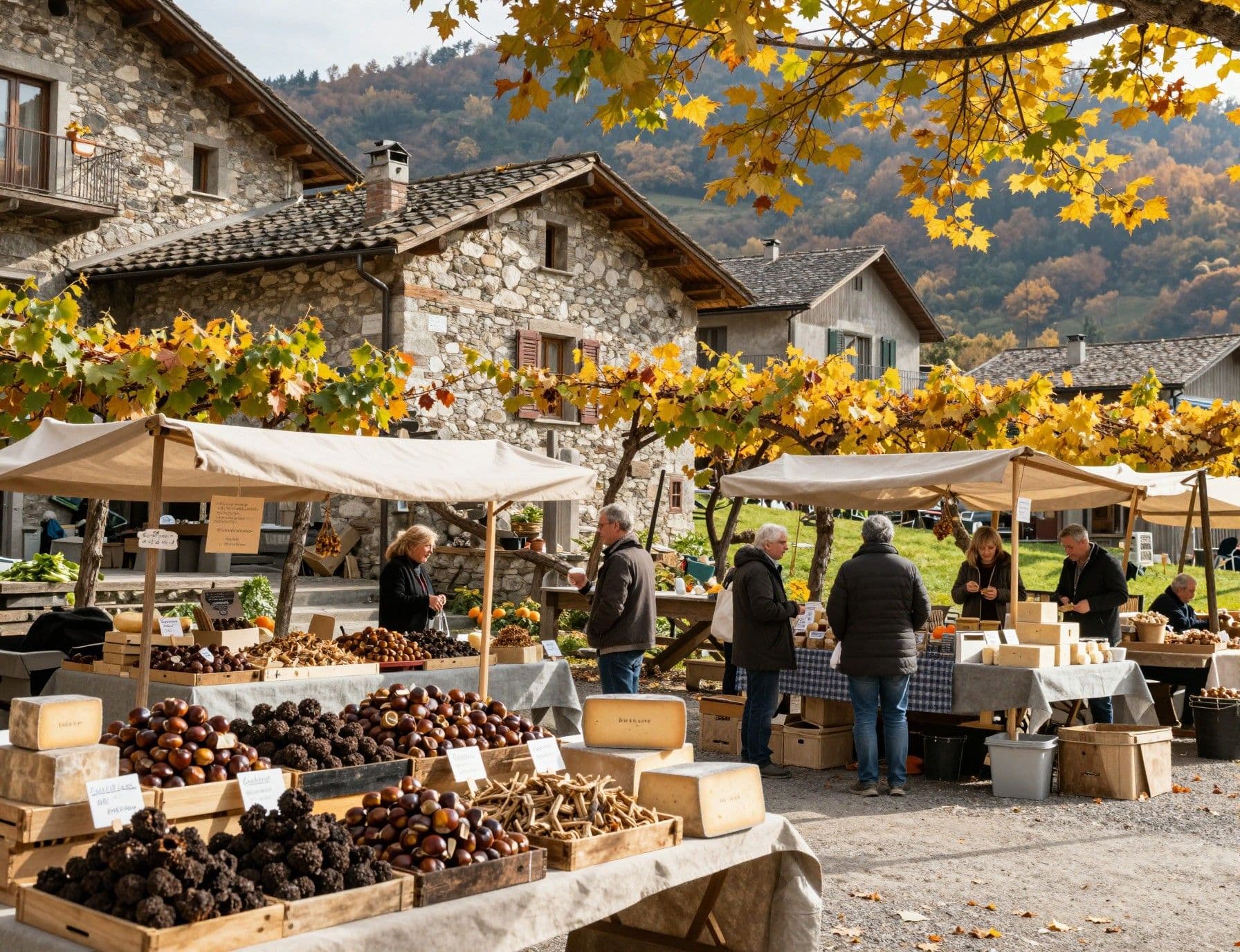
Imagine a slow October morning in the Langhe: low sun gilding stone farmhouses, a market stall heaped with porcini and fresh chestnuts, and the unmistakable, heady perfume of white truffle drifting from a trattoria window. That autumnal hush is more than atmosphere—it’s a practical advantage for buyers. Local sellers return from summer markets and rental-season hosting, neighborhood rhythms settle, and opportunities that get glossed over in high summer come into view. In this piece we argue a contrarian idea: truffle season—October to January in many regions—is one of the smartest windows to house‑hunt in Italy's verdant coasts and inland forests.
Living the verdant Italian coast and hills
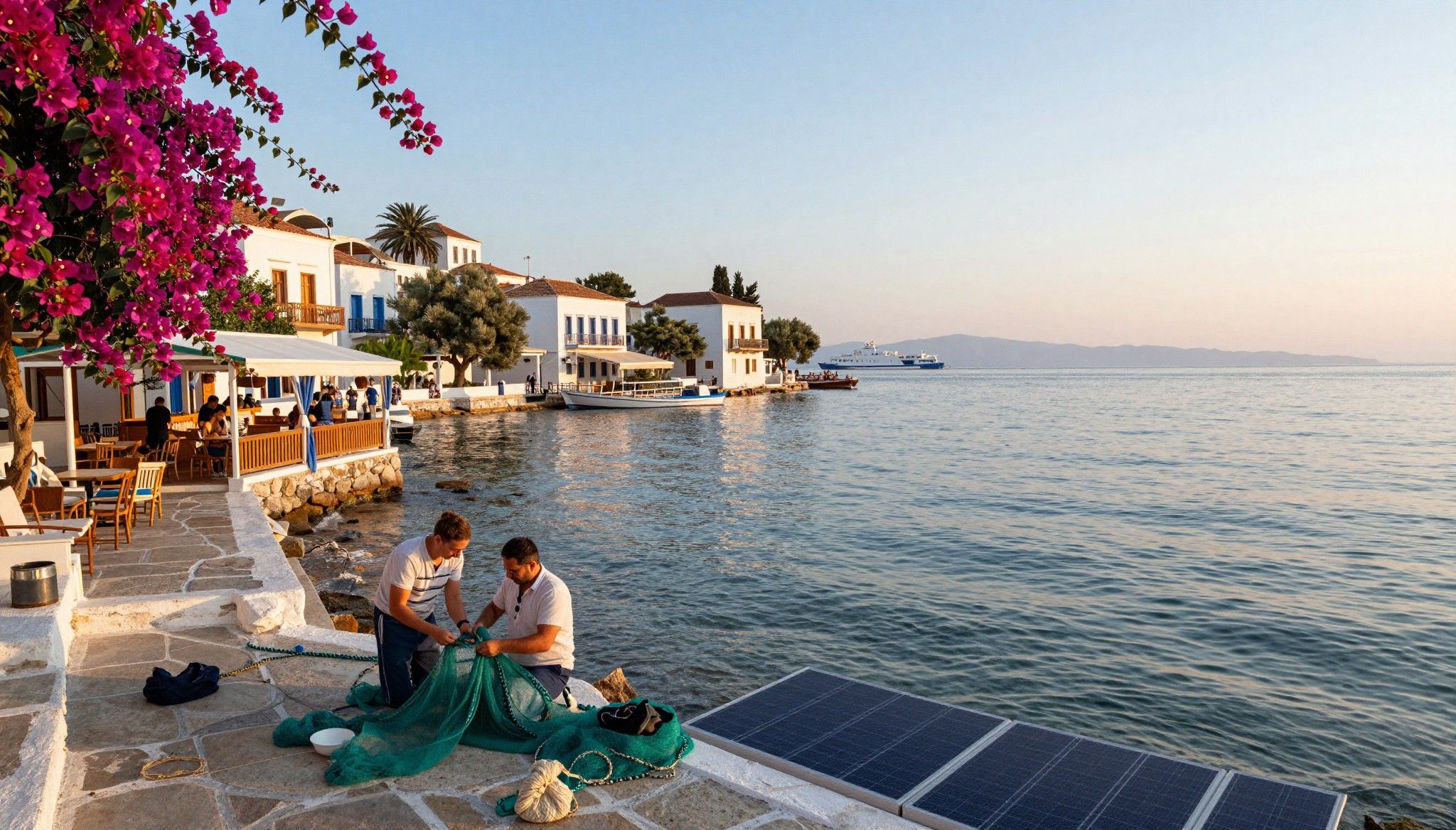
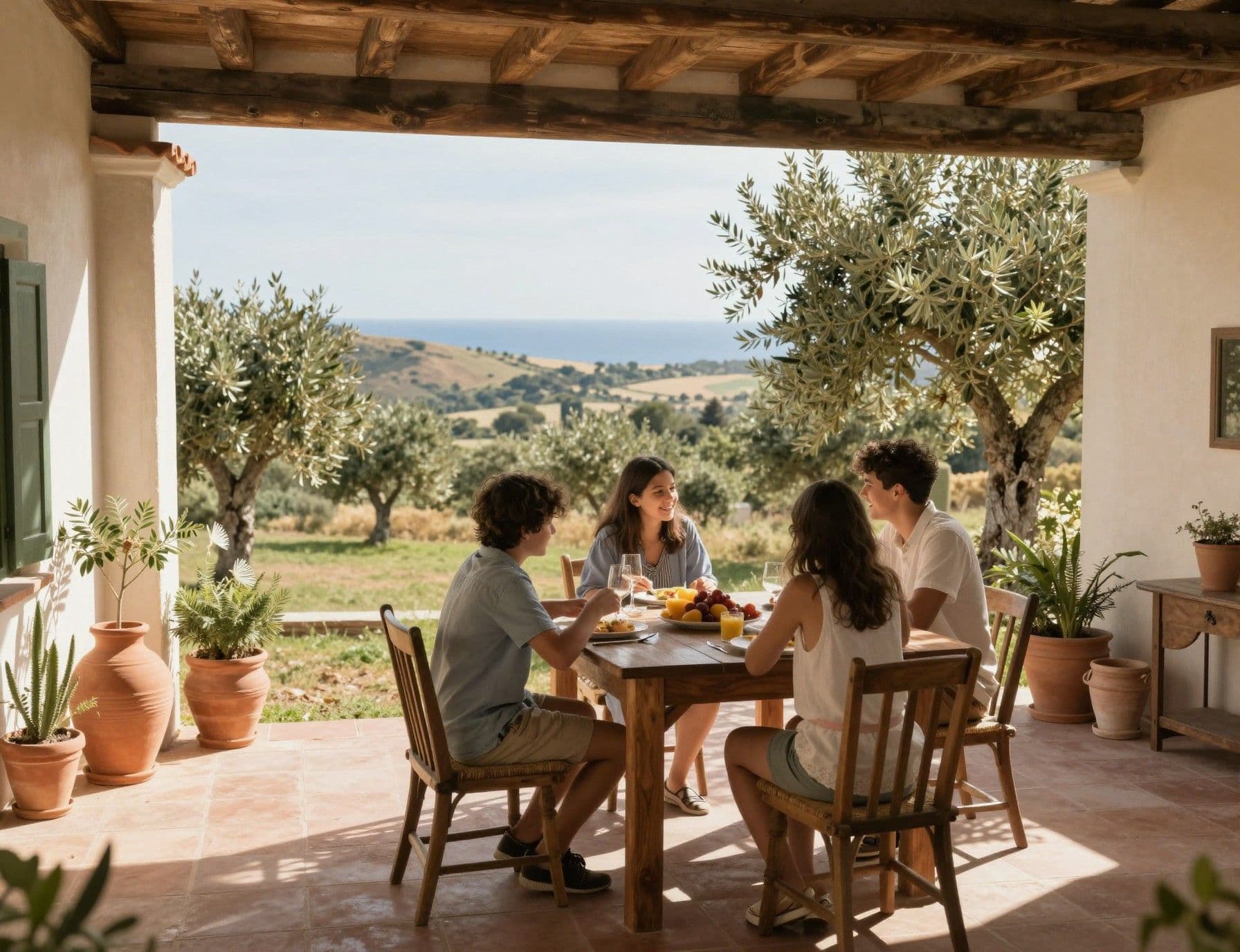
The image of Italy most of us carry is sun, crowds and piazzas—yet beyond the tourist pulse there are coastlines stitched with pine forests, oak‑lined hill roads, and villages where afternoons slow into aperitivo and communal dinners. In regions like Liguria, Tuscany’s Etruscan fringe, Le Marche and parts of Piedmont, homes sit seamlessly between sea and forest; terraces open to rosemary and oak, and trails begin at the garden gate. Daily life here is sensory: the salt of nearby water, the resinous scent of pine, markets full of seasonal preserves and cheeses, and neighbors who barter eggs for olive oil. For buyers who want both wild coastline and a cultivated life, these are places where nature and village culture meet.
Neighborhoods that feel like a season
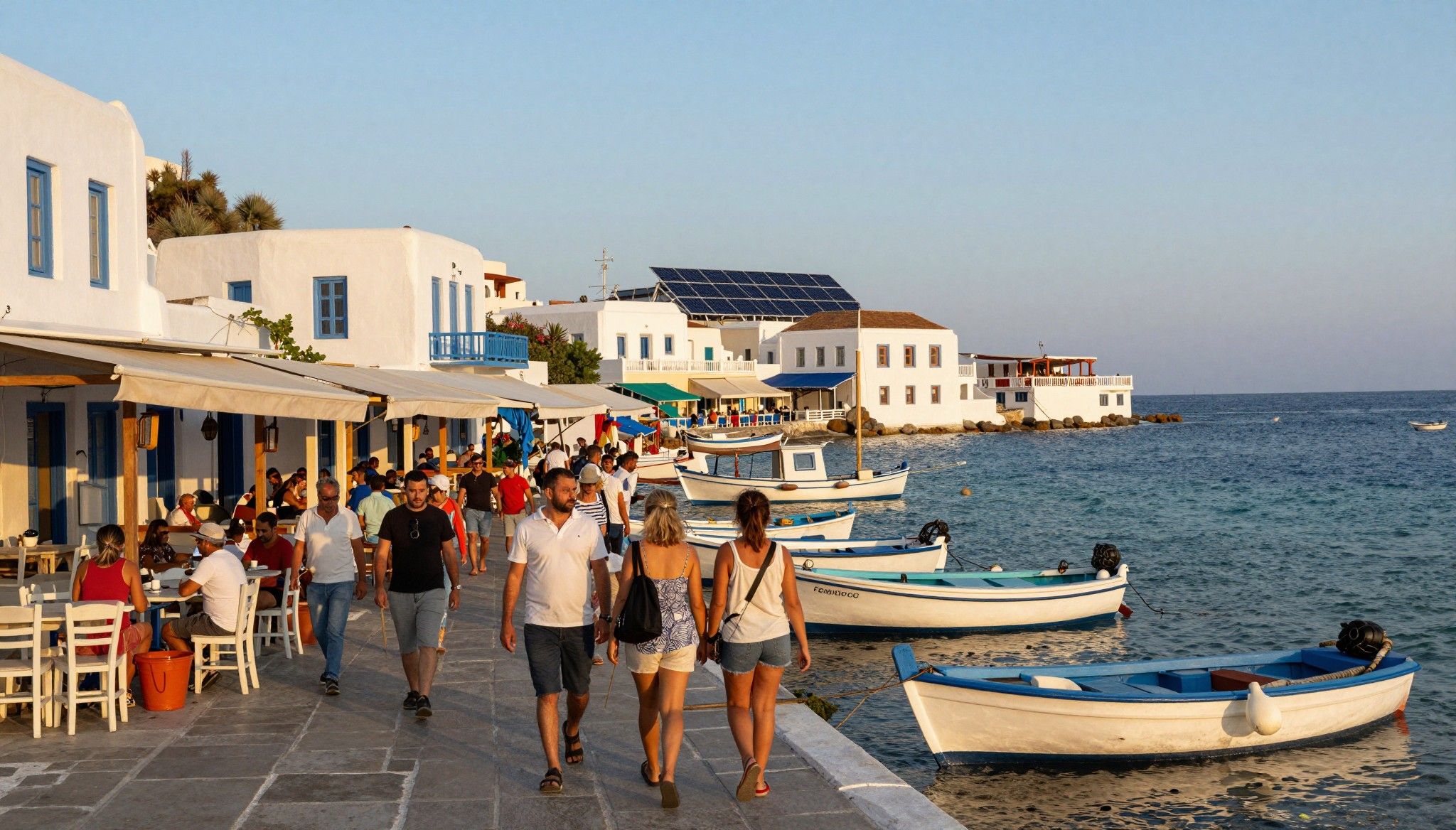
Pick a village and you pick a seasonal rhythm: Camogli’s harbor rituals differ from the slow olive‑press mornings in the hills above Massa Lubrense. In the Langhe (Piedmont), towns such as Barolo and La Morra combine vineyard terraces with truffle markets, while seaside towns like Levanto and Sestri Levante pair pebble coves with pine‑fringed hiking. You’ll learn which cafés open for breakfast only on market day, which baker serves the best focaccia on Fridays, and which lanes fill with children playing soccer until dusk. Those micro‑habits are what turn a property into a home—and they become clearer in autumn and early winter, when tourism ebbs and local life reasserts itself.
Food, markets and truffles as cultural anchors
Food rhythm is the social rhythm. In October–January many regions host truffle fairs (Alba, Acqualagna, San Miniato) and market stalls sell seasonal produce that draws locals from a wide radius. The truffle fairs are not just gastronomy; they are community weeks where local restaurateurs, smallholders and artisans meet buyers and neighbors, giving foreigners a chance to see how community ties are woven. That makes autumn ideal for assessing a place’s year‑round life rather than its high‑season theatre.
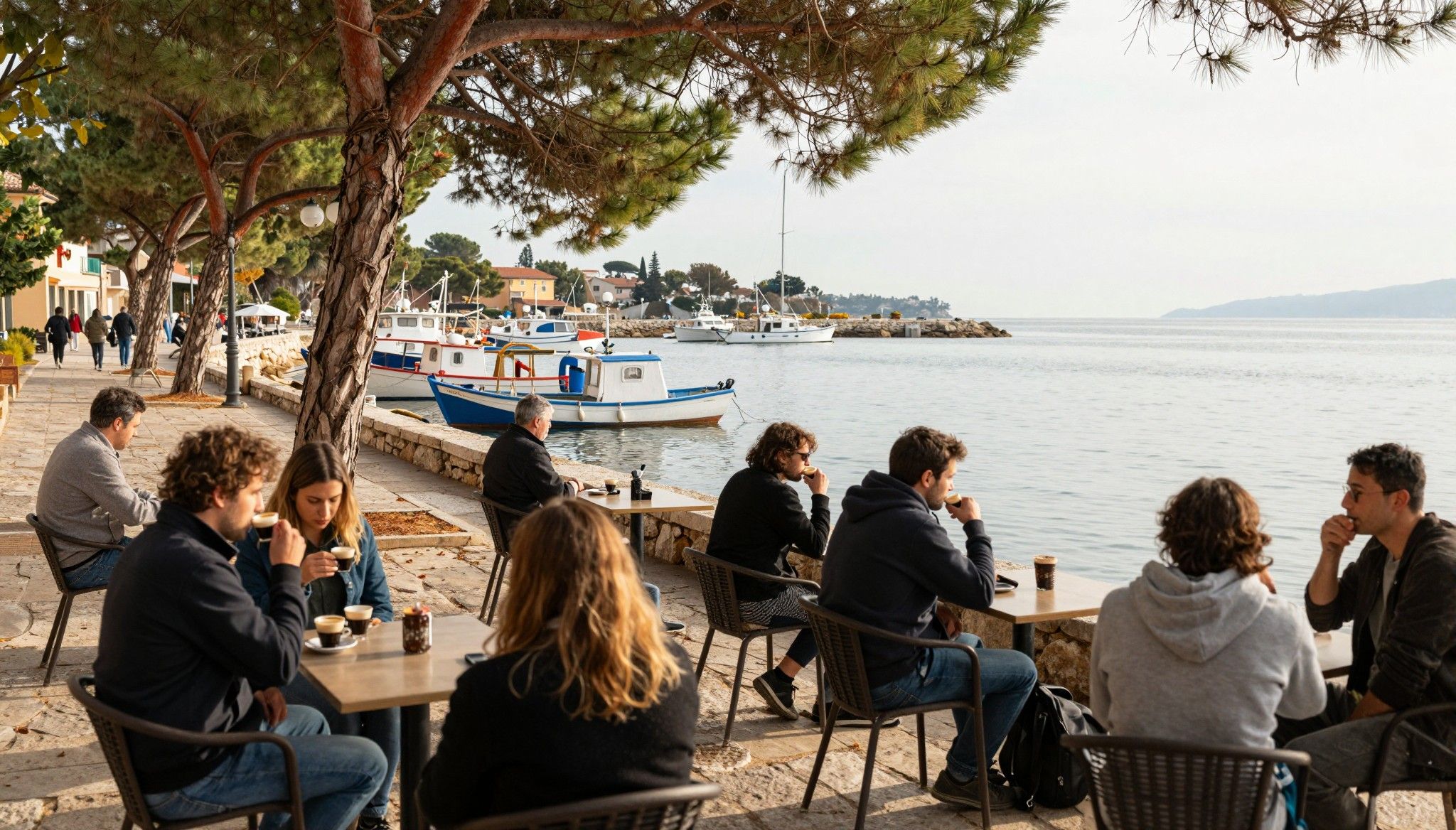
- Lifestyle highlights you’ll actually live: morning espresso at Bar Pasticceria Bonomi in Alba; a late‑autumn market in San Miniato; salt‑sprayed walks along the Cinque Terre footpaths in quieter months; olive‑press visits in Le Marche; weekly neighborhood dinners (cena sociale) in villages around the Gulf of Tigullio.
Making the move: practical considerations (but with atmosphere)
Dreams need to be balanced with logistics. Market movement in Italy varies by region and season—some inland and coast areas show real seasonal listing differences, and authoritative sources highlight stronger regional divergence than national averages. Autumn can reveal properties that were previously marketed only to summer audiences; it’s also when many sellers are more open to negotiation after the high season. We back this with market reporting that shows regional price variation and notes slower, quieter listing activity outside spring and summer peaks.
Property types that suit a verdant life
Rural stone cottages, terraced vineyard homes, and small coastal villas each come with different maintenance and lifestyle tradeoffs. A stone casa colonica offers thermal mass and character but may need updated insulation and efficient heating for winter; a seaside villa prioritizes sea‑facing glazing and salt‑tolerant landscaping; a restored farmhouse often includes agricultural land—and the choice affects energy systems, water management and biodiversity opportunities. Think beyond aesthetics: ask about roof insulation, passive solar orientation, water harvesting, and existing solar or heat‑pump installations—features that shape year‑round comfort in verdant settings.
Work with local experts who know place and season
- Steps to blend lifestyle and due diligence: 1. Time visits for autumn market weeks to meet neighbors and experience local life; note service hours and seasonal closures. 2. Ask agents about winter running costs and ask for recent utility bills—some rural homes spike in heating use. 3. Commission a seasonal inspection that checks damp, roof integrity and heating systems—these issues are clearer after summer storms. 4. Request a walk‑through of the neighborhood (market day, school run, evening piazza hour) to test the daily rhythm you imagine living in. 5. Consider a short rental stay in the off‑season before committing; living through a wet November reveals different realities than a sunlit July.
Insider knowledge: what expats wish they’d known
Expats often romanticise the sunny postcard, then are surprised by winter logistics: road clearing, village services slower in low season, and the fact that flood or weather histories can subtly depress prices in places with repeated events. Local customs matter too—seasonal closures, the cadence of municipal services, and the role of neighborhood committees that decide communal olive‑grove pruning. Knowing these makes the difference between buying a holiday backdrop and a durable home.
Language, community and small‑town rhythms
You don’t need fluency to belong, but learning local phrases and attending seasonal events—market mornings, patron saint days, truffle fairs—accelerates acceptance. Many expats recommend volunteering at a village festa or joining a local cooperative olive‑press day; these are the real introductions. Social life here is tactile: shared work, shared food, and an appreciation for slow crafts rather than quick transactions.
How life evolves after you buy
In the first winter you’ll learn which windows face the wind, which roads close after storms, and which neighbours bring you warm food in the first cold snap. Over time, a property with olive terraces or a north‑facing chestnut wood can become a seasonal business, a regenerative garden project, or simply your place to slow down. Many buyers find the investment in community knowledge—local farmers, restorers, and small‑scale builders—pays back in wellbeing far more than short‑term capital gains.
- Practical red flags to watch for in verdant properties: • Hidden damp in cellars and lower levels after autumn rains. • Roofs with old tiles that shift under storm loads. • Poorly insulated windows that raise winter heating needs. • Incomplete land titles for terraces or olive groves. • Limited winter road access or municipal service reductions.
Conclusion: If you want a life attentive to seasons, truffle season gives a sensory and practical lens that most buyers overlook. Visit during the harvest and fairs, breathe the autumn air, meet the people who steward the land, and you’ll see properties as living landscapes rather than seasonal postcards. Start by short‑listing agents with deep regional ties, schedule an autumn visit aligned with a local market or fair, and ask for year‑round running costs. Fall may be the quiet season—but for the green‑minded buyer it can be the clearest window of all.
British expat who traded Manchester for Mallorca in 2017. Specializes in guiding UK buyers to luxury Spanish estates with clear navigation of visas and tax.