Malta: Sea, Stone and Market Truths
Malta’s small, sun-drenched neighborhoods offer verdant coastal living — but steady price growth and island constraints mean lifestyle-first buyers must pair romance with local data.
Imagine waking to the smell of salt and rosemary, stepping out onto a limestone street where café chairs catch morning light and a fisherman arranges his catch in Marsaxlokk. Malta is compact enough that a coastal walk, a short ferry to Gozo, and an evening of baroque festa music can fit into one day — which is why buying here feels less like an investment and more like folding your life into a familiar local rhythm. But the island’s sunny charm sits beside a fast-moving market and very real tradeoffs for green-minded buyers. Recent official data show steady price rises and rising transaction volumes, so romantic impulse without local knowledge can be costly.
Living the Malta Lifestyle
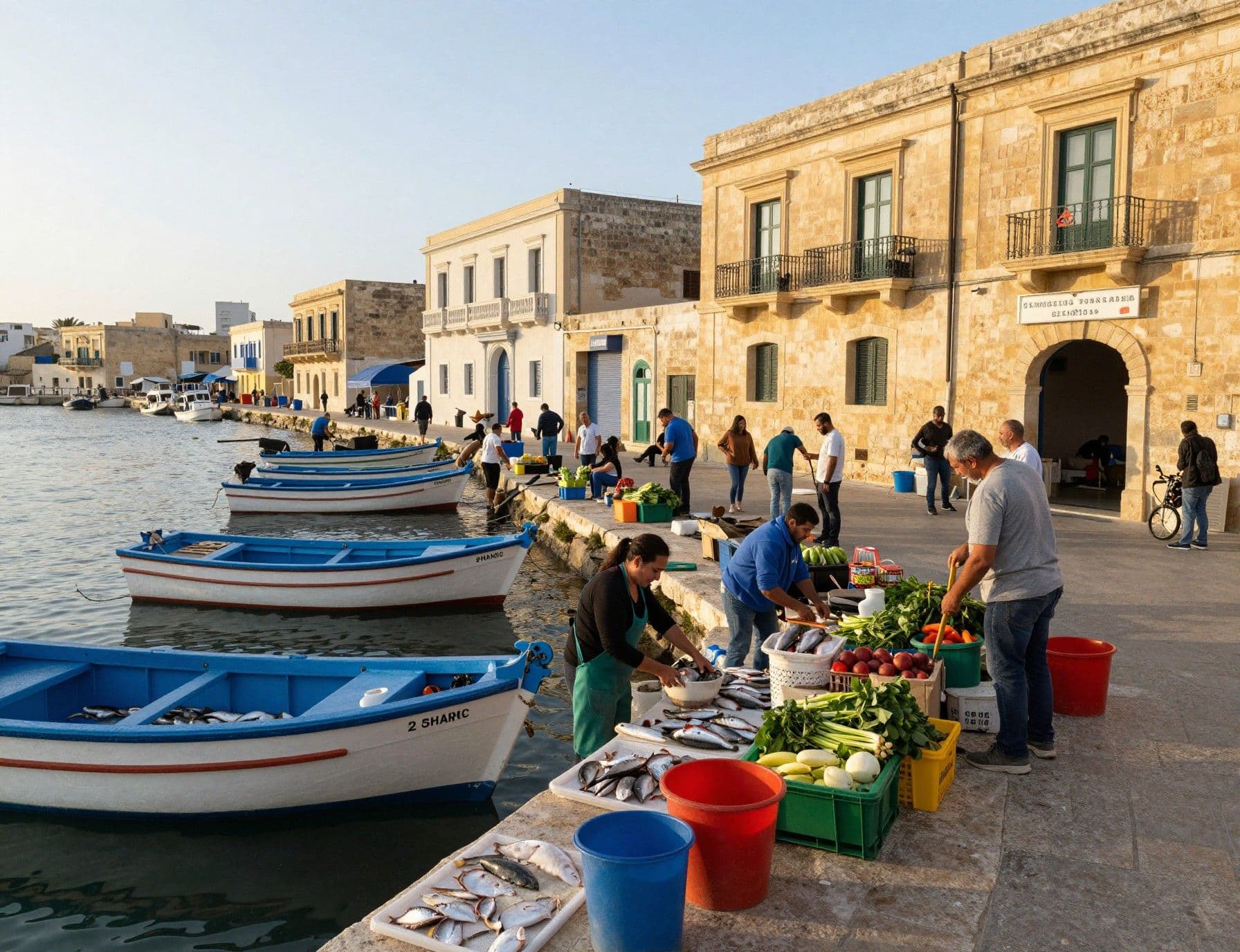
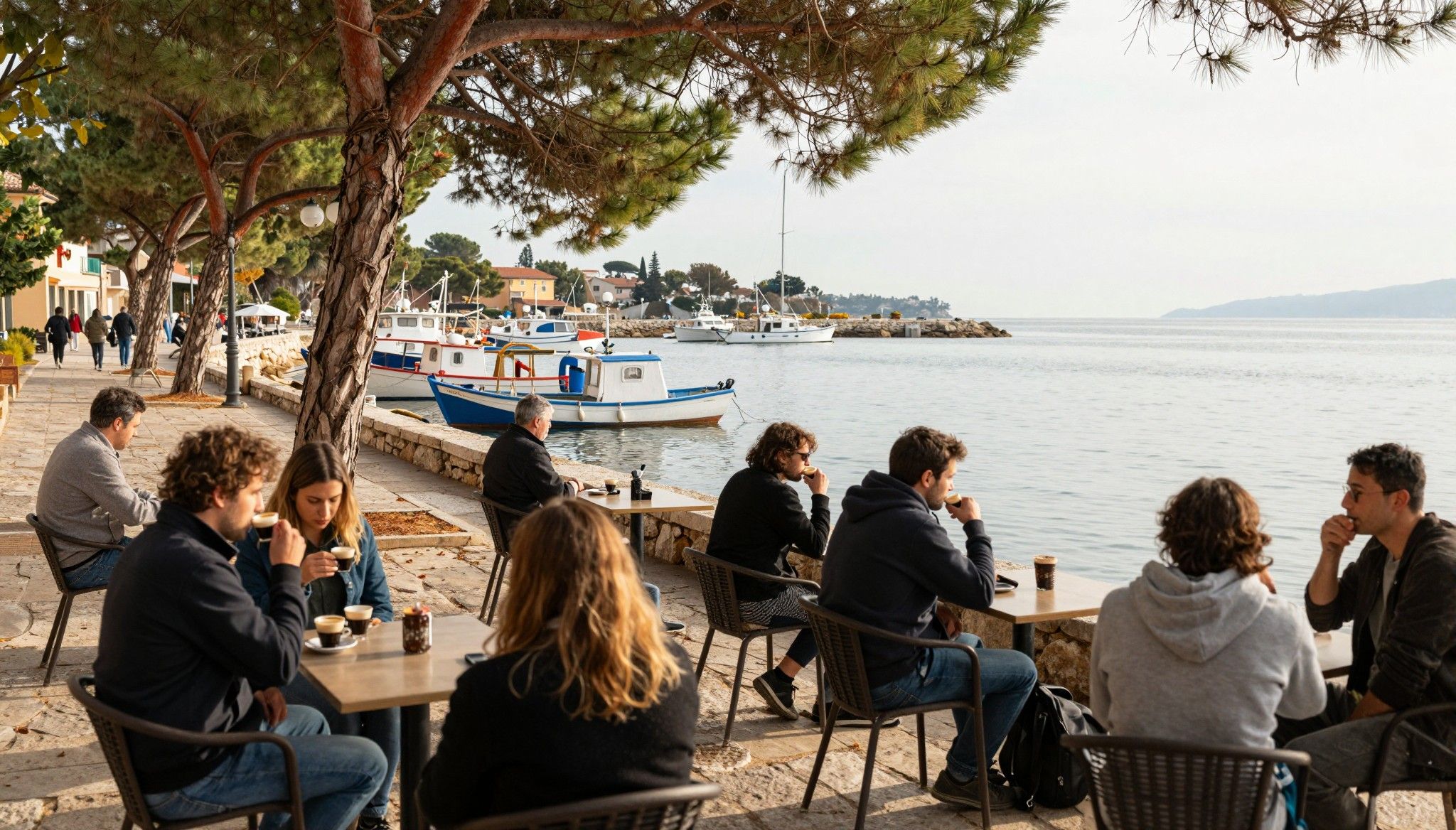
Life here moves with Mediterranean temperament: espresso in small cups, late lunches of lampuki pie or fresh fish, and streets that pulse with markets and neighborhood gossip. Coastal towns such as Sliema and St Julian’s hum with cafés and promenades, while Valletta’s intimate alleys hold quieter, dramatic afternoons. Gozo and the northwest (Mellieħa, Dingli) answer with slow mornings, stone terraces, and sky-wide views. For buyers who want nature first and nightlife second, the island’s micro-regions let you choose how loud your days will be.
Neighborhood spotlight: Valletta’s calm corners & Sliema’s mornings
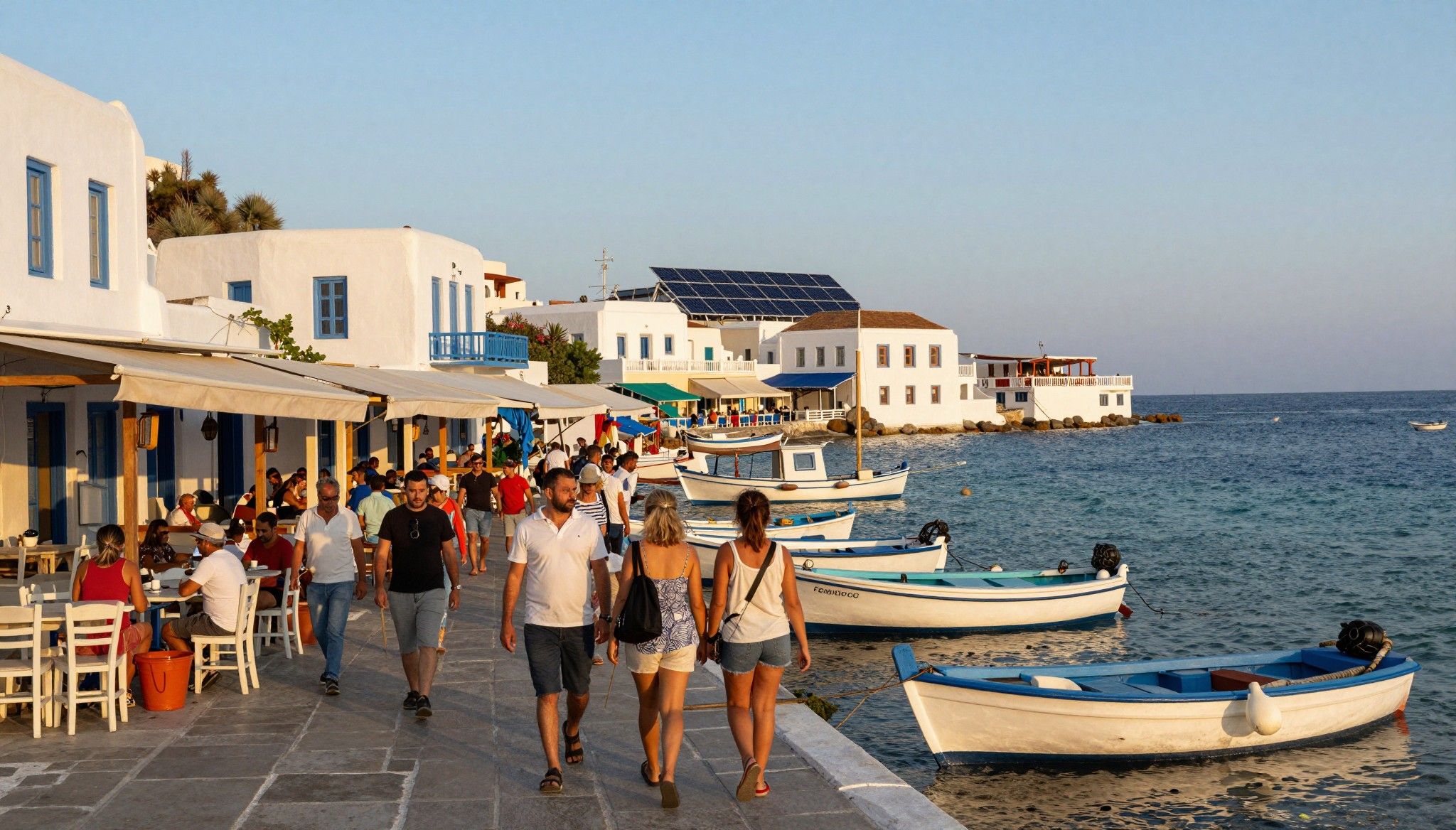
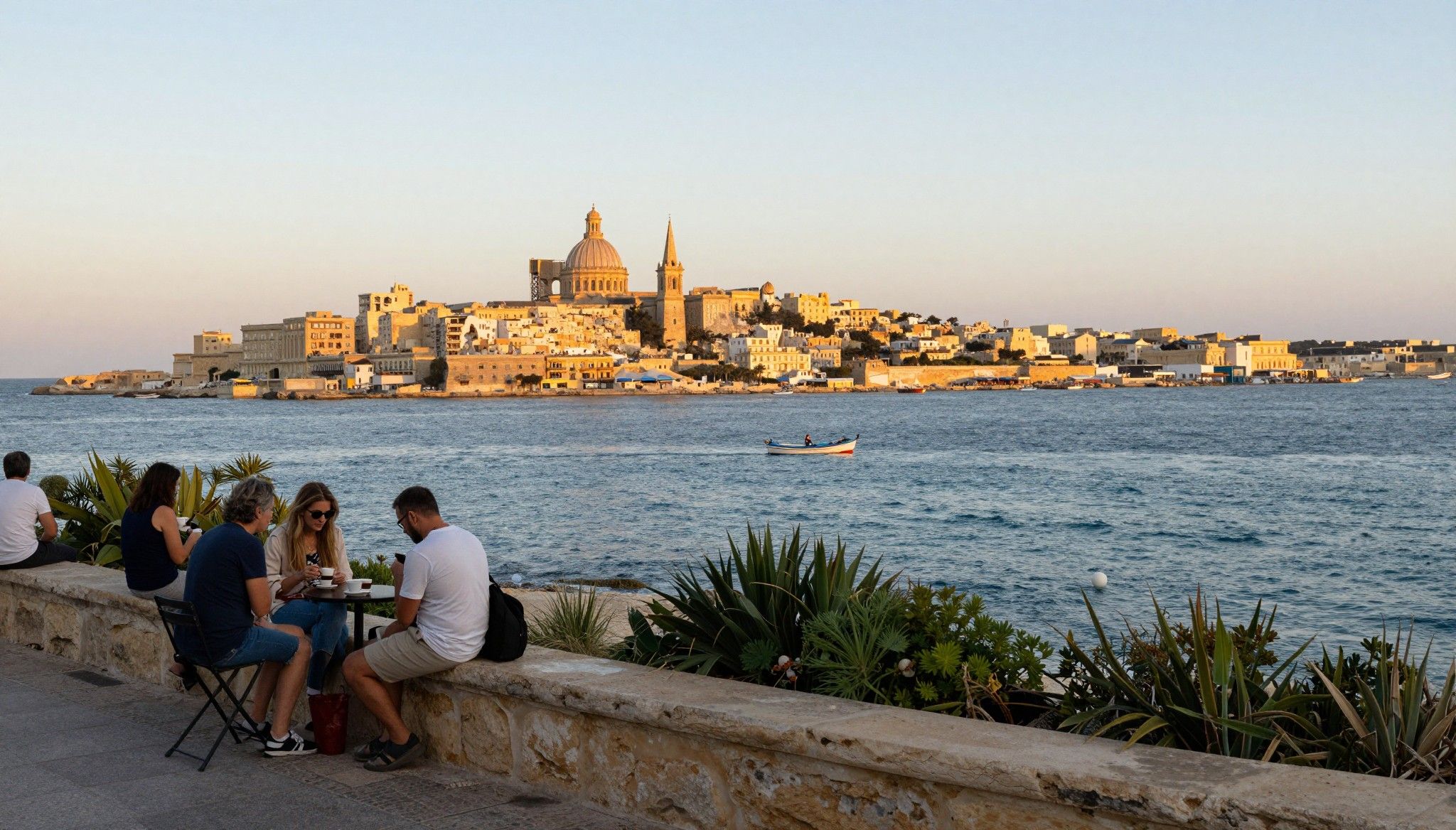
Valletta can surprise you with quiet terraces overlooking the Grand Harbour; walk five minutes and you’ll find a neighbourhood pasticceria where retirees trade news. Sliema’s seafront is an early-morning ritual of walkers and coffee, while Marsaxlokk’s Sunday market still feels like a belonging to the sea. These are the streets where local life is visible — vendors calling prices, children cycling past limestone walls, and neighbors sharing homegrown vegetables. For green-minded buyers, proximity to small markets and community gardens matters as much as sunlight or sea view.
Food, sea and season: what a week looks like
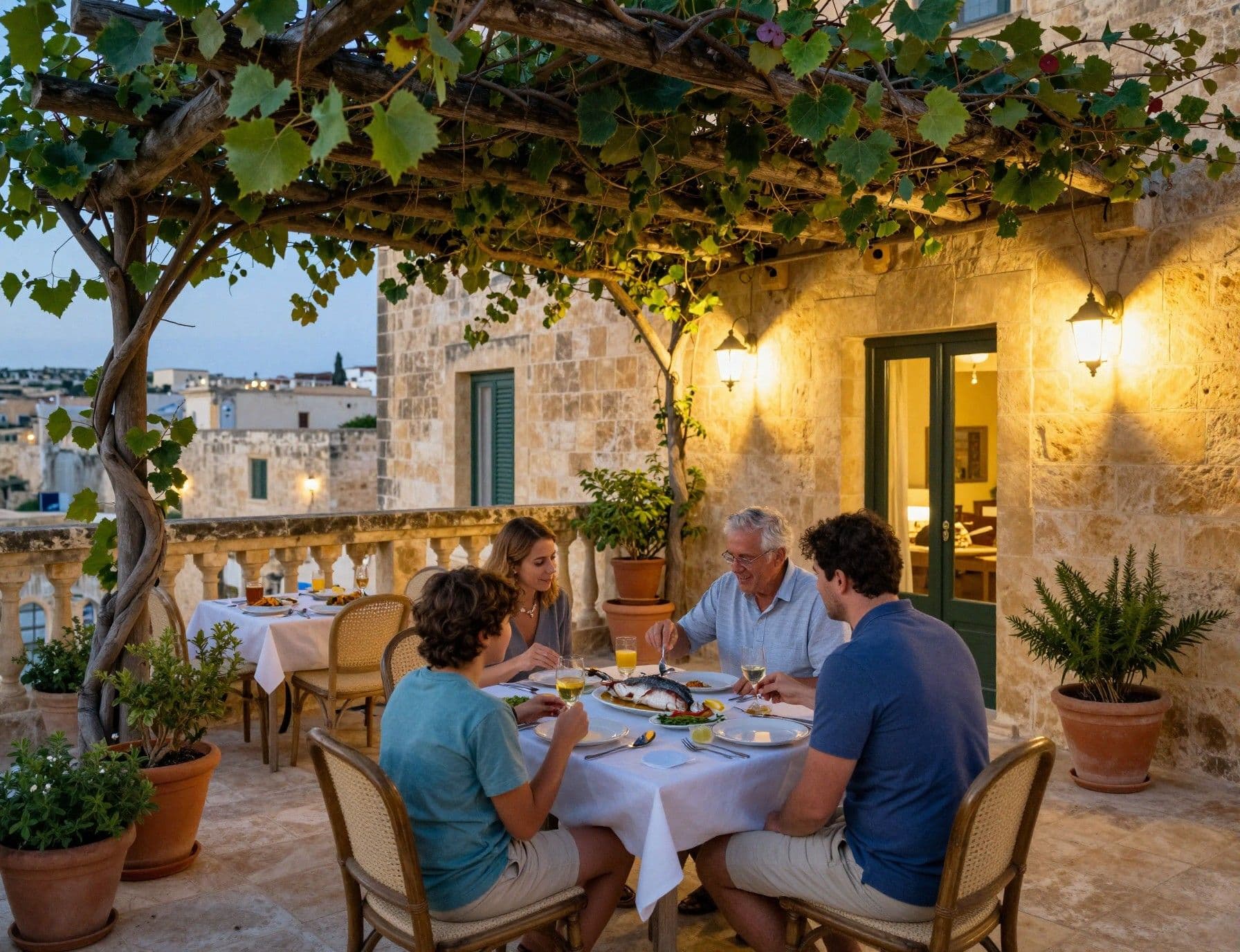
Think mornings at fishermen’s stalls, afternoons at a rocky cove, and evenings of communal dinners under a pergola. Malta’s food culture is intensely local — seasonal lampuki (fish) in autumn, citrus in winter, tomatoes and capers in summer — and that seasonal rhythm shapes how gardens and terraces are used. Maltese towns host festa celebrations that pull communities outdoors in summer, while winter storms remind you why solid limestone construction matters. Those rhythms help determine which property types feel effortless to live in year-round.
- Market and lifestyle highlights to taste before you buy: Valletta cafés, Sliema promenade, Marsaxlokk Sunday market, Mellieħa bay swims, Gozo village terraces, Dingli cliff walks.
Making the Move: Practical Considerations
The island’s compactness and strong demand have produced steady price growth: official RPPI figures and local market reports show year-on-year increases and high transaction volumes. That means location decisions translate directly into price differentials; a sea-facing two‑bed in Sliema will behave very differently from a stone maisonette in a quiet Gozo village. For eco-conscious buyers, look beyond sticker price: orientation, terrace shading, insulation and potential for solar install affect both lifestyle and total cost of ownership. Local data illustrate why a lifestyle-led search must be paired with local expertise.
Property styles and what they offer
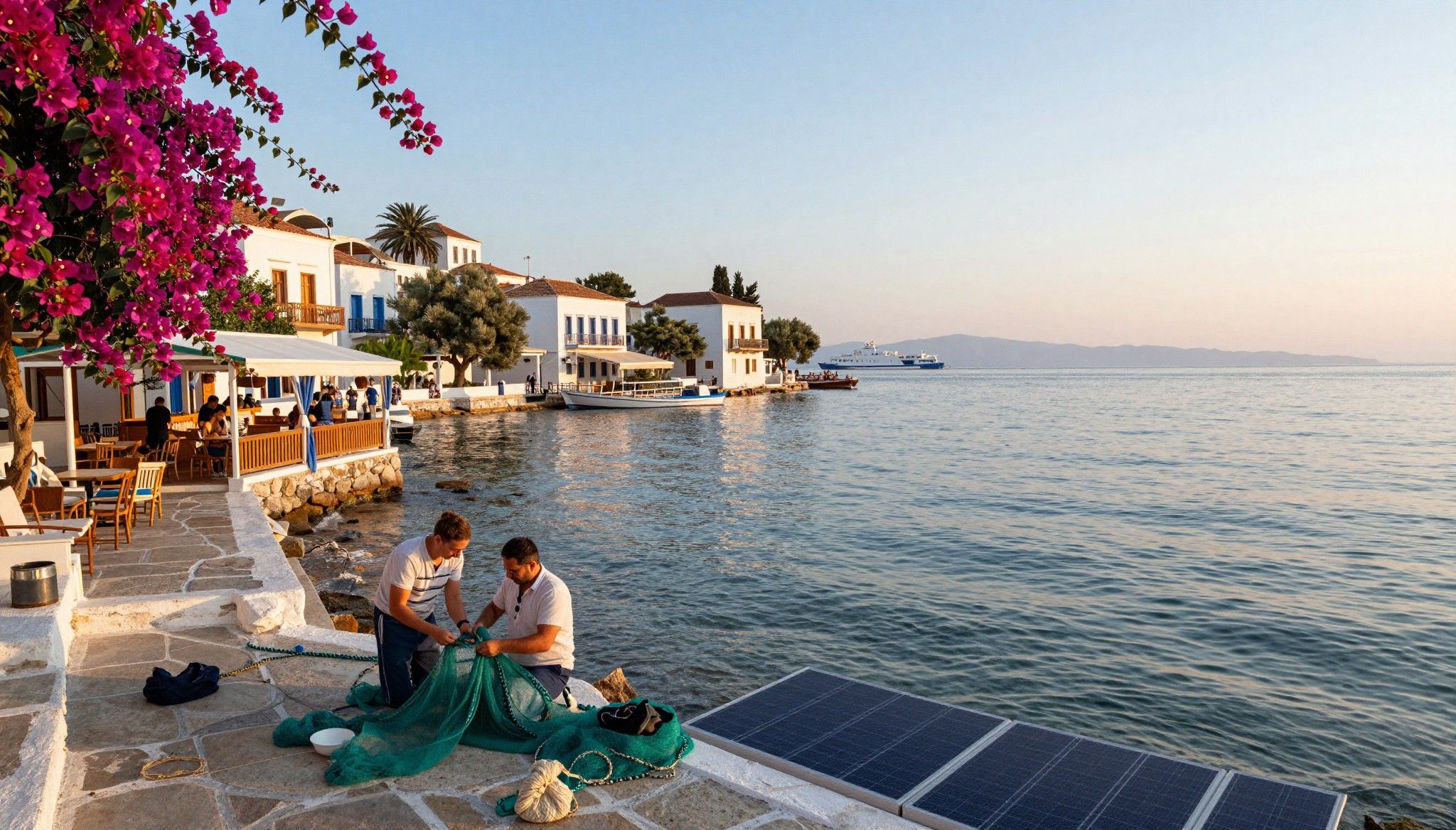
Malta’s property palette ranges from limestone townhouses and restored palazzini to modern apartments and new build blocks. Townhouses offer thick stone walls and cool interiors — perfect for passive temperature control — but often require sensitive retrofit work to add insulation or energy systems. New builds give space for rooftop PV and modern glazing, but can lack the layered charm and thermal mass of older stone. Match the property type to the life you want: spacious terraces for garden‑minded buyers, compact central flats for those who live outdoors most of the day.
Working with local experts who respect place
- 1. Choose an agency versed in sustainable retrofits and Maltese planning nuances; ask for case studies. 2. Prioritise agents who can introduce local craftsmen (stonemasons, carpenters) for low-impact restorations. 3. Request energy‑use examples from similar homes: actual bills, PV output, shading performance. 4. Insist on a site visit at different times: morning sun, afternoon heat, and windy evenings to sense microclimates. 5. Clarify parking, access, and terrace rights — these small details shape daily living in tight Maltese streets.
Insider Knowledge: What Expats Wish They’d Known
Many expats arrive charmed and then discover friction points: noise in popular harbors, paperwork for renovations, and the island’s limited water resources that shape landscaping choices. Conversations with long‑term residents often emphasize small-time realities: the convenience of living near weekly markets, the relief of having a shaded roof terrace, and the value of neighbours who know local tradespeople. Practical headaches—permits, septic vs. mains connections, or communal building decisions—are easier to handle when you have local advocates who understand both the law and the living.
Cultural integration and daily rhythms
English is an official language and many services are accessible, but true integration comes from shared moments: volunteering at a festa, joining a village church choir, or bringing homemade pastries to the Sunday market. Locals value relationships and reciprocity; being present and curious opens doors. For families, schools and healthcare are compact and reachable, while remote workers will find cafés and a growing coworking scene, especially around Sliema and Valletta.
Longer-term living: water, climate resilience, and stewardship
Malta’s climate means drought planning, water-wise gardens, and choices about landscaping are part of responsible ownership. Steep cliffs and exposed headlands require attention to erosion and access, while inner-town properties benefit from stone’s thermal mass. Buyers who commit to low-impact gardening, rainwater harvesting where allowed, and sensitively designed solar installations not only reduce running costs but also weave their home into Malta’s fragile island ecology. In practice, stewardship begins at the point of offer: negotiate for clauses that secure sensible retrofits and maintenance commitments.
Conclusion: Fold yourself gently into the island’s rhythms. Malta rewards patience — a well-chosen terrace, a shady courtyard, and neighbours who know how to taste a season — but the market moves quickly and local knowledge is essential. Start by visiting in different seasons, ask agents for real-world energy and water numbers, and meet local craftsmen before you commit. If you want a home that honors both limestone and sea, treat the purchase as a stewardship act: find advisors who value ecology as much as square metres, and you will arrive with eyes wide open and a place that feels like home.
Dutch property strategist who helped 200+ families find sustainable homes in southern Europe; expert in legal pathways and long-term stewardship.