Malta: Sea, Stone & Sustainable Island Life
Malta blends rugged coastline, limestone towns and compact green living—learn how lifestyle choices shape where and what to buy, backed by local market data.
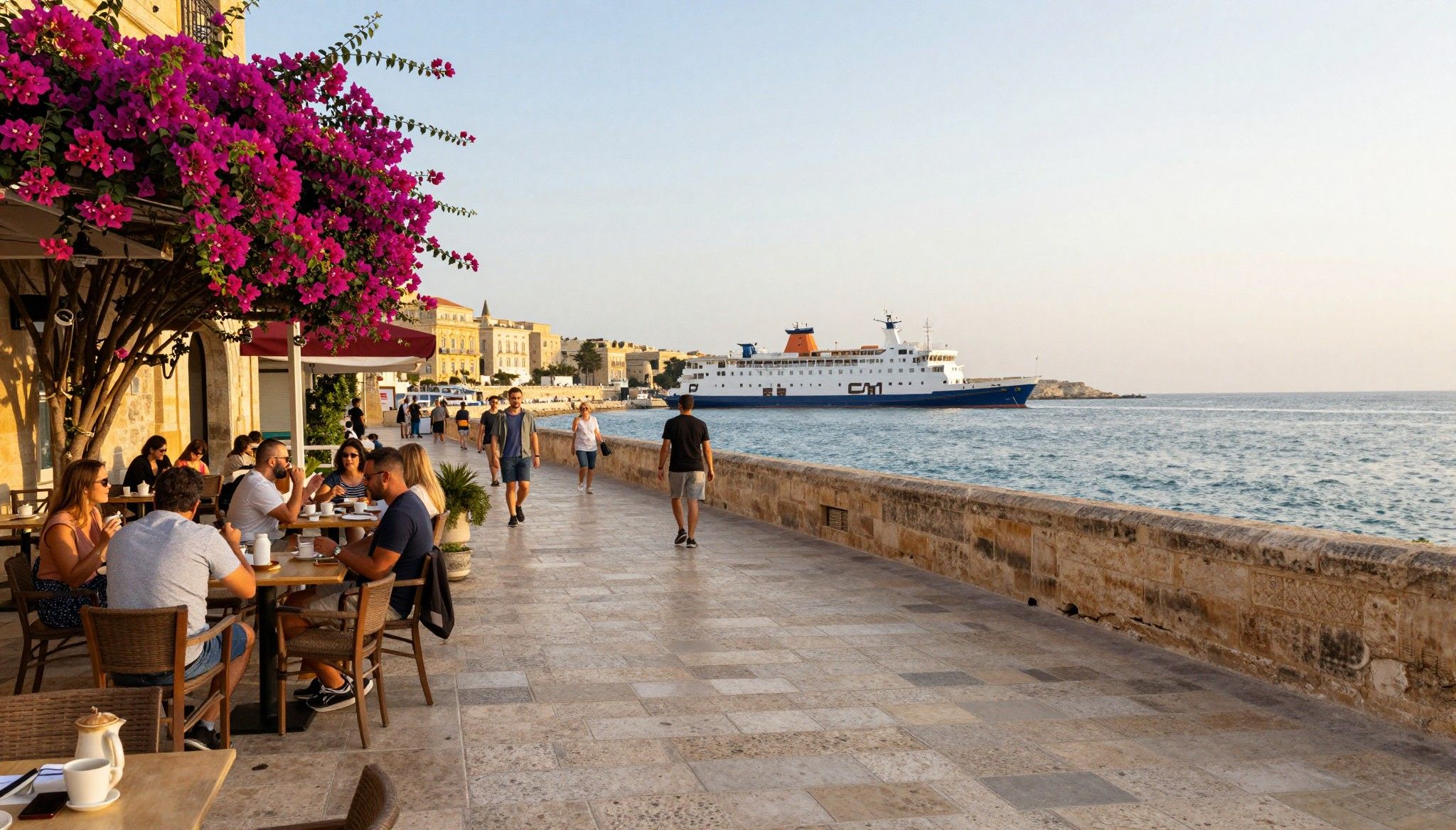
Imagine walking down a limestone alley in Valletta at dawn, espresso steam curling in the air, bougainvillea spilling from a balcony and the sea just beyond the fortifications. Malta is compact enough that the scent of the Mediterranean reaches most homes; wild thyme, salted wind, and the cadence of island life thread through neighborhoods. For international buyers drawn to rugged coastlines, flight‑time convenience and a culture that still values slow evenings and fresh food, Malta pairs a vivid, coastal lifestyle with a surprisingly modern property market. This piece blends sensory stories with practical, research‑backed insights so you can fall in love—and then buy with clear eyes.
Living the Malta life: pockets of green and sea
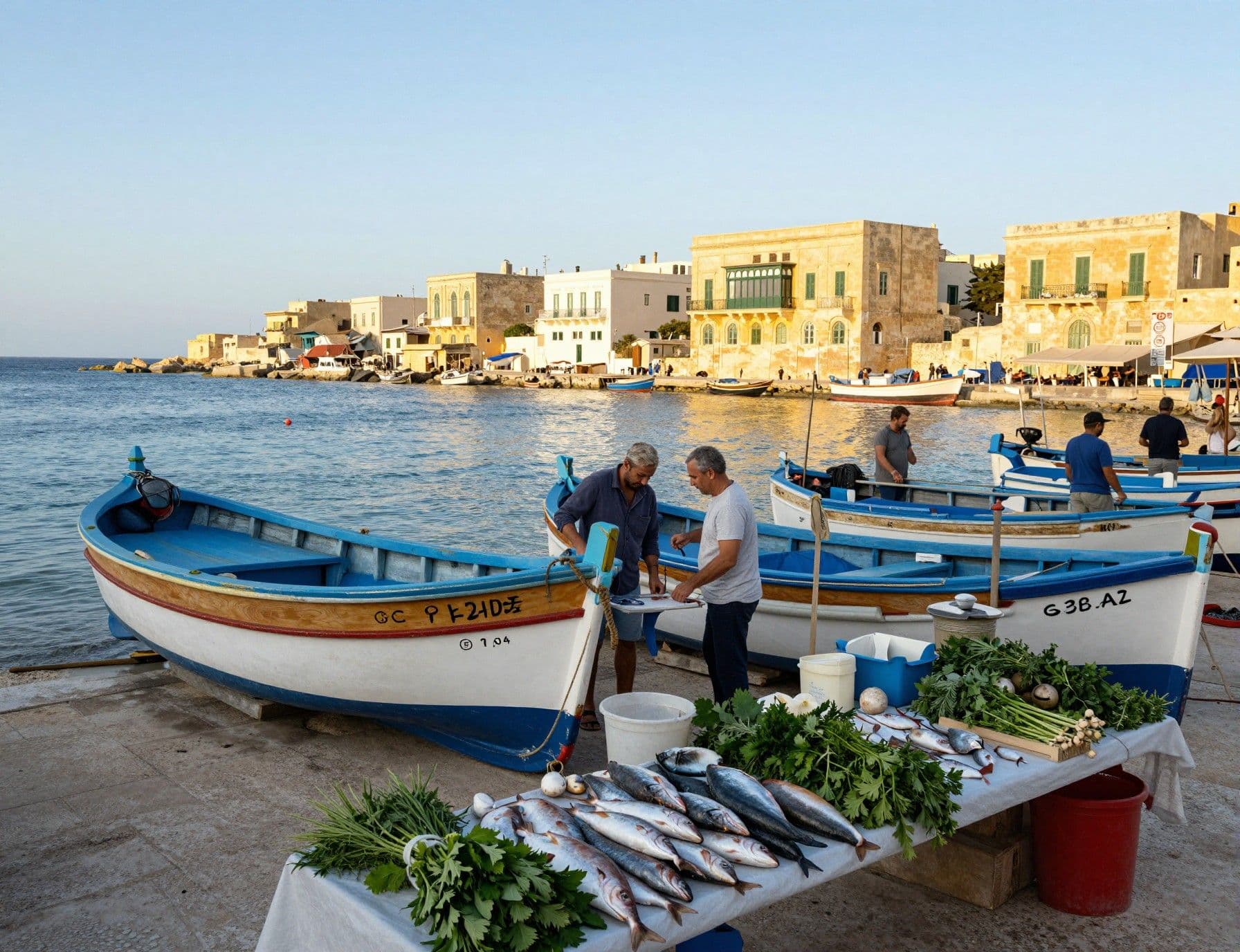
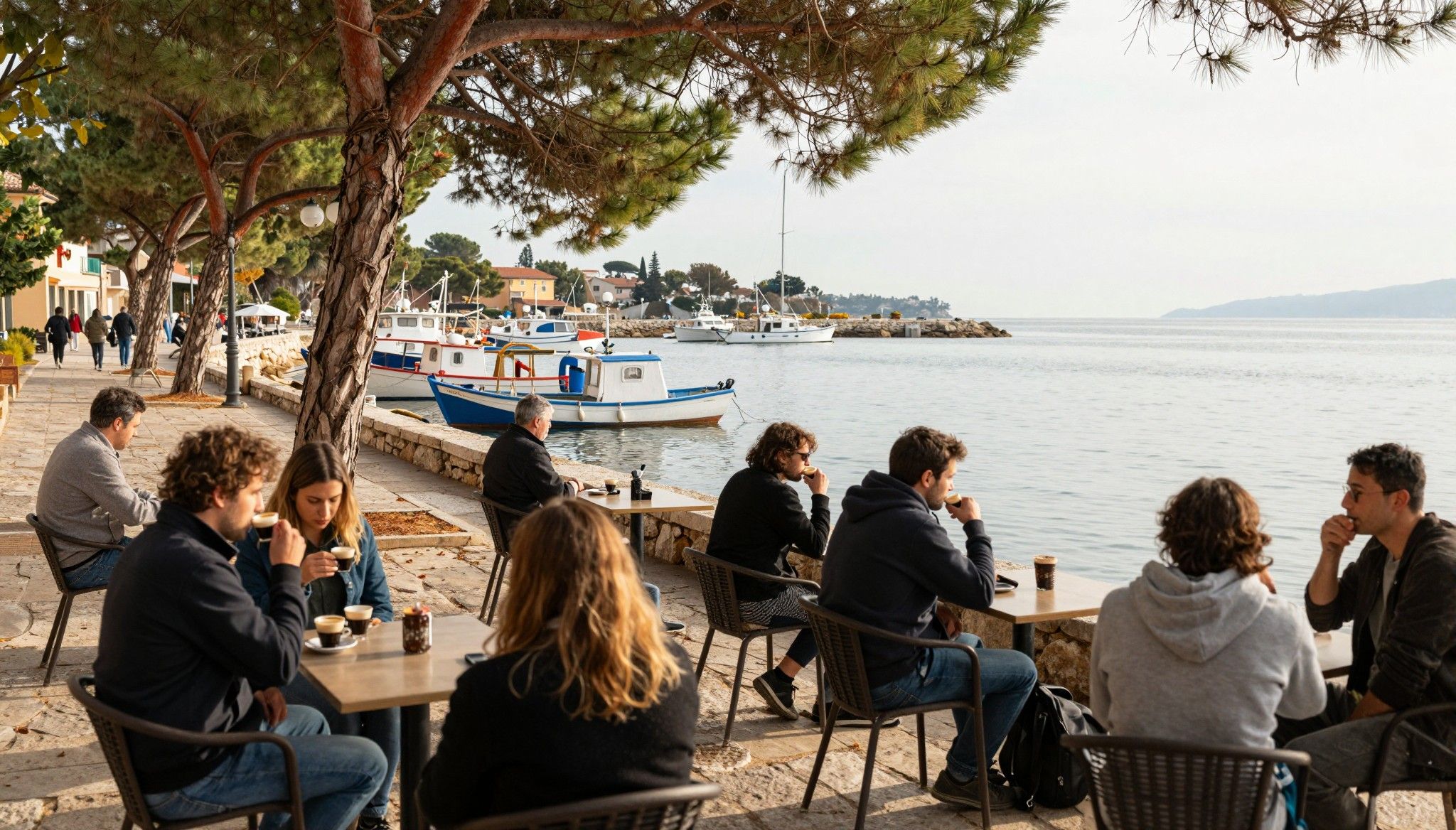
Malta’s rhythm is small‑island: mornings at the market, afternoons by the rocky coves, evenings at family‑run restaurants. Where you live shapes the pace—Valletta’s narrow streets offer cultural density and easy walks; Sliema and St. Julian’s hum with cafés, ferries and expat energy; Gozo slows everything down with fields and cliffs. The island’s greener edges—Dingli Cliffs, Għajn Tuffieħa, the terraced slopes around Mgarr—are where sea meets scrub, and where homes feel most reconciled with landscape.
Valletta & the historic core: living among story and stone
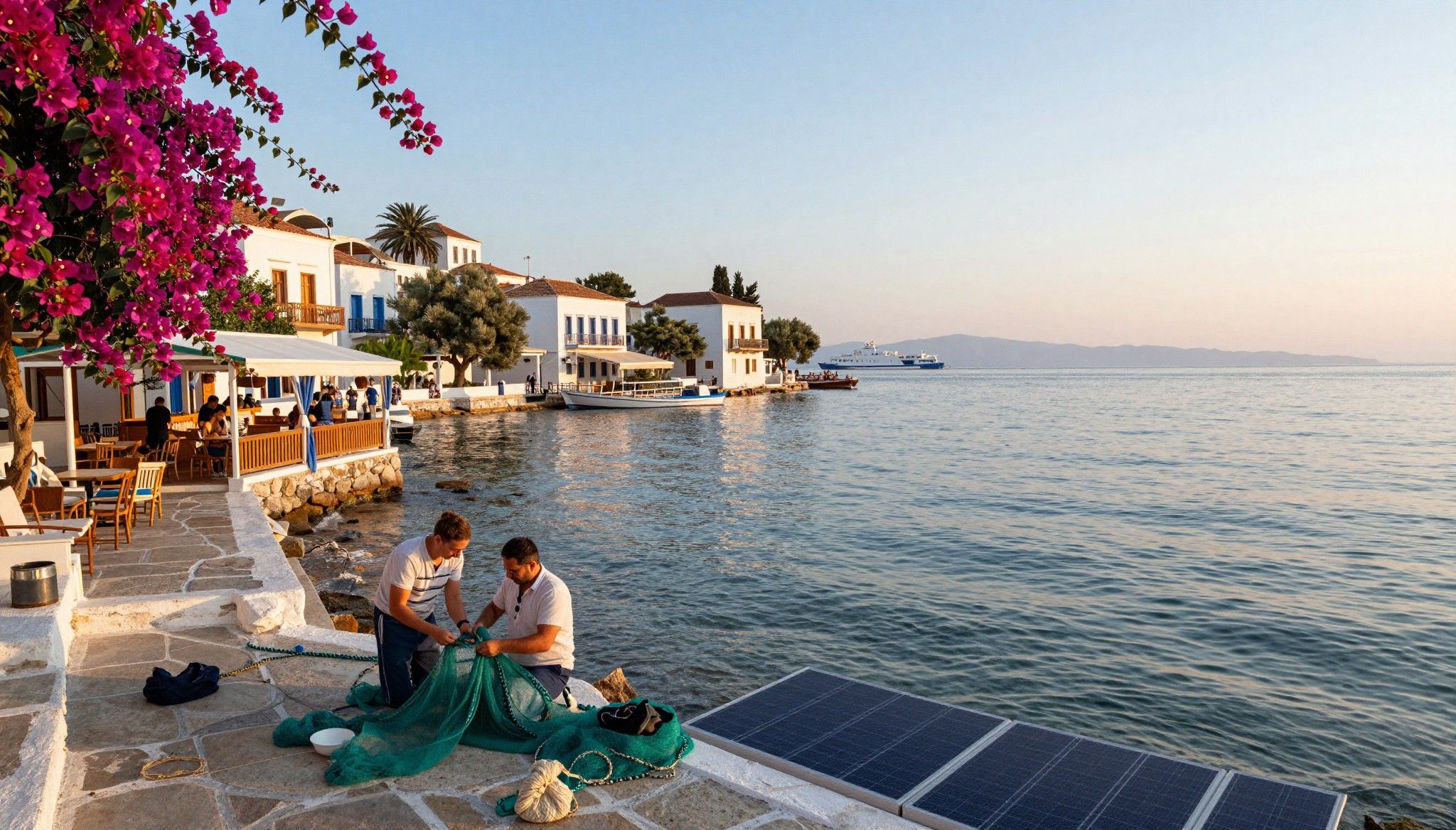
Picture morning light on Republic Street, a bakery’s warmth, a theatre poster fluttering on a baroque façade. In Valletta you live within UNESCO walls—mornings might be museum visits or harbour walks, nights are wine bars and chamber concerts. Properties are often stacked stone, with timber balconies and compact terraces; green retrofit—solar panels hidden behind parapets, planted terraces—is increasingly common among buyers wanting comfort without erasing the city’s character.
Sliema, St. Julian’s & the coast: active days, social nights
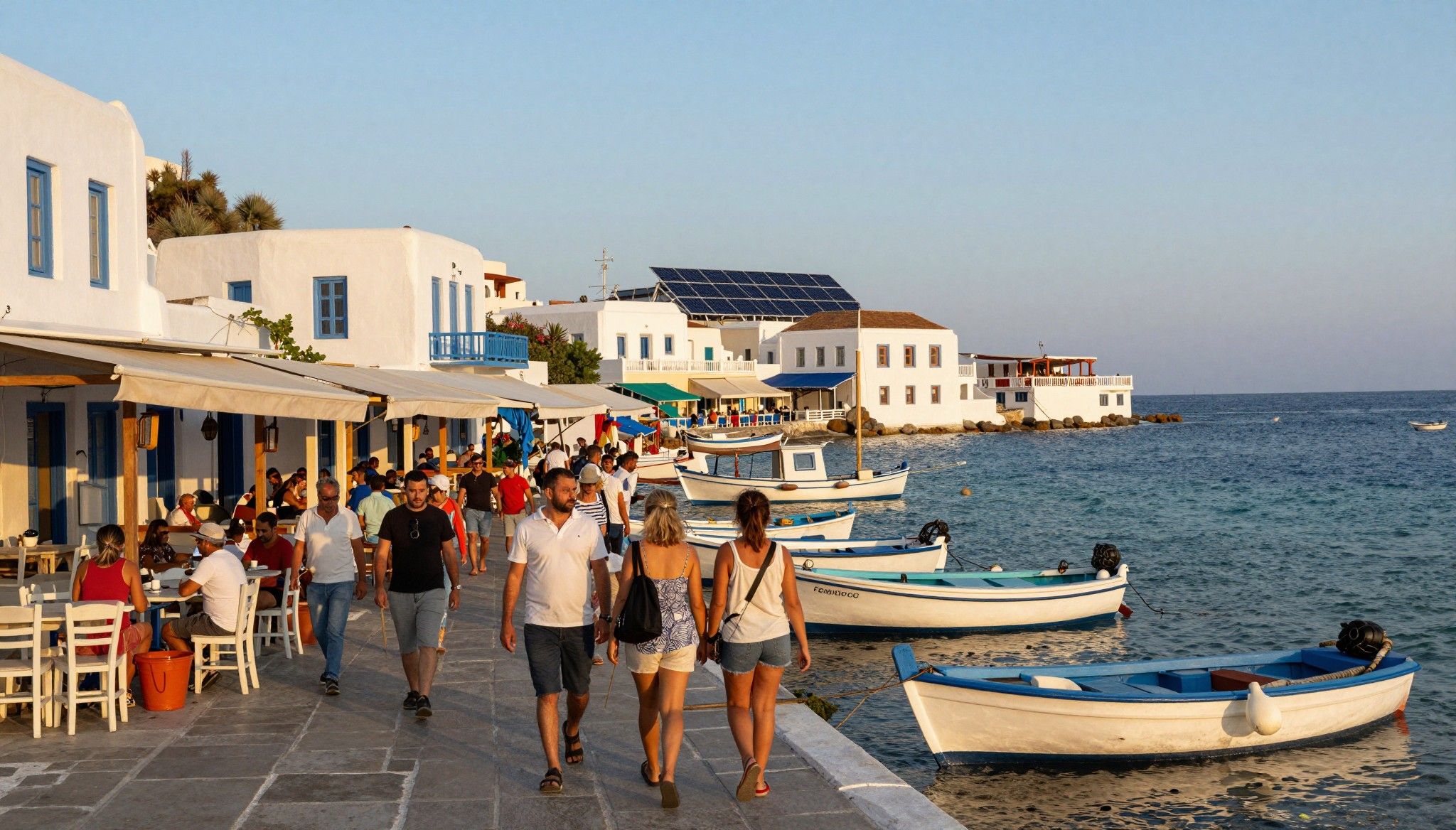
These neighborhoods pulse with cafés, seafront promenades and co‑working hubs—ideal for professionals and families seeking convenience. Morning swims off Sliema’s rocky shelves or weekend ferry trips to Gozo feel ordinary here. Expect modern apartments and converted townhouses; look for properties with cross‑ventilation, thick stone walls and balconies that catch the evening breeze—features that matter more than a superficial sea view when it comes to everyday comfort.
- Lifestyle highlights to sample before you buy: • Sip an afternoon coffee on Strait Street in Valletta and listen for local gossip. • Swim at Għajn Tuffieħa or Golden Bay after a morning market run in Rabat. • Wander the fishing village of Marsaxlokk on Sunday for fresh fish and color. • Take an island‑wide field walk on Gozo to see terraced agriculture and calcareous meadows. • Spend an evening in Paceville for nightlife, then a dawn walk along Sliema seafront.
Making the move: practical considerations that preserve lifestyle
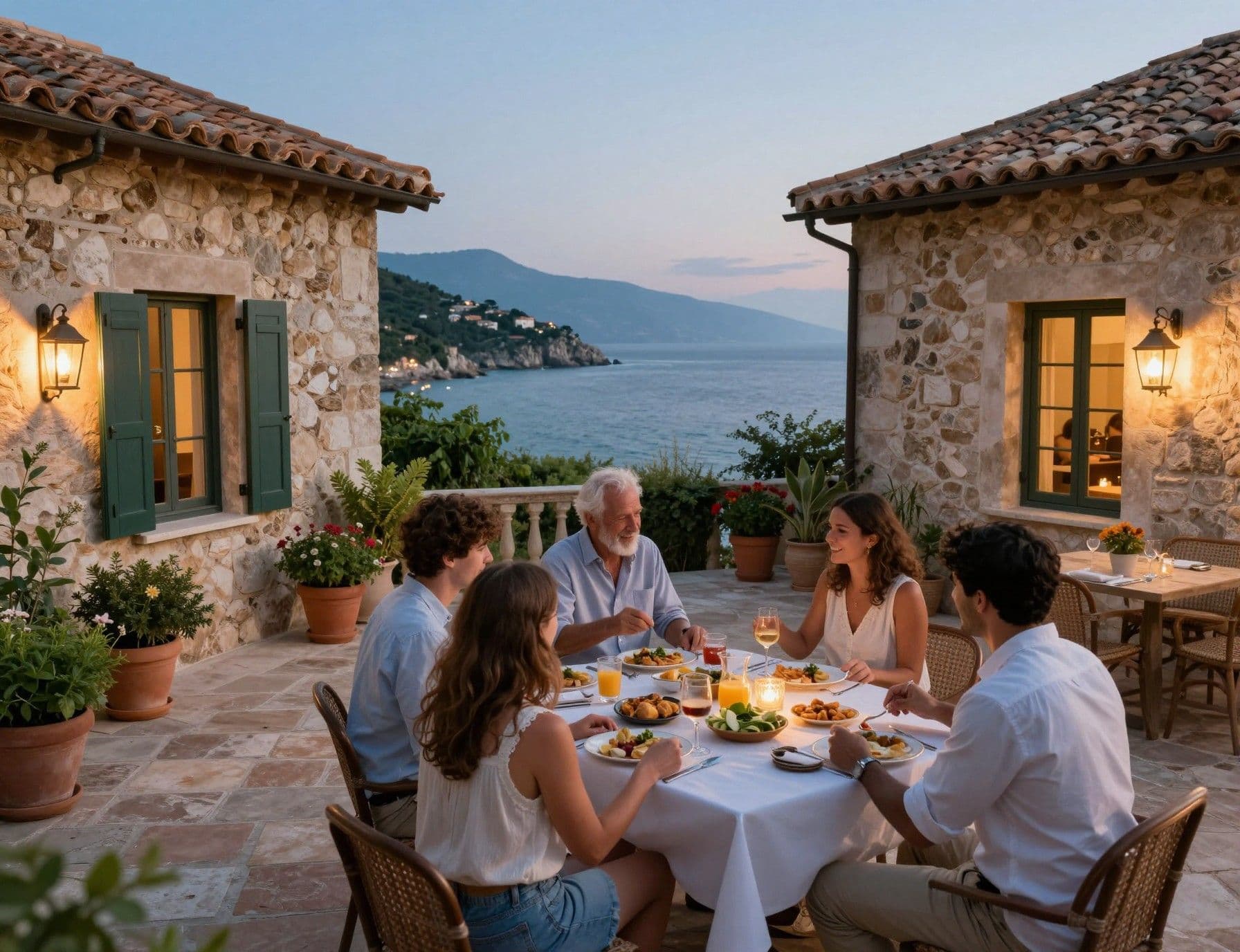
Malta’s market is active but nuanced. Government statistics show steady price growth across 2024, with the National Statistics Office tracking quarterly rises in the Residential Property Price Index—important context for timing and expectations. Transaction volumes have ebbed and flowed with policy changes, yet demand remains strong in central and coastal pockets. That means supply can be thin where lifestyle is richest—so patience and a local team matter.
Property styles and how they shape daily life
Historic townhouses: thick stone walls, internal courtyards and shaded rooms keep interiors cool in summer; they reward sensitive retrofits—think lime‑based plasters, discreet photovoltaics and rainwater harvesting for garden irrigation. Modern apartments: open plans and terraces favour indoor‑outdoor living but check insulation and shading. New builds on the periphery offer space and rooftop potential for solar and edible gardens—great for buyers seeking regenerative features.
Work with agents who speak both language and landscape
Choose agents who understand Malta’s layered rules, neighbourhood micro‑markets, and sustainable retrofit possibilities. Good local partners will: explain seasonality in showings, know which buildings allow rooftop solar or terraces, and introduce you to craftsmen for lime‑plaster work. They also help translate lifestyle preferences—dawn swims, market proximity, or quiet village life—into property specifications.
- Steps to align lifestyle goals with buying strategy: 1. List daily rituals that matter (market visits, swims, walks) to prioritise location. 2. Shortlist properties by fabric (stone vs. modern concrete) to estimate retrofit scope. 3. Use a local agent to arrange off‑season visits to see real‑life rhythms. 4. Budget for artisan‑led retrofits if buying a historic home—this preserves character and thermal comfort.
Insider knowledge: what expats wish they’d known
Expats often underestimate two things: seasonality and policy shifts. Summers swell towns like St. Julian’s and Sliema, while winters reveal how quiet and community‑focused island life becomes. Policy changes—especially around residency and investment programmes—have altered buyer incentives in recent years, so rely on up‑to‑date counsel rather than assumptions about easy residency routes.
Cultural integration, language and daily social life
English is an official language and widely spoken, which smooths daily life for many internationals. Yet community acceptance grows through simple rituals: learn to greet shopkeepers in Maltese, buy seasonal produce at Marsaxlokk’s market, attend a festa to understand local rhythm. Long‑term happiness often comes less from paperwork and more from joining a village circle, club or volunteer group.
Longer view: living sustainably on a small island
On a constrained island, stewardship matters. Consider energy independence (roof solar and battery), water efficiency (greywater, cisterns), and planting native species to attract pollinators. These choices ease running costs and connect you to Malta’s ecological rhythms—winter rains, aromatic spring hillsides and dry summers—so your home really becomes part of place.
- Red flags and practical checks before you commit: • Confirm roof and terrace rights—some older buildings have communal rules. • Ask about permits for PV and satellite installations in historic cores. • Check drainage and rainwater capture possibilities on sloped plots. • Verify rental restrictions if you plan short‑lets—regulation evolves quickly. • Budget for artisan retrofit costs when restoring lime mortar, shutters, or timber work.
If Malta’s call feels personal—if you crave limestone streets, salt air and a life that values evening conversation—start by visiting in an off‑peak month, meet locals over market pastries, and spend a night in both Valletta and a coastal village. Then partner with a local agent who shares your environmental values and can turn a dreamy lifestyle brief into realistic property options. With good guidance, your Maltese home can be both a haven and a small, meaningful contribution to island stewardship.
Swedish advisor who left Stockholm for the Costa Brava in 2019. Specializes in sustainable, sea‑view homes for Scandinavian buyers and green finance insights.