Malta: Sunlit Life, Permit Zones and Green Home Choices
Malta’s compact, sunlit life blends seaside rituals with rising market demand; plan for permit zones, limestone maintenance and green retrofits to secure an eco-minded home.
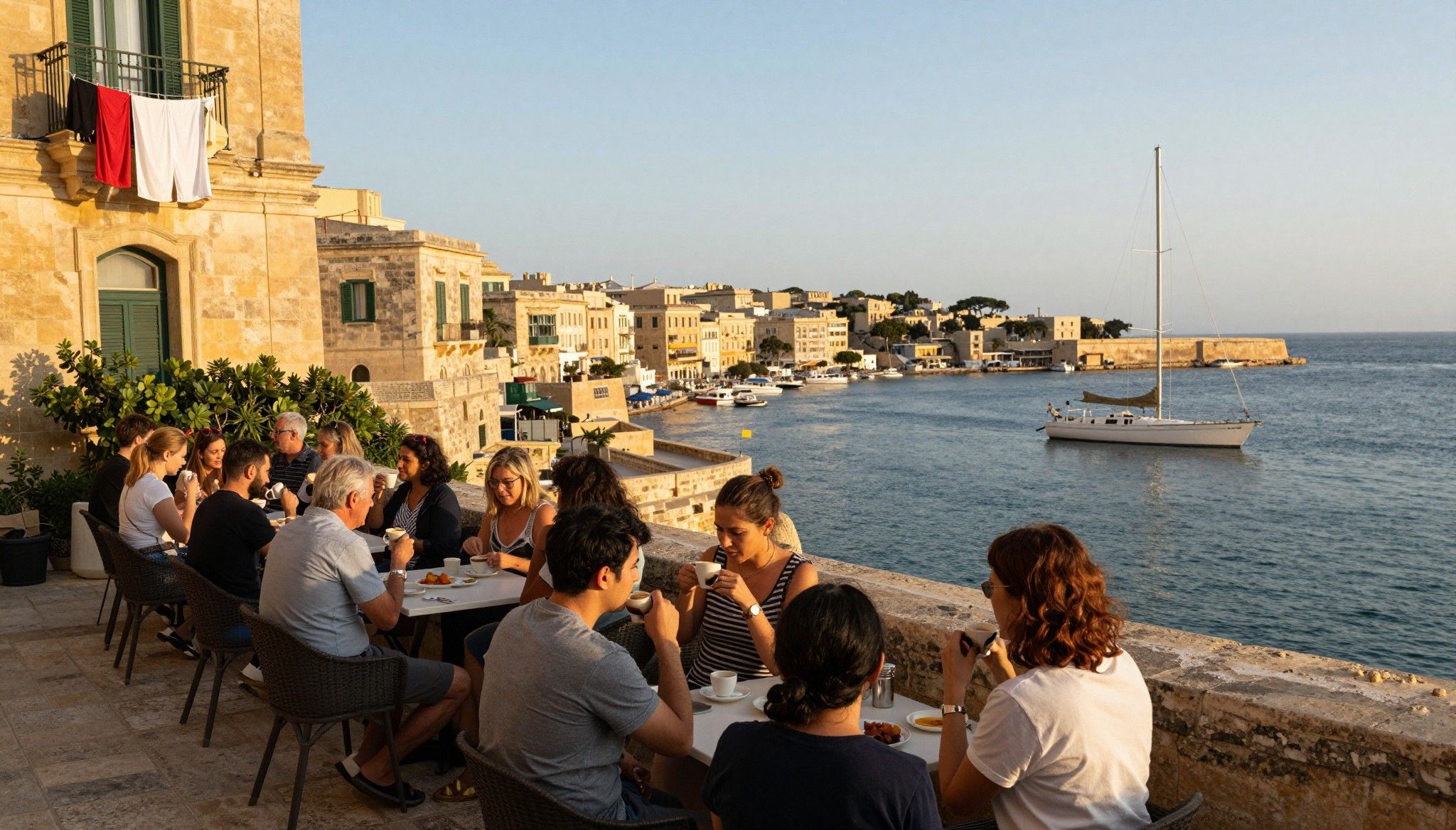
Imagine waking to limestone facades warmed by morning light, the scent of baking ftira on the breeze and the sea a blue rim on the horizon. Malta is small enough that your weekly routine can include a market run in Marsaxlokk, an espresso in Valletta, and a sunset walk at Dingli Cliffs — all in the same month. Yet beneath the postcard warmth is a dynamic property market that surprises many internationals: prices that keep rising, tight inventory, and special acquisition rules that shape where and how foreigners can buy. This piece blends the sensory life of Malta with the research you need to make a confident, eco‑minded move.
Living the Malta life: compact, coastal, and green
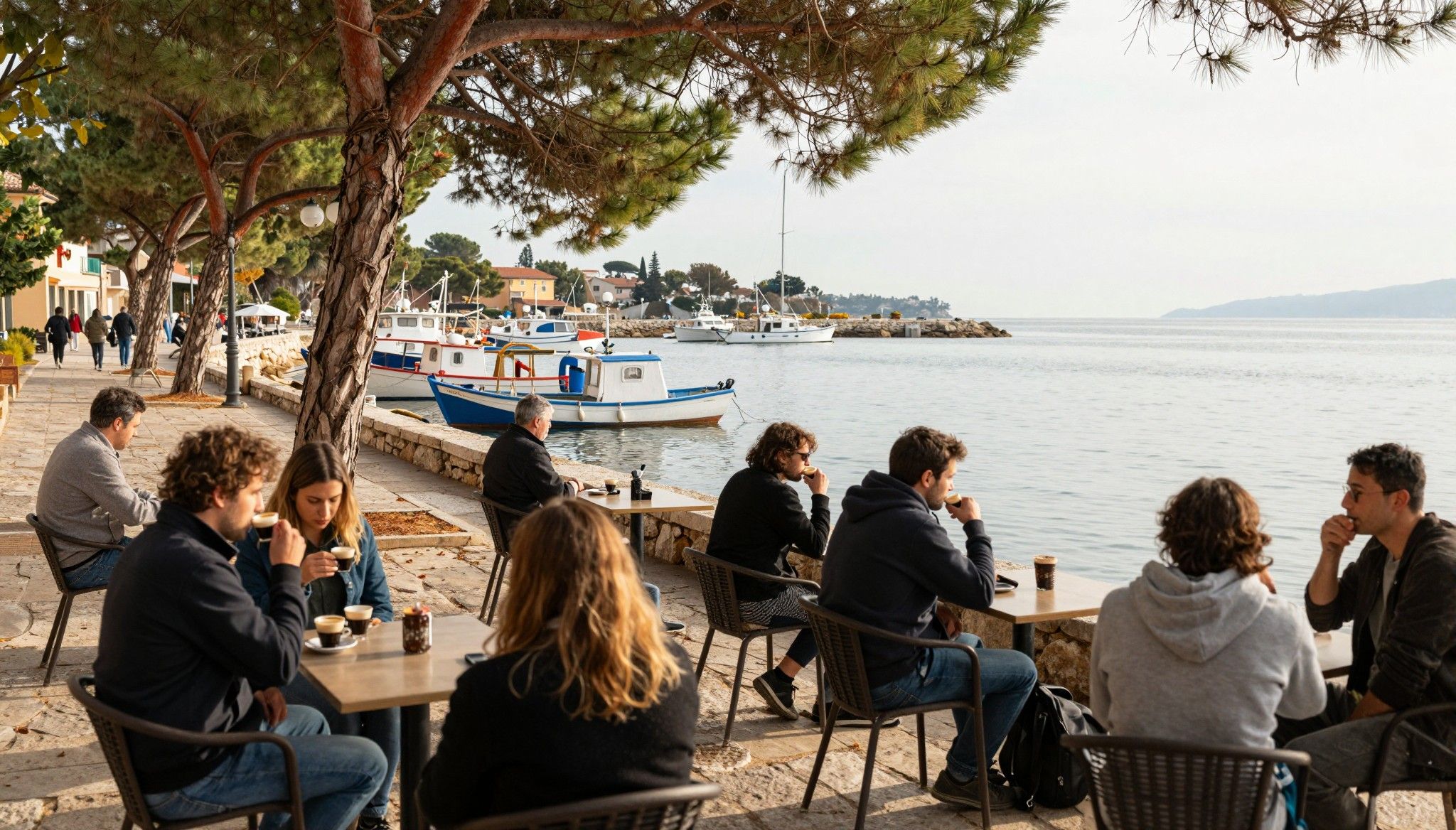
Daily life in Malta feels like an extended late‑afternoon: long golden light, neighbourhood cafes that spill into narrow streets, and a pace that balances Mediterranean leisure with island practicality. The climate is decisively Mediterranean — long, sunny summers and short, mild winters — which affects everything from courtyard planting to the desirability of terraces and roof gardens. Because the islands are compact, green living often means creative inward solutions: communal rooftop gardens, rainwater capture cisterns hidden behind stone walls and shaded courtyards that perforate dense fabric with coolness. Knowing the seasonality and sunshine hours helps you choose a property that will feel like home year‑round.
Valletta & the Three Cities: history as a neighbourhood
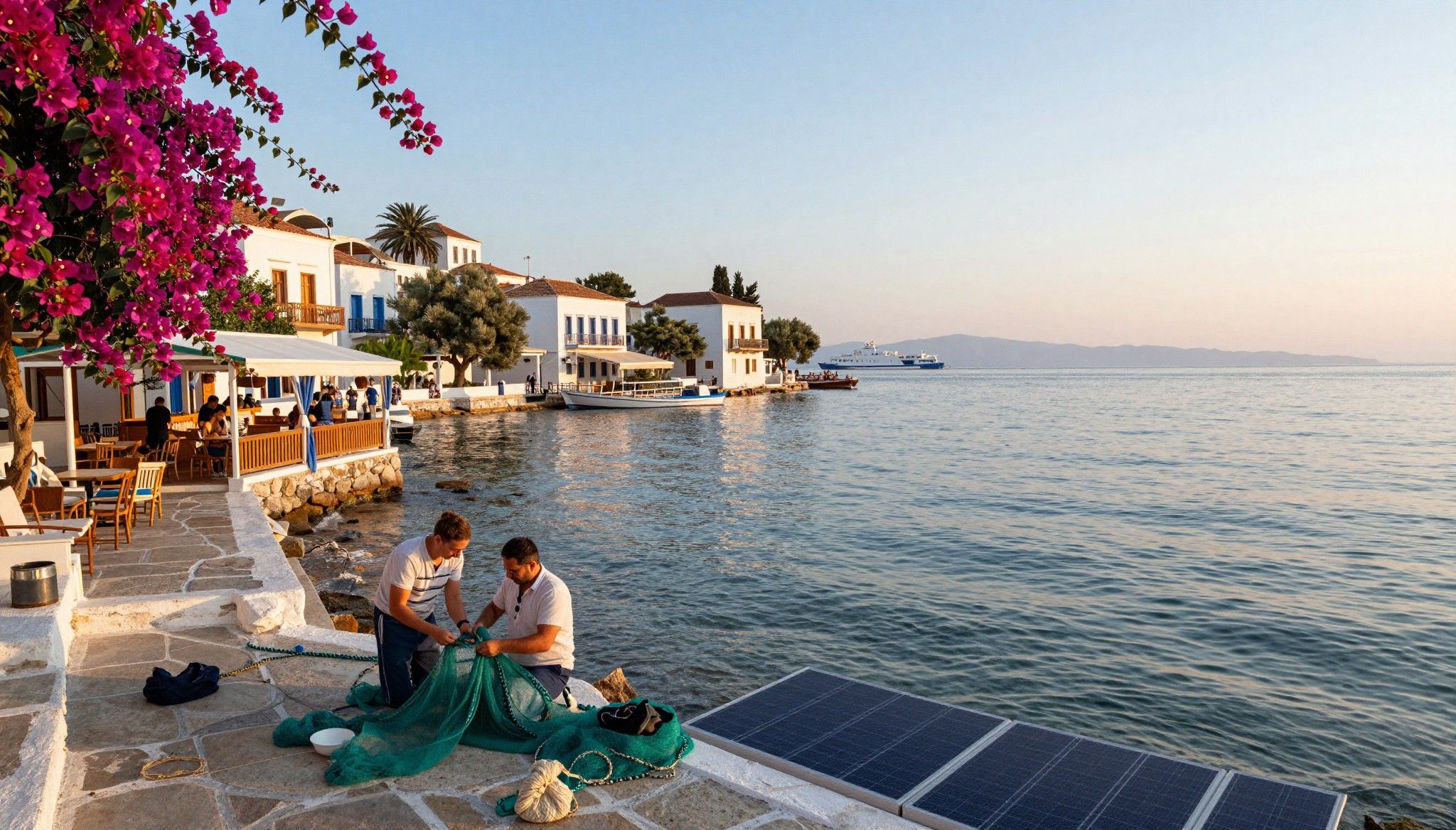
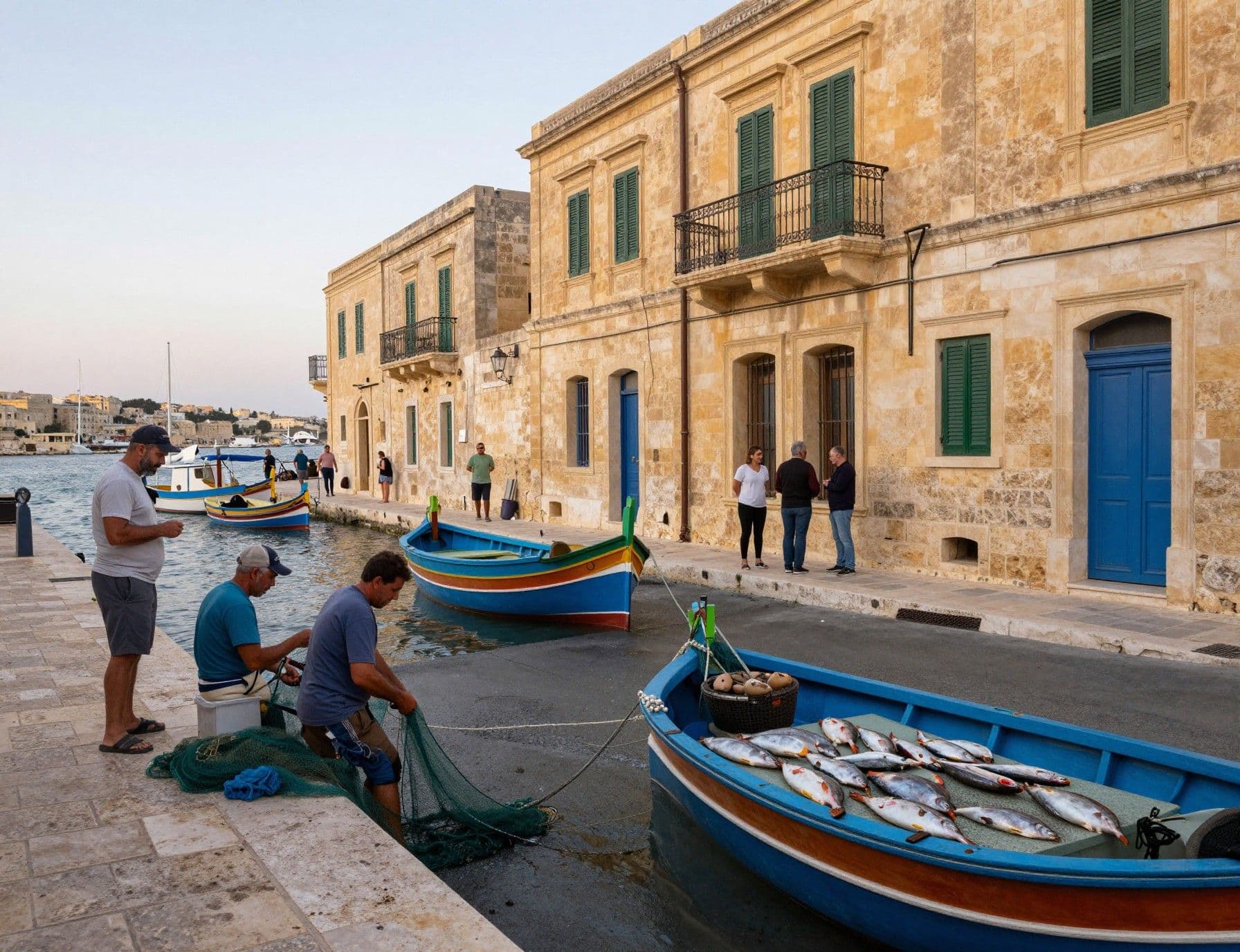
Valletta is theatre in stone: baroque facades, balconies heavy with shadow, and waterfront promenades where old fishermen still mend nets. Living here means morning market runs to Is-Suq tal-Belt, after‑work apertivos on Republic Street, and the comfort of a walkable city where history is literally at your doorstep. Across the harbour, Vittoriosa and Senglea — the Three Cities — offer quieter streets, working harbours and a strong sense of community that appeals to buyers seeking authenticity over spectacle. These areas reward those who want daily contact with culture, short commutes, and homes where traditional limestone and wooden balconies are integral parts of the house.
Sliema, St Julian’s & Mellieħa: seaside rhythms
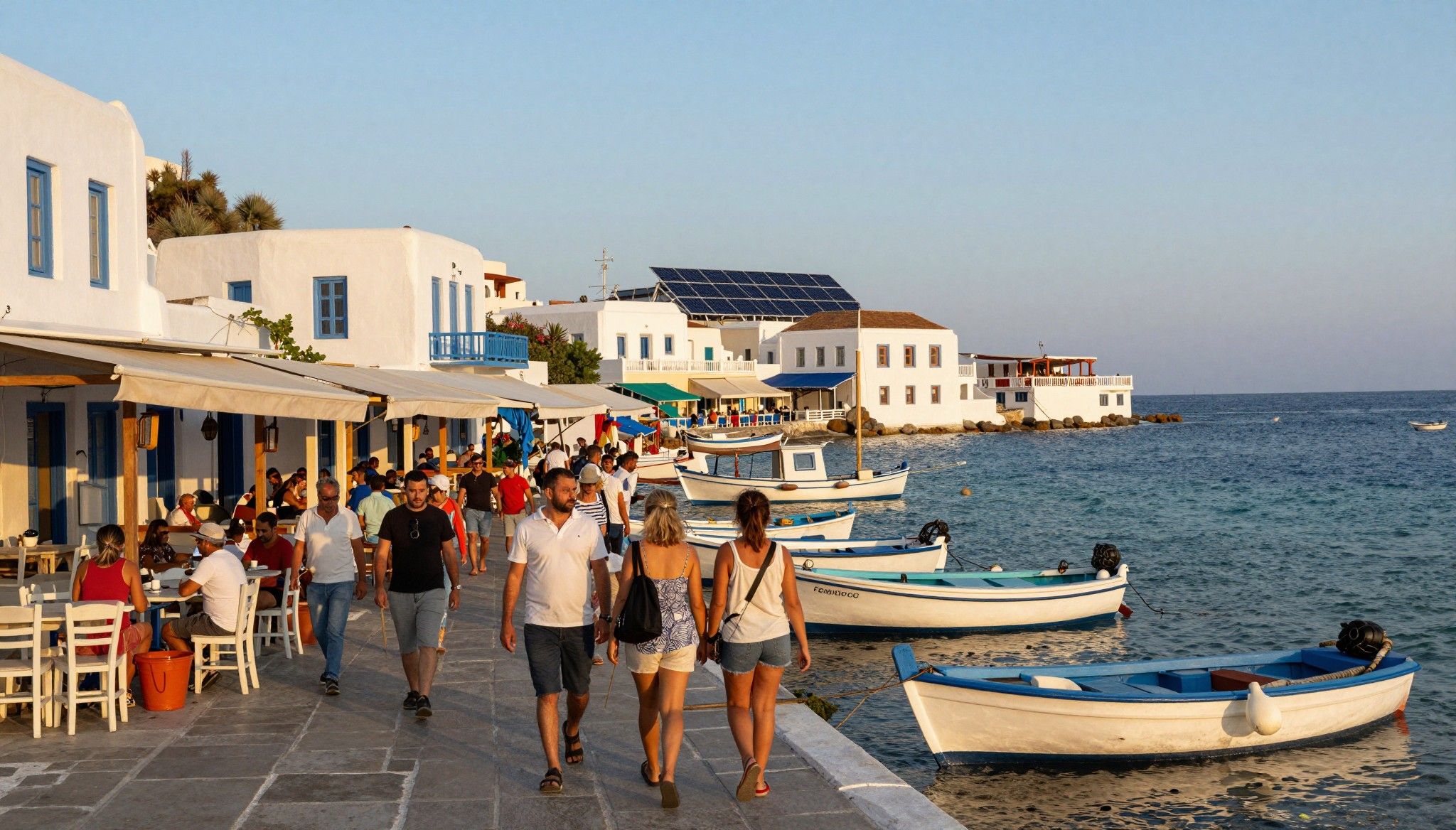
If you want sea views and boardwalk life, Sliema and St Julian’s offer promenades, compact beaches and a lively café culture by day — and lively Paceville nights for those who crave evening energy. Mellieħa, in contrast, is Malta’s gentle side: sandier beaches, higher cliffs, and a slower seasonal swell of families and long‑term residents. For green‑minded buyers, Mellieħa and the northwest coast provide better opportunities for private gardens, native planting and homes that integrate with the landscape rather than dominate it. The choice between these areas is a choice between constant seaside sociability and a quieter, more nature‑integrated life.
Making the move: lifestyle choices that shape property
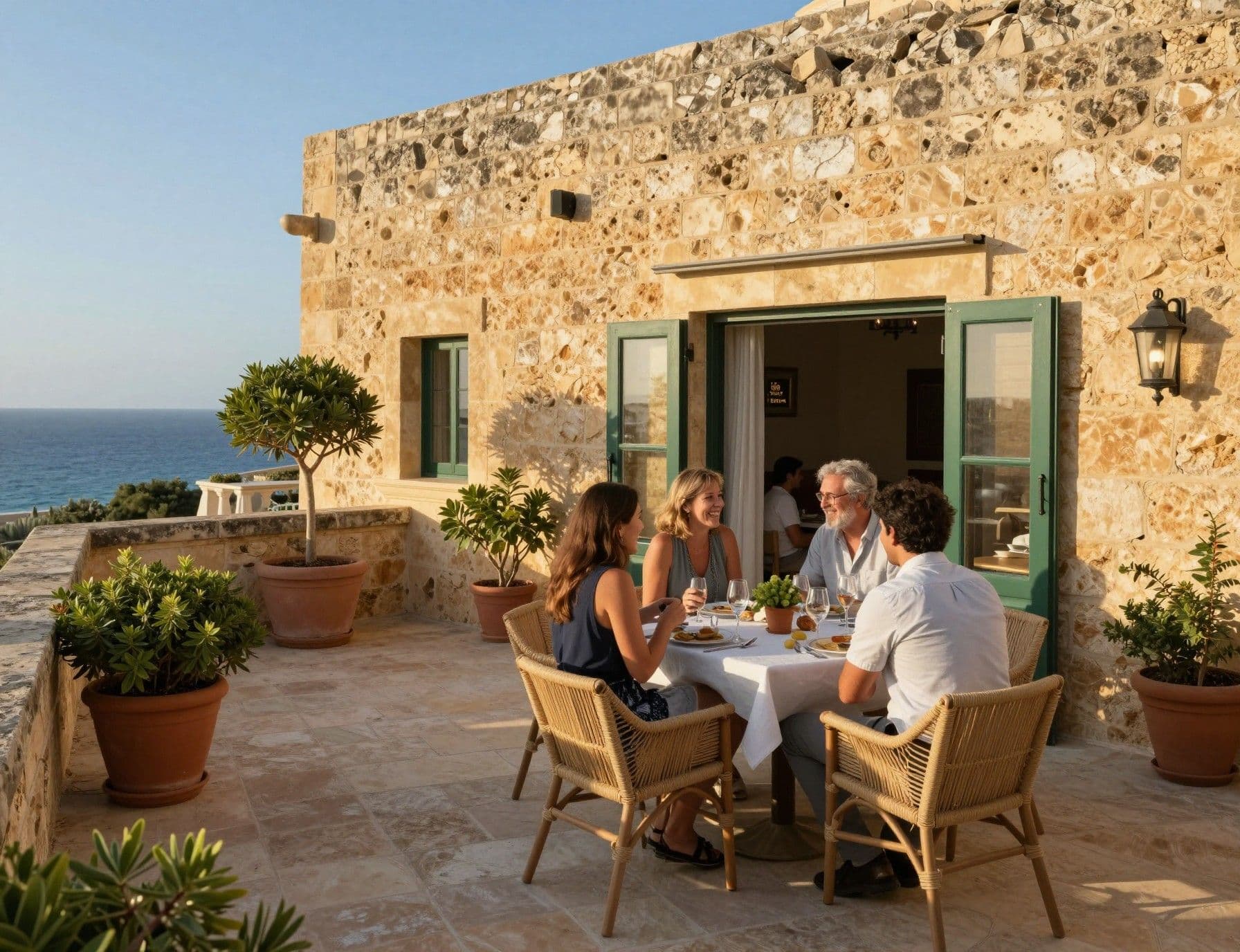
Dreams must meet rules. Malta’s market is shaped by zoning and acquisition permissions that are particularly important for non‑EU buyers, who may need an Acquisition of Immovable Property (AIP) permit unless the property sits in a Special Designated Area (SDA). That reality changes strategy: if you want coastal convenience without permit complexity, focus on SDA listings; if you’re happy with renovation projects and permits, a historic townhouse in a non‑SDA area might be perfect. Practical choices — terrace orientation for summer shade, space for photovoltaic panels, cistern readiness — influence both living comfort and long‑term running costs, especially under Malta’s bright sun and limited groundwater.
Property styles: limestone character vs contemporary retrofit
The island offers a spectrum: historic townhouses with internal courtyards, modern apartments with balconies, and villas on Gozo or the north coast with gardens. Limestone properties charm with thick walls that naturally moderate heat, but often need careful, conservation‑aware retrofit to add insulation, efficient glazing and discreet solar. Modern builds can more easily integrate heat pumps, battery storage and green roofs, but they may lack the microclimates of traditional courtyards. Think less about style as a checkbox and more about how each type supports the life you want to lead: a courtyard kitchen garden, an airy home office, or a terrace that becomes your living room in summer.
How to blend lifestyle with buying steps
- 1) List the daily rituals you won’t give up (market mornings, sea dips, long coffee breaks). 2) Match those rituals to neighbourhoods — Marsaxlokk for fish markets, Valletta for culture, Mellieħa for beaches. 3) Check whether desired properties are inside an SDA to understand permit needs. 4) Prioritise features that cut running costs: south‑facing terraces, space for PV, rainwater capture. 5) Engage a licensed local agent who understands both lifestyle fit and acquisition law. Each step keeps the dream practical and anchored in Malta’s realities.
Insider knowledge: what expats learn the hard way
Three things seasoned expats tell newcomers: inventory is tight in sought‑after spots, advertised asking prices have been rising year‑on‑year, and the lifestyle you fall in love with — sea, café life, weekender islands — sometimes carries hidden maintenance rhythms. For example, many buyers underestimate the upkeep of historic limestone facades or the seasonal pressures on water. Market data shows robust transaction volumes in recent years, so acting with a clear brief and swift local support matters if you want to secure the right property without compromise.
Language, community and everyday integration
English is an official language in Malta and widely used in business, schools and most daily interactions — a huge practical advantage for internationals looking to integrate quickly. Social life often centers on local festas, Sunday markets like Marsaxlokk’s fish market, and communal dinners where neighbours swap produce and recipes. To build a life here, show up: join a local fishing morning, take a Maltese cooking class, volunteer for a festa committee. Those simple acts open doors to friendships that turn addresses into neighbourhoods.
Expat lessons and long‑term thinking
- Buy with seasonality in mind — terraces and ventilation matter in August, insulation and waterproofing in winter. Consider water‑wise landscaping and cistern readiness to reduce costs and support local ecology. Factor in a modest contingency for limestone repair and heritage‑sensitive upgrades if you buy older stock. Think beyond resale: choose a place that supports the life you want to live for five, ten and twenty years.
Malta offers a distinctive mix: intense sunlight, dramatic coastlines like the Dingli Cliffs, intimate village squares and a compact archipelago lifestyle that rewards those who value closeness to nature and community. Market indicators show steady growth in prices and transactions, so buying here is both a lifestyle commitment and a decision that benefits from timely, local expertise. If your dream includes morning markets, limestone courtyards, and a culture that honours food and sea, Malta will welcome you — provided your plan respects the island’s rules and seasons.
Next steps: small actions that lead to big change
- Visit in an off‑peak month to feel everyday life; prioritise SDA listings if you’re non‑EU; ask agents for energy and water efficiency features; request recent maintenance history for limestone façades; and bring a local lawyer early to clarify permit timelines. These modest actions protect the lifestyle you imagine and make the property a lasting part of Malta’s landscape.
Picture yourself on a terrace in early evening, a breeze lifting the scent of lemon trees, neighbours calling to invite you for supper — that is Malta’s real pull. If you pair that yearning with plain‑spoken research, local partners and a readiness to invest in low‑impact upgrades, your Maltese home can be both a sanctuary and a contribution to the island’s ecological future. When you’re ready, a local, sustainability‑minded agency can translate that life into listings, permits and practical plans so you arrive as a thoughtful steward, not just a buyer.
British expat who traded Manchester for Mallorca in 2017. Specializes in guiding UK buyers to luxury Spanish estates with clear navigation of visas and tax.