Why Gżira Often Outsmarts Sliema for Verdant Living
Thoughtful, data-backed look at Malta’s verdant neighbourhoods—why Gżira, Mellieħa and Gozo often outmatch shoreline glamour for sustainable living and long‑term value.
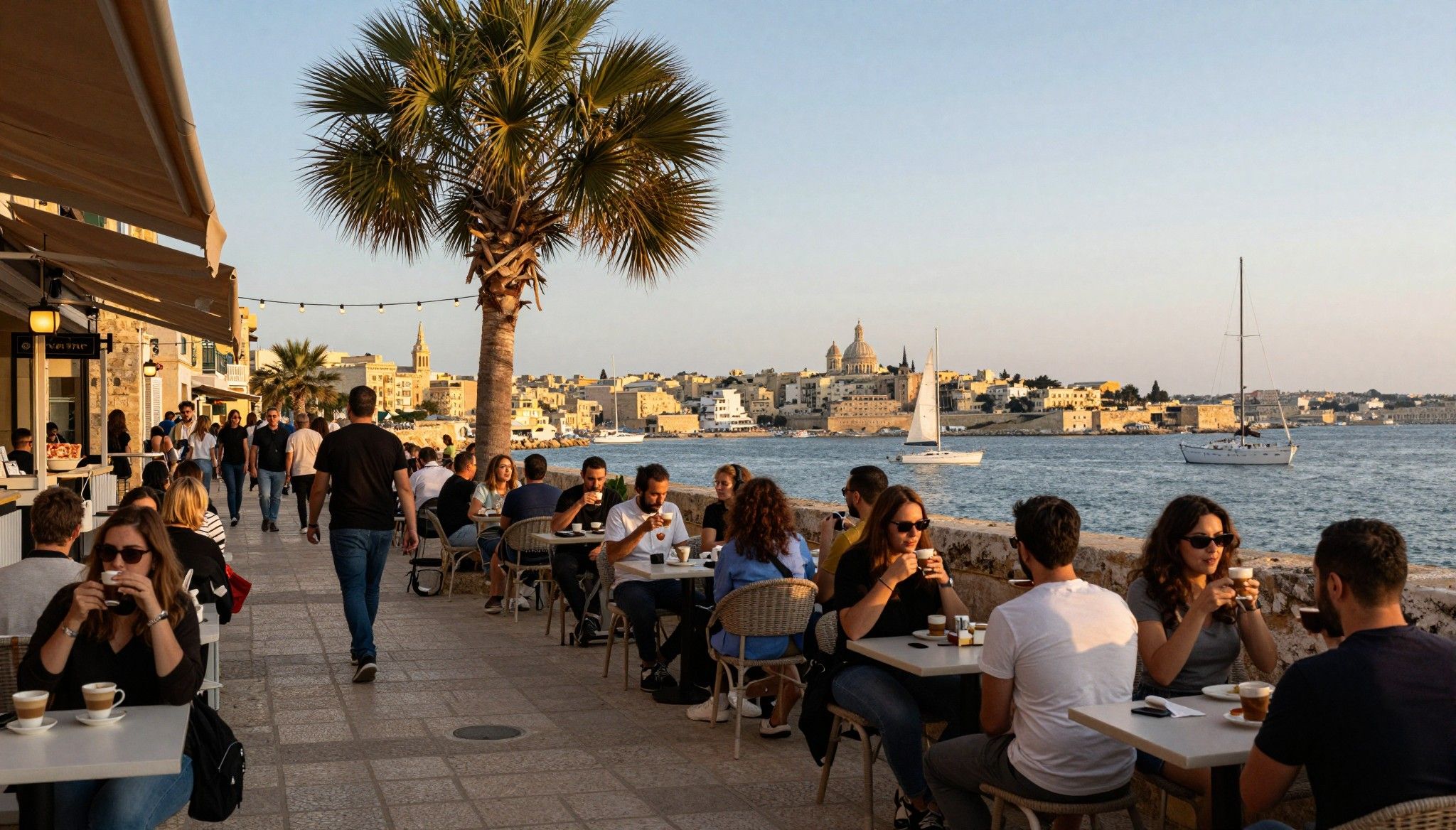
Imagine morning light pooling on a limestone balcony in Gżira as fishermen cut across Marsamxett Harbour and a café pours your espresso. This is Malta in micro: compact, vivid, and rooted in sea-salted rhythms. For many international buyers the island glamour—Valletta’s baroque sweep, Sliema’s promenades—reads like a postcard. But the quieter, greener, and surprisingly practical corners are where life settles: terraced gardens, stone-built maisonettes, and neighbourhoods that reward slow living. Recent market reports show steady price growth, but also pockets of value that buy you a fuller life rather than just a view.
Living Malta: small-island rhythms, big‑hearted routines
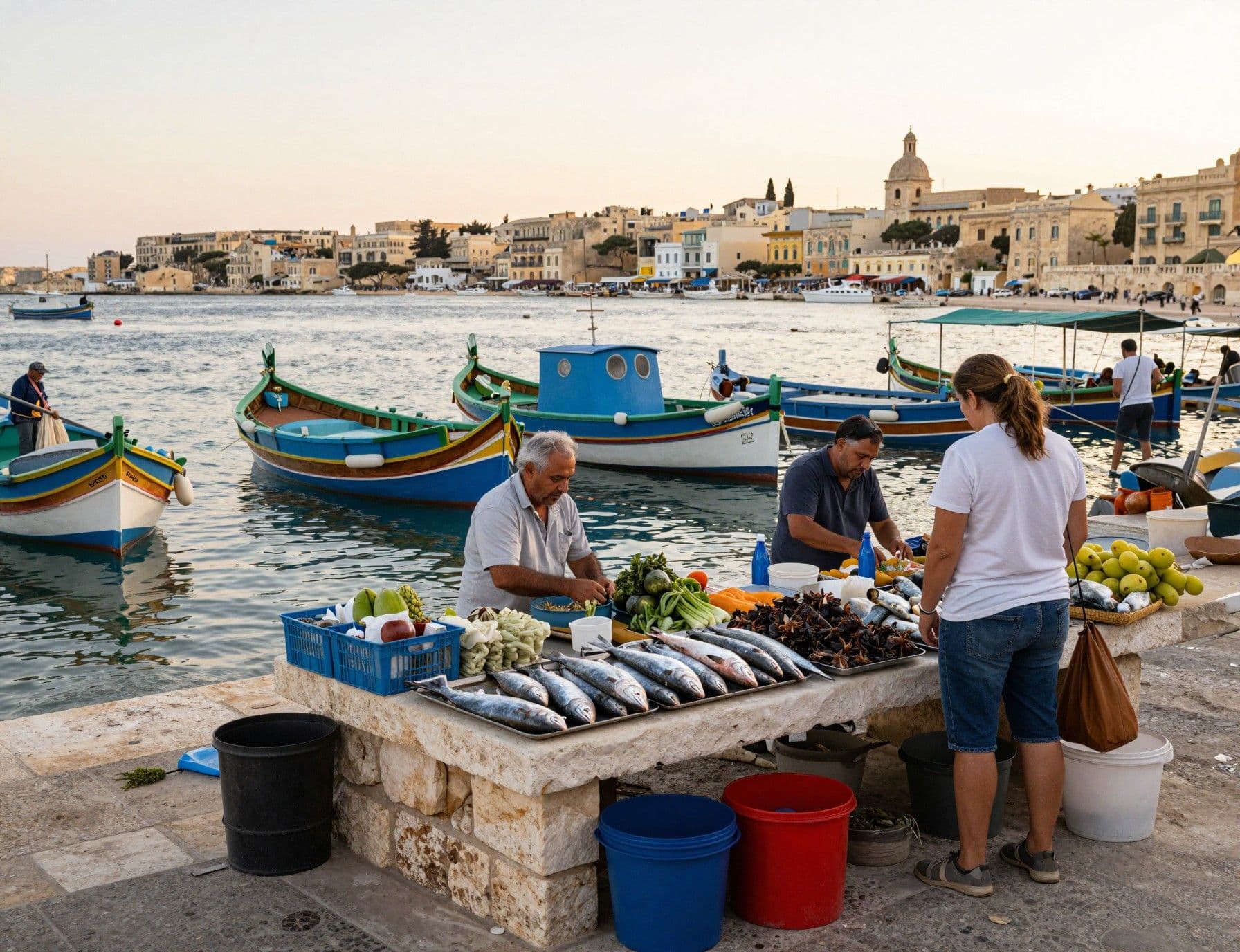
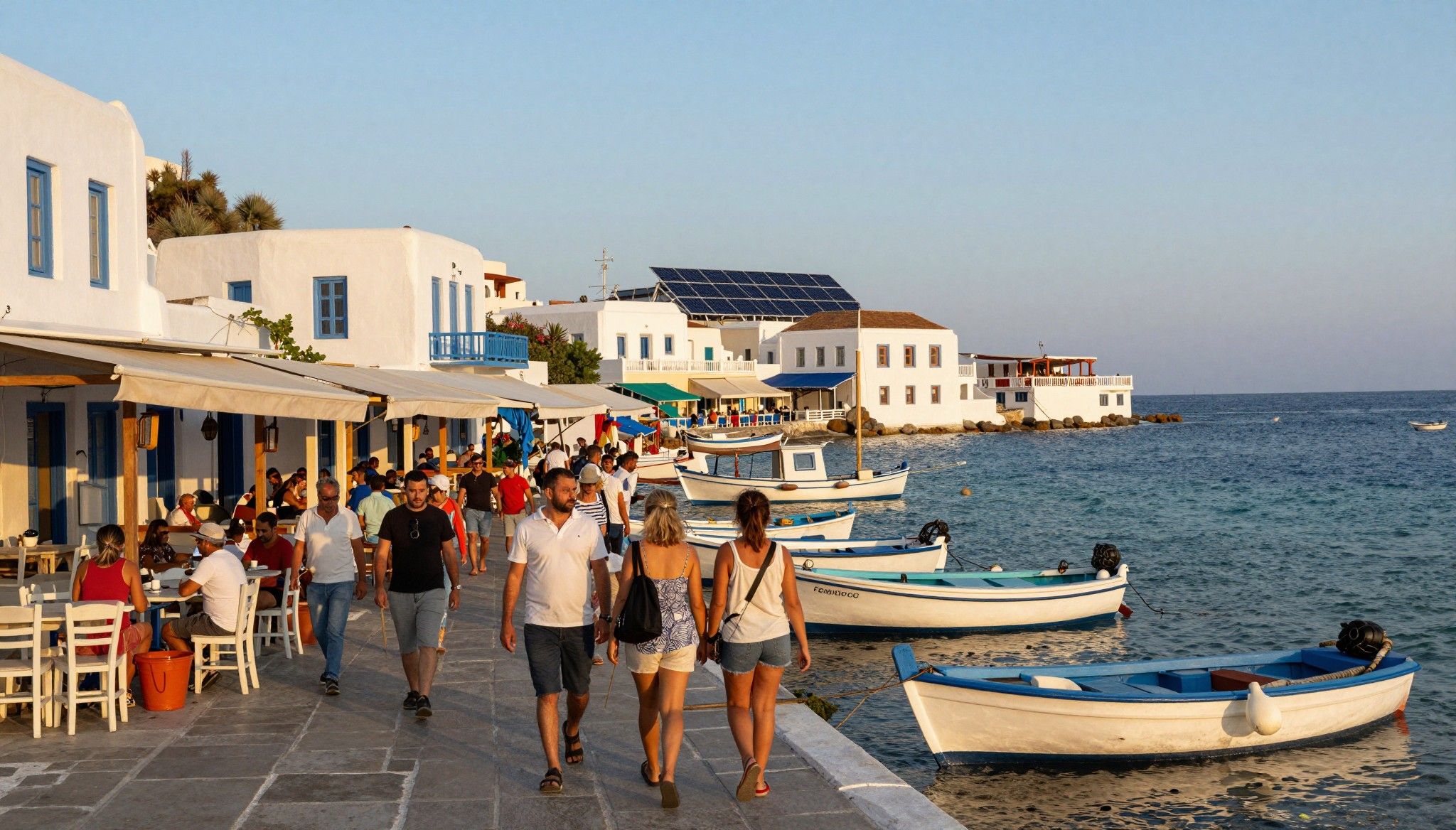
Malta moves at two speeds: sunlit sociability by the coast and a quieter interior tempo where neighbourhood cafés and community gardens rule. Weekdays are punctuated by school run and office commutes; weekends unfurl into fisherman’s markets, coastal swims at Armier or Għajn Tuffieħa, and late aperitivi under string lights in St Julian’s backstreets. Air is Mediterranean-warm and salty; limestone facades absorb the light and the heat, giving homes a honeyed patina. If you crave abundant green living, look for homes with courtyards, roof terraces fit for solar, and small plots where you can tend native rosemary, pomegranate and olives.
Gżira and Msida: the underrated heart for sea, cafés and commutes
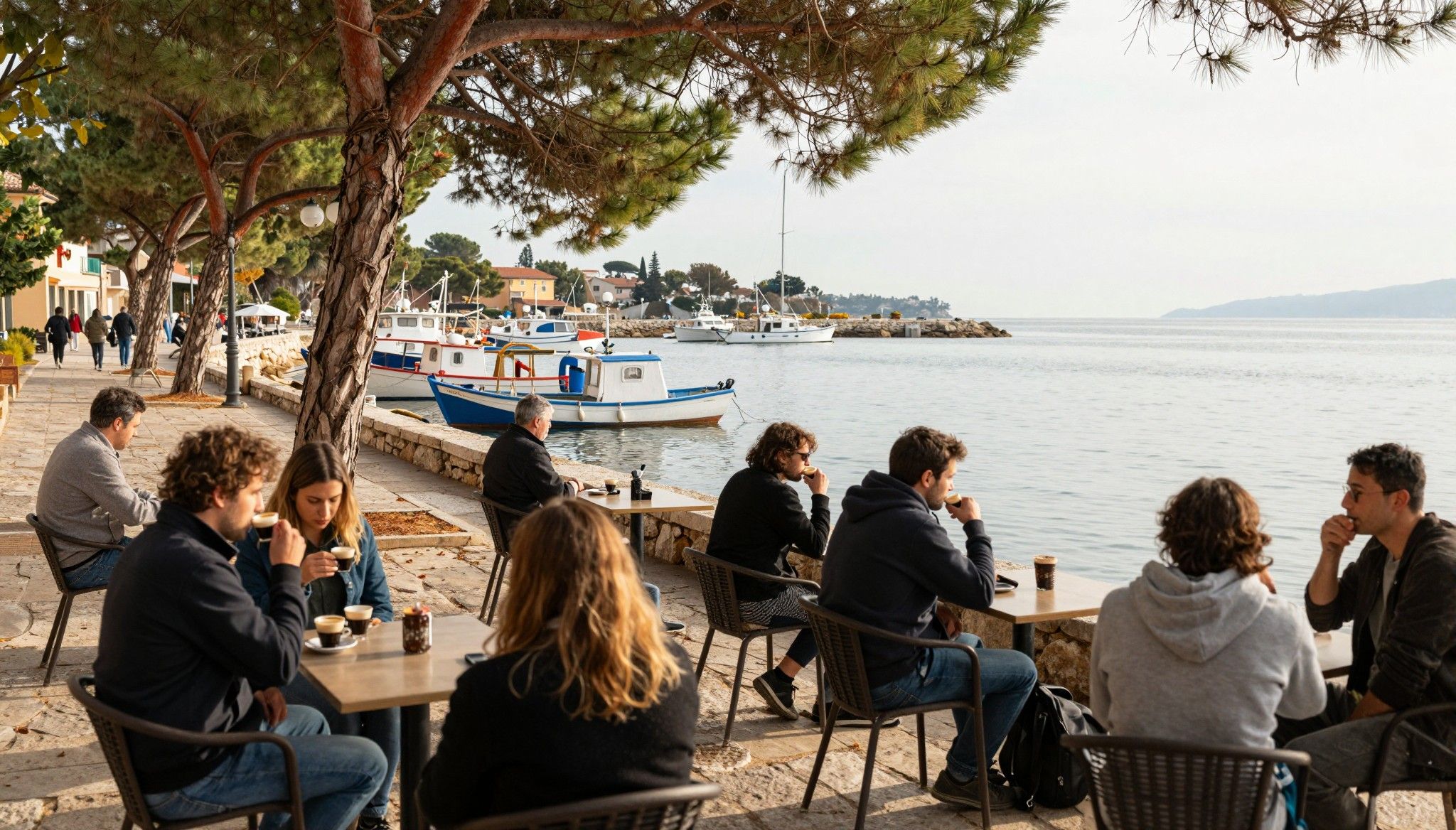
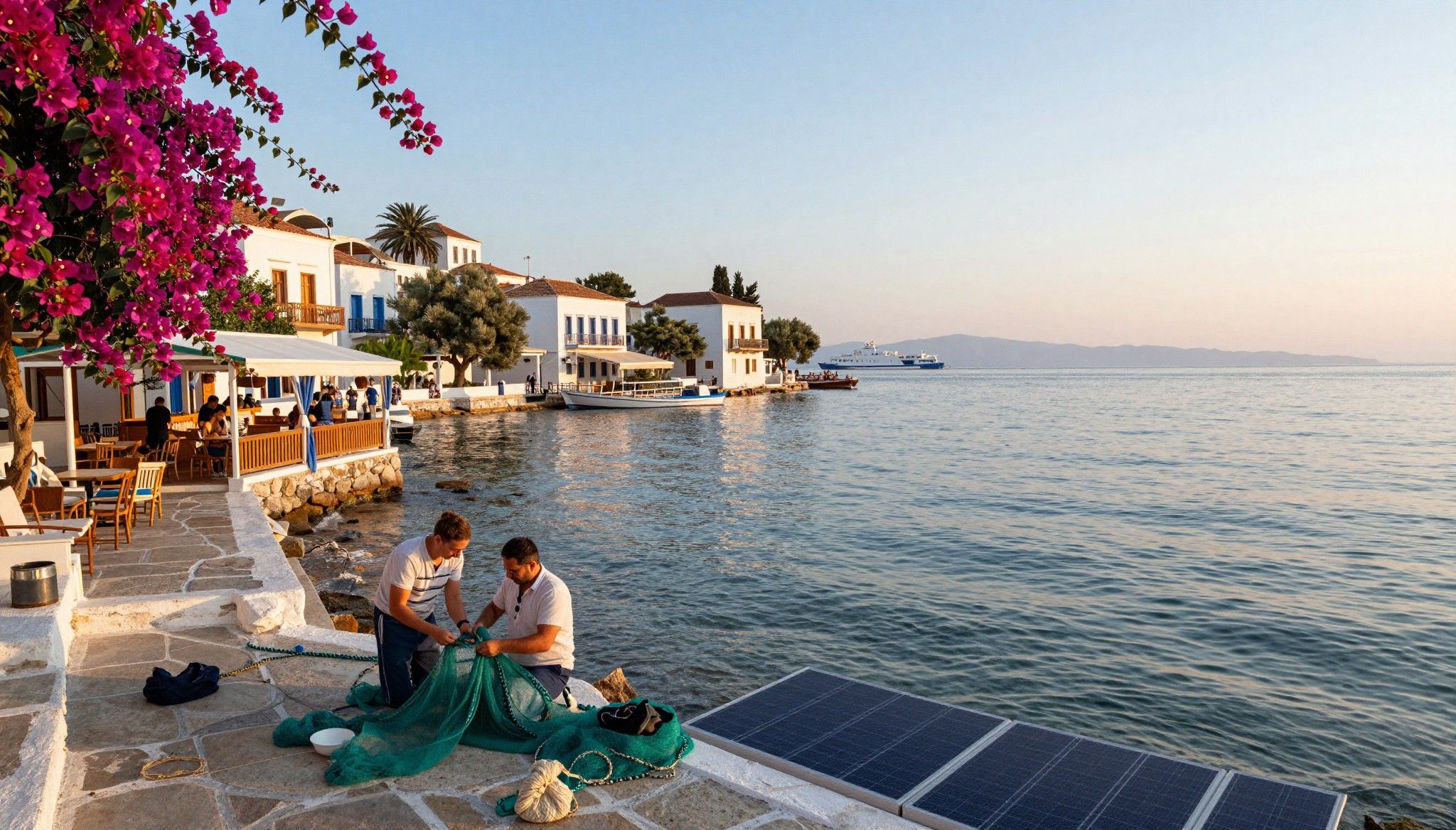
Walk Gżira’s promenade at dawn and you’ll meet joggers, students from the University of Malta, and fishermen mending nets near the yacht clubs. This is where compact apartments meet surprising pocket-parks and family-run kafetterias. Compared with pricier Sliema or tourist-heavy St Julian’s, Gżira offers better daily-life balance: shorter commutes into Valletta, more space for terraces, and an honest local café culture that feels like a community living room.
Gozo and Mellieħa: green lungs and coastal retreats
If your imagination wants wide horizons, consider Gozo’s rolling fields and Mellieħa’s wind-sculpted dunes. These parts of Malta are where biodiversity and traditional stone farmhouses shine—excellent if you long for low-impact living, vegetable patches, and walking paths that feel endless. Expect slower services and seasonal flux, but an everyday closeness to nature that rewards those willing to trade the island’s busiest nodes for expansive skies and calmer tides.
Making the move: how market reality meets the dream
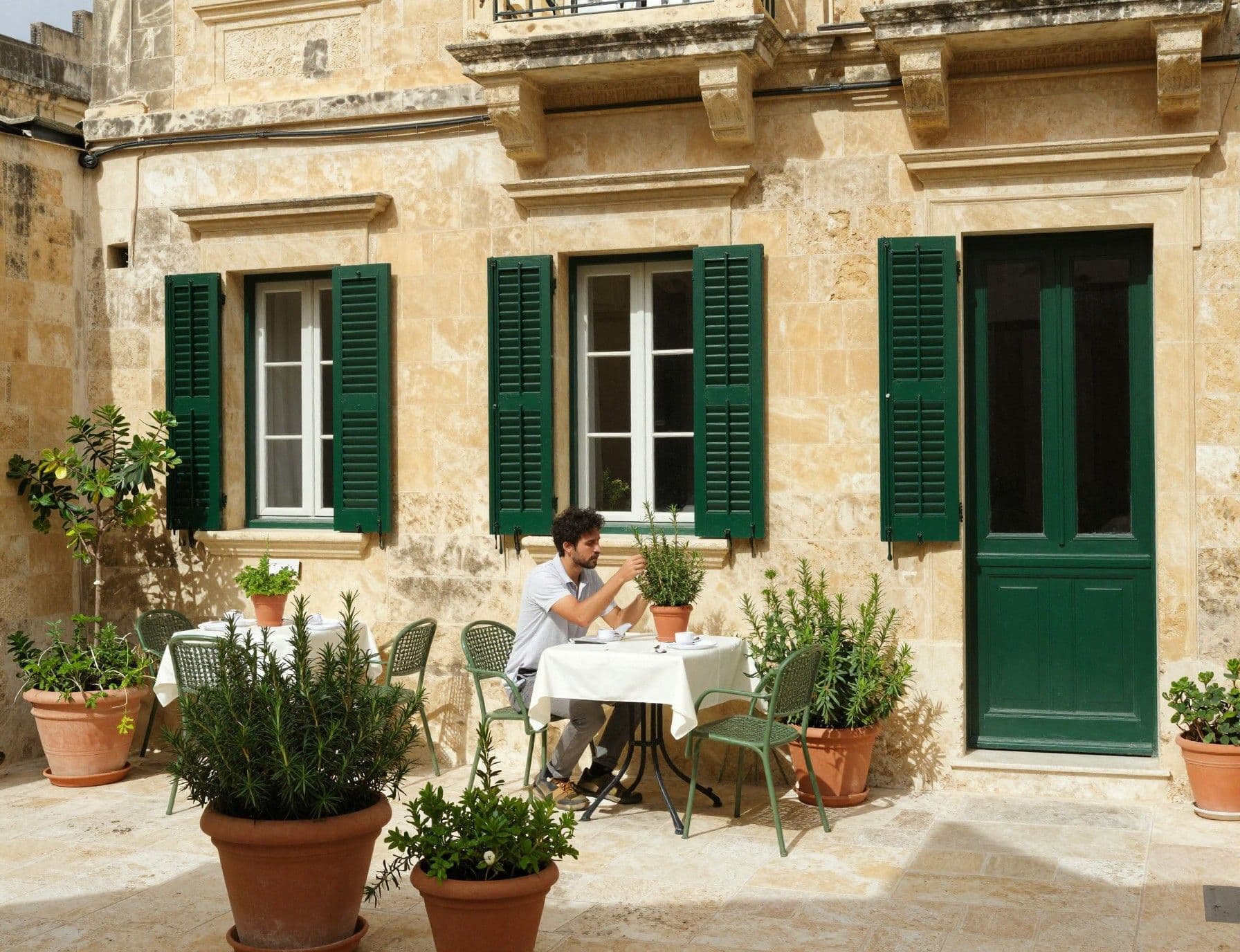
The market is active: Malta’s Residential Property Price Index has shown steady increases in recent years, reflecting strong demand and limited land. That doesn’t mean every corner is unaffordable—neighbourhood choice, building condition, and willingness to retrofit matter. If you prioritise a sustainable lifestyle—solar-ready roofs, south-facing courtyards, thick limestone walls for passive cooling—you can close the gap between cost and long-term quality of life by choosing properties with upgrade potential rather than headline sea views.
Property styles and how they shape daily life
Traditional Maltese maisonettes and terraced houses come with internal courtyards, thick walls, and shutters—perfect for passive cooling and intimate gardens. Modern developments offer lifts and rooftop amenities, but often with less outdoor soil to plant in. For people who want to live greener, a slightly older property with room for a rooftop solar array and a courtyard garden can be the better long-term pick: lower embodied carbon from retained stonework, and the joy of harvesting citrus from your own terrace.
Working with local experts who think like residents
Choose agents who know repair costs for limestone, local planning quirks, and where rooftop renewables are permitted. Agencies with sustainability credentials can point you to properties that are already energy-upgraded or prime for low-impact retrofits. They also steer you away from the tourist-trap streets where short-let demand inflates prices but erodes neighbourhood calm—vital if you want community rather than a revolving-door of holidaymakers.
Insider knowledge: expat truths and seasonal surprises
Expats often arrive chasing sun and sea, then fall for the rhythm of local life: markets in Marsaxlokk on Sunday, aperitivi in Valletta’s side-streets, and the neighbour who shares fresh ricotta from his terrace. But they also learn two things quickly: summer crowds reshape daily life between June and September, and winter brings a quieter, more authentic Malta—perfect for getting to know neighbours and negotiating better on price and contractors.
Cultural threads: language, community and small courtesies
English is an official language and widely used, which eases the transition. Yet Maltese social life prizes small gestures: bring a loaf of ftira when meeting neighbours, greet shopkeepers each morning, and learn a few Maltese phrases—these are the keys to belonging. Local councils and community groups run festivals (festa season in summer) that knit neighbourhoods together; being present makes a house feel like a home faster than any renovation.
Long-term lifestyle considerations: retrofit, resilience, and rental reality
Short-lets can boost yields but add wear and community strain; yields in Malta are under pressure and vary by area. For sustainability-minded buyers, prioritise resilience: invest in insulation, solar PV, water-saving systems and native planting to reduce ongoing costs and improve rental appeal to eco-conscious tenants. These interventions also protect against seasonal demand swings and make life more comfortable year-round.
Practical next steps: a mindful checklist for buyers
If Malta feels like a future you, move with intention. Start with on-the-ground visits in shoulder seasons (April–May, October) when neighbourhood life is visible but crowds are light. Work with a local agent experienced in limestone repairs and energy retrofits. Factor in renovation timelines—stonework and planning permissions take patience—and prioritise south-facing courtyards and roofs for solar. Above all, think of your purchase as a home within a community, not just an asset on a map.
Bullet points: lifestyle + practical priorities
- Visit neighbourhoods in shoulder seasons to feel real daily life.
- Prioritise properties with courtyards, thick limestone walls, and solar-ready roofs.
- Choose agents familiar with local planning and sustainable retrofits.
- Arrange a phased renovation plan: assessment, permissions, retrofit, lived-in finishes.
- Test short-let demand locally before committing to rental-heavy strategies.
- Build community time into your move—attend a festa, visit the market, meet neighbours.
Malta rewards those who look beyond vistas and into the lived textures of the island. Choose the street where neighbours garden together, the balcony with late-afternoon shade, and the small shop that remembers your name. With thoughtful choices—both aesthetic and technical—you can own a home that is both regenerative and deeply Maltese.
Conclusion: fall for the island’s textures, then plan with care. Start in neighbourhoods like Gżira, Mellieħa or Gozo for a verdant, lived-in life; use data and local expertise to find properties that promise comfort, low-impact living, and long-term value. When you embrace Malta’s compact scale and seasonal life, you don’t just buy a home—you inherit a coastline culture that will teach you how to live more slowly, generously, and sustainably.
Norwegian market analyst who relocated from Oslo to Provence; guides investors with rigorous portfolio strategy and regional ecological value.