Green‑Coast Living in Greece: Lifestyle Meets Legal Reality
Greece’s green coasts offer forest‑fringed seaside life and seasonal rhythms; recent residency and price shifts mean lifestyle choices must be matched to legal realities.
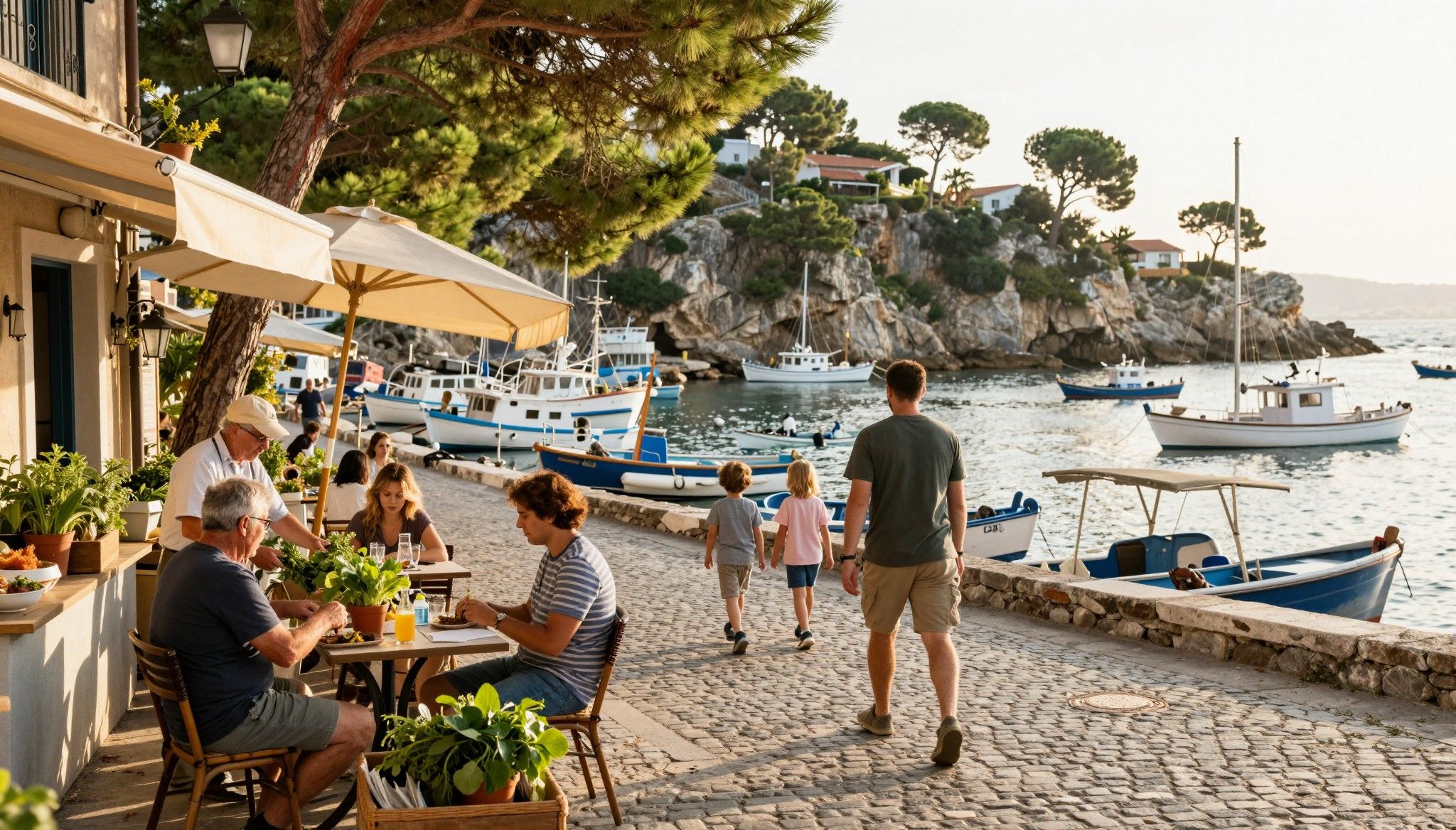
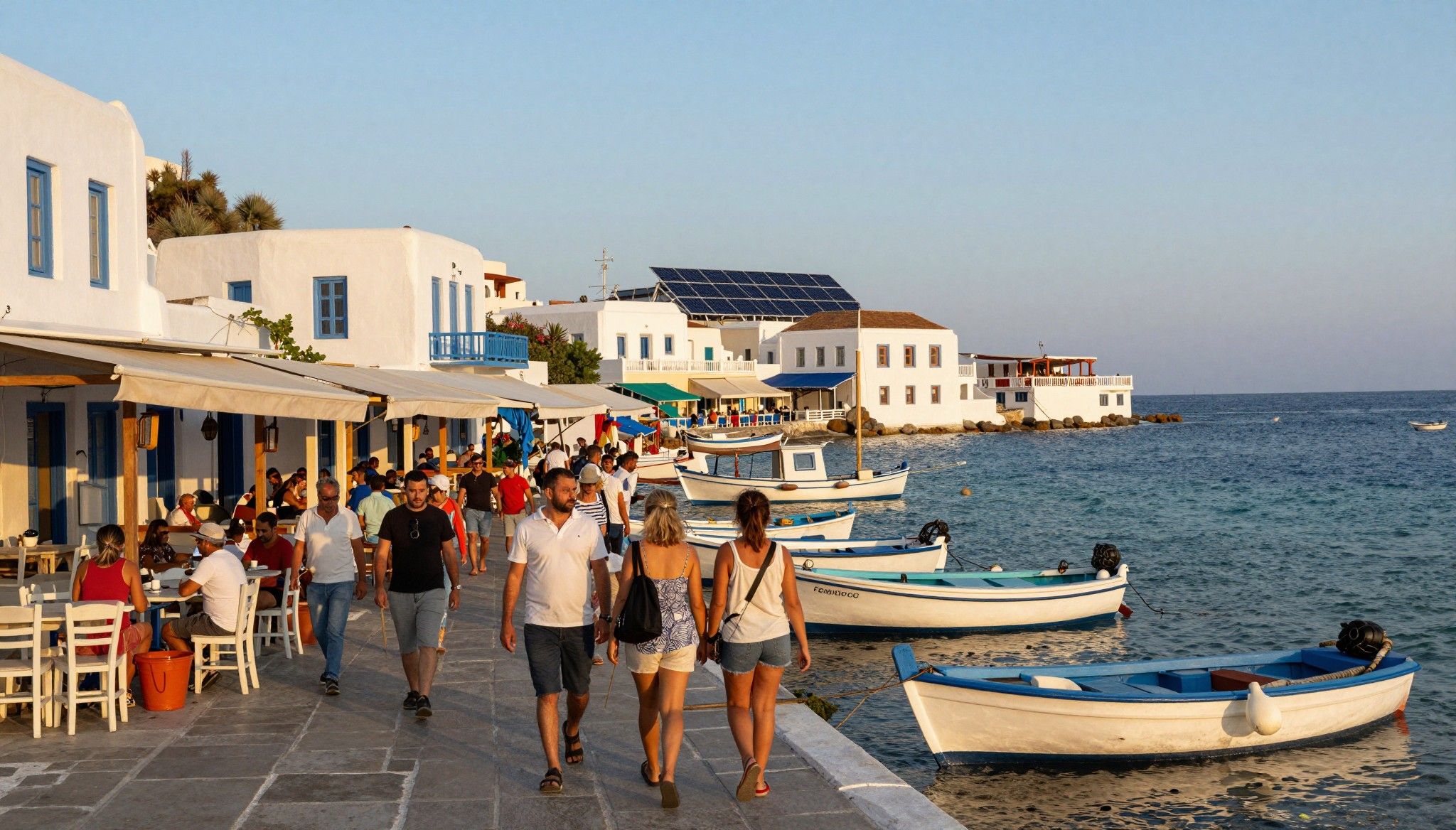
Imagine waking to the scent of wet pine and sea salt, walking a cobbled lane past a sun‑bleached kafeneio on Hydra, or watching olive groves drop into the Aegean from a balcony in Pelion. Greece’s verdant coasts — where tamarisk and juniper edge limestone cliffs and stone cottages sit beneath umbrella pines — feel like a slow, sensory balm. For international buyers who care about green living, these places are not just backdrops; they shape daily life: rooftop gardens, solar‑friendly roofs, local markets that set the rhythm of the week, and neighbors who still trade olives by the jar.
Living the Greece Lifestyle
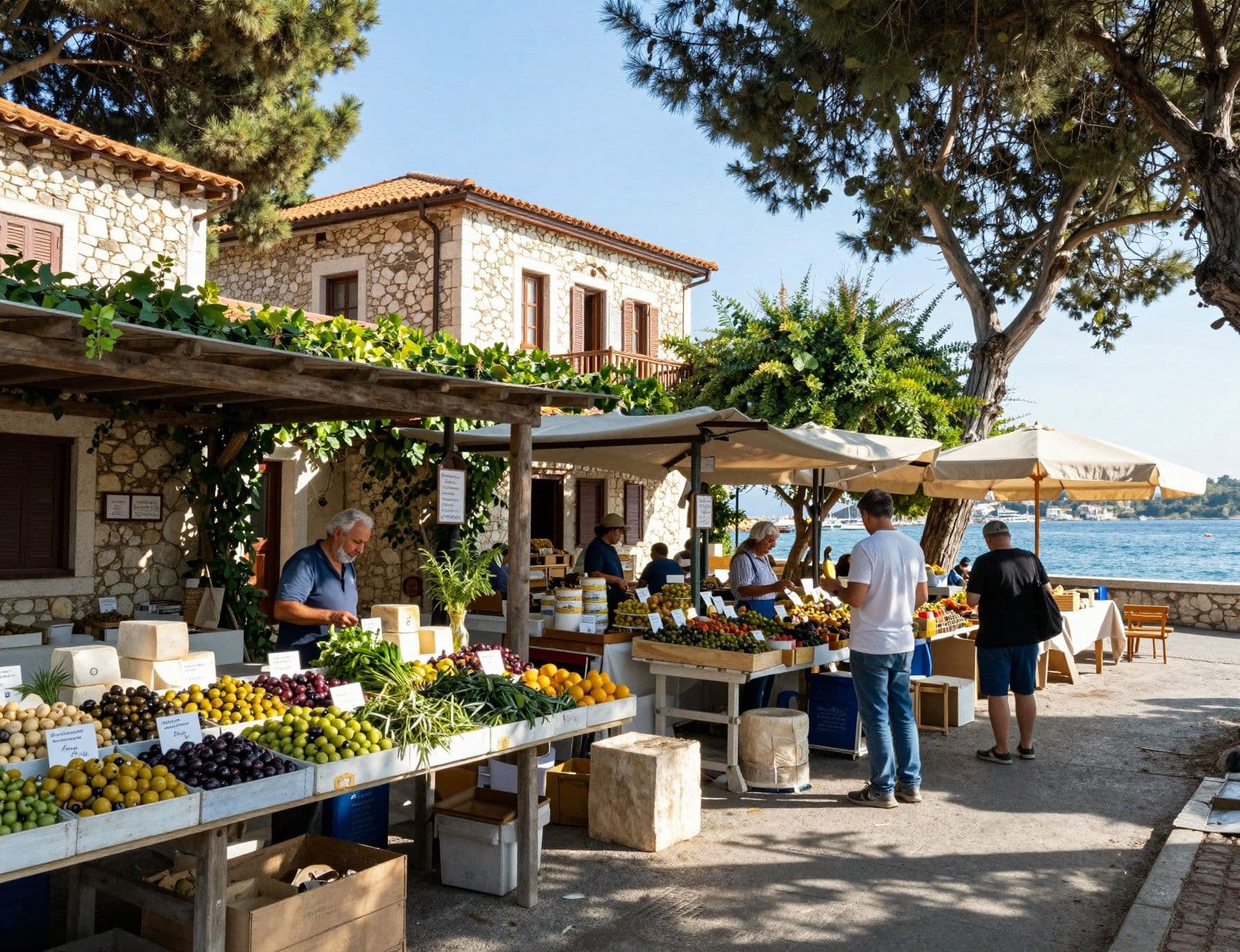
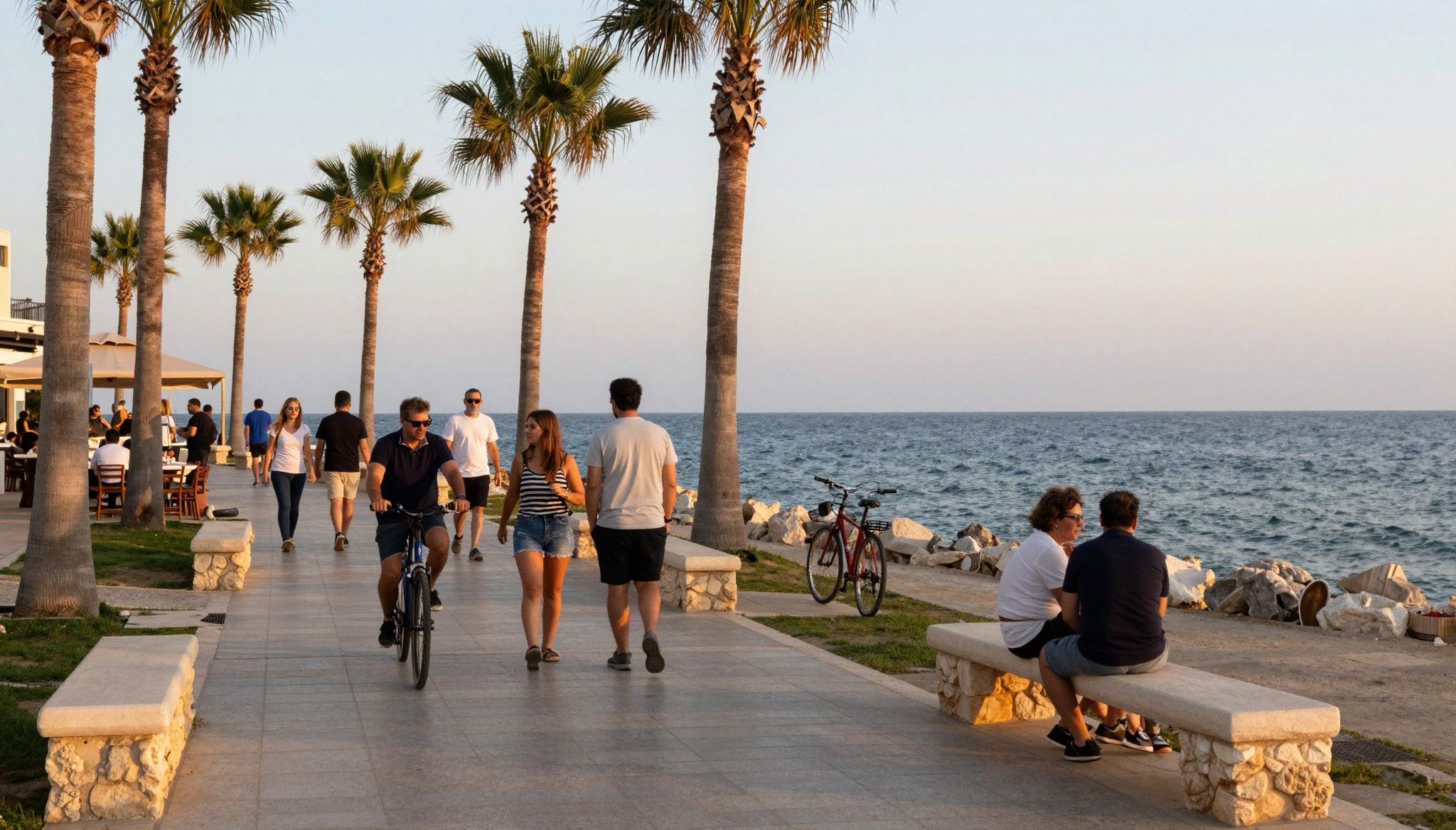
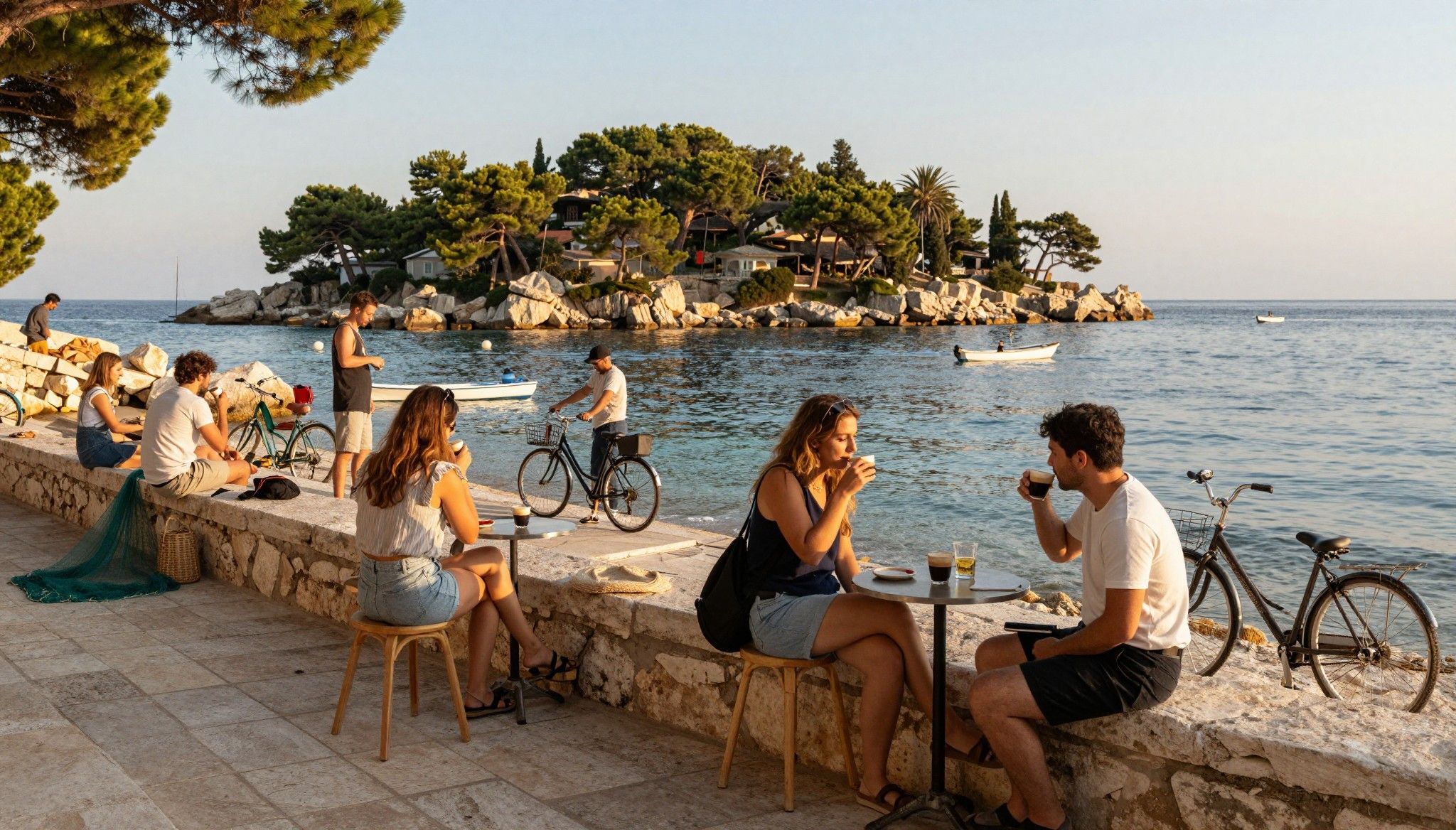
Daily life here is tactile and seasonal: espresso cups on marble counters, fishermen mending nets at dawn, winter hikes through chestnut forests and spring markets piled with herbs and wild greens. Official housing reports note rising prices in urban centers even as many buyers chase quieter, greener coastal towns — a tension that shapes where you can afford to live and how communities evolve. These rhythms inform what kind of home will truly suit you: a courtyard house with passive cooling, or a compact stone villa with a rooftop solar array.
Neighborhood Spotlight: Athens’ Koukaki vs. Island Villages
Koukaki and Pangrati in Athens hum with cafe life, artisans and late‑night tavernas; they are lively places for people who want urban green pockets and quick access to museums. By contrast, islands like Evia, Tinos or the Pelion peninsula trade bustle for forest trails, natural springs and quieter community rituals. Recent policy moves to rein in short‑term rentals in central Athens mean neighborhoods are shifting back toward year‑round residents rather than tourist lets — a meaningful signal for buyers seeking real community rather than seasonal income.
Food, Markets and the Yearly Rhythm
Weekends here are anchored by morning markets where you’ll buy herbs, honey and cheeses from producers you’ll know by sight. Summer evenings move outdoors — plates of grilled fish on shaded terraces — while winter centers on wood‑stove stews and communal baking days. This seasonal flow affects property choices: homes with courtyards and outdoor kitchens flourish in the long summer; heavy stone walls and efficient stoves matter for cooler months inland.
Making the Move: Practical Considerations
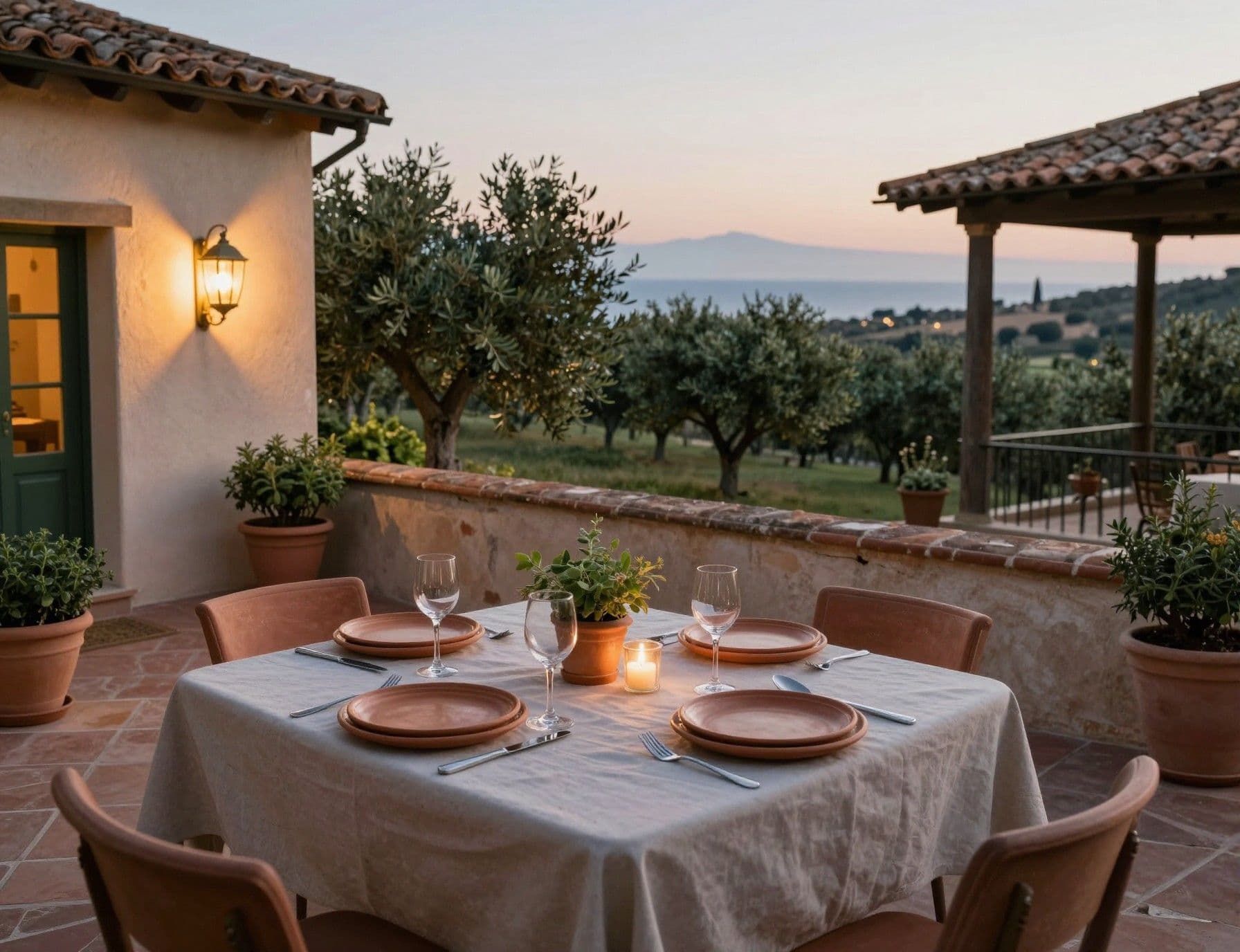
The dream of a green coastal life meets concrete rules: property type, location, and recent legislative changes all matter. Since 2024 the Greek residency‑by‑investment landscape shifted — thresholds and eligible areas were revised, particularly in high‑demand zones — so what looked like an easy route two years ago may no longer be available. Work with locally experienced lawyers and agents who understand both the lifestyle you want and the evolving legal framework behind it.
Property styles that support green living
Stone mansions with deep eaves, whitewashed Cycladic houses with narrow shaded alleys, and timber cottages tucked into verdant slopes each offer sustainable advantages: thermal mass, natural ventilation, and compatibility with solar arrays. Renovation culture in Greece values reclaimed stone, local timber, and lime plaster — materials that age well and keep embodied carbon low. Look for homes with space for rainwater harvesting, olive terraces, and orientation that captures summer breezes.
Steps to match lifestyle with legal reality
1. Define the life you want (island solitude, village community, or Athens with green pockets) and rank non‑negotiables like garden space or solar capacity. 2. Check current residency and investment rules for the specific municipality; thresholds differ between Athens, larger islands and smaller islands. (Recent legal updates raised thresholds in high‑demand areas.) 3. Commission a local environmental and structural survey to assess passive design potential and water access before bidding. 4. Negotiate contracts that include clear clauses on permitted rental use, restoration responsibilities, and transfer of renewable installations.
Insider Knowledge: What Expats Wish They’d Known
Expats often tell the same story: they fell for the light, the food and the neighborly rhythms — then learned the subtleties. Short‑term rental rules, local planning restrictions, and the social etiquette of communal olive groves can surprise newcomers. Many wish they’d spent more time with local neighbours and less time chasing listings online; a few months of hosting at a rental or long‑stays in different neighborhoods reveals the real tempo of life.
Cultural integration, language and community
Basic Greek goes a long way: shopkeepers, neighbours and local craftsmen appreciate even halting grammar. Community life revolves around shared tables, church festivals and market days; participation builds trust and access to local networks (and often better restoration teams). Agencies that broker properties with community ties — a neighbour who tends the olive trees, a local architect who uses reclaimed stone — will help you land a home that’s both beautiful and socially rooted.
Long‑term stewardship and seasonal reality
Think in seasons: summers bring crowds and light, winters test insulation and water systems. Long‑term owners invest in rainwater capture, well‑maintained cisterns, and flexible heating like pellet stoves. Stewardship is practical and social — helping maintain terraced olive groves or joining a village cooperative keeps landscapes healthy and preserves the way of life that drew you here in the first place.
Lifestyle highlights and local details to explore: Morning markets in Kifisia; late‑night tavernas in Koukaki; the pebble coves of Pelion’s east coast; Tinos’ marble workshops and quiet bays; olive‑pressing weekends in Mani.
Conclusion: If you want a home that feels like part of the landscape, start with the life you crave and let practical checks follow. Field trips across seasons, a trustworthy local agent, and legal counsel who track recent residency and planning changes will protect the life you’re buying. Greece can be both a restorative haven and an active stewardship project — and for buyers who value green living, that combination is the real treasure.
Danish relocation specialist who moved from Copenhagen to the Algarve; supports families with seamless transitions, local partnerships, and mindful purchases.