Why Autumn House‑Hunting Beats Summer on Italy’s Green Coast
Autumn showings often reveal the true value of Italy’s verdant coasts: clearer inspection, better negotiation leverage, and authentic community life away from summer stagecraft.
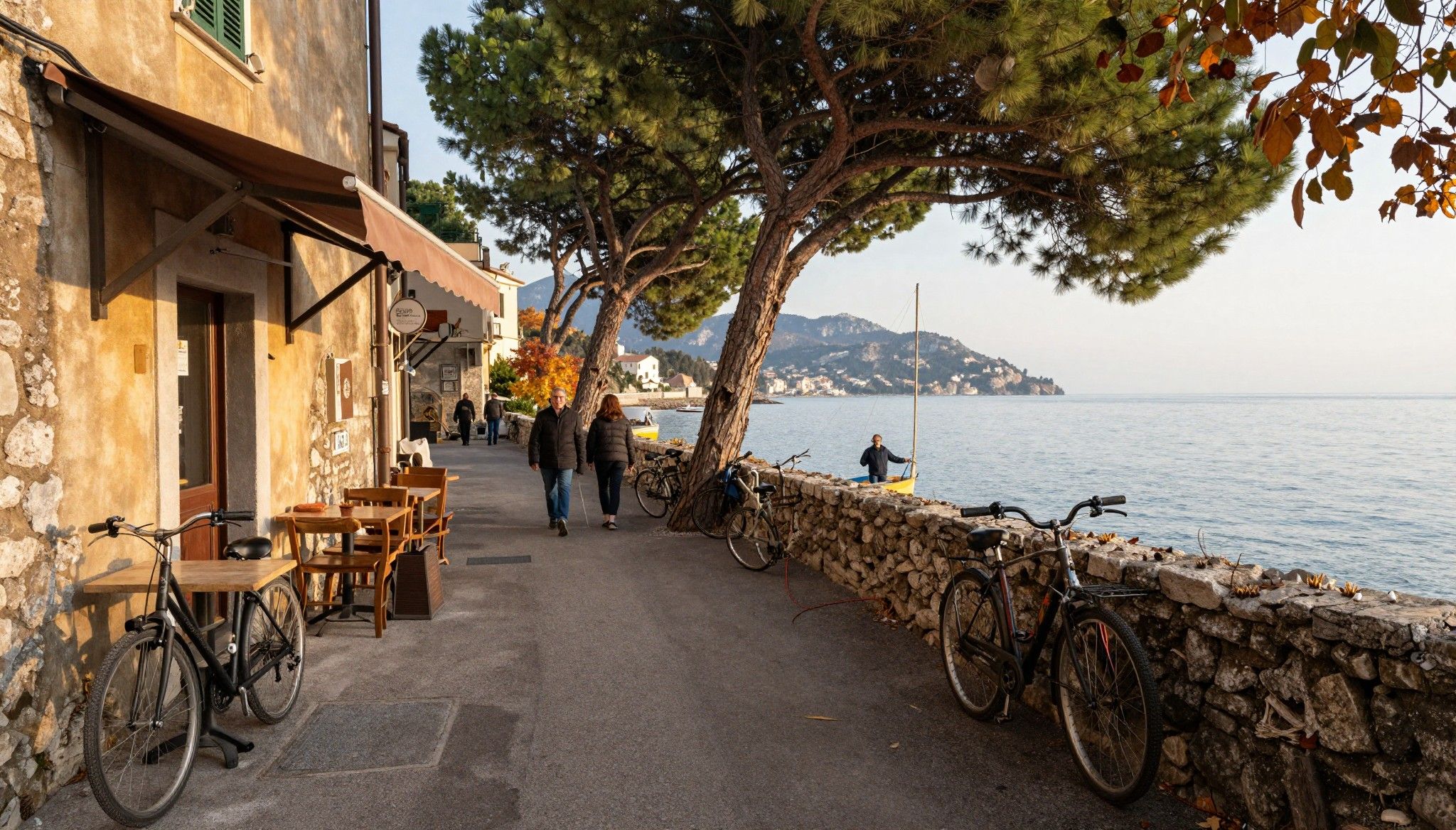
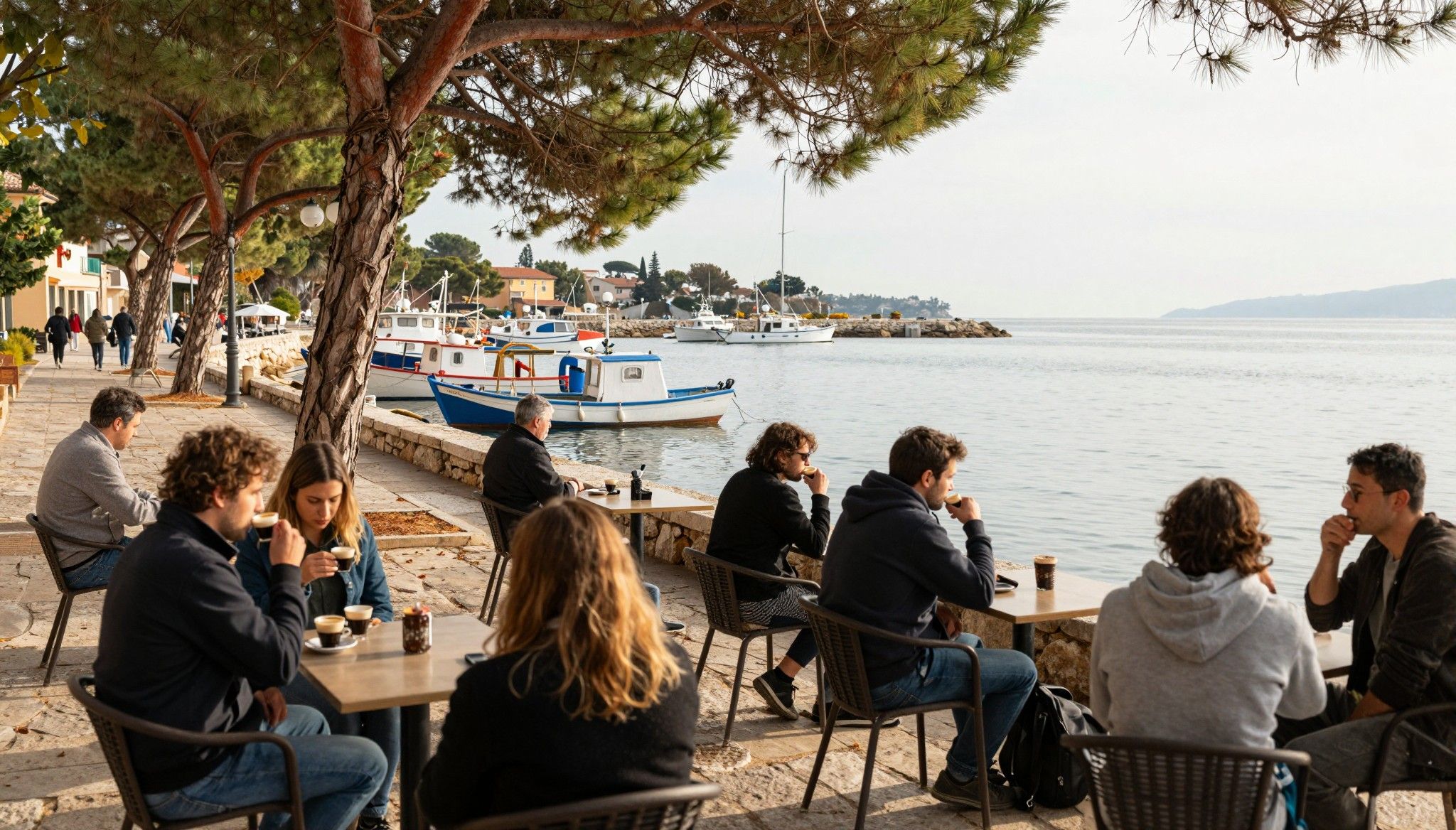
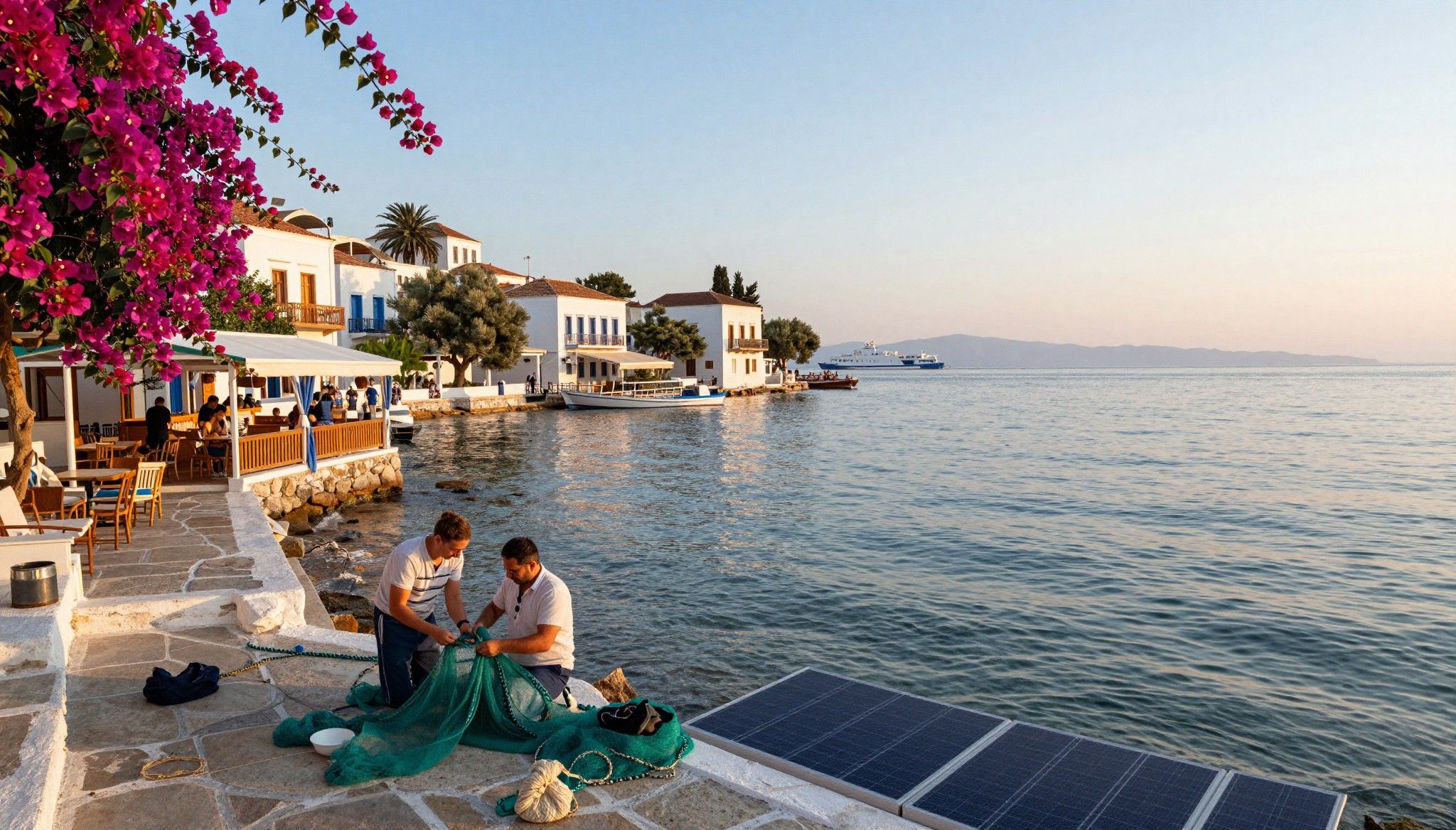
Imagine an autumn morning on Italy’s western coast: low sun gilding windswept pines, fishermen hauling nets at a nearly empty cove, and a café in a village square where the espresso steams and conversation slows. For buyers seeking verdant coasts and forested hinterlands, the romance is obvious. The surprise is practical: house-hunting in autumn — not summer — often reveals better value, truer community rhythms, and clearer renovation horizons.
Living the Italy of Coastlines and Forests

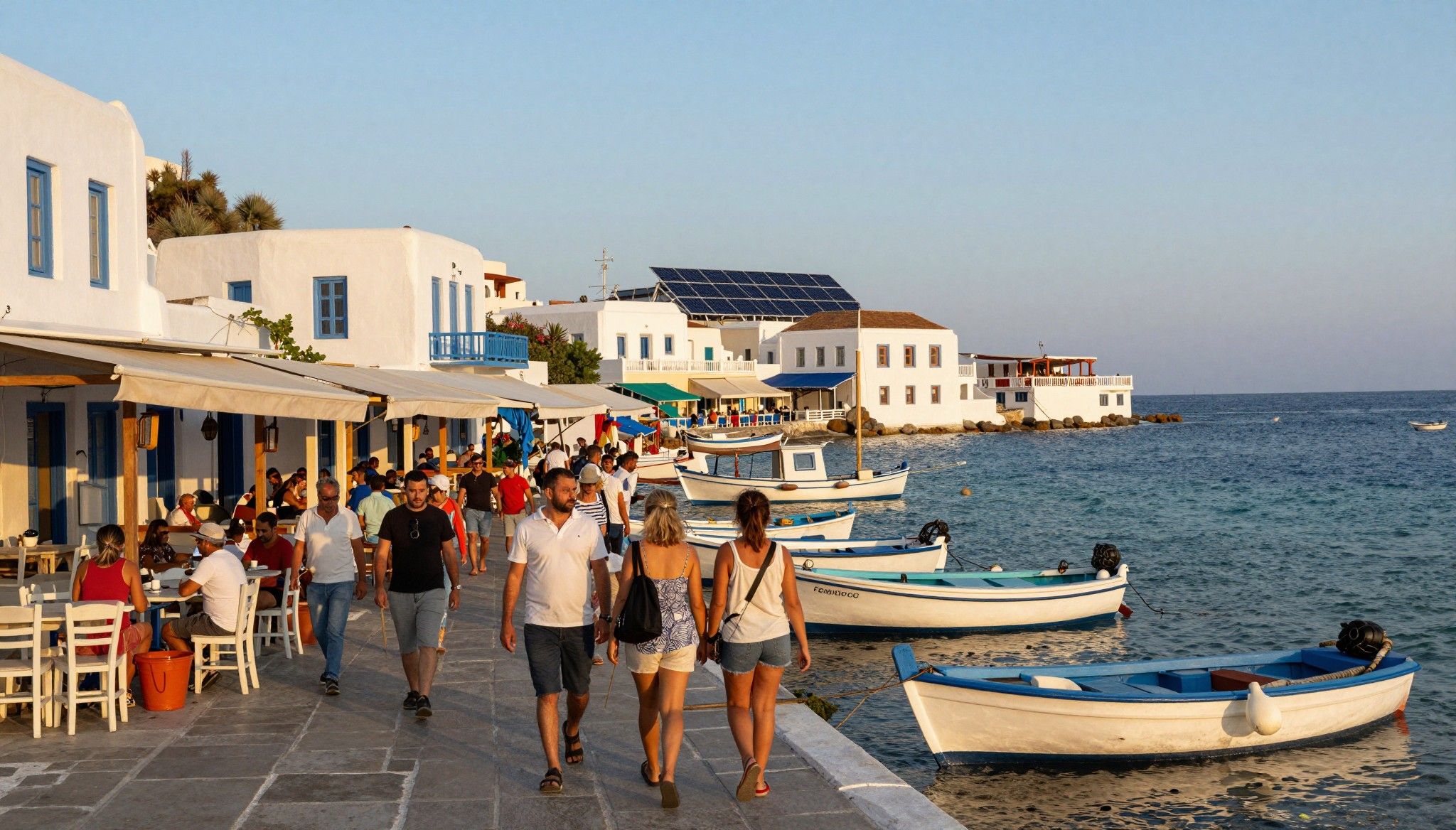
Italy’s verdant coastal regions — Liguria’s rocky promenades, Tuscany’s cork‑oak hills near the Maremma, Calabria’s pine‑fringed coves — move at a seasonal pulse. Summers brim with tourists and staged perfection; autumn and spring reveal the day-to-day life: markets stocked by local growers, wild mushroom foraging in chestnut woods, and neighbours repairing nets or stone walls. These seasons show how a place really functions, and market data confirms prices and activity ebb and flow with the calendar rather than remaining flat year-round.
Neighborhood spotlight: Levanto to Cinque Terre hinterlands
Walk fifteen minutes inland from Levanto and the tourist noise thins into olive terraces, farm lanes and stone cottages with slate roofs. Locals shop at the Monday market under plane trees, children practice football at dusk, and small wineries open for tastings by appointment. These are the micro-places where verdant lifestyle and affordability meet — especially outside high summer when sellers and craftsmen are more available and candid about a property’s true condition.
Food, markets and rituals that anchor life here
Picture a day: a morning at a sea‑side mercato buying anchovies and greens, lunch of focaccia or bruschetta under an umbrella, an afternoon walk through chestnut woods, and an evening aperitivo on a terrace as gulls wheel above. These rituals drive what buyers need — a kitchen facing morning light, dry storage for cured meats, and compact outdoor spaces for potted herbs. Practical choices follow the lifestyle: good insulation for damp winters and a simple layout for easy hosting.
- Lifestyle highlights (places to taste, walk, and belong): - Levanto market and the back lanes toward Monterosso - Maremma’s agriturismi and wild‑food weekends - The pine forests of Cilento with secluded coves - Small wineries near Montepulciano offering winter tours - Village cafés on Via Roma where locals still meet at 9am
Making the Move: Practical Considerations
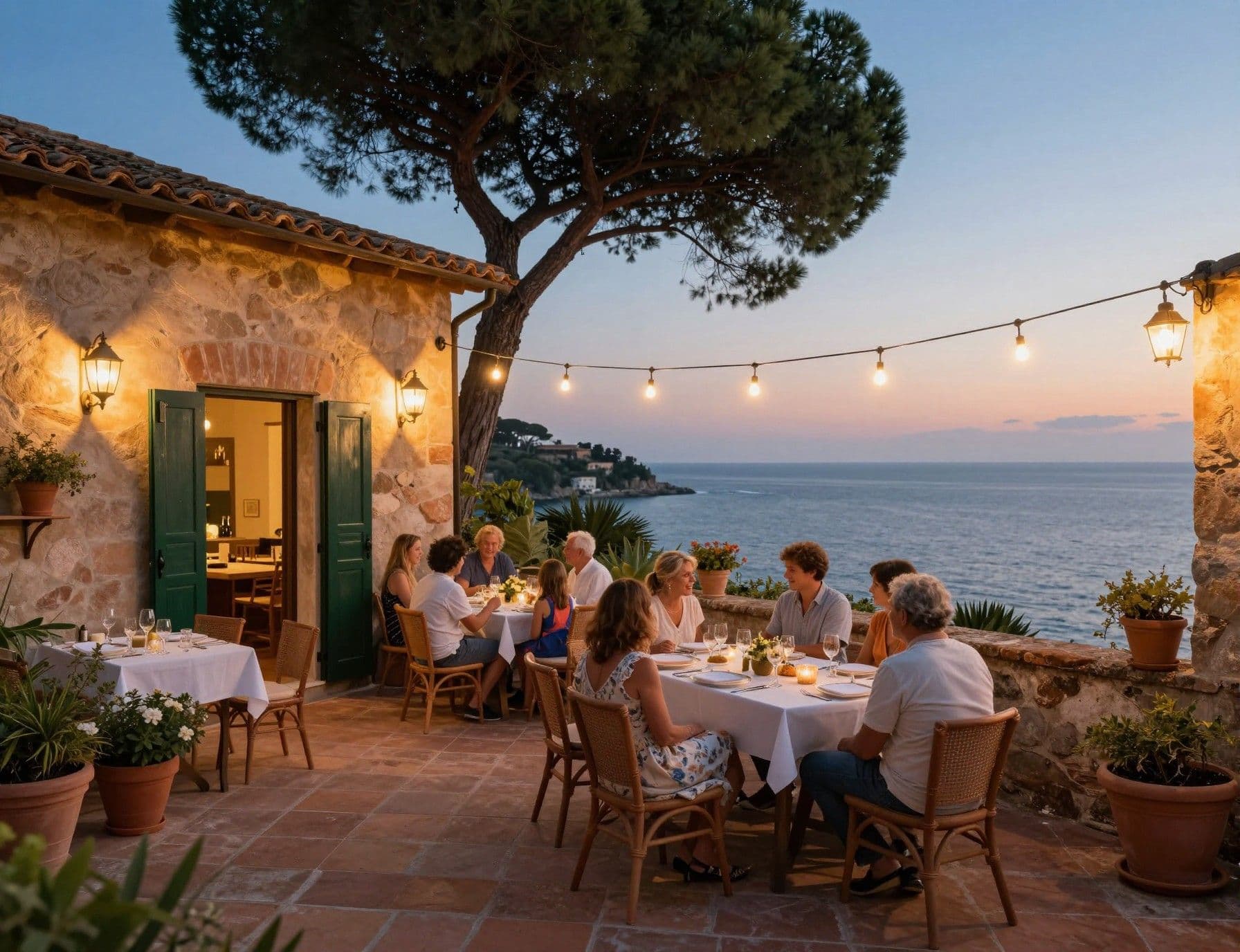
Dreams meet paperwork, and timing matters. National statistics show gently rising prices and seasonal transaction patterns; autumn often pairs lower asking‑price pressure with more time to inspect, plan renovations, and talk to neighbours. Recent reports from ISTAT and market analysts note modest price growth in 2024–2025 and regional variability — meaning the coast and forested inland areas can behave very differently even within the same province.
Property styles and how they shape daily life
Stone farmhouses, terraced fisherman houses, and compact village apartments each offer different sustainability and lifestyle trade‑offs. A stone casa provides thermal mass and charm but can need substantial damp-proofing; a renovated apartment in a hill town may already have efficient heating and solar‑ready roofs. Match the property’s fabric to your life: if you want year‑round living, prioritise insulation and reliable heating; for a seasonal retreat, focus on passive cooling and low‑maintenance gardens.
Working with local experts who know green ways of living
Choose advisors who speak both local codes and sustainable practice: a notary versed in energy‑class certificates, an architect familiar with traditional stone repair, and an agent who knows where solar permits are straightforward. Local advisors help you identify properties with retrofit potential and realistic renovation windows — a critical skill when dealing with older homes in forested, coastal microclimates.
- Steps that blend lifestyle and practicality: 1. Visit in autumn to see real rhythms and meet neighbours. 2. Commission an energy and damp‑risk survey before making offers. 3. Ask agents about local craftsmen and seasonal renovation timelines. 4. Factor in access: narrow village lanes may mean different delivery and renovation costs. 5. Prioritise properties with outdoor spaces that work off‑season (sheltered terraces, courtyards).
Insider Knowledge: What Expats Wish They’d Known
Expat buyers often tell the same tale: they fell in love in summer, then discovered the quieter truth in autumn. Neighbourhoods that seem sleepy in July pulse with local life in October; olive harvests bring neighbours together; the honesty of a winter storm reveals roof and drainage issues that summer viewings miss. Knowing these rhythms changes where you place value.
Cultural integration and everyday belonging
Learn a few phrases, attend local markets, and join seasonal events — chestnut festivals, market days and grape harvest activities — to move from visitor to neighbour. Italians value consistency and presence; showing up in non‑tourist months opens social doors and creates practical supports for renovating and caring for a property.
Long‑term stewardship: property as part of place
Think like a steward: choose materials and systems that respect local ecology (local stone, breathable lime plaster, waterwise planting). Over time, maintenance in coastal-forest zones pays back: roofs repaired with traditional tiles, hedges that slow winter winds, and rainwater capture that eases summer irrigation. These choices increase comfort and protect long‑term value in regions where climate and seasonality are prominent.
- Red flags to watch for on the coast-and-forest fringe: - Persistent damp or mould in basements and lower walls - Roofs patched in a hurry without documentation - Poor road access for building materials and emergency services - Properties sold only in summer with limited winter photos or inspections - Missing energy‑class certificates (attestato di prestazione energetica)
If the dream is a green, coastal life — choose timing that reveals truth. An autumn scouting trip, a local surveyor’s report, and an agent who understands seasonal communities will keep romance aligned with reality. Start small: a winter-ready terrace, a home with good sun exposure, and a community that invites you to participate in harvests and markets. That way your home in Italy is both sanctuary and a careful step toward stewardship.
Ready to see beyond summer’s gloss? Book an autumn visit, ask for local winter references, and work with a Moss & Hearth‑style advisor who can pair lifestyle priorities with energy, access and seasonal realities. Italy’s green coasts reward patient, season-aware buyers with homes that are beautiful, durable and part of a living landscape.
Dutch property strategist who helped 200+ families find sustainable homes in southern Europe; expert in legal pathways and long-term stewardship.