Why Greece's High‑Season Charm Can Mislead Buyers
Greece’s postcard charm hides seasonal and regulatory realities. Fall in love first; plan for winter, permits and stewardship to buy a home that truly fits your life.
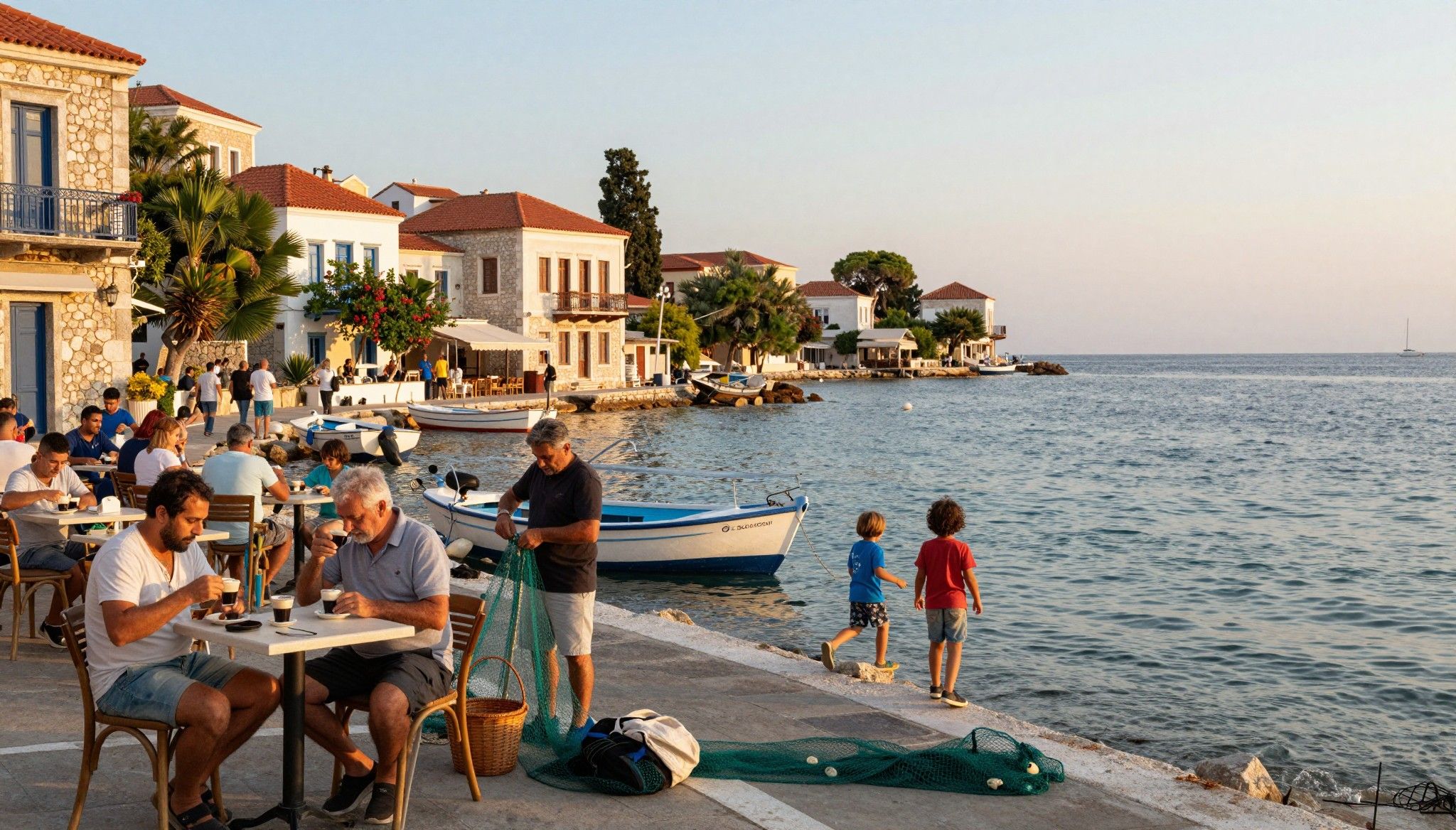
Imagine waking to the smell of baking koulouri on a narrow street in Plaka, then driving an hour to a wind-swept cove where water the color of glass laps a pebble beach. Greece is a place of layered seasons: jasmine in spring, endless light in summer, quiet olive groves in autumn and a green, rainsoaked winter that replenishes the land. For international buyers who care about durable, low‑impact living, that seasonal cadence shapes everything from garden design to insulation choices and local rhythms of work, market activity and community life. This piece unpacks the lifestyle enchantment of Greece while surfacing the practical, often surprising realities that shape smarter purchases.
Living the Greece lifestyle: sensory neighborhoods and seasonal life
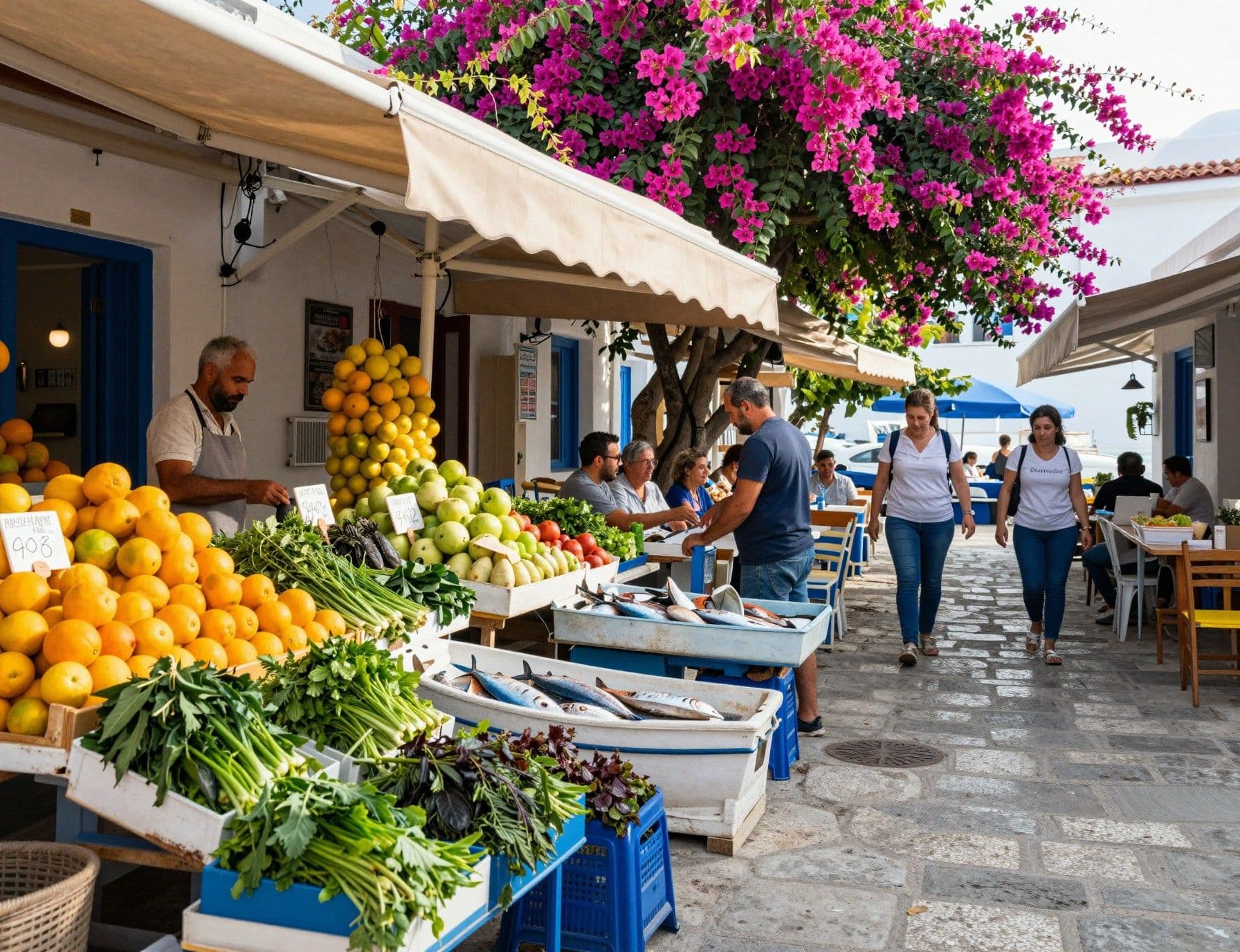
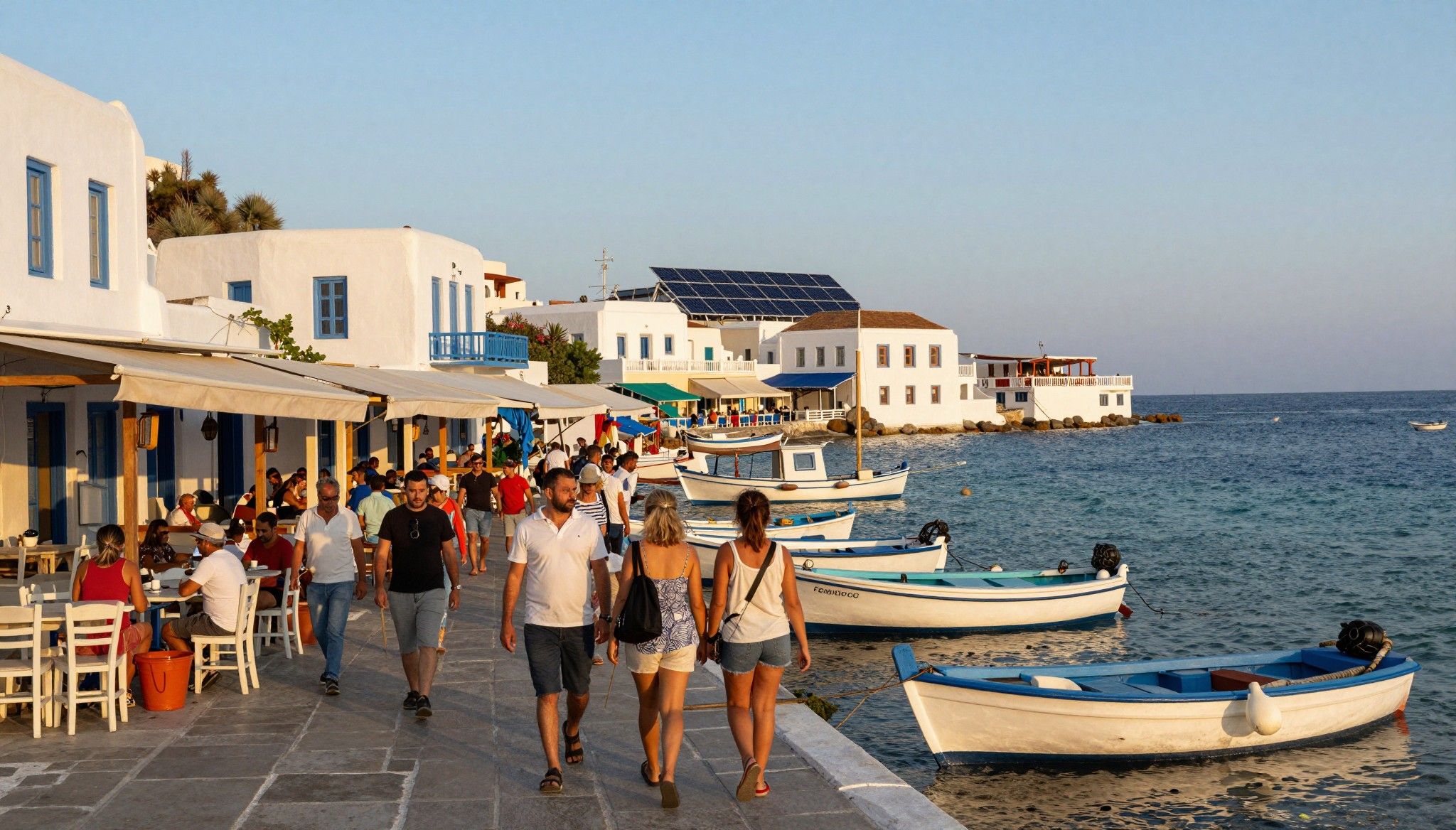
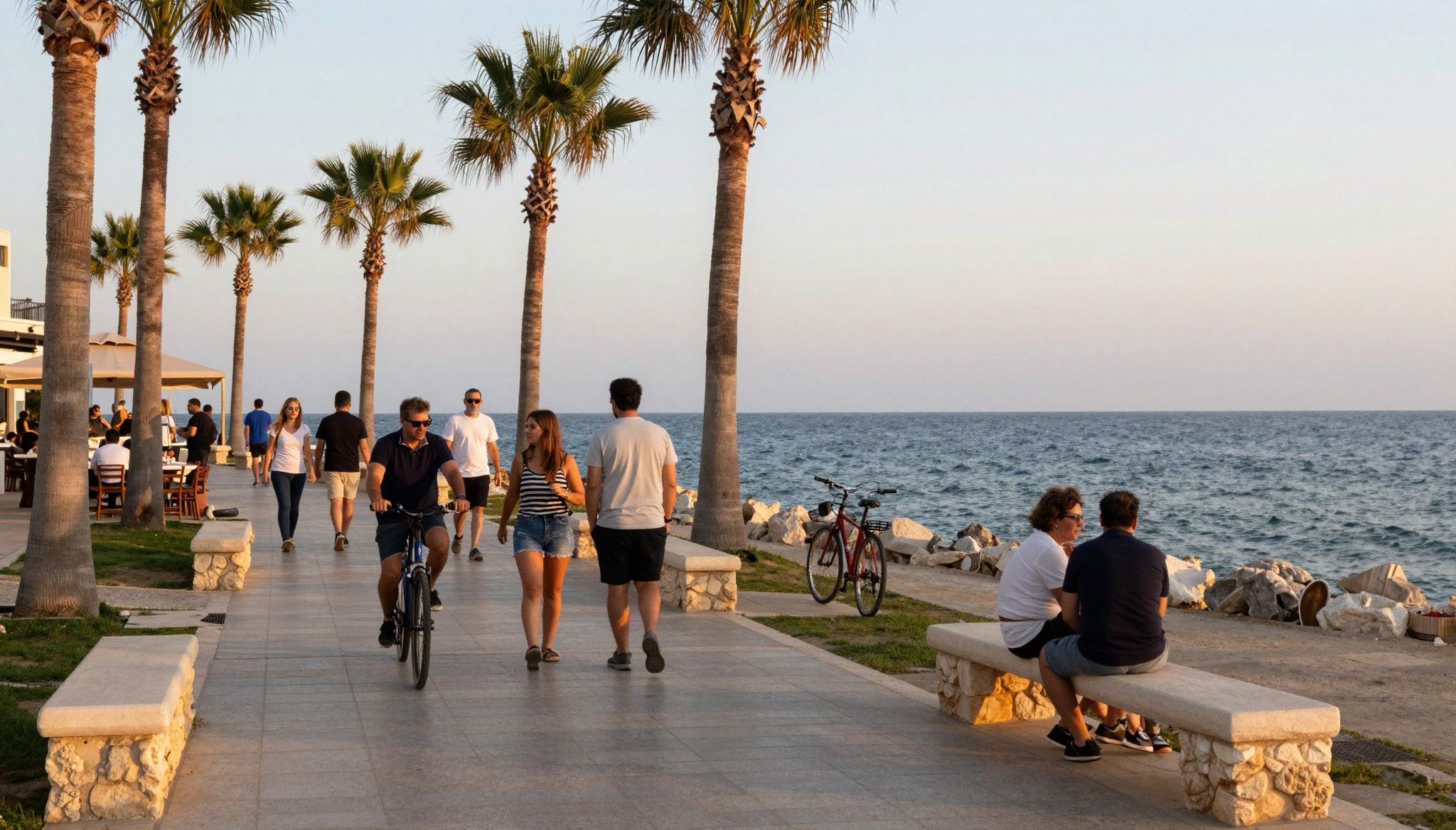
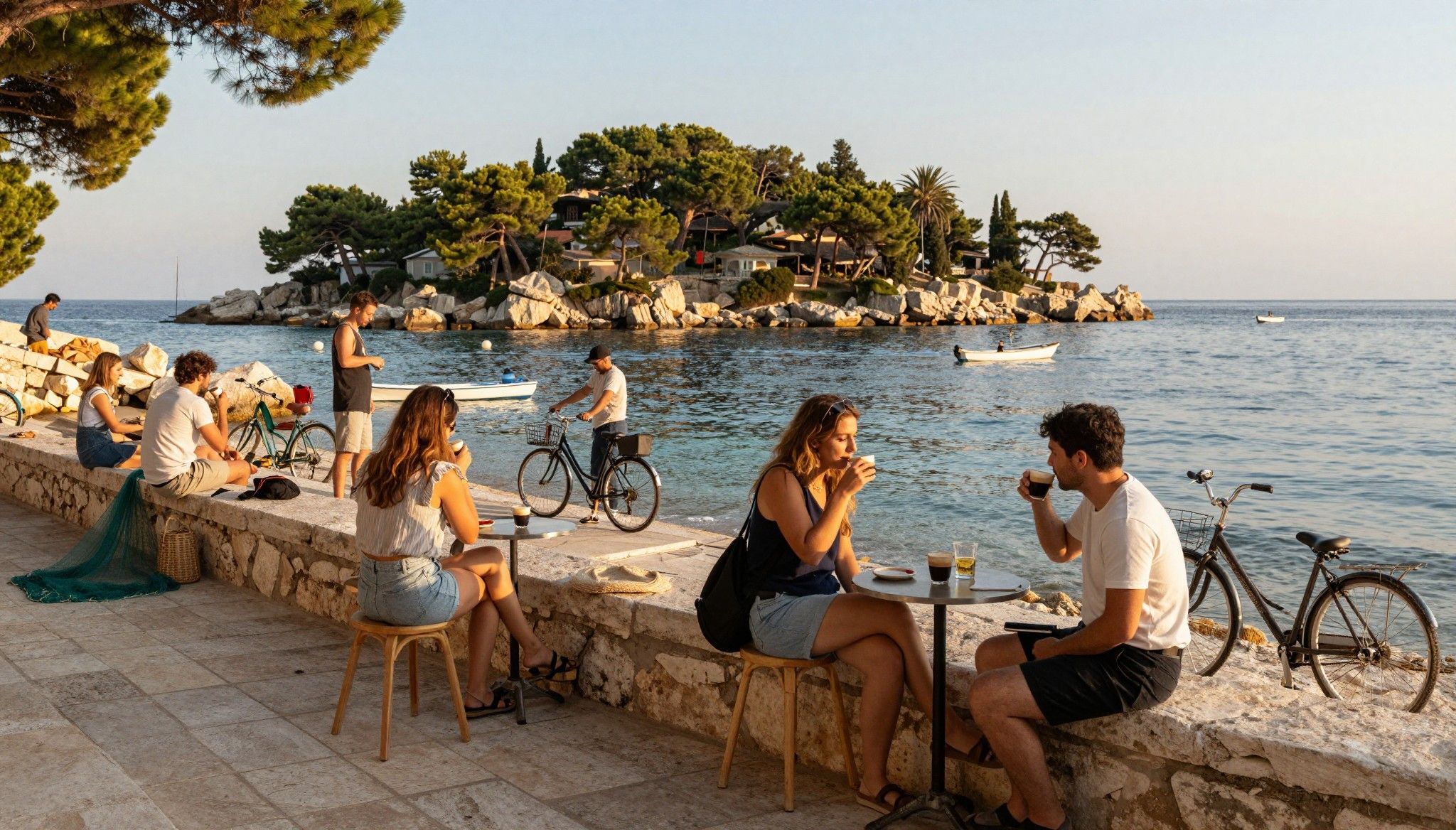
Days here move with a gentle stubbornness: espresso at dawn in a sunlit kafeneio, produce markets that brim with greens and tiny onions, and afternoons that dissolve into long walks along sea promenades or olive walks inland. Neighborhoods are intimate theatres of habit — in Athens, Exarchia hums with cafés and craft workshops while Koukaki offers quiet courtyards and rooftop sunsets; on the islands, artisanal life centers around village squares and family‑run taverna kitchens. That texture of life is what draws buyers, and it’s also what matters when choosing a home: proximity to daily markets, a courtyard for potted herbs, or a south face for winter warmth all change how a property feels year‑round. Real estate demand has been strong in recent years, with official reports noting continued price pressure in key markets — a reminder that lifestyle desirability and market momentum often travel together.
Athens neighbourhoods: ancient streets, modern life
Walk from Monastiraki’s flea stalls into the quieter blocks of Anafiotika and you feel how close civic life sits to the everyday. Families still queue for bread near Kypseli bakeries, while creative ateliers cluster near Metaxourgeio. For buyers wanting a lived‑in urban life that still connects to green pockets, these micro‑neighborhoods deliver a balance of social life, artisan microeconomies and the type of terraces where potted vines make a home feel like a slow commune with the sky. When shopping for property here, expect a premium on outdoor space and views — even modest terraces significantly lift daily satisfaction.
Island life: villages, coves and seasonal truth
On islands like Naxos and Serifos, mornings smell of sea and wood smoke; on Santorini and Mykonos, mornings smell of coffee and international arrivals. But island living is heavily seasonal: many businesses close in winter and roads weather badly after storms, which affects maintenance needs and the type of property you want. Recent policy changes around short‑term rentals and building safety have also shifted local markets, curbing some speculative conversions and nudging buyers toward properties suited for year‑round residential use rather than purely seasonal income. If you prize true village life and biodiversity — stone walls, native plantings, cisterns and olive trees — seek properties that demonstrate resilient, low‑maintenance stewardship.
- Lifestyle highlights to look for in Greece
- Morning market routines: Varvakios Market (Athens) or Chania central market for seafood and local cheeses
- Village rituals: Sunday taverna lunches in Kythira or breakfasts at a kafeneio in Zagori
Making the move: practical considerations that respect the lifestyle
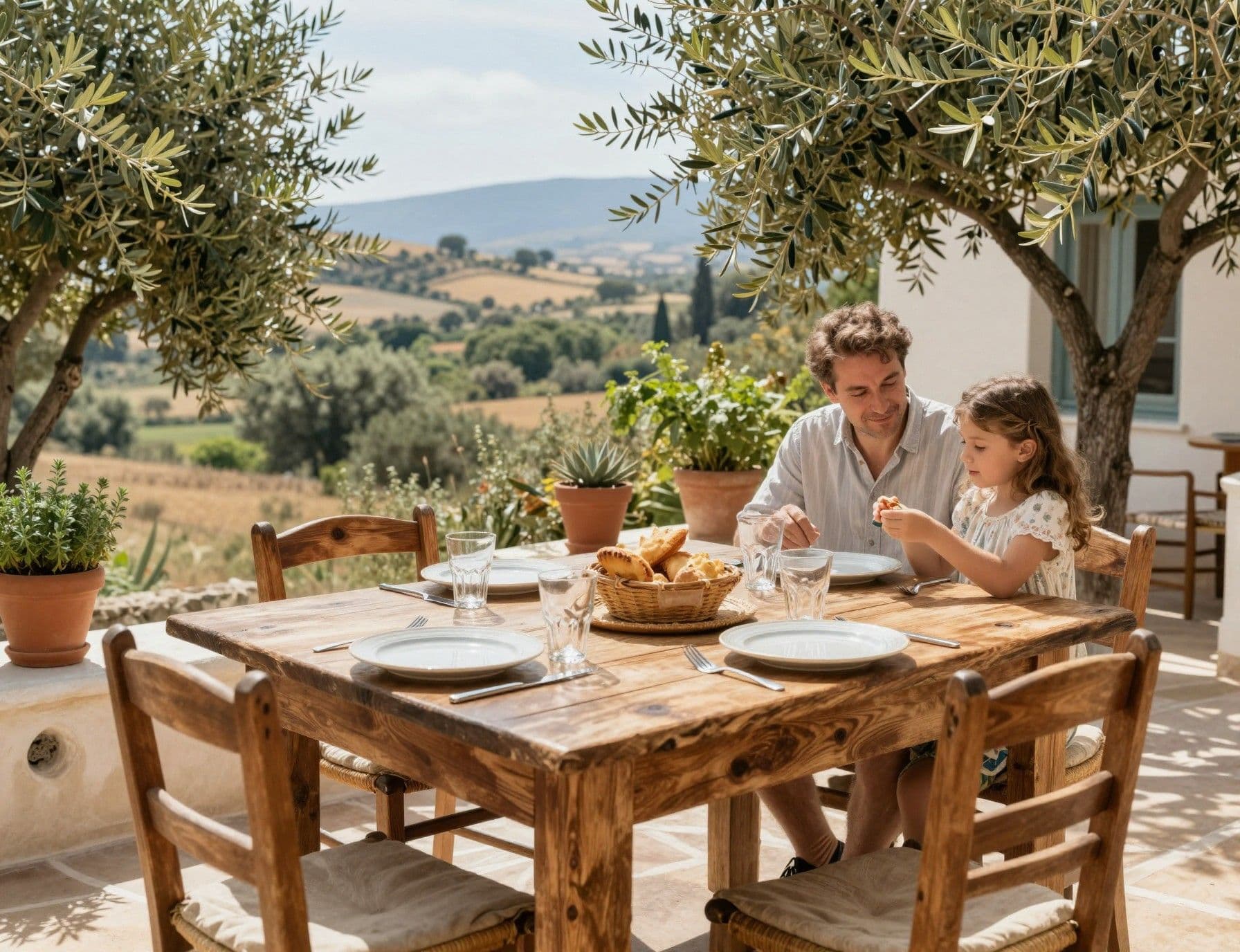
Dreaming is the easy part; the hard, satisfying work is matching that dream to a property that will hold its value and its life through seasons and local rules. Recent changes to Greece’s Golden Visa thresholds and new controls on short‑term rentals mean a property’s permitted use matters more than ever; what once counted as a lucrative tourist studio might now be restricted or require upgrades. Likewise, rising prices in popular zones mean you often trade pure sea‑view fantasy for proximity to markets, community and good soil for a garden — a trade that rewards daily living more than an empty calendar of future rental bookings. Practical choices — orientation, natural ventilation, rainwater storage and local craftsmanship for repairs — shape both price stability and the gentle joy of living here.
Property styles and what they mean for daily life
Stone village homes bring thermal mass and slow heat release — ideal for temperate winters and dry summers — but often need seismic retrofitting and moisture‑management attention. Modern, low‑rise builds in coastal towns usually offer better insulation, integrated solar readiness and easier permits for renewable upgrades, yet they sometimes lack the character of older homes. For a life rooted in nature, prioritize properties with south‑facing terraces, mature shade trees, places to grow herbs and simple rainwater capture systems. An eco‑minded renovation that keeps local stone, timber and lime plaster will protect both the ecology and your budget in the long run.
Working with local experts who understand place
Choose agents and legal teams that live the ecology of the place: someone who knows the local builder with reclaimed timber, the mason who understands lime mortar, and the notary who has closed many village properties. Local experts will also flag permit issues — conversions, short‑term rental permissions, or special protection zones for listed buildings — before you fall in love. Trust grows from references and real examples: ask for recent closings in the exact village or barrio you like and visit the contractors they used. This relationship reduces surprises and connects you to the craftspeople who will steward the house for decades.
- Practical steps to marry lifestyle and purchase (a simple sequence)
- Visit in the shoulder season: see the real rhythm, meet year‑round neighbours and assess services
- Request recent utility bills and maintenance history to judge running costs and roof/insulation condition
- Commission a local structural and moisture report, plus a planning check for permitted use and rental rules
- Budget for local craftsmanship: retrofitting for energy efficiency often costs less long‑term and retains character
Insider knowledge: what expats wish they'd known
A common expat confession: we fell for the postcard view and under‑estimated the seasons. Many buyers report that winter access, heating needs and the social rhythm of a village determine long‑term happiness more than a vista. Others say they underestimated how precious a few neighbours who keep watch can be — a community that helps with olive harvests, babysitting or a trusted mechanic becomes part of your safety net and daily joy. Policy shifts — especially around residency and short‑term renting — can also change the equation quickly, so buyers who plan for living first and income second navigate ups and downs with less stress.
Cultural integration, language and local rhythms
Learning a few phrases, attending the local church fair, or bringing pastries to a new neighbour can open doors more than the best renovation. Greeks tend to move at a relational pace: trust is built slowly and repaid generously. For families, local schools and community sports clubs become the fastest route into everyday networks. Embrace seasonal volunteering at harvests or festivals to deepen ties and gain insider access to artisans and local food sources.
Long‑term stewardship and sustainable choices
Think like a steward: olive tree maintenance, cistern care, pest‑resistant plantings and passive solar adjustments protect both the ecology and your wallet. Sustainable investments — solar panels sized for real household loads, simple heat pumps and locally sourced insulation — pay back in lower running costs and more resilient comfort. Many buyers find that prioritising low‑tech, maintenance‑friendly solutions (rainwater capture, lime plaster, native gardens) gives the richest, least brittle experience of Greek life.
- Red flags to watch for before you sign
- Unpermitted conversions marketed as holiday income earners
- Properties without clear water or drainage records (seasonal flooding matters)
- Roof and seismic history missing from the dossier
- Overreliance on short‑term rentals in markets tightening regulation
Conclusion: imagine the life, then build the house that sustains it. Greece offers a rare combination of sensory beauty and rooted community life — stone benches warmed by the sun, markets that know your name, and landscapes that change you. To protect that delight, marry romantic impulses with on‑the‑ground checks: visit in shoulder season, hire local craftspeople, verify permitted use and plan for energy and water resilience. When you do both — fall in love and apply diligent stewardship — the house becomes more than an asset: it becomes a place that breathes with the land and the people who tend it.
Danish relocation specialist who moved from Copenhagen to the Algarve; supports families with seamless transitions, local partnerships, and mindful purchases.