Where Locals Quietly Buy — Green Value in Italy
Italy’s daily rhythms and local crafts guide better property choices — visit across seasons, choose local experts, and buy for stewardship as much as style.
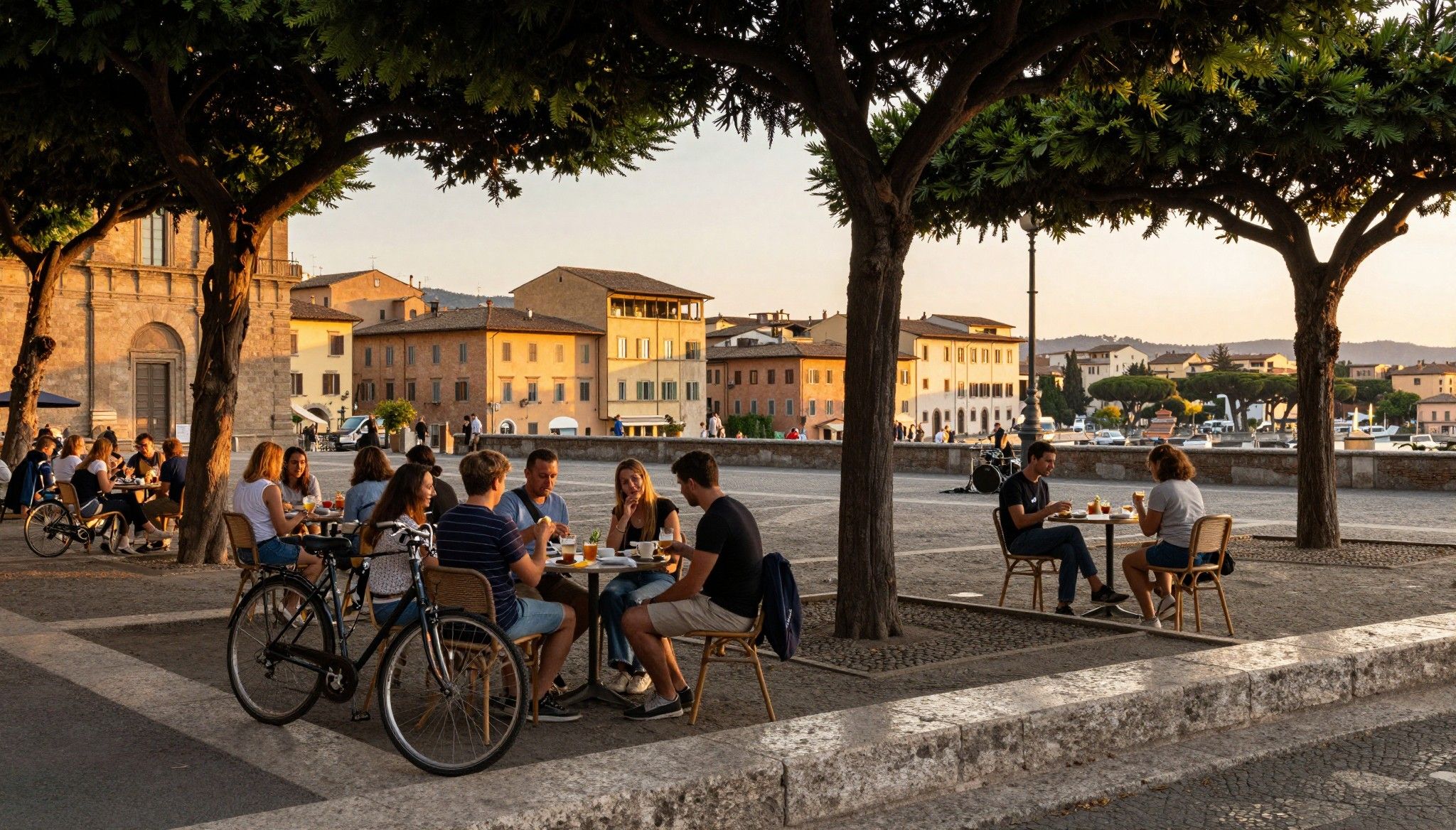
Imagine waking to the smell of fresh espresso on a cobbled lane in Lucca, then driving through olive groves toward a sea of terracotta roofs and sunlight. Italy is a place of slow mornings and riotous markets, of seasonal rhythms that shape what — and how — you live. For international buyers drawn to green living, the country offers more than romance: local crafts, regenerative gardens, and communities who still tend chestnut stands and village wells.
Living the Italian lifestyle — senses first
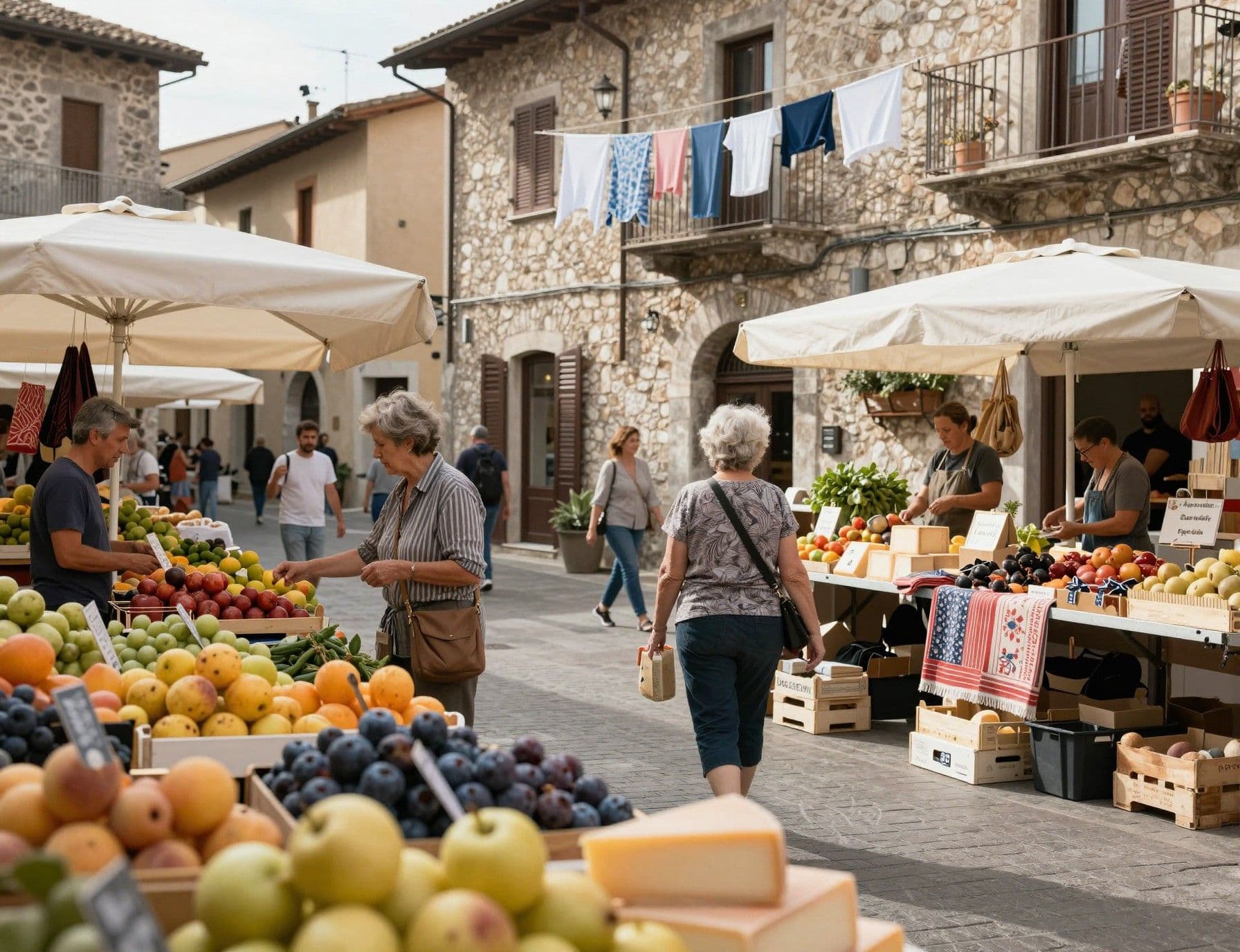
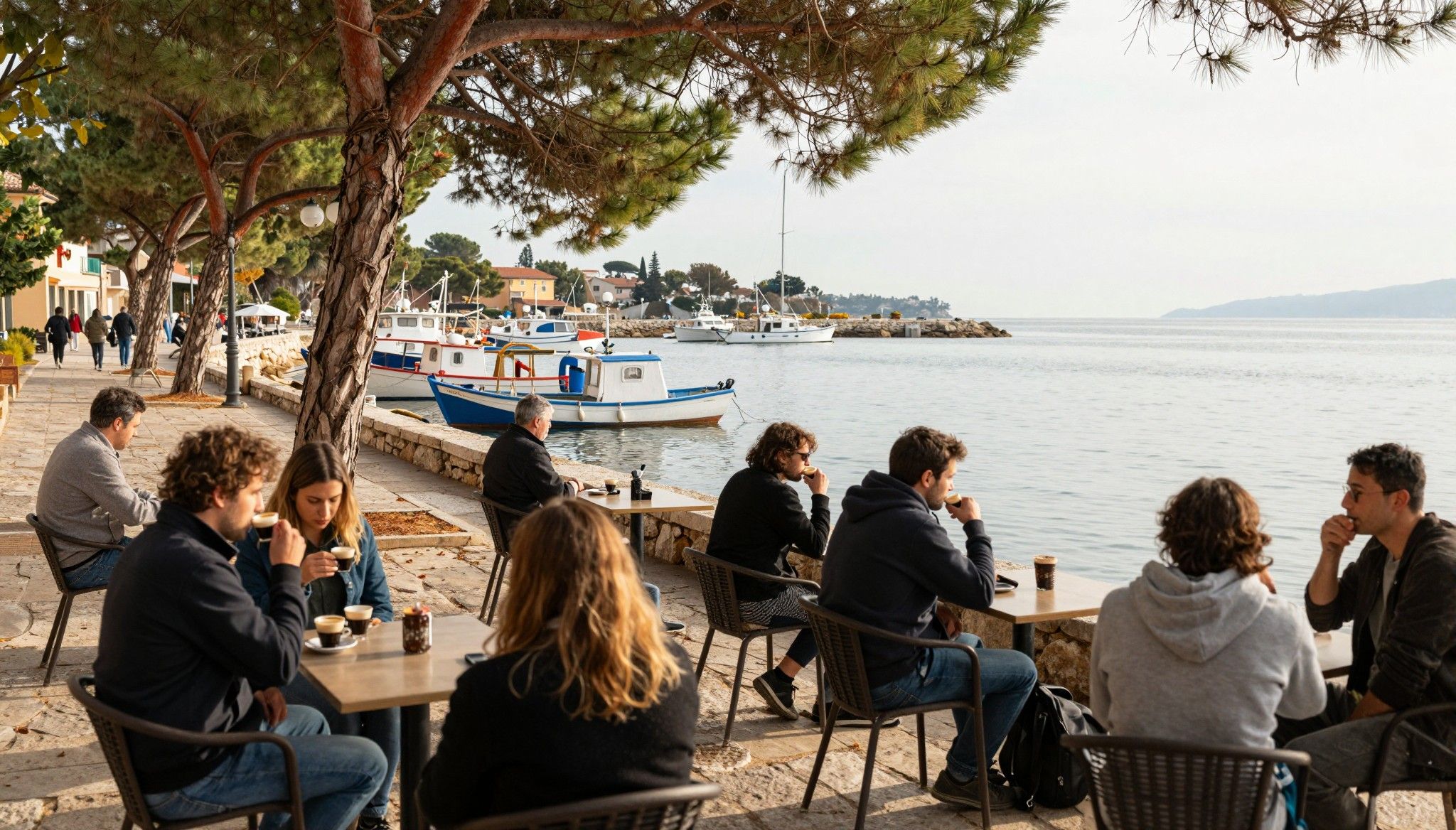
Daily life in Italy moves at a textured pace. Morning markets brim with seasonal produce; midday is for family and slow lunch; evenings are for aperitivo on a shaded piazza. In cities like Bologna, courtyards filled with vines are a neighborhood’s living room; on the Amalfi Coast, terraces frame salt-and-lemongrass air. For eco-minded buyers, these rituals matter: they suggest how a property will be used, the value of outdoor rooms, and why a modest garden can be a prized resource.
Neighborhoods that breathe: from Tuscan hills to coastal towns
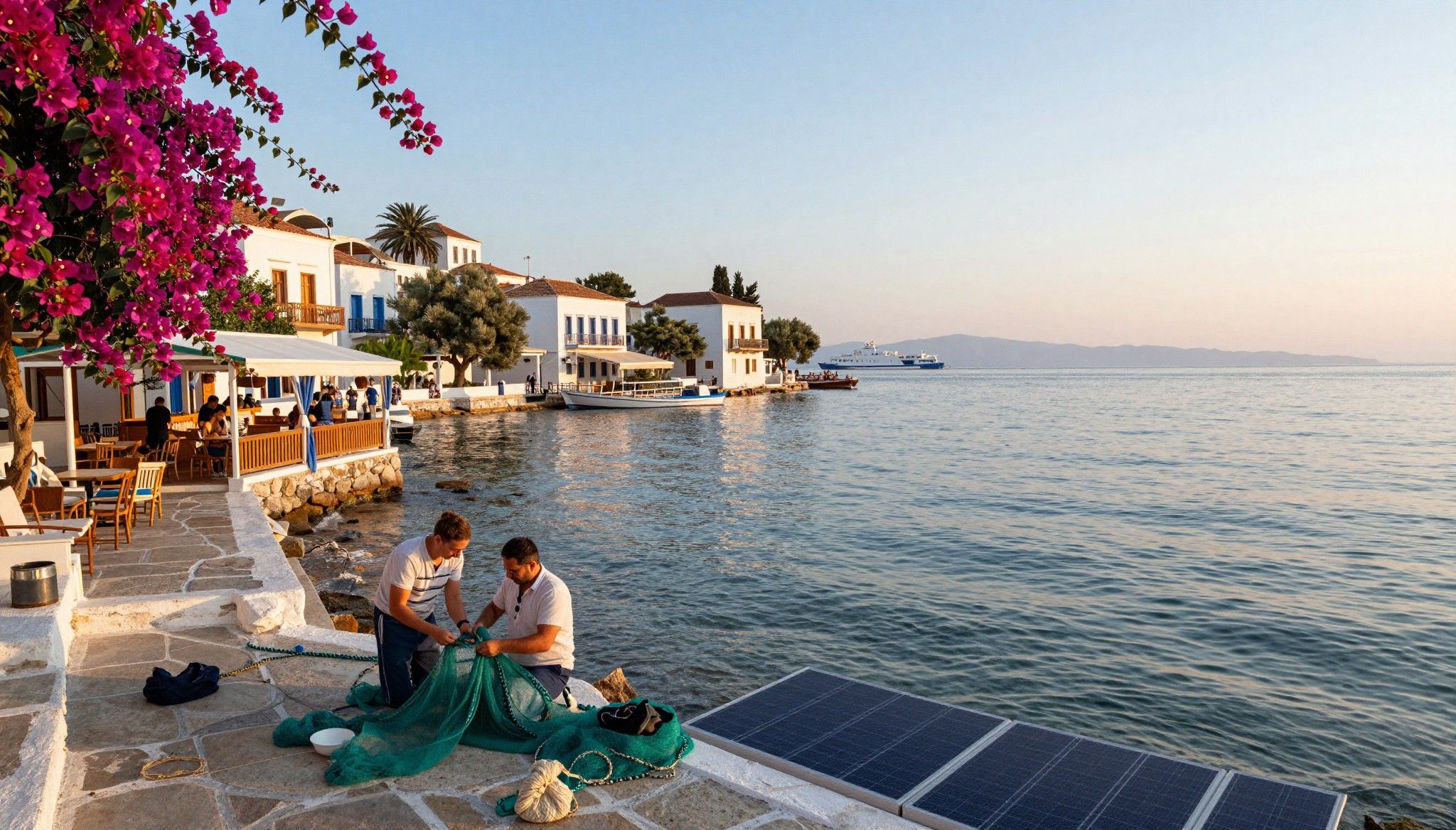
Look beyond the postcards. In Siena and Montepulciano, medieval streets hide restored apartments with rooftop herb gardens; in Puglia’s Valle d’Itria, trulli and farmhouse conversions sit beside regenerative olive groves; Lake Como’s quieter hamlets trade flashy waterfront for shaded lanes and community-run vegetable plots. Each place has a local tempo — cafés open early, markets close by mid‑afternoon — and that rhythm shapes how a sustainable home performs year-round.
Food, craft and season: the daily curriculum
Markets, family-run trattorie and craft workshops define life here. In Parma you’ll find prosciutto aging rooms and local cheesemakers; in Sicily, weekly fish markets set the day’s menu. These micro-economies mean that buying a house often includes learning local seasons — when truffles appear, when the olive harvest begins — and planning property features (cold-cellar for preserving, shaded pergola for summer living) around those cycles.
- Lifestyle highlights that matter for property choice
- Morning market rituals — Mercato Centrale (Florence), Mercato di Ballarò (Palermo)
- Neighborhood courtyards and shared gardens — common in Bologna and Naples
- Seasonal festivals: olive harvests (October–November), truffle fairs (Autumn), local sagre
Making the move: lifestyle meets practical choices
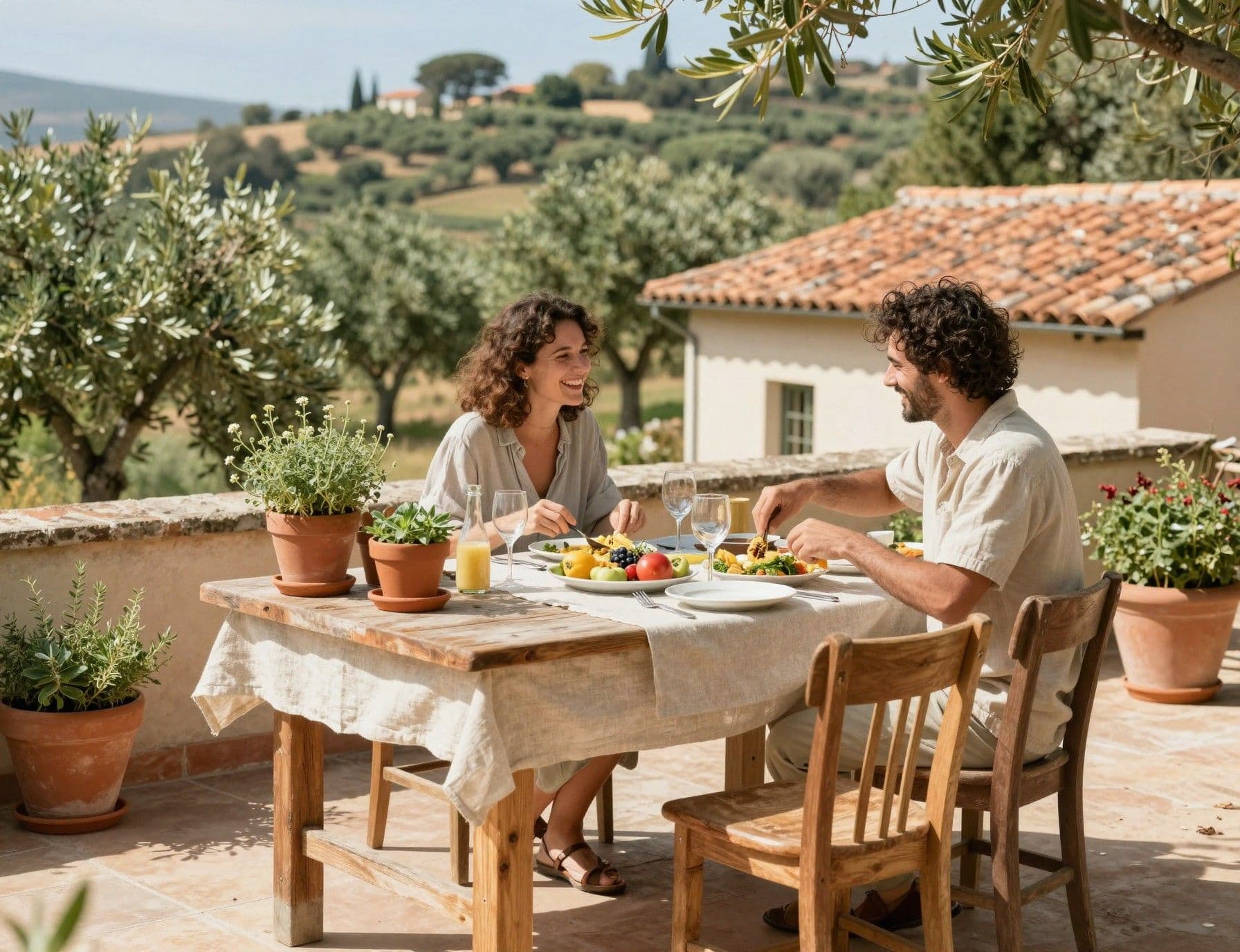
Dreams meet paperwork, and the closer you look the more the local details affect value. National data show stable sales volumes and growing international interest, which means competition in popular regions can be real. But the market is regional: Lombardy behaves differently to Puglia or Sicily, and that matters for everything from renovation rules to how communities steward water and communal land.
Property styles and how they shape daily life
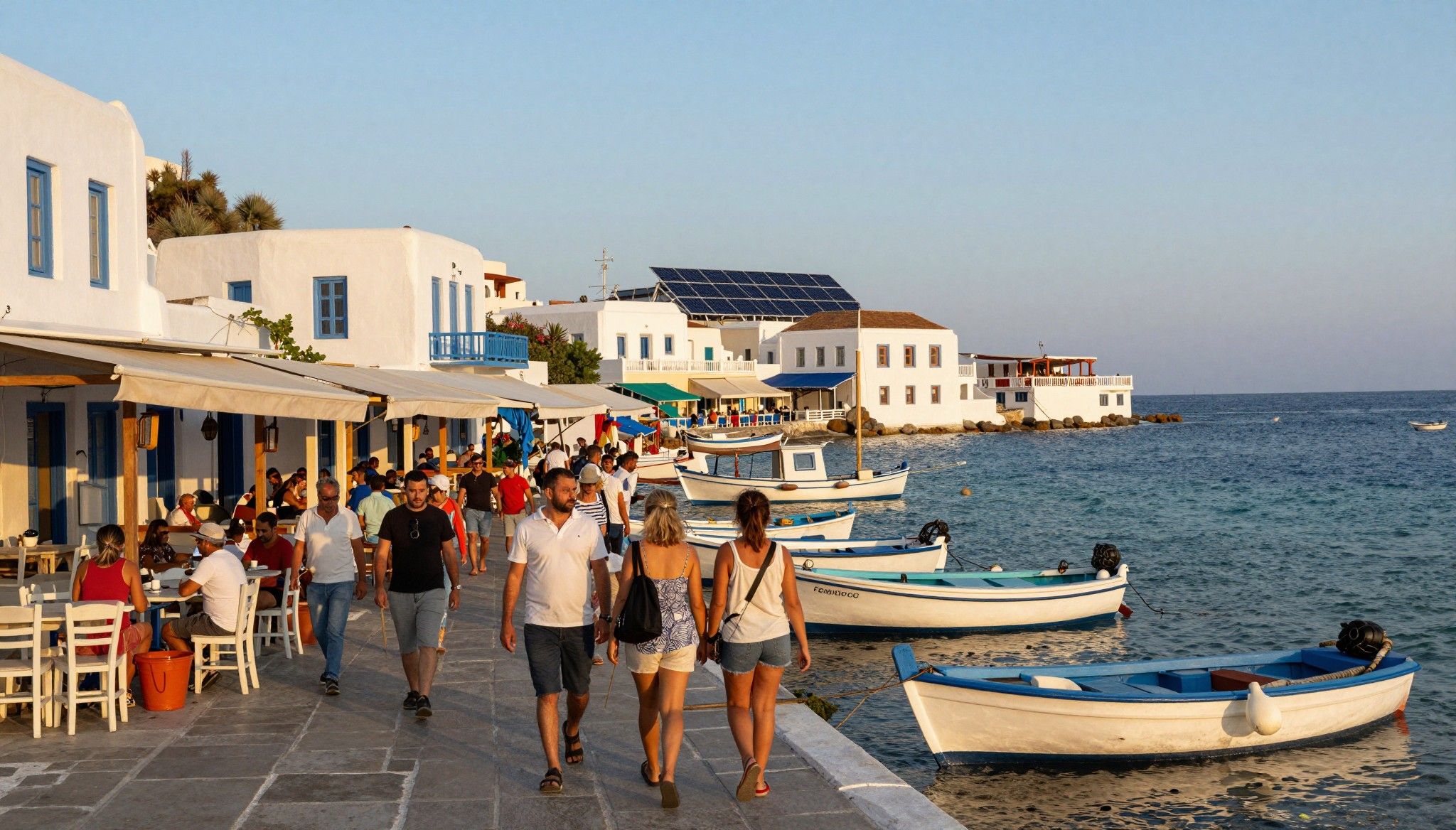
Stone farmhouses and trulli come with thick walls and natural insulation — great for passive cooling and a slower energy footprint — but often need careful repair. City apartments favor shared systems (condominiums) and may benefit from rooftop solar initiatives, while coastal villas require salt‑tolerant materials and water-wise landscaping. Match the building type to how you want to live: outdoor rooms for social seasons, cellar space for preserves, or adaptable interiors for remote work.
Local experts who match lifestyle to property
Choose agents and craftsmen who understand seasonal use and traditional techniques: a local architect familiar with breathable lime plaster, a mason who knows how to repair dry‑stone walls, or an agronomist advising on olive-tree health. These specialists are often the bridge between a romantic purchase and a resilient, low-impact home.
- Steps to marry lifestyle and logistics
- Visit the same neighborhood across seasons to see noise, smells, and community life.
- Ask for local service quotes (masonry, plumbing, olive-harvest help) before bidding.
- Prioritize passive features (thick walls, shutters, pergolas) to reduce retrofit needs.
- Engage an agent who speaks both your language and the local dialect of property rules.
Insider knowledge: what expats wish they'd known
Expats often tell the same story: the house captured their heart, but small local systems — from water delivery schedules to winter road clearing — defined whether life felt easy. Neighbourhoods with active cooperatives or 'pro loco' associations tend to maintain shared spaces better; where those groups are weak, communal infrastructure can lag.
Language, community and daily rituals
Italian is forgiving in tourist areas, but deeper community integration — invitations to harvest olives, to join festival kitchens, to attend a neighbourhood council — happens when you learn local phrases and respect customary timings. A little Italian goes a long way: greetings, thanks, and asking about seasonal tasks open doors to craftspeople and shared labour that reduce costs and strengthen local ties.
Long-term lifestyle: stewardship over speculation
If you buy with stewardship in mind, your property becomes part of a place’s future. Consider rainwater capture, native planting, and preserving dry‑stone walls. Small investments that support biodiversity — hedges, wildflower strips, bee-friendly plantings — offer outsized lifestyle returns: quieter summers, richer harvests, and neighbours who share knowledge and labour.
Three practical signs a neighbourhood is both authentic and sustainable: active local markets and artisans, cooperative maintenance of shared spaces, and visible seasonal practices like communal pruning or olive-pressing. These signs predict a higher quality of life and often lower long‑term maintenance costs because the community shares expertise.
- Red flags green buyers should notice
- Absent local services for half the year (seasonal closures that leave properties isolated).
- Over‑restored facades that hide poor building physics (moisture, lack of insulation).
- Disconnect between advertised green features and local feasibility (expensive mains upgrades, restricted solar feed‑in).
Conclusion — fall in love, then steward
Italy invites you to slow down and live in rhythm with place. Start by visiting across seasons, learn a handful of local phrases, and work with agents and craftsmen who value traditional materials and regenerative practices. When you buy with curiosity and care, your home will repay you with markets, seasons, and a neighbourhood that feels like belonging.
Next steps: schedule repeat visits, request local service estimates, and ask your agent for examples of nearby stewardship projects before making an offer.
Danish relocation specialist who moved from Copenhagen to the Algarve; supports families with seamless transitions, local partnerships, and mindful purchases.