Why Valletta’s Quiet Corners Beat Seafront Hype
Malta’s lifestyle value hides in quiet corners and seasonal rituals — pair neighbourhood rhythm with local experts to turn rising markets into sustainable home life.
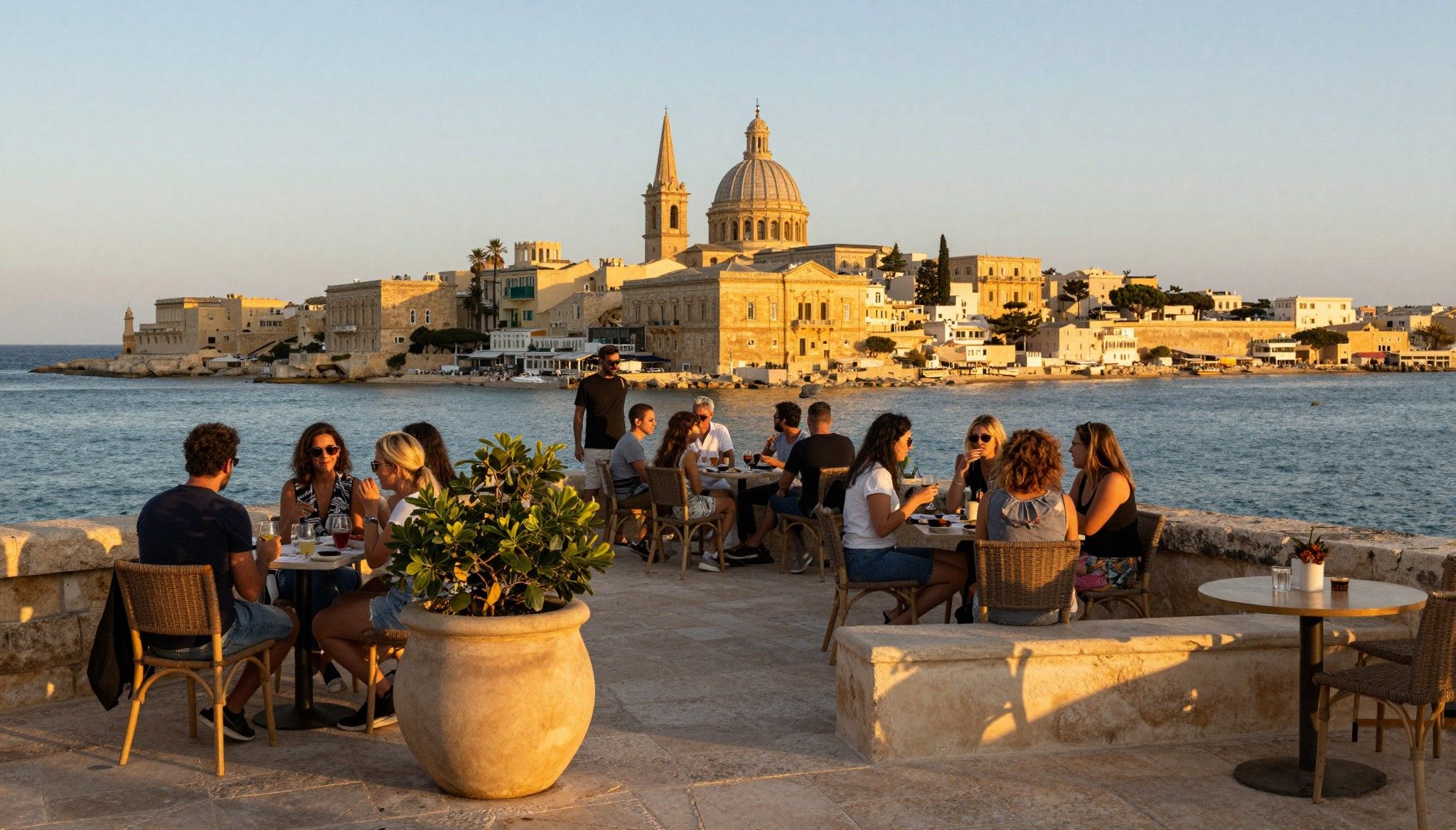
Imagine a late-afternoon espresso at Caffe Cordina, sunlight pooling on limestone paving, and the harbour wind carrying the smell of salt and fresh bread. Malta is small enough that a coastal swim, a market run and a band concert can all fit into a single afternoon — and for many international buyers that compressed, tactile life is the reason to come. Yet the island’s compact size has created a market that rewards local nuance: street-by-street differences, seasonal rhythms and a handful of underappreciated neighbourhoods where green, restorative living still feels within reach. Market data shows prices rising, but the lifestyle opportunities — traditional crafts, edible terraces and village communal life — are where real value for mindful buyers is found.
Living the Malta life: sunlight, stone and ritual
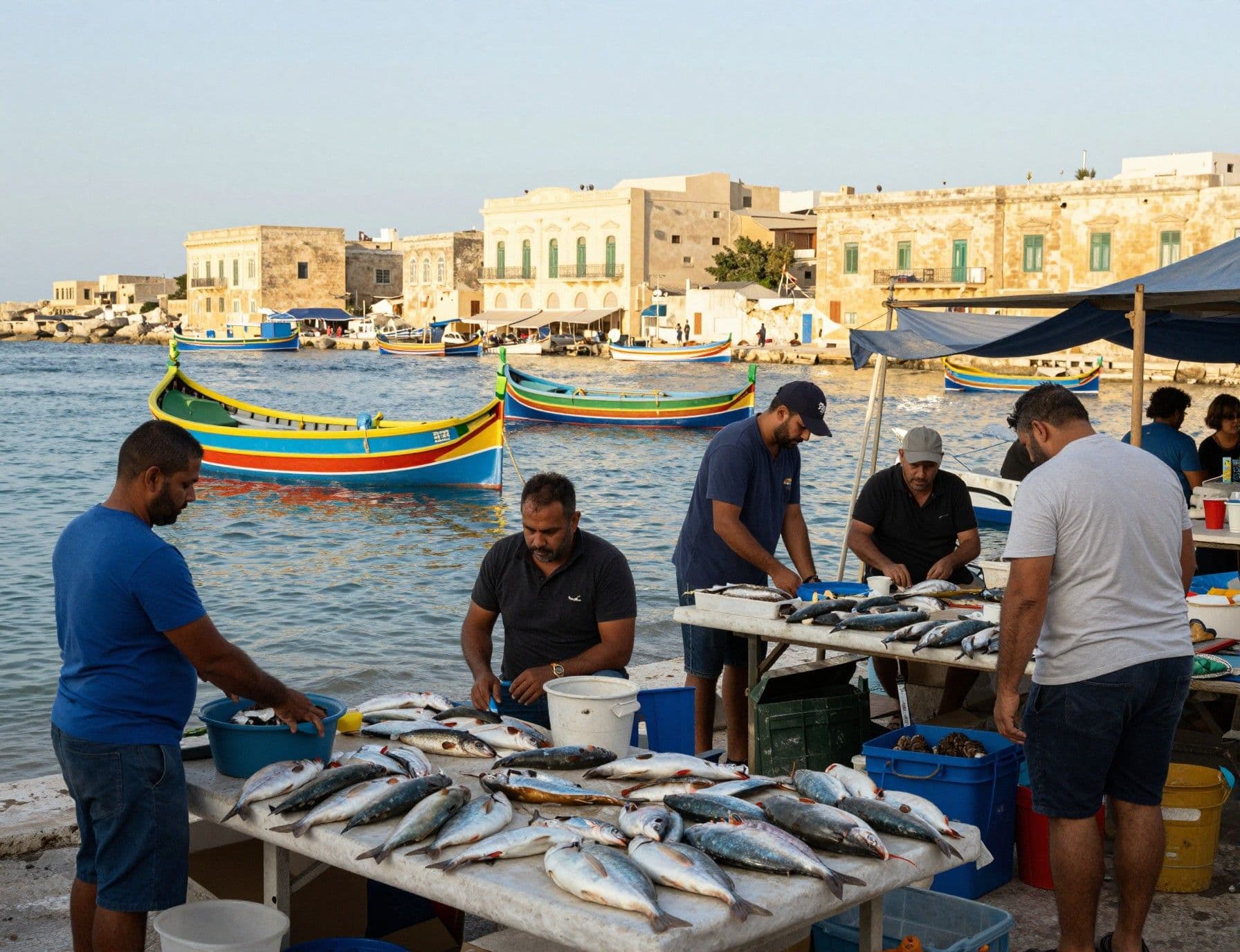
Life in Malta moves to a Mediterranean rhythm: mornings for errands and markets, afternoons for siesta or a quick dip, evenings for lingering meals. In Valletta the lanes are a choreography of shutters, artisan bakeries and rooftop terraces; in Sliema and St Julian’s the seafront promenades keep a younger, cosmopolitan pulse. And in quieter corners — places like Senglea and the fishing village of Marsaxlokk — traditional crafts and seasonal fishing routines still shape daily life, offering an intimate connection to place that many buyers crave.
Neighborhood spotlight: Valletta’s quiet corners
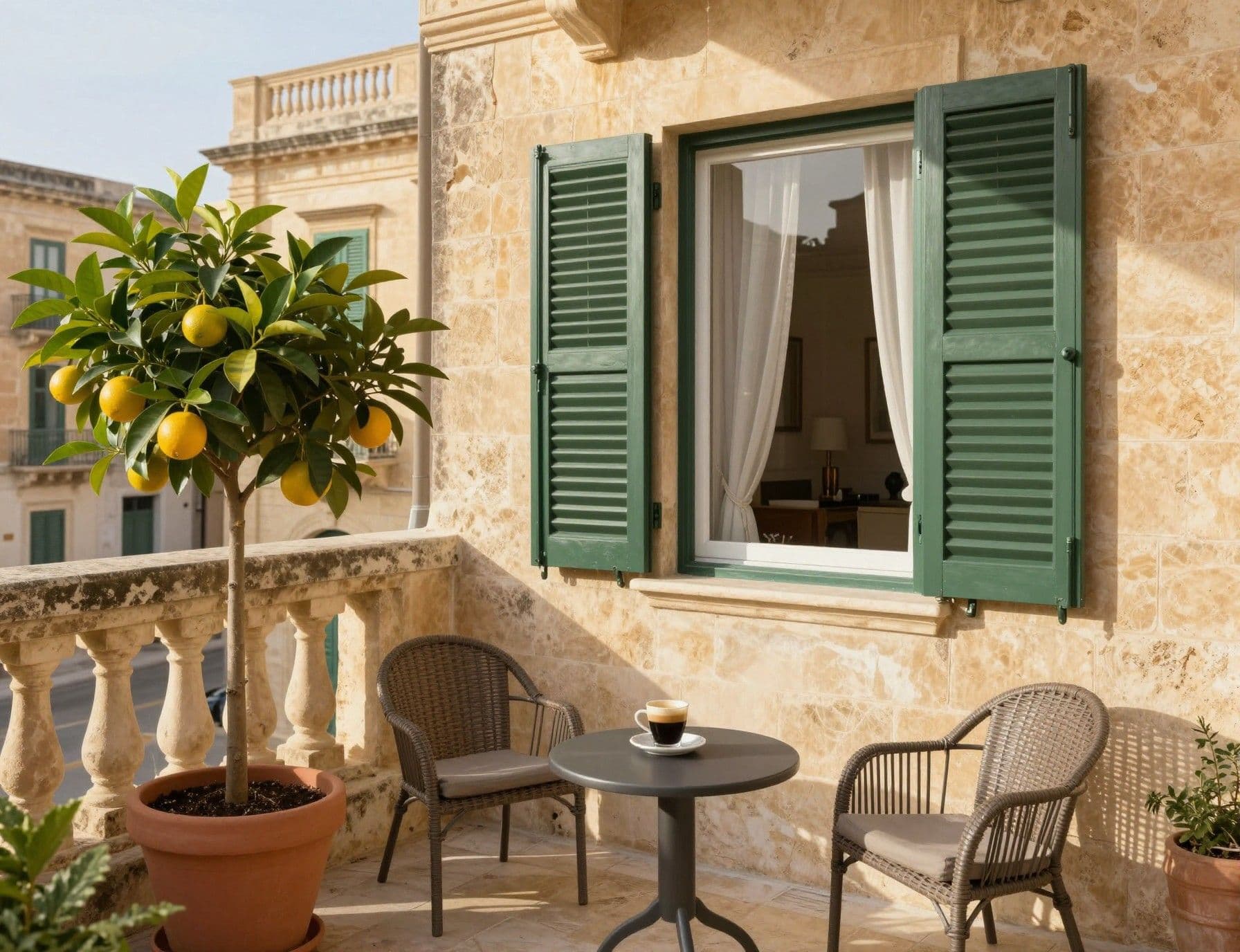
Walk away from the main thoroughfares and Valletta reveals courtyards, small community gardens and narrow streets where neighbours still greet each other by name. These quiet corners often house restored townhouses with thick limestone walls — excellent passive cooling in summer — and compact terraces for growing citrus and herbs. For buyers wanting a home that feels lived-in and ecologically sensible, these micro-neighbourhoods fuse heritage with low-impact living.
Food, markets and seasonal rhythms
A Saturday at the Marsaxlokk market is a lesson in seasonality: fish hauled in that morning, sun-ripened tomatoes, local honey and pastries shared between stalls. Eating locally is easy and joyful here — and it shapes property choices: buyers increasingly prize kitchens with space for preserving and terraces for potted gardens. This is a place where a home’s relationship to food and seasonality matters as much as square metres.
Lifestyle highlights — small-scale, sensory, sustainable
Morning espresso on a limestone balcony (Caffè Cordina, Valletta)
Sunday fish market at Marsaxlokk, buying what’s in season
Sunset swims at Golden Bay and evening promenades in Sliema
Local crafts: lace, stone-masonry and traditional boat-building workshops
Making the move: the lifestyle that meets market reality
If the lifestyle sells you, the numbers will steady the decision. Malta’s Residential Property Price Index rose through 2024–2025, and transactions have picked up — figures from the NSO and local reporting show a steady rise in prices and sales volumes. That means your timing, neighbourhood choice and flexibility on property type will materially affect both price and the living experience you secure. Think beyond ‘seafront view’ and into the quieter corners where lifestyle quality and long-term stewardship intersect.
Property styles: old townhouses, maisonettes and modern apartments
Traditional Maltese townhouses (with thick limestone walls, internal courtyards and roof terraces) offer natural temperature regulation and a built-in connection to community life. Maisonettes and modern apartments concentrate in Sliema, St Julian’s and Għajn Tuffieħa, delivering easier maintenance and often better rental potential. Weigh the lived experience — terrace-grown herbs, dusk light on stone, neighbours you know — against liquidity and resale considerations reflected in the official indices.
Working with local experts who prioritize place
Local agents, architects and craftsmen are the people who translate lifestyle into a home that works. They understand permit nuances for terraces, the best ways to add insulation to limestone walls, and how to size a PV array for rooftop terraces. With recent regulatory shifts — including legal scrutiny of past residence-by-investment programmes — experienced local counsel and agencies will help you align lifestyle goals with realistic, compliant purchase paths.
How to blend lifestyle and practicality when buying in Malta
Decide which lifestyle matters most (heritage townhouse for texture, or a modern apartment for low upkeep).
Choose neighbourhoods by rhythm not just price: Valletta for ritual, Marsaxlokk for market life, Mellieħa for quieter coastal living.
Budget for retrofit and stewardship — think passive cooling, solar-ready roofs and rainwater collection for terraces.
Engage a local agent, an architect familiar with lime-based repair and an English-speaking legal advisor early in the process.
Insider knowledge: expat truths, seasonal tradeoffs and red flags
Expats often arrive enchanted by festivals, food and easy English — then discover subtle tradeoffs: narrow streets can mean limited parking, and the sea breeze that defines Maltese life also means salt exposure for metalwork. Buyers who underestimate maintenance on stone facades or the value of a small, well-sited terrace quickly learn to budget time and money for stewardship.
Cultural integration, language and community
English is an official language and widely used in services and business, which flattens learning curves for many buyers. Still, learning a few Maltese phrases, joining local festas and visiting neighbourhood council meetings makes a visible difference in how neighbours receive you. Community integration often happens through food, children's school routines and local voluntary associations — pathways to a deeper, more regenerative life on the island.
Red flags and stewardship priorities
Unclear ownership history on older townhouses — insist on clear deeds and a local notary review.
Salt corrosion and roof waterproofing — check past works and seasonal maintenance plans.
Planning restrictions for rooftop additions — verify with an architect who works with Planning Authority habits.
Misread market timing: prices are rising but micro-location matters more than headline indices.
Long-term: Malta’s market has shown steady price growth in recent years, and regulatory shifts around residence-by-investment have reduced one stream of demand. For buyers motivated by lifestyle first, that’s an opportunity: seek neighbourhoods where cultural life, green practices and stewardship are more important than short-term rental yields. Work with agencies who measure value in community and ecological fit, not just square metres.
Conclusion — a small island where choices shape life
Malta offers an unusually tactile, seasonal life: mornings in stone markets, afternoons by the sea, evenings under festoon lights. Smart buyers combine that sensory love with local knowledge — pick a neighbourhood by rhythm, engage experts who care for place, and budget for stewardship that keeps limestone and terraces thriving. When you do, Malta stops being a holiday backdrop and becomes a living, regenerative home.
Swedish advisor who left Stockholm for the Costa Brava in 2019. Specializes in sustainable, sea‑view homes for Scandinavian buyers and green finance insights.