Seasonal Life & Stewardship: Where to Buy in Italy
Fall for Italy’s seasonal life first—then match neighbourhood rhythms to renovation, energy upgrades and artisan networks for a lasting, green home.
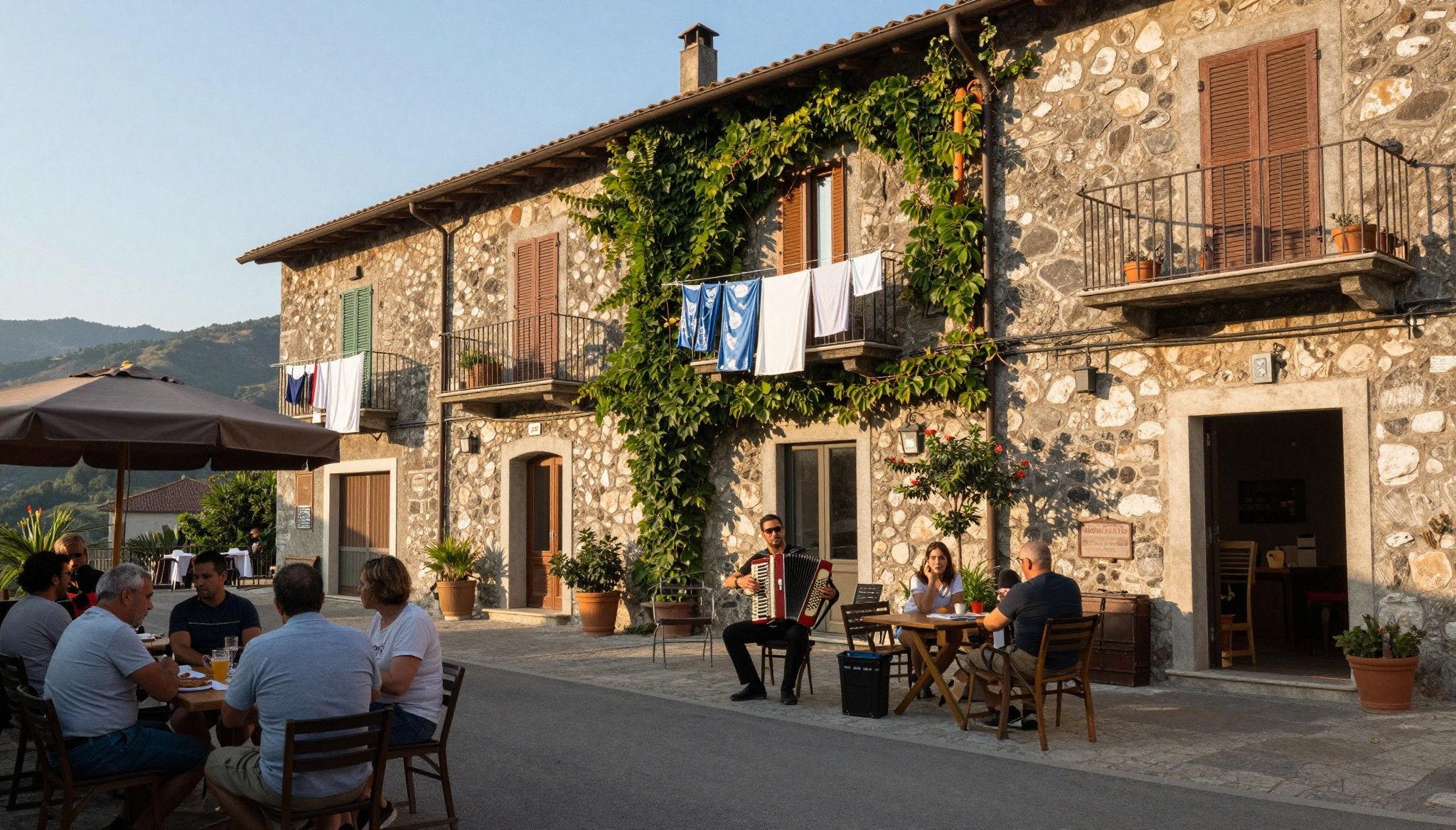
Imagine waking to the smell of roast coffee and salted sea air, then wandering a cobbled lane to a market stall where an elderly vendor sells chestnuts and bruschetta. That feeling—slow mornings, abundant seasonal produce, and the visible hand of craft and landscape—is what draws many of us to Italy. But the dream and the purchase are different conversations: lively neighborhoods and green architecture meet regulations, regional price patterns, and renovation realities. We’ll begin in the life of place, and later ground those sensations with where the data says to look and how to act.
Living the Italy lifestyle
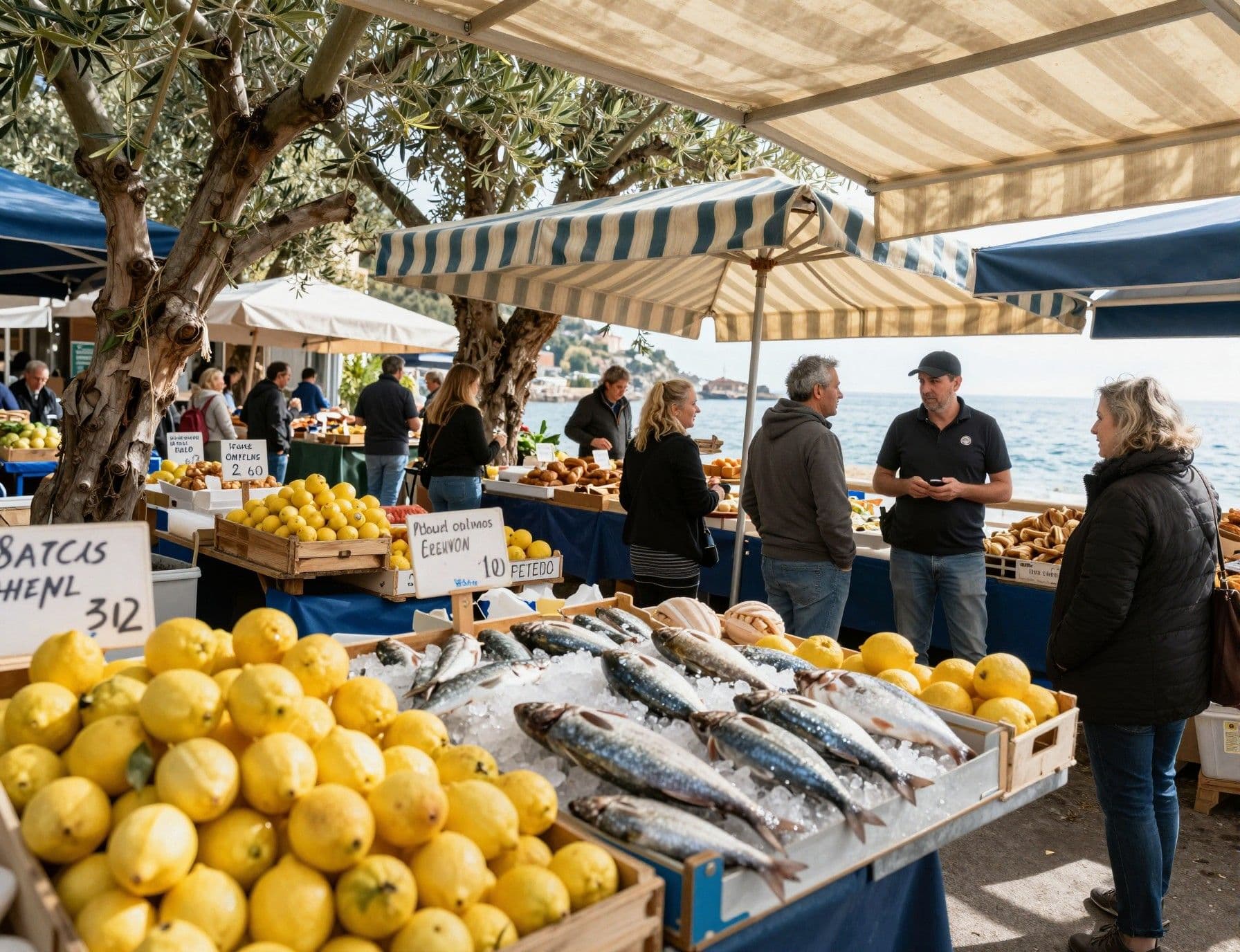
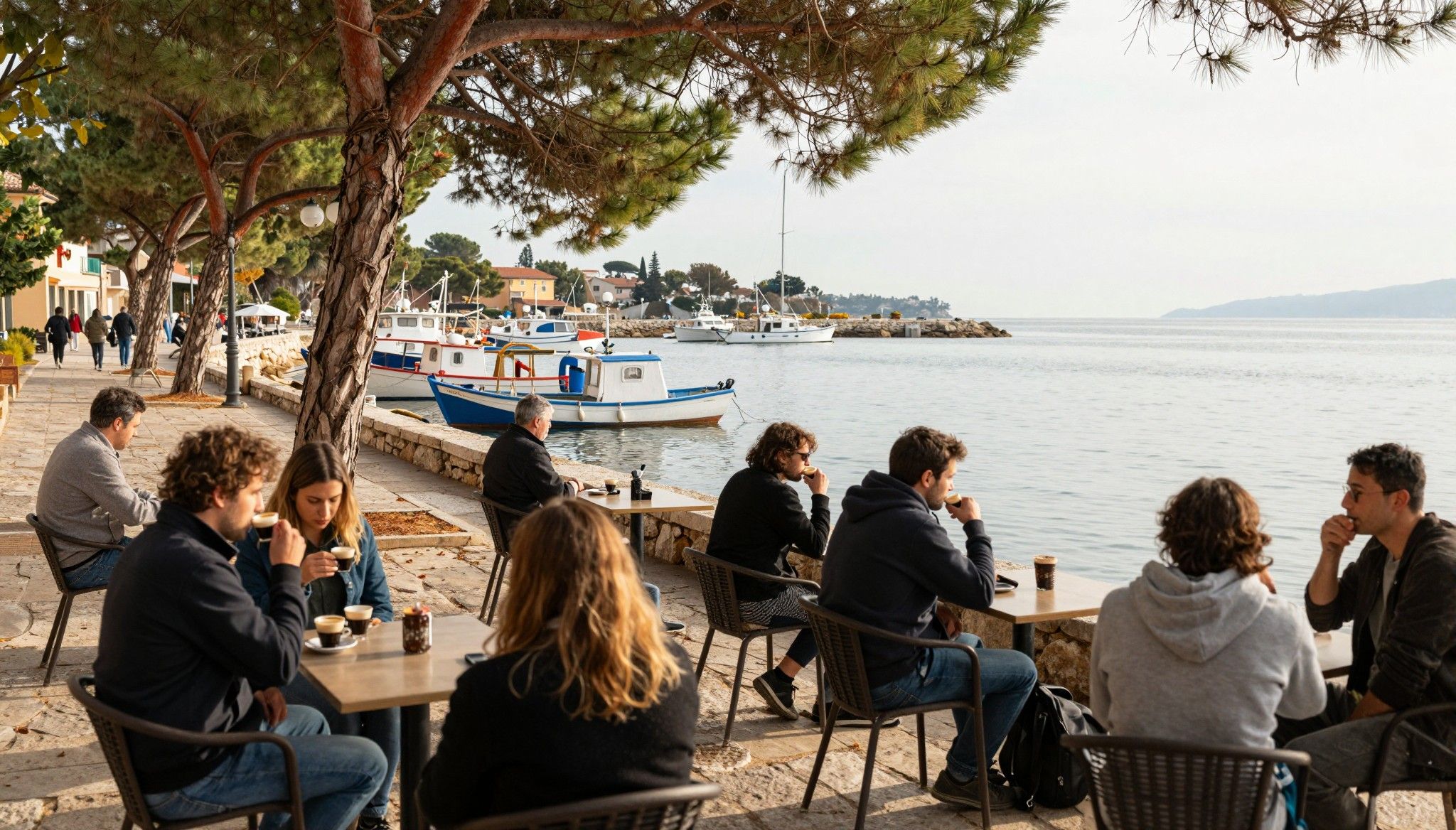
Italy is not a single rhythm but a chorus of micro-lives: morning espresso in Naples’ Via Toledo, sunset swims along Liguria’s Cinque Terre, truffle‑hunts in Piedmont’s oak woods and slow-market Saturdays in Puglia. Each region holds its own seasonal calendar—lemon harvests in the Amalfi, chestnut festivals in Tuscany—and those cycles shape how people use houses, terraces and community spaces. If you picture yourself gardening a terrace of herbs or restoring a stone farmhouse with a local mason, those daily choices will determine the property type you want and the professionals you need. Living here means living with the seasons and local craft, and that’s part of Italy’s quiet luxury.
Neighbourhood pulse: historic centre vs. coastal village
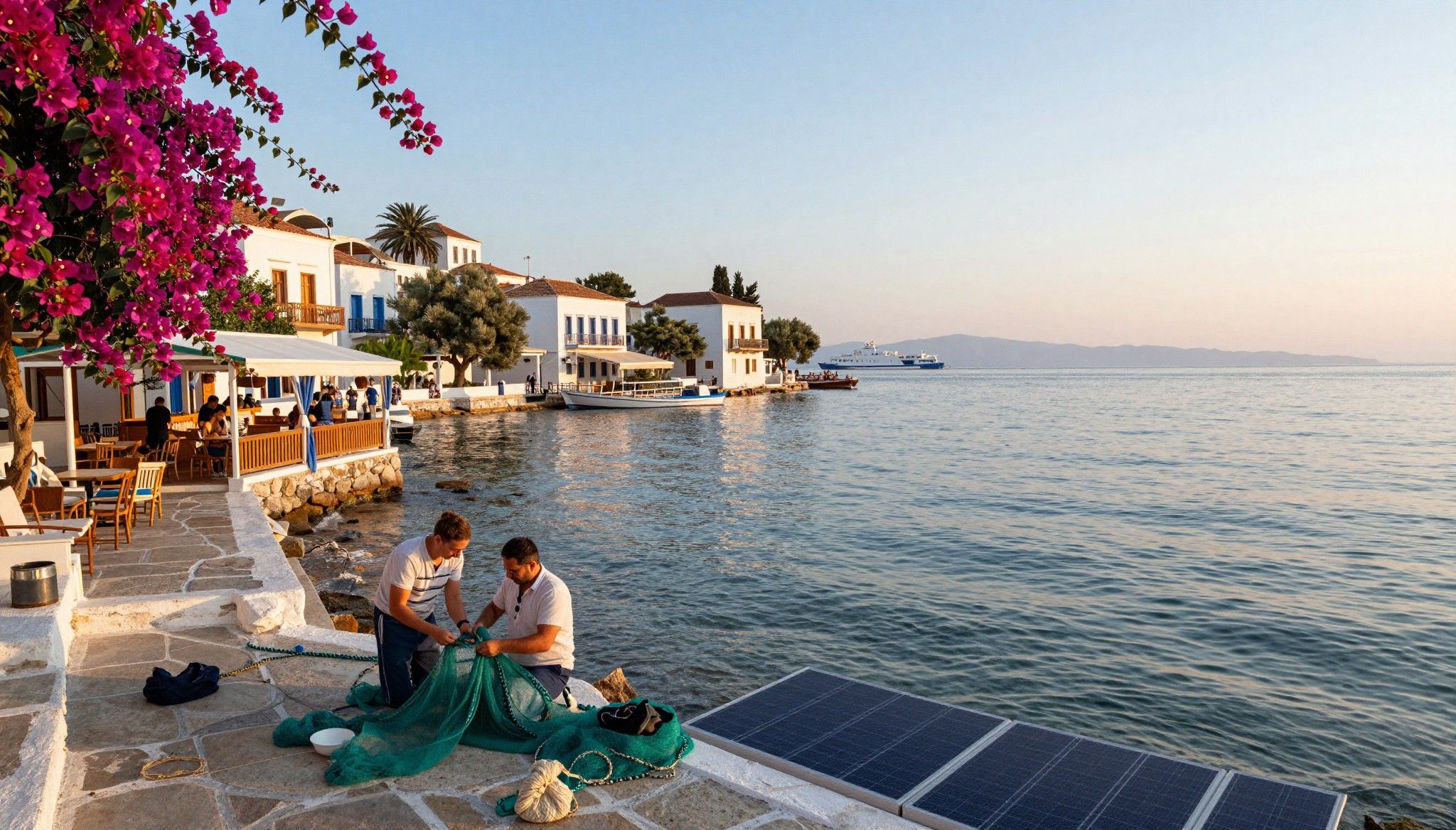
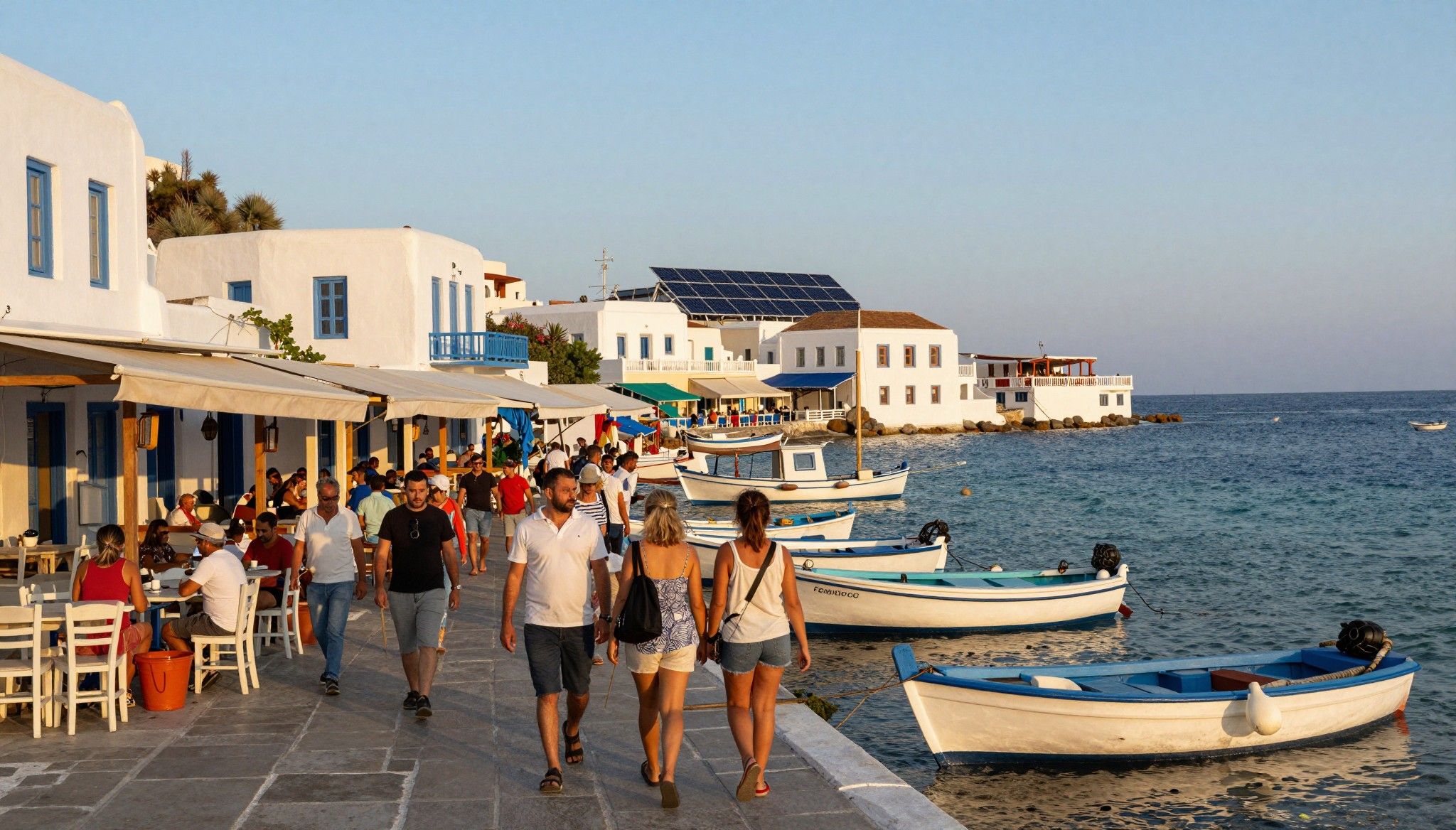
Historic centres—think Florence’s Oltrarno or Bologna’s Quadrilatero—offer narrow streets, artisanal shops, and immediate access to culture, but they also come with condominium rules, older systems and renovation quirks. Coastal villages from Tropea to Lerici trade that intensity for salty air, outdoor life and a different tempo; you’ll find daytime markets, fishermen mending nets, and houses built to catch the breeze rather than trap heat. The trade-off is practical: a restored apartment in a centro may need seismic upgrades and insulation, while a seaside house often requires salt-resistant finishes and attention to water supply. Both are rich in lifestyle but ask different things from stewards of place.
Food, markets and the social architecture of daily life
Food shapes time in Italy: morning market runs, a late pranzo, village aperitivi where conversations linger under plane trees. Local producers—cheesemakers in Emilia, olive growers in Puglia, coastal fishmongers—are part of neighbourhood networks that double as sources of local knowledge and favors for homeowners. For international buyers wanting to belong, learning market rhythms and supporting artisans becomes the soft currency of integration and makes renovation choices (space for a pantry, a wood-burning oven, shade structures) feel lived-in and sensible. Small choices—where you keep basil in summer, how you orient windows—translate to large lifestyle dividends.
- Daily-life highlights to look for in a property search: - A morning market within walking distance (fresh seasonal produce and social contact) - South- or west-facing terraces for afternoon light and slow outdoor dinners - Local artisans or workshops nearby for authentic restoration materials - Access to a train station or regional airport for seasonal travel needs - Nearby communal green spaces or orchards that suggest biodiversity and climate resilience
Making the move: practical considerations with a lifestyle lens
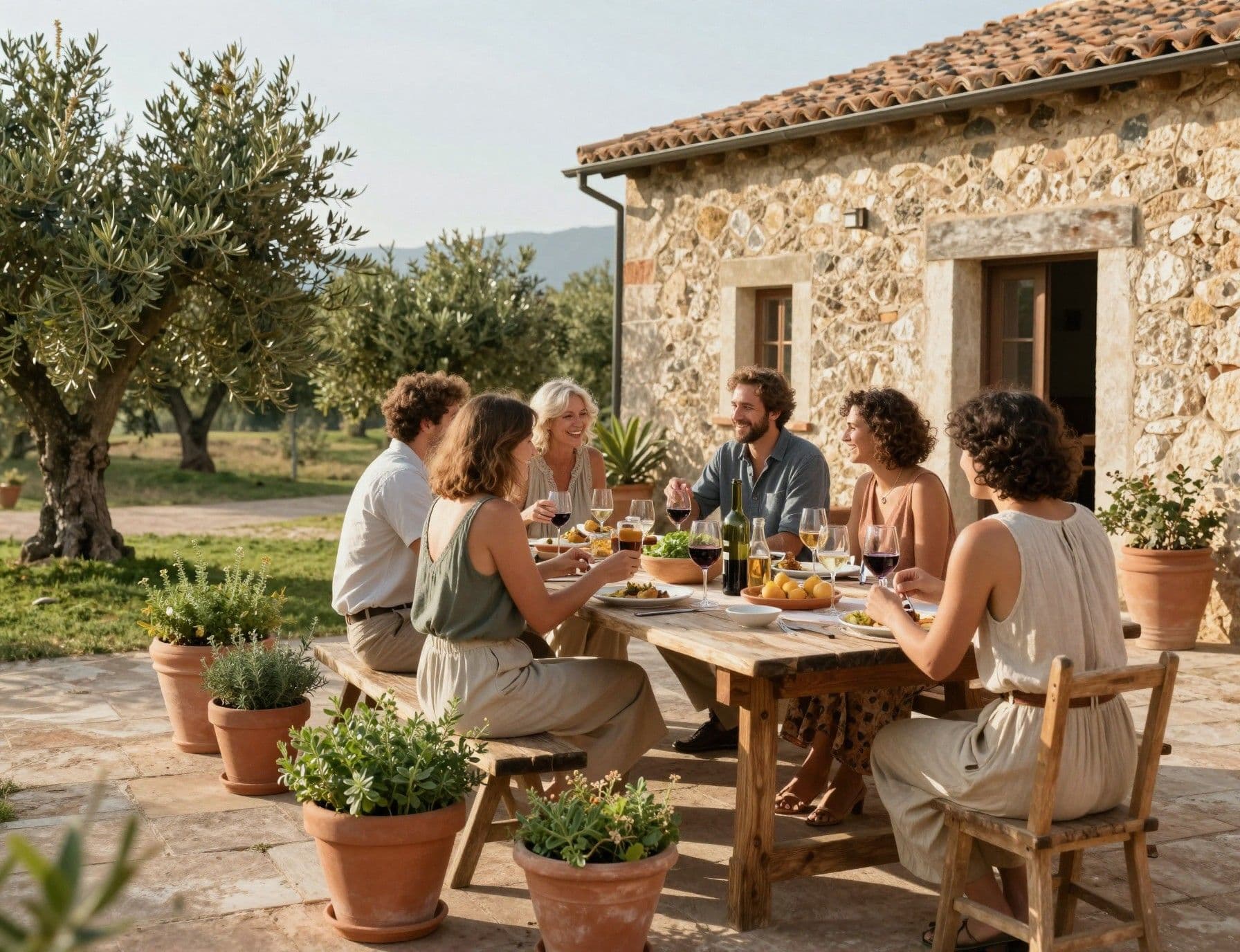
The market is quietly shifting: national transaction counts climbed modestly in 2024, a signal that activity is returning after recent years of caution. Yet regional variance is dramatic—Lombardy, Tuscany and parts of the north show stronger price momentum while some southern provinces remain more affordable and slower to recover. That means the lifestyle you want (mountain quiet, coastal sea‑life, historic centre culture) often determines both price dynamics and renovation needs. Matching neighbourhood character to long‑term stewardship goals—energy upgrades, biodiversity-friendly gardens, traditional materials—should guide offers as much as square metres do.
Property styles that match green lifestyles
Stone farmhouses with thick walls are naturally passive in winter and cool in summer but may need modern heating and insulation work to meet contemporary comfort and efficiency goals. Urban apartments in converted palazzi can offer community, walkability and lower maintenance, but ask about shared-system upgrades (roof solar potential, lift, insulation) that affect both sustainability and cost. Newer eco‑builds or renovated places often command a premium, but they save money over time through lower energy bills and simpler stewardship—consider lifecycle cost, not just purchase price.
Working with experts who know both place and craft
- Steps to unite lifestyle vision with a realistic purchase: 1. Commission a local architect or restoration builder to survey climate‑sensitive needs (insulation, thermal mass, rainwater management). 2. Ask agents for recent energy performance certificates and whether prior seismic work or solar installations exist. 3. Visit neighbourhoods at different times and seasons to feel market rhythm and community life. 4. Attach a stewardship clause or timeline to offers for agreed eco‑upgrades post‑sale. 5. Budget an extra 10–20% for sympathetic renovations, permits and artisan fees common in Italy. 6. Seek an agency with local craft networks—not just listings—so you can source authentic materials and tradespeople.
Insider knowledge: what expats wish they'd known
Long‑time residents often talk about three surprises: the seasonality of service availability in small towns, the patience required for restoration permits, and how much community membership matters. In villages popular with foreigners, you'll find collaborative networks—shared olive presses, village festivals, communal gardens—that reward participation. Conversely, buying the prettiest house without considering access, water supply or proximity to a trusted mason can turn a dream into a chore. Experience teaches that humility, local relationships, and a respect for traditional methods make stewardship joyful rather than onerous.
Language, local norms and integration
You don’t need perfect Italian to belong, but learning market phrases and basic negotiation etiquette opens doors: a friendly chat with a barista or a mason often leads to trusted referrals. Understand local rhythms—late lunches, local festa days, and the ubiquity of municipal rules on façades and shutters—and be prepared to adapt your timetable to theirs. Small social investments, like hiring a local conservator for a tile restoration or joining the seasonal grape‑harvest, pay back in goodwill and real practical help when you need it most.
Long-term living: stewardship beyond purchase
Owning in Italy is an invitation to long-term care: olive trees, stone walls and timber roofs all need quiet attention across years. Prioritize upgrades that increase biodiversity and reduce inputs—rainwater collection, native gardens, solar thermal for hot water—so the property becomes resilient rather than resource‑heavy. Work with agencies who can connect you to local conservation groups or energy‑upgrade incentives; these relationships help homes age gracefully and keep maintenance sustainable for generations.
Conclusion: fall for the everyday life, then plan for the long haul. Italy offers unrivalled texture—markets, craft, festivals and landscape—but a mindful purchase that respects local building traditions and seasonal rhythms will give you both beauty and longevity. Start with visits that feel like living (cook, shop, sit), bring local experts into bidding conversations, and set realistic budgets for stewardship. When you buy a place in Italy with respect for its people and ecology, you’re not just buying walls—you’re joining a living landscape.
British expat who traded Manchester for Mallorca in 2017. Specializes in guiding UK buyers to luxury Spanish estates with clear navigation of visas and tax.