The Neighborhood Greeks Quietly Prefer (Not the Seafront)
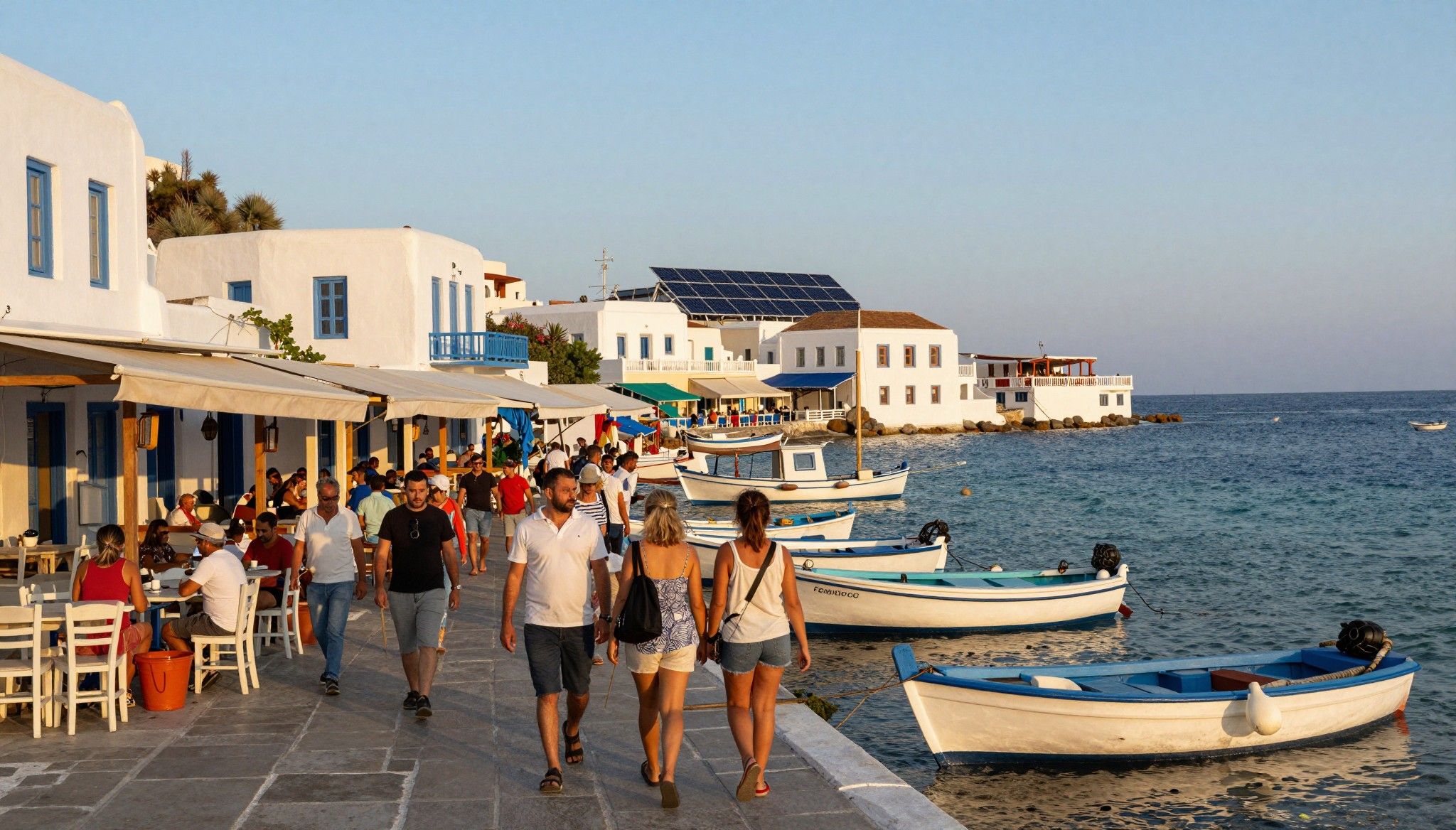
Think beyond seafront views: Greeks often prefer inner‑ring streets and hillside villages for year‑round life. Choose neighbourhoods with daily markets, shade and steady demand.
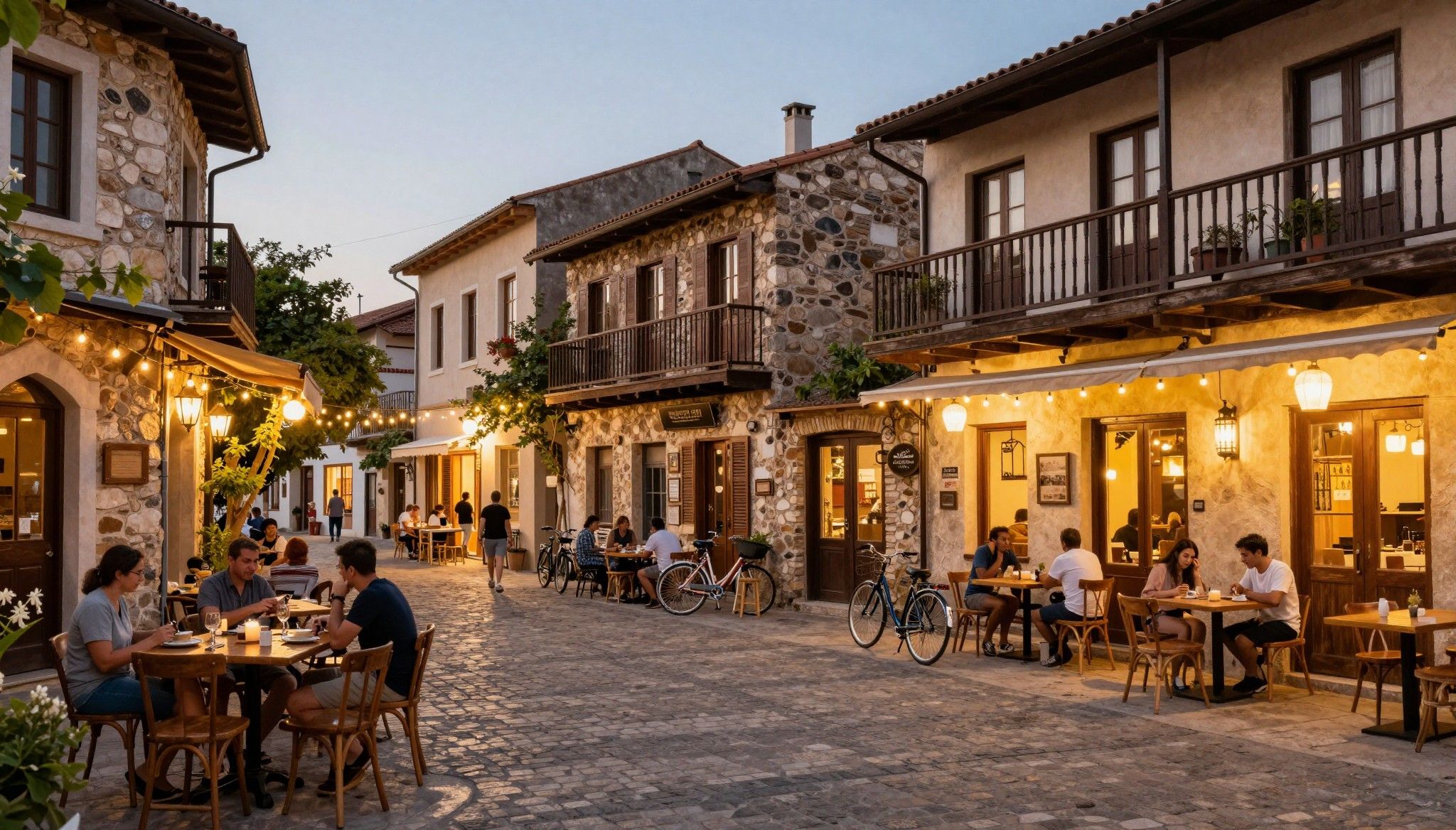
Imagine waking before dawn to walk a narrow, plane‑shaded street in Koukaki, buying a warm koulouri from a corner vendor, and watching cleaners sweep the marble steps toward the Acropolis. The smell of espresso and jasmine threads through afternoons; small neighbourhood taverna tables spill into laneways at dusk. This is Greece beyond glossy postcards — a life woven of communal rhythms, seasonal markets and the quiet rituals of place. For many international buyers the real surprise is where locals choose to live — and why those choices matter for long‑term happiness and resale value.
Living the Greek rhythm: everyday scenes that shape where people buy
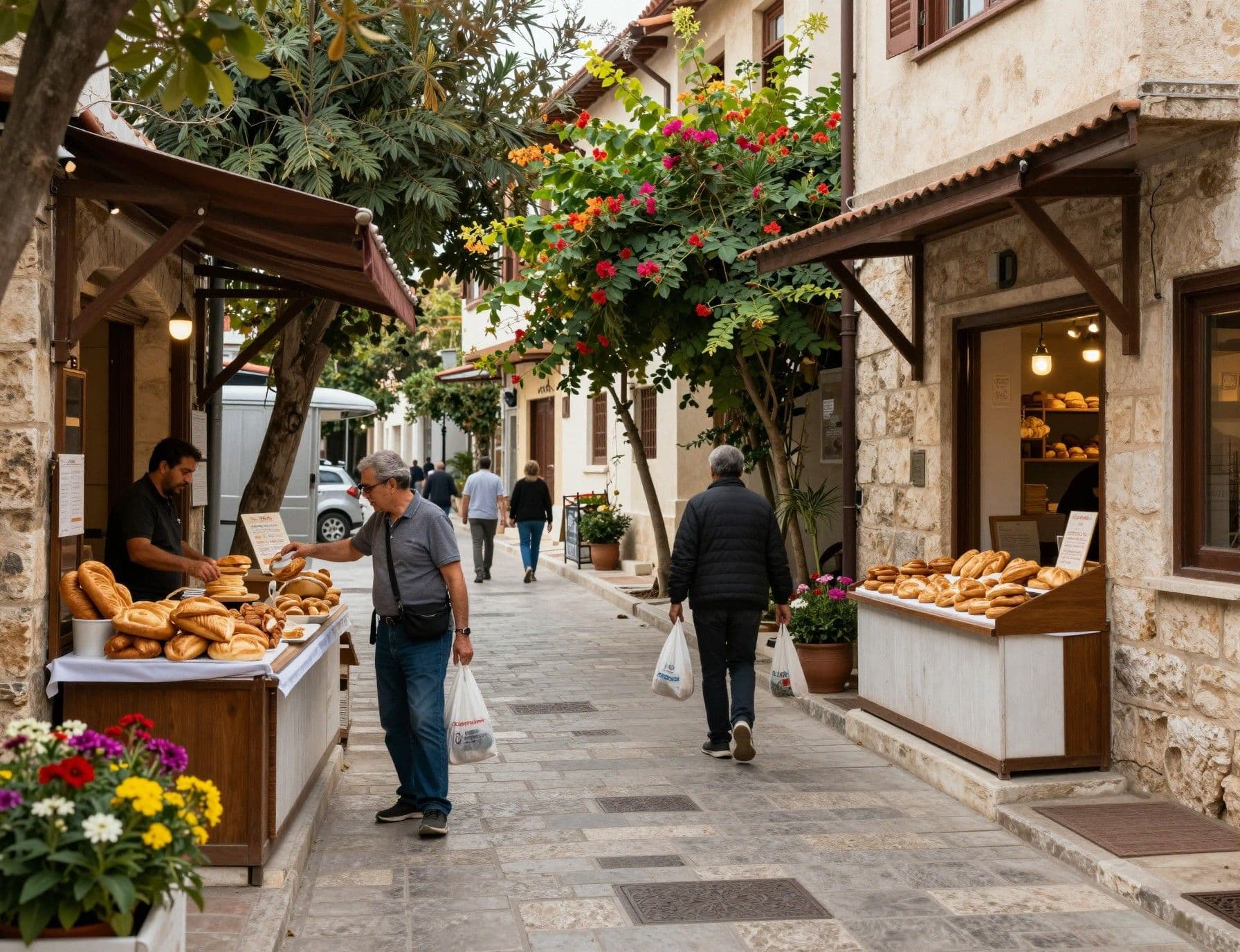
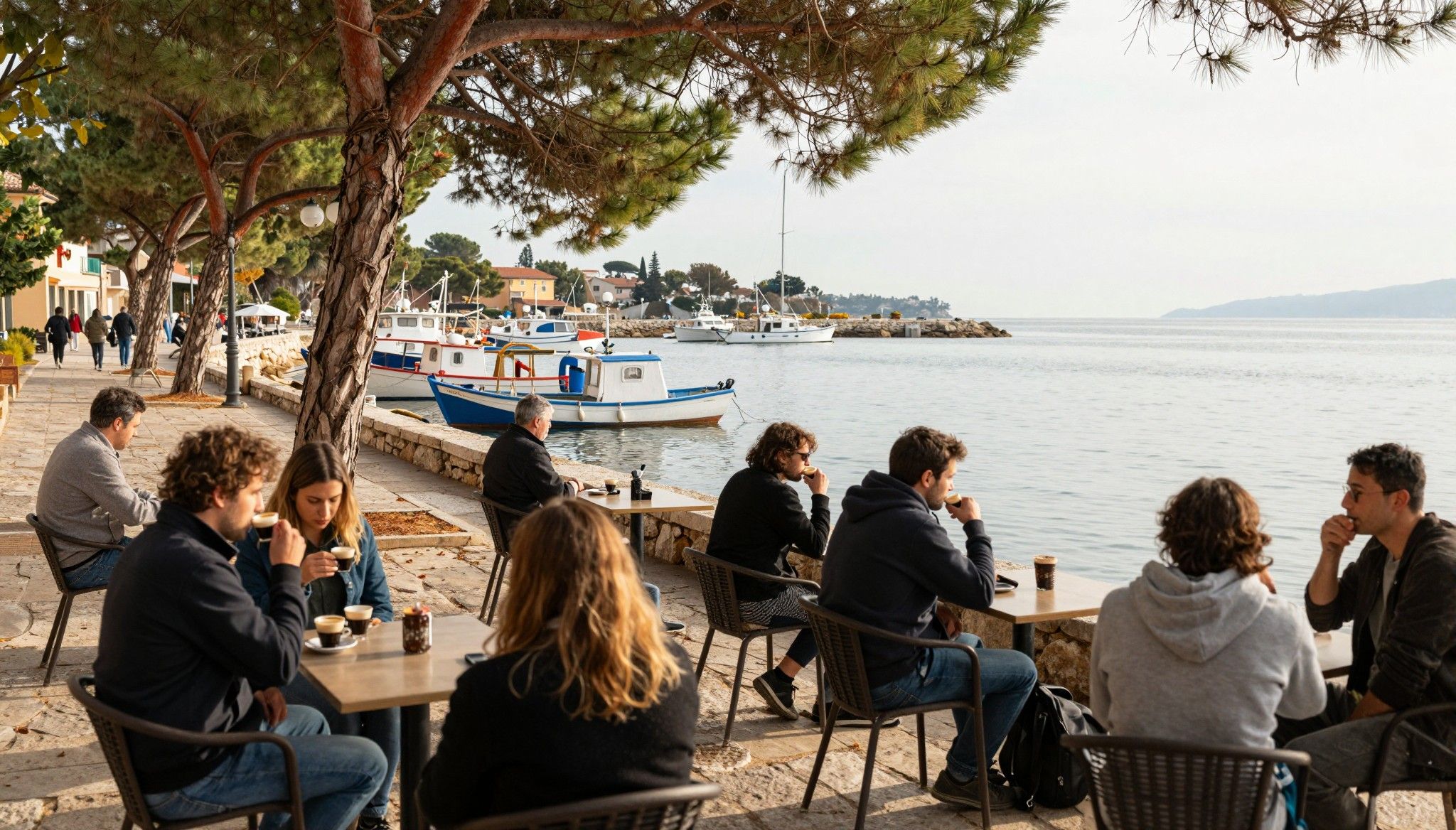
Greece moves at a layered pace: market mornings in neighborhoods, island afternoons by the sea, and late‑night social hours in city squares. That rhythm informs what locals prize in a home — cross‑ventilation for humid summers, a shady courtyard for siestas, a small patch of land for seasonal vegetables. These preferences help explain why many Greeks pick inner‑ring neighbourhoods with community life over sun‑drenched seafront properties whose value depends on tourists. Understanding that daily cadence helps international buyers match lifestyle desires to durable property choices.
Athens beyond the headline districts: Koukaki and Pangrati up close
Walk Koukaki on a weekday and you’ll find local bakeries, children racing scooters, and artisans repairing chairs. Neighbourhoods like Koukaki and Pangrati are prized for their human scale: short trips to the market, tavernas that know your name, and terraces that face inward toward street life rather than outward at a tourist panorama. These are the streets where Greeks buy to live, not just to rent in high season — and that steadiness often makes prices less volatile than coastal holiday hotspots.
Island life rethought: why inland villages often outlast flashy beaches
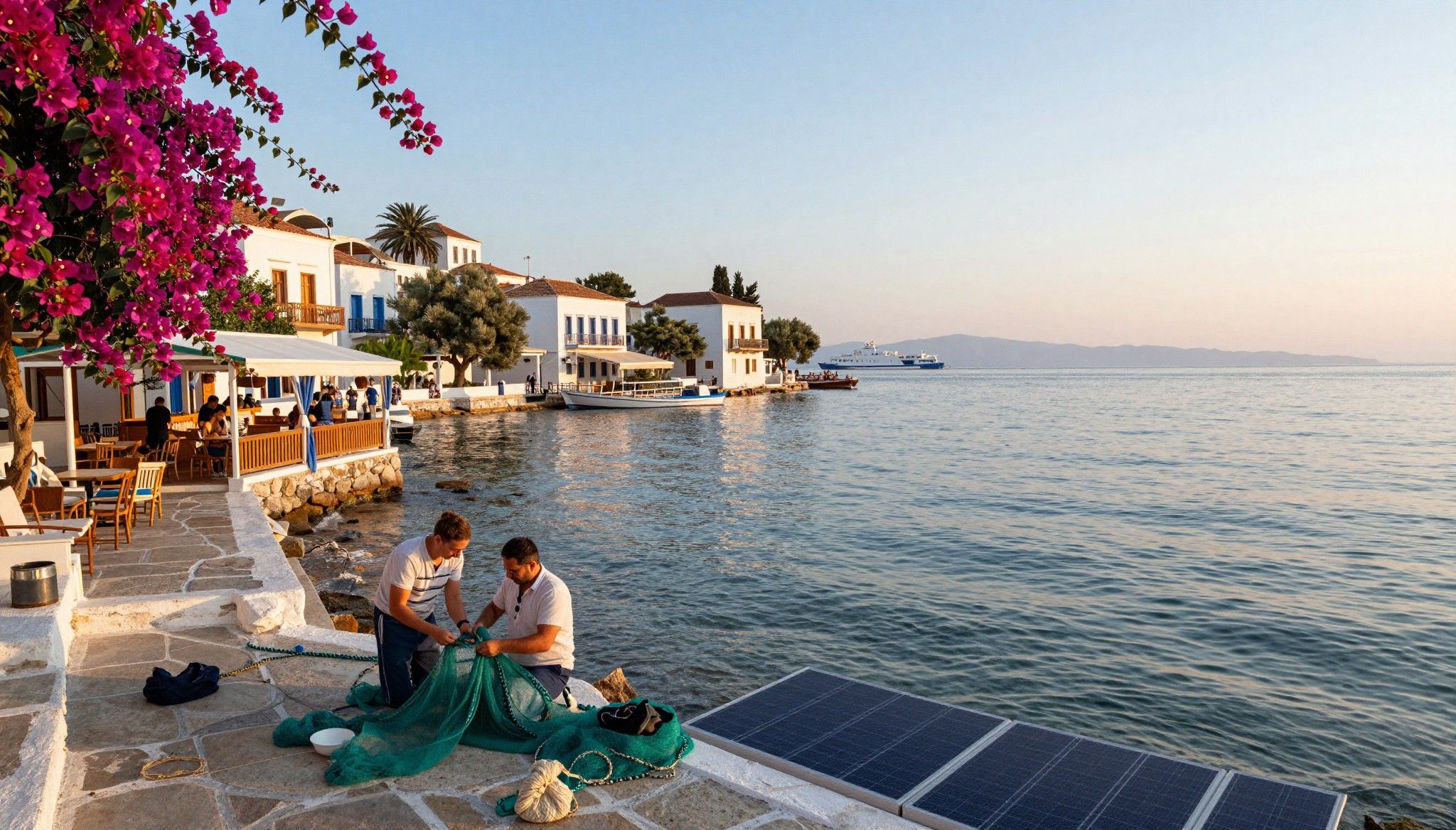
On islands such as Corfu or Crete, locals frequently favour hillside villages with freshwater springs, shade trees and communal squares over the glossy front‑line resorts. Those inland spots offer cooler summers, better soil for kitchen gardens, and social continuity year‑round — qualities that sustain community life and make properties easier to maintain outside tourist seasons. For international buyers seeking authentic immersion, a home in a working village can yield richer daily life and fewer management headaches than a beachfront rental‑focused property.
Making the move: practical choices that preserve the lifestyle
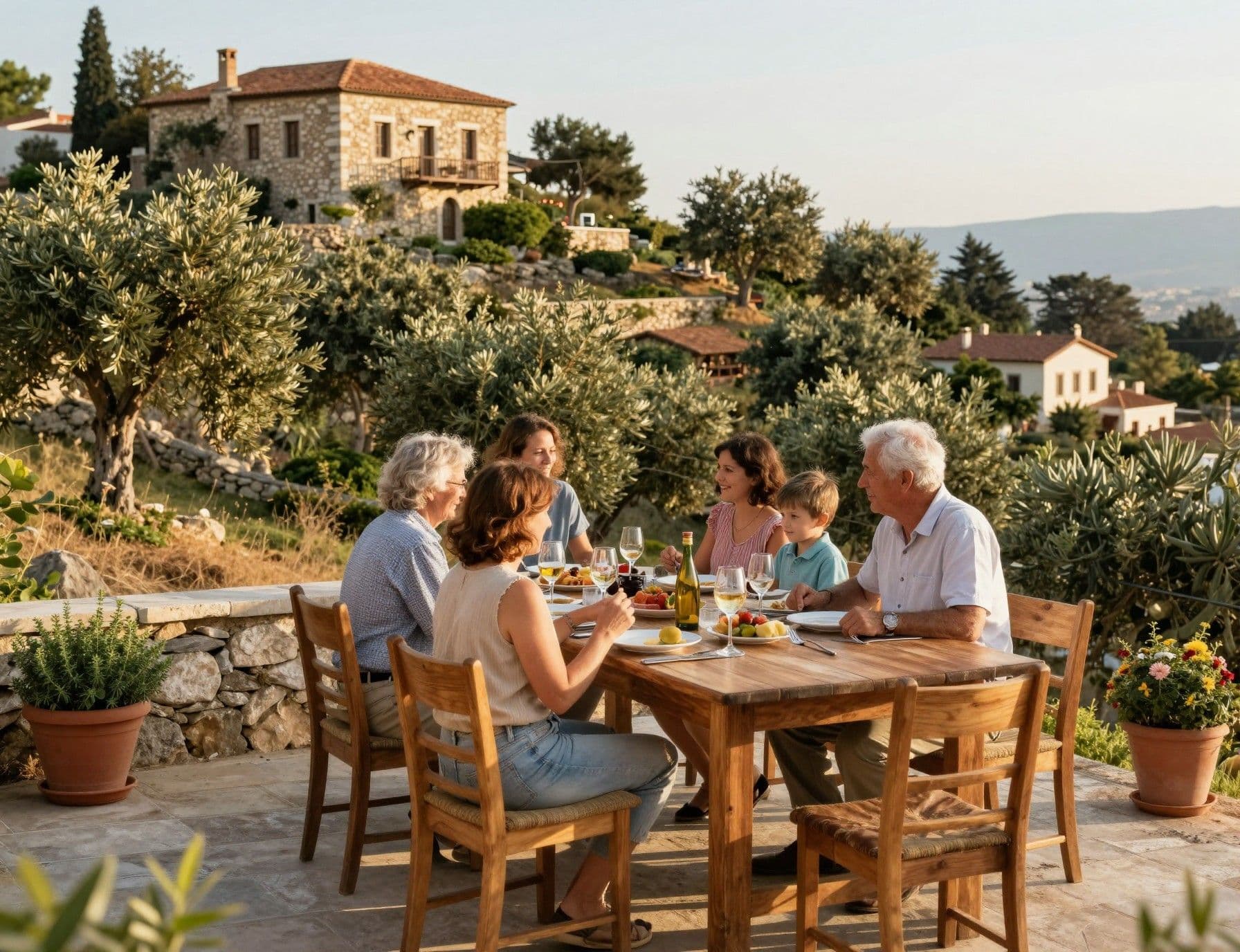
Dreams of a shaded courtyard or a village bakery are lovely — but translate them into durable property choices. Recent national data shows residential prices rose in recent years, driven by demand and rising construction costs, so choosing a stable neighbourhood can protect long‑term value. Use local market data to temper romantic impulses: inner neighbourhoods with steady local demand often carry less seasonal price swing than tourist‑dependent coastal strips. Pair lifestyle priorities with hard data before making offers.
Property styles that actually suit seasonal Greek living
Stone townhouses with thick walls and shaded courtyards are ideal for summer cooling and slow living, while mid‑century Athens apartments with balconies that face communal streets favour social life and walkability. New builds can offer insulation and solar readiness, but traditional homes often come with timber shutters and passive cooling that feel effortlessly eco‑friendly. When you choose, think about maintenance, heating (winter months can be chilly), and the ease of retrofitting renewable systems such as rooftop PV or rainwater capture.
Working with local experts who live the life you want
Choose agents who know the neighbourhood rhythms — the bakeries that close on Tuesdays, the church festivals that animate the square each August, the municipal plans that will add parks or bike lanes. An agent who lives locally will point you to a street where neighbours look after each other, not just to a view that photographs well. Ask for walk‑throughs at different times of day and speak with local shopkeepers; those voices reveal practical realities no listing will capture.
Insider knowledge: what expats wish someone had told them
Expats often arrive enchanted by coastlines and sunsets, then discover the quieter truth: year‑round community and services matter more than a billboard view. Regulations around short‑term rentals are changing in Greece, affecting coastal returns and neighbour relations; buyers who rely on tourist rental income should follow policy shifts closely. Many wish they’d chosen neighborhoods with a balanced mix of locals and visitors — places that feel alive in both high and low seasons.
Cultural rhythms: language, hospitality and neighbourcraft
Learning a few Greek phrases opens doors: a simple ‘kalimera’ at the market turns a vendor into an ally, and sharing olive oil can lead to invitations to local tables. Neighbourhood acceptance often hinges on participation: attending a panigiri (village festival), patronising the local kafeneio, and respecting quiet hours will root you in place faster than any renovation. Expect warmth and directness in equal measure — and build relations slowly with patience and a willingness to join in.
Long‑term living: stewardship, retrofit and seasonal house care
Think of a Greek home as part of an ecosystem: rainwater for gardens, olive trees as both food and landscape, and insulation to temper extremes. Long‑term owners invest in solar panels, efficient glazing and native landscaping to reduce water use. Local craftsmen are invaluable for sympathetic restorations — their knowledge of lime mortar, stone repairs and traditional shutters preserves character while improving performance.
- Lifestyle highlights to look for in a neighbourhood
- Daily market within 10 minutes’ walk — fresh produce and seasonal social life
- Shaded public squares or pocket parks for evening gatherings
- A local kafeneio or bakery with regulars — the backbone of neighbour networks
- Proximity to seasonal transport (ferries, regional buses) without relying on tourist footfall
- Steps to test a neighbourhood before you buy
- Visit at multiple times: weekday morning, market day, late evening and off‑season to feel the real tempo.
- Spend a few days living like a local: buy groceries, use public transport, and eat at family‑run tavernas.
- Talk to neighbours and local shopkeepers about municipal plans, water availability, and winter life.
- Ask your agent for examples of long‑term residents and recent resale data to gauge stability versus tourist volatility.
A few hard facts to anchor the romance
Recent Bank of Greece reports show continued national house price growth in recent years, with urban markets leading gains, while ELSTAT data highlights demographic and household pressures that shape local demand. Policy moves—such as new regulations on short‑term rentals—are changing what coastal returns can look like and shifting some buyer attention inland. These official signals matter: they make neighbourhood stability and year‑round community life valuable assets for long‑term owners.
If you fall in love with Greece, aim for a street where life continues when the tourists leave. Seek the human scale — markets, kafeneia, shaded squares — and pair that with an agent who knows both municipal planning and the local baker. Pick properties that breathe with the climate: stone walls, shutters, and possibilities for solar and water capture. In doing so you buy not only a view, but a place that will hold its value because people actually choose to live there.
British expat who traded Manchester for Mallorca in 2017. Specializes in guiding UK buyers to luxury Spanish estates with clear navigation of visas and tax.