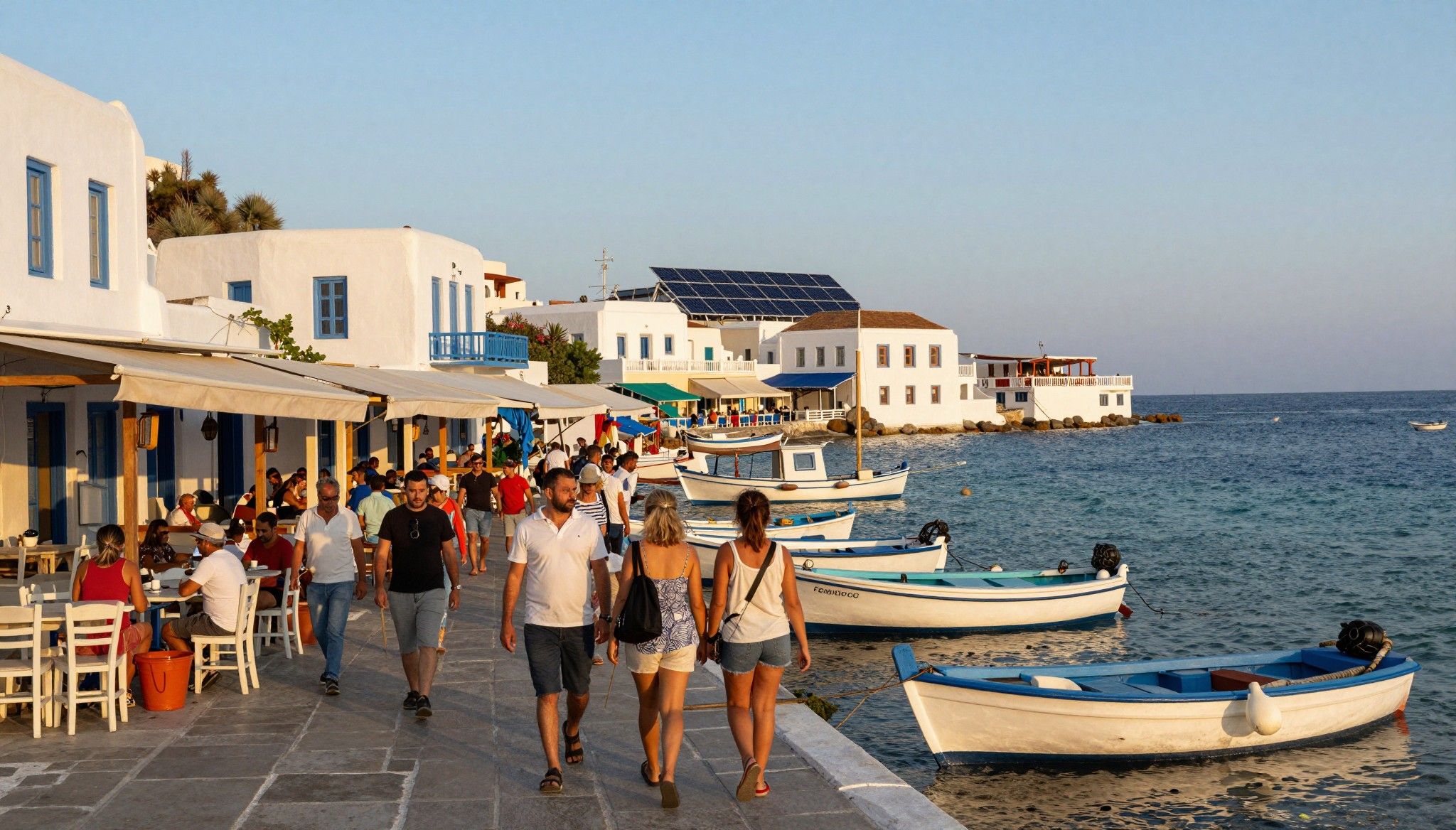
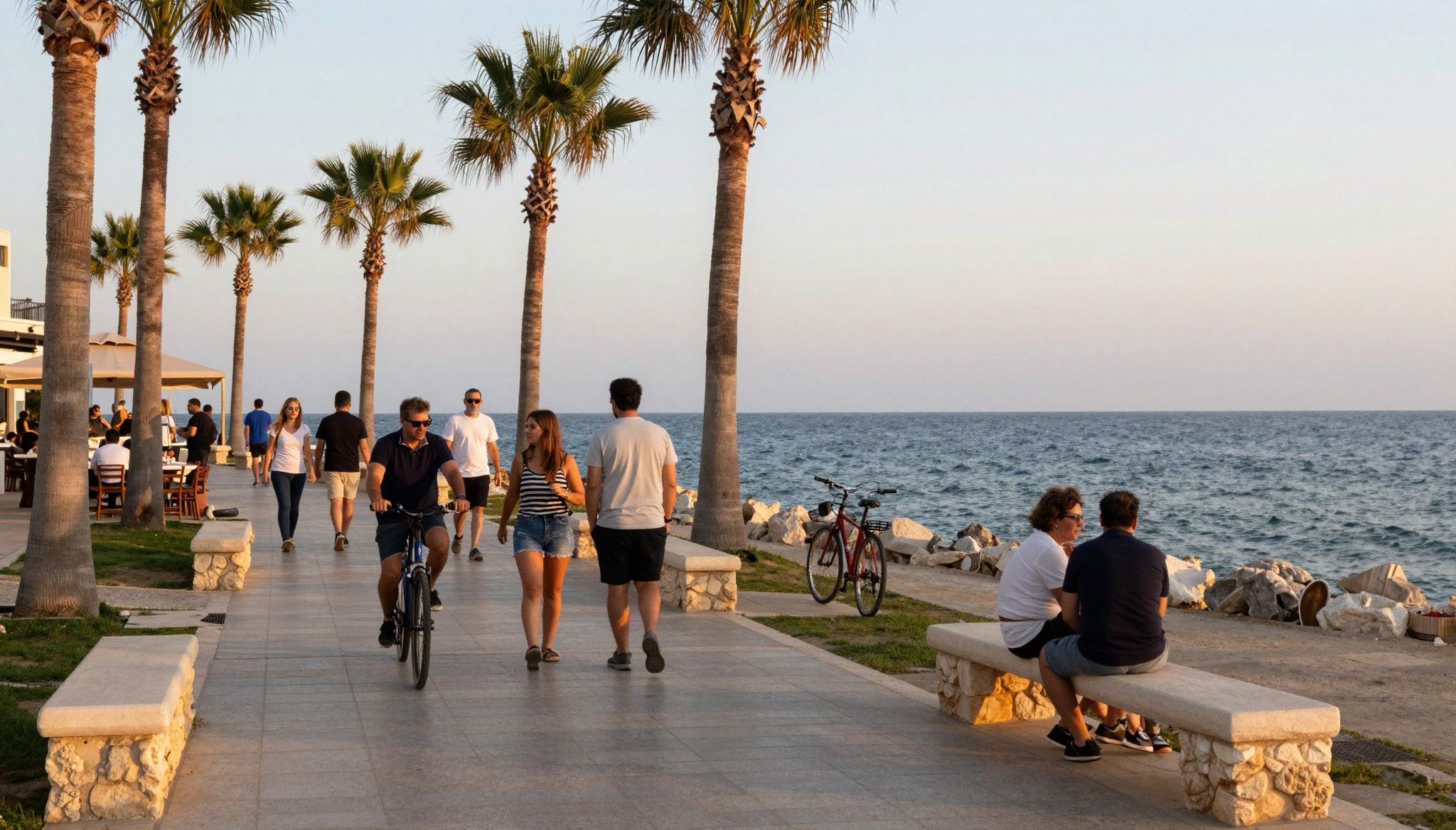
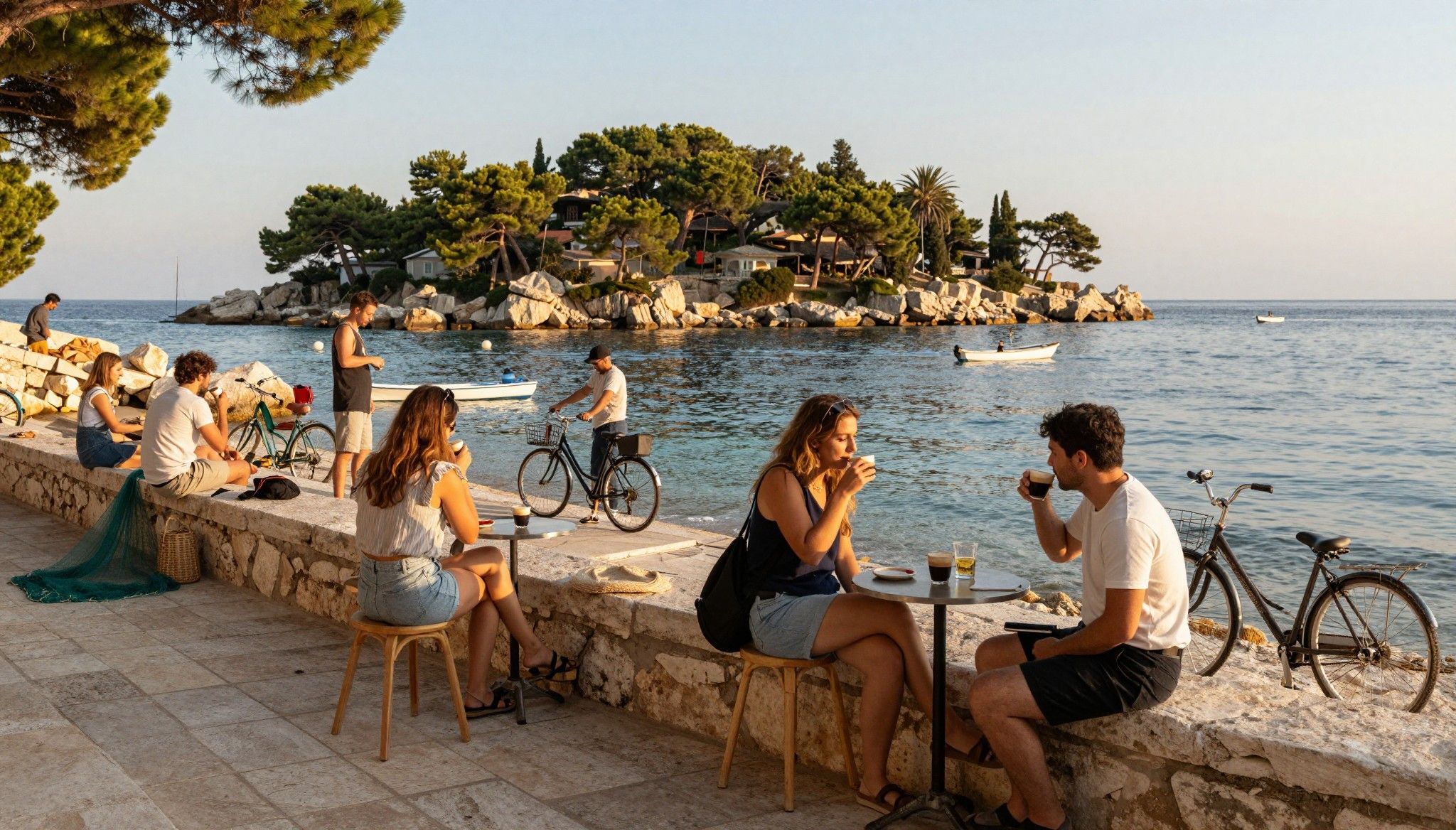
Malta: Stone, Sea and Practical Stewardship
Malta’s sunlit lanes and close-knit communities reward buyers who pair lifestyle desires with market data, local experts and low‑impact retrofits.
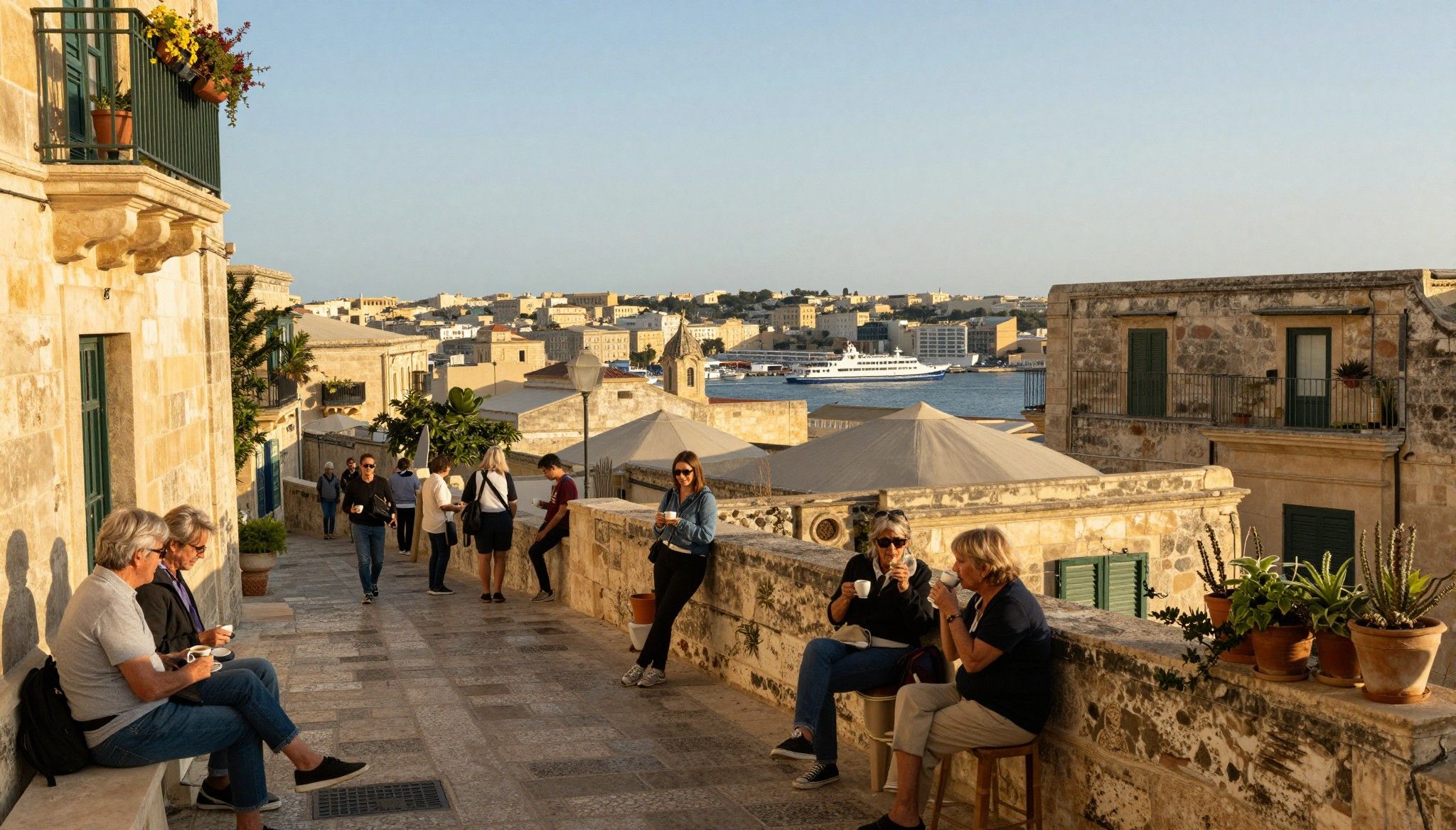
Imagine waking to the sea-smell drifting through a limestone balcony in Valletta, buying fresh lampuki from Marsaxlokk at sunrise, then pausing for an espresso on Sliema’s Tower Road as the island stirs. Malta is compact and paradoxical: intensely social yet quietly wild in pockets, drenched in history yet surprisingly modern. For buyers who want a home that lives with the seasons, not against them, the island’s small scale and dense community life can feel like an invitation to belong — but only if you match lifestyle expectations to the realities of a hot market and tight stock. Recent market numbers show steady price growth, so the romantic impulse needs a practical checklist alongside the daydream.
Living the Maltese Life: Sun, Stone and Community
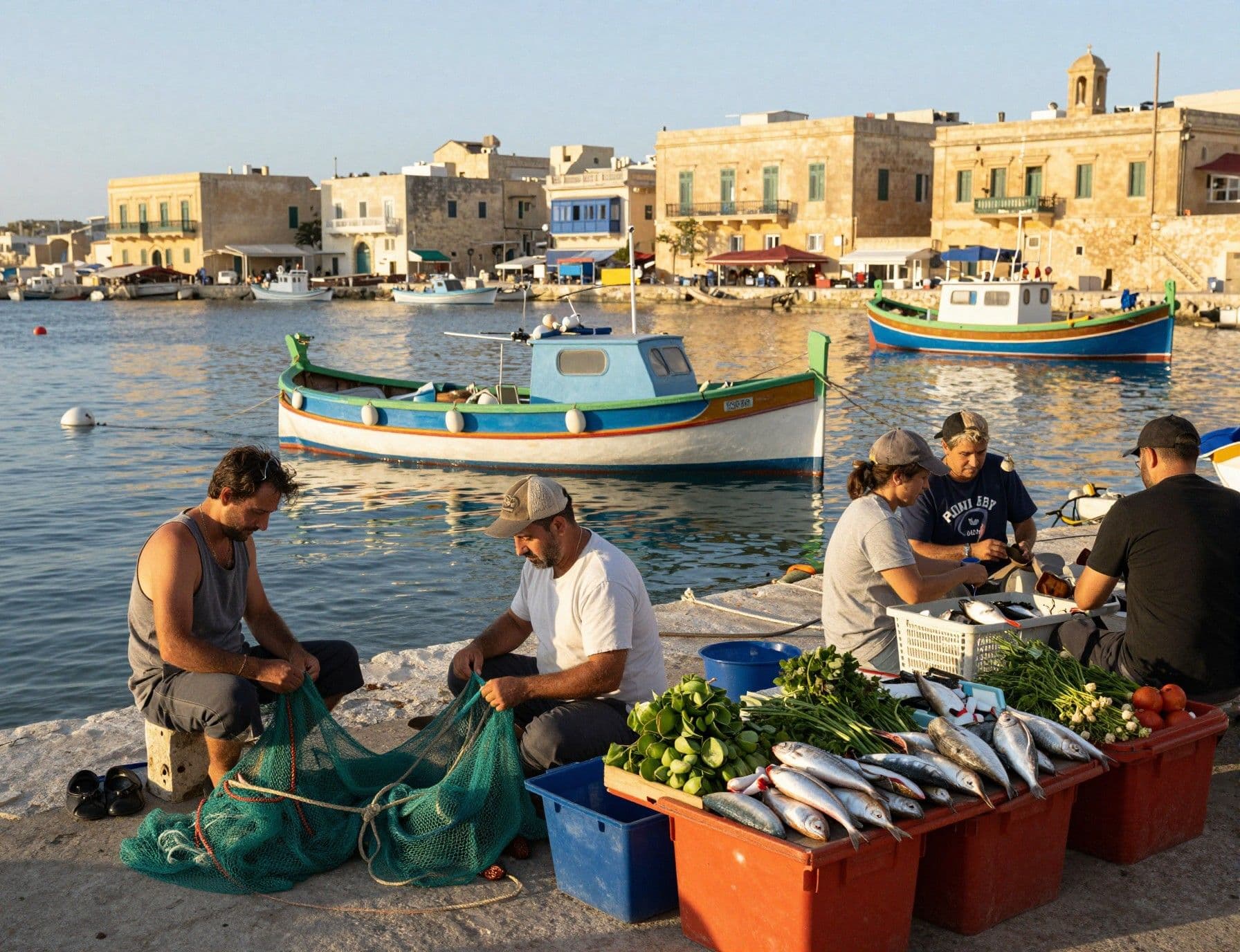
Days here are sensory and social. Streets hum with corner cafés, shutters click open at dawn, and evenings gather in small piazzas where neighbors still know your name. English is widely used in signage, schools and business, so conversations about roofs, permits and neighbours rarely stall on language. That bilingual rhythm — Maltese warmth with English practicality — is a quiet asset for internationals who want a fast integration without losing the island’s strong local flavour.
Where to feel Maltese: Valletta, Sliema, Marsaxlokk
Valletta gives you baroque mornings and cultured evenings — think opera nights and small, atmospheric lanes where a rooftop terrace looks over the Grand Harbour. Sliema and St Julian’s offer a busier, seaside-experience: coffee-lined promenades, international restaurants and the practical conveniences expats prize. For something slower and utterly Maltese, Marsaxlokk’s fish market and village harbour offer a watery, restorative pace that feels a world away from the north coast’s bustle.
Food, rituals and seasonal living
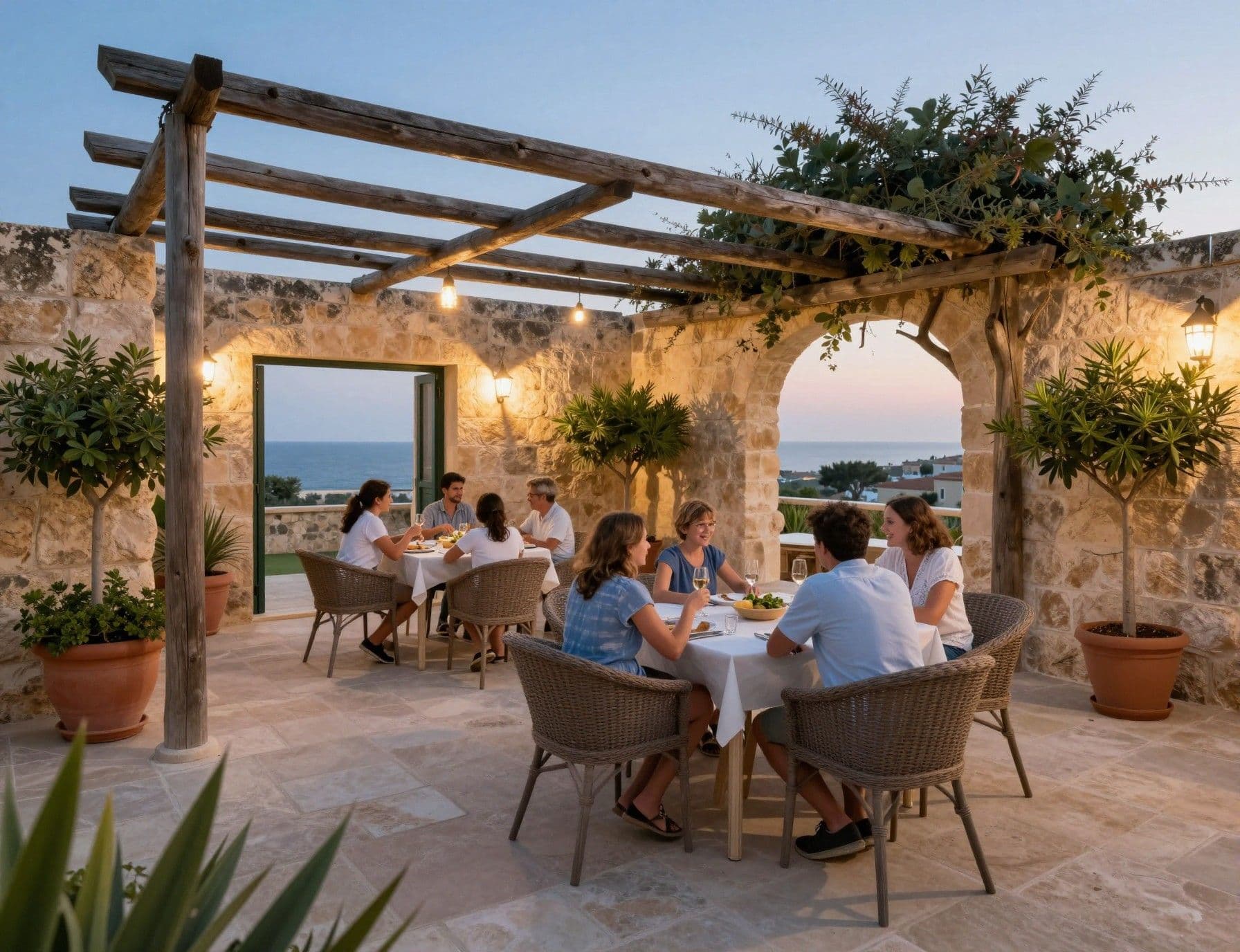
Weekends are built around markets, family lunches and the rhythm of the sea. Lampuki (Malta’s seasonal fish) dinners in autumn, festas in summer, and quiet winter walks along rugged bays shape how locals use homes: terraces for summer dining, compact kitchens for convivial cooking, and thick limestone walls that cool in heat. If you dream of an outdoor life, prioritize properties with usable terraces, shaded courtyards, or easy access to beaches like Għajn Tuffieħa and Golden Bay.
- Lifestyle highlights to look for when house‑hunting in Malta:
- A rooftop terrace with wind protection and pergola for year‑round dining
- Proximity to a local bakery or market (weekly rituals matter)
- Stays within walkable villages or promenades to feel immediately part of community life
- Thick limestone fabric or well‑specified insulation to reduce summer cooling needs
Making the Move: Practical Considerations that Protect the Lifestyle
Romance meets reality quickly on Malta’s tight market. National data shows consistent price increases in recent years, with transaction volumes and advertised prices both trending upward. That means patience, a clear lifestyle brief and local expertise will protect the experience you want to buy into — whether that’s a quiet fishermen’s house or a compact apartment near cafés. Use market data as a reality check, not a dream‑killer: it helps you target neighborhoods where lifestyle and value still align.
Property styles and what they mean for living
A converted townhouse in Mdina or Valletta offers thick walls, cool interior summers and a sense of history — but smaller rooms and staircases. Modern developments in Sliema and St Julian’s provide open plans and amenities, yet can feel disconnected from older neighbourhood rituals. Seafront apartments offer views and promenades but need attention to salt corrosion and ventilation. Match the property’s physical character to how you genuinely want to live: morning light in the kitchen, a place for herbs, or a terrace for evening guests.
Working with local experts who understand lifestyle
A skilled local agent is your translator of culture and logistics. Look for advisors who can map life‑fit features (sun angles on terraces, wind exposure, neighbourhood rhythms) rather than only price-per-square‑metre. Insist on agents who show recent comparable sales, who can introduce you to local builders for sensible retrofits, and who understand seasonal occupancy patterns — essential if you plan part-year living or renting.
- Steps to blend lifestyle with a secure purchase:
- Clarify your lifestyle non‑negotiables (terrace, walkability, neighbour profile) before viewing properties.
- Request recent RPPI or comparable final‑deed data for your chosen neighbourhood to set a realistic offer range. (Public RPPI reports help calibrate expectations.)
- Factor seasonal running costs (cooling in summer, heating/humidity control in winter) and simple green retrofits (solar water heating, shading, insulation) into your budget.
Insider Knowledge: What Expats Wish They'd Known
Expats often arrive expecting a Mediterranean holiday life, then discover the island’s dense communal etiquette and bright, noisy festas. Practical surprises include strong demand for rentals during tourist seasons, close‑knit neighbour dynamics in villages, and regulatory changes affecting residency and citizenship programmes in recent years. Being prepared means respecting local rhythms and staying informed about policy shifts that affect long-term residence possibilities.
Language, community and making friends
English is commonly used in business and daily life, easing initial integration. Still, learning simple Maltese phrases and attending village feasts or local markets will fast‑track acceptance and friendship. Community clubs, dive schools, and volunteer groups are excellent entry points — Malta’s size means a few local contacts can open many doors.
Long‑term lifestyle & stewardship
Think beyond purchase: sustainable upgrades like solar hot water, living-walls on terraces, and native-plant courtyard gardens reduce utility bills and deepen your bond with place. Over time, modest retrofits pay back in comfort and lower running costs, and they make properties more attractive should you ever rent them. Treat your Malta home as part of a fragile Mediterranean ecosystem — it’s better for the place and for the long view of value.
Conclusion: Live like a local, buy like a steward. Malta seduces quickly, but the most satisfied buyers are those who pair that first thrill with local expertise, measured data, and an eye for low‑impact living. Start by listing the daily scenes you can’t live without — morning coffee spot, village walk, terrace dinners — then ask agents to show how each listing supports that life. If you build your search around habit and habitat, the island’s smallness becomes a gift: everything you love is within walking distance, and your home becomes a careful, joyful part of Malta’s living story.
British expat who traded Manchester for Mallorca in 2017. Specializes in guiding UK buyers to luxury Spanish estates with clear navigation of visas and tax.