Why Malta’s ‘Expensive’ Tag Hides Green Value
Beneath Malta’s ‘expensive’ label lie neighbourhoods and property types that reward green living—thick stone houses, terraces and stewardship strategies that beat simple price-per‑sqm thinking.
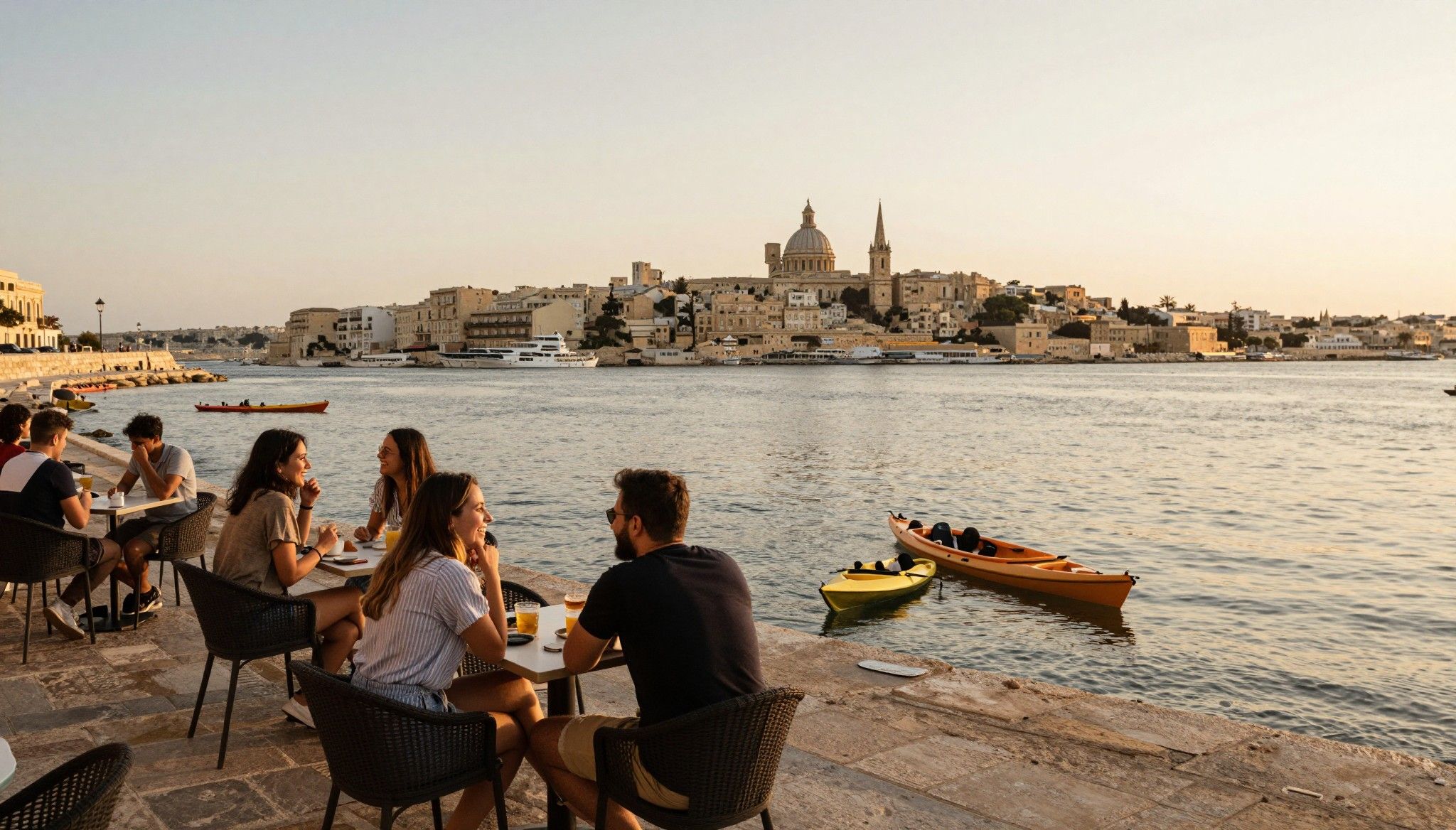
Imagine waking to coffee steam, seabreeze and limestone facades framed by bougainvillea — Valletta’s narrow streets pulse with mornings spent at tiny cafés while fishermen mend nets in Marsaxlokk nearby. For buyers who care about daylight, stone, and seasonal gardens, Malta feels less like an island of seaside clichés and more like a sunwarmed home stitched to centuries of craft. Yet many arrive convinced Malta is “too expensive” — a reputation that hides surprising green value if you know where to look and when to act.
Living the Malta lifestyle
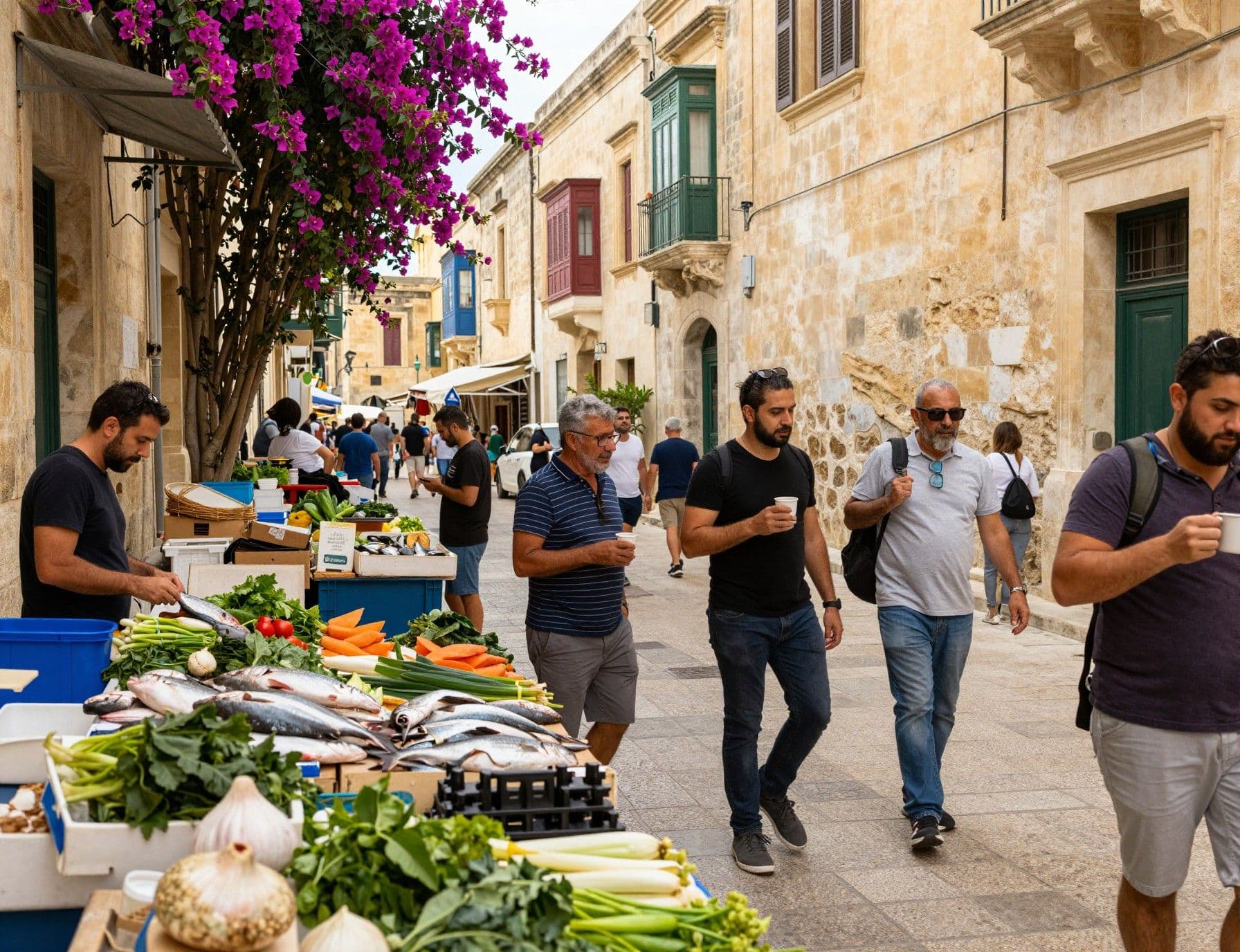
Malta’s compact scale makes life intimate: breakfast in Sliema, a mid‑day dip off Ghar Lapsi, sunset aperitifs in Mdina’s quiet bastions. Cafés double as offices; baristas and shopkeepers learn your name. English is widely spoken, markets hum on weekends, and islands — Malta and Gozo — trade tempo: the main island moves with buoyant commerce, while Gozo keeps a quieter rhythm of stone farms and slow suppers. These textures shape where you choose to live — whether you want the social tide of St Julian’s or the honeycombed calm of Marsaxlokk.
Valletta, Sliema and St Julian’s: three different suns
Valletta is the compact, UNESCO‑marked heart: stone stairways, tucked bookshops and cultural weeks that animate evenings. Sliema offers waterfront promenades, balconies with sweeping views and a cafe culture that runs late into the day. St Julian’s (and Paceville) is energetic, best for social life and short‑term rental demand. Each delivers a different daily soundtrack — choirs and church bells, espresso grinders, or clinking glasses — and that soundtrack should guide the property style you prioritise.
Food, markets and the sea: lifestyle that anchors decisions
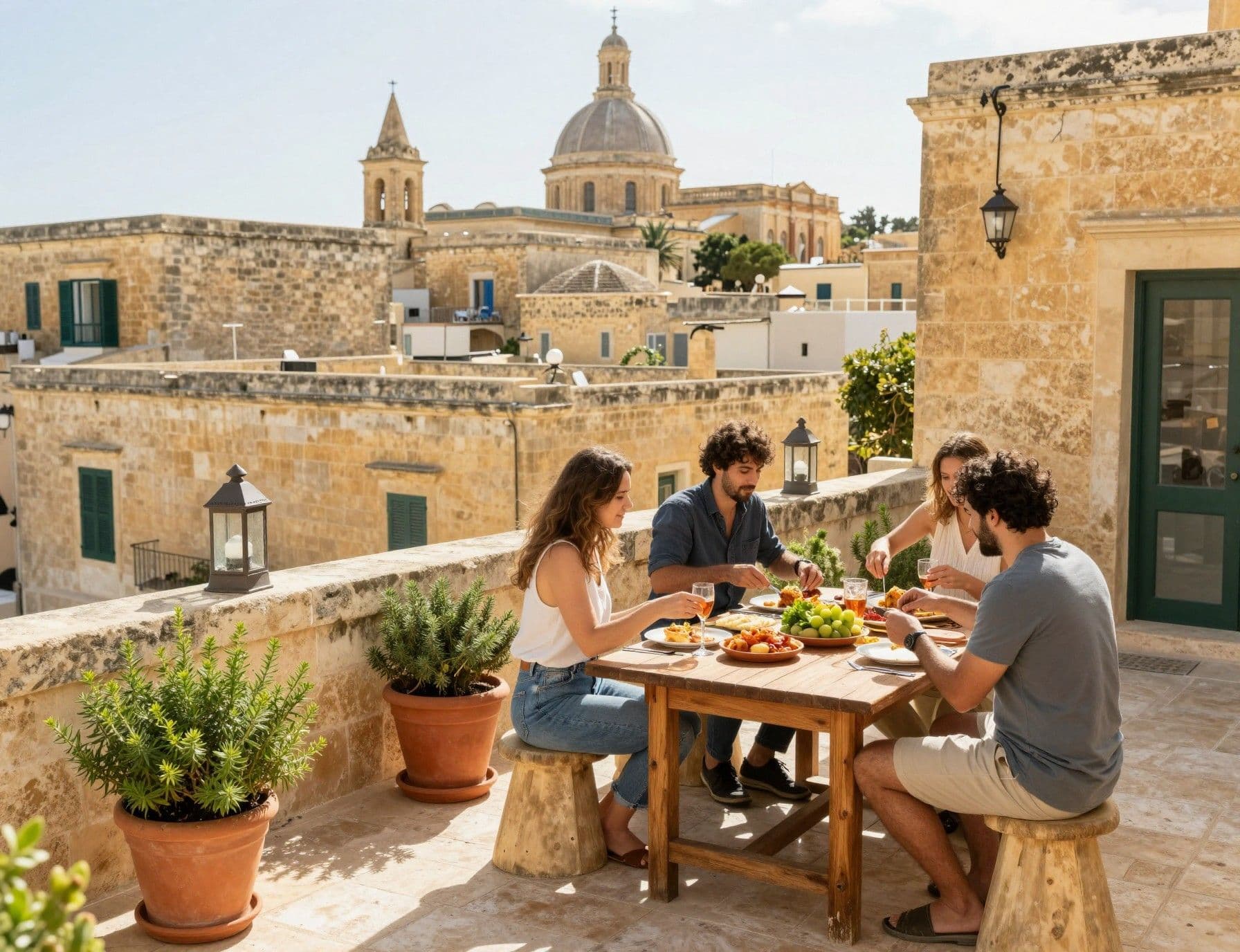
Weekends mean fish markets in Marsaxlokk, bakeries perfuming Triq il‑Bajtar, and family dinners where tomato, capers and basil rule. If farm‑to‑table life matters, properties with small courtyards and rooftops for potted herbs become lifestyle multipliers. Outdoor kitchens, north‑facing terraces that catch evening breeze, and rainwater collection for rooftop planters are small choices that shape big daily pleasures.
- Lifestyle highlights — places and experiences to build your Maltese life
- Stroll the Valletta bastions at dawn for quiet light and unexpected views
- Weekly fish market in Marsaxlokk and Sunday pastries at Pjazza San Ġorġ
- Kayak from Sliema to Manoel Island then sip coffee in a harbourfront café
Making the move: practical considerations that preserve the lifestyle
The market’s headline numbers matter: official indices show steady upward pressure on prices in recent years, but inventory and listing behaviour suggest pockets of softness and opportunity. The National Statistics Office reports the Residential Property Price Index growth into 2024, while local market trackers in early 2026 show a slow‑moving inventory with selective price adjustments. For lifestyle buyers this means timing — and locality — are more important than blanket assumptions about island‑wide cost.
Property styles and how they support living sustainably
Historic townhouses (houses of character) offer thick stone walls that moderate temperature without heavy heating, making them inherently greener than thin‑walled modern builds. Newer apartments often include solar‑ready roofs and energy‑efficient glazing. If low‑impact living is a priority, prioritise properties with south‑facing terraces, water storage potential, and permission history for rooftop panels — small retrofits here give large quality‑of‑life returns.
Working with local experts who know the island’s rhythms
Local agents do more than list homes — they decode permit histories, explain terrace rights, and flag seasonal nuisances like full‑harbour festivals that raise short‑term noise. For buyers pairing purchase with residency options, understanding programme thresholds and qualifying property values (such as those in Malta’s Permanent Residence Programme) is essential. A good local agent will translate lifestyle goals into a property brief that respects Maltese planning practices and ecological priorities.
- Six lifestyle‑driven practical steps to secure the right Maltese property
- 1) Map daily routines: prioritise proximity to markets, co‑working spaces, schools or harbours before pure price per sqm.
- 2) Inspect roof and courtyard potential for solar, water capture and edible planting — these features matter for year‑round comfort.
- 3) Ask about previous planning permissions and heritage constraints — restoration can be rewarding but slower and regulated.
Insider knowledge: what expats wish they’d known
Many expats arrive enchanted, then trip over quiet realities: summer months can inflate rental demand and noise; narrow streets mean deliveries and parking become lifestyle trade‑offs; and seasonal winds shape which terraces are usable. Local communities value long relationships — neighbours can be your best resource for craftsmen, produce, and nightlife tips — so patience and local courtesy pay dividends once you move in.
Language, community and everyday integration
English being an official language eases the transition, but learning Maltese opens doors. Village festas, church feasts and band marches are invitations to belong if you show up. Expat communities concentrate in Sliema, St Julian’s and parts of Valletta, but moving slightly inland — to Birkirkara or Marsascala — often yields calmer streets and more affordable homes without losing community life.
Long‑term thinking: stewardship, renovation and climate
Malta’s heat and occasional heavy rain make breathability and good drainage essential. Stone homes that breathe, shaded courtyards and mindful insulation will reduce energy needs. Consider materials and trades local to Malta — limestone masons, traditional carpenters — when planning restorations. Thoughtful stewardship extends the life of a home and deepens your relationship with place.
- Red flags to watch for before you fall in love
- Unclear title history or missing conservation permits
- Roofs with unknown repair history (water intrusion is common in old stock)
- Properties advertised with unrealistic rental yields in high‑season only
Malta is not only a premium market — it’s a mosaic. Where some neighbourhoods command headline prices, others offer value when judged by year‑round lifestyle, green potential and community. If you prioritise courtyard gardens, breathable stone and proximity to markets over square metre headlines, you can create a life that feels both sustainable and unmistakably Maltese.
- Three clear next steps for international buyers
- 1) Spend at least a week living in your top neighbourhoods across different days of the week; listen for sound, meet the baker and see the morning light.
- 2) Commission a local agent to run an architectural and systems check (roofs, drainage, permissions) before making an offer.
- 3) Build a simple stewardship plan: small solar, water capture, and a courtyard garden—three investments that pay lifestyle dividends and reduce running costs.
If Malta feels like a mosaic of stone, sea and possibility, the trick is to buy into a rhythm, not merely a roof. Let local experts translate your daily dreams — morning markets, afternoon swims, evenings under bougainvillea — into a property brief rooted in practical checks and ecological care. When you do, the island’s reputation for high prices becomes a footnote to the deeper value: a home that belongs to its place.
Danish relocation specialist who moved from Copenhagen to the Algarve; supports families with seamless transitions, local partnerships, and mindful purchases.