Italy: Seasonal Living, Stewardship & Smart Market Moves
Italy’s rhythm — market recovery, rising foreign interest, and seasonal living — means the smartest purchases pair lifestyle with stewardship and local expertise.
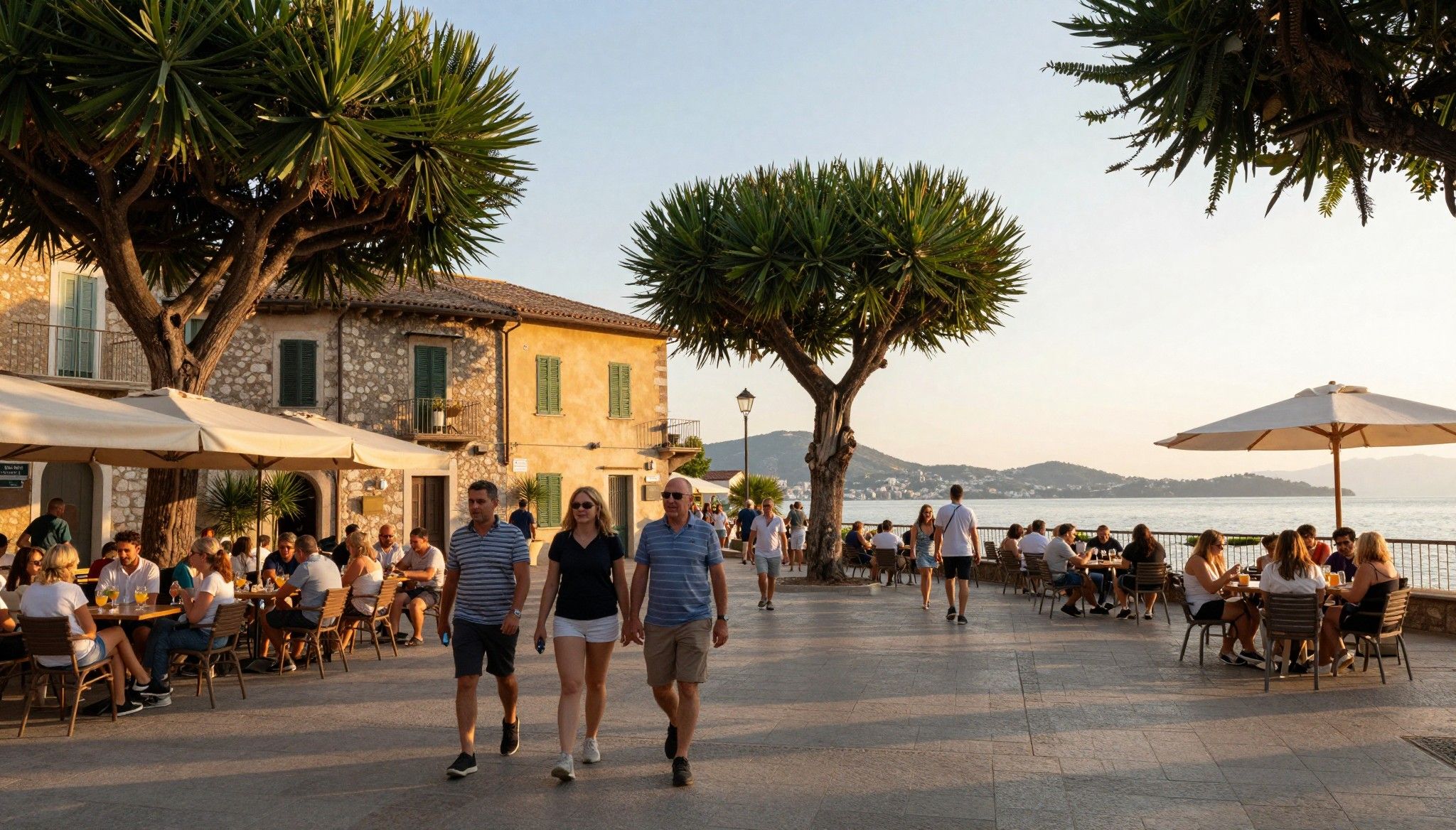
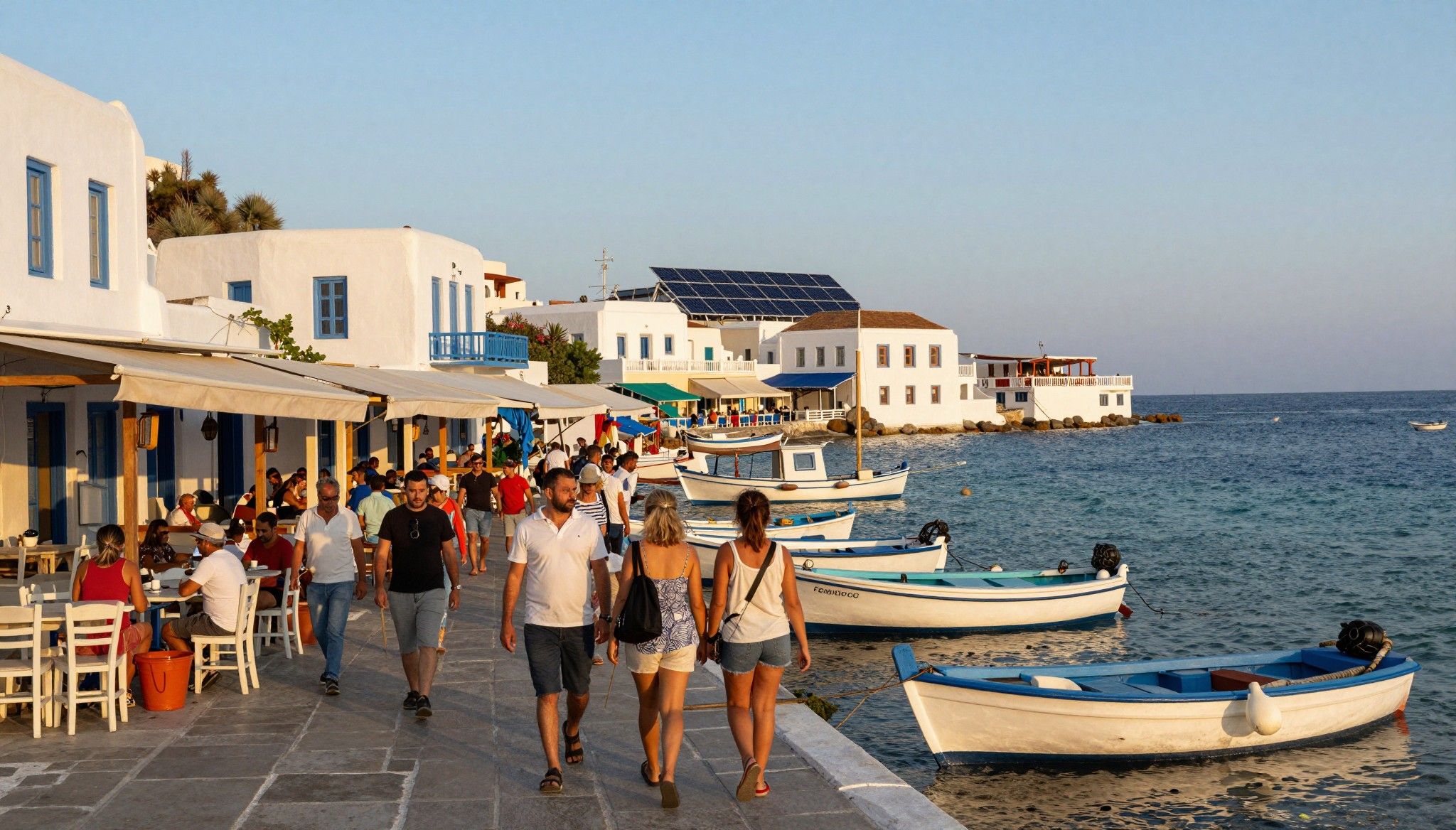
Imagine waking to the sound of bicycles on cobbled lanes, the scent of baking bread from the corner forno, and a late-afternoon aperitivo beside a plane-tree–shaded piazza. Italy is many things at once — a patchwork of sea, vineyard and wooded hills — and for international buyers who care about green living, it offers a chance to make a home that feels like part of the land. Yet the most useful choices are shaped less by romance and more by rhythms: market seasonality, local craft traditions, and how communities steward their landscape.
Living the Italy lifestyle
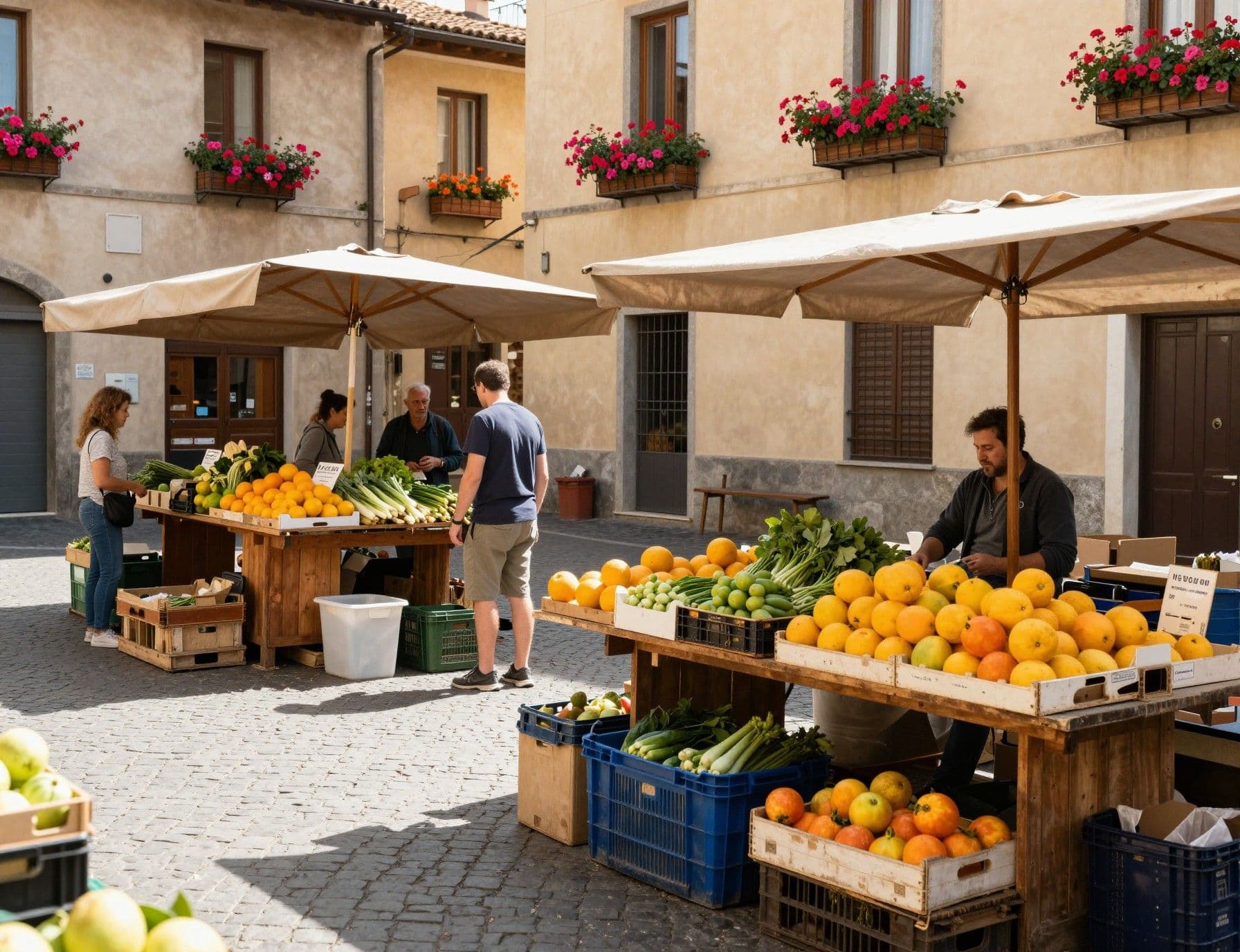
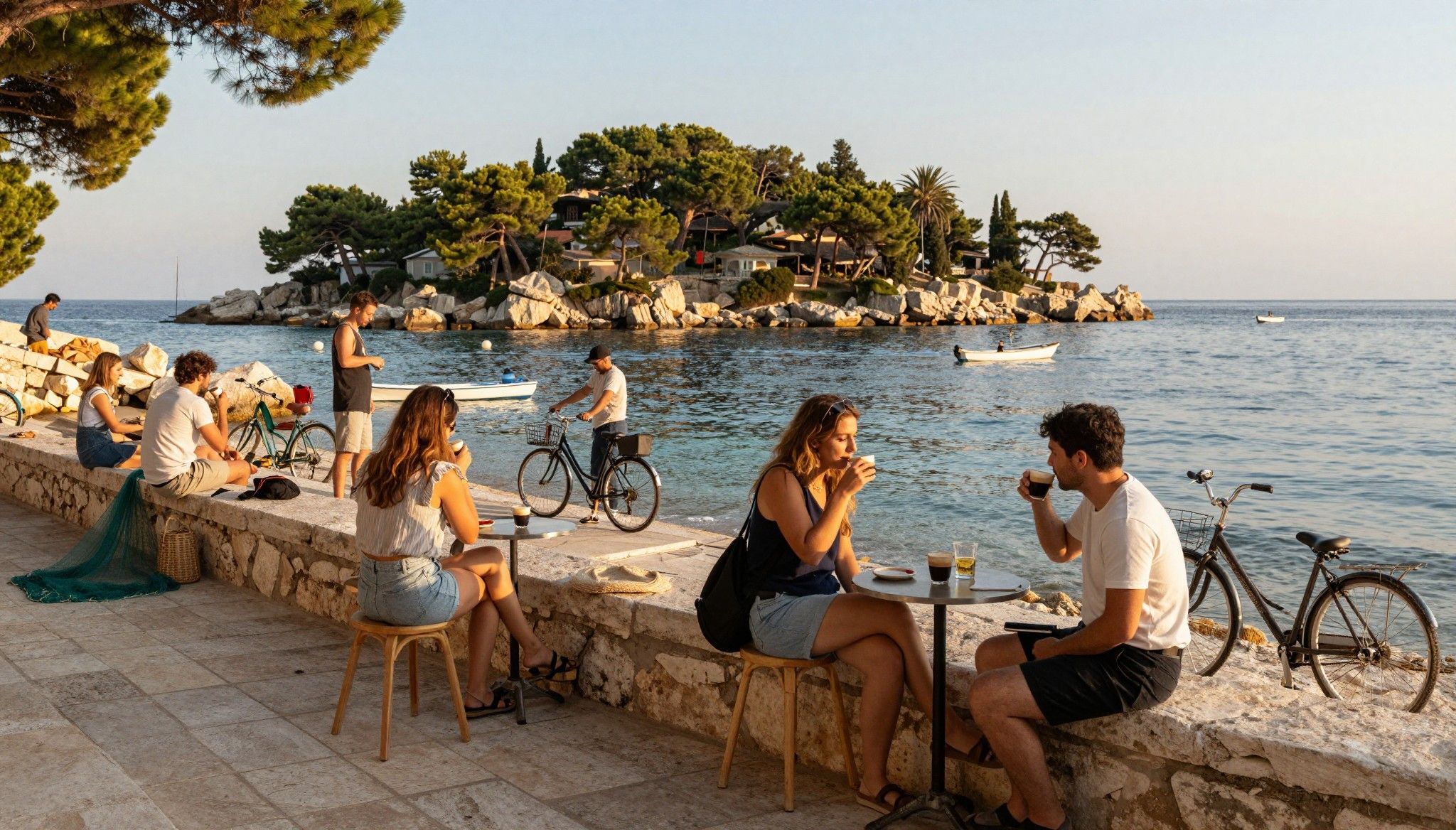
Living in Italy is tactile: sun-warmed stone underfoot, a balcony herb garden, and seasonal markets that set the week’s menu. Cities pulse with cafés — from a brisk espresso at Milan’s Navigli in the morning to an evening passeggiata in Florence’s Oltrarno — while smaller towns center around weekly markets, craft workshops and community dinners that stitch newcomers into local life. This textured daily rhythm is also visible in property choices: older stone houses with thick walls for cool summers, terraced villas with mature olive trees, and modest apartments close to neighborhood amenities. Market dynamics vary by region; authoritative market overviews show recent price recovery in many Italian cities, reminding buyers that lifestyle and market timing are intertwined.
Neighborhood spotlight: Oltrarno (Florence), Trastevere (Rome), Amelia (Umbria)
Step into Oltrarno and you’ll find artisans shaping leather and wood—workshops where you can learn local craft traditions and connect with makers. In Rome’s Trastevere, narrow lanes open onto wine bars and late-night conversation; it’s where communal life feels constant and forgiving. For a quieter, greener pace, towns like Amelia in Umbria offer stone houses, communal gardens and a calendar of seasonal festivals rooted in harvest cycles. These micro-places show how neighborhoods make the lifestyle: proximity to a market, a beloved bar, an active craft studio or a riverwalk changes how you spend your days and what features in a property matter most.
Food, market life and seasonal rhythms
The week in many Italian towns orbits around the mercato. Early mornings mean piled crates of citrus in Sicily, porcini in Piedmont in autumn, and fish stalls steaming near coastal ports. Seasonal life shapes home design: kitchens for preserving, shaded pergolas for summer dining, cellars for wine and preserves. For buyers, this translates to practical priorities — a robust kitchen that can host market finds, outdoor space for an edible garden, and storage for the rhythms of the year. National statistics show house-price trends that vary by region, so pairing lifestyle desires with local market data is essential before making a move.
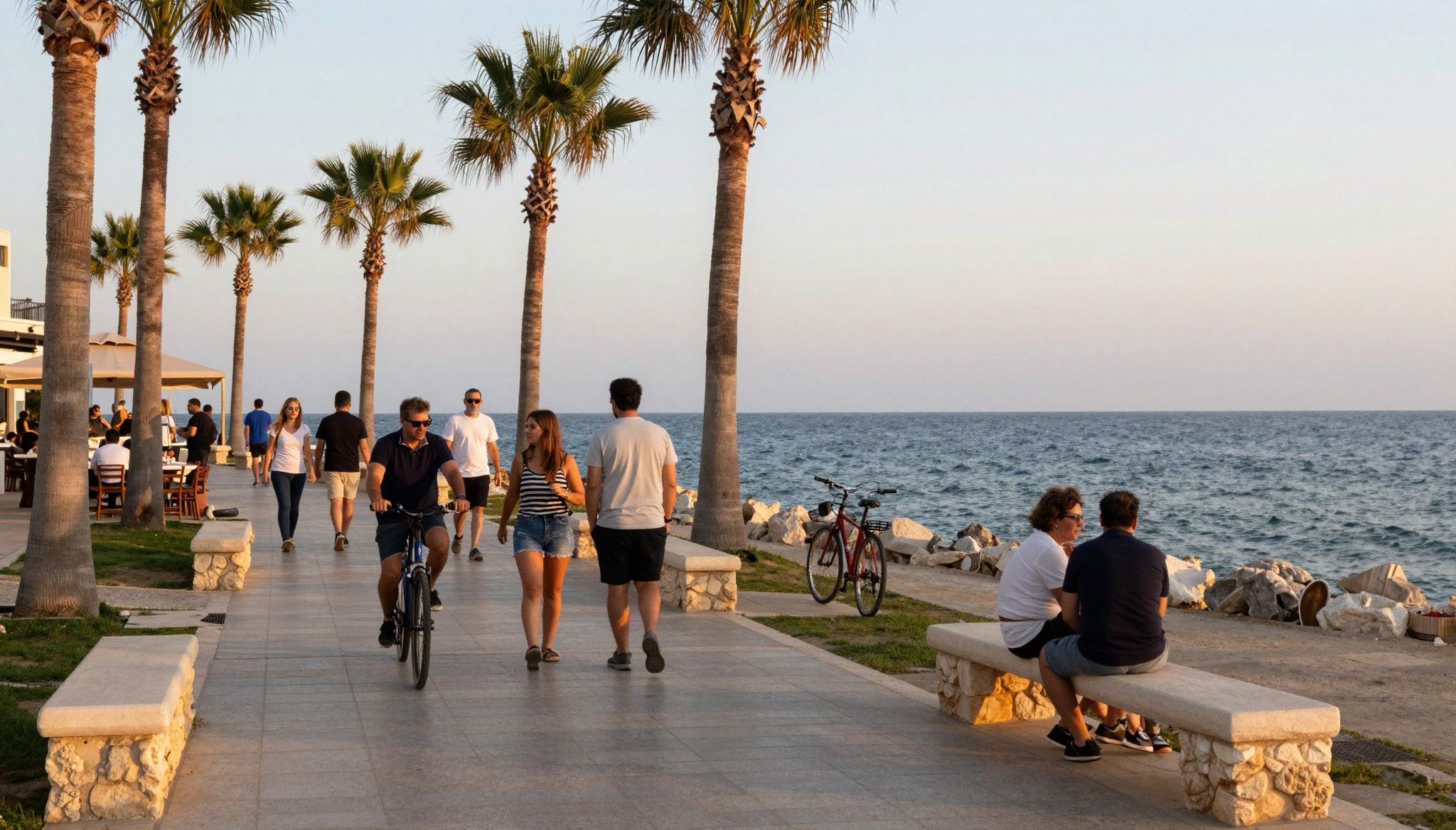
- Moss & Hearth lifestyle highlights — places and pleasures to seek • Morning espresso at Caffè Gilli (Florence) or Bar Sant’Eustachio (Rome) — daily rituals that anchor neighborhoods. • Weekend mercato: seek properties within a 10–15 minute walk of your preferred market for easier seasonal living. • Olive grove or small garden: choose terraces or plots with established trees to gain immediate landscape and biodiversity. • Artisan workshops and seasonal festivals: neighborhoods with active craft scenes maintain community continuity and year-round life. • Proximity to coastal promenades (Liguria, Amalfi, Salento) for sea lovers; inland hilltop towns for quieter stewardship.
Making the move: practical considerations
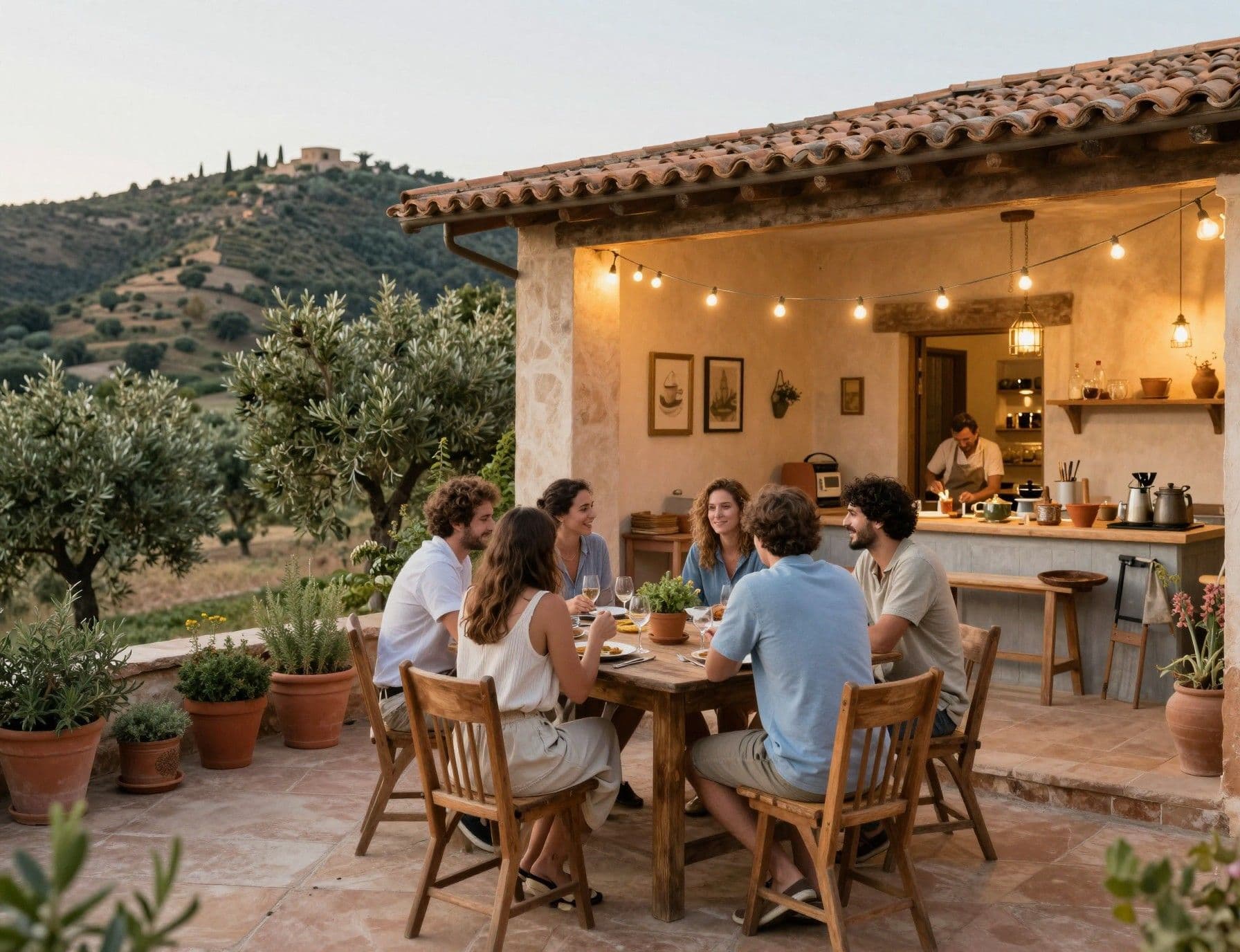
Dreams meet paperwork when you decide to buy. Recent market commentary notes rising foreign interest and regional price recovery, so timing matters: search during off-peak seasons for quieter viewings and often better negotiation latitude, but be mindful that markets in popular areas are recovering and demand from international buyers is growing. Local agents who understand both sustainable features and neighborhood rhythms will steer you toward properties that support the life you want — for example, a masonry cottage with passive cooling for summer or a renovated apartment with solar-ready roof access.
Property styles and how they shape daily life
Stone farmhouse: thick walls, thermal mass, and a plot for an edible garden make this a great option for year-round, low-energy living. Restored historic apartment: close to cafés and markets, often requiring careful retrofit for insulation and modern services. Coastal villa: offers indoor-outdoor life but needs attention to salt-air corrosion and water-wise landscaping. Each typology has trade-offs; work with an agent who can assess retrofit cost, microclimate and how a home will perform through the seasons.
Working with local experts who know the lifestyle
- Steps to align lifestyle and legal reality 1. Choose an agent steeped in local craft and ecology — they’ll point you to homes with solar potential, edible gardens and community stewardship projects. 2. Visit in two seasons (late spring and late autumn) to feel temperature, daylight and social rhythms. 3. Commission a pre-purchase building inspection focused on insulation, moisture, and renewable-energy readiness. 4. Ask for a neighborhood walk with a local to learn where markets, workshops and winter services (like snow clearing or storm drainage) are concentrated. 5. Budget for sympathetic retrofit rather than cosmetic modernisation — small, local craftsmen often deliver better ecological outcomes.
Insider knowledge: what expats wish they'd known
Expats often arrive enchanted, then discover local rhythms that reshape expectations. Language opens doors — not only to bureaucracy but to community invitations and the best craftspersons. Seasonal life means some villages quiet dramatically in winter; that stillness can be restorative but also requires planning for services. Many buyers underestimate the value of nearby artisans and the slow benefits of restoring rather than replacing — a hand-restored terrazzo floor or a local stonemason’s repair can be central to a home's soul and long-term value.
Cultural integration and everyday community
Making friends happens at the market, volunteer olive harvests, or a local festa. Learning phrases and supporting neighborhood commerce signals intent to belong; it also tangibly improves your living experience. Practically, register with municipal services early and attend local council meetings if you plan landscape or renovation work — community voices often shape planning decisions in small towns.
Long-term lifestyle & stewardship
Think beyond purchase: olive groves need pruning, terraces need drainage, and historic homes benefit from breathable lime renders. Properties that embrace low-energy retrofit — insulation with natural materials, rainwater capture, solar-ready roofs — hold lifestyle value and resilience. Recent research and market reports underline that foreign interest is rising, so those who invest in sustainable stewardship often find both greater daily pleasure and longer-term market resilience.
- Quick red flags to watch for before you fall in love • Missing paperwork for extensions or terraces — confirm with the local comune. • Evidence of unresolved moisture or rising damp in old stone walls — commission a specialist report. • Roofs without recent inspections — coastal exposure accelerates wear. • No access to local craftsmen for sympathetic repairs — proximity matters. • Overly optimistic energy claims — ask for specifics on solar, insulation and heating.
- Final steps to move from dream to day-to-day 1. Return in two seasons; live like a local for a week. 2. Hire a bilingual agent with eco-retrofit contacts. 3. Commission targeted inspections (roof, moisture, HVAC readiness). 4. Build relationships with local artisans early — they often become your best long-term partners. 5. Reserve a stewardship budget for landscape and slow retrofit.
Italy rewards patience and attention. Sipping an evening espresso will teach you more about a neighborhood than a single property visit ever could. Use a local, sustainability-minded agency to translate that lived knowledge—markets are moving and foreign interest is rising, but the best purchases are those that fit your rhythm of life and your willingness to care for place over years. When you buy with stewardship in mind, you do more than acquire a home — you join a living landscape.
Swedish advisor who left Stockholm for the Costa Brava in 2019. Specializes in sustainable, sea‑view homes for Scandinavian buyers and green finance insights.