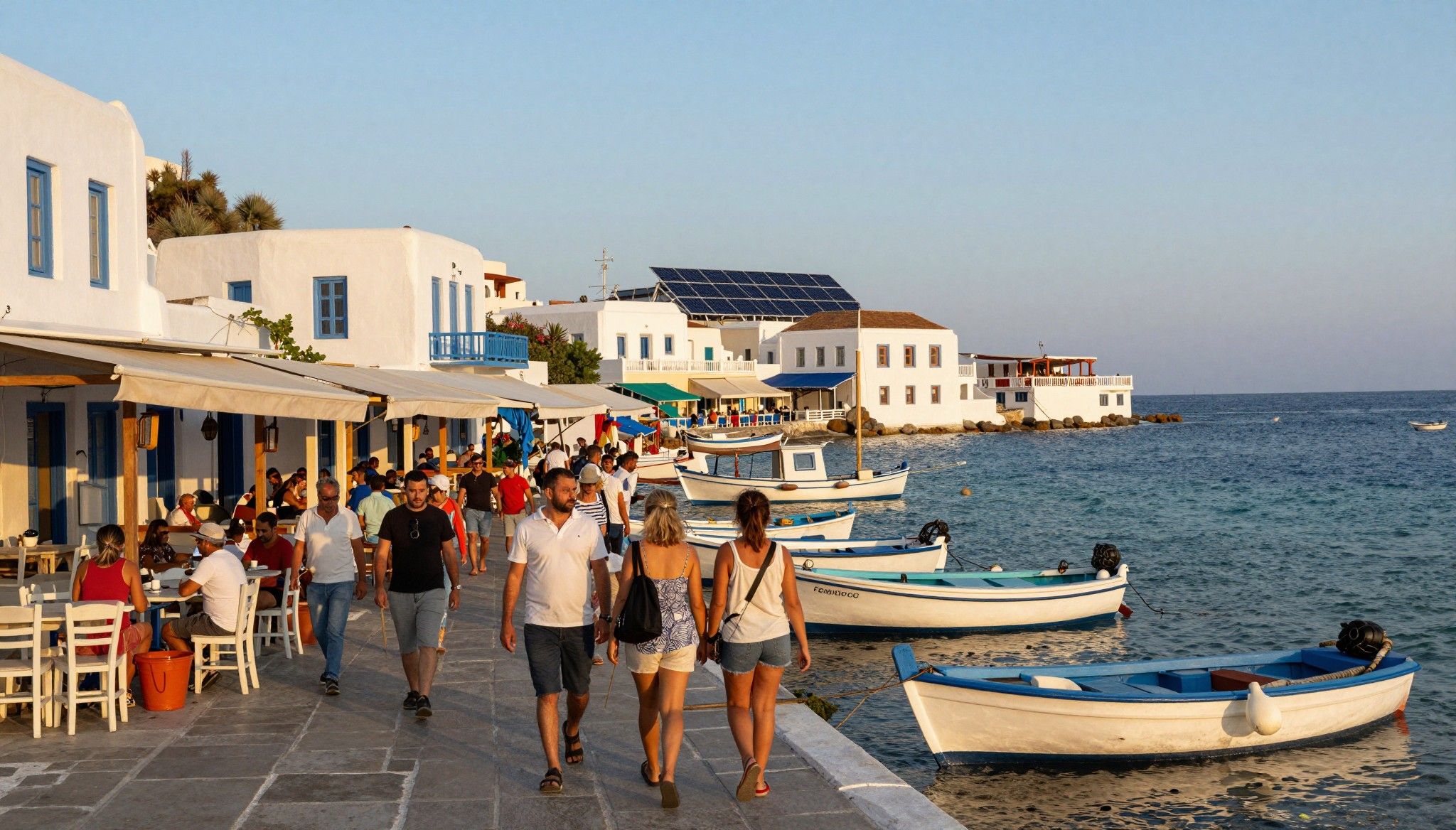
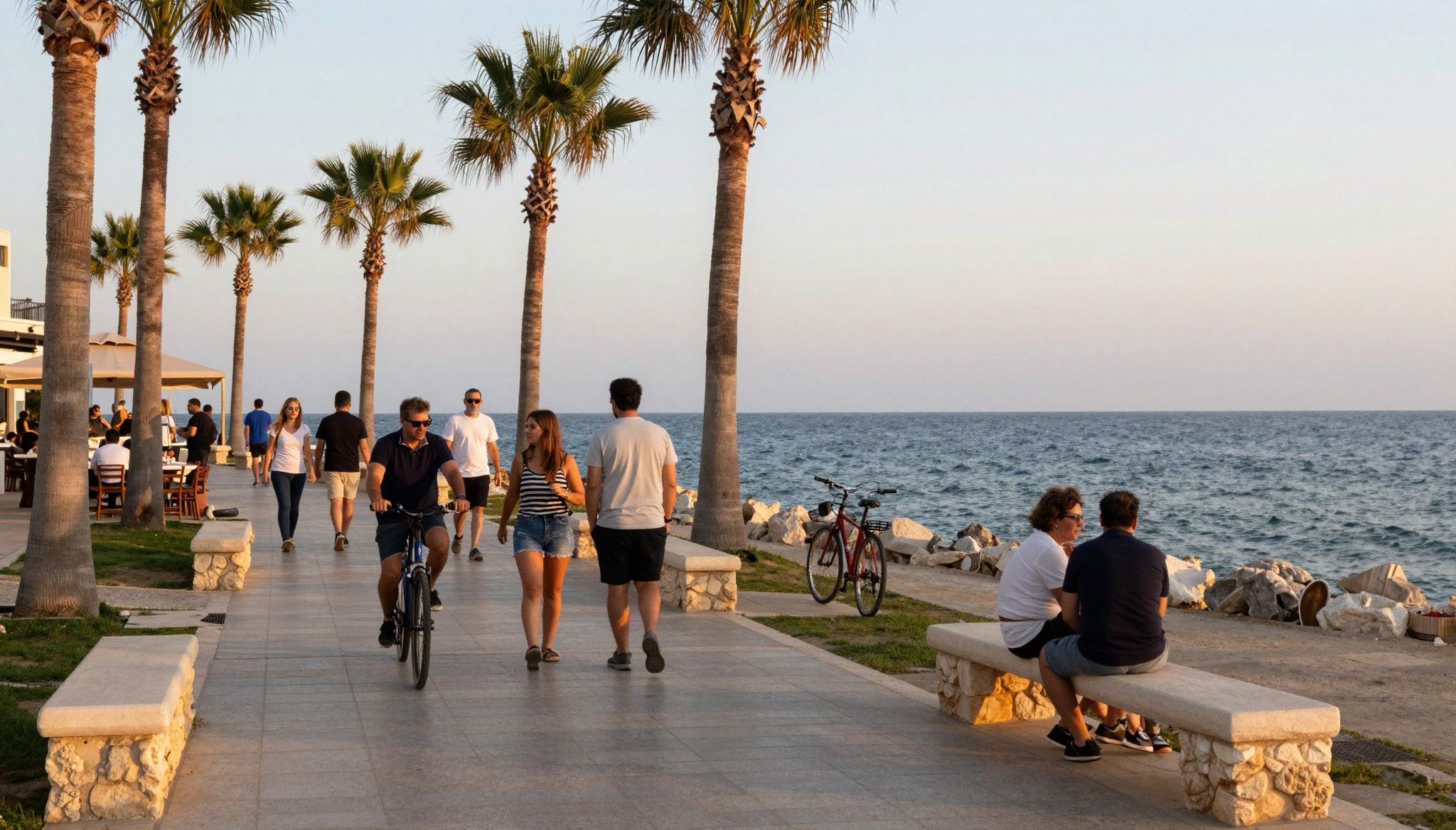
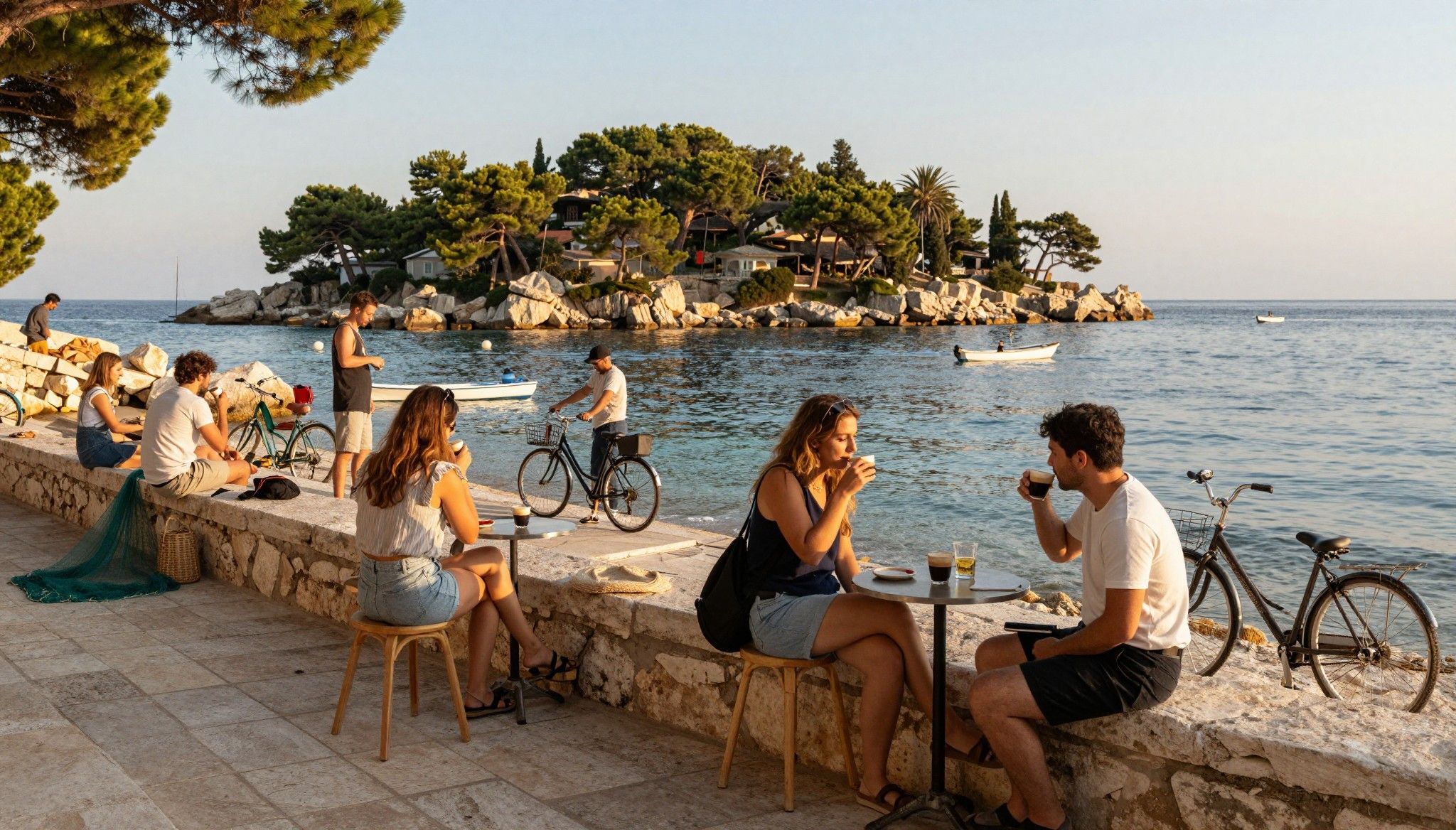
Italy by Season: Lifestyle-Led Property Choices
Italy’s charm is seasonal and tactile: choose a property that fits daily rituals, use local experts for green retrofits, and visit in different seasons before buying.
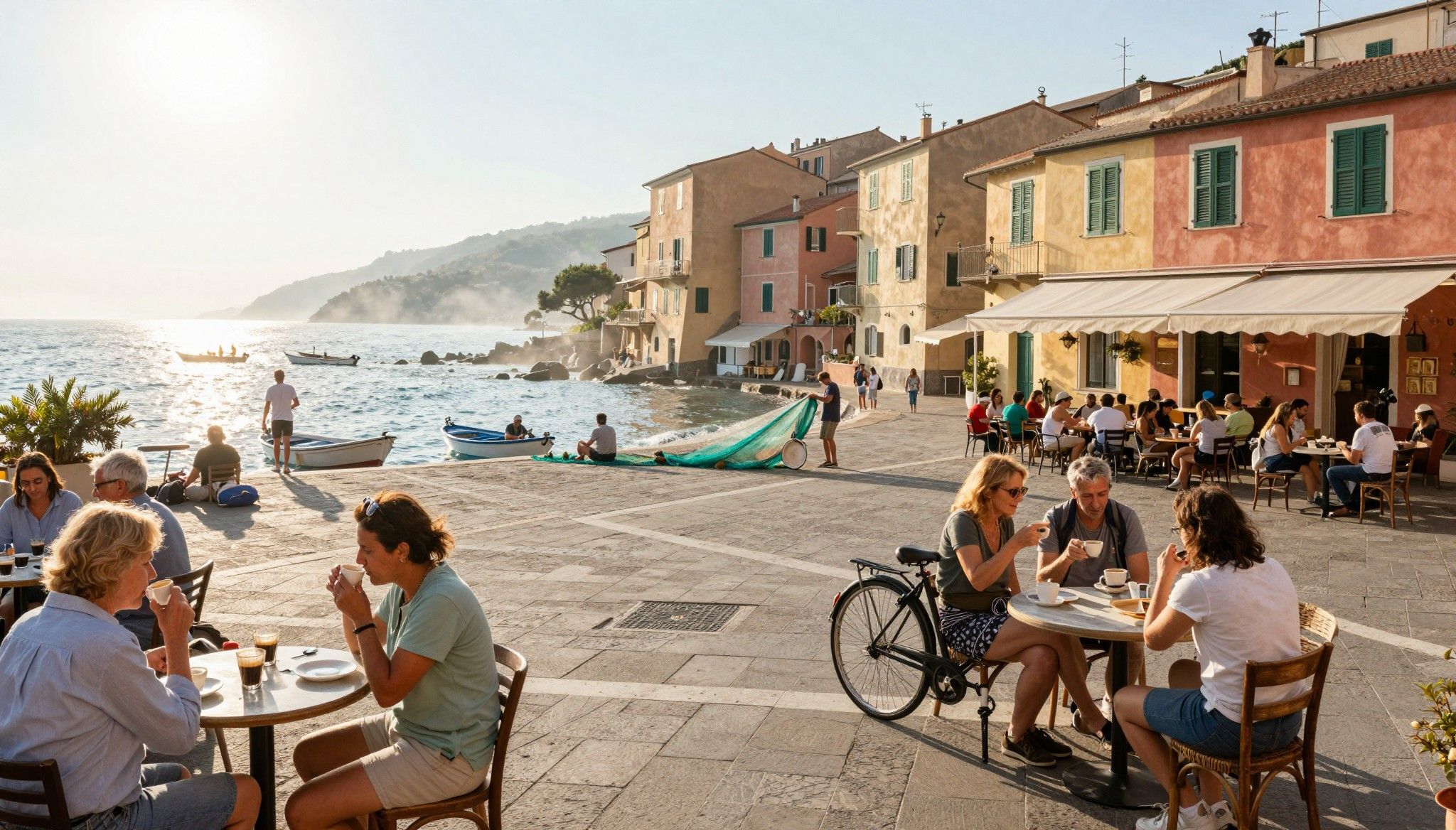
Imagine waking to sun through olive branches, strolling a morning mercato for ripe figs, then settling at a café on an ancient piazza where the barista knows your name. Italy is a patchwork of small rituals — the clink of espresso cups in Milan’s Navigli, fishermen hauling nets at dawn in Amalfi, the quiet of hill towns like Pienza after sundown — and it’s those daily textures that make buying here more than an investment. Recent market analysis shows recovering transactions and renewed foreign interest, but the lived experience — seasons, crafts, and neighborhood rituals — is the true currency international buyers buy into.
Living the Italy Lifestyle
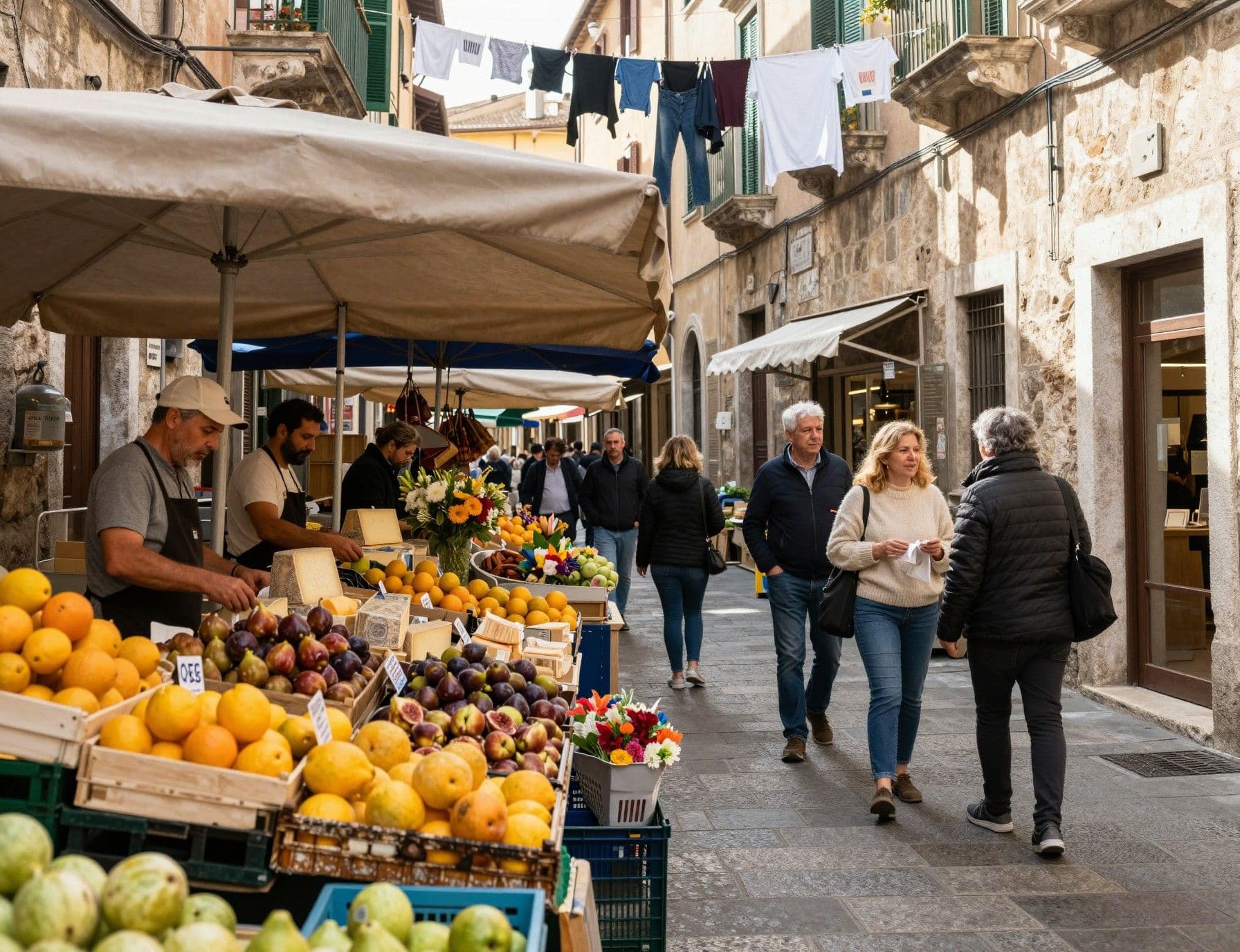
Daily life in Italy is organized around seasons and place. Coastal towns open like flowers in late spring and bask in siesta-soft summer; mountain villages slow earlier as chestnut harvests begin. Even in cities, life orients to neighborhood rhythm: morning markets, a long lunch in summer, aperitivo before dinner. Housing choices respond to these rhythms — a terraced apartment in Trastevere suits someone who wants neighborhood theatre, while a restored farmhouse outside Lucca answers gardeners and makers. National statistics confirm modest price shifts and stronger transaction volumes in 2024–2025, but the practical takeaway is simple: choose a property that matches how you want to live by season and routine.
A Tale of Three Neighborhoods
Walk the cobbled lanes of Oltrarno in Florence and you’ll meet woodworkers, tiny bottegas, and cafés that have kept the same morning crowd for decades. In Bari’s old town, you’ll see women hand-rolling orecchiette on doorstep thresholds. On the Ligurian coast, towns like Camogli offer pastel facades and communal fishermen’s rituals where the sea times your day. Each neighborhood carries a signature: craft, cuisine, or coast — and each will determine the daily soundtrack of your life. When touring, linger in markets, listen to where locals shop, and picture a week of evenings there before committing.
Food, Markets, and Seasonal Life
Think of food as civic infrastructure in Italy: weekly mercato patterns shape social life and kitchen gardens flourish in terraces and courtyards. Seasonal produce steers menus — porcini and truffles in autumn, citrus in winter on the Amalfi Coast — and that seasonality also affects short-stay demand and local services. For buyers seeking a farm-to-table lifestyle, proximity to cooperative markets (mercati rionali) and fertile land matters more than square metres. Nomisma’s market reports underline rising interest in rural and historic homes, often renovated to blend traditional materials with modern efficiencies.
- Oltrarno (Florence): artisans, small bottegas, sunset views over the Arno
- Camogli (Liguria): pastel coast, fishing traditions, pedestrian streets
- Pienza / Val d’Orcia (Tuscany): rolling fields, chestnut season, restoration-ready farmhouses
Making the Move: Practical Considerations
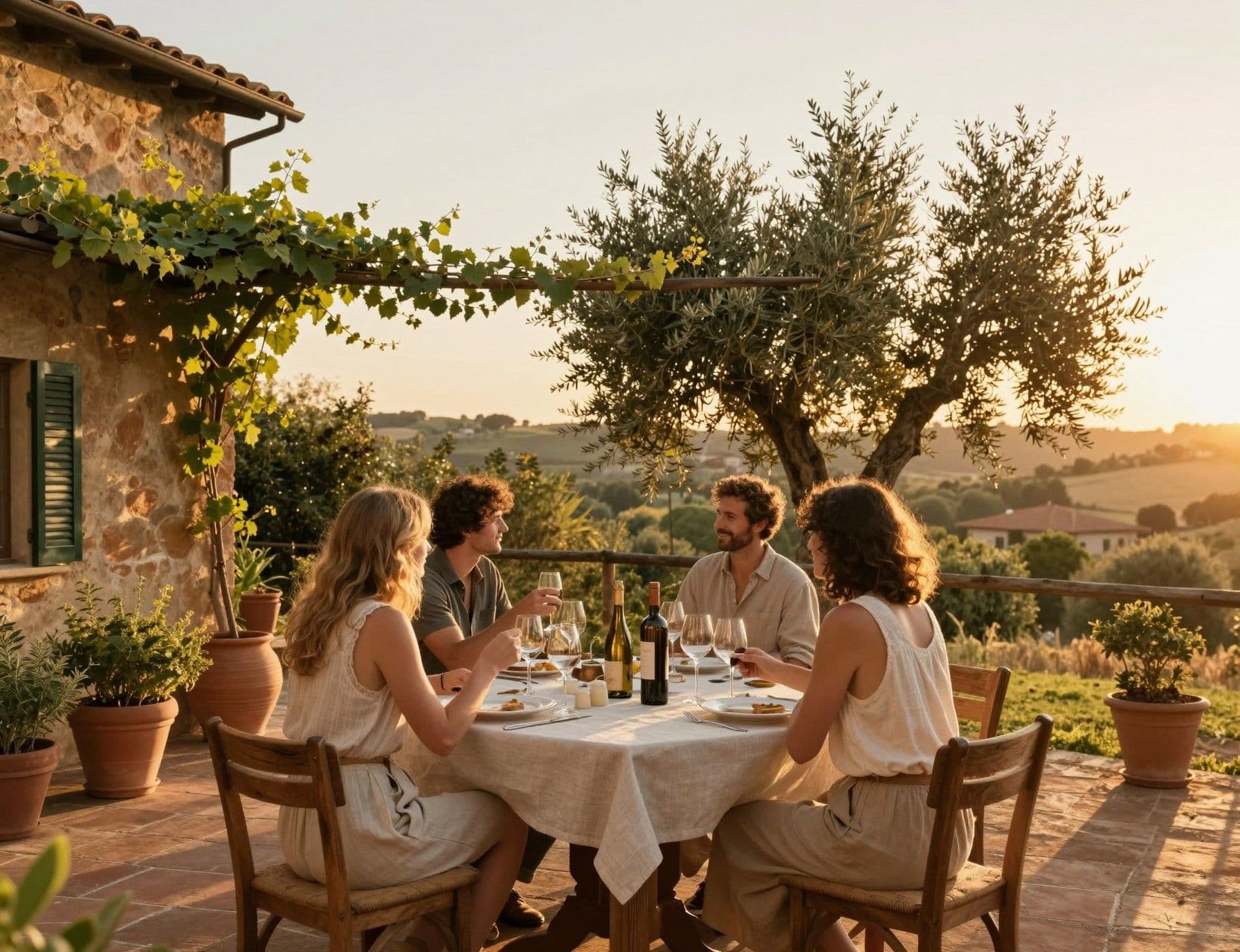
The romance of Italy meets a patchwork of regional rules, building typologies, and practical trade-offs. Market reports show a recovery in transaction volumes, but conditions vary: cities, lakes, and sought-after coastlines still command premiums while inland towns often offer more space and a lower entry price. Practical choices — energy upgrades, water access, and seismic reinforcement in older stone houses — can turn a charming property into a responsible, low-impact home. Work with an agent who understands both the lifestyle you crave and the region’s practical specifics.
Property styles and what they mean for daily life
A restored centro storico apartment gives immediate access to cafes and community life but often limits outdoor space and requires careful attention to insulation and plumbing. A farmhouse (casale) offers gardens, vegetable plots, and solar potential — ideal for those seeking regenerative living — but expect renovation timelines and permits. Modern eco-retrofits bridge both worlds: retaining stone and timber aesthetics while adding heat pumps, triple glazing, and rainwater harvesting. Translate the lifestyle you want (daily market trips, gardening, entertaining) into must-have property features before you look.
Working with local experts who know the lifestyle
- Choose an agent who spends weekends in the neighborhoods they sell in and can introduce you to local craftsmen and a notary. Prioritize professionals who: 1) understand energy‑efficiency incentives (ecobonus), 2) have connections to local artisans for sustainable restorations, 3) can advise on seasonal rental dynamics if you plan to host guests. This blend of lifestyle knowledge and technical networks ensures your property supports the life you want to build.
- Visit in different seasons. Step 1: Spend a week in high season; Step 2: Return in shoulder season to feel daily life; Step 3: Talk to locals about utilities, market days and community events before making offers.
Insider Knowledge: What Expats Wish They'd Known
Expats often tell the same stories: the joy of a market seller remembering your order, the surprise of seasonal silence in winter, and the small shocks — parcel deliveries that require a local ID, or the slow pace of bureaucracy. Many underestimate the value of a local network: a trusted geom (surveyor), a notary accustomed to cross-border transactions, and a builder who respects traditional materials. Data on foreign buyer growth underscores demand, but lived success comes from local relationships that sustain a home across seasons.
Cultural integration and daily belonging
Language helps but warmth goes further. Learn simple rituals: greet shopkeepers, arrive for aperitivo on time, respect riposo (midday quiet in small towns). Join a cooking class in a hill town, volunteer at a food cooperative, or simply buy bread from the same forno each morning. These small rituals create neighbors — and neighbors are the difference between a holiday house and a true home.
Long-term stewardship and seasonal upkeep
Think in cycles: olive pruning in late winter, lime-washing exterior walls in spring, and shutter maintenance before autumn rains. If you plan to rent seasonally, align upgrades with guest seasons and local permit rules. Choosing materials like chestnut beams, lime plaster and local stone reduces embodied transport costs and keeps a house in dialogue with its landscape — a practical and aesthetic decision that pays dividends in longevity and local goodwill.
- Inspect for damp, old wiring, and roof stones — common issues in historic properties
- Prioritise energy upgrades that qualify for Italy’s ecobonus and seismic incentives
- Hire local craftsmen experienced with lime, stone, and traditional carpentry
- Budget 10–20% of purchase price for region-specific renovations and permit processes
Conclusion: If you come to Italy for the light, food and neighborhood rituals, let those things lead the purchase decisions. Pair that sensibility with practical checks — seasonal visits, a green-minded builder, and regional market data — and you’ll find a home that feels right and endures. Begin by spending time where you hope to live, meet the people who keep the place alive, and bring an agent who listens to lifestyle first and listings second.
Danish relocation specialist who moved from Copenhagen to the Algarve; supports families with seamless transitions, local partnerships, and mindful purchases.