Greece: Seasonal Streets, Real Homes, Smarter Buys
Fall in love with Greece’s seasonal rhythm—markets, sea, and restored stone—then use data-backed local guidance to protect that lifestyle when you buy.
Imagine an early morning in Koukaki: a street-sweeper moves between bakery tables, steam rises from short, strong espressos, and limestone terraces glow like warm paper. That slow, sunlit rhythm—markets, shutters, island breezes and olive-scented patios—is why buyers fall for Greece first, then begin to think like homeowners. This piece stitches that impulse to practical reality: the rhythms that shape daily life, the neighbourhoods where locals linger, and the market and legal currents an international buyer needs to know.
Living the Greece lifestyle: seasons, streets and senses
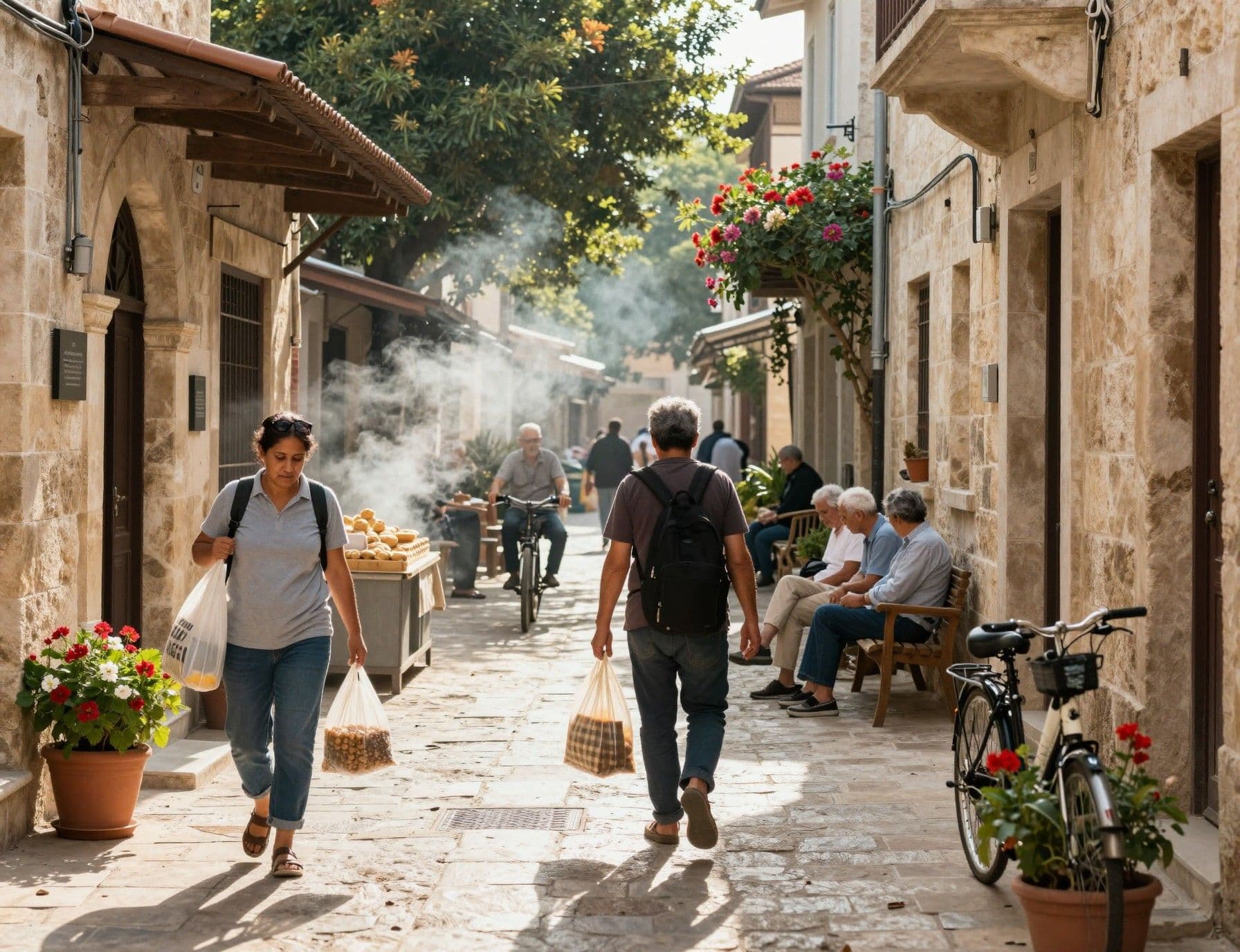
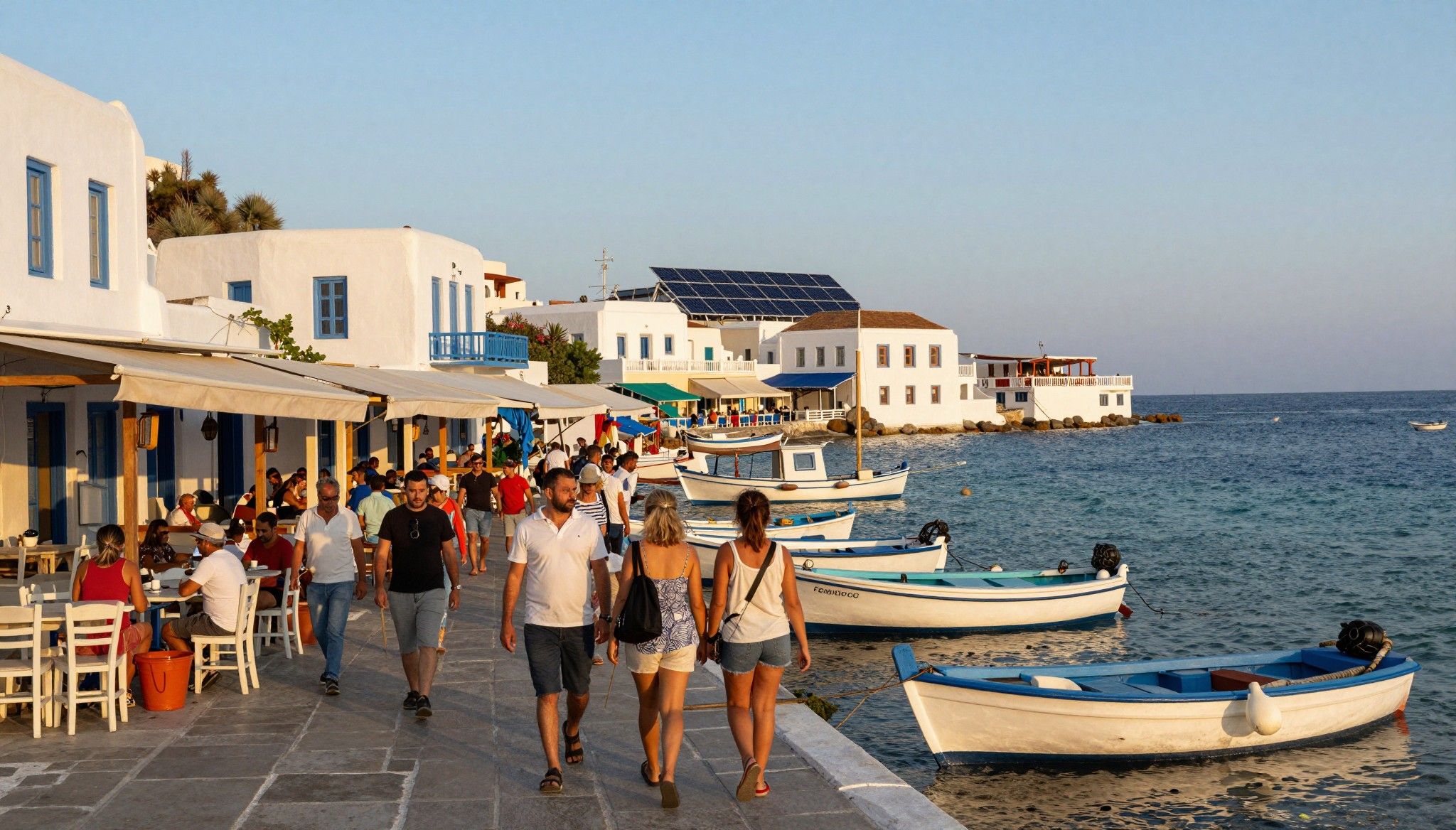
Greece moves at seasonal cadence. Summers are for sea-swimming, late dinners and island hopping; winters are for stove-side gatherings, wet stone and the bright citrus scent of suburban gardens. In Athens you swap a daily metro commute for rooftop sunsets over the Acropolis; on Crete you trade narrow alleys for morning markets stacked with herbs and figs. For the eco-minded buyer, this matters: your garden, insulation and water systems will decide whether a home feels like sanctuary year-round.
Neighborhood spotlight: Athens’ Koukaki, Pangrati and Glyfada
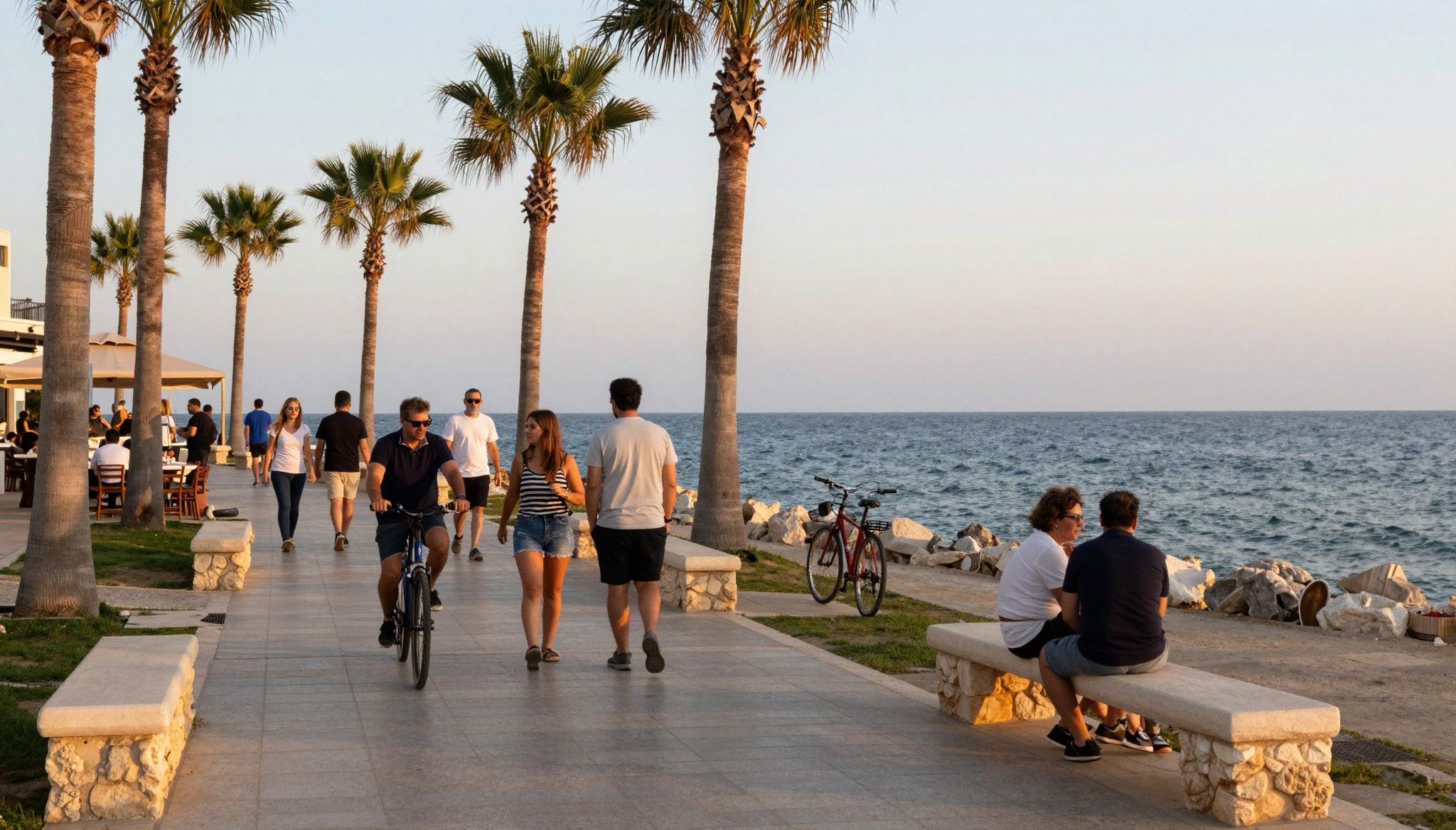
Koukaki and Pangrati are intimate: bakery counters, municipal parks, and neighbors who take evening walks. Walkable streets and restored neoclassical buildings are ideal for buyers craving culture with small-scale community. Glyfada, by contrast, is marina-side living—cafés that open at dawn, yacht-lined promenades and modern apartments that favor indoor-outdoor terraces. Each delivers a different daily rhythm; your choice changes whether you spend weekends in tavernas or on coastal cycle paths.
Food, markets and the slow day
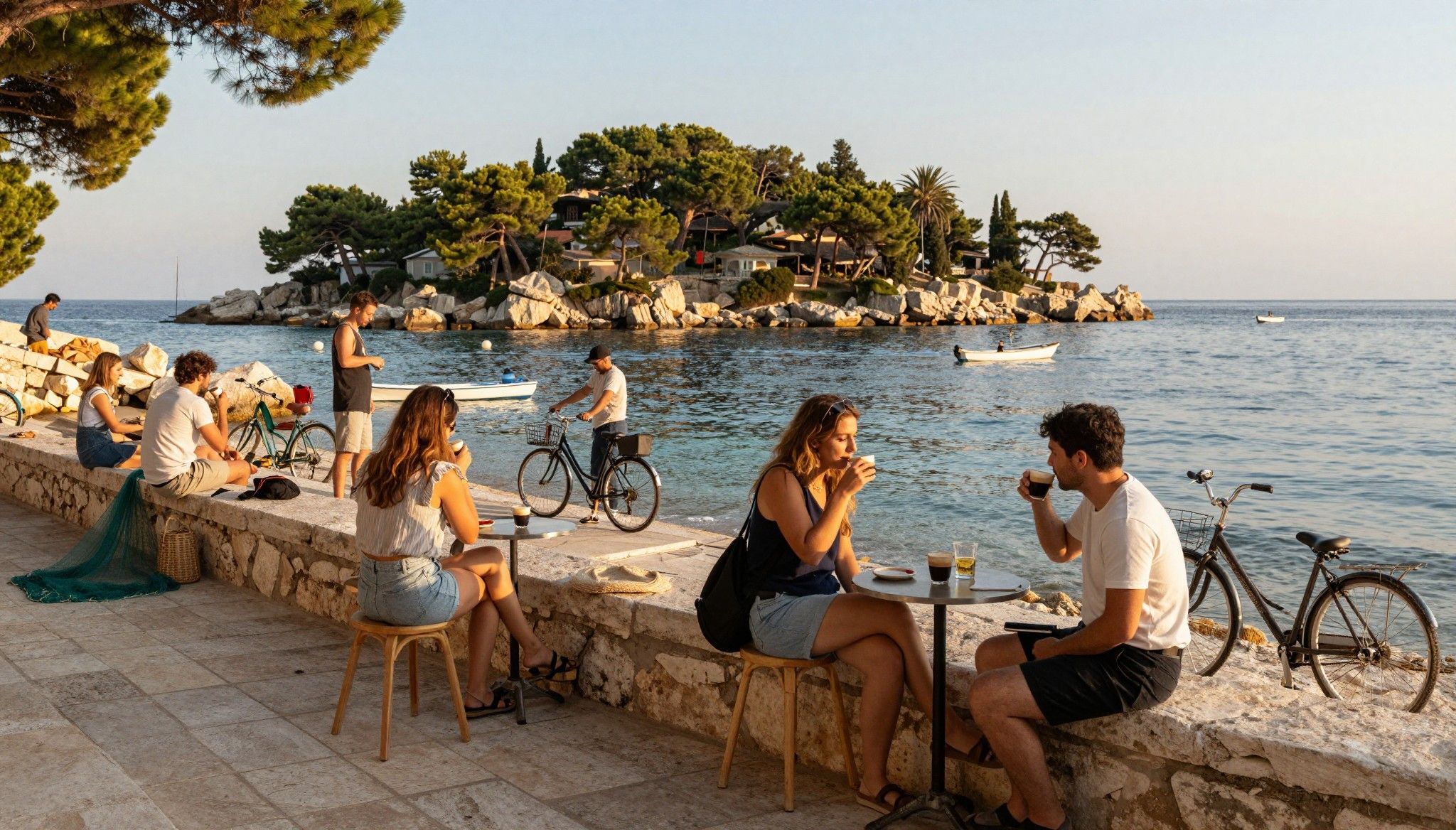
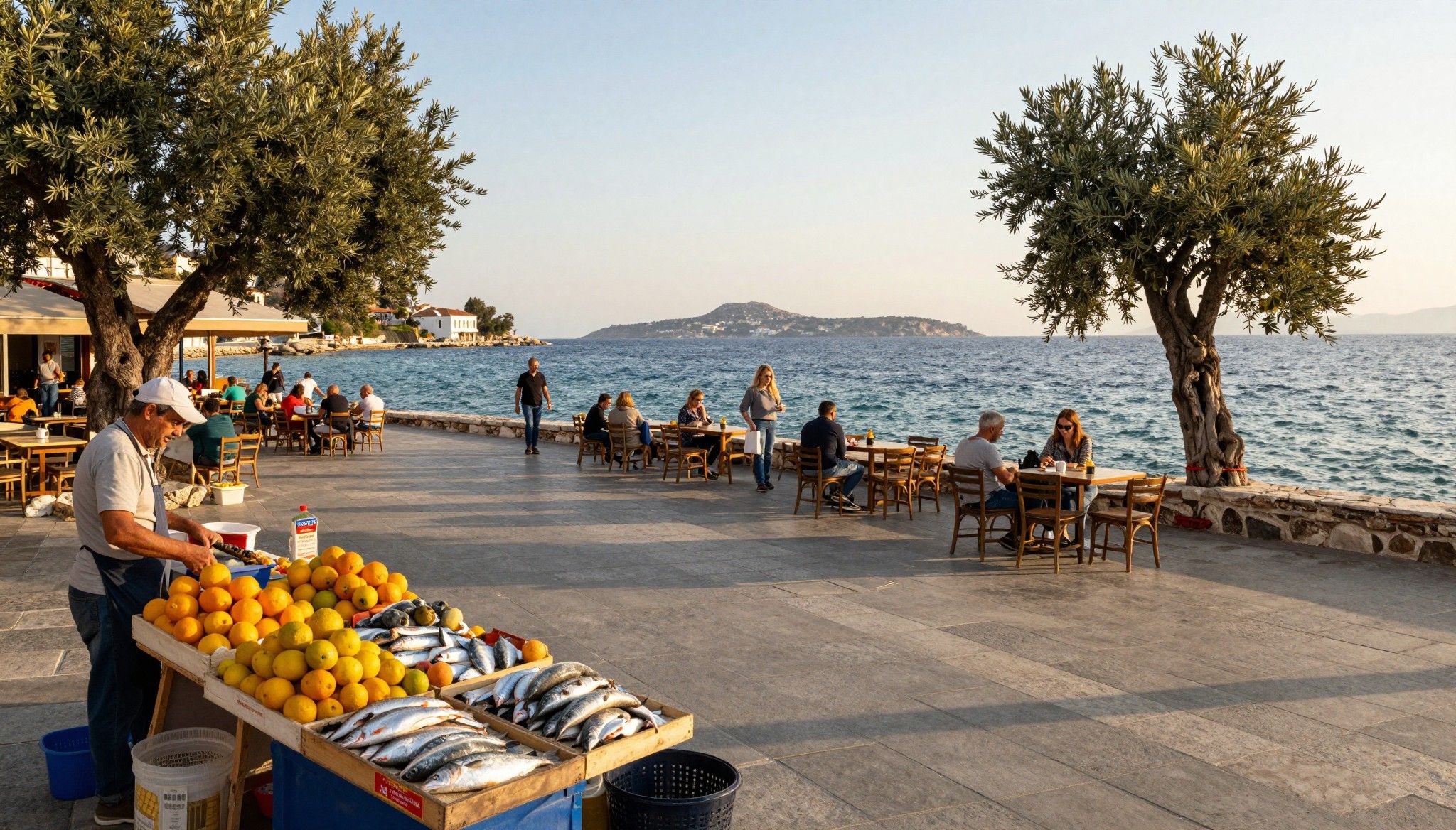
A day in Greece often begins with market runs: fresh fish in Piraeus, thyme honey in Chania, tender greens from seasonal stalls. Coffee culture is local and ritualised—an espresso at the counter becomes a community check-in. These everyday rituals shape property desires: large balconies for late breakfasts, compact kitchens built for market cooking, shaded courtyards for afternoon rest.
- Lifestyle highlights to look for (actual places and experiences)
- Koukaki morning espresso and Acropolis strolls
- Chania markets and coastal tavernas on Crete
- Glyfada marina promenades and beach clubs
Making the move: practical considerations that protect the lifestyle
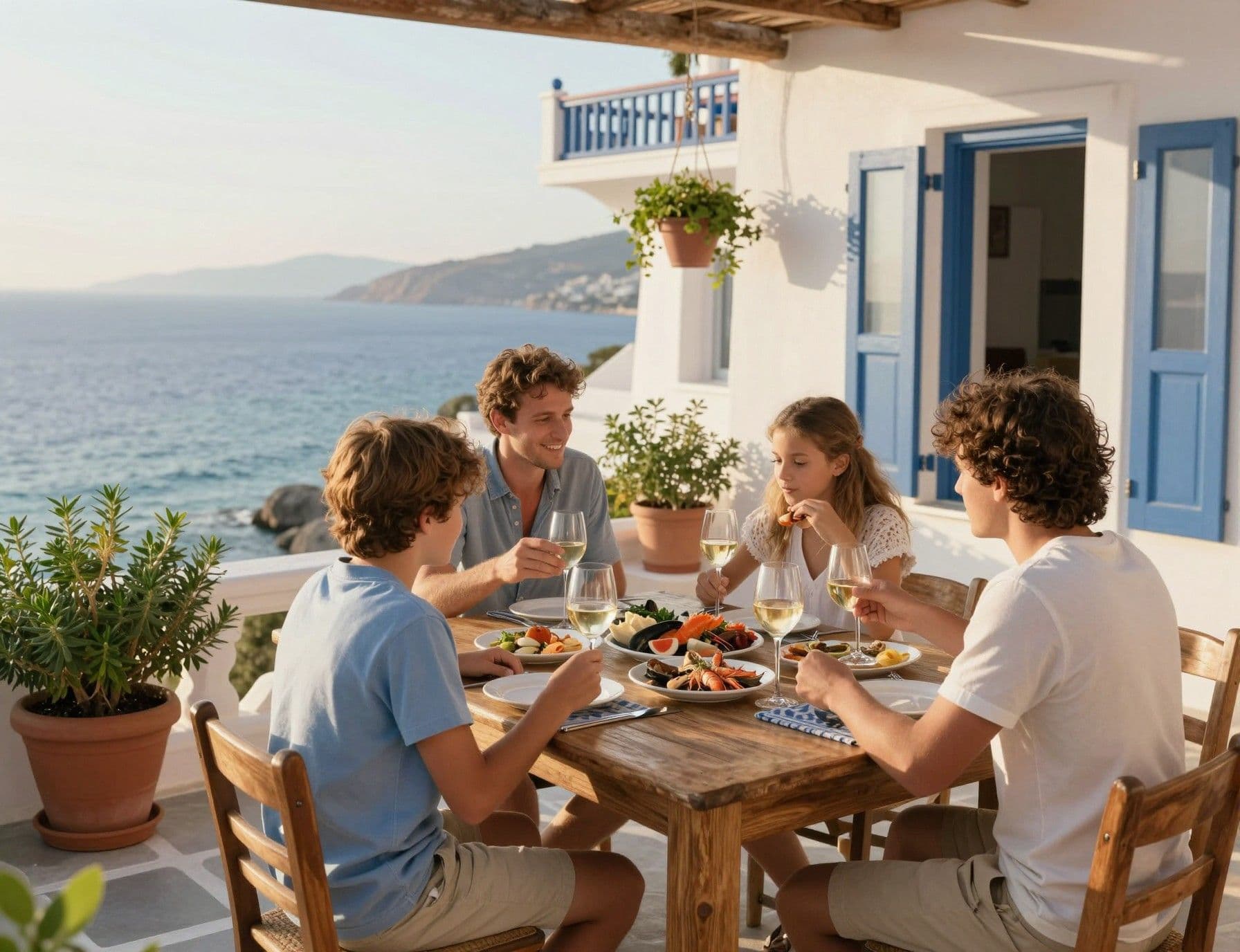
The dream is vivid, but the market is active. Nationwide price indices have shown steady growth in recent years—urban dwelling indexes reported notable year-on-year rises—so timing, region and property type change both lifestyle and long-term costs. Use market data to shape where you look: city centers offer culture and services, islands give seasonal income potential but require weatherproofing and maintenance, and regional towns can deliver more land for gardens and a lower cost of living.
Property styles: stone houses, neoclassical flats and coastal new-builds
A restored stone farmhouse in Mani or a Cycladic cave-house each offers different maintenance and energy profiles. Traditional masonry keeps interiors cool in summer but may need added insulation and updated plumbing. New-build coastal apartments are often energy-efficient but can feel less rooted in craft. Match materials (stone, timber, lime-plaster) to how you want to live: a garden for produce, thick walls for passive cooling, and solar-ready roofs for summer autonomy.
Working with local experts who preserve lifestyle value
Local agents, architects and lawyers translate neighbourhood nuance into property decisions. An agent who knows where locals buy (not just tourist hotspots) will point to streets where bakeries and green spaces remain, and an architect versed in traditional materials will design upgrades that enhance comfort without erasing character. For residency-linked purchases, tight legal changes (such as recent Golden Visa amendments) mean you should secure counsel early, not at signing.
- Steps to marry lifestyle and due diligence
- Visit neighborhoods across seasons to feel noise, shade and market life.
- Ask for local utility costs and check insulation, water supply and septic systems.
- Confirm planning rules for extensions, rooftop solar and pool permits with a local architect.
- Hire a bilingual solicitor to check titles, servitudes and any tourist‑rental restrictions.
Insider knowledge: what expats wish they'd known
Expats often romanticise islands and underestimate maintenance, or they pick sea-view homes without checking water pressure and winter access. Locals sometimes avoid seafront high-rises because they erode community fabric; paradoxically, the neighbourhoods locals quietly prize tend to be slightly inland, where morning markets, shade and good soil remain. Knowing where everyday life happens—markets, schools, the small hardware store—turns a house into home.
Cultural integration: language, customs and community
Learning a few phrases—hello (yia sou), thank you (efcharistó), neighbors (geitonía)—gets you farther than perfect grammar. Festivals, church fairs and local markets are where community bonds form; be present, bring a small gift, and accept that negotiation in markets is part theatre and part warmth. For families, schools and local sports clubs are gateway communities; for solo buyers, volunteer projects or artisan workshops connect you faster than expat groups.
Long-term lifestyle and stewardship
Think in decades. Climate patterns, such as hotter, drier summers, will influence landscaping and water use. A property with cisterns, drought-tolerant gardens, and rooftop solar will age more gracefully and keep lifestyle costs lower. Invest in local craftsmanship—lime plaster, restored stone, native-plant gardens—not only for aesthetics but because these elements reduce long-term maintenance and keep your home in harmony with place.
- Red flags and realistic trade-offs
- Properties advertised as 'fully furnished' without an inventory — verify condition and age of appliances.
- Seafront access claims — check winter roads and erosion plans, not just summer photos.
- Unexplained price premiums tied to short‑term rental potential — ask for occupancy and expense records.
Conclusion: If you want an eco-rooted life in Greece, start with scent and season—markets, sea air, limestone and olives—then align the paperwork, the local team and the building fabric to preserve those moments. Visit in different seasons, hire local craftsmen, and work with an agent who values stewardship as much as sale. When you buy that terrace or stone house, you’re also buying a daily ritual; protect it with good advice and patient listening.
Swedish advisor who left Stockholm for the Costa Brava in 2019. Specializes in sustainable, sea‑view homes for Scandinavian buyers and green finance insights.