Greece: The Season Most Buyers Overlook (and Why It Pays)
Why timing and local know‑how matter in Greece: seasonal visits, Golden Visa changes and green retrofits shift value and daily life.
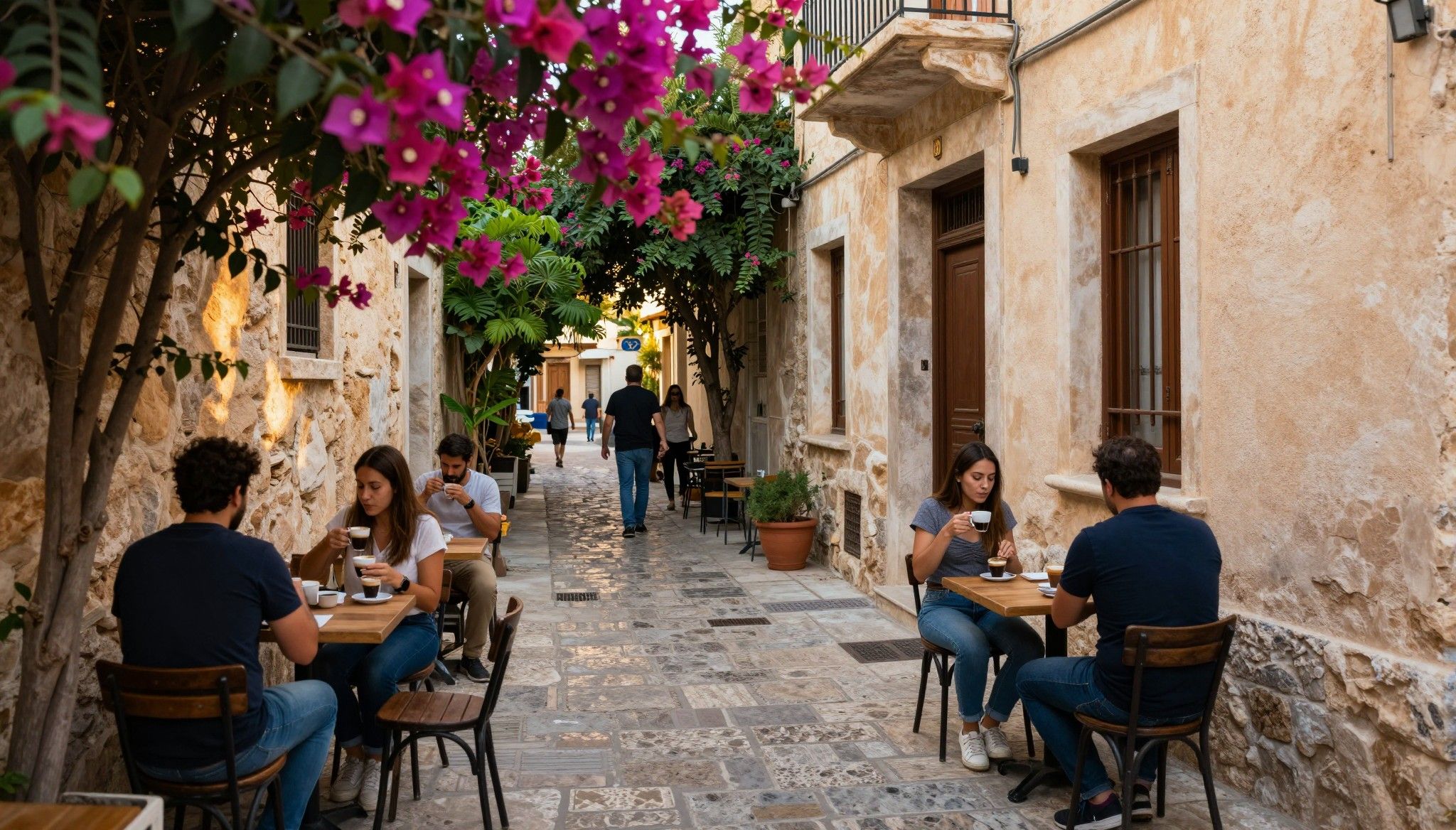
Imagine a late‑afternoon espresso under an awning on Dionysiou Areopagitou, the Acropolis glowing as locals move slowly past bakeries and bougainvillea. Greece moves in soft rhythms—market mornings, siesta‑light afternoons, and long evenings of food, voice and sea air. For international buyers drawn to stone, sea and a greener life, that feeling is the first purchase. Yet the calendar, local rules and market momentum quietly shape which neighbourhoods deliver that daily life—and when to step in.
Living the Greece lifestyle
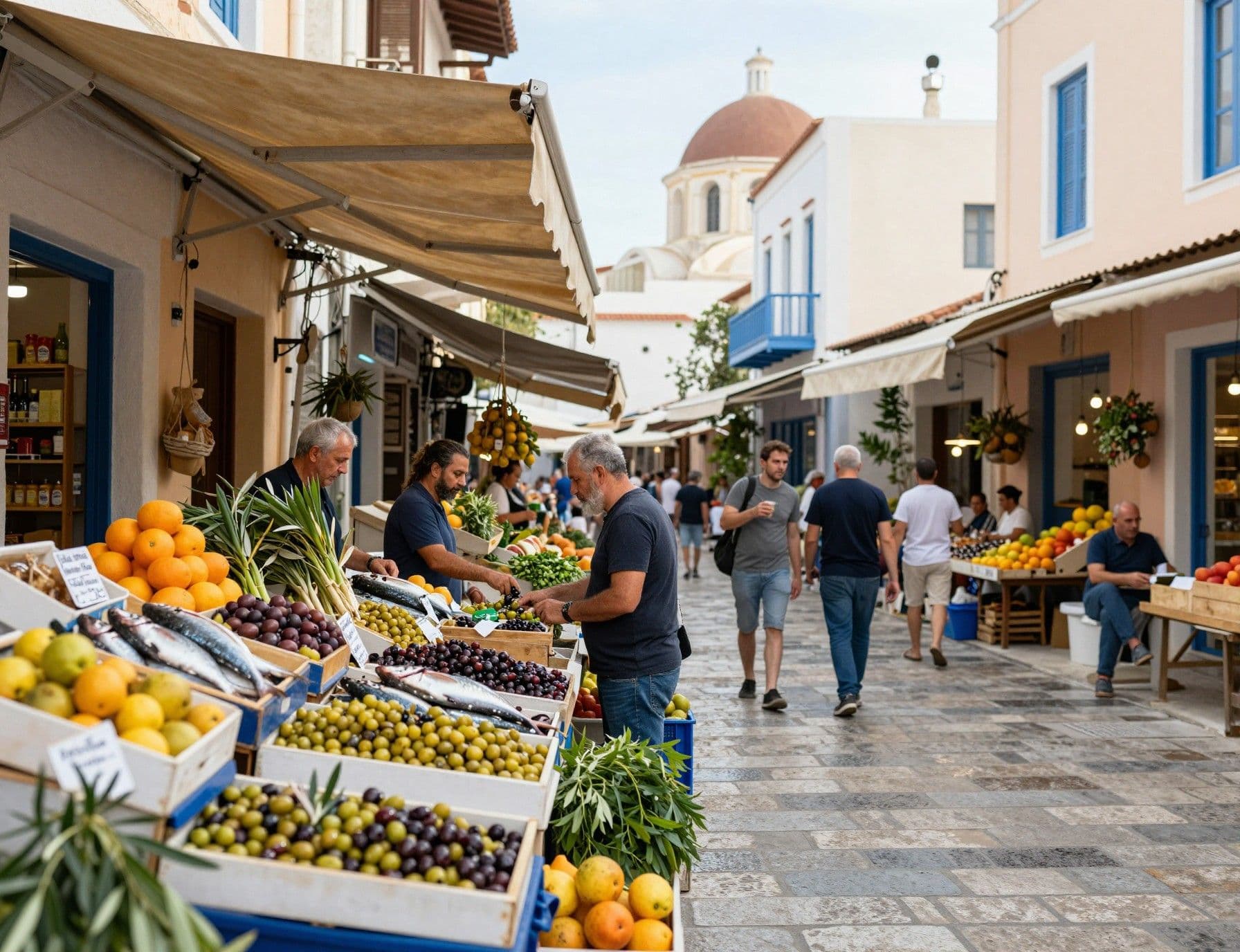
Living in Greece is more than a Mediterranean backdrop; it’s a sequence of smaller rituals. Mornings begin at neighbourhood bakeries and municipal markets where fishermen, farmers and old friends haggle lightly over catch and greens. Terrace life—brunch on a shaded balcony or an evening of slow grilled fish—keeps the outdoors at the heart of home. Architecture here often weaves stone, timber and whitewashed lime with dappled courtyards and productive gardens, making it easy to imagine a home that breathes with the seasons.
Athens: city pockets that feel like villages
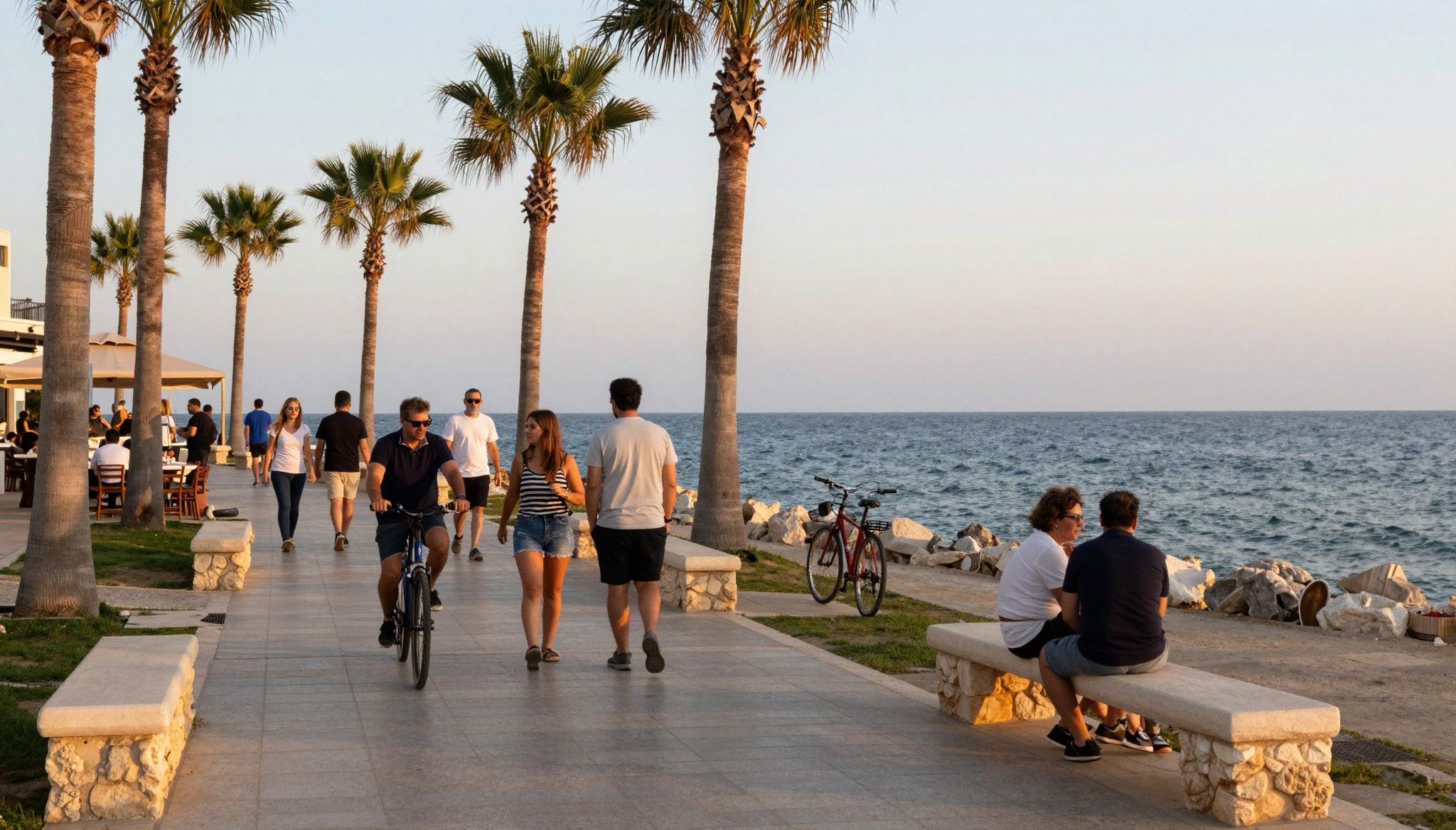
Athens surprises many newcomers. Walkable neighbourhoods like Koukaki, Pangrati and Metaxourgeio offer morning markets, small family cafés (try Kri Kri in Pangrati for a classic yoghurt‑and‑honey start), and late‑night taverna culture without losing the city’s creative pulse. On quiet streets near Philopappos and Thissio, you can have a compact urban flat with the feel of village life—just minutes from museums and a thriving community of artists and social enterprises.
Island and coastal rhythms: neighbours, not tourists
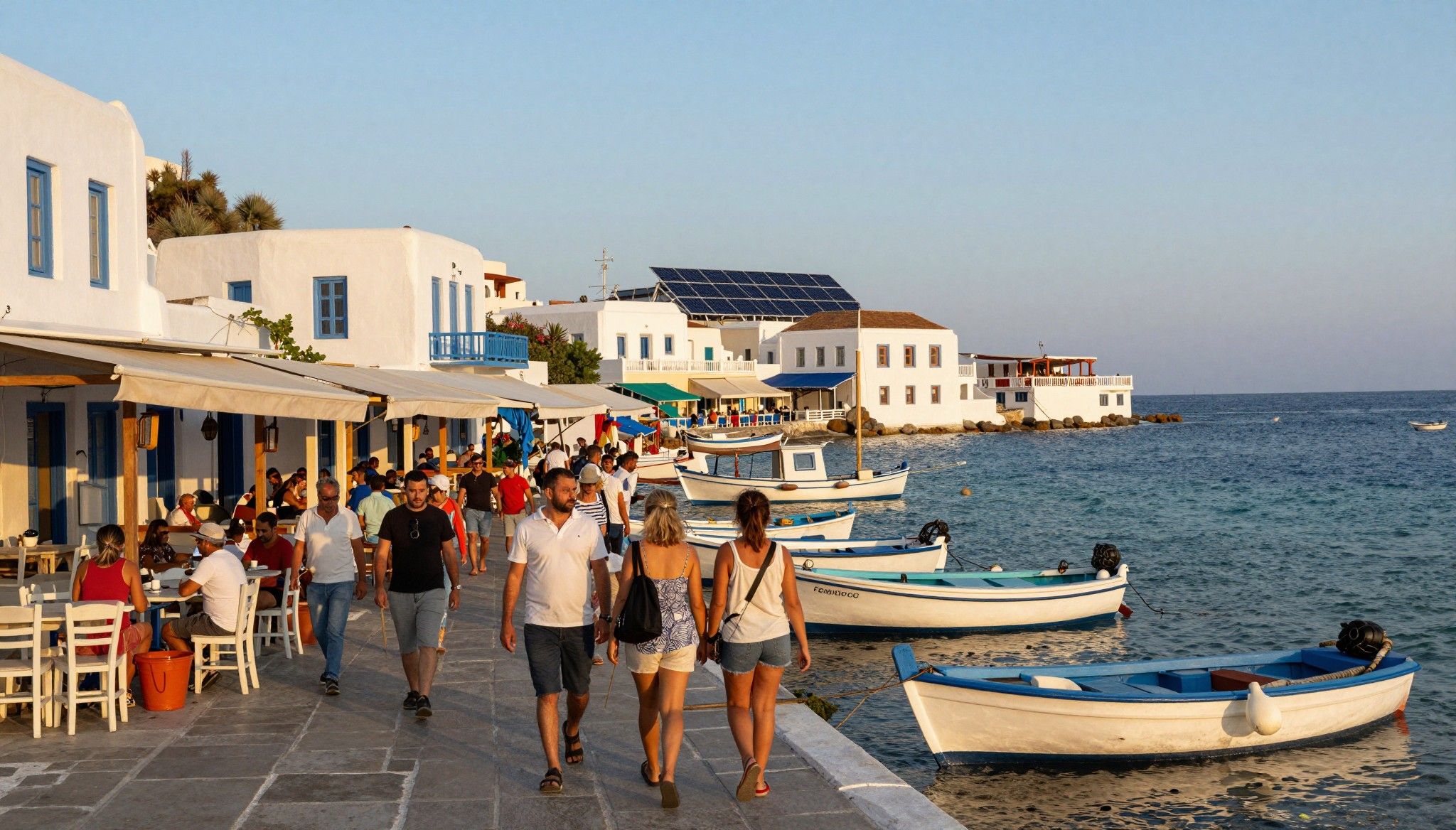
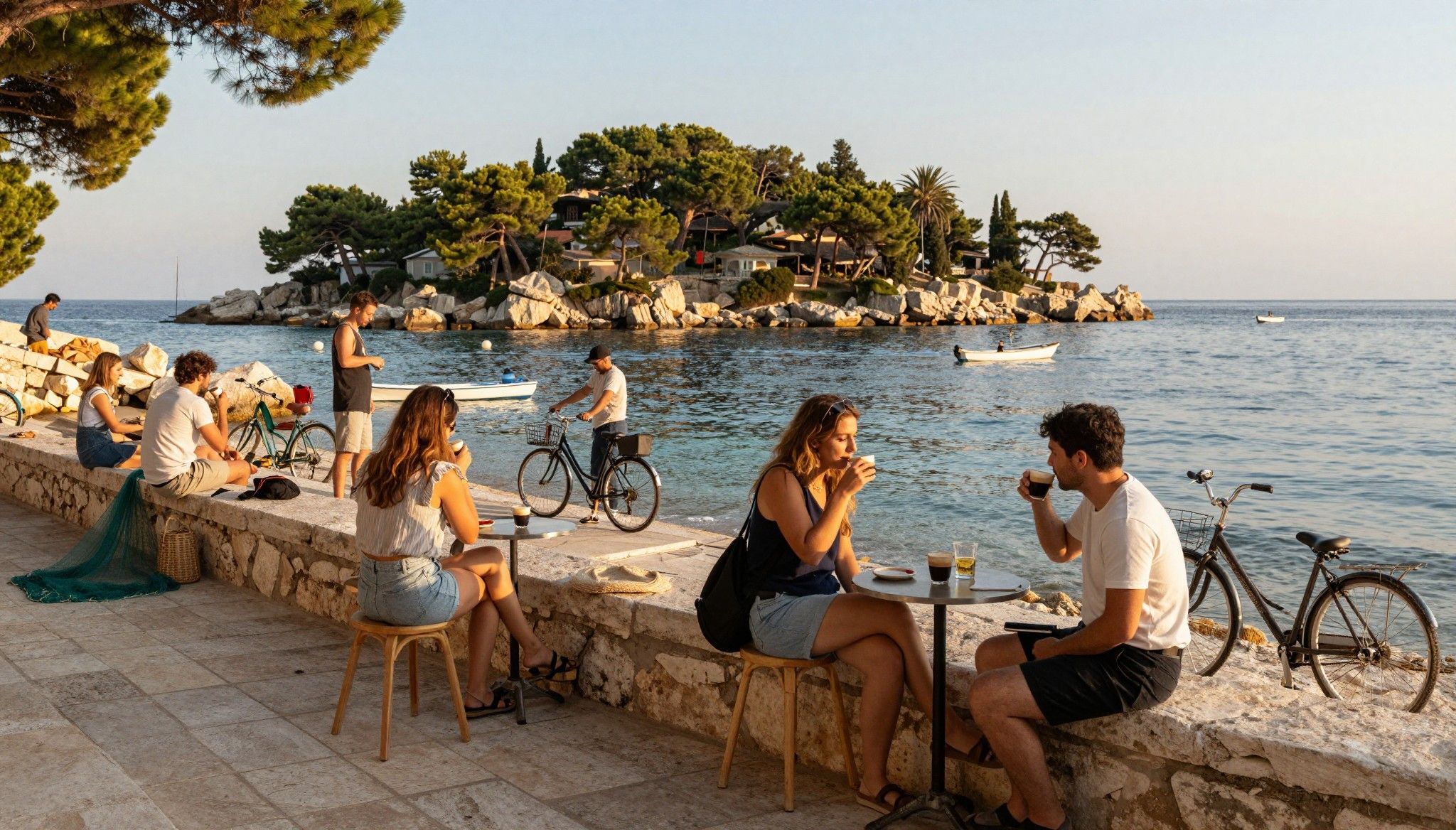
Outside Athens, places like Naxos, Syros and parts of Crete offer long seasons of local life. Markets are weekly rituals; small harbours host cafés where fishermen repair nets; children swim into late autumn in protected bays. The off‑season reveals the real island: rosemary‑scented trails, tavernas cooking what was caught that morning, and a slower pace that shapes how you’ll use a home—more for living than for short‑term leasing.
- Weekly market mornings in Nafplio; Koukaki’s evening cafés; the olive‑harvest social rhythm in Peloponnese; Syros’ spring cultural festival; small harbours where locals still mend nets.
Making the move: lifestyle‑meets‑market realities
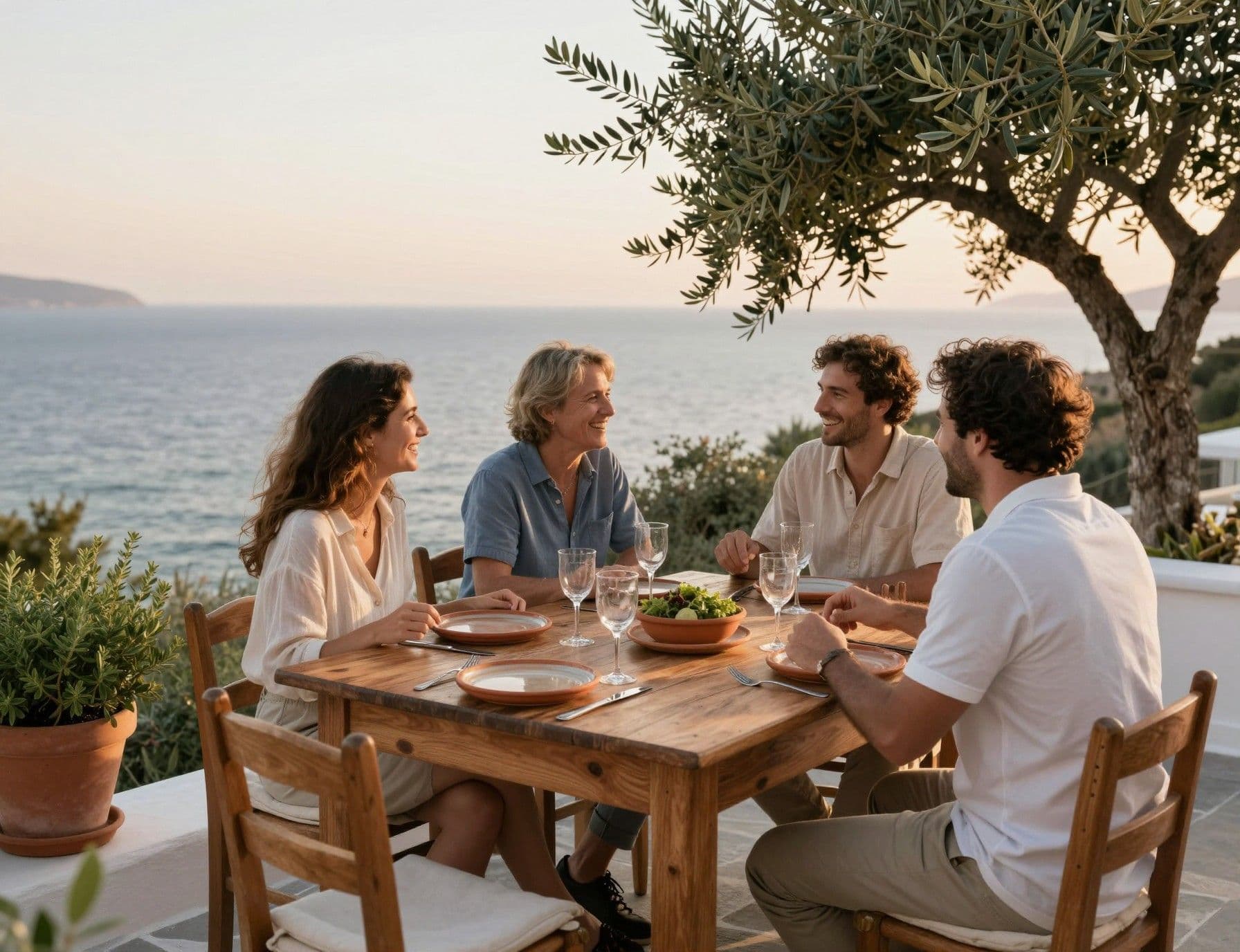
Your dream of morning markets and sea terraces must meet a shifting market. Recent policy shifts have raised residency‑by‑investment thresholds in prime zones and tightened rules around short‑term rentals, changing the pace and focus of foreign demand. That means some once‑obvious bargains for buyers seeking residency or rental income are now less predictable—so read the calendar as carefully as the listings.
Property types that fit a green lifestyle
Traditional stone houses with thick walls, timber shutters and inner courtyards naturally regulate temperature and suit low‑energy living. Newer rural conversions and sympathetic restorations often allow for rooftop solar, rainwater capture and productive kitchen gardens. If you crave verandas and outdoor dining, prioritise properties with sheltered terraces and mature trees—these are the features that translate a Mediterranean dream into daily comfort.
- Steps to blend lifestyle with smart purchase
- 1) Visit in two different seasons—late spring and late autumn—to feel true rhythms; 2) Hire a local architect to assess passive cooling and retrofit potential; 3) Prioritise properties with existing productive land or terraces; 4) Ask agents about rental‑use rules and confirm if the area restricts short‑term lettings; 5) Factor in energy upgrades (solar, insulation) as part of purchase cost.
Insider knowledge: what expats wish they'd known
Expats often tell the same small truths: learn a handful of Greek phrases and you’ll be welcomed faster than you expect; the best cafes and tavernas are not on the main squares; and the single biggest oversight is timing. Many buyers arrive in high summer and fall for a place crowded with tourists—only to discover the winter quiet changes community composition and service availability. Visiting off‑peak reveals where neighbours actually live.
Cultural keys to settling in
The social life in Greece is neighbourly and food‑centred: a shared plate, a glass of wine, help with a terrace olive tree. Public rituals—Easter processions, olive harvests, local festivals—are the quickest way into community life. Participate, bring a gift from home, and accept invitations. Language skills open doors, but consistent presence and small courtesies matter most.
Longer‑term lifestyle considerations
Over five to ten years you’ll notice different patterns: some islands see steady domestic repopulation and sustainable tourism projects; Athens neighbourhoods evolve with creative clusters and green rooftops. Check local infrastructure (waste collection, water reliability, broadband), and speak with agents who understand seasonal occupancy so your home remains hospitable year‑round, not just during high season.
- Red flags to watch: opaque ownership titles; properties listed for short‑term rental in areas moving to restrict them; no clear permits for extensions; poor winter road access; unrealistic promised yields.
Greece is a place that rewards decency and presence. If you imagine tending a small kitchen garden, shopping at the same market stall each week, and moving at the tempo of olive harvests and summer festivals, start with season‑aware visits and a local team who care about community as much as price. An agent who knows which streets still gather for evening coffee—and which are turning into transient blocks of holiday lets—will protect both your lifestyle and your investment.
If the feeling of a place matters as much as the price, start by feeling Greece in two seasons, work with an architect and a lawyer who understand local ecology and titles, and choose an agency that matches your commitment to low‑impact living. Then plan upgrades—solar, water capture, native planting—that turn a house into the seasonal, regenerative home you pictured under the Acropolis light.
Danish relocation specialist who moved from Copenhagen to the Algarve; supports families with seamless transitions, local partnerships, and mindful purchases.