Greece: Seasonal Life, Craft and Real-Property Truths
Fall in love with Greece’s seasonal rhythms and craft‑rich neighborhoods, then match those rhythms to property choices backed by recent housing data and local expertise.
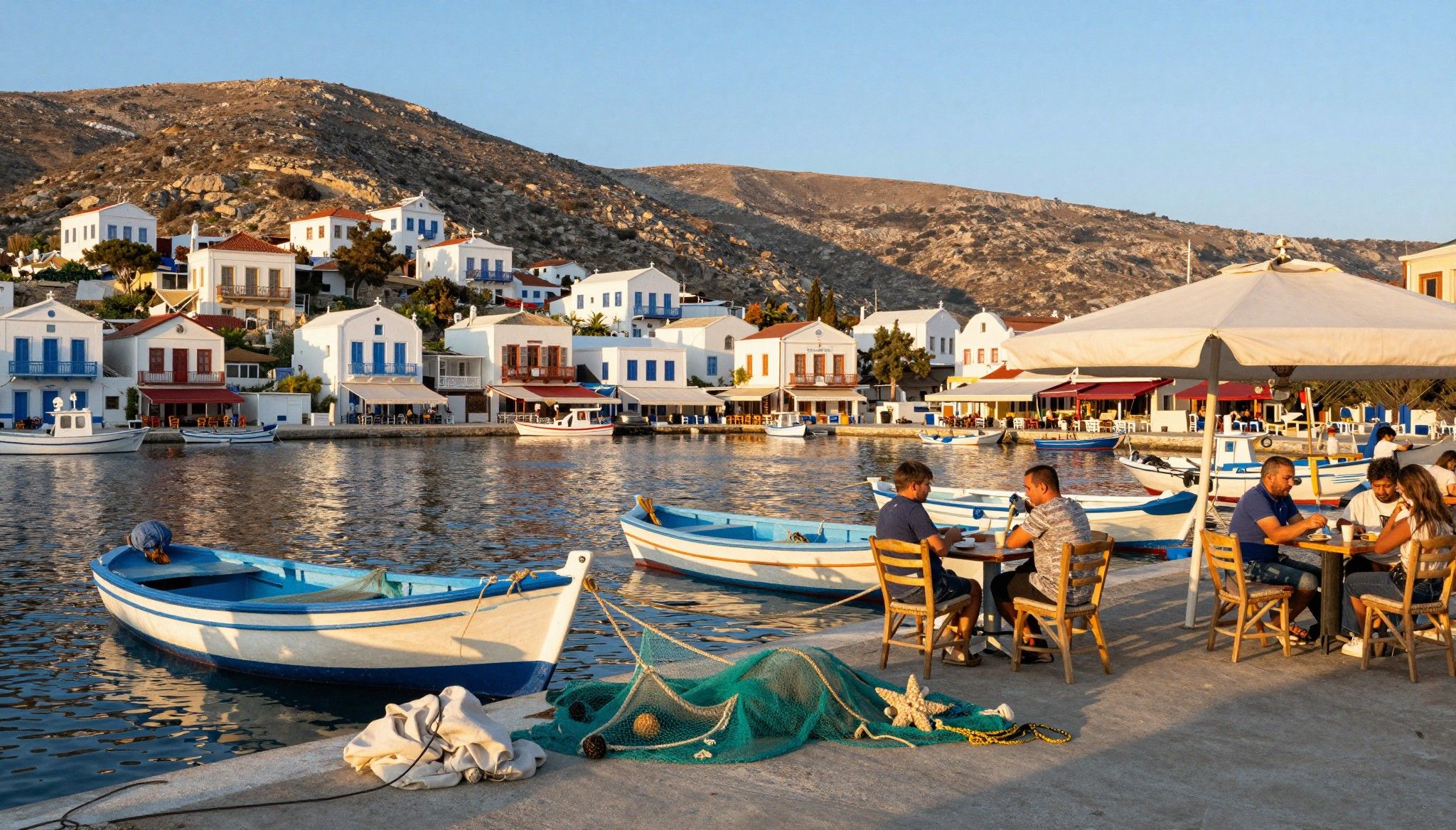
Imagine a morning in Greece: thick, hand-pulled coffee steaming beside a weathered wood table; bougainvillea spilling over an ochre wall; fishermen mending nets at a harbor you can reach in ten minutes. That sensory rhythm—sea salt, warm stone, market chatter—shapes how people live here more than any headline about prices. For buyers who want life woven with seasonal rituals, traditional craft and low‑impact living, Greece is less an asset class and more a way of daily belonging. But the dream and the deed are different things; read on for the parts that make this place sing—and the local facts you’ll want in your folder.
Living the Greek Life: Atmosphere, Rhythms, Neighborhoods
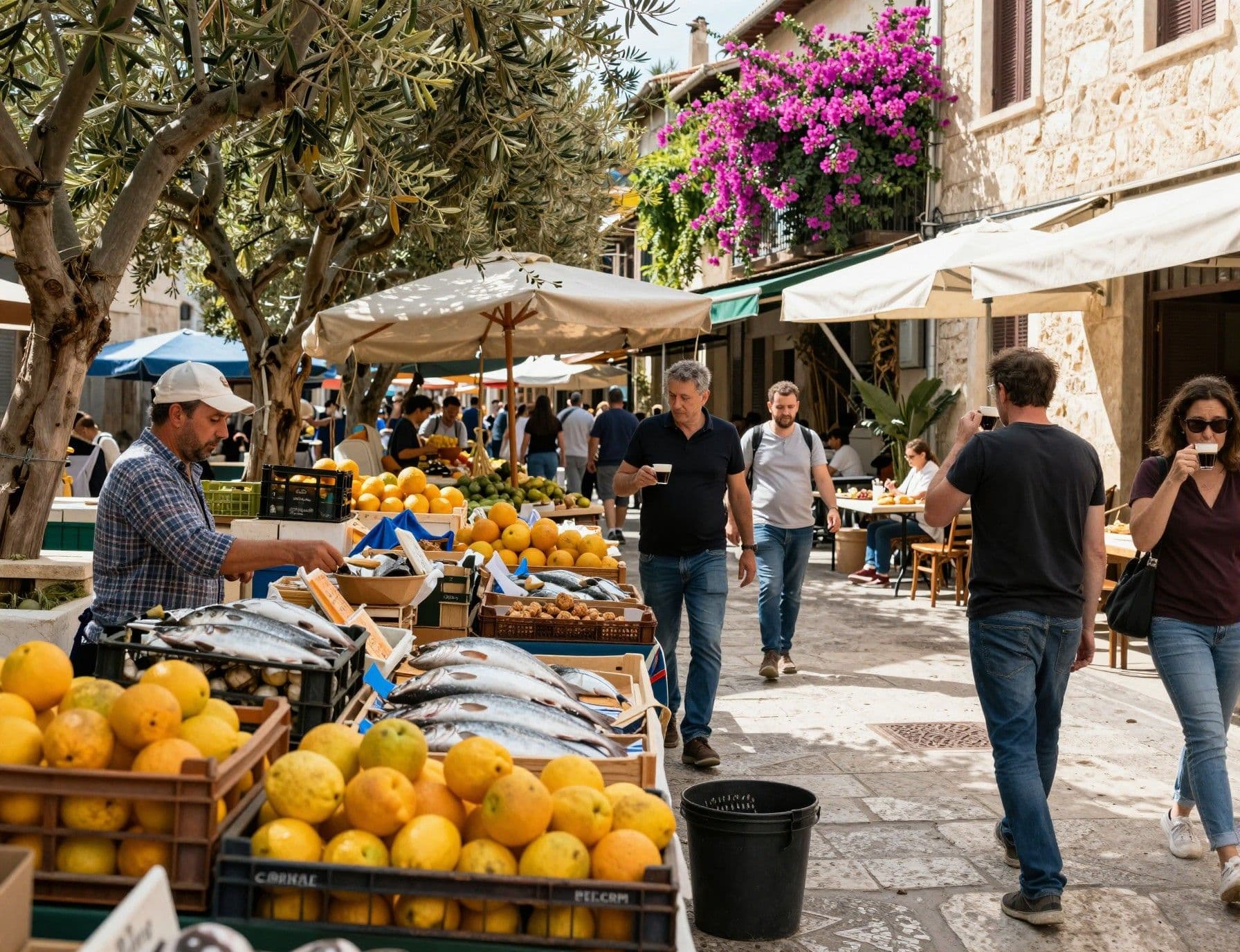
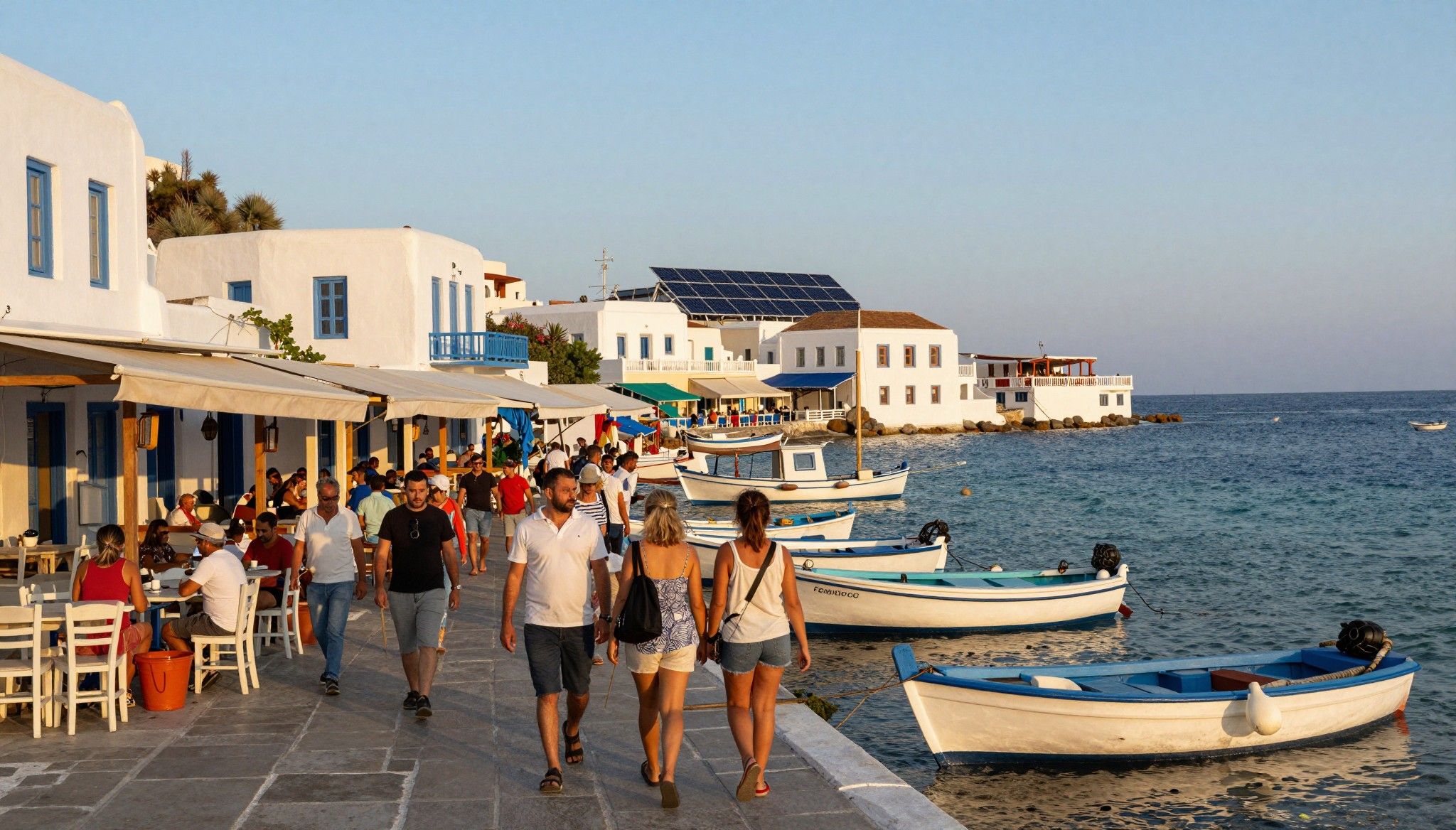
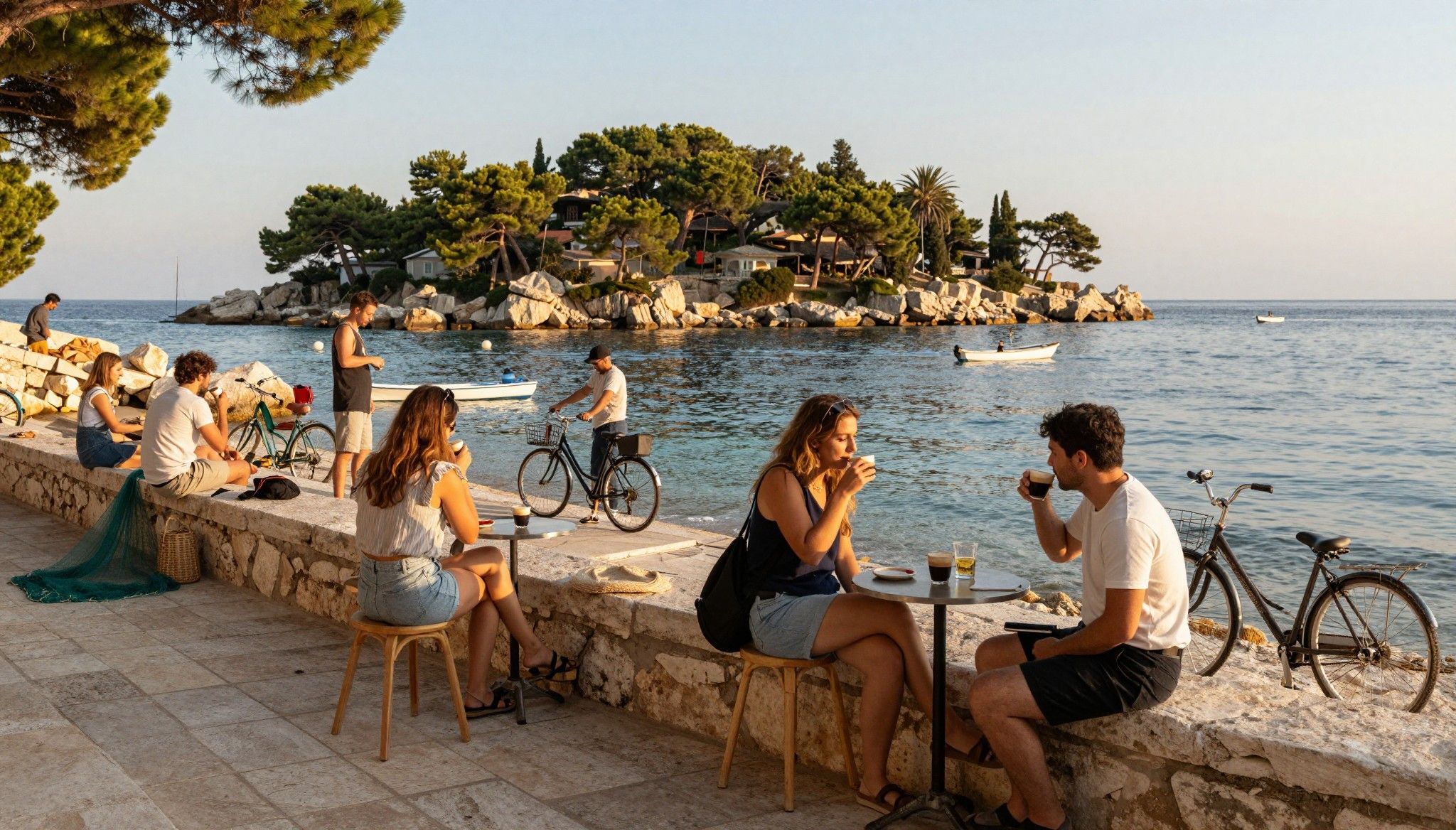
Greece is stitched from distinct daily rhythms: Athens hums with espresso-fueled mornings on Kolonaki lawns and late-night tavernas in Psiri, while islands like Naxos and Ikaria favour slow afternoons and market-based social life. The country’s seasonal swing matters—tourist summers reshape coastlines, while winters reveal the neighborhoods that are truly year‑round. Recent national housing indices show price growth has moderated from the rapid post‑crisis rebound, but location still dictates everything: coastal frontiers, island villages, and continental towns each offer a different lifestyle and price logic. For anyone imagining life here, taste the daily patterns—markets, coffee rituals, siestas and harvest festivals—and match that to the kind of home you want.
Athens & Attica: City light, island access
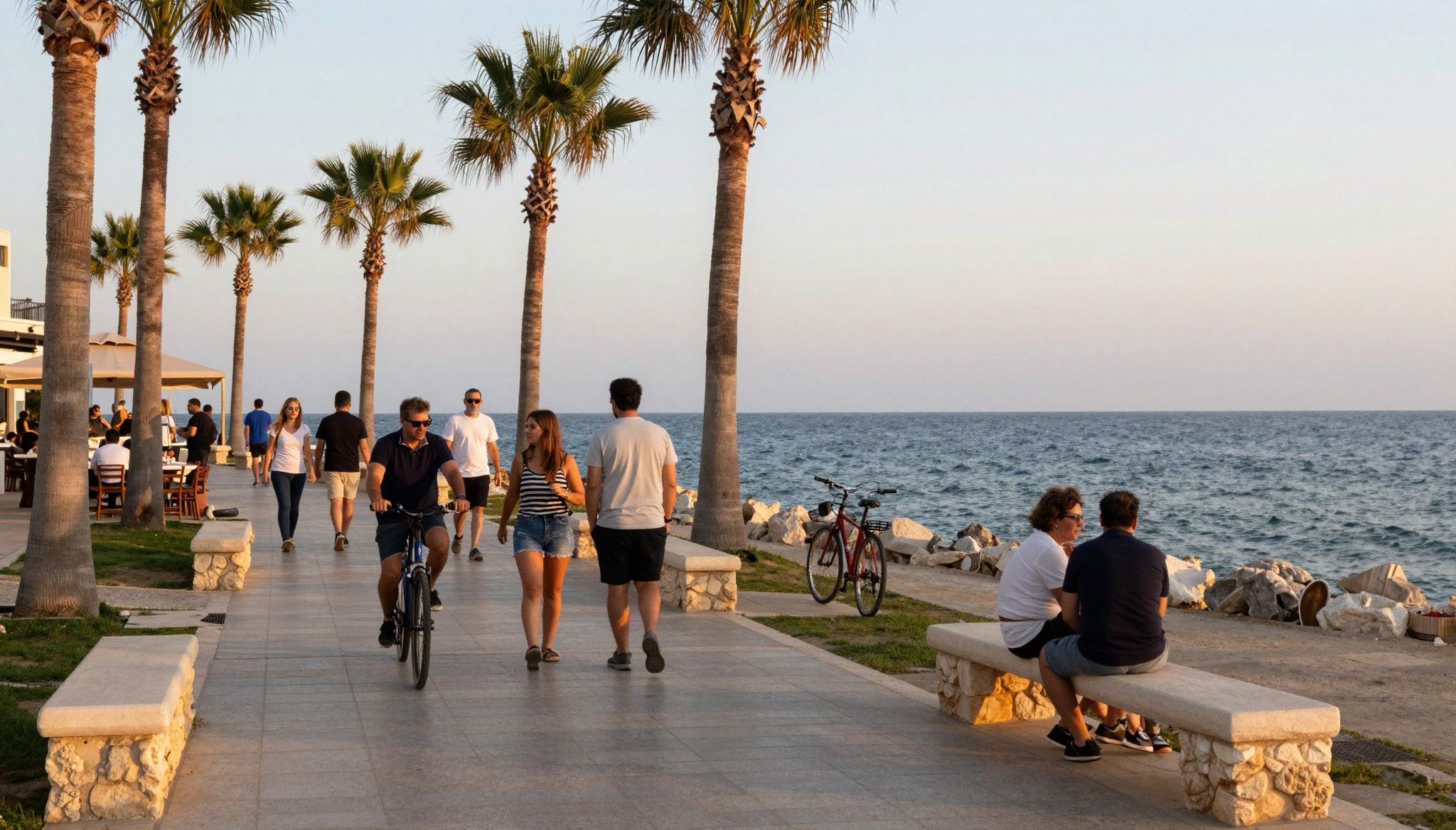
Walkable neighborhoods—Pangrati, Metaxourgeio, Exarchia—offer small parks, craft bakeries, and quick ferries to nearby islands. In Attica, new builds with green roofs and solar readiness have become prized because buyers want indoor comfort without giving up easy access to sea day‑trips. Life here blends urban conveniences with spontaneous coastal escapes; for many internationals, that hybrid freedom is the deciding lifestyle factor when choosing a district rather than a strict price per square metre.
Islands & Coasts: Slow time, intense seasonality
On islands like Chios, Naxos or the greener spots of the Peloponnese, mornings begin with fishermen and bakers, and afternoons drift toward olive groves and family tavernas. But summer’s tourist pulse can feel intense—cafes full, ferries booked—while off‑season months show the island’s true communal life. If you’re drawn to a village pace, prioritise properties with good insulation, rainwater capture or simple solar setups so the house supports living through the quieter months as gracefully as it does the high season.
- Lifestyle highlights to seek in Greek neighborhoods: Morning cafès with local rye pies (kouign‑style), weekly open markets for sea‑fresh catch, pedestrian streets with artisan workshops, community olive-press festivals, accessible walking trails to sea or mountain, and small grocers selling local cheeses and honey.
Making the Move: Practical Considerations That Support the Life
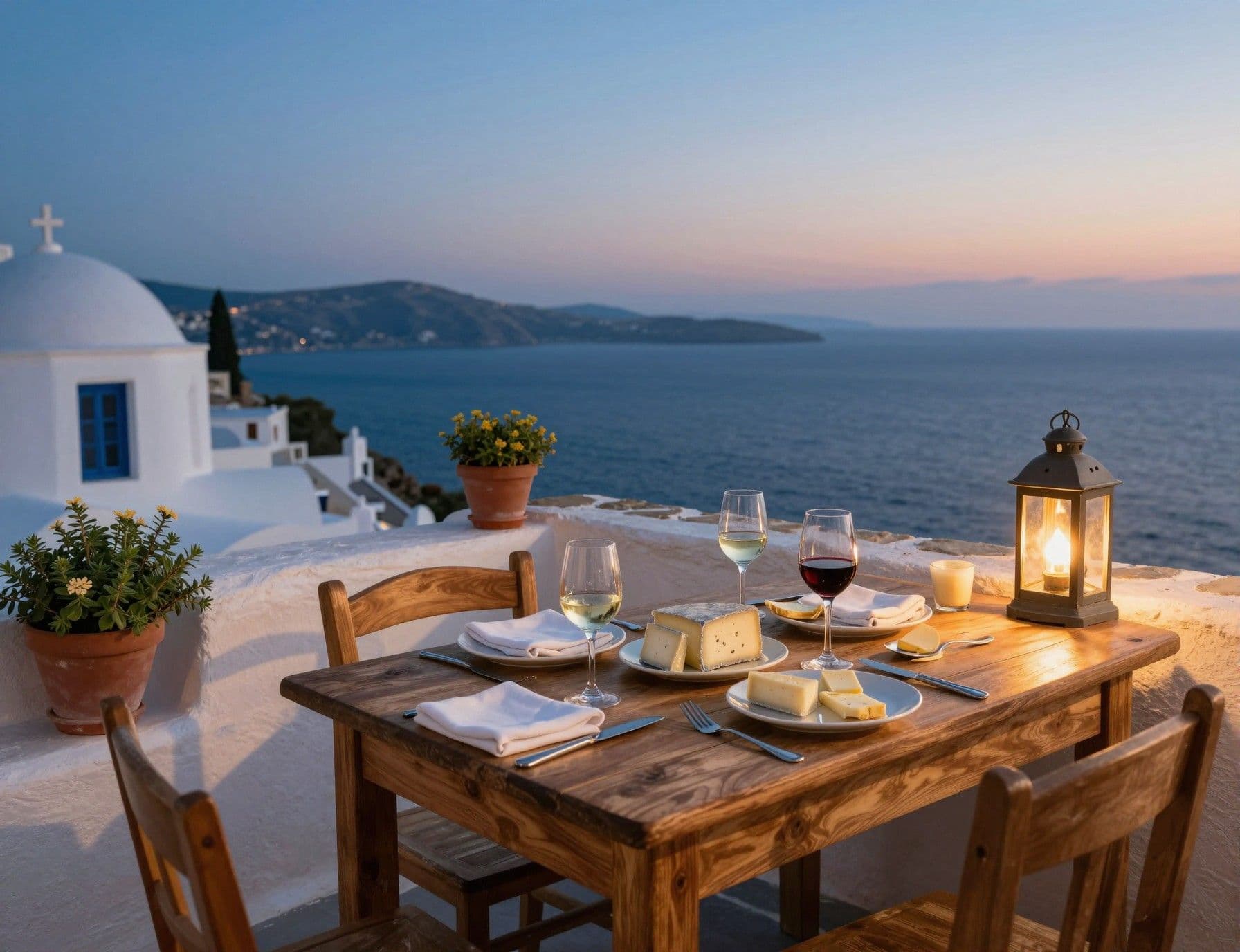
Your decision should start with lifestyle needs—do you want year‑round walking access to a market, or a summer retreat that sleeps through winter? Then bring in data: national indices and central bank releases show that while growth has cooled from the rapid rises of recent years, demand remains strong in well‑connected areas. That means two practical threads: choose a property whose construction and features match the seasons you plan to live there, and work with local advisers who can translate those seasonal priorities into the right neighbourhood and building type.
Property types & how they shape life
Stone village houses give thick walls and cool summers but often need sympathetic restoration for insulation and plumbing; modern apartments in Athens offer convenience and connectivity but less private garden; renovated neoclassical townhouses balance character and comfort if retrofitted with efficient heating and solar. Think beyond square metres: a south‑facing veranda, a cistern or rainwater tank, and space for a small kitchen garden will determine whether your everyday life feels integrated with the land or merely holiday‑adjacent.
Working with local experts who care about ecology
Choose agents and architects who understand traditional materials—stone, lime plaster, timber joinery—and who can advise on low‑impact retrofits: passive cooling, small photovoltaic systems, greywater reuse. A good local team will also point to craftsmen—carpenters in Mani, stonemasons in Epirus—who preserve character while improving comfort. That partnership is where lifestyle and stewardship meet: your home becomes part of a living landscape, not an isolated asset.
- Steps to align lifestyle with purchase (practical + lived): 1) Spend two separate visits—one in high season and one off‑season—to feel the rhythm; 2) Prioritise properties with simple renewable options (solar-ready roof, space for batteries); 3) Ask about local water sources and drainage—village cisterns or municipal supply; 4) Vet nearby services for year‑round life (doctor, groceries, school or reliable transport); 5) Ensure a local contact or property manager is available for off‑season maintenance.
Insider Knowledge: Expat Lessons, Seasonal Truths, Red Flags
Long‑time residents will tell you the single biggest surprise is seasonality: islands that feel vibrant in July can be nearly silent in January, changing rental prospects and handyman availability. Another common lesson is to value thermal comfort as much as views—insulation and reliable heating determine whether a house is joyful in all seasons. Finally, check utilities and planning history closely; properties with informal additions or ambiguous permits can be charming but costly to regularise.
Cultural integration and neighborhood etiquette
Learn a few phrases, attend local festivals and buy from the same market stall—these small acts open doors. In village Greece, reciprocity matters: neighbours expect you to participate in seasonal chores, from olive harvests to village clean‑ups. These customs shape how comfortable a place feels; they are the unseen amenities that rarely appear in listings but define daily belonging.
Long‑term lifestyle considerations
Think five to ten years ahead: will you need better year‑round transport, or will remote work reduce your commuting needs? Look for properties that can adapt—enough land for a small food garden, pre‑existing wiring for solar, and durable local materials that age gracefully. These choices preserve value and deepen your relationship with place, turning a house into a regenerative home.
- Red flags to watch for when an offer looks too charming: ambiguous ownership documents, houses without connection to municipal sewerage, properties in official flood or wildfire-prone zones, rarely‑used dirt tracks that block year‑round access, and sellers who refuse simple inspections or provide only verbal assurances.
Conclusion: If you love Greece for its daily rituals, choose a home that answers those rituals—shade and veranda for long lunches, good insulation for winter evenings, and space to grow food and friendships. Bring a local team who values traditional craft and ecological upgrades, and plan visits in different seasons before signing. When lifestyle and stewardship guide the purchase, your Greek home becomes a place that both breathes with the landscape and sustains the life you imagined.
Swedish advisor who left Stockholm for the Costa Brava in 2019. Specializes in sustainable, sea‑view homes for Scandinavian buyers and green finance insights.