Why Italy’s Renewable Regions Outshine the Riviera
Explore Italy through the lens of renewable infrastructure: where wind, sun and hydropower turn lifestyle promises into practical value for international buyers.
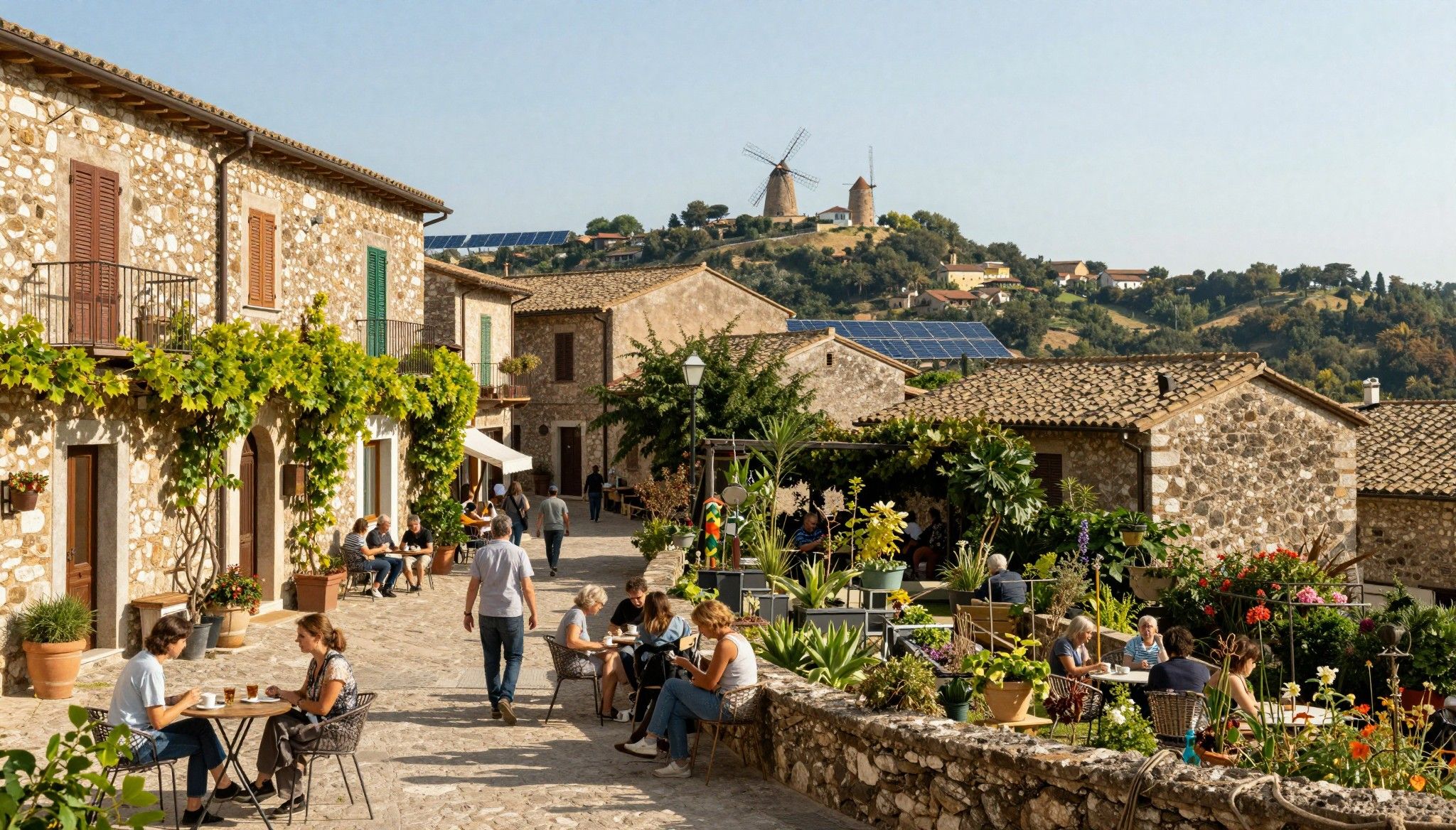
Imagine waking to the smell of espresso and wild rosemary, then stepping outside to a stone terrace warmed by morning sun and powered — at least in part — by the very hills that surround you. In Italy the romance of sunlit piazzas and coastal cliffs meets a quieter revolution: regions where renewable infrastructure already shapes everyday life. That shift is where the modern, eco‑minded buyer finds both deeper lifestyle value and clear practical advantages.
Living the Italy lifestyle — beyond postcards
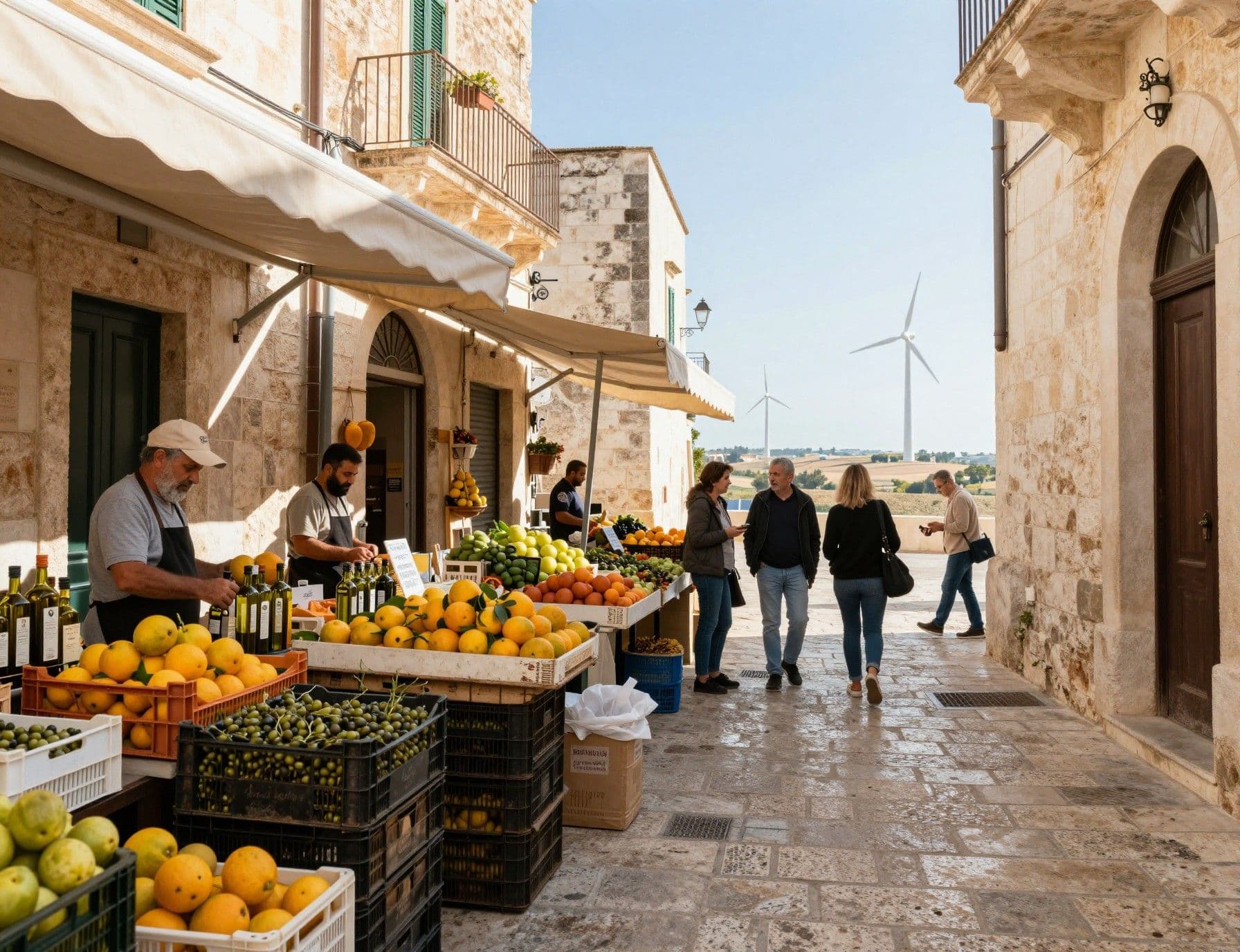
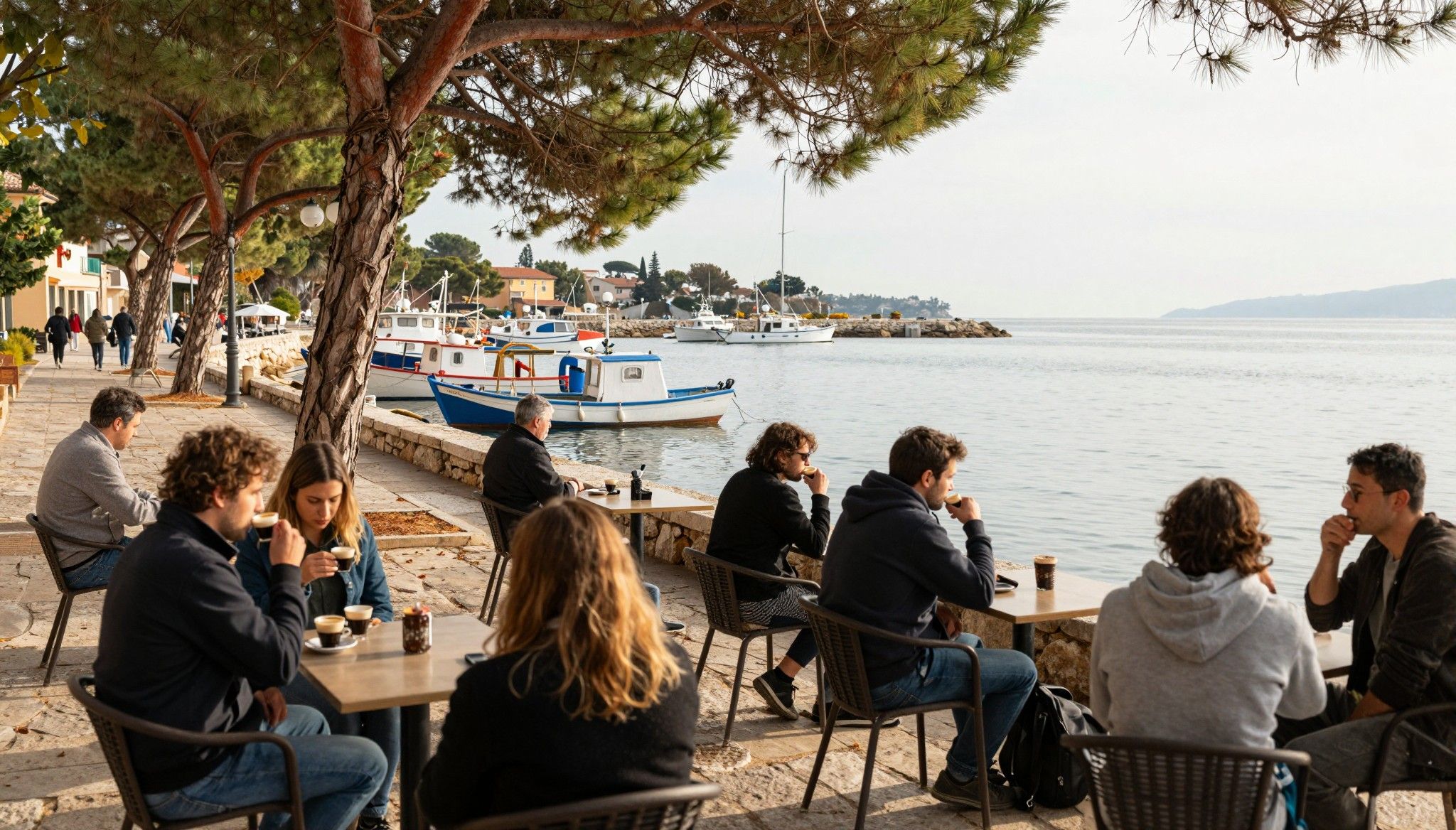
Italy’s daily rhythm still centers on espresso, market runs and evening passeggiata, but in many towns the energy behind those routines is changing. Regions from Puglia’s plains to Trentino’s valleys are integrating wind, solar and hydropower at scale — already visible in local infrastructure and price stability for residents. The European Environment Agency and national reports show renewables rising as a real influence on where and how Italians live, not just an abstract policy aim.
Spotlight: Puglia’s wind and quiet coastal life
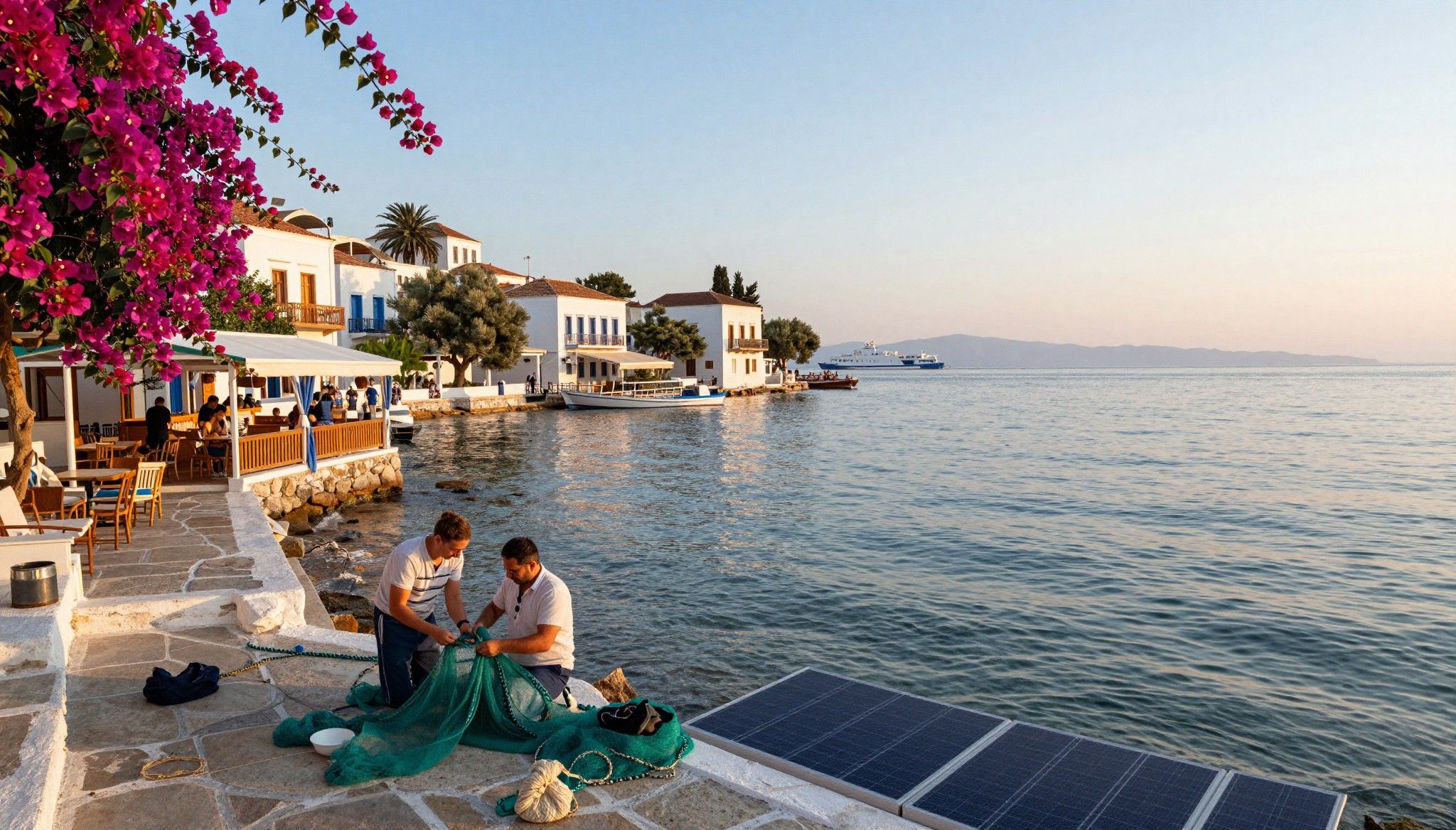
Picture Lecce mornings and olive groves where small towns hum with seasonal markets and slow seafood lunches. Puglia’s coastal towns pair that lifestyle with extensive wind and solar farms inland — meaning local administrations are increasingly investing renewable revenues into roads, restoration and community services. For buyers who prize low‑impact living and community resilience, these are neighborhoods where green infrastructure translates into livability.
Spotlight: Alto Adige/Trentino — alpine energy independence
High up in Trentino and Alto Adige the world feels different: crisp air, chestnut woods and towns that treat energy as local infrastructure. Hydropower and district heating projects give many mountain communities a remarkable degree of energy self‑reliance. The payoff for residents is quieter streets, predictable utility costs and more public investment focused on conservation and tourism that supports small‑scale, sustainable hospitality.
- Lifestyle highlights to look for while house‑hunting
- Morning markets: Mercato Centrale (Florence), Mercato di Testaccio (Rome), and fish markets along Genoa’s old harbor
- Seaside rituals: sunset aperitivo on Positano terraces or an evening walk at the Lido of Venice
- Green connection points: agrivoltaic farms in Tuscany, wind belts in Puglia, and mountain hydropower in the Alps
Making the move: practical considerations tied to green infrastructure
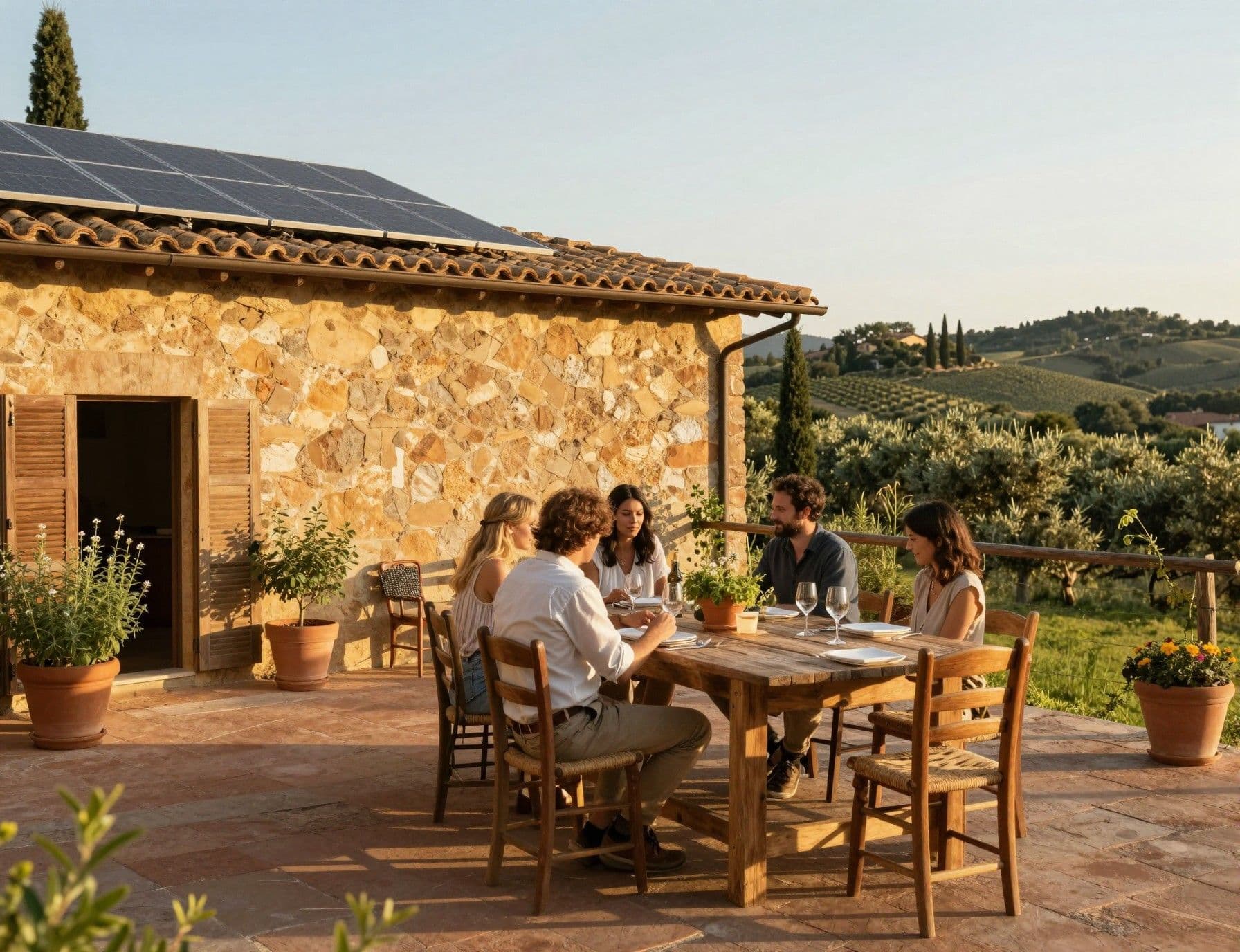
Lifestyle and infrastructure go hand in hand when you buy: a charming village with solar co‑ops can cost less long‑term than a glamorous seaside address that relies heavily on imported energy. Recent reports from OECD and market analyses note that regions investing in local renewables are seeing better energy resilience — a practical feature that increasingly matters to international buyers juggling travel plans and remote work.
Property types that benefit most from green infrastructure
A restored stone farmhouse with rooftop PV and thermal mass walls is more comfortable year‑round and cheaper to run than an equivalently sized seaside villa without insulation. Look for properties with passive sun orientation, thick masonry, integrated solar or heat‑pump systems, and water management (cisterns, greywater) — features that turn a beautiful house into a sustainable, low‑stress home.
Working with local experts who know both lifestyle and infrastructure
Choose agents and engineers who can read both the market and a wiring diagram. A local agency should introduce you to municipal planning officers, renewable installers and a notary familiar with green‑related incentives. That network saves months of confusion and helps you evaluate whether solar arrays are owned outright or part of a community scheme — a detail that affects running costs and resale.
- Checklist before making an offer
- 1) Confirm ownership and maintenance of renewable systems (panels, batteries, district heating).
- 2) Ask for energy bills or generation records for the past 2–3 years to estimate real running costs.
- 3) Check local zoning and any planned grid upgrades that may affect connection fees or future value.
Insider knowledge: expat realities and seasonal tradeoffs
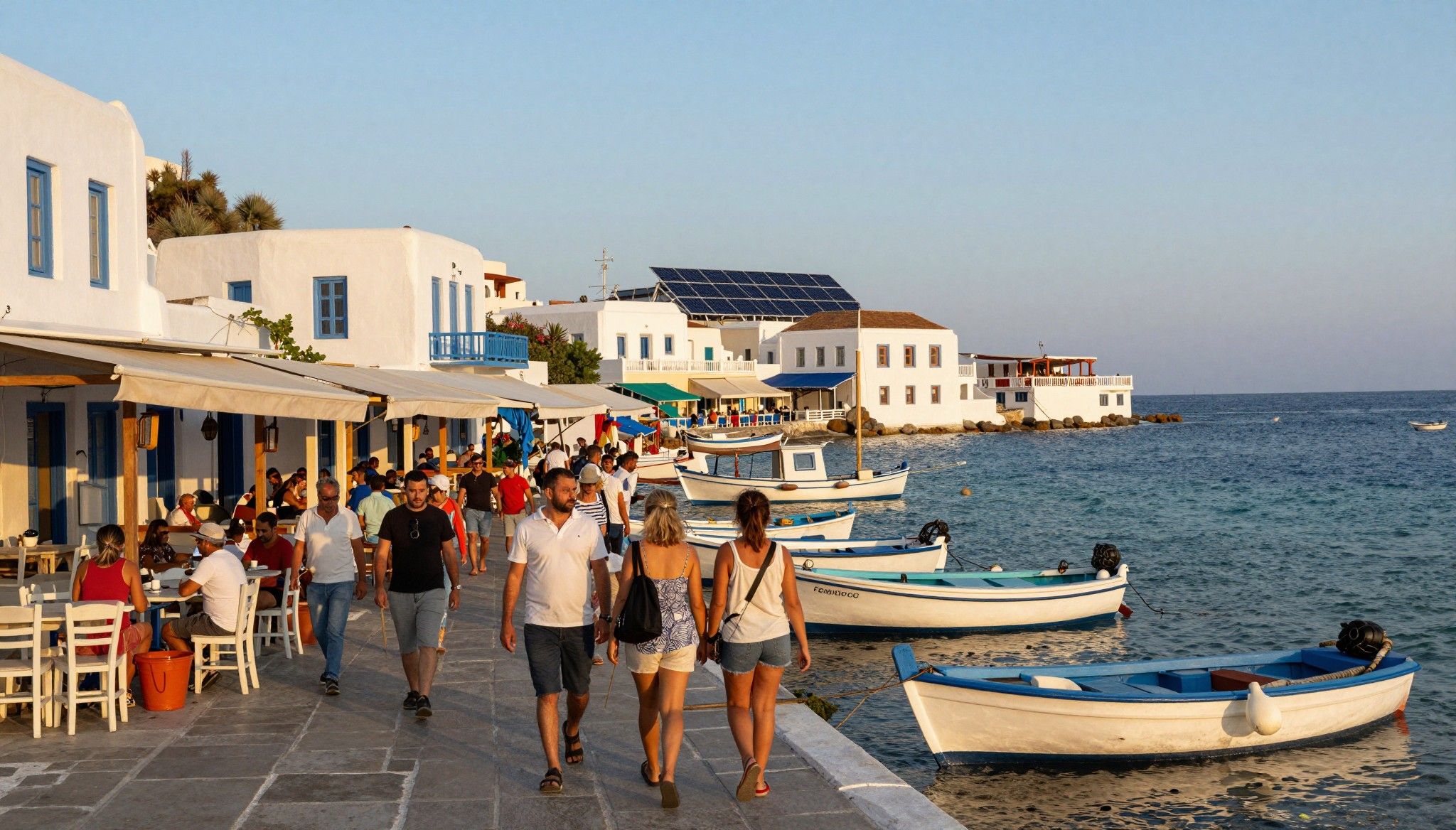
Expats tell us the same two truths: tiny practical details shape happiness, and seasons change what you want from a home. In coastal towns summer crowds and air conditioning costs can erode the doorstep bliss; in mountain towns, reliable district heating and low winter utility volatility can make winters very comfortable. Check local renewable penetration — it often predicts whether a community will reinvest in public life, schools and transport.
Cultural integration, language and community life
Learning a few phrases, joining the market on Saturdays, and signing up for local volunteer efforts (village repairs, olive harvests) opens doors. Green infrastructure projects are often community‑run or council‑driven — attend a town meeting and you’ll meet the people who decide how your street evolves. That social capital pays back in invitations, trust and practical support during renovations.
Longer view: how lifestyle evolves with stewardship
Buyers who invest in homes that respect landscape and infrastructure often find stronger long‑term value. Renovations using local stone, careful planting of native species, and modest on‑site generation reduce maintenance and align your home with the region’s future. Agencies that advise on stewardship rather than short‑term aesthetics will protect both your lifestyle and your asset.
- Final steps to make the lifestyle real
- Talk to a local energy installer as part of due diligence; confirm grant or tax incentives for PV or heat pumps.
- Visit across seasons: a short winter stay reveals heating needs, a late‑summer week reveals water and cooling realities.
- Choose an agent who introduces you to neighbours, installers and the mayor — those relationships shape a lasting life, not just a purchase.
If you want Italy for its light and food, choose regions where the infrastructure supports that life. The Riviera will always be beautiful; regions investing in renewables are quietly buying you back mornings full of peace, lower bills, and a stronger, more connected neighbourhood. Start by visiting a handful of towns where renewables are visible — Puglia, Trentino, parts of Tuscany — then ask the local agency to show you running costs, ownership of systems and community investments. Those conversations turn a dreamy holiday into a practical, sustainable home.
British expat who traded Manchester for Mallorca in 2017. Specializes in guiding UK buyers to luxury Spanish estates with clear navigation of visas and tax.