Malta's Rooftop Revolution: Solar, Sea and Tradeoffs
Malta combines honey‑stone life with a growing rooftop renewables scene; buyers should pair neighborhood dreams with inspections, permit checks and local green schemes.
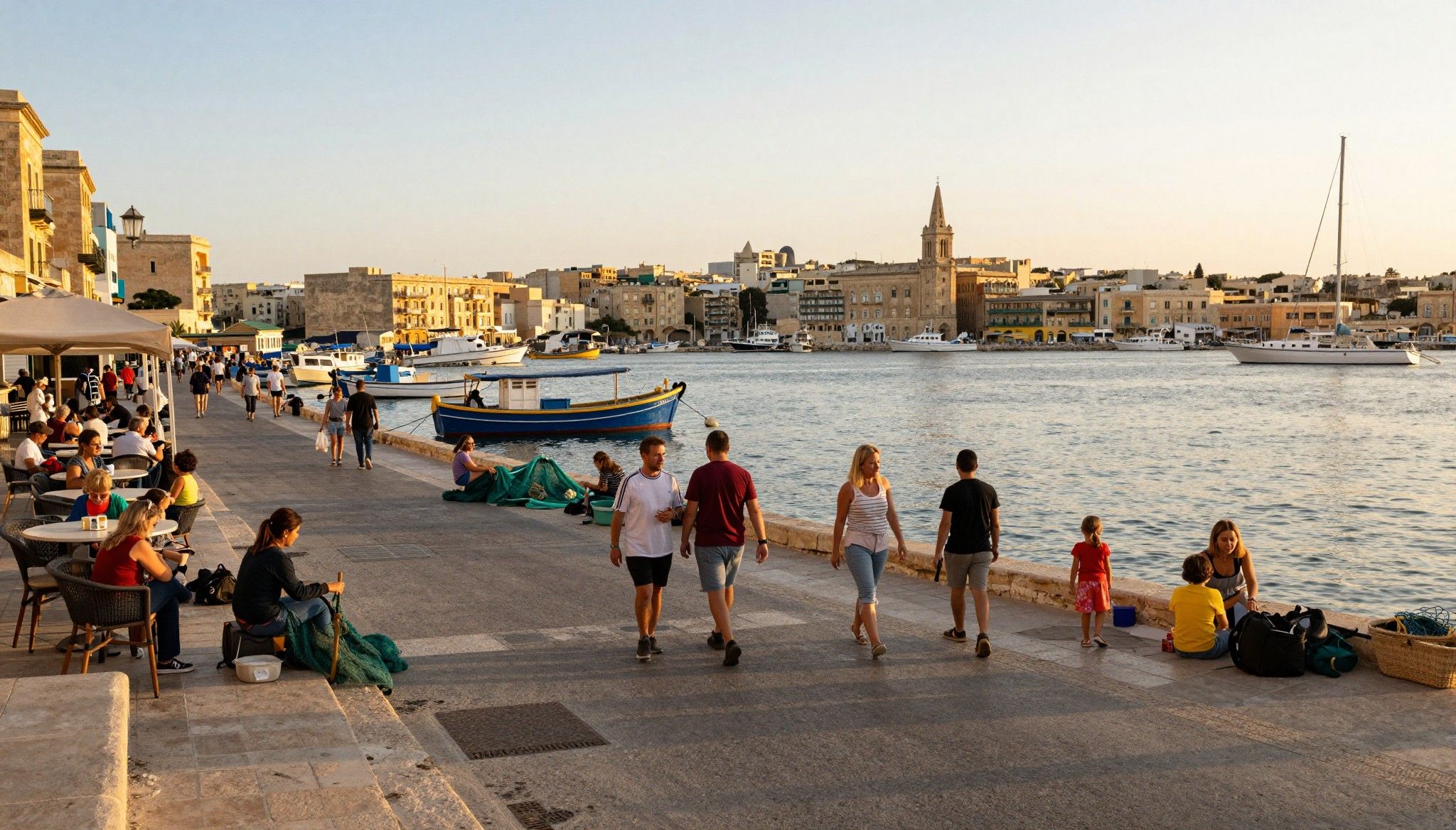
Imagine waking to a lemon tree scent drifting through a shuttered Pallazzo window in Senglea, then walking five minutes to a café where fishermen barter over the morning catch. Malta lives in layers: honey‑coloured stone and cobalt sea, late‑night festas and quiet weekday markets. For international buyers drawn to green living, the surprising pulse beneath the sun—rooftop solar, small‑scale renewables, community schemes—matters as much as the view.
Living Malta: the sensory, seasonal life
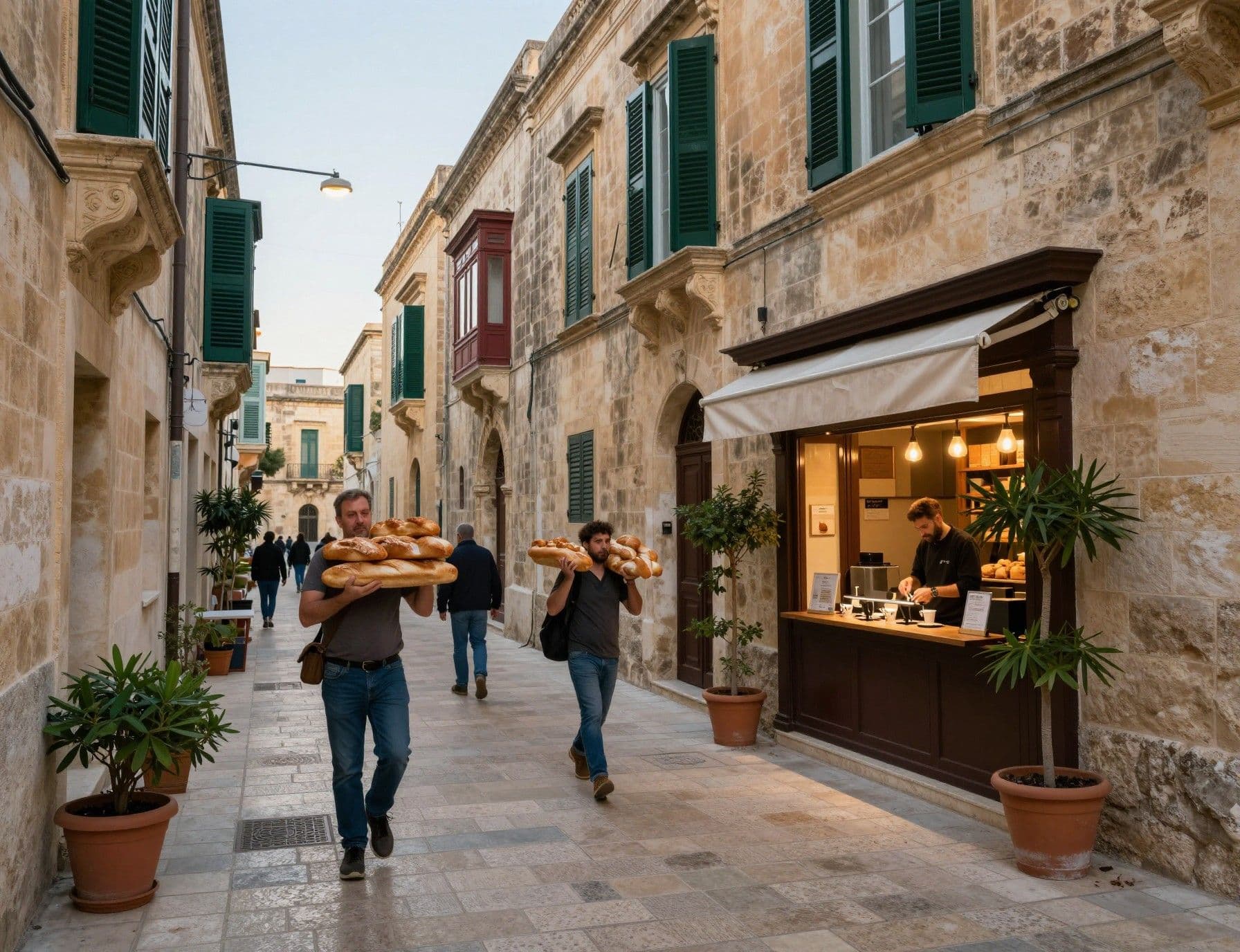
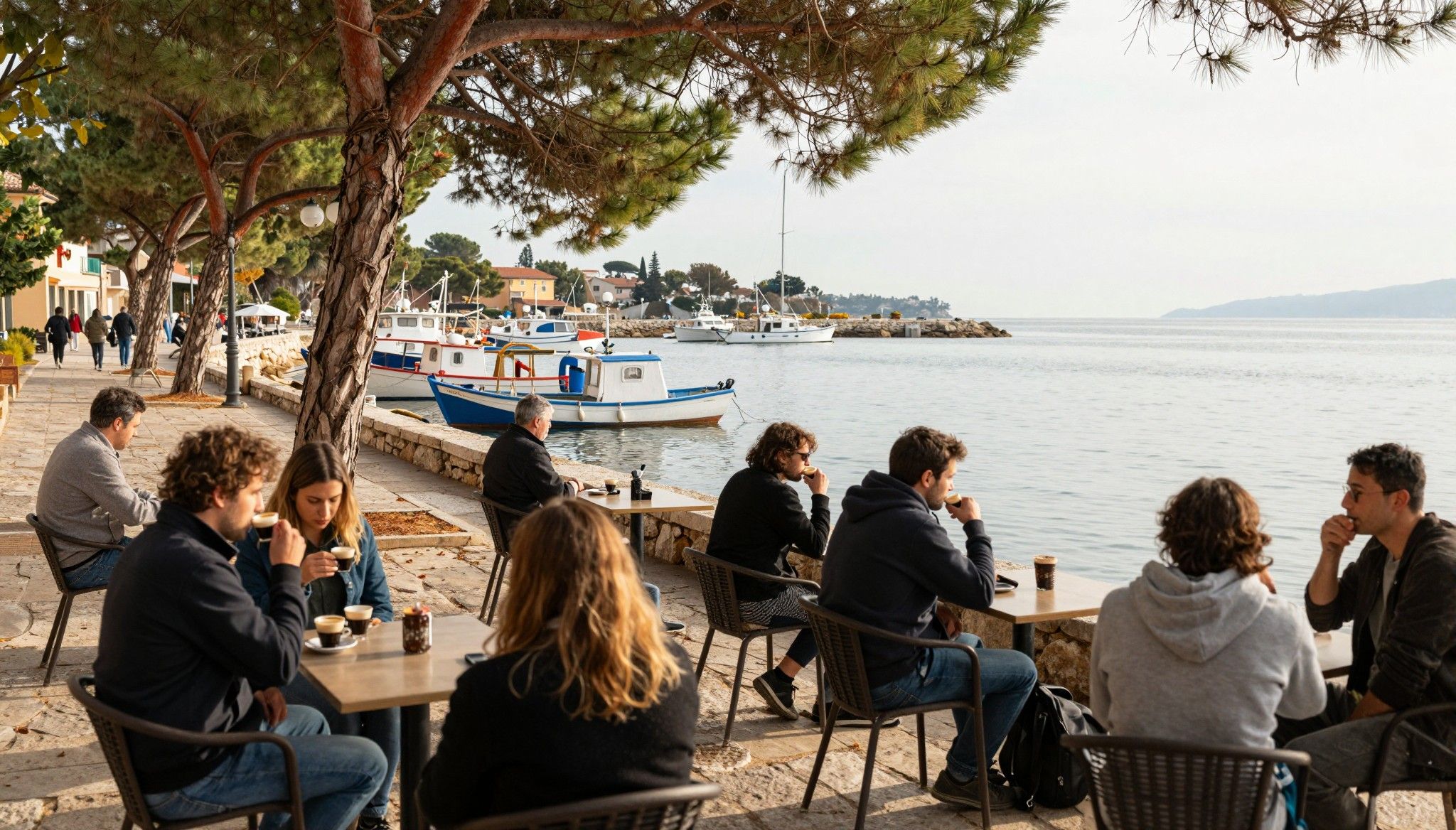
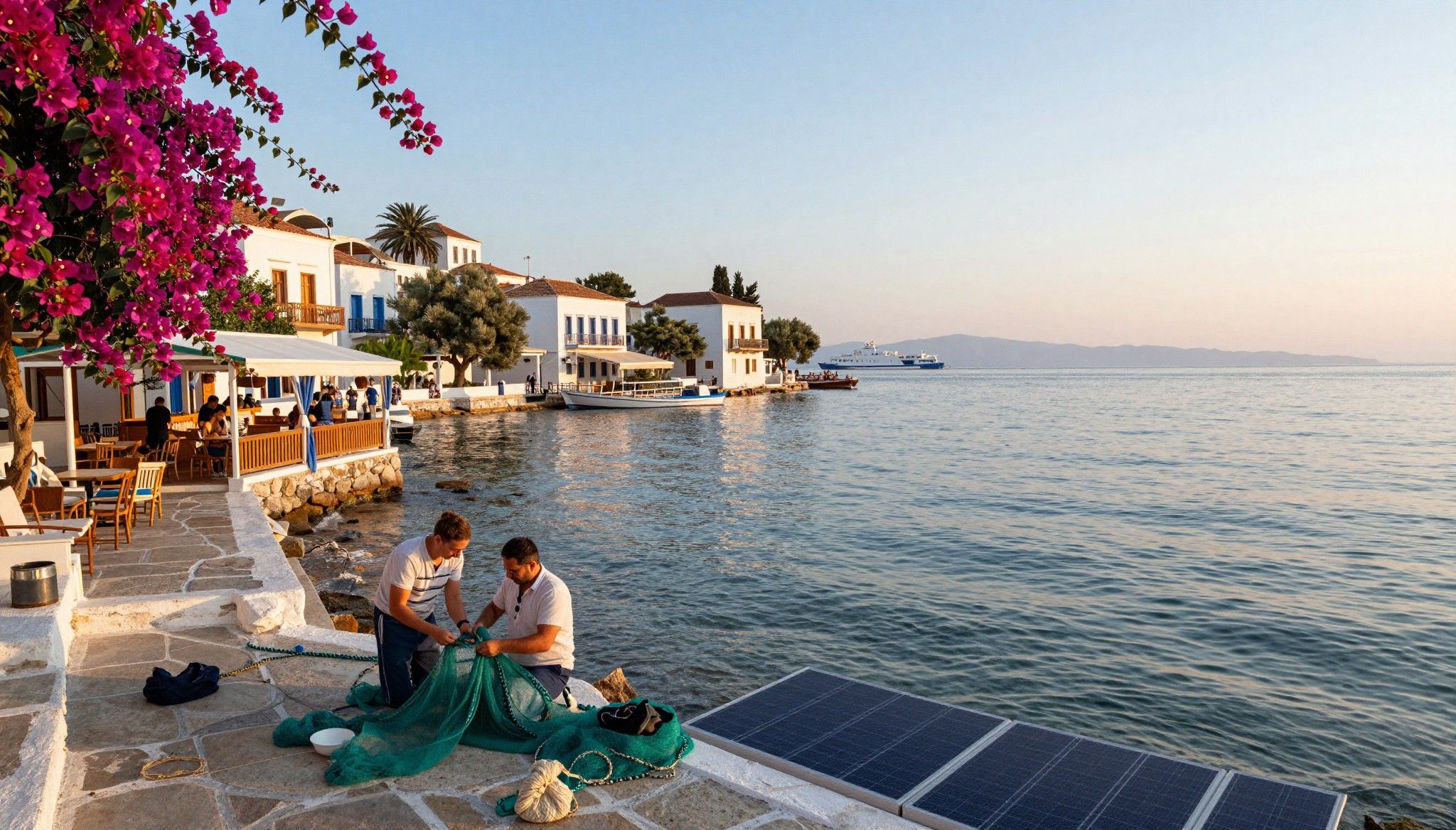
Daylight here shapes routines. Winters are mild and honeyed; summers bring high, luminous skies that linger late into the evening. Streets in Valletta, Sliema and St Julian's hum with espresso cups and laughter; inland villages such as Mdina and Zebbug hold slower rhythms—neighbours pruning bougainvillea, small orchards and stone courtyards. This sun and sea combo also creates a practical advantage: plentiful solar hours and outdoor living that reduces heating needs and invites low‑impact design.
Neighborhood lens: Valletta, Sliema, and the quieter north
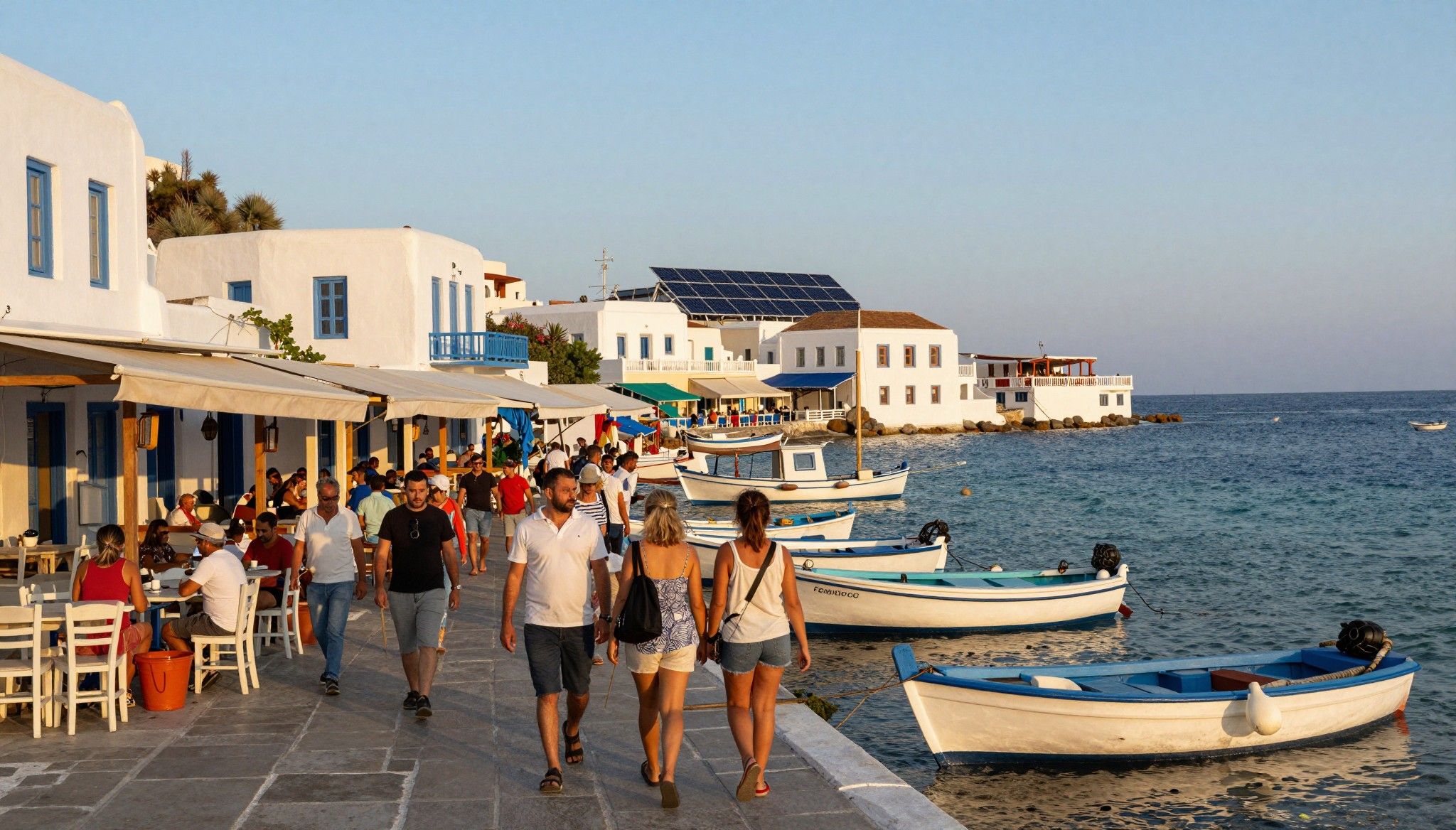
Valletta is theatre and stone—tight streets, heritage façades and cafés where language mixes Maltese and English. Sliema and Gżira trade history for promenade energy: boutiques, co‑working spots, and terraces with harbor views. Head north to Mellieħa for wide beaches and a near‑rural pace; the village of Marsaxlokk still lives by dawn fish sales and harbour light. Each area offers a different dialogue between home and environment: rooftop terraces in Sliema, internal courtyards in Valletta, garden plots up north.
Food, markets and the daily rituals that root you
Picture Saturday at Marsaxlokk market: tomatoes stacked like little suns, local gbejna (cheese) sellers and a fisherman’s line‑caught amberjack. Weeknight dining is simple and local—rabbit stews, ftira bread, and plenty of fish—paired with wines from nearby Gozo and Sicily. For green‑minded buyers, the abundance of small producers means local sourcing is easy: many buyers cultivate balcony herbs, keep composting routines, or join community gardens on the island.
- Lifestyle highlights to preview before you buy: Valletta theatre nights, Sliema promenade walks, Mellieħa bay swims, Marsaxlokk Sunday market, Mdina evening silence, Ta' Qali craft workshops.
Making the move: green infrastructure and property realities
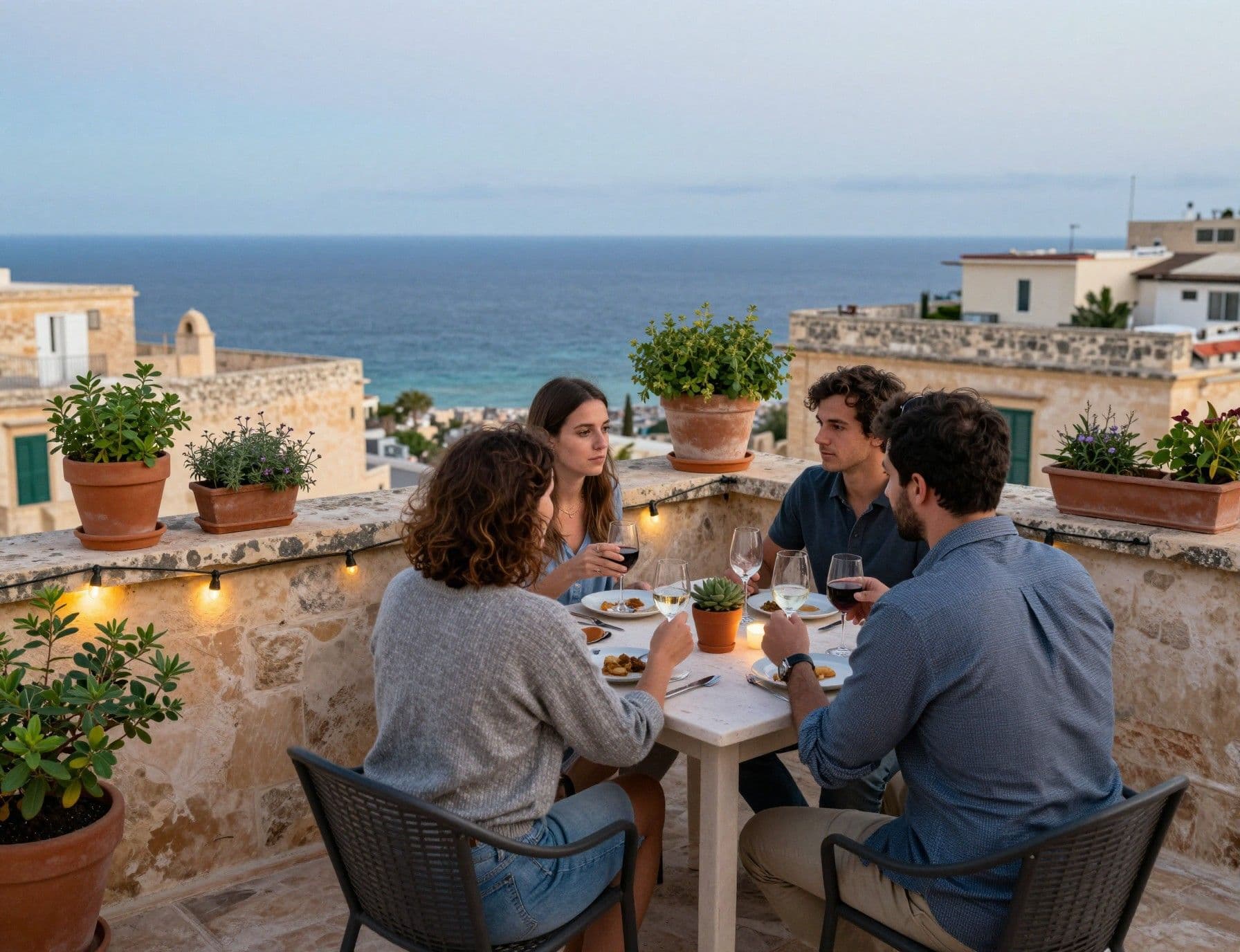
The dream of Mediterranean living is real—but so are market dynamics. Malta’s property indices show steady price growth in recent years, which affects where green buyers can gain space for installations like PV or water harvesting. Bringing lifestyle into balance with infrastructure means looking beyond prettified listings: ask whether a rooftop is structurally suitable for panels, whether local planning permits retrofit work, and whether the microclimate favours rainwater capture.
Property styles and what they mean for sustainable living
Apartments in converted townhouses offer cool, stone‑walled interiors that naturally reduce cooling loads but often limit rooftop access. Newer developments in smart suburbs may support PV and batteries, while farmhouse‑style maisonettes with gardens let you pursue permaculture or graywater gardens. When you imagine life in a Maltese home, think about the relationship between the building type and the green upgrades you value.
Why a local expert matters: agencies that bridge lifestyle and compliance
- 1. Survey a rooftop and structural report before bidding. 2. Check with the Energy and Water Agency or local council about PV subsidies and permit rules. 3. Ask sellers for recent electrics, insulation and damp‑proofing records. 4. Factor in seasonal utility use—air conditioning in August can spike demand. 5. Choose an agent familiar with conservation zones if you’re in Valletta or Mdina. 6. Consider neighbours’ attitudes—community acceptance can speed approvals.
Insider knowledge: myths, tradeoffs and expat truths
Two myths to bust: first, Malta is 'too small for renewables'—in fact, rooftop PV, solar water heaters and small storage projects are growing and government schemes have supported household uptake. Second, 'stone houses can't be green'—traditional Maltese stone keeps interiors cool and adapts well to passive strategies when paired with insulation and shading. The tradeoff is procedural: historic areas often require conservation permissions that add time and nuance to retrofits.
Cultural and practical notes from expats who stayed
Expats say the fastest way to feel local is by accepting Malta’s rhythm: late lunches, festas that close streets for a night, and neighbours who trade produce and stories. English is widely spoken, which eases integration, but local councils run the practicalities—parking permits, waste collection schedules, and small‑scale planning rules—so patience and a friendly approach go far.
How lifestyle evolves after you move
Six months in you’ll trade weekend list‑making for local routines: a favourite fishmonger in Marsaxlokk, a morning walk around the Upper Barrakka Gardens, or an allotment patch where you grow basil and tomatoes. Your home’s green upgrades—solar water heater, efficient shutters, a battery or rain barrel—become less of an expense and more of a texture of daily life.
- Red flags to watch for when buying in Malta: misleading rooftop access claims, missing structural certificates, properties inside conservation zones without clear permit history, electrical systems not upgraded for PV, and unclear ownership of communal spaces.
- 1. Commission a structural and electrical inspection. 2. Request seller documentation on past permits and energy upgrades. 3. Speak with local council planning officers about intended works. 4. Get at least two quotes for PV/battery installation to budget accurately. 5. Meet neighbours—community buy‑in matters for visible green upgrades.
Malta offers an intimate, sunlit life where stone, sea and social rhythms create a rich setting for low‑impact living—if you pair romance with practicality. Begin by visiting neighbourhood markets, measuring rooftops, and asking local agencies about subsidies and permit pathways. That small extra step turns a holiday feeling into a durable, green everyday life.
Next steps: schedule a rooftop inspection during a site visit, bring a local agent who understands conservation constraints, and ask agencies to model annual energy savings from PV and passive upgrades. Fall in love with the light—but close with a plan.
Dutch property strategist who helped 200+ families find sustainable homes in southern Europe; expert in legal pathways and long-term stewardship.