Malta: Streets, Roofs and the Quiet Green Shift
Malta offers sunlit, compact living with growing renewable infrastructure; buy where roof access, retrofit potential and community greening align with your lifestyle and long‑term costs.
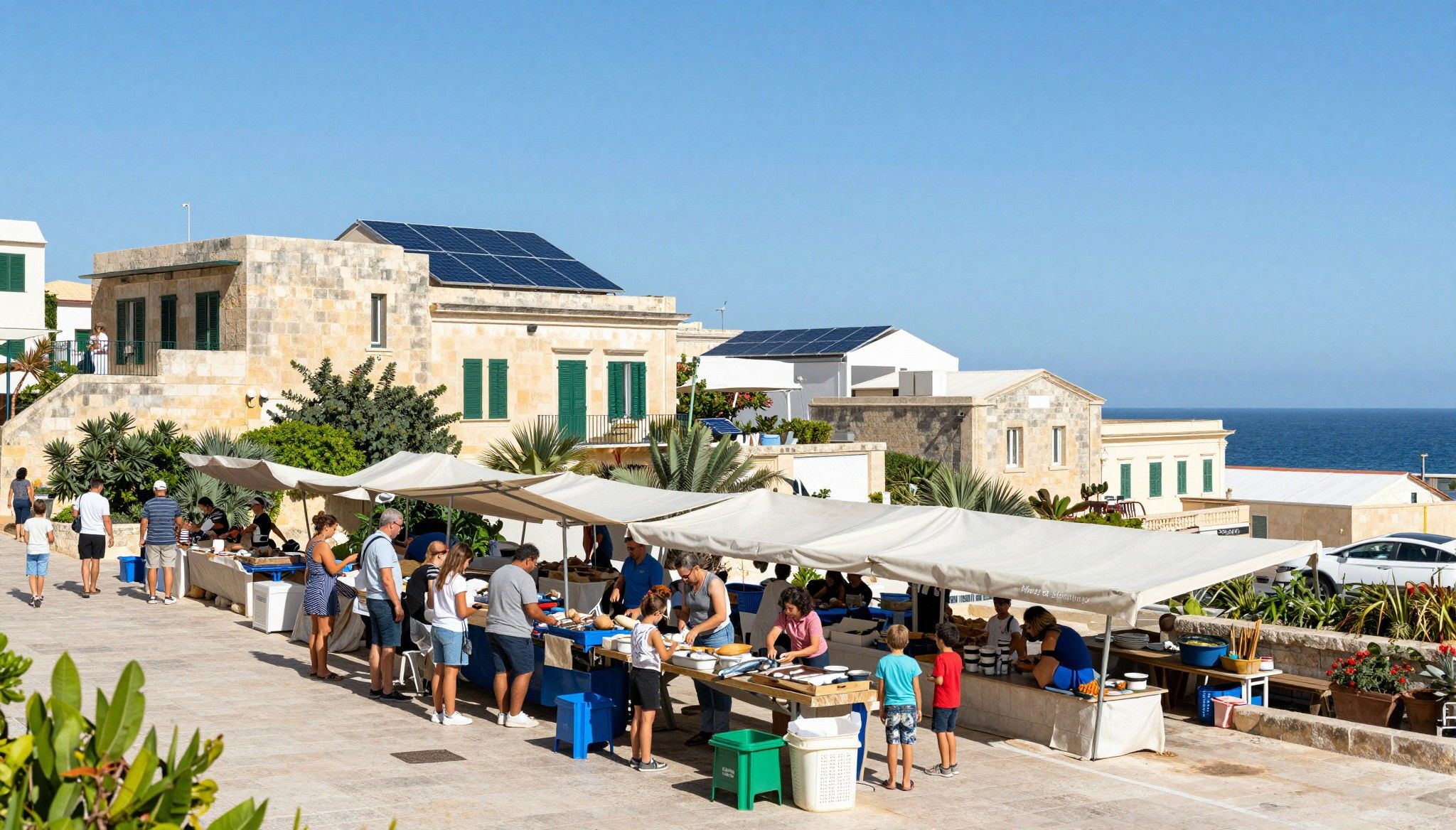
Imagine waking to narrow limestone streets warmed by the first light, the timer on a rooftop solar inverter quietly logging another sunny hour. In Malta the rhythm of life moves at Mediterranean pace — espresso at a corner cafe, late afternoons on a pebble beach, neighbours who know one another by name — and increasingly, the infrastructure beneath that life is changing too. For international buyers drawn to sustainable living, Malta offers an intimate, sunlit canvas: compact towns, historic homes ready for gentle retrofit, and a growing green infrastructure that quietly reshapes what home ownership looks like here. This piece blends day‑to‑day atmosphere with practical, research‑backed advice so you can fall in love — and buy wisely.
Living Malta: limestone lanes, sea air and slow mornings
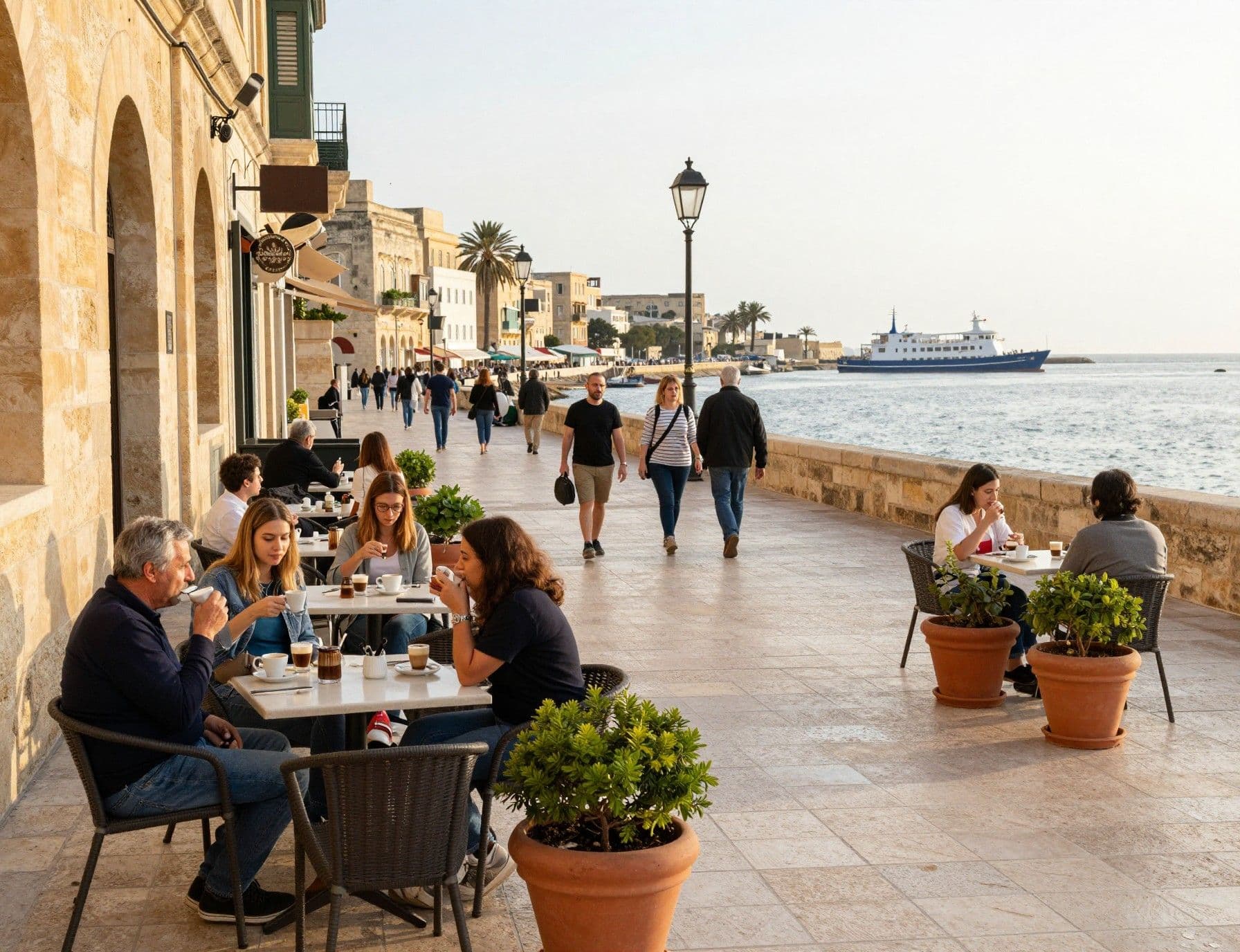
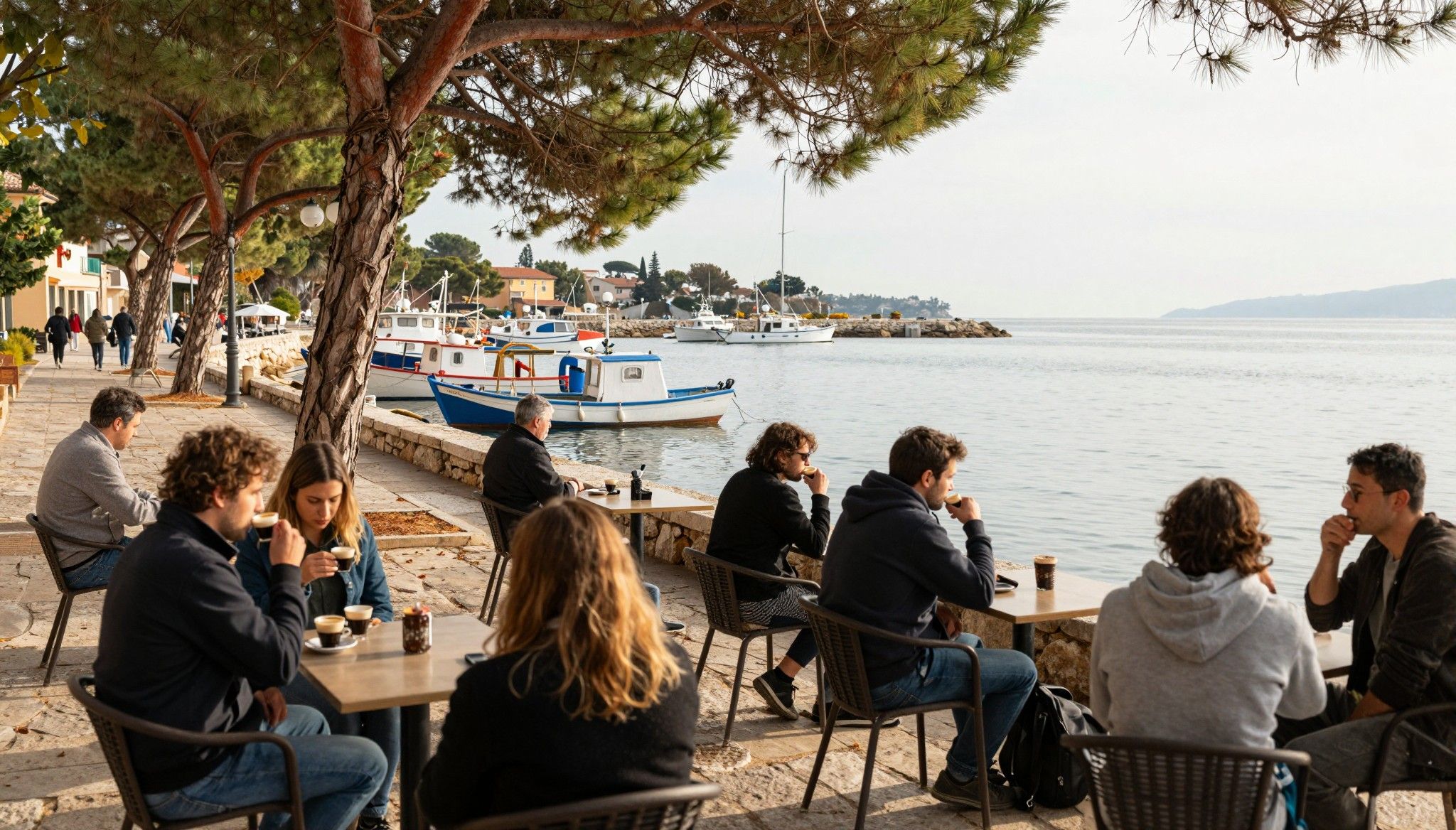
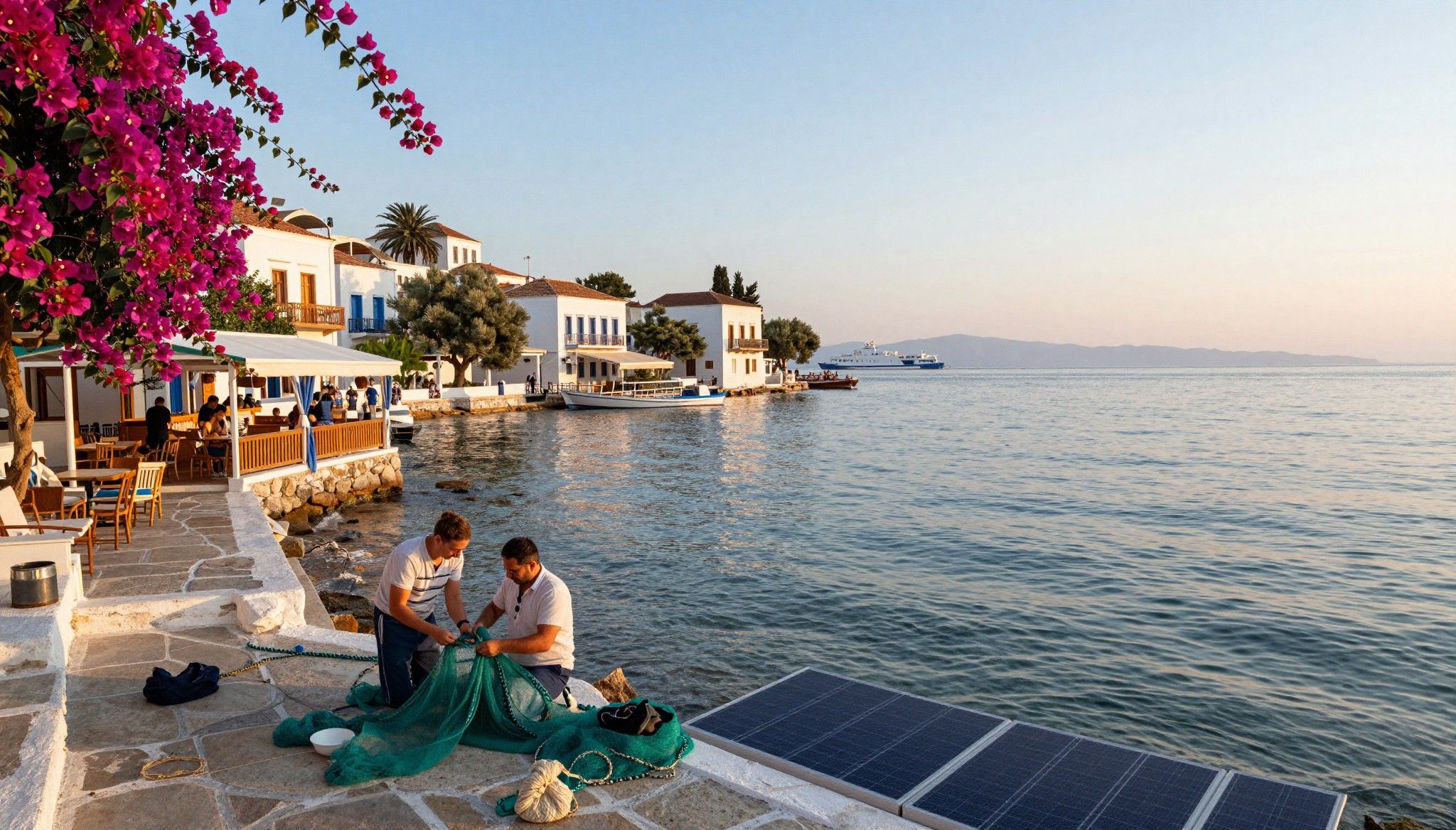
Stroll through Valletta at dawn and you’ll feel the city’s heartbeat: fishermen repairing nets, baristas pulling the first ristretto, and honey‑light reflecting off honey‑coloured stone. Malta’s scale means everything is close — Sliema’s waterfront cafe life and Gżira’s waterfront promenades sit a short drive from quiet villages like Għarb in Gozo, where mornings are for goats and gardens. That closeness changes how you live: smaller gardens, rooftop terraces, and an appetite for outdoor rooms where plants, birds and neighbours meet.
Valletta & The Three Cities: history, harbour light and community edges
Valletta and the Three Cities (Birgu, Senglea, Vittoriosa) are the islands’ heartbeat: narrow alleys, roof terraces, and harbour views that change colour with the day. Recent public realm projects and community greening initiatives have started to reclaim derelict spaces into pocket gardens and social squares, making inner‑city living greener and more livable. For buyers who love history with a side of neighbourly street life, these quarters deliver sensory richness — and an opportunity to invest in sympathetic retrofit rather than sterile replacement.
Sliema, St Julian’s & Gżira: cafes, co‑working and coastal terraces
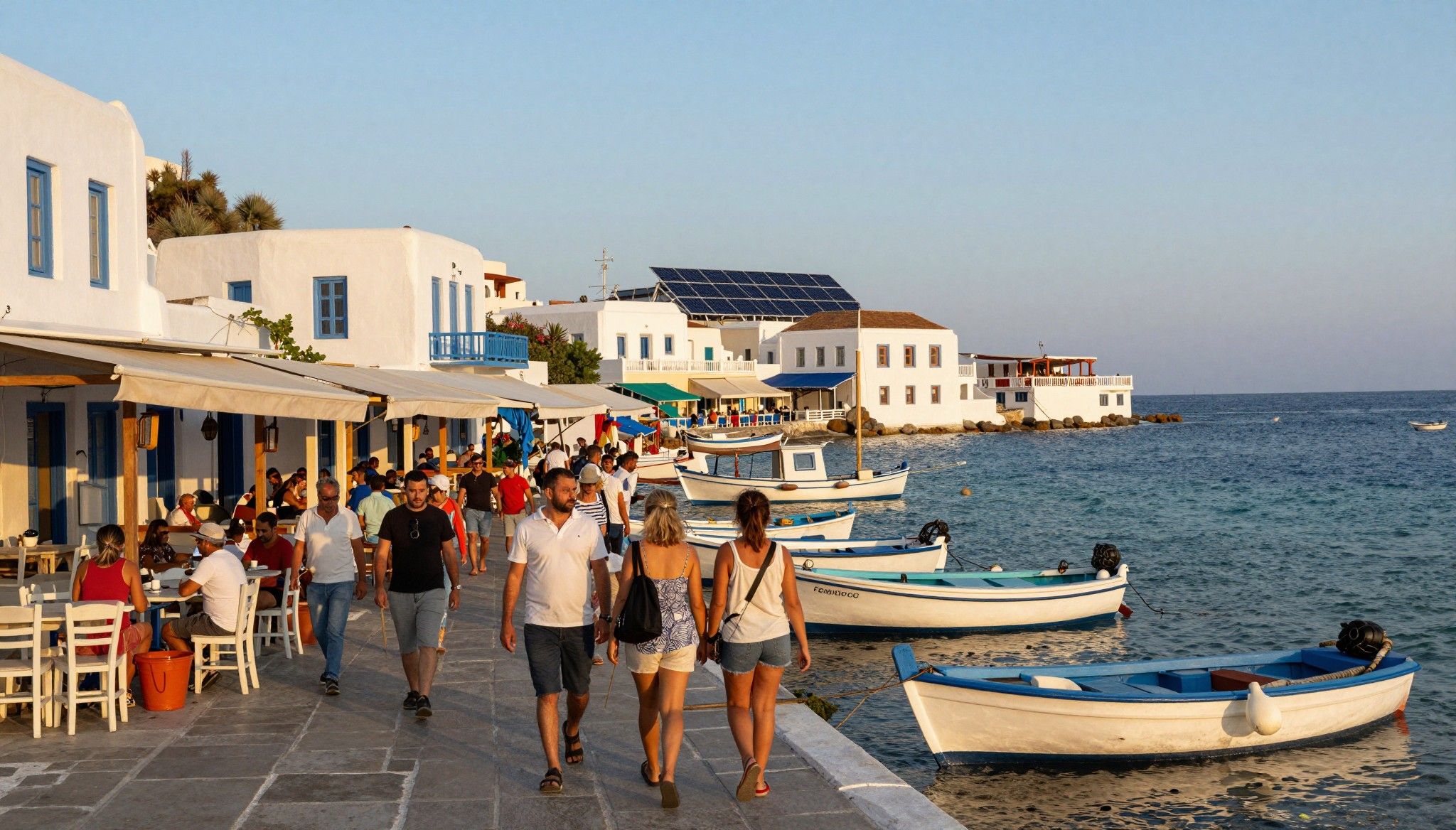
If you prefer a livelier tempo, Sliema and St Julian’s offer a mix of promenade living, international dining, and co‑working hubs where remote work meets sea views. Apartments with terraces and small planted roofs are common, and many expats choose this belt for its bilingual services and everyday conveniences. For green‑minded buyers this area balances social life with practical retrofit potential — think energy‑efficient glazing, compact PV arrays on communal roofs, and planted balconies that cool apartments naturally.
- Sunlit lifestyle highlights: Valletta’s morning espresso on Republic Street; Marsaxlokk fish market at sunrise; a quiet picnic at Għadira Bay; rooftop dinners in Sliema watching the harbour light; community gardens created by Project Green in Mellieħa.
Making the move: how Malta’s green infrastructure shapes where you buy
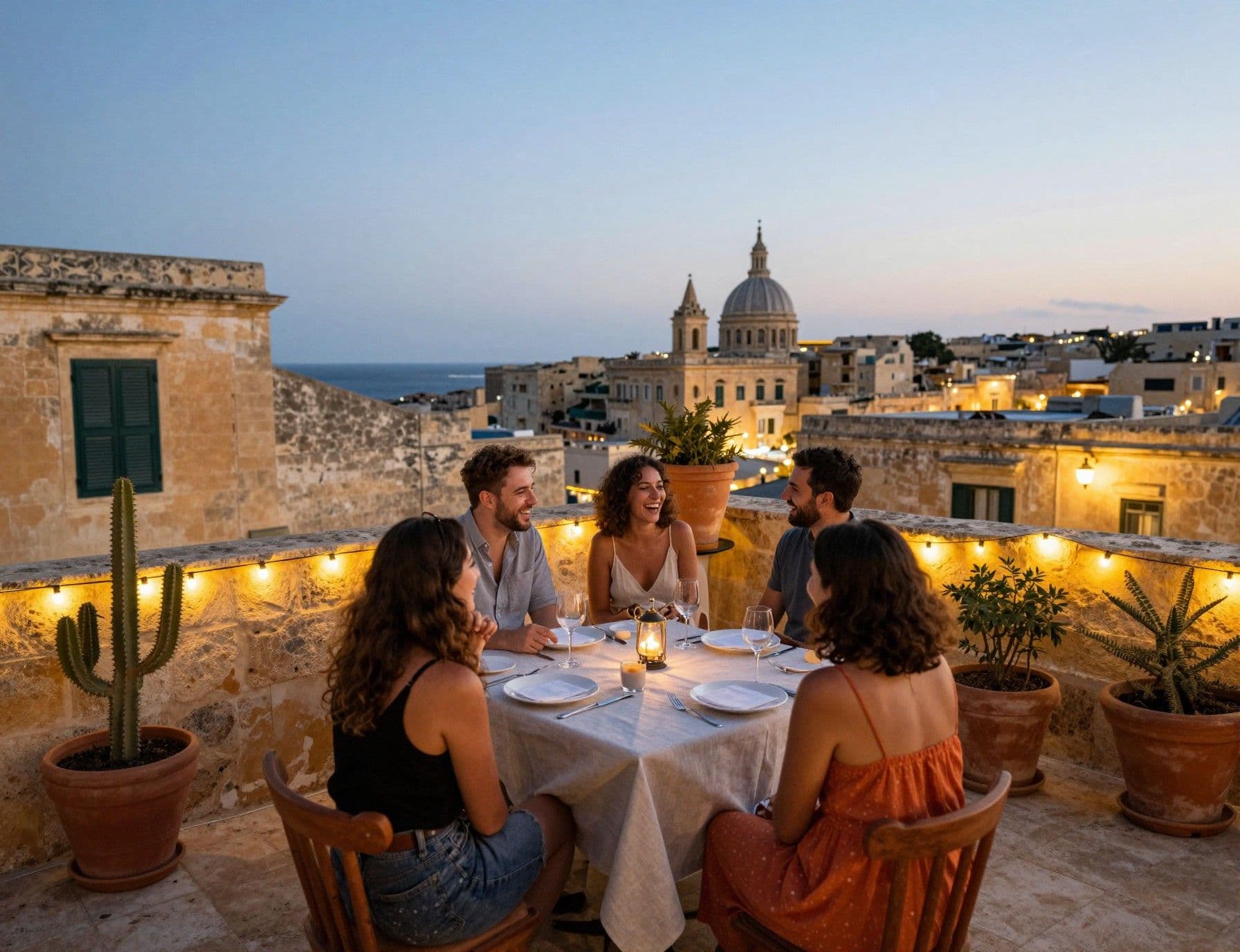
The practical side is clear: Malta’s renewable sector is growing but still maturing, and the islands’ compactness means rooftop solutions and local micro‑grids matter more than sprawling solar farms. Government figures show renewable generation climbing — and property prices have continued to rise, with the Residential Property Price Index up in recent quarters. For buyers this means evaluating roofs, communal areas and local infrastructure as part of your lifestyle checklist — not just the view.
Property types that fit the green life
Traditional limestone townhouses, converted mills and modern apartments each have different green potentials: townhouses reward passive measures (thick walls, shaded courtyards), while apartments benefit most from shared solar and communal efficiency upgrades. Gozo’s stone cottages are perfect for rainwater harvesting and native gardens, but check access and insulation before you buy. Think about how you want to live: dinners on a small terrace? A planted roof? A home office with natural light? Those choices influence which property style will truly feel like home.
Working with agencies who understand green outcomes
- An agent who speaks both green and local will save you time. 1) Ask about past retrofit projects they’ve handled and see before/after photos. 2) Request energy‑use histories for apartments and communal areas. 3) Confirm roof ownership and any restrictions on PV installations. 4) Discuss local contractors who specialize in lime‑based repair and low‑impact landscaping. 5) Verify access to EV charging infrastructure or plans for it in the building.
Insider knowledge: small facts that make big lifestyle differences
Real‑talk from expats: the sun is generous, but roof ownership, building regulations and communal consensus often determine whether you can actually add panels or a green roof. Community greening efforts and EU‑backed investments are improving urban open spaces and active travel — meaning neighborhoods you buy into today may look greener and more walkable a few years from now. Small details matter: south‑facing windows, a neighbour willing to share roof access, or a local council with an active greening programme can shift both your lifestyle and your long‑term bills.
Cultural and seasonal realities
Malta’s seasons are defined more by rhythm than extremes: hot, dry summers for sea life; mild, occasionally stormy winters for restorative indoor months. Festivals — from village festas to Valletta’s arts season — punctuate social life and can be the moment you find neighbours and networks. Language is a gift: English is widely spoken, which eases bureaucracy and community integration for many buyers, but taking time to learn Maltese unlocks deeper local connections and stewardship opportunities.
- What expats wish they’d known: 1) Roof access is often shared — check ownership early. 2) Thick limestone walls are energy‑smart but need sympathetic retrofit. 3) Small gardens are precious — embrace potted, drought‑tolerant planting. 4) Local councils sometimes fund greening — ask before you spend. 5) Rental demand is high in central belts — consider dual use if you travel seasonally.
The data to watch: Malta’s property price index has shown steady quarterly growth in recent reporting, and the Energy and Water Agency documents an expanding renewable share — evidence that lifestyle demand and green infrastructure are both influencing market dynamics. Use these signals to prioritise properties with retrofit potential or access to communal sustainable upgrades, rather than chasing short‑term view premiums. Buying with an eye to energy performance both protects monthly costs and aligns your home with Malta’s slow pivot toward a cleaner grid.
- Steps to act (practical next moves): 1) Visit in shoulder season to feel everyday life rather than tourist peaks. 2) Ask agents for energy bills and roof ownership documents before making offers. 3) Hire a local surveyor experienced with limestone and traditional details. 4) Explore local grants or council programmes for greening or PV installation. 5) Plan modest, high‑impact retrofits (insulation, shading, PV, rainwater capture) rather than radical rebuilds.
Malta is compact, sunlit and changing — and that change happens street by street. If you crave a life where morning markets, limestone courtyards and a conscious approach to energy live together, Malta can be quietly radical: small‑scale greening, practical retrofit, and community projects that make ordinary streets feel restorative. Work with an agent who treats sustainability as part of lifestyle matchmaking; visit neighbourhoods in different seasons; and prioritise properties that already have or can easily adopt low‑impact upgrades.
Picture yourself, months after the move: herbs in terracotta pots on a south‑facing balcony, a shared roof with a modest PV array lowering bills, Sunday fish at Marsaxlokk, and neighbours who borrow sugar as easily as they share gardening tips. That’s the promise here — not a perfect green utopia, but a lived, sustainable Mediterranean life that grows more possible each year. If that aligns with your dream, reach out to an agency that knows both Malta’s culture and its green trajectory; they’ll help you match the house to the life.
Norwegian market analyst who relocated from Oslo to Provence; guides investors with rigorous portfolio strategy and regional ecological value.