Italy’s Green Grid: Where to Buy for Energy Independence
Italy’s growing renewables and local energy projects are shifting where lifestyle-minded buyers choose to live — pick places with active green infrastructure for resilience and joy.
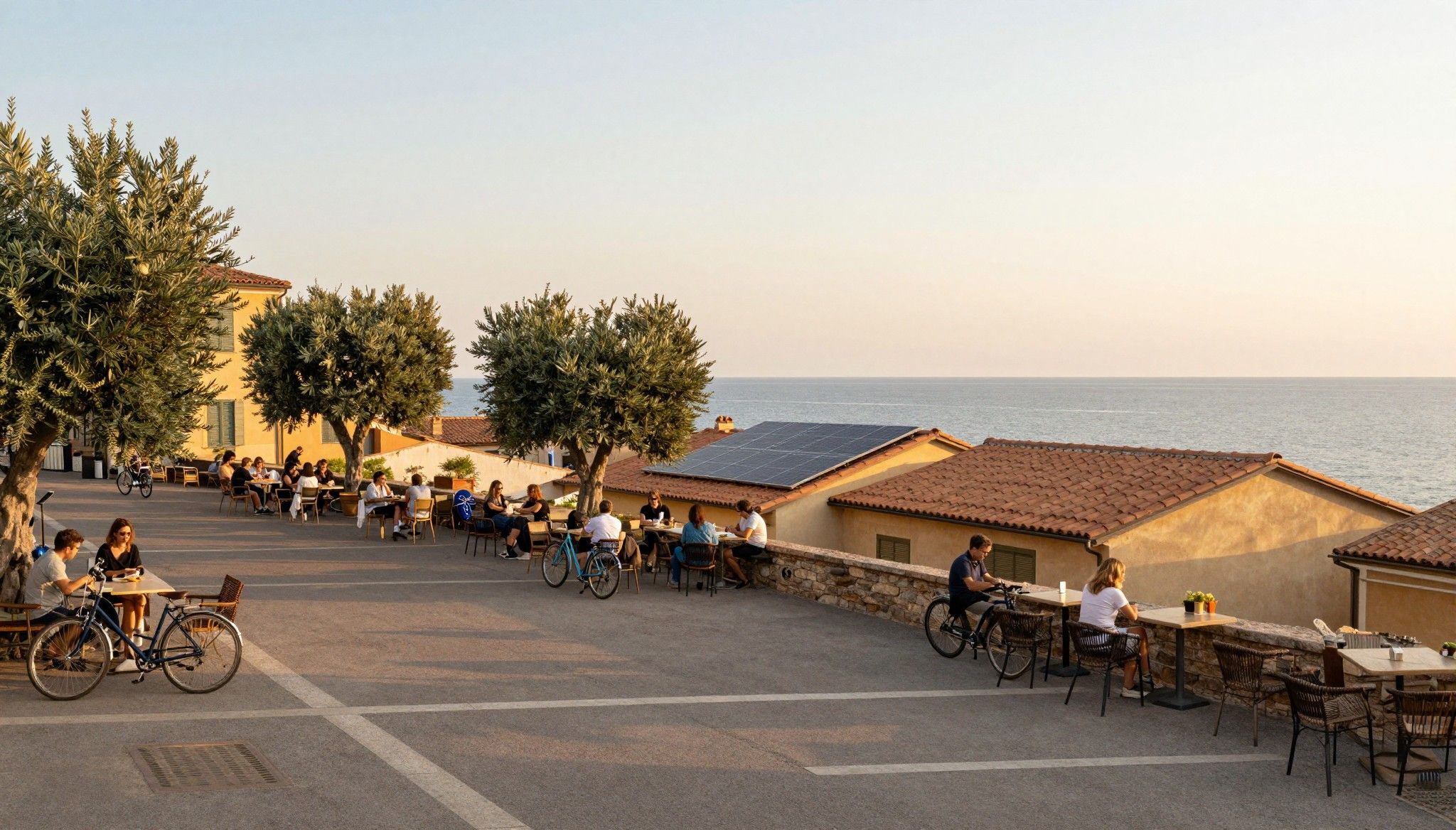
Imagine stepping out at dawn to the clipped scent of espresso and wet stone, the hills behind you threaded with vineyards and small solar arrays catching the first light. In Italy, this is not a postcard — it’s daily life in places where renewable energy, small-scale agriculture and village rhythms are quietly reshaping neighbourhoods and property values. For international buyers dreaming of a home that feels part of its landscape, those shifts matter as much as the café on the corner. Recent market analysis shows international interest is rising, and green infrastructure is rewriting where—and how—people choose to live in Italy.
Living the Italian life — with a greener pulse
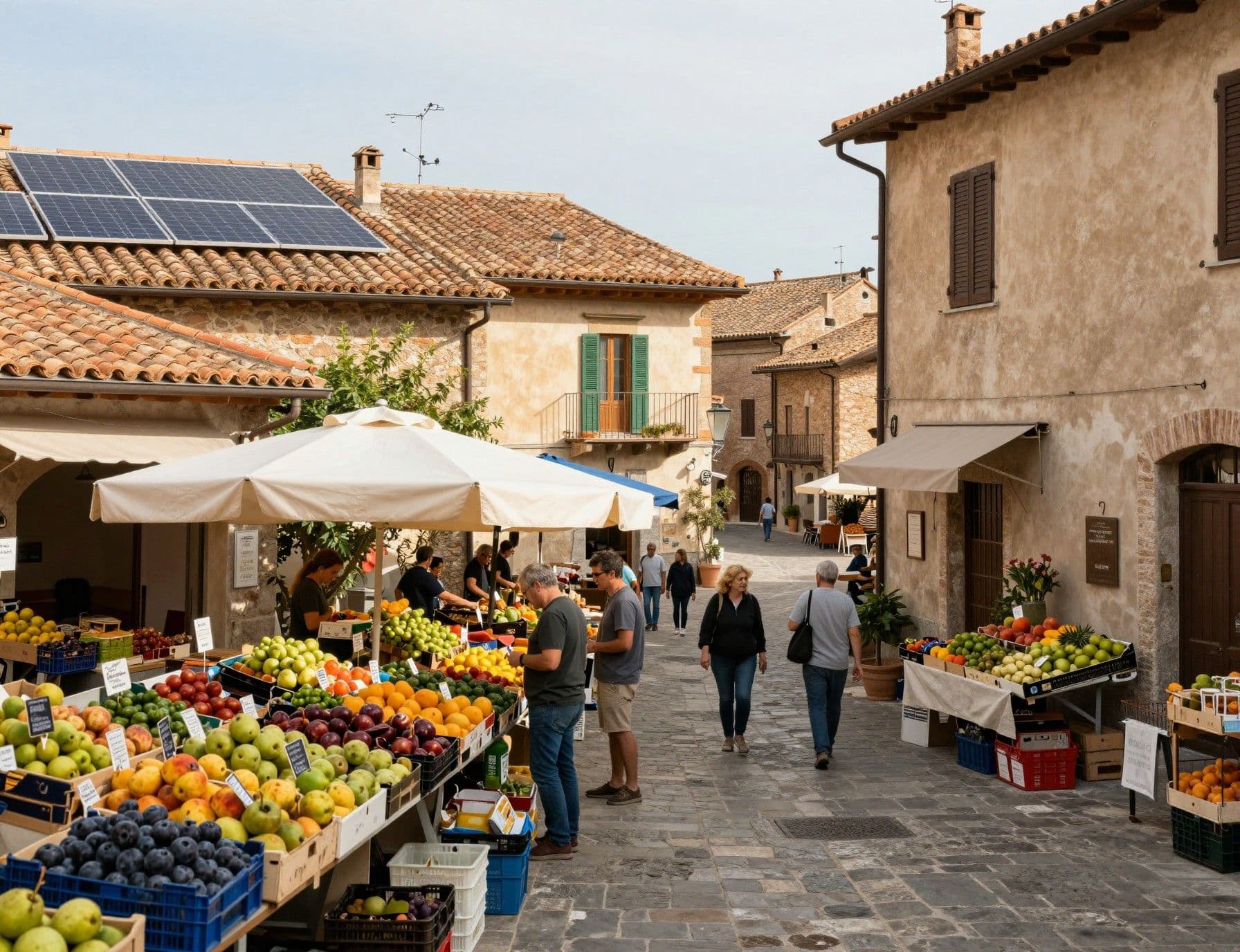
Picture mornings in Trastevere or a morning market in Siena where rooftops are dotted with PV and municipal lamp posts quietly sip power from local microgrids. Italy’s electricity mix is changing fast — renewables provided around 41% of power demand in 2024 — and that shift is visible on the ground, from rooftop panels in Liguria to agrivoltaic rows in Sicily. The result is neighbourhoods that feel more resilient and less beholden to distant power stations, a subtle but tangible quality-of-life change for residents.
Neighbourhoods where green infrastructure is already a lifestyle
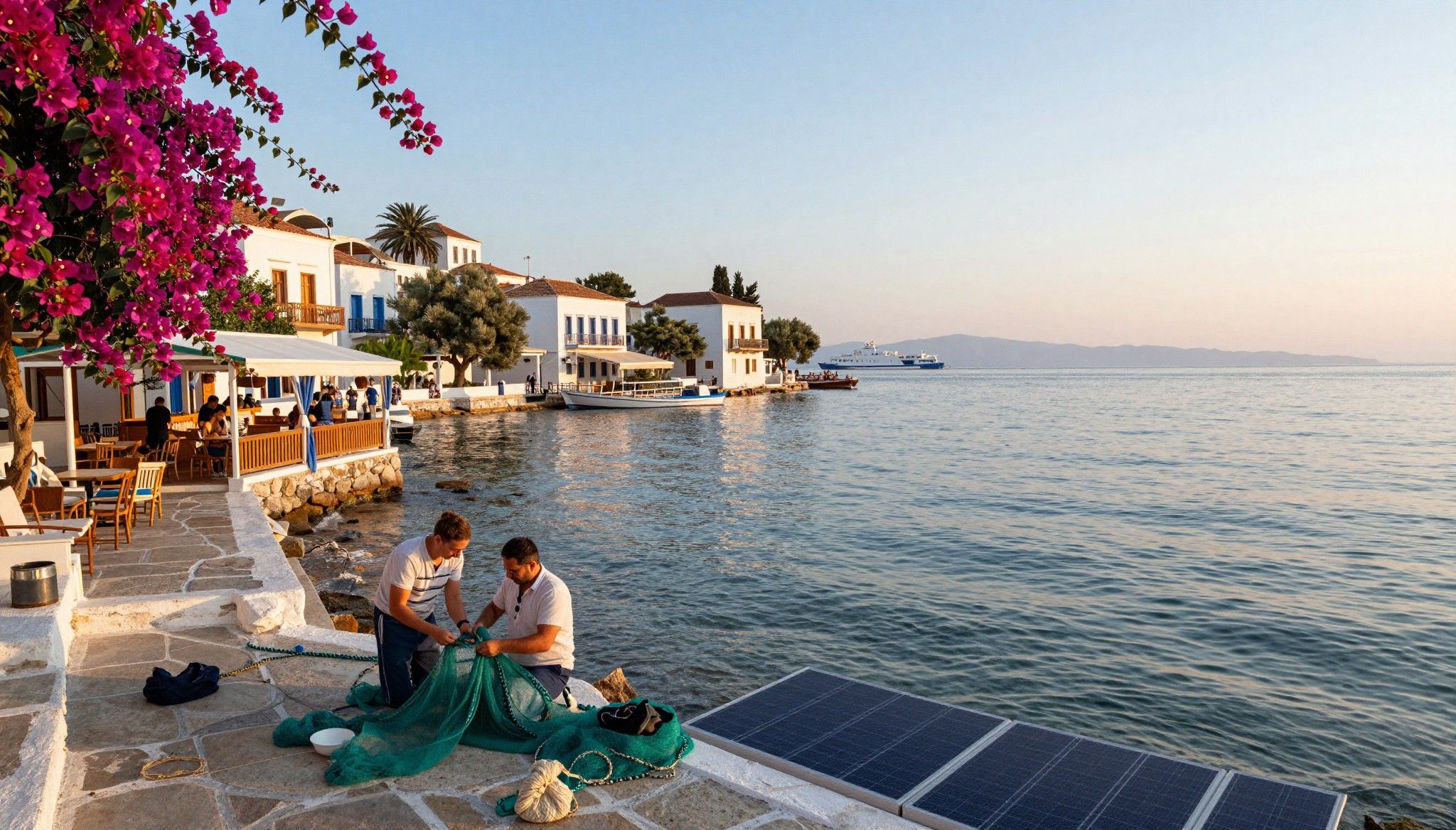
Look beyond the tourist postcards and you’ll find pockets where renewable projects and local life knit closely together: Emilia‑Romagna’s solar-agri projects sit beside dairy farms, Sardinia’s nascent wind farms are being paired with community energy schemes, and many Tuscan villages now host small PV cooperatives. These are not industrial installations at the edge of town but community‑visible assets that influence daily routines — shared charging points, mornings timed around market rounds, and homes designed for passive comfort as much as aesthetics.
Food, market mornings and the eco-rhythm of Italian life
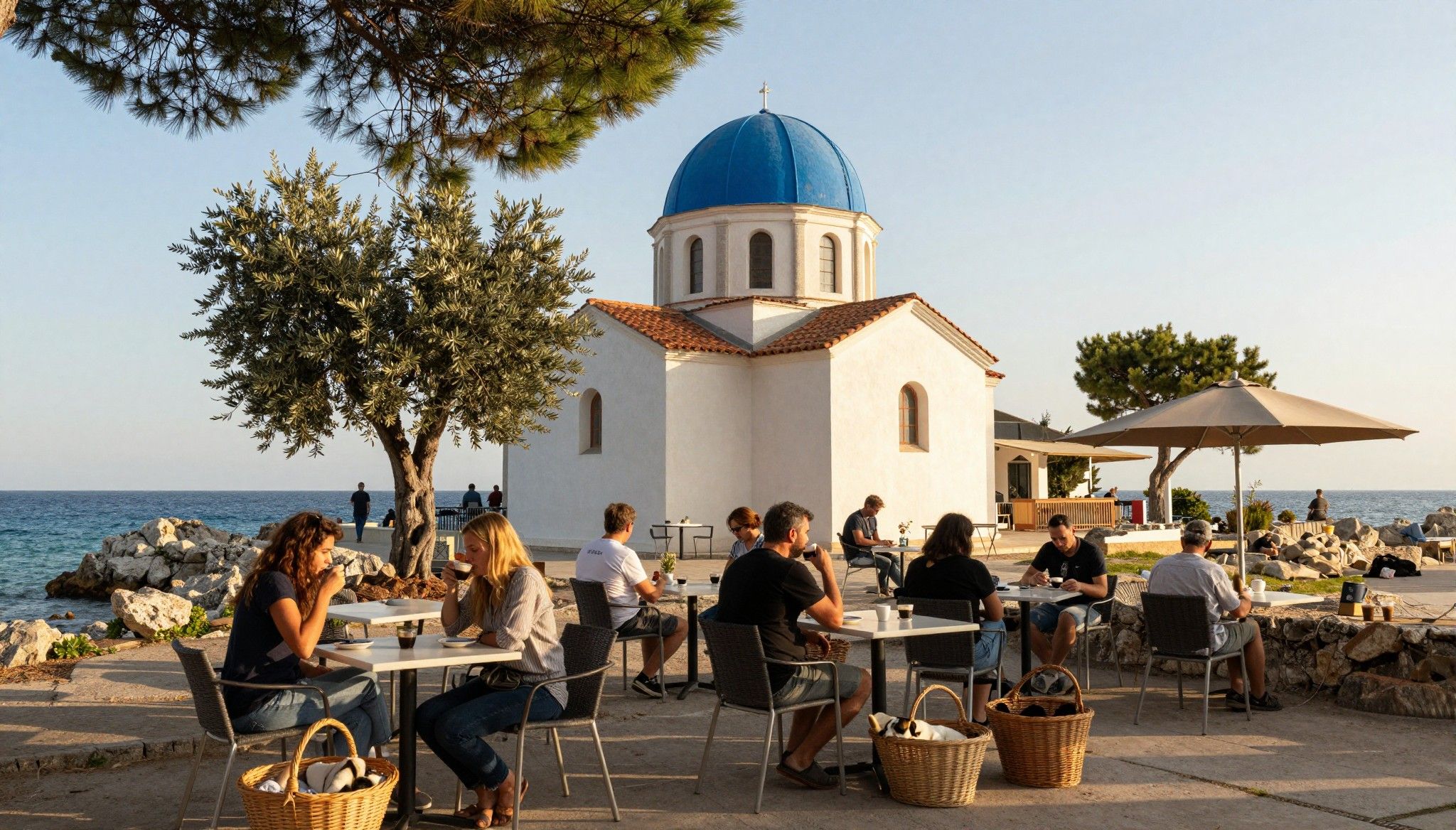
A day here might begin with a quick market run — scaloppine at the butcher, peaches at the stall — then an afternoon of gardening or tending a small olive grove. Sustainable living in Italy often reads as continuity: local food, passive-cooled homes, and a social life lived outdoors in piazzas and bars. That everyday eco-rhythm makes certain property types (stone farmhouses with thick walls, terraced apartments with shutters) more appealing because they already embody low‑tech sustainability.
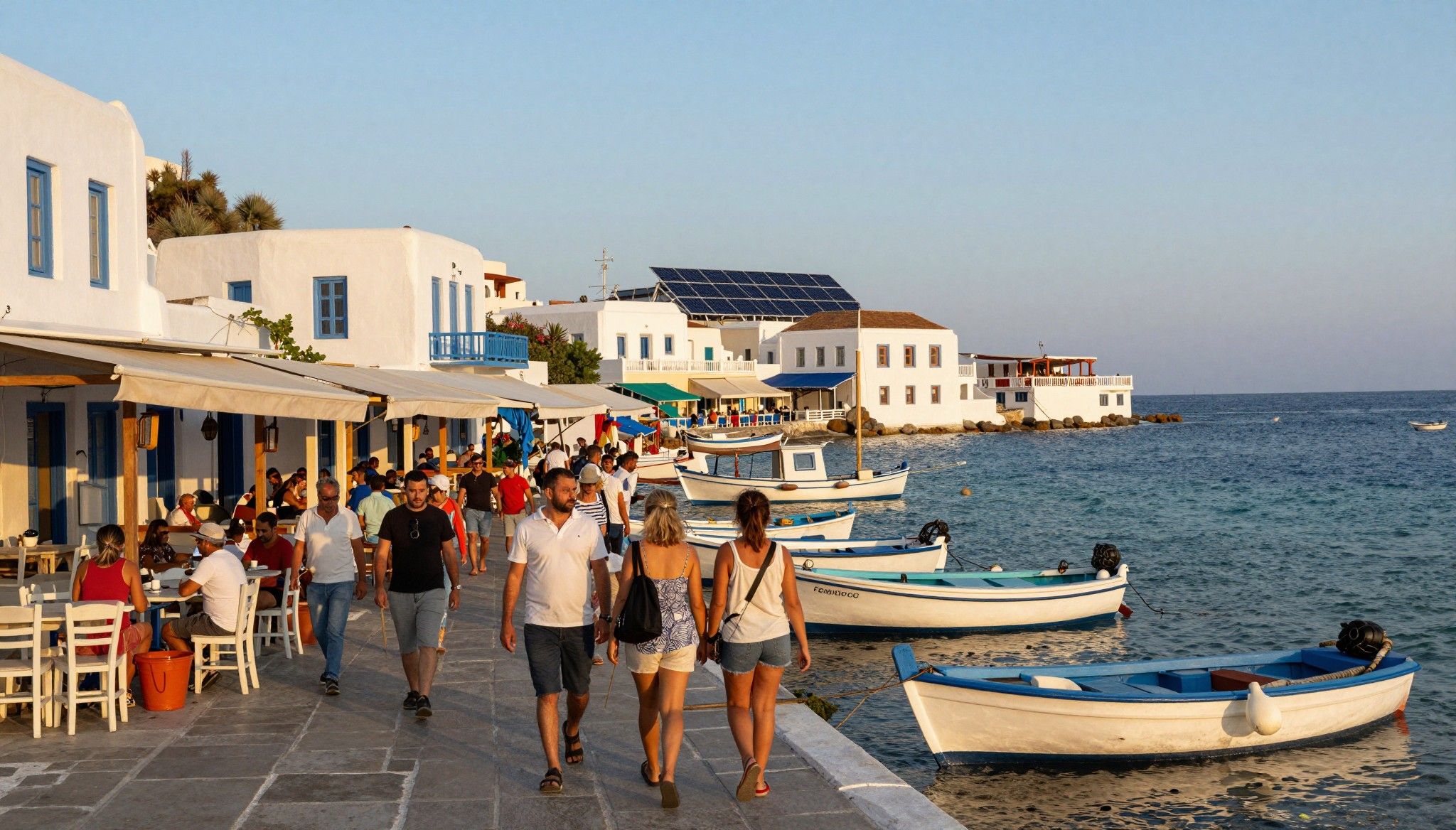
- Morning market at Campo de' Fiori (Rome); agrivoltaic olive groves in Puglia; village cafés on Via San Niccolò (Florence); Passeggiata at Lungomare (Bari) with charging points; community energy co‑ops in Alto Adige/South Tyrol.
Making the move: the lifestyle that dictates property choices
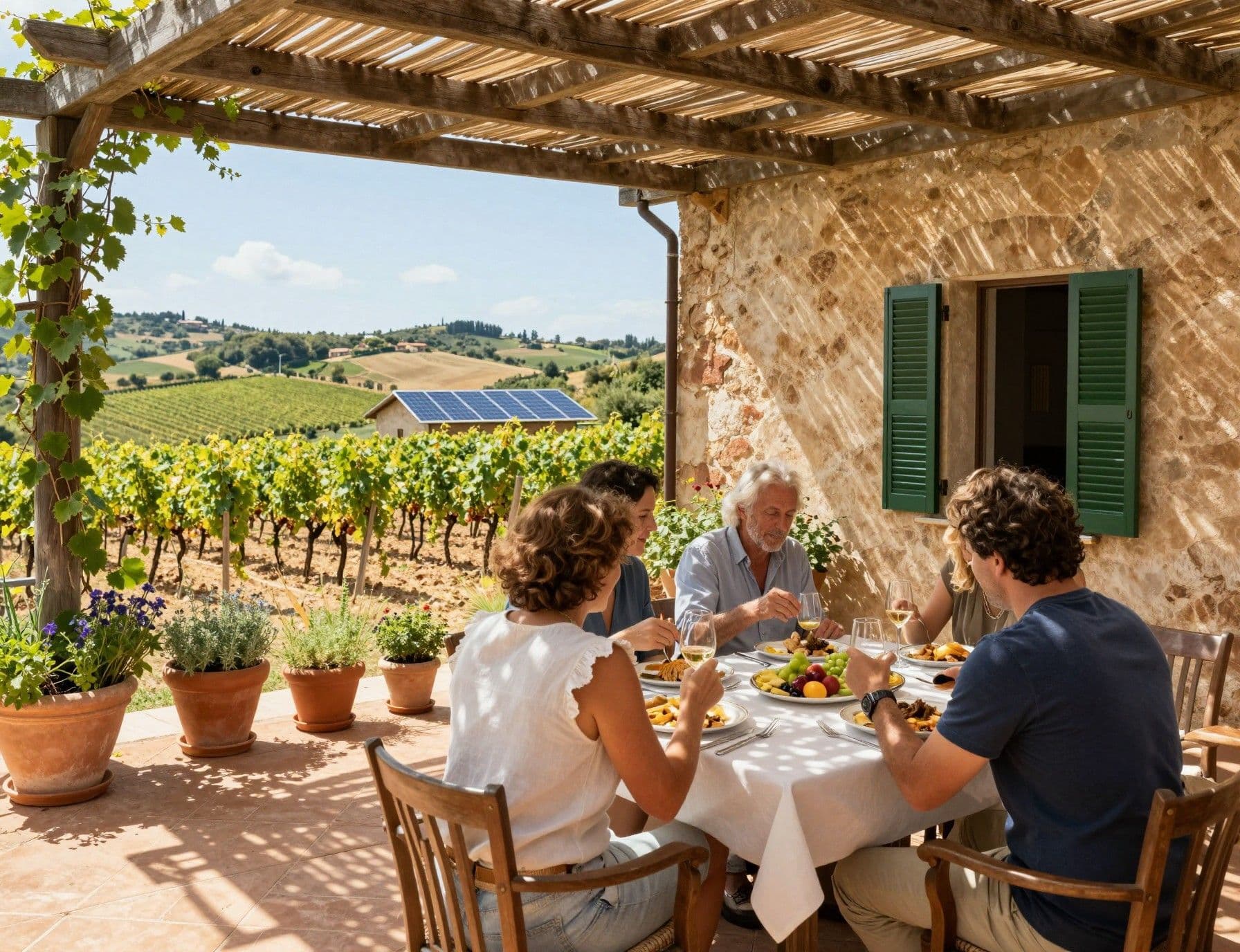
Dreams of a sunlit terrace or a restored stone house are easiest to realise when you match the property to the local infrastructure supporting that lifestyle. The market is diverse — luxury coastal pockets, hilltop villages, and smaller inland towns are all attracting international buyers — and green infrastructure often tips the balance. Buyers should therefore look for properties in regions where renewables and local services reduce day‑to‑day friction: reliable local electricity, waste collection attuned to composting, and water-aware landscaping.
Property styles that fit a low‑impact life
Stone rural houses with thick walls and south-facing terraces favour passive heating; renovated palazzos in historic centres offer walkable life and shared energy upgrades; new-build eco-villas often pair solar, rainwater capture and natural insulation. Choosing a property is less about aesthetic alone and more about which features let you live the life you love — a courtyard for morning coffees, a rooftop for panels, or a garden sized for vegetables and pollinators.
How local experts become lifestyle matchmakers
A local agency that knows both community energy projects and which streets keep their summer shade will save you months of learning by osmosis. Look for agents who can speak to neighbourhood microgrids, planning for rooftop PV, and whether the local comune encourages agritourism or energy cooperatives. They are the people who translate markets into lifestyle matches — recommending a hill village for a quieter, self-sufficient life, or a coastal town for lively piazzas and seasonal rental potential.
- 1. Ask the agent about local energy projects and grid stability; 2. Visit at different seasons to feel winter heating and summer shade; 3. Check communal services (waste, water, EV charging) that enable low-impact living; 4. Consider renovation potential for passive upgrades; 5. Talk to neighbours — community buy‑in matters.
Insider knowledge: what expats wish they'd known
Expats often arrive enchanted, then discover practical rhythms — morning shutters, the slow hum of municipal life, and a surprisingly robust network of small producers and cooperatives. What many wish they’d known earlier is that lifestyle choices — proximity to a market, access to local electricity resilience, and community attitudes toward renovations — matter more than headline price per square metre. Green infrastructure can lower running costs and boost resilience, but only if you buy in a place where that infrastructure is active and community-supported.
Cultural integration and daily life
Learning a few phrases, joining a local market morning, or volunteering at a community olive harvest opens doors faster than any property brochure. Italians value reciprocity — invite a neighbour for coffee or help at a festa and you’ll quickly learn the unspoken rules that shape life: when shops close for riposo, who organises the street cleanup, and how to arrange local tradespeople for a sympathetic restoration.
Long-term lifestyle and stewardship
Think beyond the purchase: stewardship means planting for pollinators, investing in decent insulation, and leaning into local energy projects. Italy’s policy momentum and private investment in renewables signal that communities will continue to electrify and decarbonise — which matters for resale and for the simple pleasure of a quiet, reliable home. For many buyers, the payoff is less about short-term capital gains and more about a daily life that feels resilient, connected and gently sustainable.
- Buy where local services support low-impact living; prioritise passive features (thick walls, shutters, orientation); seek agents who understand community energy; budget for sympathetic retrofits; visit in different seasons to feel real life.
If Italy calls to you, it’s because of a way of life that mixes public ritual and private calm: espresso sipped in standing bars, children cycling through piazzas, evenings where light and conversation replace screens. Green infrastructure is becoming the scaffolding for that life — not a separate checkbox but the quiet system that keeps it thriving. Next step: choose an agent who treats stewardship as part of the brief, visit the communities on different days, and let the rhythm of place, not a price map, guide where you buy.
Dutch property strategist who helped 200+ families find sustainable homes in southern Europe; expert in legal pathways and long-term stewardship.