Italy: Where Green Infrastructure Meets Everyday Life
Italy pairs timeless lifestyle with accelerating renewable infrastructure; buy where community stewardship, retrofit incentives and regional energy projects align for living well and sustainably.
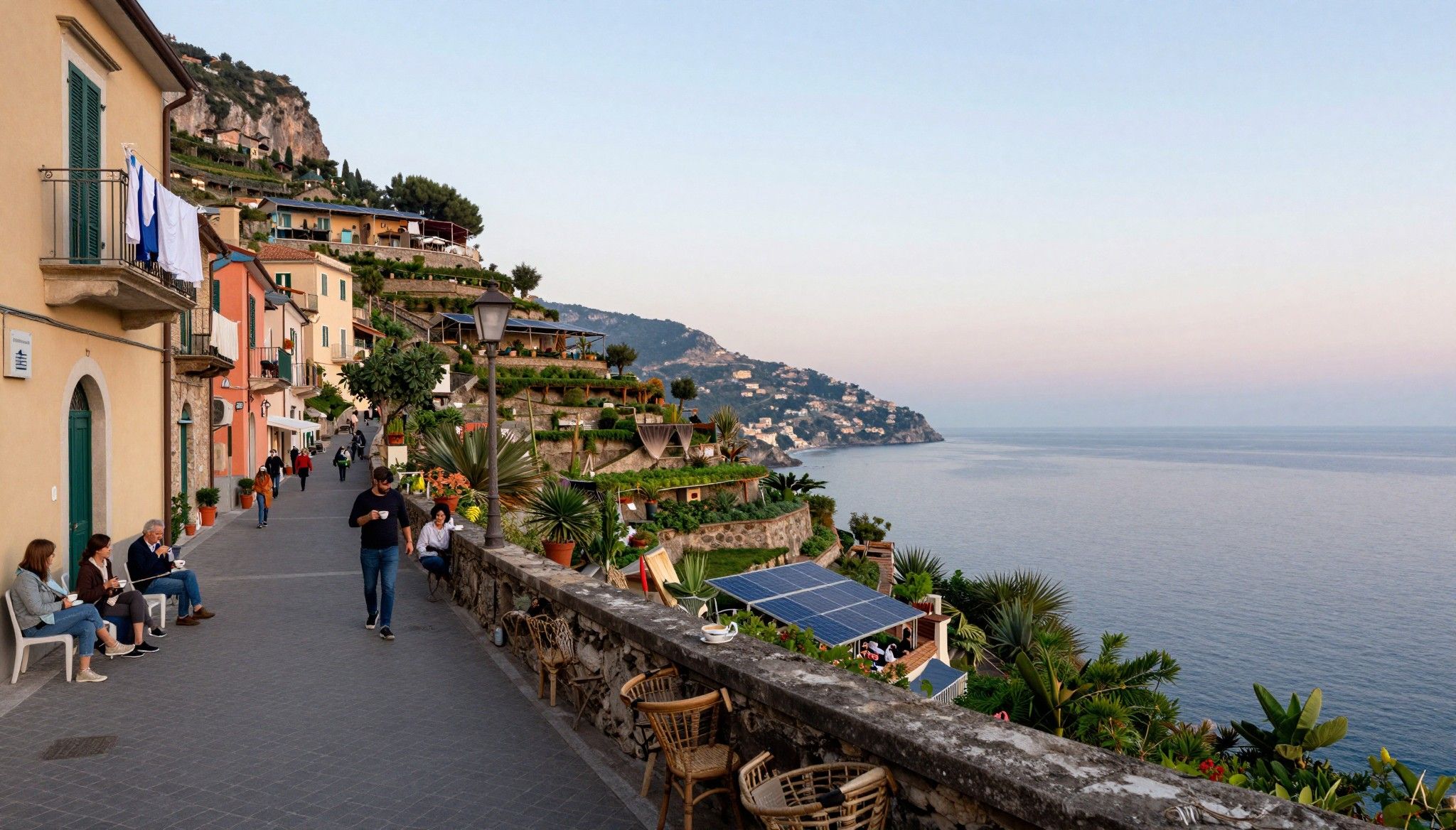
Imagine waking early to the smell of espresso and sea salt, then cycling past terraced vineyards powered by gleaming solar canopies. In Italy, that morning is more possible than you think — the grid is shifting fast, and many regions now pair centuries‑old stone villages with modern solar, geothermal and hydro projects. For international buyers who crave the slow, sensory pleasures of Italian life while wanting genuine green infrastructure, this is where romance meets resilience.
Living the Italian Lifestyle — Close to Nature, Full of Rhythm
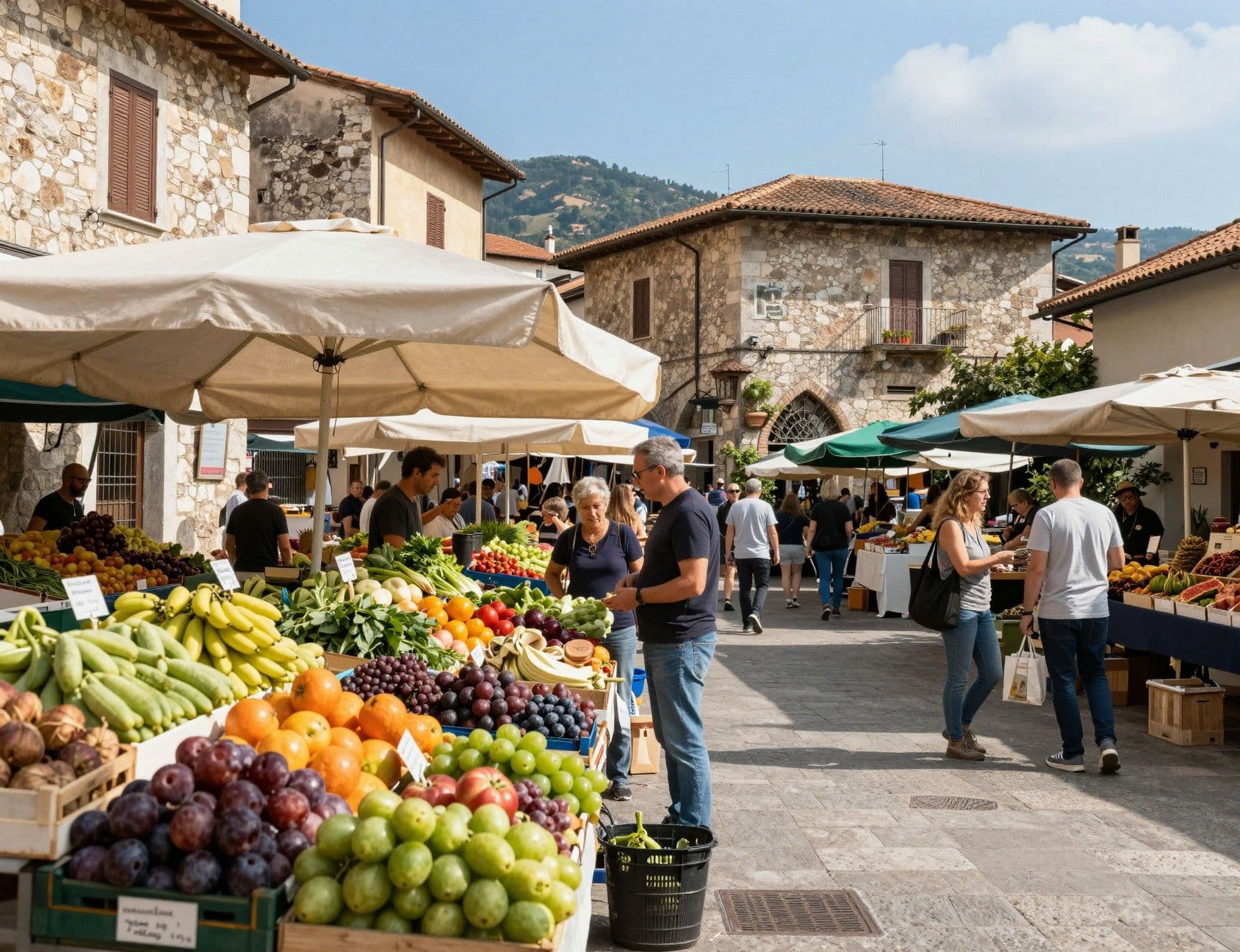
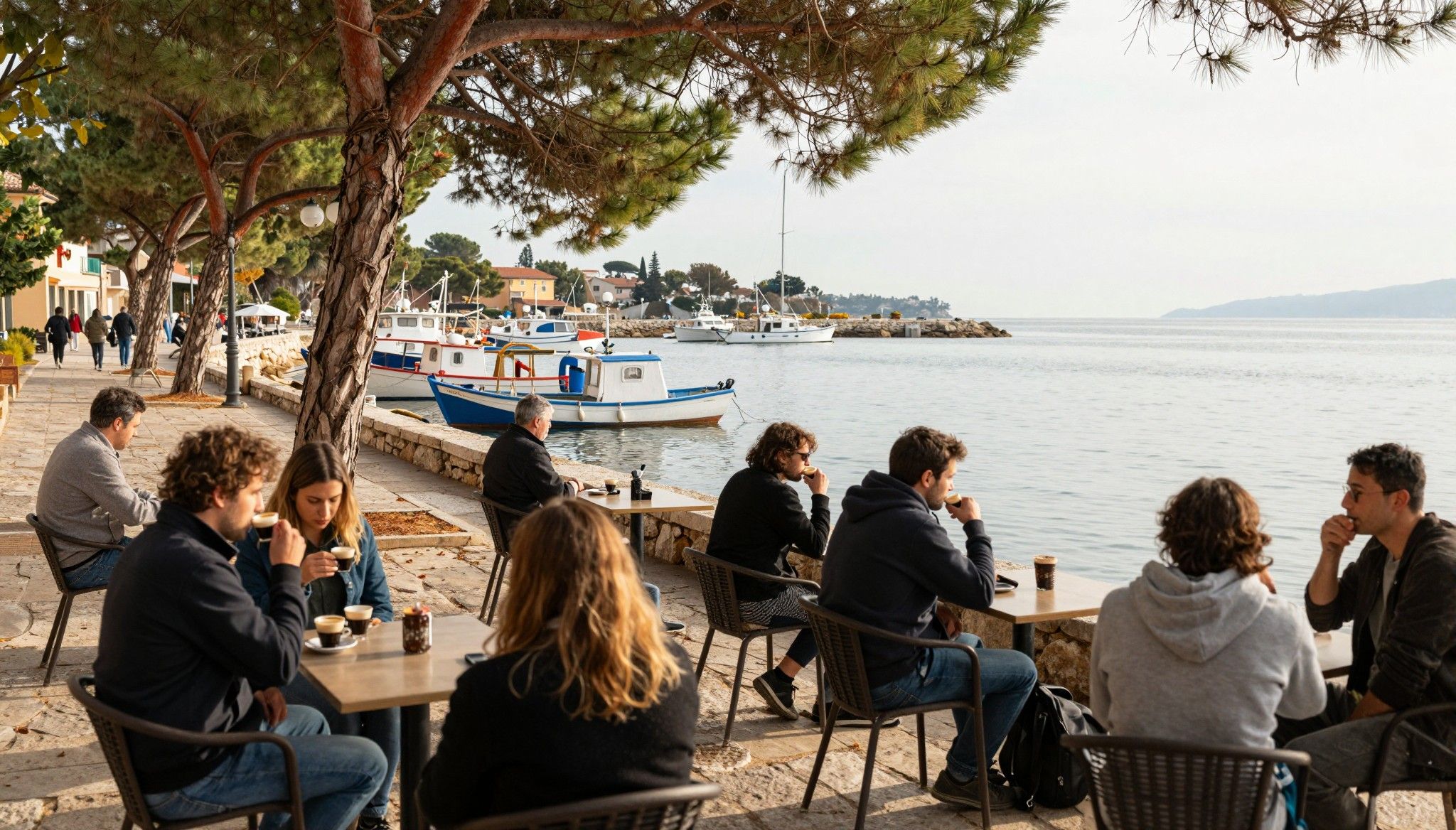
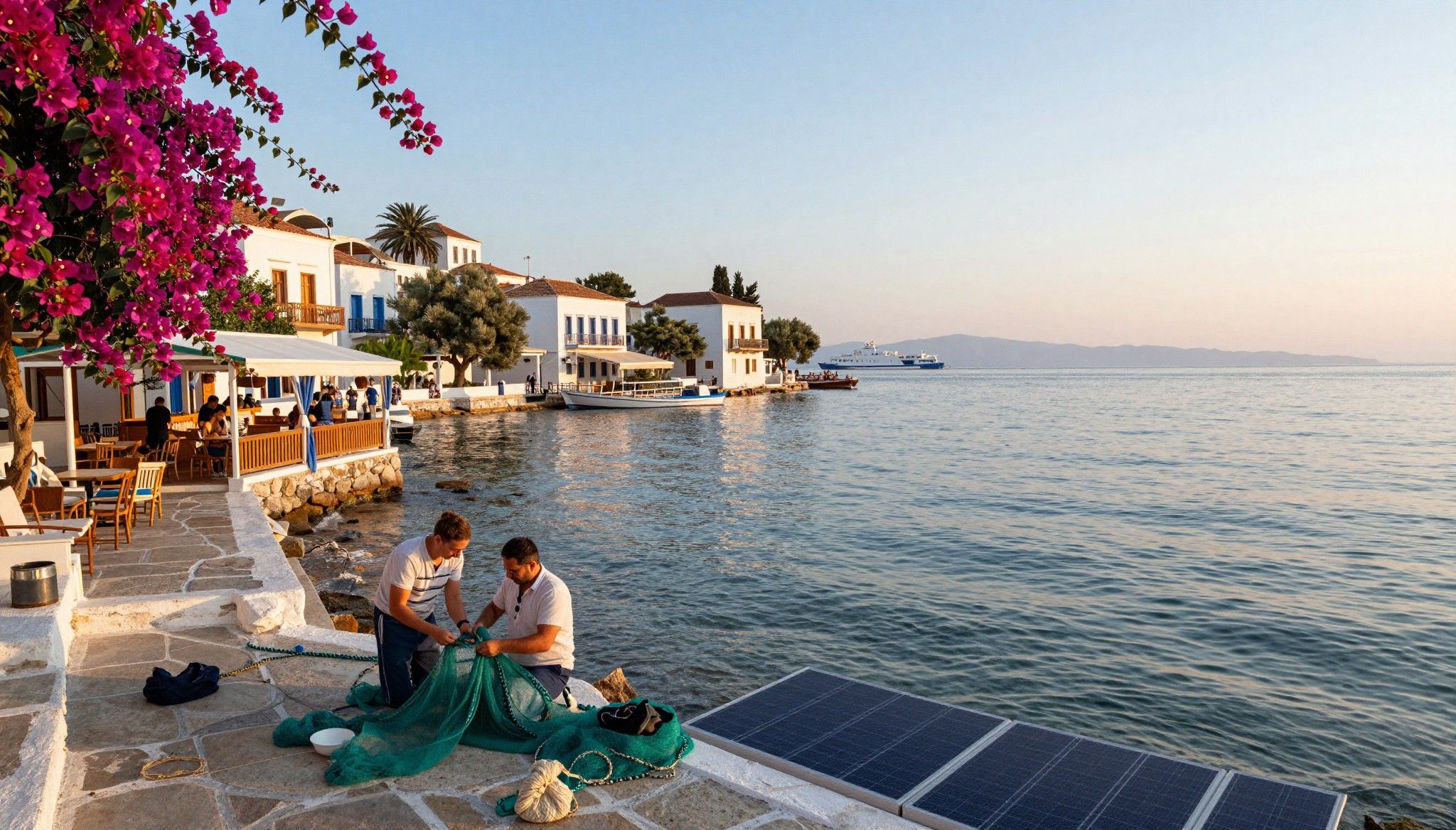
Italy’s daily rhythm is tactile: market baskets overflowing with citrus in Palermo, fishermen hauling nets at dawn in Liguria, wood smoke mixing with rosemary in the hills of Tuscany. Streets are measured in piazzas and passeggiatas, and neighbourhood life centers around cafes, bakeries and the weekly mercato. For buyers who imagine a home where seasons mark the year, Italy delivers — and many communities are now doing so with attention to energy and water stewardship that makes long‑term life more sustainable.
Northern Alps & Trentino: Alpine efficiency and mountain stewardship
Picture cobbled streets in Trento, timber balconies heavy with geraniums and district heating fed by local biomass or geothermal pilots. In Alpine towns, buildings are often retrofitted with high‑insulation envelopes, and municipalities invest in small hydro and smart grids that stabilize local supply — practical benefits if you want a house that stays warm through snowy months while keeping heating bills predictable.
Tuscan Hills & Emilia: Wine, sun, and growing solar on working land
From Pistoia lanes to the clay roads around Modena, you’ll find restored farmhouses with courtyards, life lived outdoors and small-scale PV on barn roofs or pergolas shading terraces. Local agriturismi and cooperatives often experiment with regenerative farming and on‑site solar installations — a lifestyle that blends food, craft and low‑impact energy in daily life.
Making the Move: Practical Considerations That Match the Lifestyle
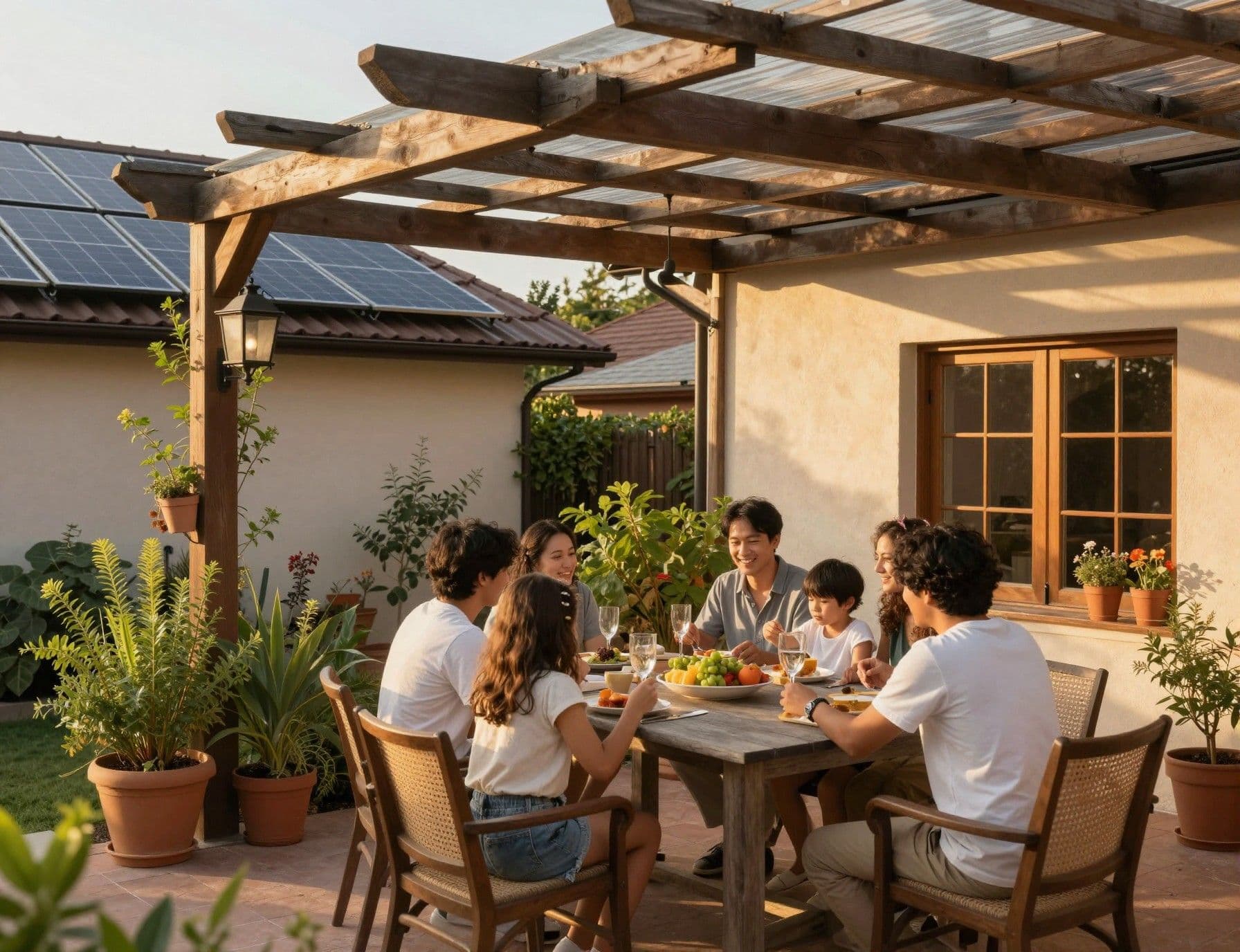
Italy’s electricity mix has been changing rapidly: recent reporting shows renewables covering around 40% of power demand, with regional differences that matter for homeowners. That means when you buy, check the local energy context — grid stability, availability of incentives for retrofits, and whether your municipality supports local renewables — because these affect both day‑to‑day comfort and long‑term costs.
Property styles and what they mean for living green
Historic stone cottages invite passive design — thick walls, small windows, cool summers — but may need careful thermal upgrades. Newer villas often include PV, high‑efficiency boilers and rainwater systems. If you love al fresco living, prioritise south‑facing terraces and pergolas that can host PV or green roofs. Ask sellers for recent energy performance certificates and any documentation of upgrades.
Working with local experts who value the life you want
- Choose an agent who can point to: local installers for solar and heat pumps; examples of successful eco‑restorations; municipal zoning that allows small wind or PV; and community projects for shared energy or water. These details turn a dreamy photo of a terrace into a sustainable daily routine.
- 1) Visit at different seasons to sense heating and cooling needs. 2) Request EPCs, recent utility bills and any planning records for renewables. 3) Consult a local architect for retrofit feasibility. 4) Factor in connection costs for PV and battery storage to your offer.
Insider Knowledge — The Things Expats Wish They’d Known
A common surprise: national incentives such as the Superbonus have been game‑changers for retrofits, but their rules, availability and political framing change. Work with a notary and a trusted local engineer early — that paperwork decides whether your beloved stone farmhouse can become both cosy and low‑emission without unexpected delays or costs.
Cultural integration, language and neighbourhood life
Learning a few phrases opens markets, workshops and neighbours’ kitchens. In smaller towns, community projects — shared olive presses, cooperative composting, village solar funds — are the real green infrastructure. Attend a mercato, ask about the parish noticeboard, and let local stewardship guide where you invest.
Long‑term lifestyle and stewardship
Think of buying as joining a living system. Prioritise properties with durable, natural materials and ask how water and energy are managed across seasons. Regions investing in grid upgrades and community renewables (from Trentino’s district heating pilots to Tuscany’s agrovoltaics) are likelier to offer long‑term value for eco‑minded owners.
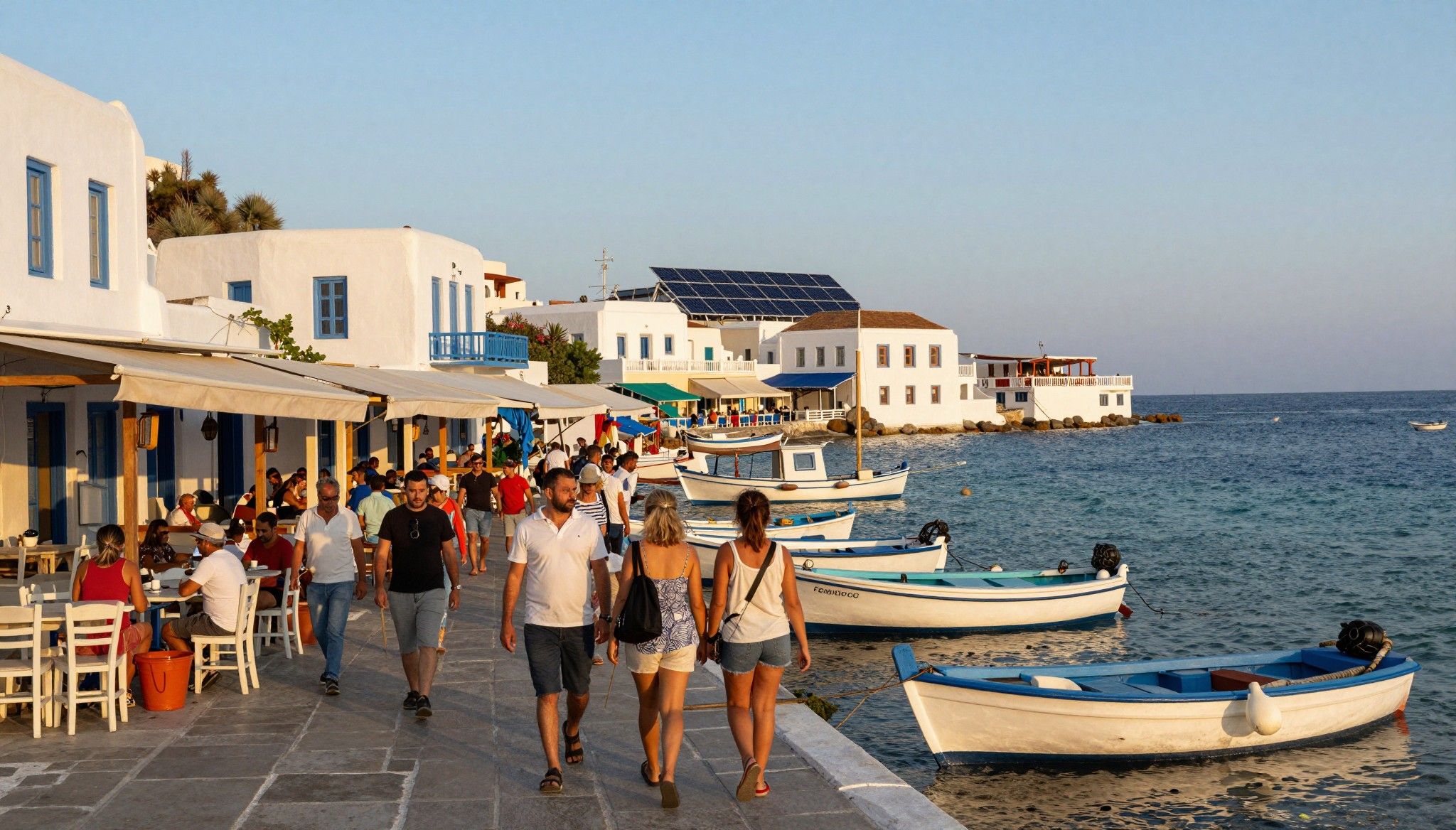
- Lifestyle highlights to look for when house‑hunting: morning markets (e.g., Mercato Centrale, Florence), seaside promenades in Liguria, community olive presses in Puglia, village festivals tied to harvests, local cooperatives offering solar or heat‑pump installations.
- 1) Identify your seasonality: will you live year‑round or split time? 2) Match property type to climate needs (thick stone vs. modern insulation). 3) Confirm local planning rules for PV, batteries and water harvesting. 4) Budget for one major retrofit within five years to align comfort and efficiency.
A small, stubborn myth: Italy is uniformly expensive — and wrong
Prices vary dramatically. Coastal Amalfi or parts of Tuscany command premiums, but inland hill towns, certain Apulian villages and mountain hamlets offer striking value — often with strong local green initiatives. Use local market data rather than country‑wide headlines; green infrastructure projects can actually raise desirability but also bring cost savings in operation.
Conclusion — Imagine the life, then build the practical plan. Italy will charm you first: the baker who knows your favourite pastry, the late‑afternoon light on terracotta roofs, the sound of a festa bell. Pair that romance with due diligence: visit across seasons, work with architects and agents who understand retrofit incentives, and prioritise places where community and green infrastructure align. When lifestyle and stewardship meet, your Italian home becomes both sanctuary and long‑term promise.
British expat who traded Manchester for Mallorca in 2017. Specializes in guiding UK buyers to luxury Spanish estates with clear navigation of visas and tax.