Greece’s Island Premium: Hidden Green Value
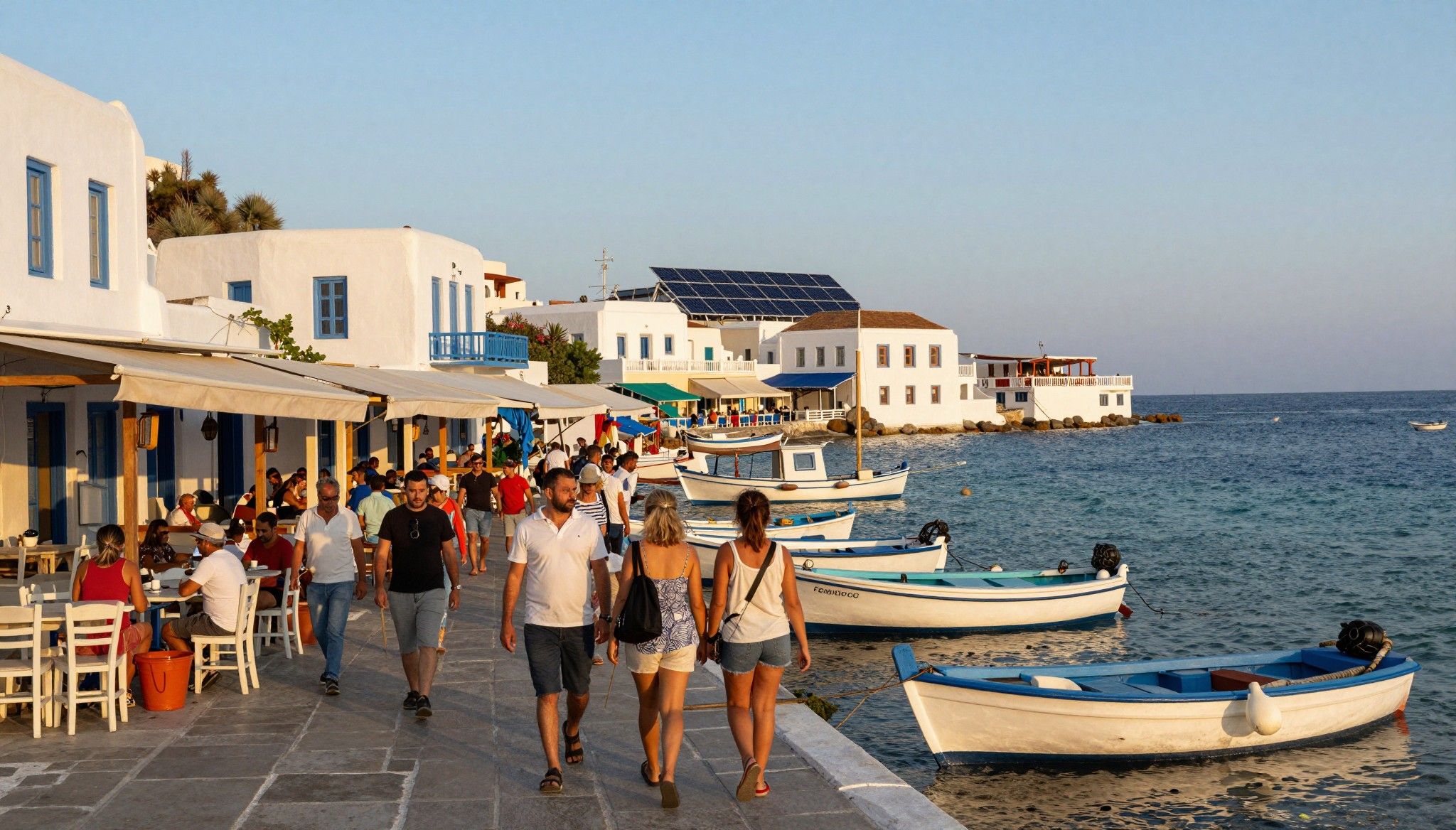
Greece’s island premium often already includes green infrastructure — solar-ready roofs, upgraded grids and water-wise communities — making perceived 'expensive' areas practical long-term values.
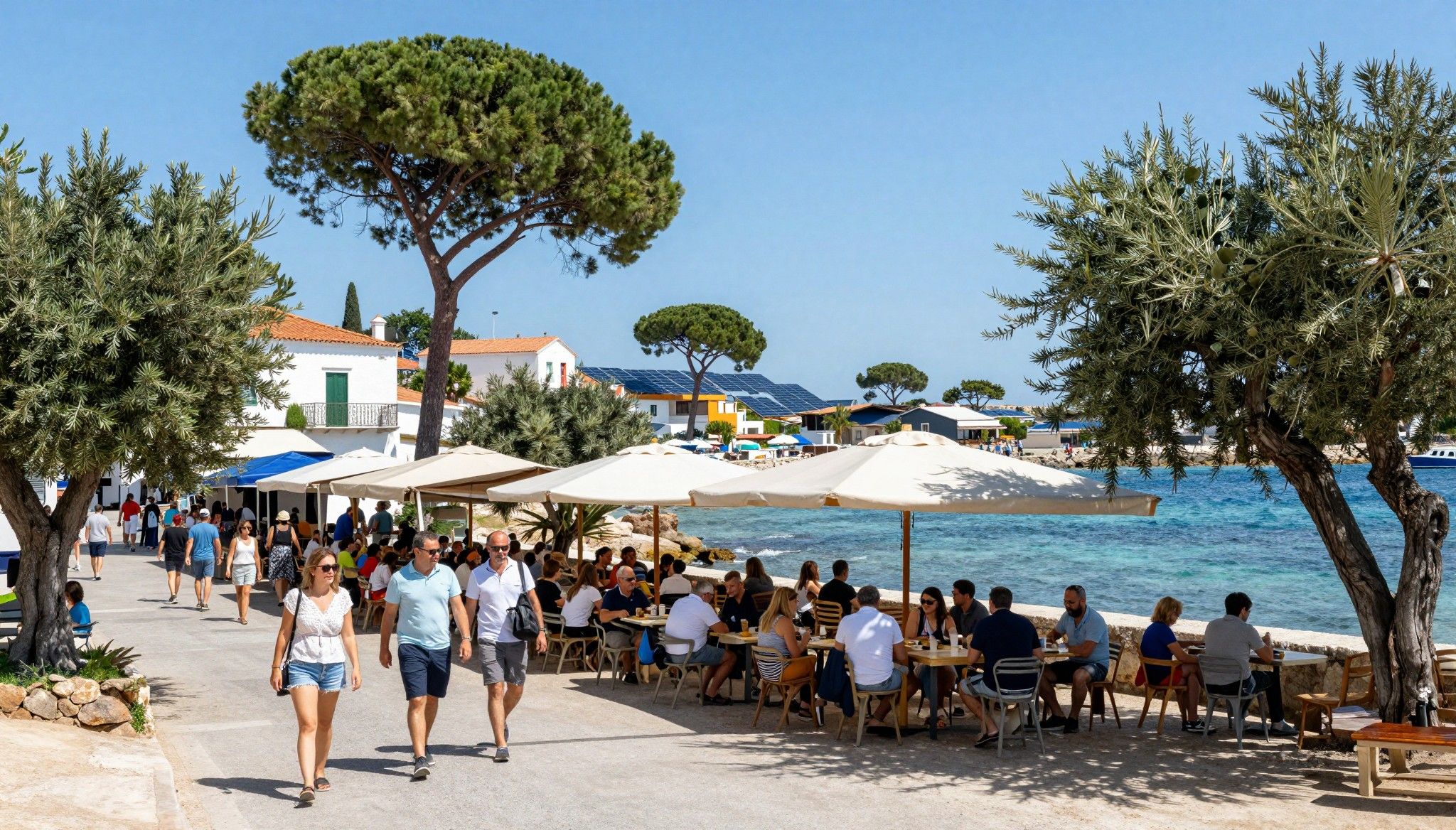
Imagine waking to the smell of simmering coffee and pine resin, stepping onto a sun-warmed terrace where olive trees shade a white-washed courtyard and the sea gleams beyond. In Greece the rhythm of life is measured by light and season — market days, neighbourhood kafeneia, afternoon swims and late dinners. For international buyers who prize landscape, solar-rich roofs, and communities that still tend the land, Greece is less an investment spreadsheet and more a long, sensorial decision about how you want to live. Yet headlines about “high island prices” or uniform tourism premiums miss a subtler truth: much of what looks expensive today already includes the cost — and benefit — of green infrastructure that will matter for decades.
Living the Greek lifestyle — seasons, streets and small luxuries
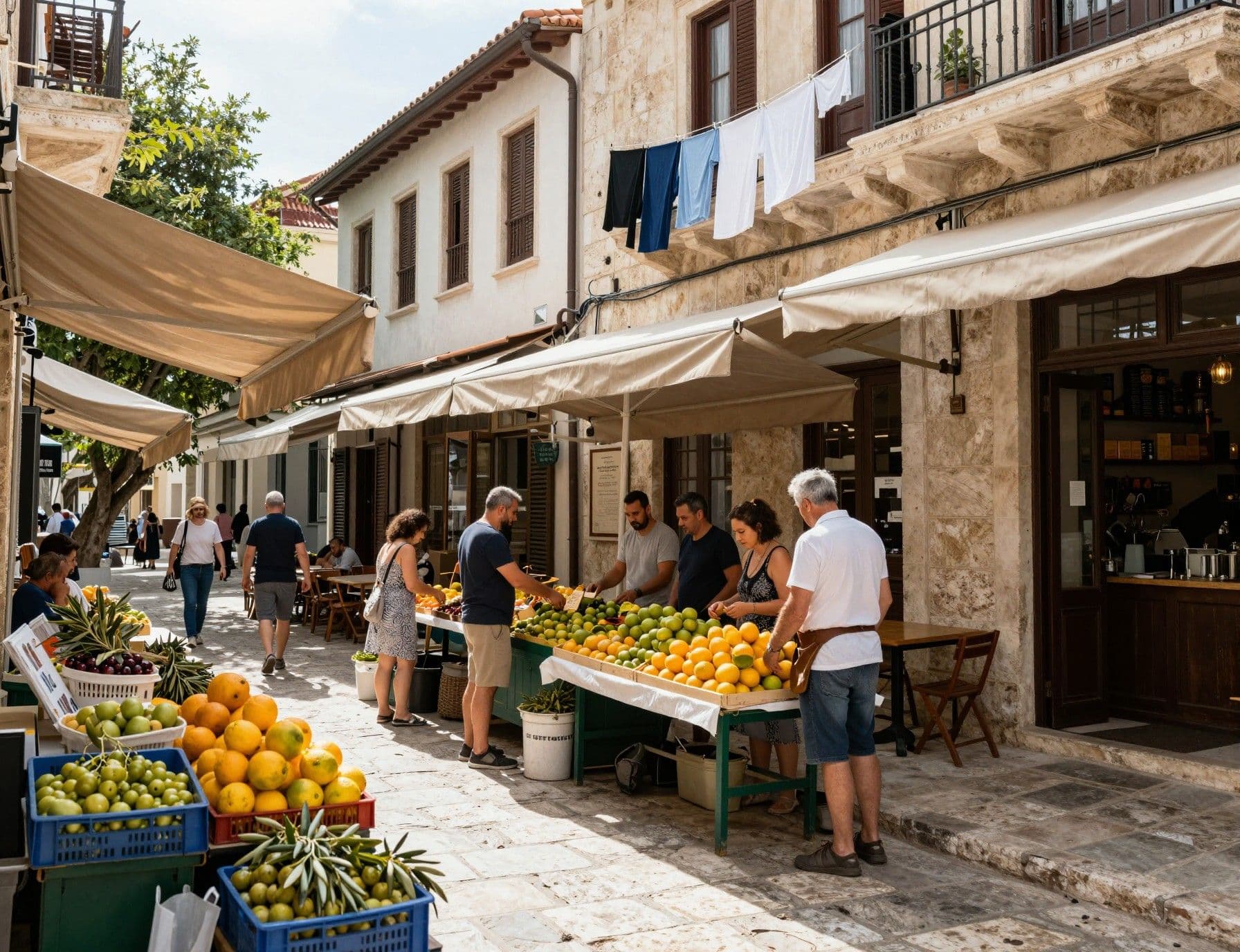
Days in Greece move from market to kitchen to piazza. In Athens, the streets of Koukaki and Pangrati hum with neighbourhood life: bakeries opening at dawn, small tavernas filling at dusk. On islands like Naxos or Paros, mornings are for the fishermen’s market and afternoons for siestas and salt-dusted walks along pebbled coves. The sensory detail — lemon-scented courtyards, the creak of wooden shutters, the way light pools on limestone walls — shapes how homes are used and renovated. When you buy here, you’re buying a daily stage: outdoor kitchens, shady verandas, and small plots where native plants and edible gardens flourish.
Neighborhood spotlight: Athens’ Koukaki and island heartlands
Koukaki — under the Acropolis — is a lesson in layered living: family-run cafés sit beside quiet squares where neighbors share news. Contrast that with the villages of Mani or the hinterlands of Crete, where stone houses and terraced gardens meet micro-climates that encourage olive groves and small-scale agri-tourism. Look for streets with a mix of permanent residents and local artisans rather than purely seasonal rentals; these are the places where community life endures through winter and supports year-round services. Choosing a street is often choosing a tempo: lively mornings and mellow evenings, or slow, pastoral days with markets on Saturdays.
Food, markets and the seasonal calendar
Food is the connective tissue of place in Greece: morning fish markets in Piraeus, the citrus sellers of Nafplio, mountain cheeses from Epirus. Seasons dictate what you eat and where you gather — truffle hunts in November, almond blossoms in February — and they shape property use too: courtyards bloom in spring, terraces are lived on in summer, and well-insulated stone homes are treasured in cooler months. For buyers dreaming of a farm-to-table life, look for properties within easy reach of weekly markets and with space for a small orchard, beehives, or a kitchen garden.
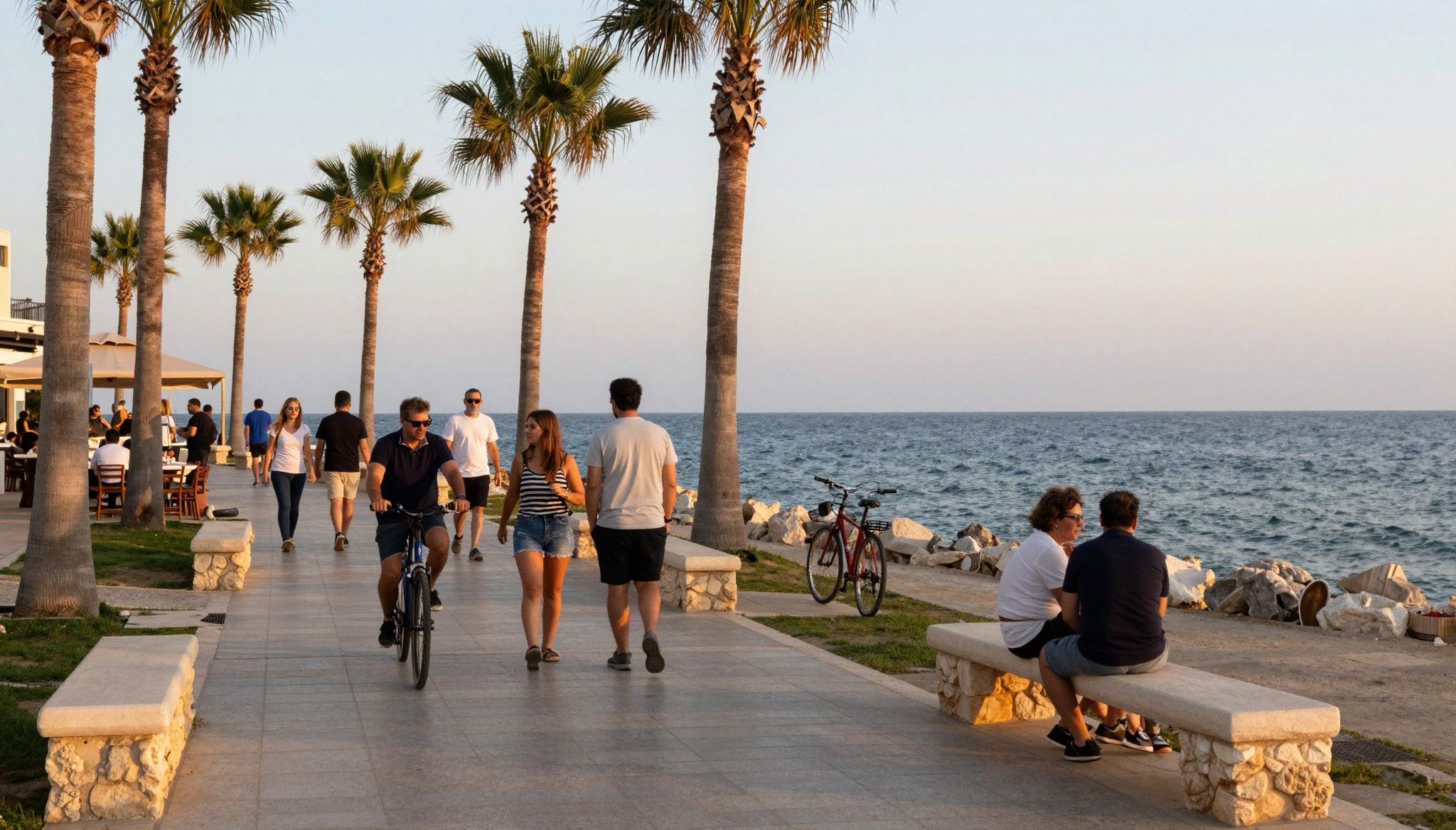
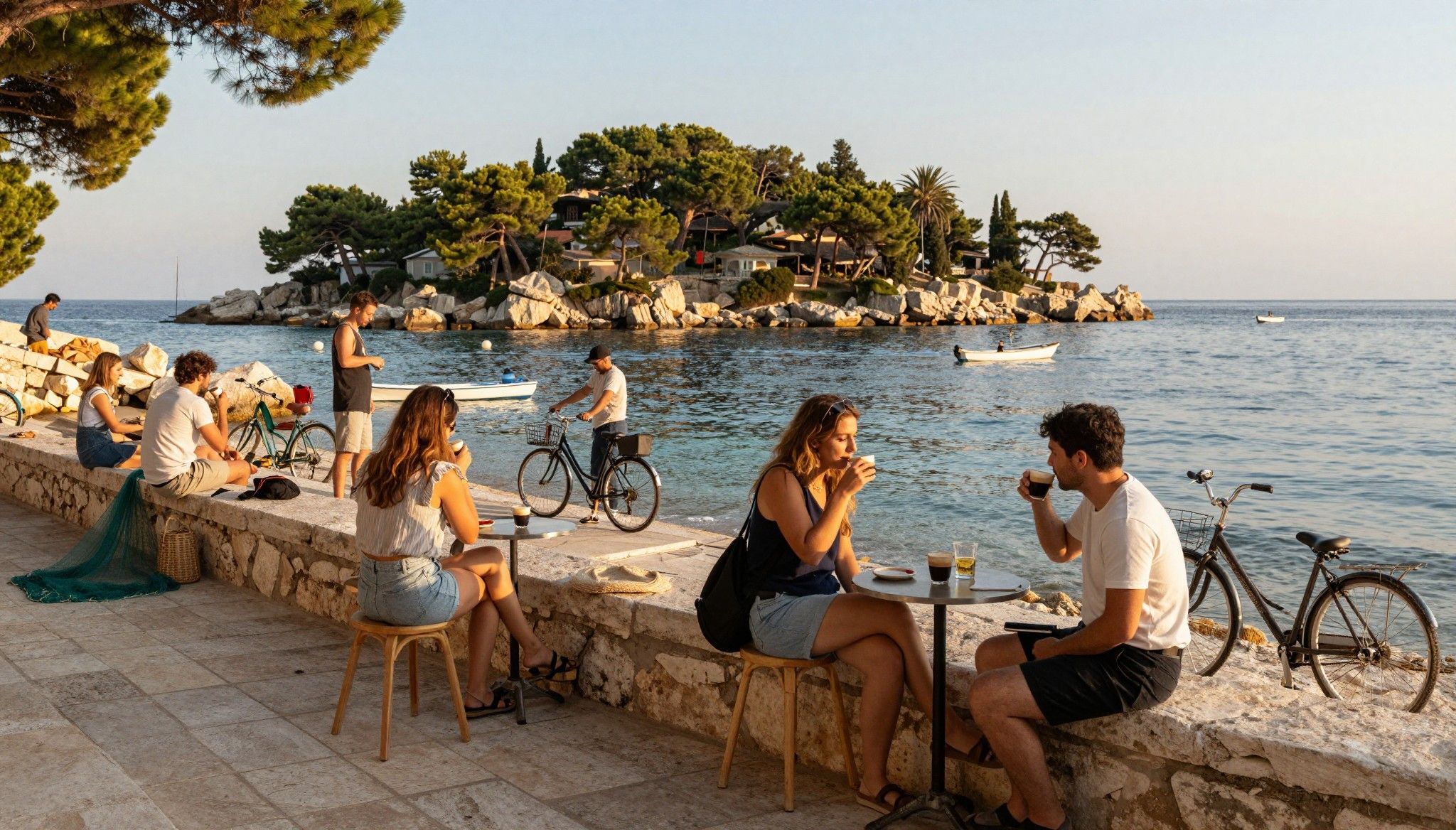
- Lifestyle highlights: real places, real rhythms • Morning espresso at Little Kook or a local kafeneio in Koukaki • Weekend produce at Varvakios in Athens or local island farmers’ stalls • Swim-before-breakfast beaches like Agios Prokopios (Naxos) and small coves in Milos • Olive-press seasons and village festivals (panigyria) that animate rural life • Walking or cycling routes in Pelion or the Mani coast for day-to-day outdoor living
Making the move: green infrastructure and what it means for your home
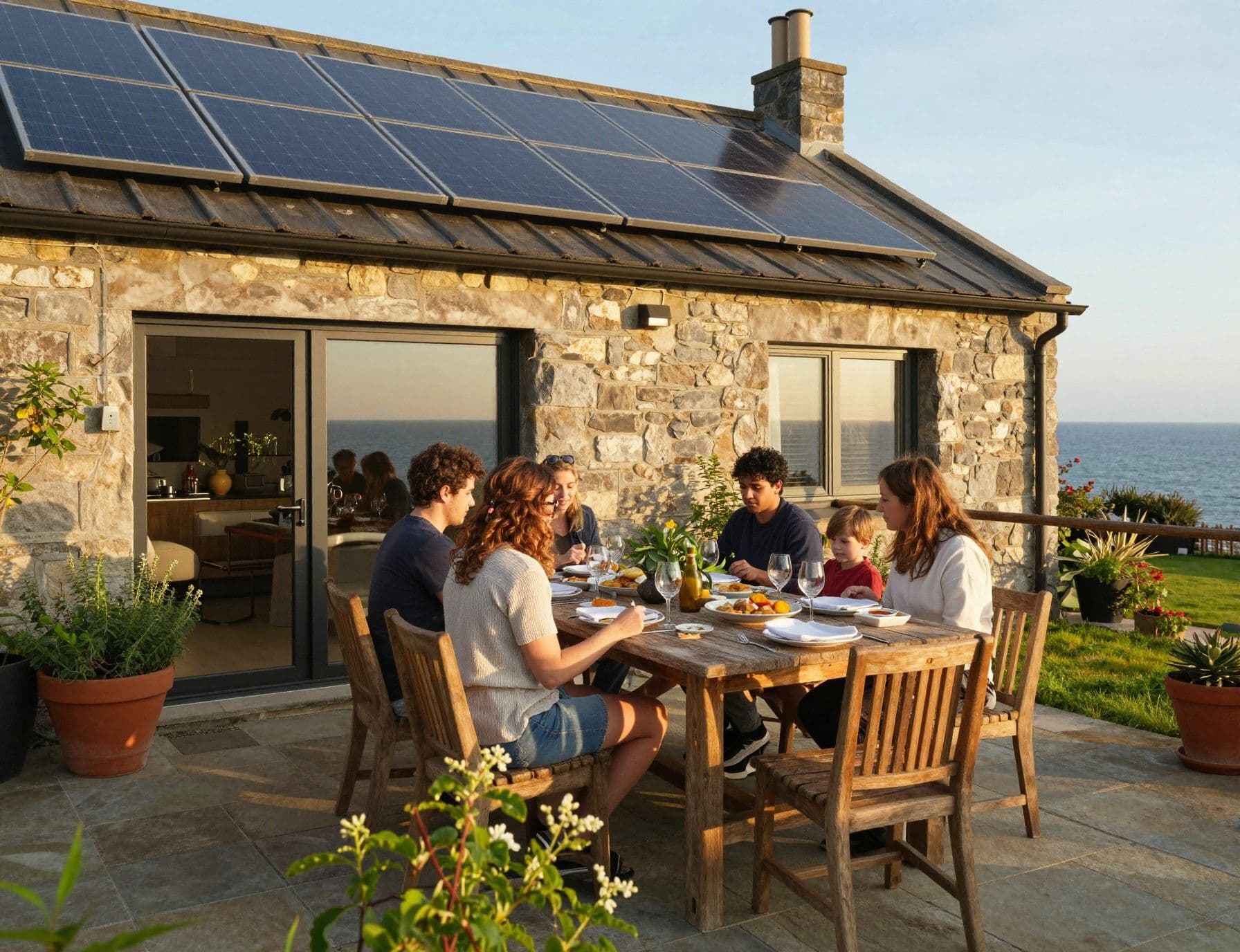
Greece’s rapid roll-out of solar and wind means roofs and local grids are being reimagined. National and industry reports show major solar additions in 2024 and a rising share of renewables in the electricity mix, which reduces running costs and improves energy security for homeowners who choose solar-ready properties. For buyers, this translates to two practical questions: does the property have space and orientation for solar and battery storage, and does the local municipality support small-scale renewable installations? Homes already connected to modern grid upgrades or sited near new interconnection projects often carry a 'green premium' that can be a practical advantage over time.
Property styles that suit a sustainable life
Traditional stone houses with thick walls and small windows are naturally energy-efficient and pair beautifully with discreet PV on secondary roofs. Newer low-rise developments around cities such as Thessaloniki and the Cyclades that incorporate passive design, rainwater harvesting, and native landscaping offer the easiest path to low-impact living. When visiting properties, check for practical green features: south-facing roofs, space for batteries, a shaded outdoor room for summer living, and mature native planting that reduces irrigation needs. These physical attributes shape monthly costs and the pleasure of daily life far more than a glossy 'sea view' line item on a listing.
- How local experts help marry lifestyle and infrastructure 1. They map micro-climate and sun paths so solar and outdoor spaces work year-round. 2. They identify villages with reliable water and community-run waste systems. 3. They advise on permitted roof upgrades and small-scale renewable planning. 4. They connect you to local craftsmen for natural-material renovations that respect character. 5. They flag short-term rental hotspots versus year-round neighbourly communities.
Insider knowledge: the contrarian truths buyers should know
Contrary to the myth that Greece is uniformly cheap or uniformly costly, value is local and increasingly tied to green infrastructure. Bank of Greece and market reports show price growth has varied by region and slowed in some urban pockets while remaining strong in sustainably serviced coastal and island communities. In short: the apparent “island premium” often reflects existing investments in grid upgrades, rooftop solar potential, and durable local services — things that keep monthly living costs sensible and that many buyers prize but few price into their initial calculations.
Cultural integration and the rhythm of community life
Living well here hinges on small courtesies: learn to greet shopkeepers, attend a panigyri, and accept that business hours follow the sun and the seasons. Language helps, but so does presence — volunteering at a village harvest or supporting a local market seller will root you faster than any online forum. Expats who settle into year-round communities rather than seasonal compounds report richer friendships, better maintenance of shared infrastructure, and more reliable local services.
Long-term stewardship: what life looks like five years in
Five years after buying, the properties that feel most rewarding are those where the owners leaned into place-making: planted native gardens, invested in passive shading, joined a local water cooperative, or added rooftop PV and batteries. These households report lower bills, better comfort in shoulder seasons, and a stronger sense of belonging. For international buyers, the trick is to price in modest investment for stewardship — not to underwrite glamour upgrades but to commit to small, durable changes that make the home resilient and deeply lived-in.
- Practical next steps when you’re serious about Greece • Visit outside high season to see year-round life and services. • Ask agents about grid upgrades, PV permitting, and local water reliability. • Prioritise south-facing roofs and mature, low-water landscaping. • Meet neighbours and attend a local market or festival to feel community tempo. • Budget for modest stewardship investments (solar, insulation, garden restoration).
If Greece feels like a dream — bright light, warm kitchens, a life that moves with the seasons — treat that dream as the first draft of a practical plan. Start by touring streets where people live year-round, speak with local agents who know both the market and the municipal energy plans, and be ready to invest a little extra in green measures that will repay you in comfort and lower running costs. With the country’s surge in renewables and a culture that still values land and food, buying in Greece can be both a soulful move and a forward-thinking one.
Norwegian market analyst who relocated from Oslo to Provence; guides investors with rigorous portfolio strategy and regional ecological value.