Greece: Buy for Sun, Community and Green Infrastructure
Greece blends Mediterranean light with rapid renewable growth—choose homes aligned to sun, local craft, and seasonal life to lower costs and deepen belonging.
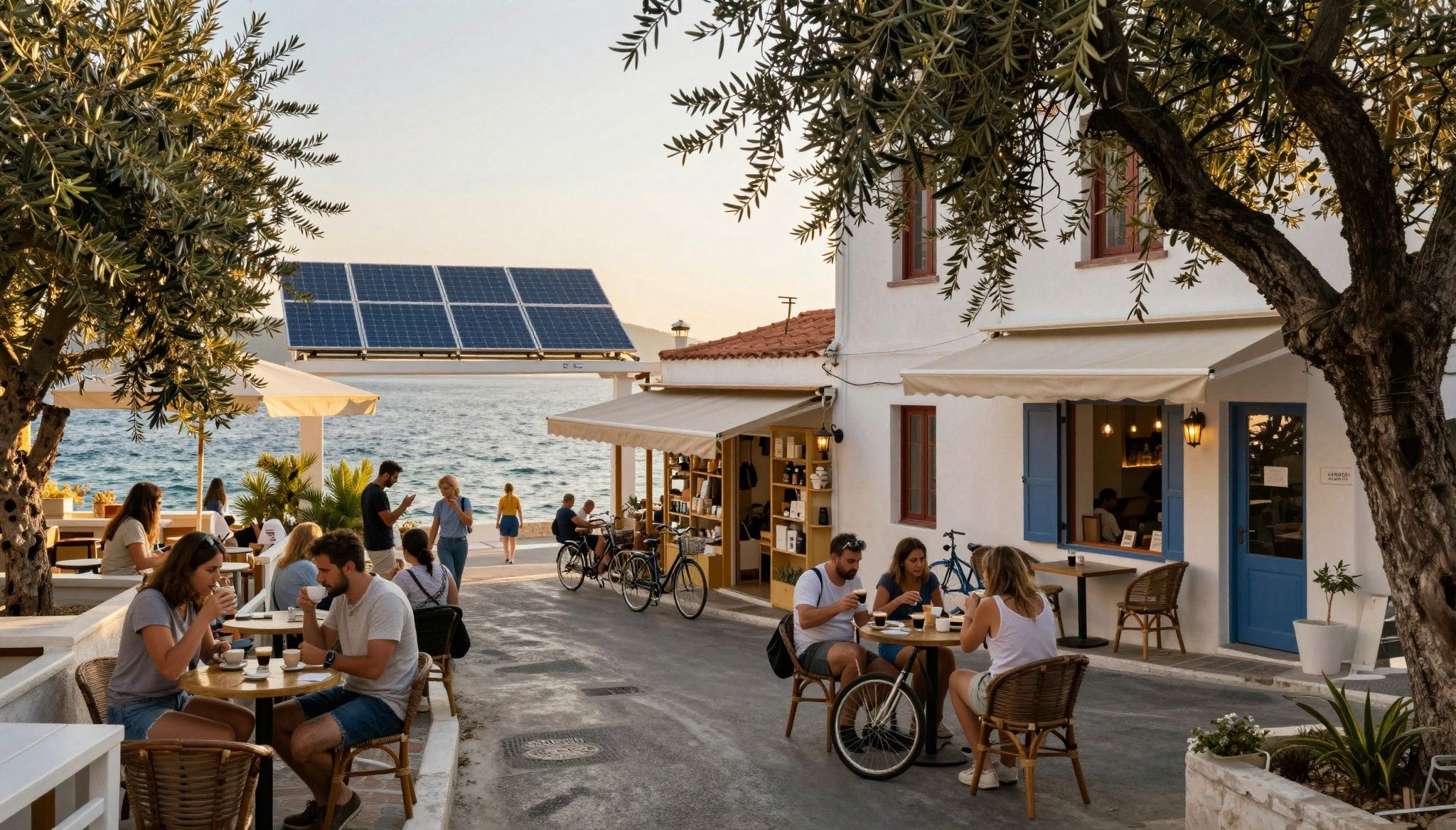
Imagine waking to the smell of freshly baked koulouri, stepping onto a shaded terrace that catches the morning breeze off the Aegean, and watching solar panels on neighboring roofs quietly turn sunlight into power for the neighbourhood. Greece now feels less like an isolated Mediterranean idyll and more like a place where everyday life and green infrastructure meet—where rooftop PV arrays, community gardens and restored stone houses coexist with small wind projects and modern grid upgrades. That combination reshapes not only how a home feels, but how it functions and what it costs to run.
Living the Greece lifestyle: sun, smell, and slow rhythms
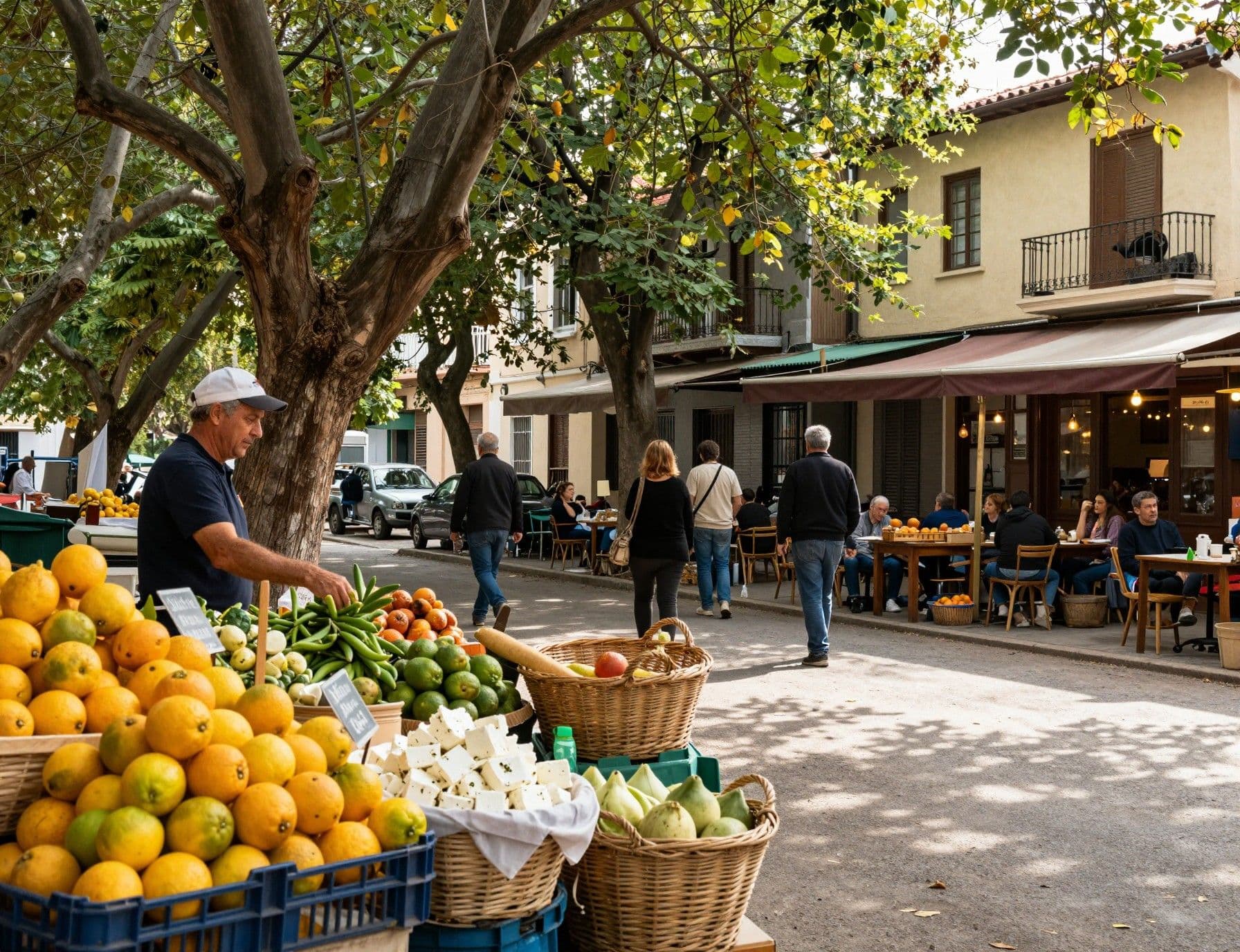
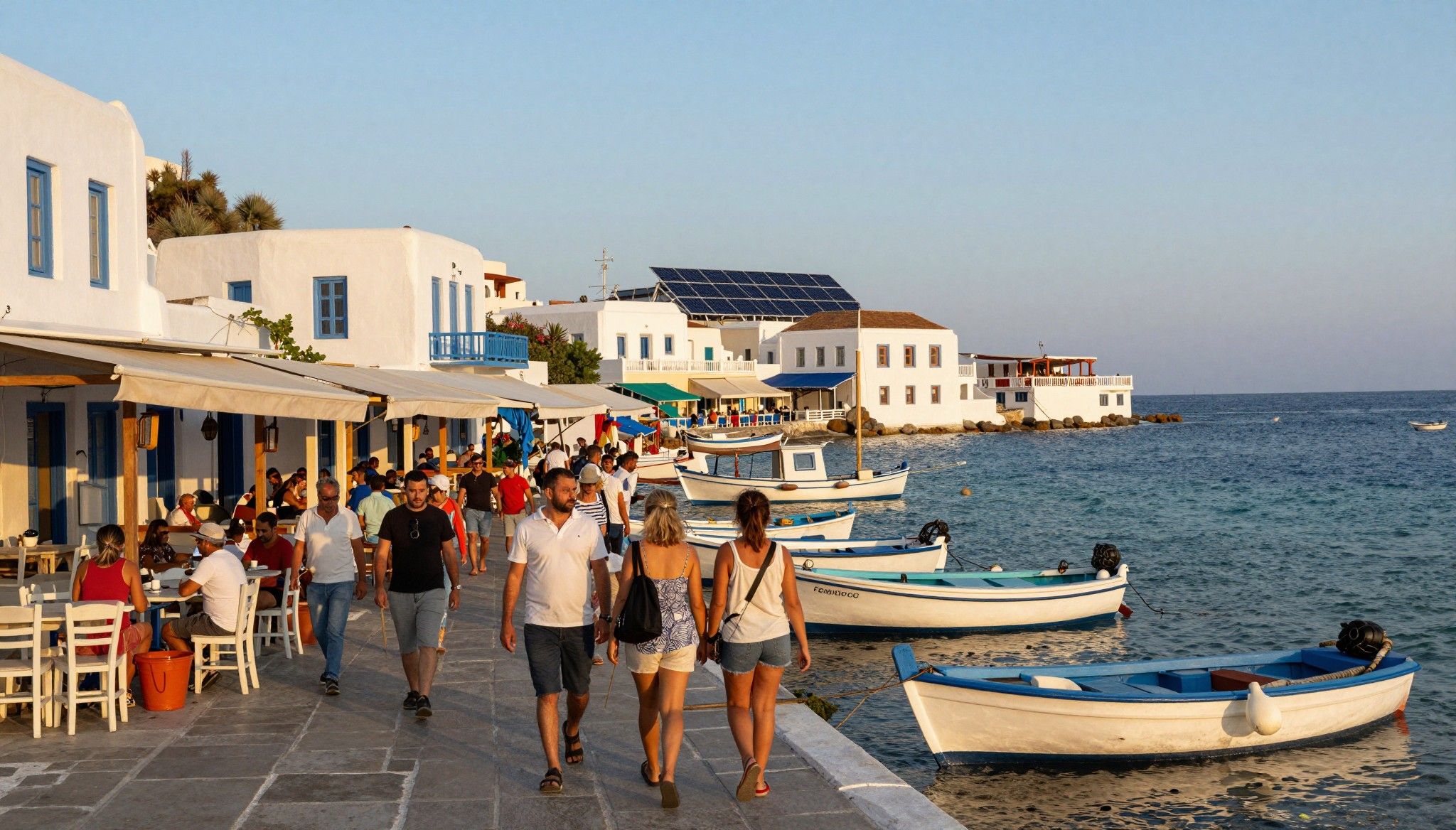
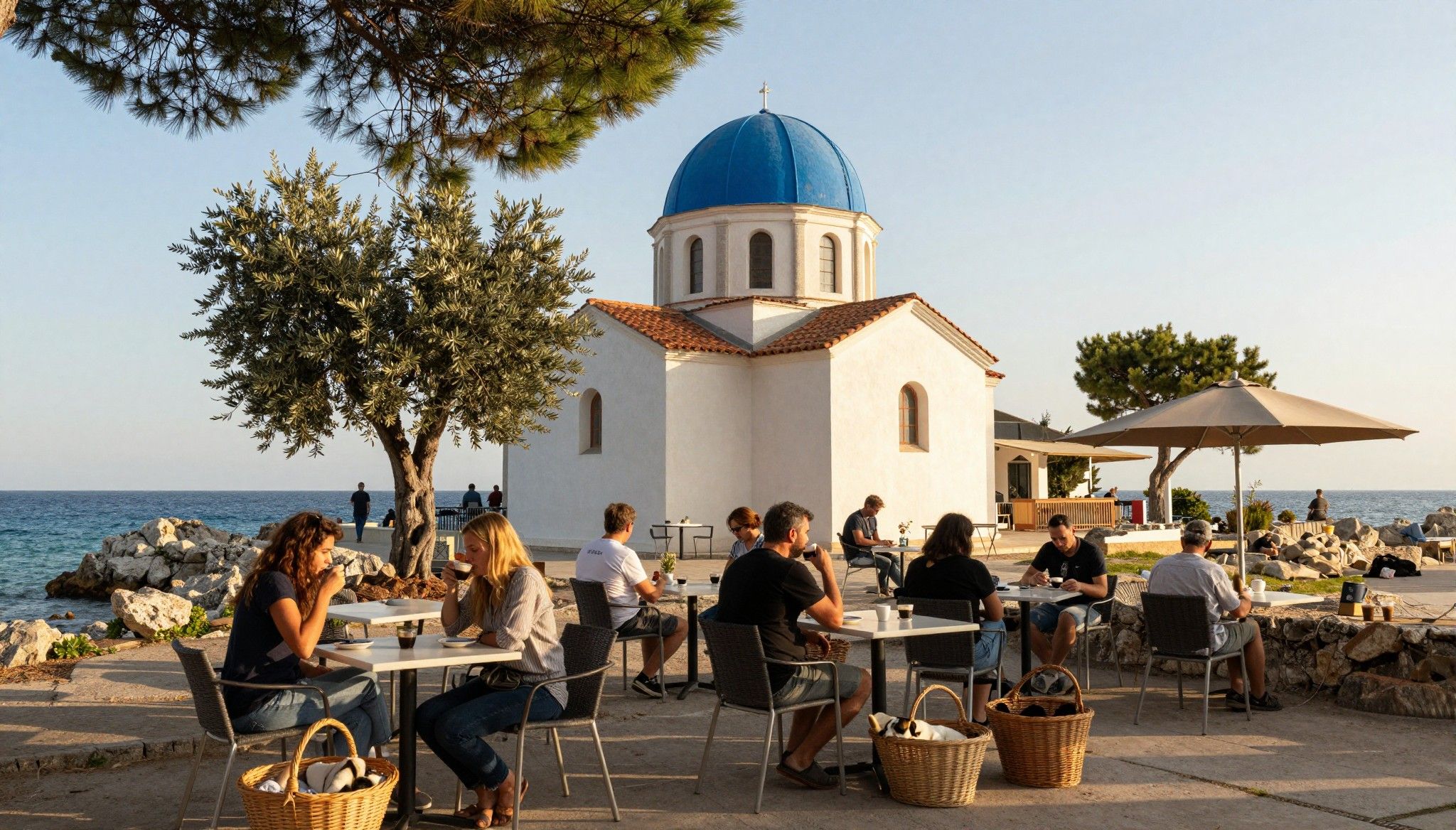
Streets in Koukaki and Pangrati ring with espresso machines, late-night tavernas and neighbours who know one another by name. Coastal towns like Nafplio and Galaxidi blend stone alleys with family-run fish tavernas while islands such as Tinos and Paros offer quieter rhythms and an earnest commitment to craft and local produce. Daily life in Greece is sensory: markets full of citrus, the clack of bouzouki in a square, church bells at Sunday mass, and the slow unfolding of a long lunch. For buyers who prize connection to place, these are the textures of home.
Neighbourhood spotlight: Koukaki, Pangrati and Glyfada
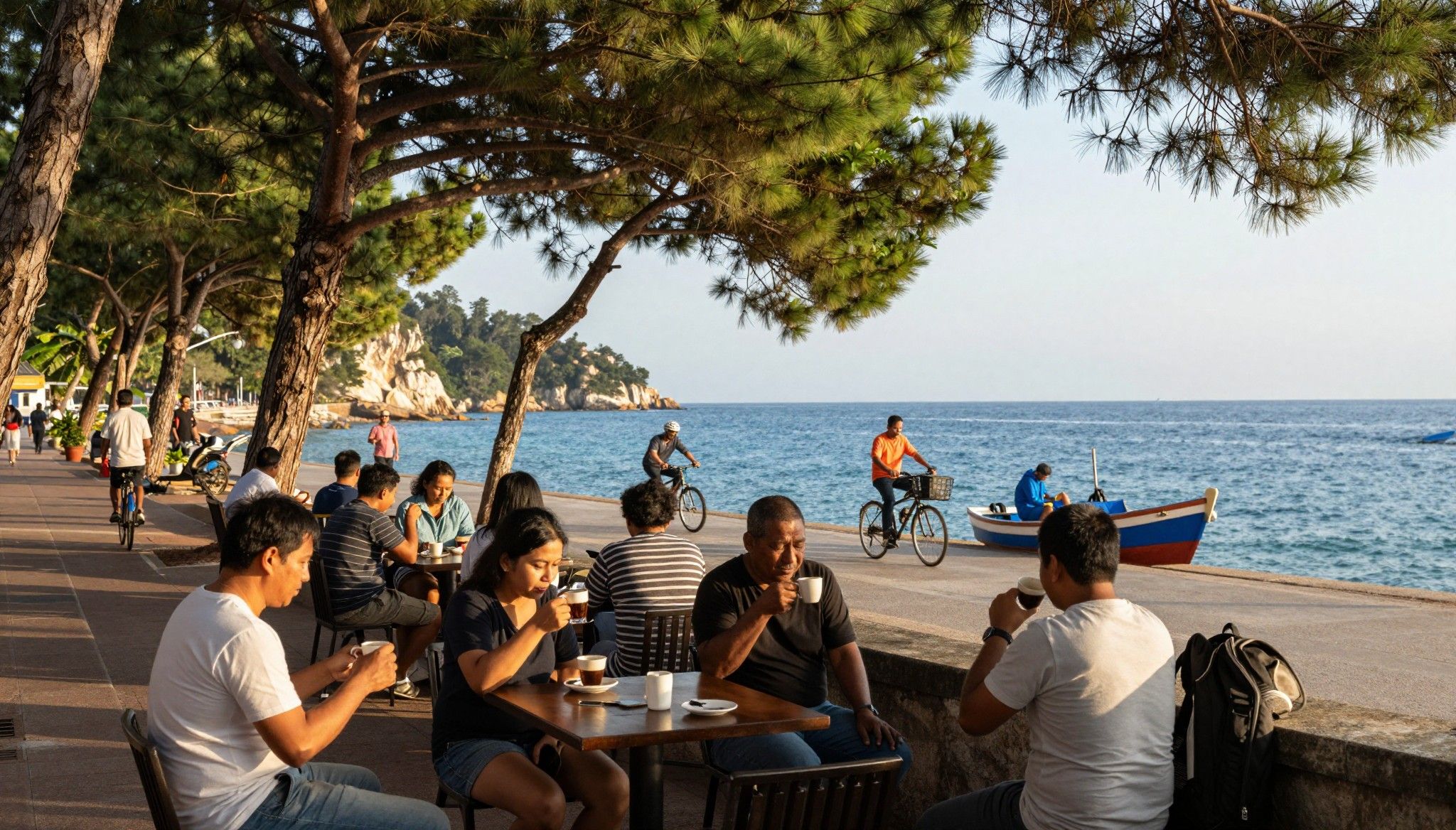
Koukaki sits under the Acropolis with narrow lanes, morning bakeries and a cluster of intimate galleries. Pangrati pulses with parks and cafes lining leafy streets where families and creatives mingle. On the southern coast, Glyfada offers airy seafront promenades, modern marinas, and cafés where conversations run late into the evening. Each area answers different desires: proximity to culture, seaside ease, or leafy suburban calm.
Food, festivals and the daily rituals that matter
Buyers arrive for sun and sea but stay for the markets (Varvakios in Athens has a pulse like nowhere else), the neighbourhood kafeneion where locals debate football, and festivals—Easter processions, panigyria in small towns, and summer film nights—that stitch you into community life. Seasonal cycles are also practical: olive harvests in autumn, wild greens in spring, and calm, cooler winters that make restored stone houses particularly cosy.
- Morning espresso at a corner kafeneio in Koukaki
- Sunday market strolls for citrus, cheese and feta sellers
- Coastal walks in Glyfada and sunset mezze on harbour fronts
- Island craft fairs (Tinos marble, Paros ceramics) that double as neighbourhood moments
Making the move: how Greece’s green infrastructure changes what you buy
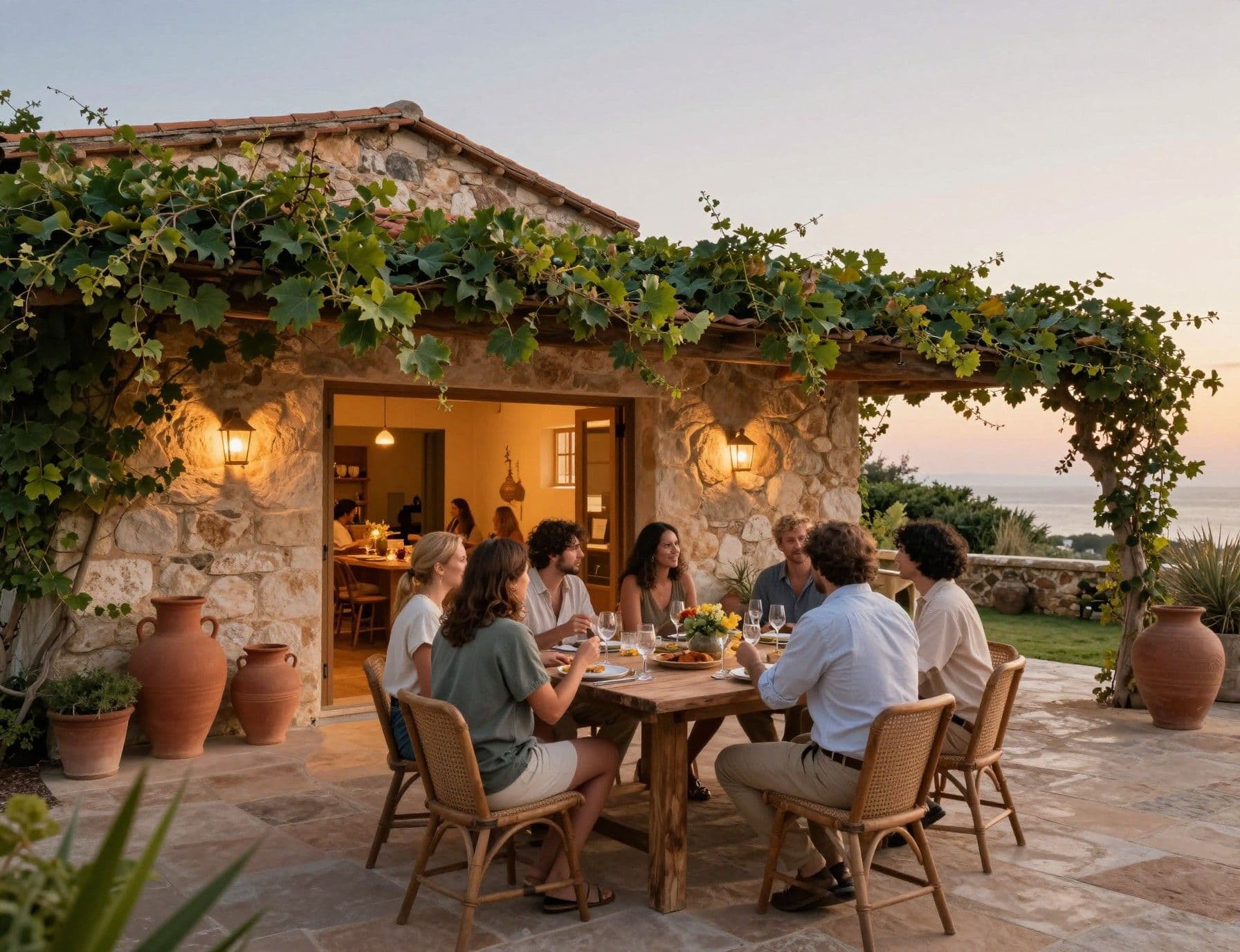
Greece’s surge in solar and wind capacity—records in PV installations and rising shares of renewables on the grid—means homes are increasingly judged by their relationship to energy, not only by location or sea view. A rooftop-ready house with south-facing terraces or a plot where a small solar array fits comfortably will reduce running costs and, in some regions, open possibilities for selling surplus power back to the grid. That changes the conversation with agents and the types of questions you should ask.
Property styles that match green living
Traditional stone houses with thick walls and shaded courtyards naturally moderate temperature; when combined with insulated windows and modest PV systems they become low-cost, low-impact homes. Conversely, modern villas with expansive glazing can be exceptional when designed for cross-ventilation and equipped with heat-pump systems. The takeaway: the architectural style is less important than thoughtful retrofitting and orientation to sun and wind.
Work with local experts who speak both culture and tech
- Find agents who can translate local rules (Golden Visa amendments, rental regulations), advise on short-term rental constraints, and connect you with trusted installers for solar, thermal systems, and efficient HVAC. A local team should also help you understand grid connection realities; in many regions the pace of PV deployment has outstripped local grid upgrades, making expert advice essential.
- Ask about recent permit changes and how they affect foreign buyers (especially in high-demand islands and Athens neighbourhoods).
- Request recent energy bills and structural reports — the true running cost reveals more than photos.
- Prioritise south-facing roof space, shade strategies and the potential for a modest battery if you want energy independence.
Insider knowledge: expat truths and seasonal red flags
Expats often romanticise island summers and overlook winter realities: light crowds become quiet towns, businesses reduce hours, and connection to services can thin. Meanwhile, regulatory shifts around short-term rentals and housing in Athens and popular islands can affect rental income prospects overnight. The smart buyer remembers that lifestyle is seasonal and that green infrastructure—solar output, water collection, heating needs—changes with the months.
Cultural integration: language, community, and small courtesies
Learning a few phrases, attending local markets, and joining a taverna’s Sunday table open doors faster than any legal dossier. Greeks value hospitality and directness; invest time in neighbours and you’ll be invited to olive pressings and village feasts. Those social ties also translate into practical help — a contact who knows a reliable builder, a neighbour who can collect mail during winter absences —and they shape how you inhabit your home.
Long-term lifestyle: stewardship, restoration and leaving a legacy
Choose properties with durable materials—stone, lime plaster, local timber—and think beyond the sale. Greener choices (rainwater harvesting, local plantings, regenerative gardens) increase biodiversity and reduce upkeep, and they make properties more resilient to seasonal swings. For many buyers, the house becomes a stewardship project: a place to repair, adapt and hand on better than it was found.
- Inspect the roof and orientation for PV or passive solar upgrades
- Check local grid capacity and recent curtailment figures before planning large exportable PV systems
- Consider water storage and cisterns—many islands and rural areas prize independence
- Prioritise local craftsmen for restorations—traditional techniques age beautifully and support community
Start-to-finish steps for a greener purchase:
- 1) Visit in two seasons (high and low) to feel true rhythms and service availability.
- 2) Commission an energy and structural survey before bidding; treat retrofit potential as part of price negotiation.
- 3) Partner with an agent experienced in green upgrades and local permitting—ask for recent references.
- 4) Build a 2–5 year stewardship plan: energy, water, garden and community ties—these shape long-term value.
Conclusion: Greece asks you to slow down, see seasons, and choose with care. The practicalities of buying—permits, grid realities, Golden Visa shifts—matter, but the deeper reward here is a home that joins a living landscape. If you choose a place oriented to sun, shaded by olive trees, and tied into a caring community, you'll not only lower bills—you'll gain a life that hums with local rhythms. When you're ready to look, work with agents who understand both sustainable retrofit and neighbourhood life; they are the bridge from dream to stewardship.
British expat who traded Manchester for Mallorca in 2017. Specializes in guiding UK buyers to luxury Spanish estates with clear navigation of visas and tax.