Greece’s Green Shift: Lifestyle First, Infrastructure Matters
Greece pairs Mediterranean living with rapid green energy growth—prioritise south‑facing roofs, PV history and local agents to turn lifestyle dreams into lower‑cost, sustainable homes.
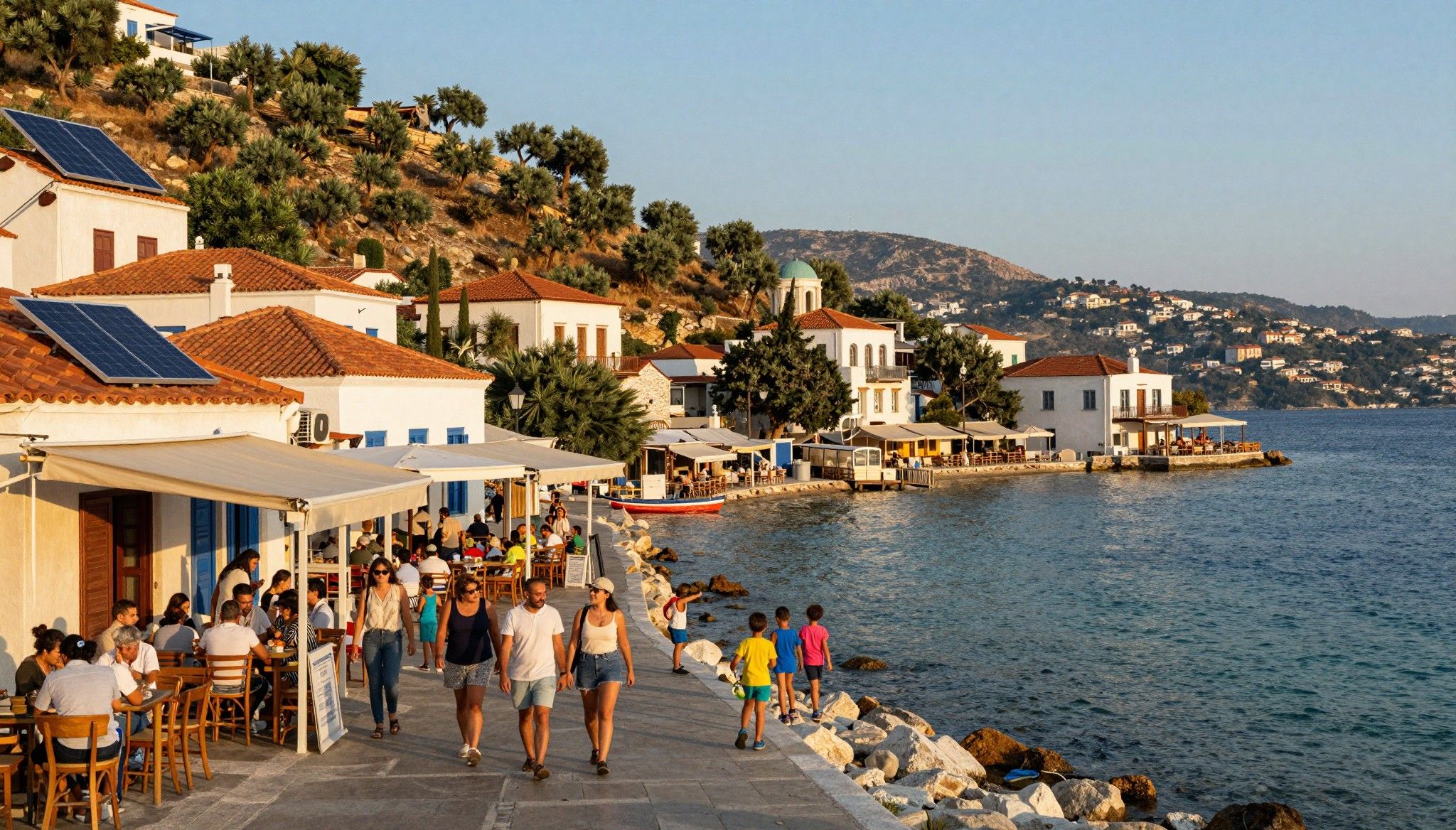
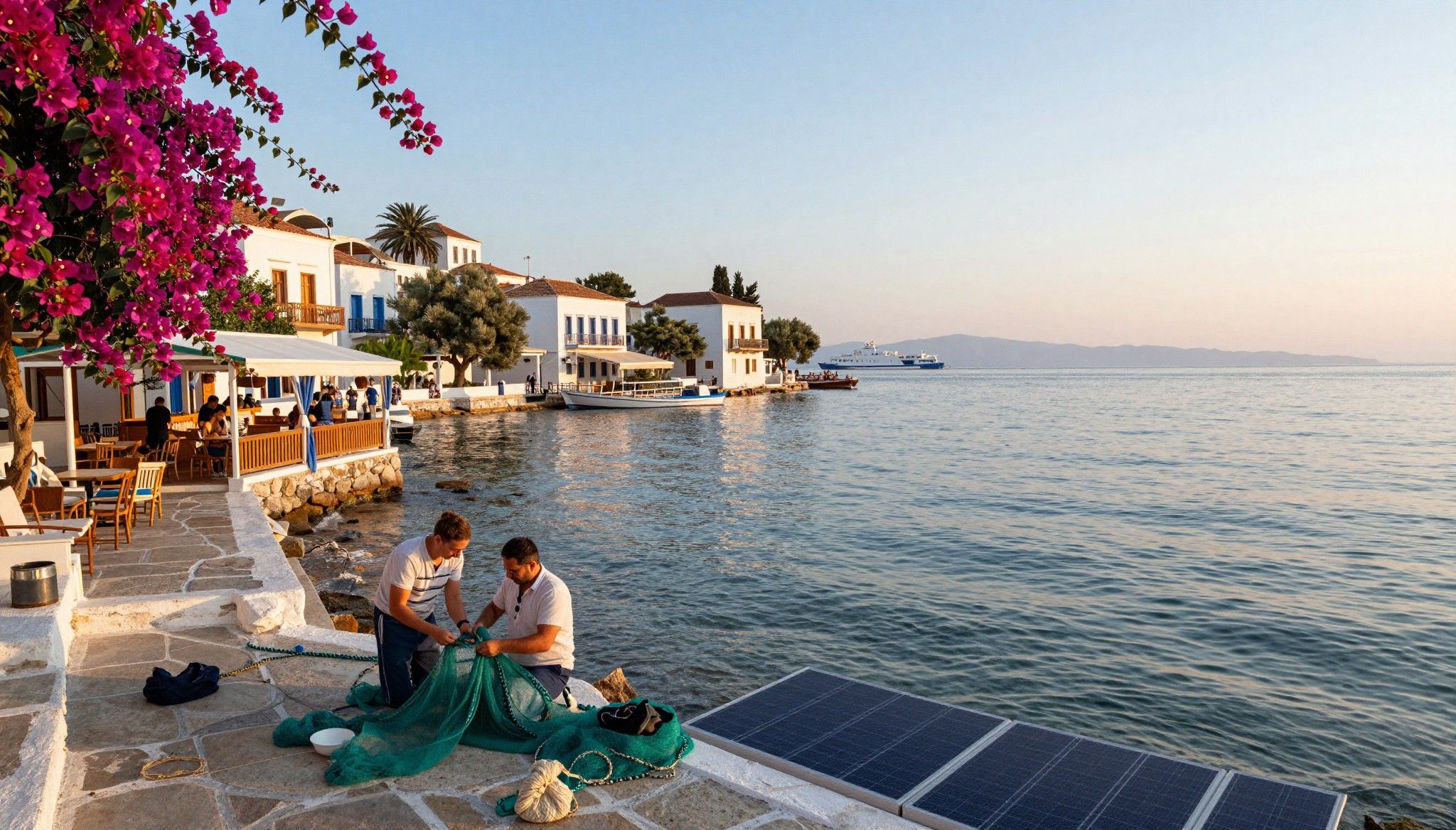
Imagine stepping out at dawn onto a terrazza in Naxos or a shaded kafeneion in Kifisia, the air heavy with citrus and sea salt, while the roofline across the street gleams with solar panels. That morning light—warm, forgiving, habitual—frames life in Greece today: a place where ancient stone, olive groves and a rapid green-energy transformation meet the quiet rituals of everyday living. For international buyers drawn to light, landscape and low‑impact living, Greece now offers not just beauty but a fast-growing green infrastructure that changes how homes are powered, lived in and valued.
Living the Greece Lifestyle: light, food and seasons
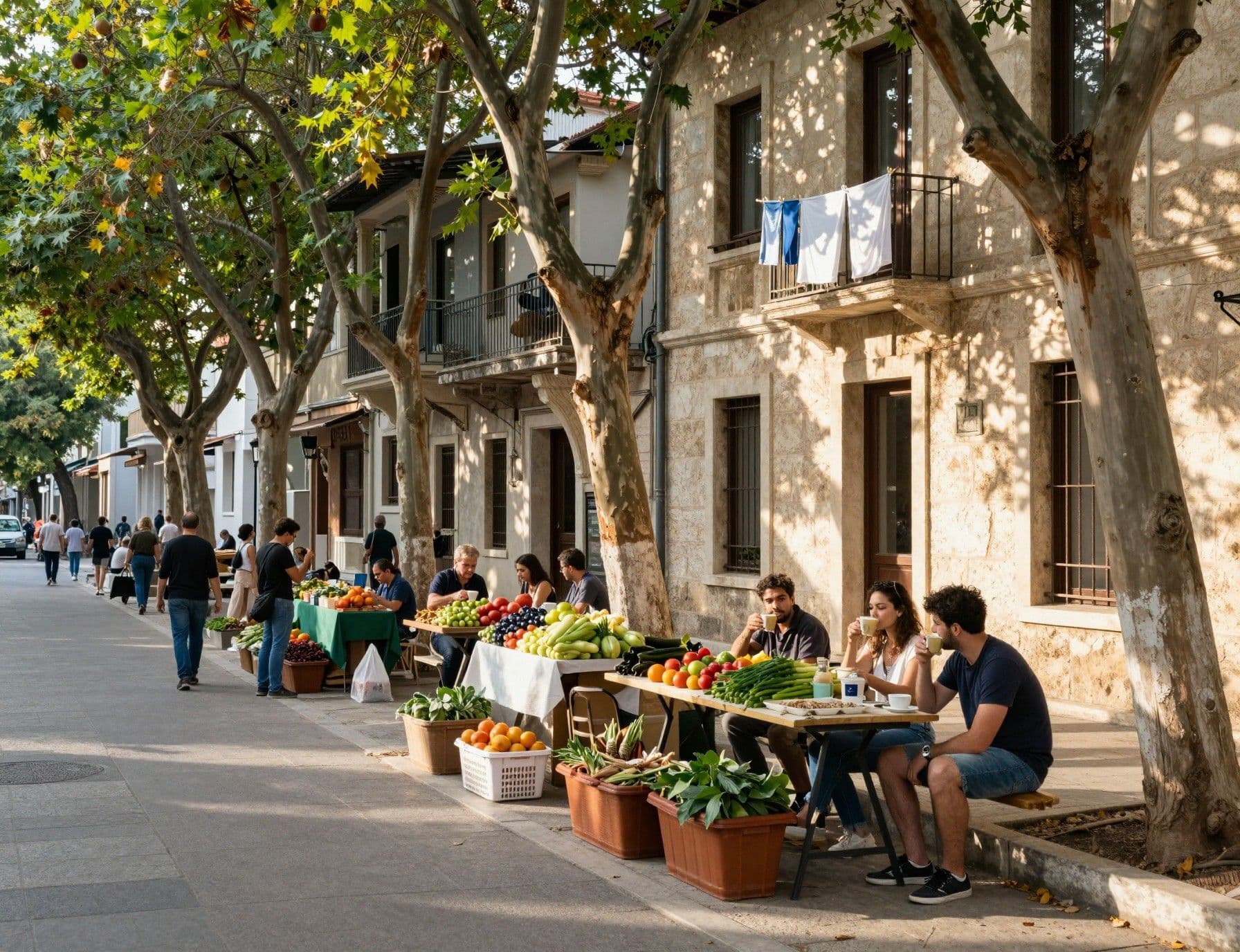
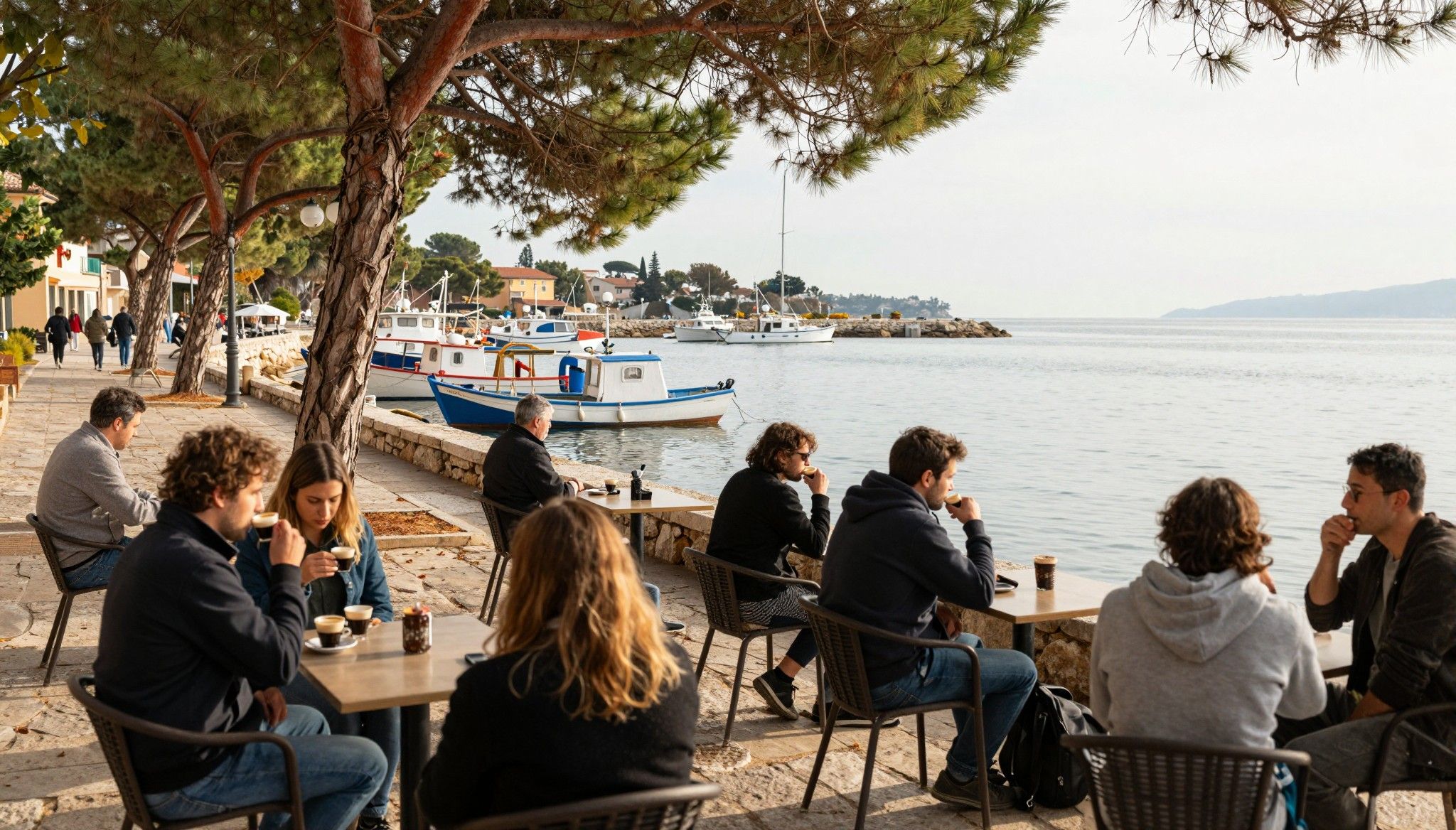
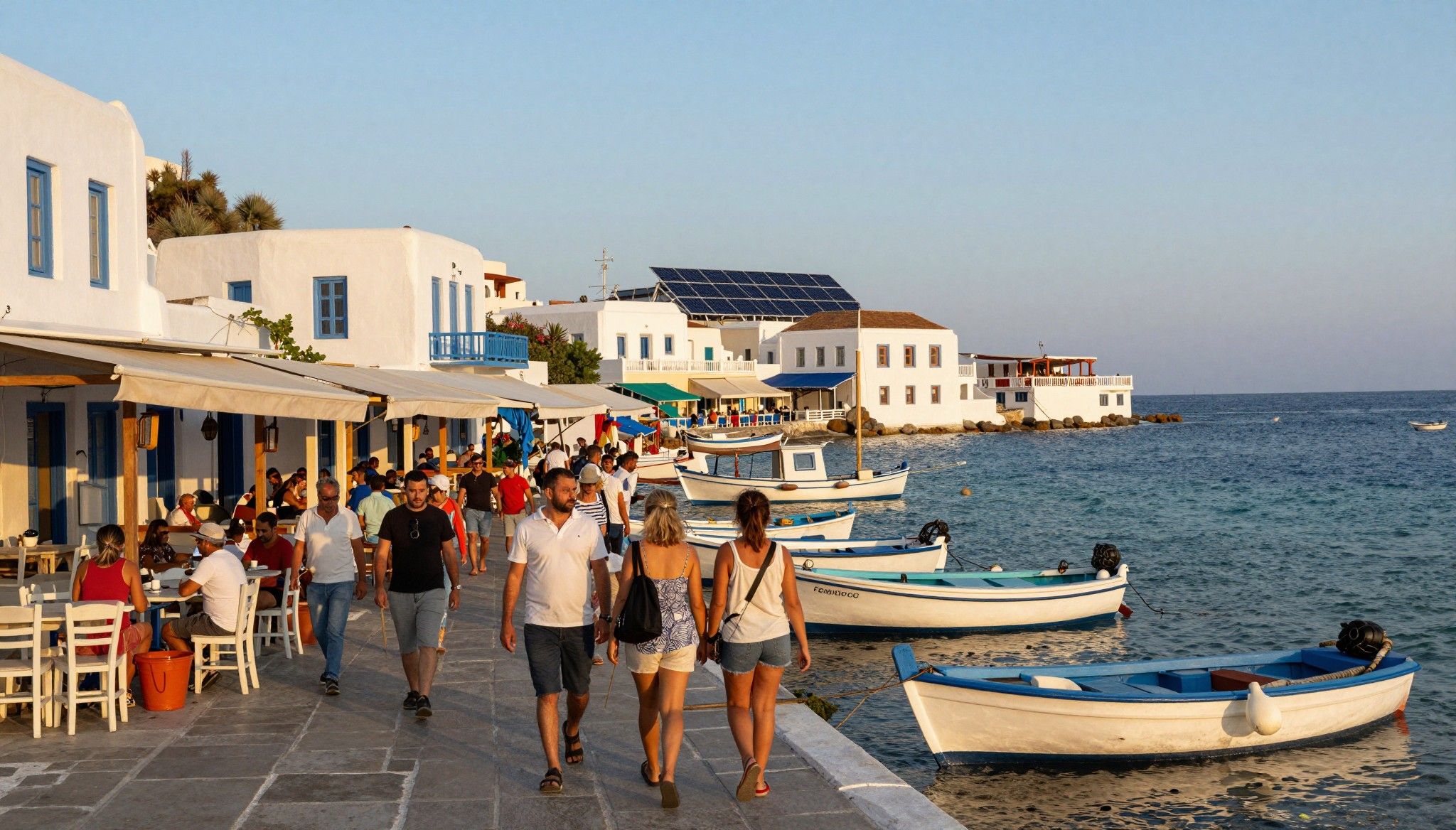
Life in Greece moves at the rhythm of markets, cafes and the sea. Mornings are for espresso and compact pastries in narrow streets; afternoons, for siestas, olive‑oil‑rich salads and walks along the promenade. Cities like Athens and Thessaloniki pulse with neighbourhood microcultures—Marousi’s leafy avenues for family life, Kifisia’s gardened streets for slow weekends—while islands such as Paros or Tinos trade bustle for community rituals: fish markets at dawn, church bells at dusk, and neighbourhood tavernas where you are quickly a regular.
Neighbourhood spotlight: Athens’ green pockets
Walk from Kolonaki up into the hills and you find small parks, stone stairways shaded by plane trees and family bakeries where locals gather. These pockets matter: they’re where eco‑retrofitting, roof gardens and community solar projects best fit urban life. Many buyers choose neighbourhoods like Koukaki or Pangrati for calm streets and proximity to market culture, while still being minutes from Athens’ museums and cafés—a balance of amenity and green living that feels effortless.
Food, markets and the rhythm of seasons
Weekends in Greece are anchored by markets: imagine crates of tomatoes, pungent mizithra and figs drying in sunlit windows. That seasonality informs how homes are used—rooftop terraces host long summer dinners, while winter sees slow kitchen life and wood‑fired stoves in mountain villages. As solar and wind capacity expand across the islands and mainland, more homes are becoming energy self‑reliant—so your cooking, cooling and evening lights are part of a cleaner local grid.
Morning ritual: espresso at Kafenio Della in Kifisia; Weekend market: Varvakios Agora in Athens for fish and herbs; Island dawn: Pastries and sea swim on Agios Prokopios, Naxos; Green afternoon: olive grove walks in Mani; Hidden beach: Koukoumavlos cove, Milos; Sunset scene: Aperitivo on a Paros terrace.
Making the move: how green infrastructure affects buying
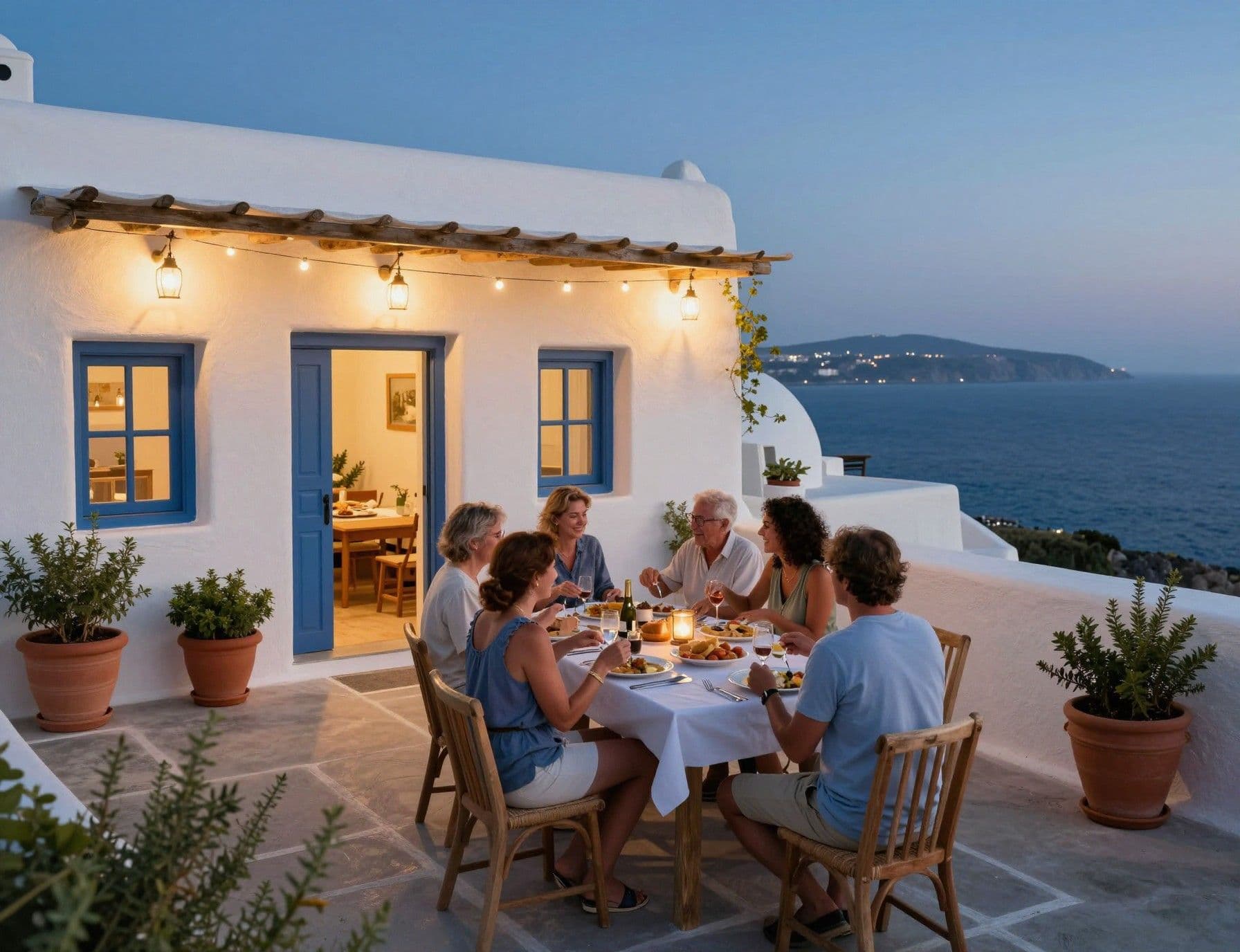
That beauty has practical implications. Greece’s surge in solar and wind—record installations and growing community energy projects—reshapes which properties deliver long‑term comfort and lower running costs. Buyers who imagine a home as a small ecosystem will find that orientation, roof space, and grid connections matter as much as sea views. In many regions, rooftop PV and heat‑pump readiness add measurable value; in others, proximity to new grid upgrades or planned interconnectors (like the undersea cable projects) signals near‑term infrastructure improvements.
Property styles & what they offer: traditional stone casas, Cycladic white cubes, modern villas and retrofit candidates each host green upgrades differently. Stone homes offer thermal mass and cool summer interiors but may need careful retrofit for insulation and discreet solar. New builds and modern villas often include EV charging and integrated PV. Understanding which property type matches your lifestyle—entertaining on terraces, growing food, or year‑round living—helps focus searches on homes that already suit a low‑impact life.
Working with local experts who speak both habitat and law
1. Ask agents about a property’s current energy source mix and rooftop PV history; 2. Request recent electricity bills and any self‑consumption metering data to estimate real running costs; 3. Confirm local permitting rules for retrofits—some islands and protected zones have stricter controls; 4. Prioritise properties with south‑facing roofs and adequate structural condition for panels and battery systems.
Insider knowledge: myths, costs and expat truths
Let’s bust a useful myth: Greece is not only a seasonal playground for tourists; many regions sustain lively year‑round communities and services. While summer rental demand skews prices on some islands, places like Chania, Nafplio and parts of the Peloponnese sustain local economies with schools, healthcare and year‑round markets. Expat buyers we’ve met say the surprise is how quickly they’re woven into local rhythms—if they invest in community, not only a view.
Cultural integration and everyday practicalities
Language and small customs shape daily life: greet shopkeepers with a brief kalimera, plan weekday errands around mid‑day closures in smaller towns, and expect invitations to community gatherings that quickly become the heart of home life. Practically, many expats advise budgeting time to understand municipal planning offices; permits for solar, cisterns or terraces vary, and local agents who know the permitting cadence save months of delay.
What expats wish they’d known: 1) Bring patience for paperwork and delight in communal food culture; 2) Inspect roofs and water systems—cisterns are often key to island living; 3) Seek properties with existing PV in sunny regions to reduce upfront retrofit costs; 4) Check access roads and winter maintenance on mountain villages.
Conclusion: Greece offers a rare combination—timeless Mediterranean life stitched to a modern green transition. For international buyers who want sunlit terraces, salted markets and a genuine neighbourhood, prioritise properties that already work with renewable systems or that are straightforward to retrofit. Work with local agents who understand both lifestyle and the evolving green grid; do so and you’ll not only buy a home, you’ll become part of a living landscape that’s getting cleaner and more resilient each year.
Danish relocation specialist who moved from Copenhagen to the Algarve; supports families with seamless transitions, local partnerships, and mindful purchases.