Greece’s Green Grid: Lifestyle Gains and Real Tradeoffs
Greece pairs sunlit lifestyle with rapid renewable growth; choose places where traditional stone, rooftop solar and local markets meet practical steps for resilient, low‑impact living.
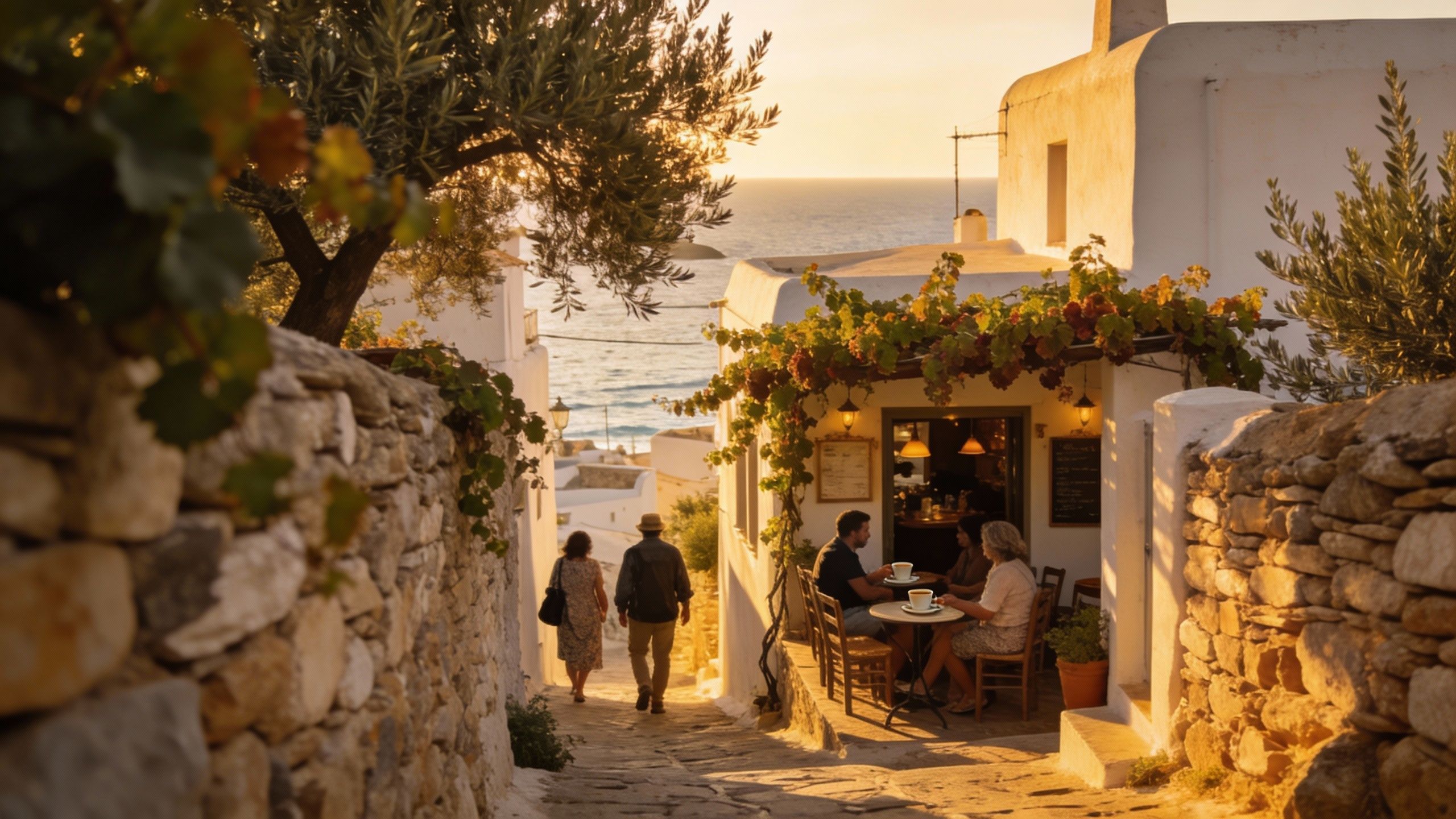
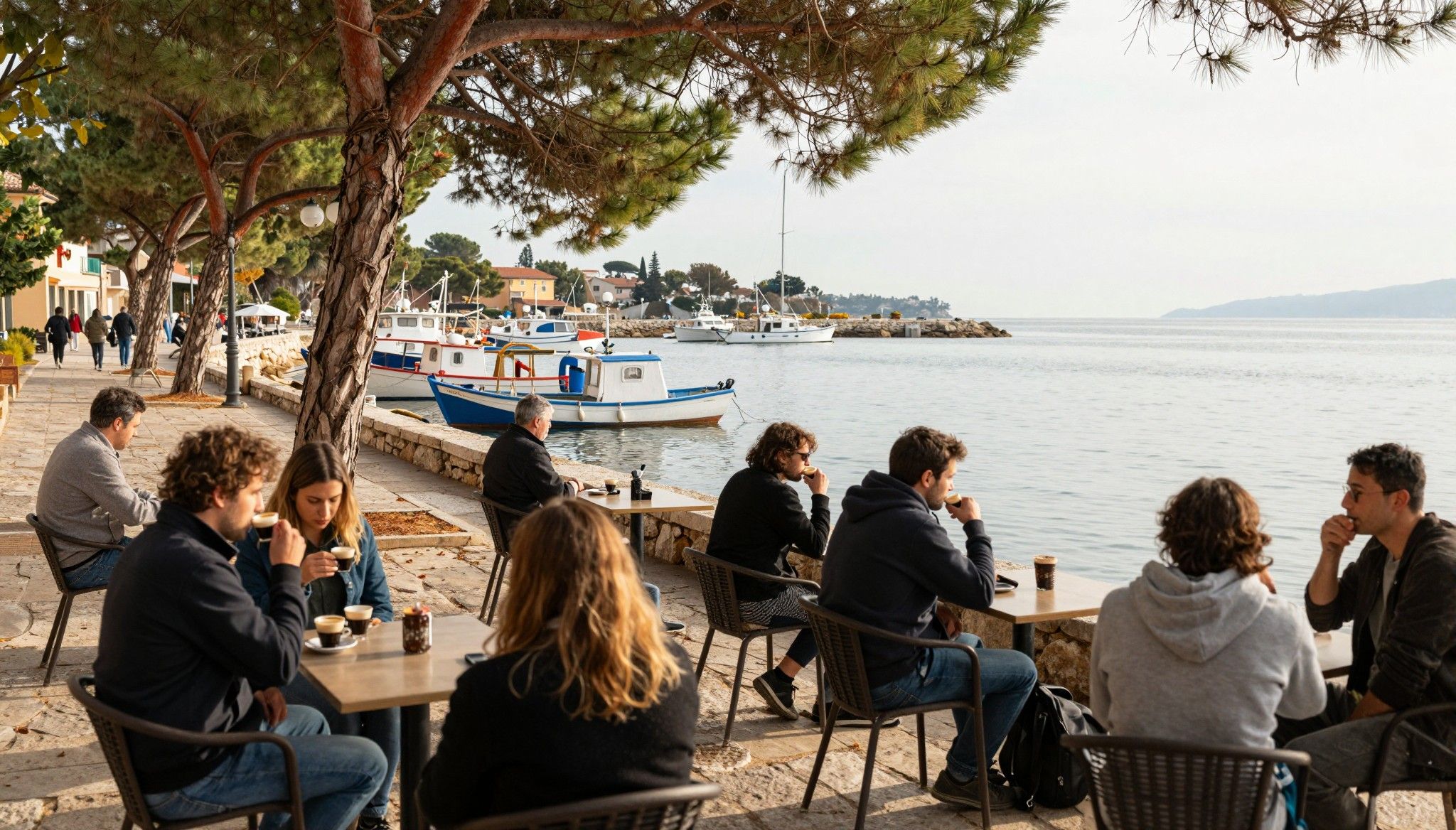
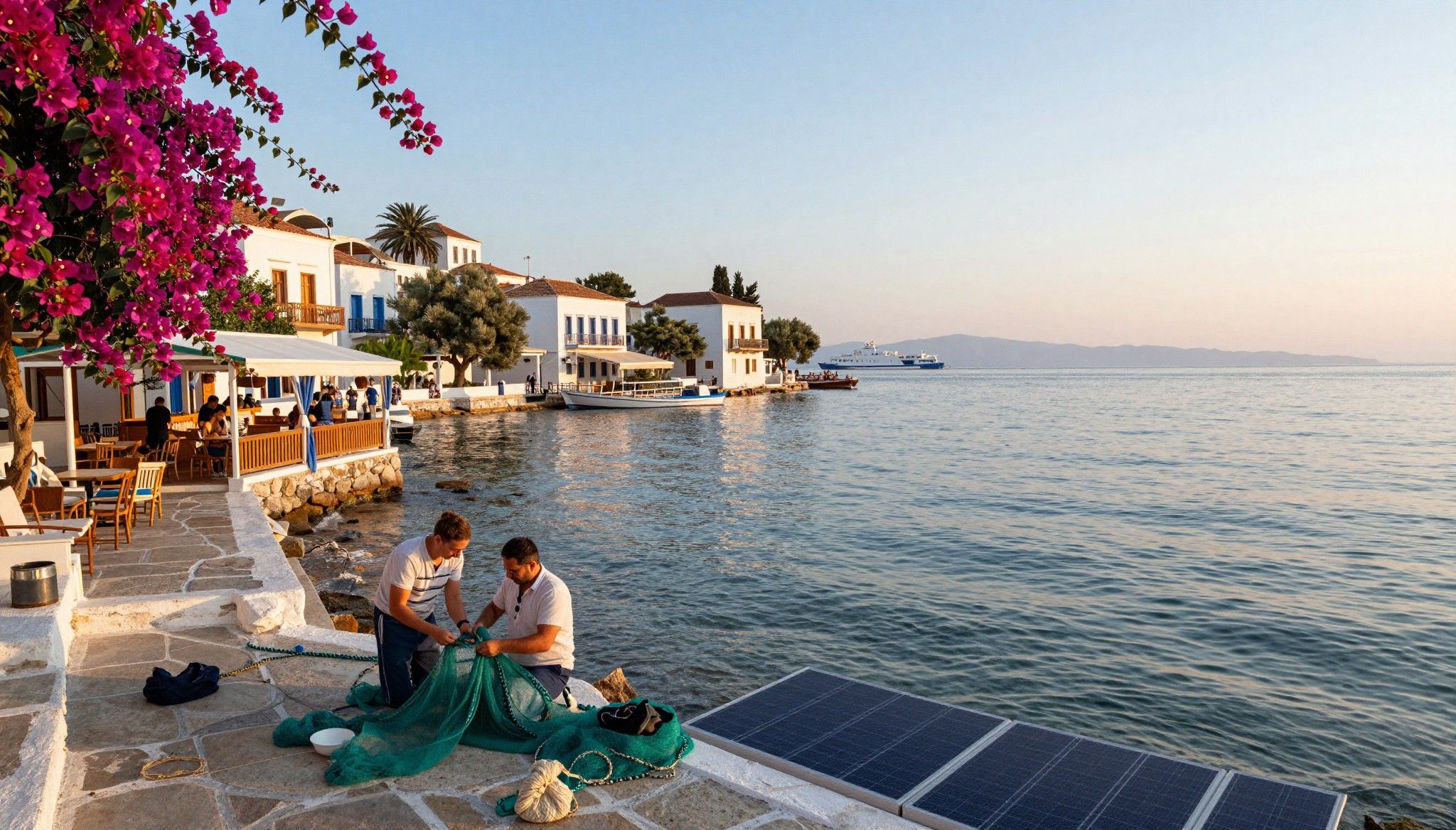
Imagine waking on a narrow Athens street to the soft clink of espresso cups, or stepping out onto a Cycladic terrace where wind‑tamed bees hum among rosemary and a rooftop solar array hums too. Greece is equal parts sun, stone and sea—an invitation to a slower rhythm where gardens, markets and communal cafés shape daily life. For international buyers craving greener infrastructure and a tangible link to land, Greece offers something surprising: rapid renewable growth and neighbourhoods where low‑impact living is already part of the rhythm.
Living the Greece lifestyle: sensory day-to-day
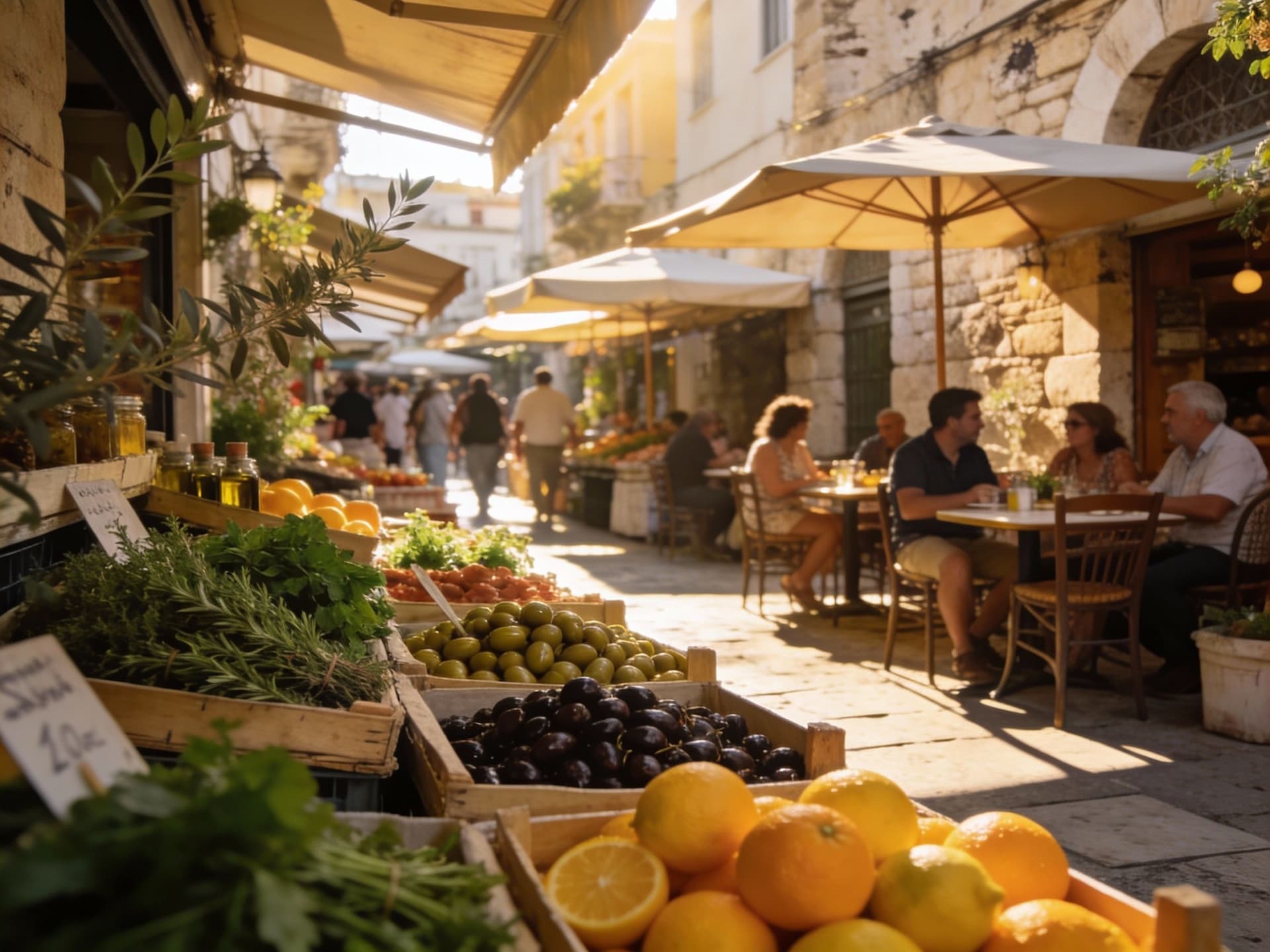
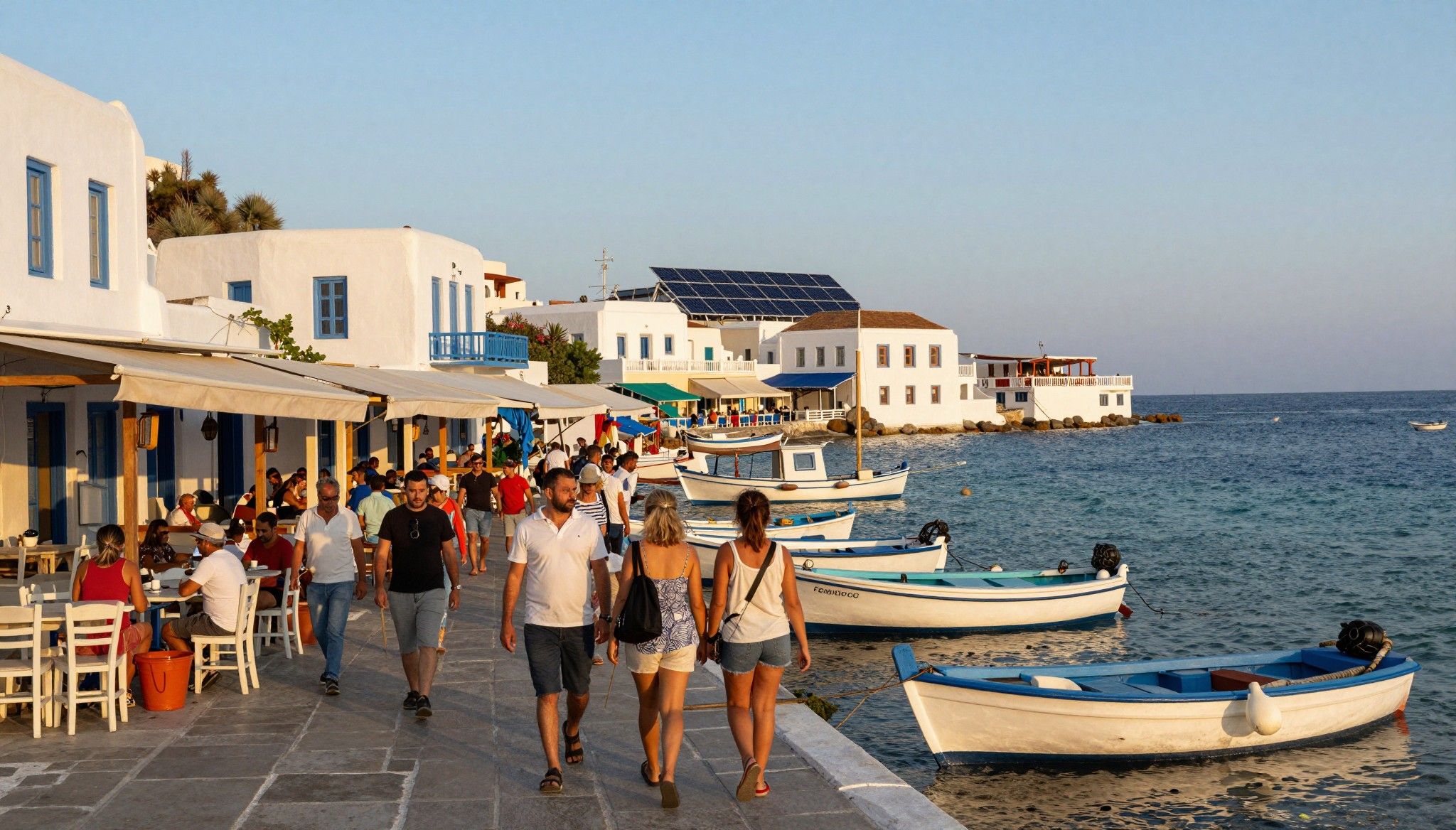
Mornings in Greece move from quiet lanes to bustling markets. Picture buying tomatoes at Varvakios (Athens market) while bicycles and delivery scooters thread between stalls, or catching a fisherman's wave of fresh octopus at Chania’s harbour. Evenings smell of wood smoke and thyme; neighbours gather for slow dinners under pergolas. The architecture—whitewashed Cycladic cottages, neoclassical Athens apartments, stone manor houses on the mainland—frames a life that leans outside: terraces, courtyards, and shaded alleys where community happens naturally.
Coastal calm vs city pulse: where to feel most at home
If you crave sea mornings and salt on your skin, the Athens Riviera (Vouliagmeni, Glyfada) and islands like Lefkada and Corfu deliver sheltered bays, sailing communities and seasonal markets. For cultural life, hip Kolonaki or the restored quarters of Kerameikos pulse with galleries, cafés, and old‑craft workshops. Inland towns—Nafplio, Metsovo, parts of Pelion—offer cooler summers, chestnut forests and village squares where neighbors still trade home‑made cheese and stories.
Food, markets and small rituals that define place
Food is civic life here. Morning coffee at Little Kook or a slow lunch at a taverna in Plaka is as much about connection as cuisine. Farmers’ markets—Kallidromiou in Athens or Chania public market—anchor the week: seasonal fruit, wild greens, chèvre from Epirus. These rituals shape how properties are used: kitchens as gathering places, shady dining terraces, and cellars for preserving vin‑and‑olive‑oil harvests.
- Daily life highlights: Vouliagmeni beach mornings; coffee at a corner kafenio in Plaka; Sunday market in Chania; late dinners under bougainvillea in Nafplio; weekend hikes on Mount Olympus
Making the move: green infrastructure and the property tradeoff
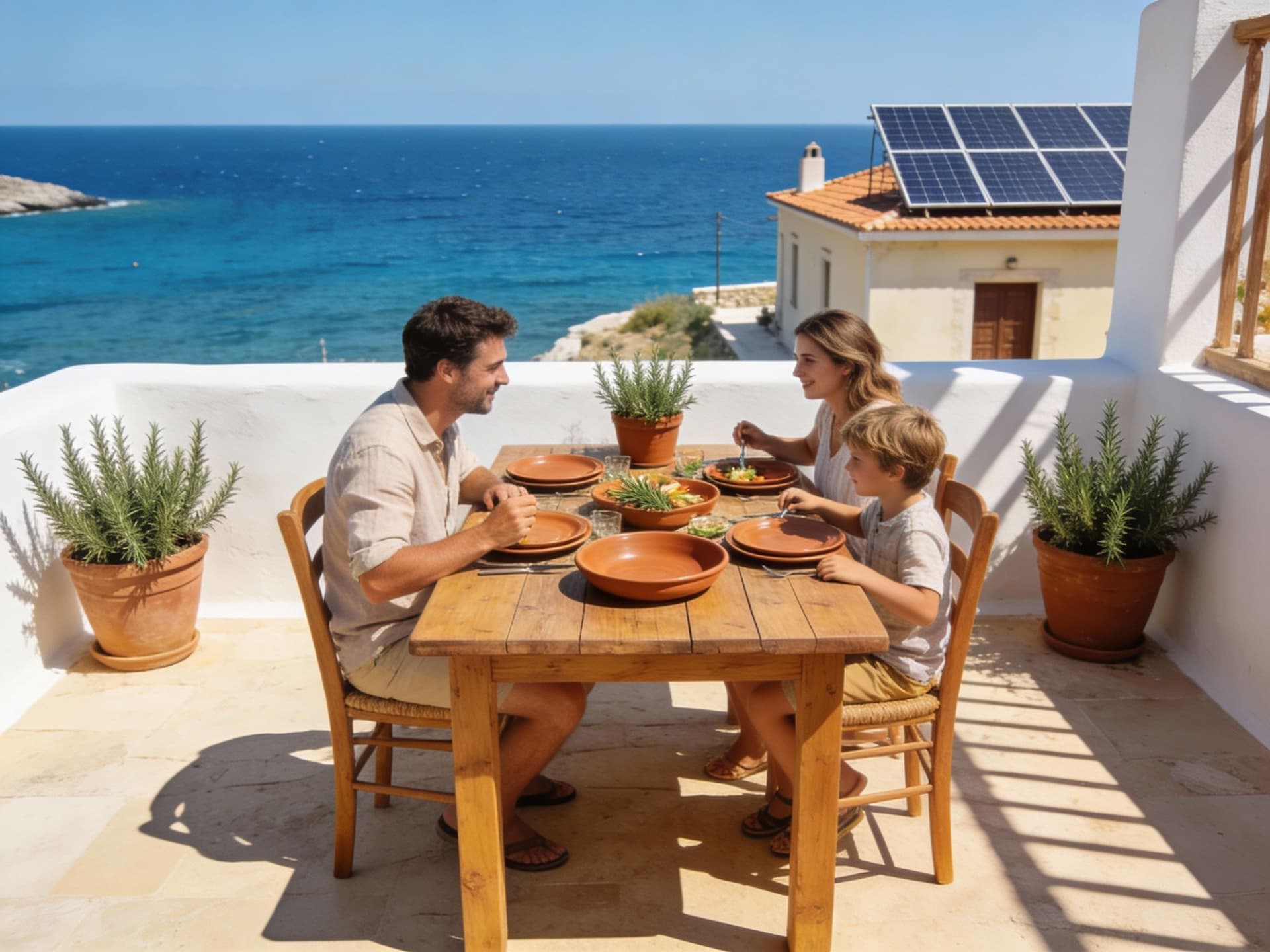
Greece is not only romantic coastlines—it's a country racing toward renewables. In 2023 photovoltaics, wind and hydro supplied a historic share of domestic electricity, a fact that changes living costs and long‑term resilience for homeowners. That means lower grid emissions, growing availability of incentive programmes for solar installations, and communities where energy independence is increasingly realistic.
Property types that marry lifestyle with low impact
Traditional stone homes with thick walls and small windows are naturally energy efficient; modern eco‑renovations add insulation, heat pumps and rooftop PV without losing character. New developments around the Athens Riviera and selective island projects often integrate district heating, smart meters and rainwater harvesting. Choose the building type that fits how you want to live—terraced island houses for outdoor life, Athens flats for culture, or converted stone farmhouses for agrarian projects.
How local experts ease the transition
- 1. Ask agencies about recent utility bills and onsite PV performance; it reveals real running costs and solar yield. 2. Prioritise lawyers who have completed tax clearance and cadastral (land registry) checks—paperwork here is often the gating factor. 3. Seek builders experienced in seismic‑safe retrofits if you choose older stone houses. 4. Request neighbourhood energy plans or municipal sustainability strategies to see long‑term grid and development plans. 5. Inspect rainwater collection, cisterns and greywater systems—these matter on drier islands.
Insider knowledge: what expats wish they'd known
Buyers often arrive expecting cheap island bargains; the reality is nuanced. Nationally, prices rose strongly in recent years—driven by both domestic and foreign demand—so opportunity sits in less obvious places: inland towns, up‑and‑coming coastal communities, and properties that need sensitive eco‑renovations. Also note policy shifts: investor residency thresholds were raised for high‑demand areas, reshaping where international capital flows. These are the realities that change timelines and budgets.
Cultural cues and practical daily tips
Learn a few Greek phrases and the rhythm of siesta and long lunches; suppliers, municipal offices and craftsmen all respond better to patients and personal introductions. Expect slower bureaucracy but deeply helpful local tradespeople—your plumber might also be the olive‑press neighbour. For islands, summer services expand; winter requires planning for heating, food supplies and ferry schedules.
- Long‑term lifestyle factors to weigh: • Seasonality of services and community life on islands • Solar potential (southern exposure) and roof orientation • Access to local markets and municipal green plans • Seismic retrofit history and building records • Short‑term rental pressure vs community cohesion
Conclusion: Greece lets you marry everyday beauty with resilient living—if you look beyond postcards and ask the right questions. Start by visiting neighbourhood markets, meeting local builders, and comparing energy bills. Work with agents who can point to municipal sustainability plans and local installers for solar and water systems. Do that, and the island terrace or stone farmhouse becomes more than a dream: it’s a practical, low‑impact home that grows more valuable as Greece builds its green future.
Danish relocation specialist who moved from Copenhagen to the Algarve; supports families with seamless transitions, local partnerships, and mindful purchases.