The Summer Illusion: When Not to Buy in Croatia
Fall for Croatia’s summer charm, but buy for its quieter seasons: visit across weather, verify titles, and prioritize low‑impact features for lasting lifestyle value.
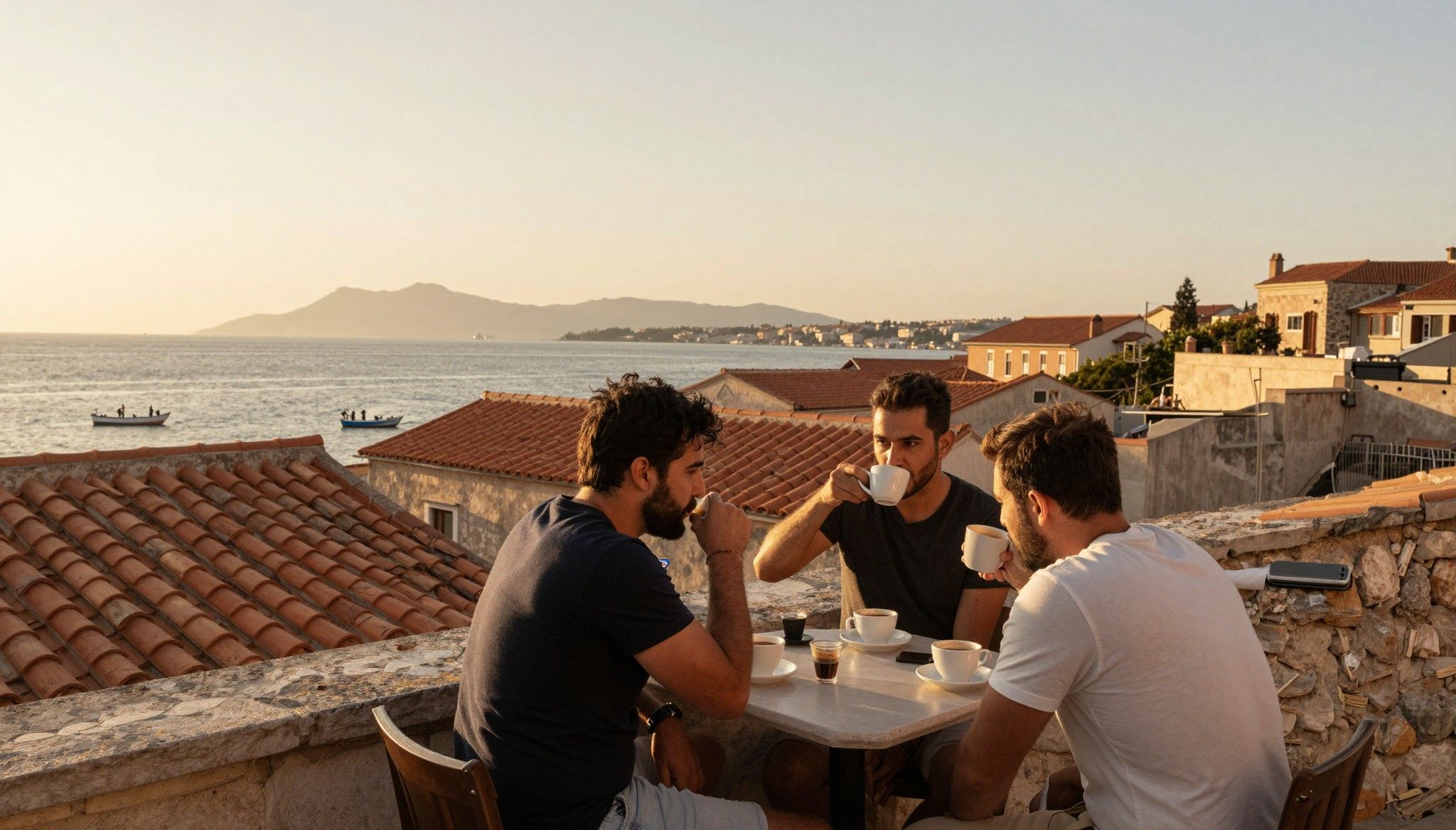
Imagine waking to the smell of strong espresso and sea-salted air, slipping into a stone-paved cafe on Split’s Riva as the sun runs fingers over terracotta roofs. Croatia gives itself to you in tactile moments — market mornings in Zadar where figs and cheese outshine conversation, lavender-scented walks on Hvar’s back lanes, and the hush of inland villages where olive trees keep their own time. But this is also a place with a seasonal pulse so dramatic it can fool buyers: crowded summers make prices and expectations swell, while off-season life reveals the quieter rhythms that determine long-term happiness here.
Living the Croatia Lifestyle
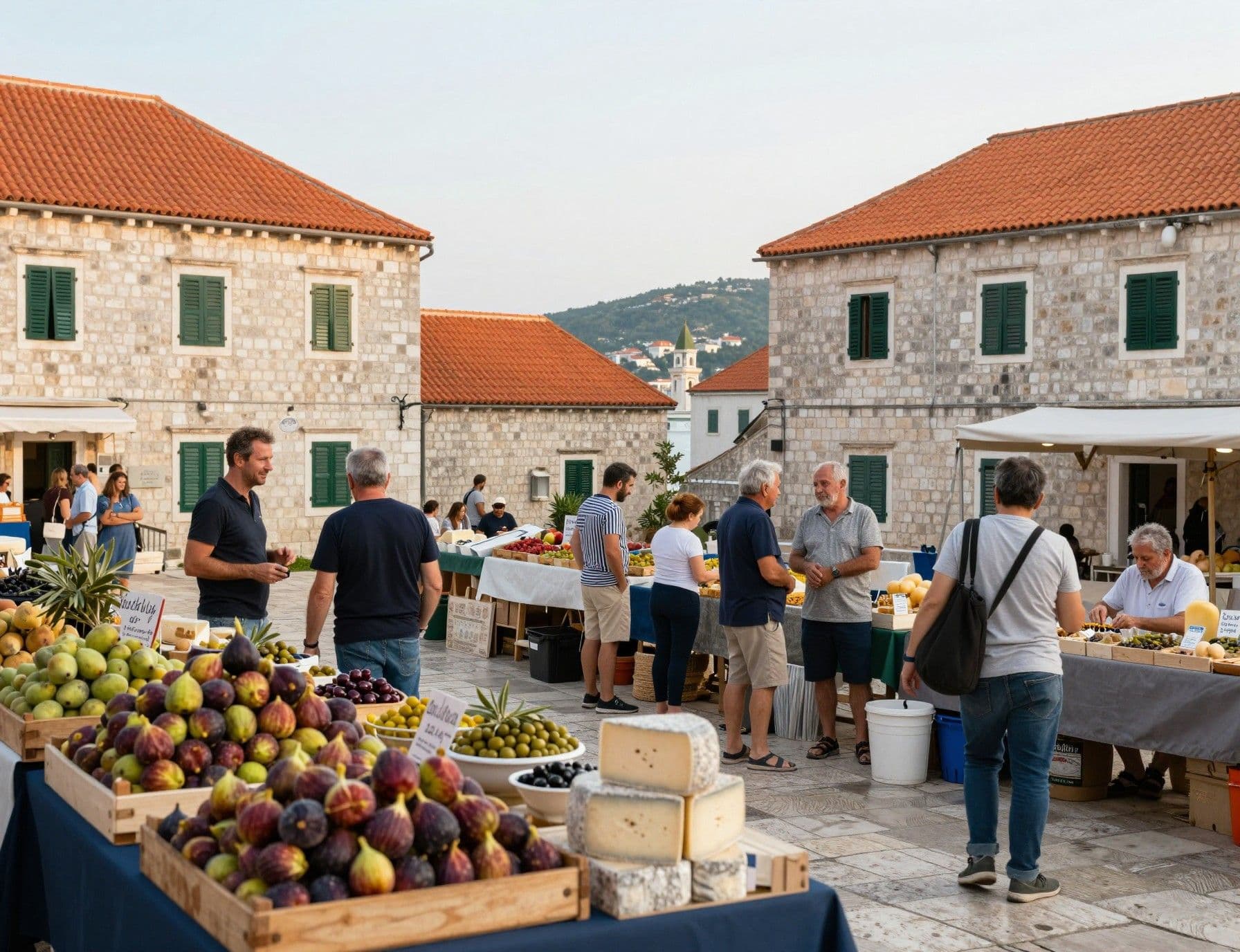
Life along the Adriatic is cinematic: fishermen hauling nets at dawn, plazas that serve as living rooms, and neighbours who know when your thermostat is set too low. Inland, the rhythm is slower and greener — oak forests, vineyards, and stone hamlets where restoration is both craft and conservation. These contrasts shape what buyers crave: a seaside terrace for summer evenings or a timber-beamed house that ages like a good cupboard. Understanding these daily rhythms is the first sustainability decision you make — choose a place whose tempo you can live with year-round, not just in July.
Coastal cadence: Split, Dubrovnik, Istria
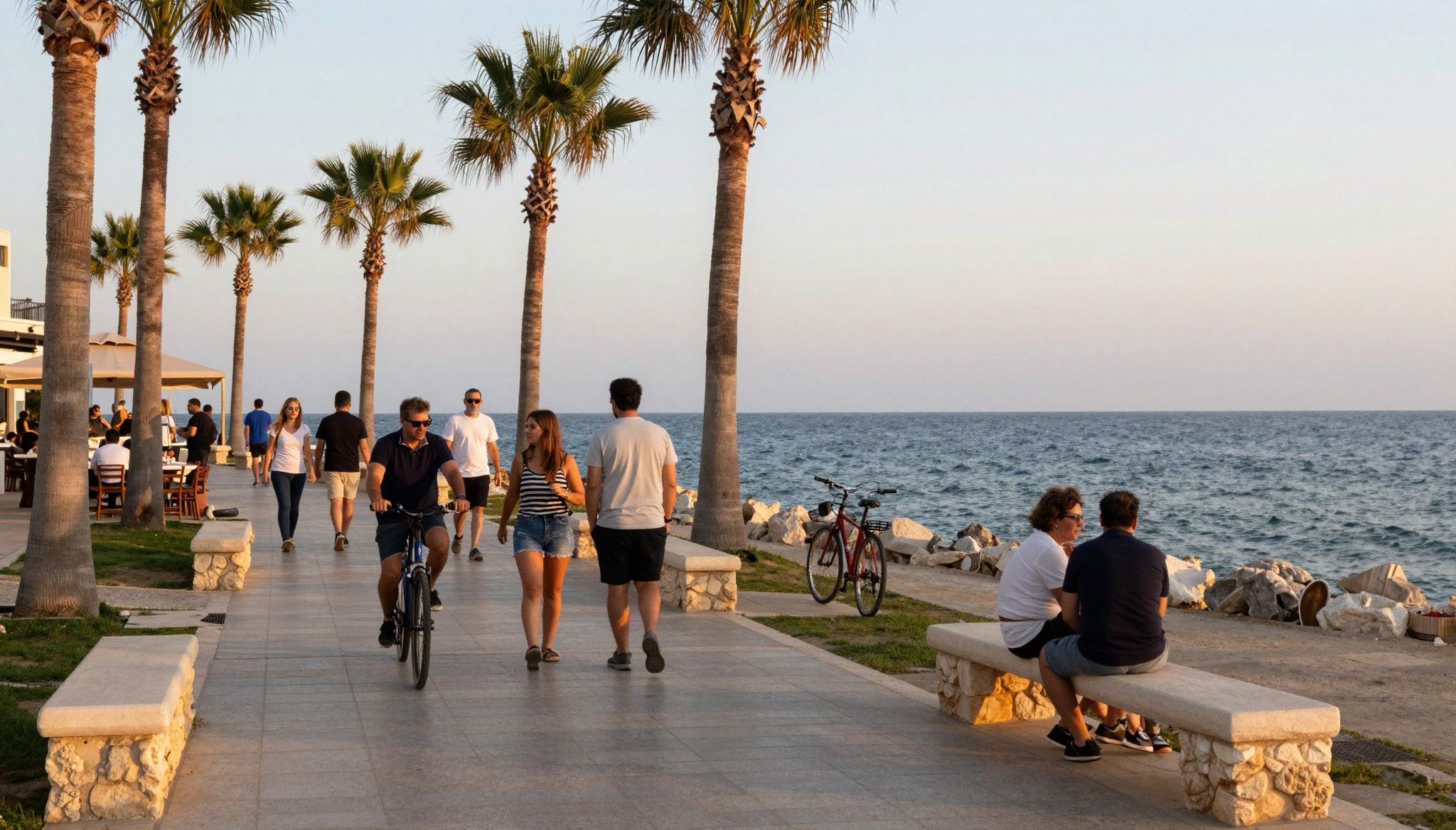
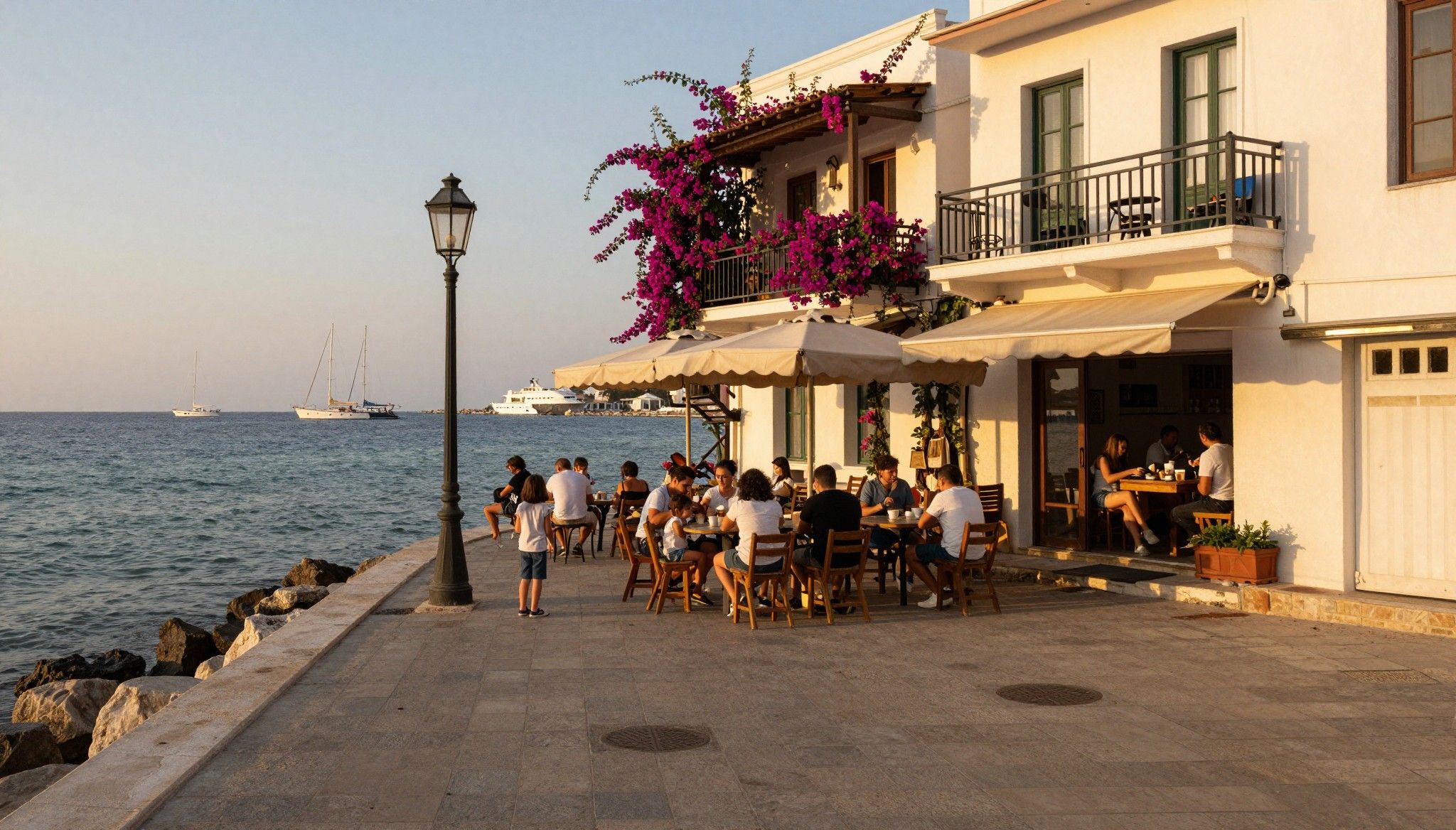
Coastal towns pulse with tourism from May to October. Streets that are quiet in winter become lively stages in summer, lifting demand — and prices. Cities like Split and Dubrovnik offer a mix of historic stone homes with small courtyards and modern apartments with sea views. In Istria, truffle hunts, family-run konobas, and hilltop villages create a patchwork of options for buyers who prize culinary life and terroir. For eco-minded buyers, look for homes with natural ventilation, shaded courtyards, and native plant landscaping to reduce seasonal energy need.
Inland and island life: Istrian hilltops to Vis coves
Island life rewards patience: transport links thin out in winter, but islands like Vis and Lastovo offer incredible biodiversity, small communities, and an unmatched sense of refuge. Inland, places around Karlovac and the Zagorje hills are steeped in woodland, local produce and traditional stone architecture — ideal for buyers wanting regenerative gardens and low-impact lifestyles. The seasonal contrast means your property’s running costs and maintenance profile will differ dramatically if it sits on an exposed coast versus a sheltered valley.
- Lifestyle highlights to sample before you buy:
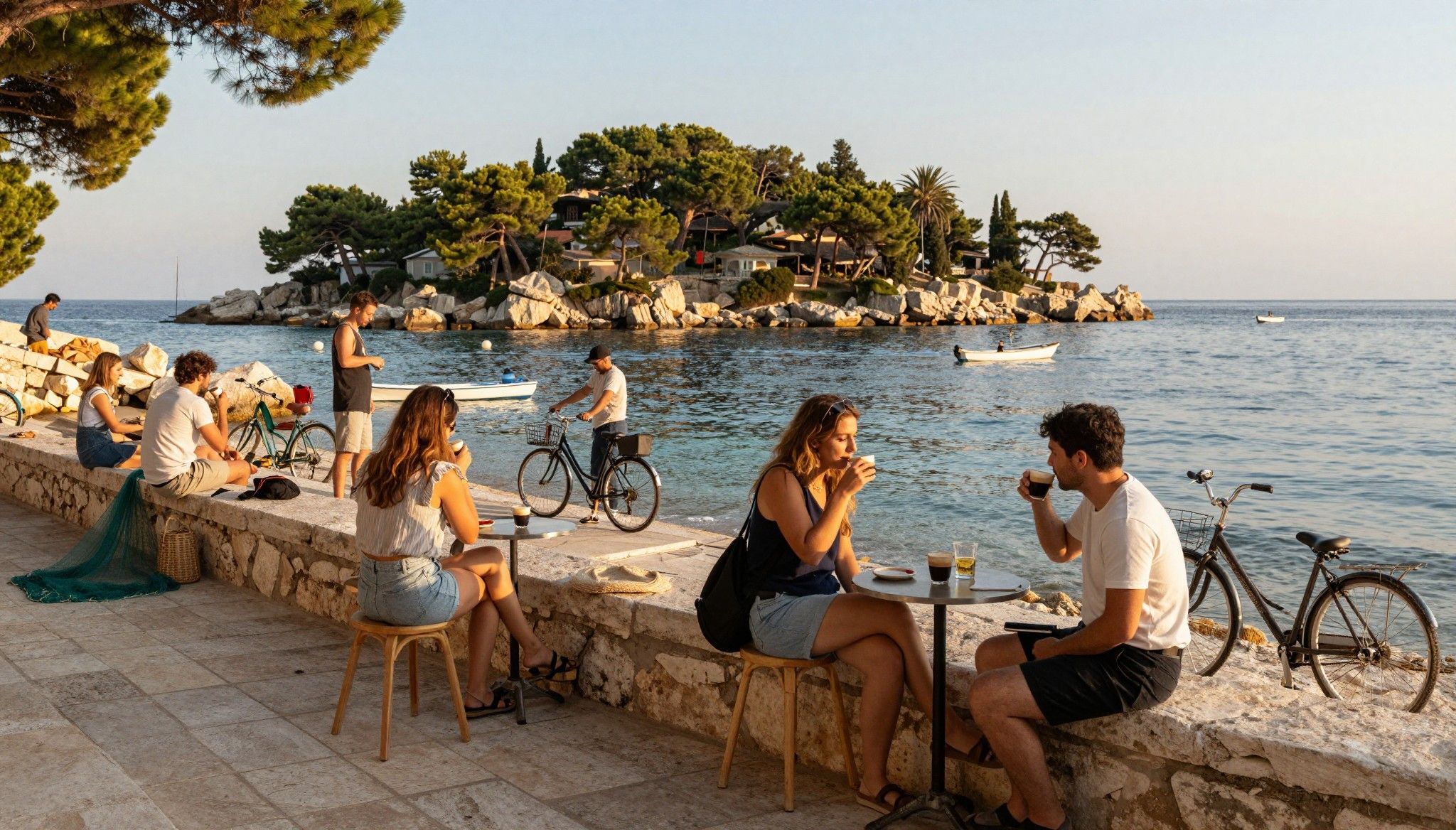
- Sip espresso at Split’s Riva, then cross to Varoš for sunset views.
- Wander Hvar’s back lanes at dusk to hear the island’s small-kitchen music scene.
- Shop Pazar markets in Zadar for figs, cheese and friendly haggling.
- Explore Istrian hill towns like Motovun for truffle-foraging weekends and stone restorations.
Making the Move: Practical Considerations
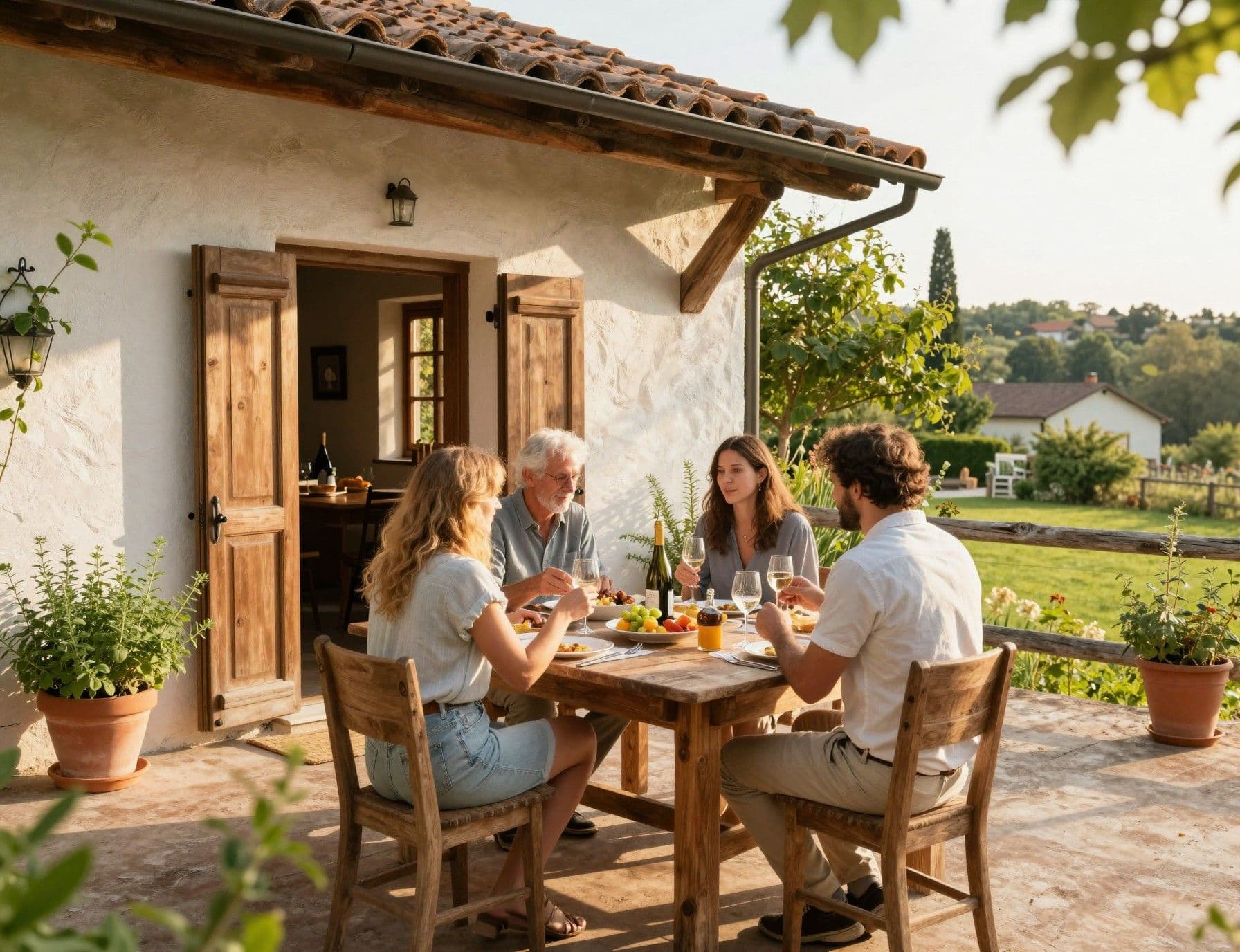
The romance of a seaside terrace meets legal and seasonal realities. Croatia permits foreign ownership under reciprocity rules and certain approvals may be required depending on nationality and land type. For sustainable buyers, think beyond purchase price: energy efficiency, sun orientation, garden capacity for native species, and local infrastructure for waste and water management shape long-term stewardship and costs. Work with local experts early to translate your lifestyle desires into property features that actually perform year-round.
Property types and what they mean for life
A stone farmhouse in Istria invites gardens, food production and low-energy retrofit; a waterfront apartment in Split offers social life and walkability but may demand higher maintenance and anti-salt finishes. New builds can deliver insulation, heat-pump readiness and solar-ready roofs; restorations often give you thick stone walls and passive thermal mass. Match the property type to how you plan to use it: seasonal retreat, year-round home, or rental — each requires a different sustainability checklist.
Working with local experts who know the lifestyle
A local agent who understands seasonal life and a lawyer versed in Croatian reciprocity rules will save you months of friction. Look for agents who prioritise eco-features — solar readiness, rainwater capture and native landscaping — and lawyers who can check land-use plans and protected-area status. Ask your team about annual running costs, typical winter access on islands, and whether the property sits in a municipal plan that supports renewable connections.
- Steps to align lifestyle and purchase (practical + sensory):
- Visit across seasons — attend a summer market and a winter morning to feel maintenance and community differences.
- Request energy and insulation details, and ask about solar orientation and garden soil for edible planting.
- Verify land use and protected-area restrictions with a lawyer before making offers — some coastal plots and agricultural land have limits.
- Talk to neighbours, a simple yet revealing step: they’ll tell you about winter ferry schedules, water pressure, and who manages the olive grove.
Insider Knowledge: What Expats Wish They'd Known
Expats tell the same few truths: summer is intoxicating but misleading; transport and services shrink in winter on smaller islands; and legal clean-up is often the slowest part of buying. The smartest buyers choose a home that supports their daily rituals — a kitchen that fits long lunches, a balcony with southern sun, a nearby morning market — and then confirm those desires against municipal rules and seasonal logistics.
Cultural integration and everyday life
Croatians prize neighbourliness and ritual: early-morning markets, late dinners, and communal festivals. Learning even a few phrases of Croatian opens doors to local networks that make maintenance, tradespeople and food sourcing easier. Participation in community life — from olive harvests to village feasts — transforms a house into a home, and is the most sustainable way to root your investment in local wellbeing.
Long-term living: stewardship, resilience and resale
Think generationally: invest in measures that reduce ongoing impact and cost — high-quality insulation, rainwater capture, native plantings and simple passive cooling are often cheaper than cosmetic upgrades. These choices resonate with the growing market of conscious buyers and can protect resale value as Croatia’s market and regulations evolve. Use market reports to time offers, but let lifestyle compatibility guide the ultimate decision.
- Red flags local buyers point out:
- Unclear land title or unresolved building permits.
- Properties in protected zones without clear restoration permissions.
- Access that depends on seasonal ferries or roads impassable in winter.
If you leave Croatia feeling like you’ve fallen in love, that affection is valuable — but temper it with questions that protect both the place and your future. Have a local legal expert check titles and land-use designations, ask the agent about typical winter utility costs, and imagine a weekday here in February as well as a holiday in July.
Conclusion: Croatia is a place of habit and season, stone and sea. Let the lifestyle seduce you — morning markets, lavender-scented lanes, and slow, neighbourly afternoons — then make practical choices that honour the landscape. Visit across seasons, hire local experts who care about stewardship, and prioritise features that reduce long-term impact. When you pair love for place with careful, sustainable choices, your Croatian home becomes a year-round refuge, not a summer postcard.
Dutch property strategist who helped 200+ families find sustainable homes in southern Europe; expert in legal pathways and long-term stewardship.